Is It Safe to Wear Makeup While Pregnant? What to Use and Avoid
Pregnancy brings a lot of questions about what is safe, from food to medications to the products you put on your skin every day. Makeup is one of the most common, especially when skin changes like acne and dark patches make you want more coverage than usual. It is completely normal to want clear, reassuring answers.
Part of our guide to makeup how-to. Start with: How to Properly Put On Face Makeup: The Right Order, Step by Step
For most people, wearing everyday makeup during pregnancy is considered safe. Foundation, concealer, powder, mascara, and lipstick are applied to the skin surface in small amounts, and very little is absorbed. The bigger questions usually involve certain active skincare and acne ingredients, not color makeup. Most people do not need to change their makeup bag at all.
The American Academy of Dermatology advises that some acne medications should never be used during pregnancy because they can cause serious birth defects, including isotretinoin, tazarotene, and spironolactone. Experts also recommend stopping topical retinoids such as tretinoin and adapalene. Other treatments, such as azelaic acid, and limited amounts of benzoyl peroxide and salicylic acid, are generally considered safe.
Pregnancy also changes your skin. Hormones can trigger acne, increased sensitivity, and melasma, the brown patches often called the mask of pregnancy. Sun protection and gentle, simple products become especially important.
This guide explains which makeup is generally fine, which skincare ingredients to check, how to handle common pregnancy skin changes, and when to talk to your doctor. It also covers breastfeeding and postpartum skin.
Expecting a baby?
Create a free Amazon Baby Registry to keep everything you need in one list, with perks for eligible registrants such as a welcome box and completion discount.
Create a Baby RegistryAffiliate link: we may earn a commission at no extra cost to you.
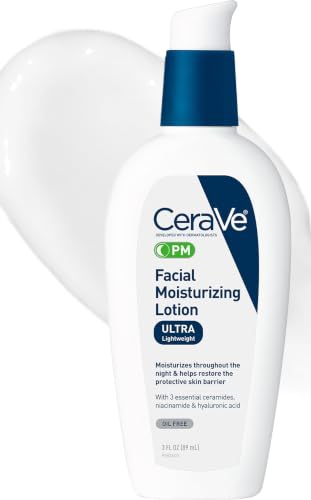
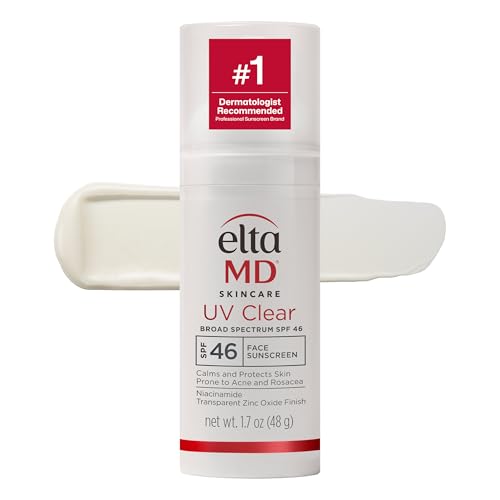
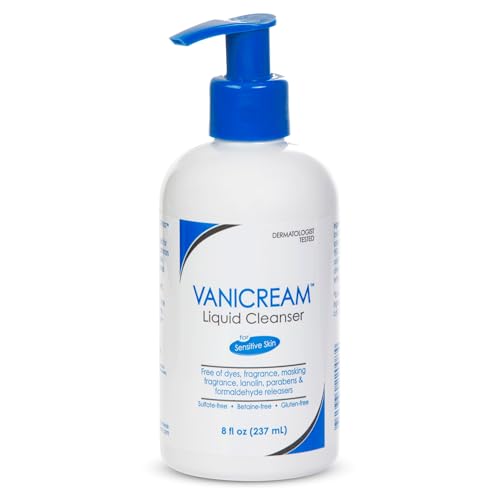
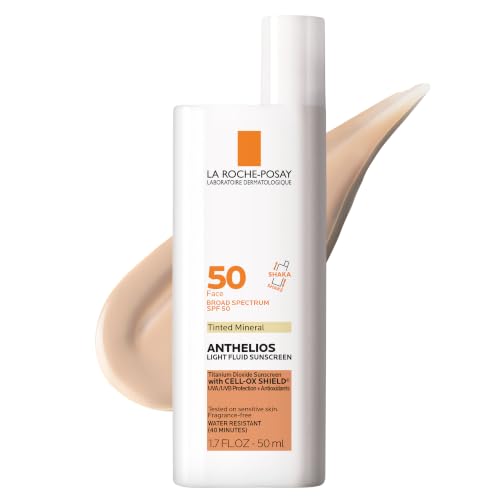
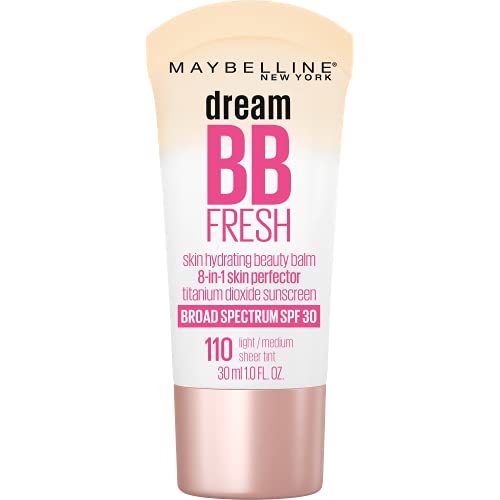
Recommended Pregnancy-Friendly Skincare and Makeup

At a Glance
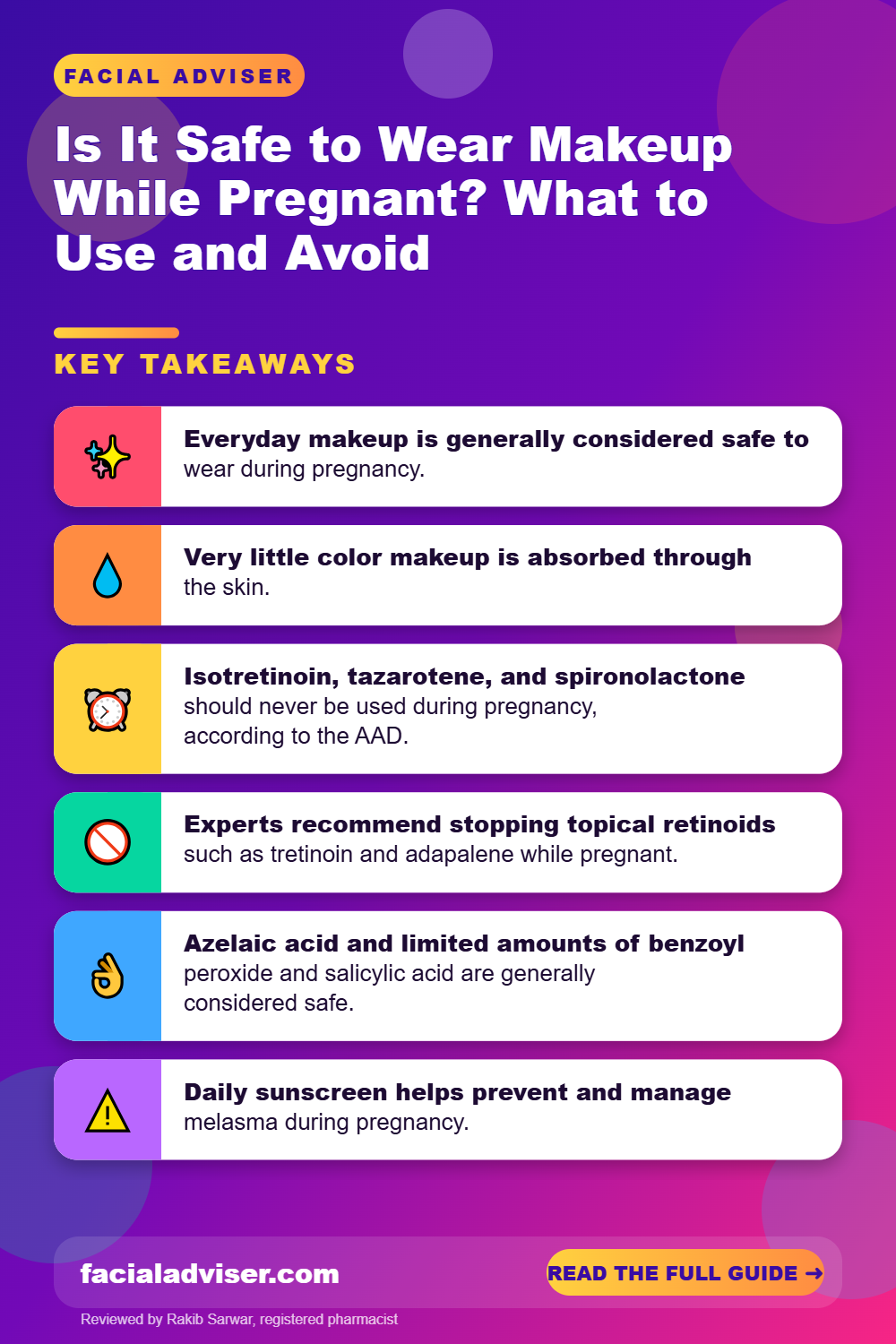
- Everyday makeup is generally considered safe to wear during pregnancy.
- Very little color makeup is absorbed through the skin.
- Isotretinoin, tazarotene, and spironolactone should never be used during pregnancy, according to the AAD.
- Experts recommend stopping topical retinoids such as tretinoin and adapalene while pregnant.
- Azelaic acid and limited amounts of benzoyl peroxide and salicylic acid are generally considered safe.
- Daily sunscreen helps prevent and manage melasma during pregnancy.
- Check with your obstetrician or dermatologist before starting any new treatment.
In This Guide
- Is Everyday Makeup Safe During Pregnancy?
- Skincare and Acne Ingredients to Check
- How to Review Your Products
- Melasma: The Mask of Pregnancy
- Pregnancy Acne and Makeup
- Sensitive Skin and Fragrance
- Nail Polish, Hair Dye, and Other Beauty Products
- After Birth and While Breastfeeding
- A Simple Pregnancy-Friendly Routine
- What We Know and Do Not Know
- When to Talk to Your Doctor
- Your Questions, Answered
- Summing Up
Is Everyday Makeup Safe During Pregnancy?
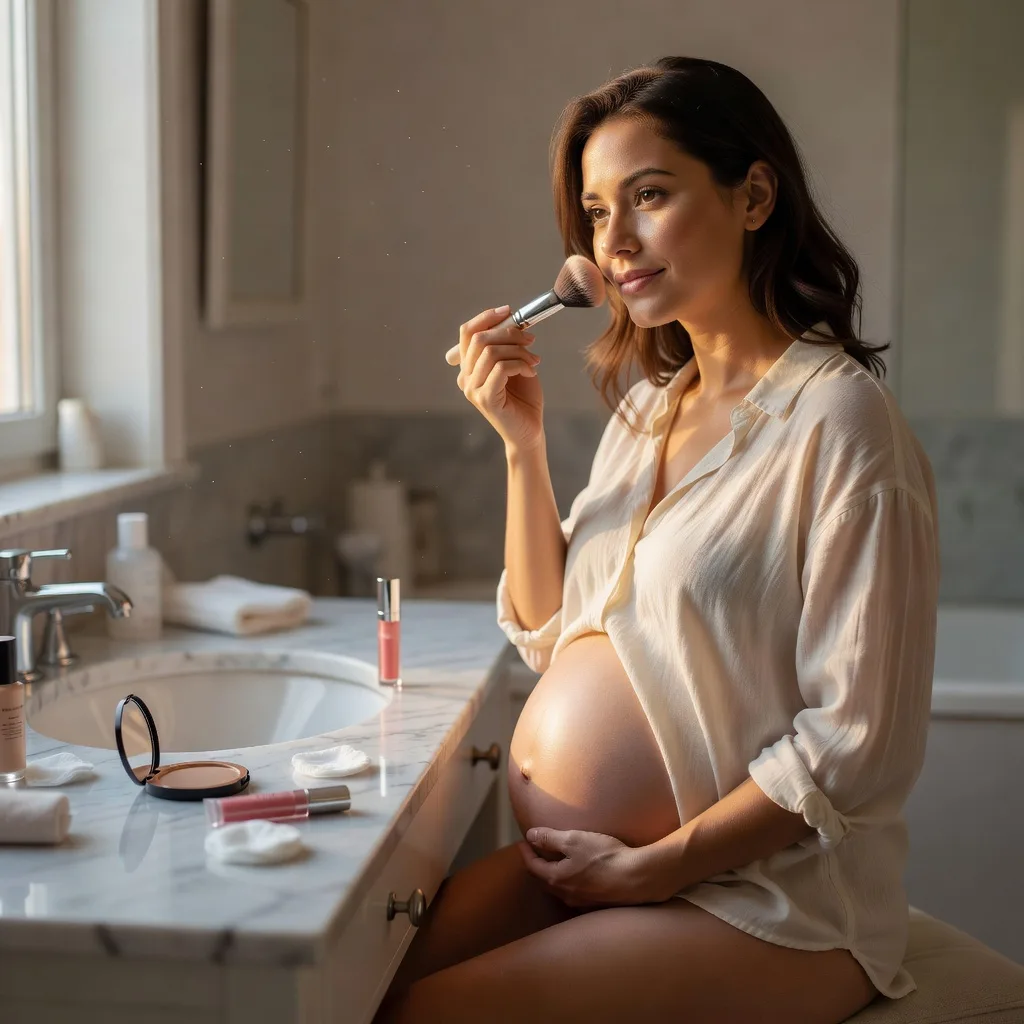
Color cosmetics such as foundation, concealer, powder, blush, eyeshadow, mascara, and lipstick sit mostly on the surface of the skin. They are used in small amounts, and very little is absorbed into the body. For this reason, most doctors consider routine makeup use safe during pregnancy.
What changes during pregnancy is often your skin, not the safety of your makeup. Skin may become more sensitive, oilier, drier, or prone to breakouts and dark patches. You may find that products you used for years suddenly irritate your skin or look different.
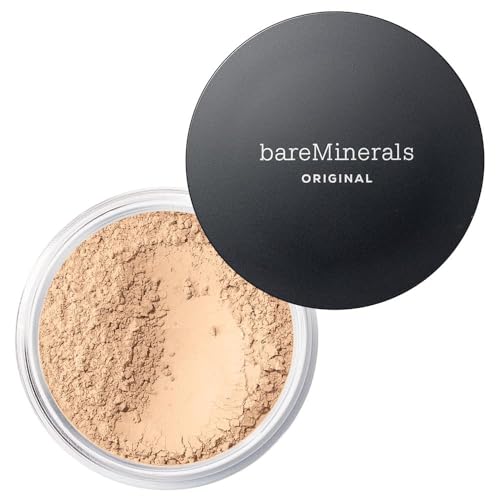
Choosing simple, fragrance-free formulas can help if your skin has become more reactive. Mineral makeup and products labeled for sensitive skin are often good options.
Hygiene matters as always. Clean brushes and sponges regularly, replace mascara every few months, and avoid sharing makeup, since infections can be more uncomfortable to treat during pregnancy.
Lip products are one area where a little is swallowed over time, which is another reason to choose products from reputable brands and avoid counterfeit or unregulated cosmetics.
Skincare and Acne Ingredients to Check
The ingredients that raise concern during pregnancy are mostly found in acne and anti-aging treatments rather than color makeup.
| Ingredient | AAD guidance during pregnancy | Where you find it |
|---|---|---|
| Isotretinoin | Never use; causes serious birth defects | Oral acne medication |
| Tazarotene | Never use | Prescription topical retinoid |
| Spironolactone | Never use | Oral medication for hormonal acne |
| Tretinoin and adapalene | Experts recommend stopping | Topical retinoids |
| Azelaic acid | Thought to be safe | Acne and redness treatments |
| Benzoyl peroxide | Safe in limited amounts | Acne washes and spot treatments |
| Salicylic acid | Generally safe for limited time | Acne cleansers and toners |
Many anti-aging serums contain retinol, a milder relative of prescription retinoids. Most doctors suggest pausing retinol during pregnancy as a precaution. Always check with your obstetrician or dermatologist about your specific products.
How to Review Your Products
This quick review helps you decide what to keep, pause, or ask about.
Gather everything you use
Collect your makeup, skincare, acne treatments, and any prescription creams.
Check skincare actives first
Look for retinoids such as retinol, tretinoin, adapalene, and tazarotene, and any prescription acne medicines.
Set aside what to discuss
Put aside any product you are unsure about and bring the list, or photos of the labels, to your next prenatal visit.
Keep the gentle basics
A gentle cleanser, fragrance-free moisturizer, and daily sunscreen are usually fine throughout pregnancy.
Simplify makeup if needed
If your skin is more sensitive, switch to fragrance-free or mineral formulas and patch test new products.
Take photos of ingredient lists on your phone. It makes conversations with your doctor quicker and more accurate.
Melasma: The Mask of Pregnancy
Melasma causes brown or gray-brown patches, usually on the cheeks, forehead, upper lip, and nose. It is common during pregnancy because hormones stimulate pigment production, and sun and visible light make it worse.
The most important step is daily sun protection. Use a broad-spectrum sunscreen of SPF 30 or higher every day, reapply when outdoors, and wear a wide-brimmed hat. Tinted mineral sunscreens containing iron oxides also help protect against visible light.
Makeup can cover melasma well. A color-correcting concealer, a peach or orange tone for deeper patches, followed by foundation, can even out the look. Many cases fade after pregnancy, though some need treatment later.
Hydroquinone and many strong lightening treatments are generally avoided during pregnancy. Ask your dermatologist about safe options if melasma bothers you.
Heat can also worsen melasma, so some people find their patches darken after hot yoga, saunas, or cooking over high heat. Keeping cool and protected helps.
Pregnancy Acne and Makeup
Hormonal changes can trigger breakouts, especially in the first and second trimesters. Gentle care and pregnancy-appropriate treatments can help.
Do
- Use a gentle cleanser twice daily.
- Choose non-comedogenic makeup and sunscreen.
- Ask about azelaic acid or benzoyl peroxide in limited amounts.
- Remove makeup thoroughly every night.
- Keep hair products away from the hairline.
Don’t
- Use isotretinoin, tazarotene, or spironolactone.
- Continue topical retinoids without medical advice.
- Scrub breakouts or pick at spots.
- Layer heavy foundation over active acne.
- Try new strong treatments without checking first.
Our guide on non-comedogenic makeup explains how to choose products less likely to clog pores.
Acne during pregnancy often improves on its own in the later months or after birth, so gentle, consistent care is usually enough.
Sensitive Skin and Fragrance
Many people notice their skin becomes more sensitive during pregnancy. Products that never caused problems may suddenly sting or cause redness.
Fragrance is one of the most common causes of cosmetic irritation and allergy, so fragrance-free makeup and skincare can be a good choice. Some people also find their sense of smell is stronger during pregnancy, making scented products unpleasant.
Patch test new products on your inner arm or jaw for a couple of days before using them on your whole face. Our guide on where makeup ingredients come from explains common ingredient sources.
If your skin becomes very dry, a richer fragrance-free moisturizer at night can help, and a hydrating skin tint may sit better than a matte foundation during the day.
Nail Polish, Hair Dye, and Other Beauty Products
Nail polish and remover are generally considered safe when used in a well-ventilated area. The strong smell may bother you more than usual, so open a window.
Many doctors suggest waiting until after the first trimester for hair dye as a precaution, although research has not shown clear harm. Choose a well-ventilated salon and follow product instructions.
Self-tanners containing DHA stay mostly on the outer skin layer and are generally considered low risk, but spray tans may be inhaled, so ask your doctor if you are unsure. Regulations and labeling are explained in our guide on makeup vs cosmetics.
Teeth whitening and some cosmetic procedures are usually postponed until after pregnancy, so check before booking.
After Birth and While Breastfeeding
Skin often continues to change after birth as hormones settle. Melasma may fade gradually over months, and acne may improve or temporarily worsen.
If you are breastfeeding, many of the same precautions apply to skincare, since some medications can pass into breast milk. Everyday makeup remains generally fine. Avoid applying creams or makeup to the breast area where a baby feeds, and ask your doctor before restarting retinoids or prescription treatments.
Sleep deprivation and dehydration can make skin look dull and tired in the early months. A simple routine of gentle cleanser, moisturizer, sunscreen, and a little concealer and cream blush can go a long way when time is short.
If melasma or acne persists after pregnancy and breastfeeding, a dermatologist can suggest treatments that were not suitable while pregnant.
A Simple Pregnancy-Friendly Routine
If you want to keep things easy, this basic routine works for many people during pregnancy.
In the morning, cleanse gently, apply a fragrance-free moisturizer, and finish with a broad-spectrum sunscreen of SPF 30 or higher. Add a light base, concealer where needed, mascara, and lip color if you like.
At night, remove makeup gently, cleanse, and apply moisturizer. If you have acne, ask your doctor whether azelaic acid or a limited amount of benzoyl peroxide is appropriate for you.
Changing fewer things at once also makes it easier to spot any product that irritates your skin.
Consistency matters more than the number of products you use.
What We Know and Do Not Know
Research on cosmetics during pregnancy is limited, because it is difficult to study. Most guidance is based on how much of an ingredient reaches the body and on data from medications.
| Belief | Reality |
|---|---|
| All makeup is dangerous during pregnancy | Everyday makeup is generally considered safe |
| Natural products are always safer | Plant extracts and essential oils can irritate |
| Retinol is fine because it is not prescription | Most doctors suggest pausing retinol |
| Melasma always goes away | Many cases fade, but some persist |
| You must stop all acne treatments | Some treatments are considered safe |
When in doubt, simpler routines with fewer active ingredients are a sensible approach.
Your healthcare team can help you weigh the benefits and risks of any specific product.
When to Talk to Your Doctor
Speak with your obstetrician or dermatologist if you:
- Use any prescription acne or skin treatment.
- Have severe or painful acne during pregnancy.
- Develop a rash, especially an itchy rash on the belly, arms, or legs.
- Notice intense itching, particularly on the palms and soles, which can signal a liver condition that needs prompt attention.
- Have melasma that bothers you and want treatment options.
- Have a reaction to any beauty product.
Severe itching in pregnancy, especially on the hands and feet, should always be checked promptly, as it can be a sign of intrahepatic cholestasis of pregnancy.
Medical disclaimer: This article is for general information and is not a substitute for professional medical advice. Always consult your healthcare provider about products and medications during pregnancy.
Your Questions, Answered
Is it safe to wear makeup while pregnant?
Everyday makeup is generally considered safe, since very little is absorbed through the skin.
What skincare should I avoid while pregnant?
Isotretinoin, tazarotene, and spironolactone should never be used; experts recommend stopping topical retinoids like tretinoin and adapalene.
Can I use retinol while pregnant?
Most doctors suggest pausing retinol as a precaution.
Is salicylic acid safe in pregnancy?
Generally considered safe when used for a limited time, according to the AAD.
Is benzoyl peroxide safe in pregnancy?
Considered safe in limited amounts.
How can I cover melasma during pregnancy?
Use a color corrector and foundation, and wear daily sunscreen to prevent it getting darker.
Is mineral makeup better during pregnancy?
It is often gentler for sensitive skin, but regular makeup is generally fine too.
Can I use chemical sunscreen while pregnant?
Many doctors consider both mineral and chemical sunscreens acceptable; mineral is a common choice for sensitive skin.
Is nail polish safe during pregnancy?
Generally yes, in a well-ventilated area.
Should I ask my doctor about my products?
Yes, especially for prescription treatments or anything you are unsure about.
Summing Up
Wearing everyday makeup during pregnancy is generally considered safe, because color cosmetics are used in small amounts and very little is absorbed. The ingredients that need attention are mainly in acne and anti-aging treatments, especially retinoids and certain prescription medicines.
Keep a gentle routine with daily sunscreen, choose fragrance-free or mineral products if your skin becomes sensitive, and review your skincare with your obstetrician or dermatologist. Seek prompt care for severe itching or any worrying skin change.

Written by
Registered pharmacist and founder of Facial Adviser. Rakib's pharmacy training covers how skincare actives work and interact; a later course in cosmetology turned that into a focus on facial treatments and skincare products. He plans, researches and edits every guide on the site and checks health claims against sources such as the American Academy of Dermatology, the FDA and the NIH. He is not a dermatologist; see the Editorial Policy and Medical Disclaimer.
About · Editorial policy · How we choose products · Medical disclaimer · Contact
Keep reading: Makeup basics and skin
- How to Properly Put On Face Makeup: The Right Order, Step by Step
- What to Do If Makeup Is Causing Acne: Find the Culprit and Fix It
- Makeup for Asymmetrical Features: How to Balance Eyes, Brows and Lips
- Makeup Mistakes That Age You and What to Do Instead
- How to Adjust Your Makeup to Match a Tan Without Buying New Foundation
- Makeup Tips for Uneven Skin Tone: Even Out Redness, Spots and Dullness
- How to Choose Lipstick Shade: Undertone, Skin Tone and Testing Tips
- How to Find the Right Shade of Makeup: Undertone, Depth and Testing