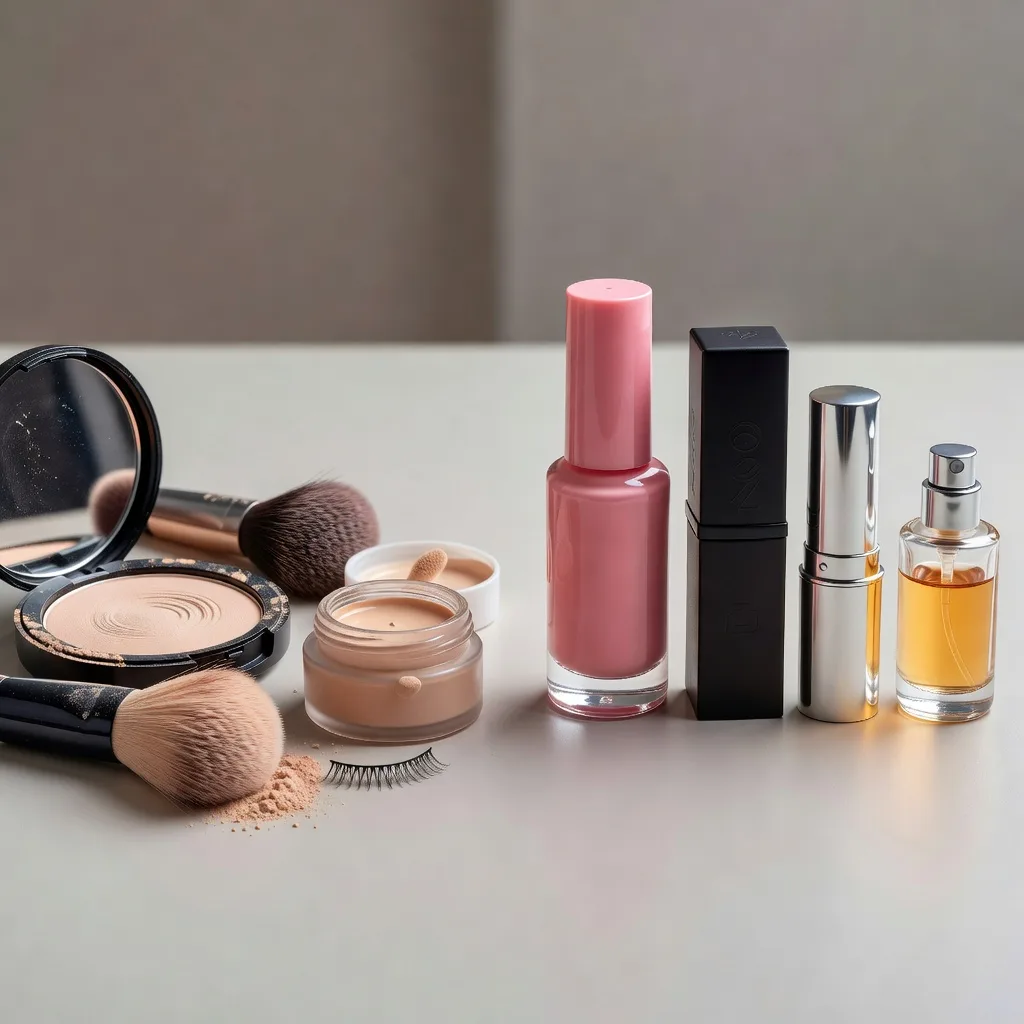
What Is the Difference Between Makeup and Cosmetics?
People often use the words makeup and cosmetics as if they mean the same thing. In casual conversation that is usually fine. But the two terms are not identical, and the difference becomes important when you look at labels, safety rules, and what a product is allowed to claim. It can also explain why two similar-looking products carry very different labels and warnings.
Part of our guide to cosmetic science. Start with: How to Read a Cosmetic Ingredient List: A Beginner Guide
Makeup is one type of cosmetic. Cosmetics is the much broader category that includes makeup plus skincare, hair care, fragrance, nail products, deodorant, and many personal care items. All makeup is a cosmetic, but not every cosmetic is makeup.
In the United States, the Food and Drug Administration defines cosmetics by their intended use: products meant to be applied to the body for cleansing, beautifying, promoting attractiveness, or altering the appearance. Lipstick, shampoo, moisturizer, and perfume all fit that definition. The definition is about purpose, not about the ingredients a product contains.
Some products are both a cosmetic and a drug. A moisturizer with SPF, an anti-dandruff shampoo, or an acne cleanser with salicylic acid claims to treat or prevent something, so in the US it must also meet drug rules, including a Drug Facts label.
This guide explains what counts as makeup, what counts as a cosmetic, where drugs come in, how to read the label to tell which is which, and why the distinction matters for your skin.
Shopping these picks?
Amazon Prime members get fast, free shipping on eligible items, plus Prime Video, Amazon Music and member deals. New members can start with a free trial.
Start a free Prime trialAged 18 to 24? Prime for Young Adults comes with a longer free trial and a lower price after it.
Affiliate link: we may earn a commission at no extra cost to you.
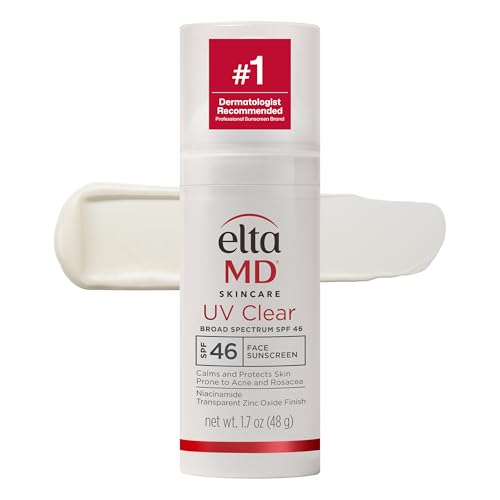
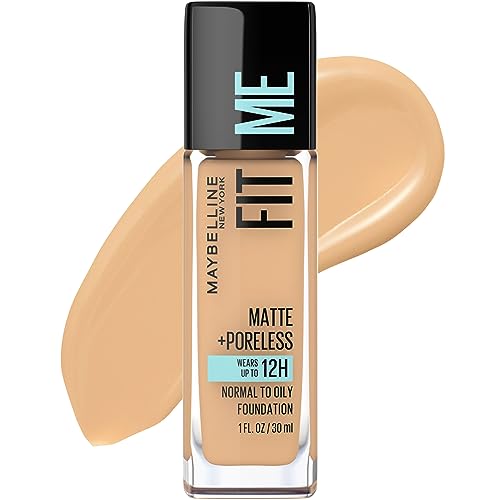
Recommended Everyday Cosmetics and Makeup

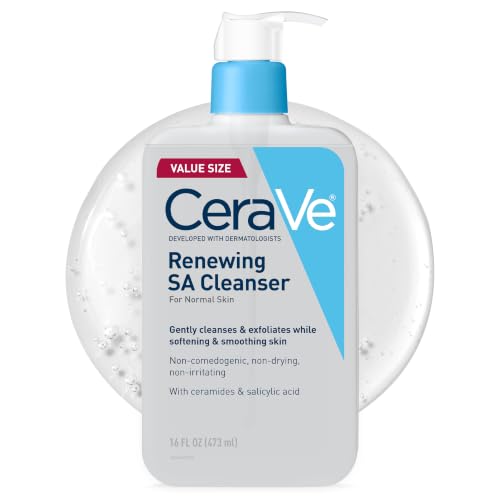
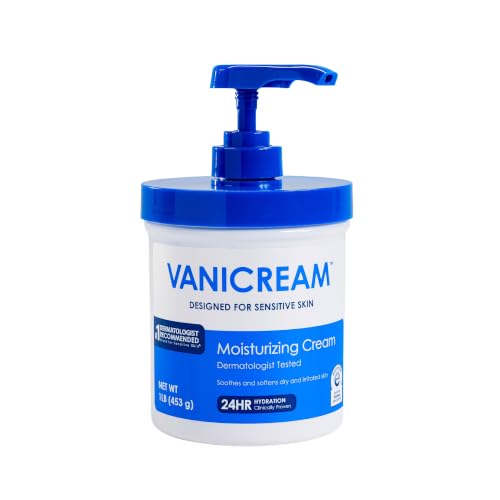
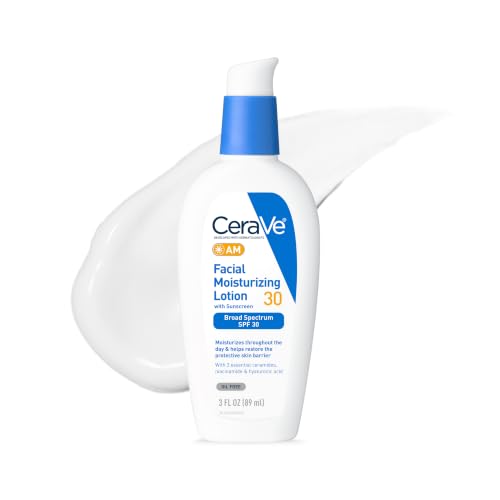

Contents
- What Counts as Makeup
- What Counts as a Cosmetic
- When a Cosmetic Is Also a Drug
- How to Tell Which Kind of Product You Have
- Makeup vs Cosmetics vs Drugs at a Glance
- How Cosmetics Are Regulated
- How Other Countries Draw the Line
- Label Terms That Are Not Legally Defined
- What a Category Label Cannot Tell You
- When a Product Reaction Needs a Doctor
- Questions People Ask
- Where This Leaves You
Key Takeaways
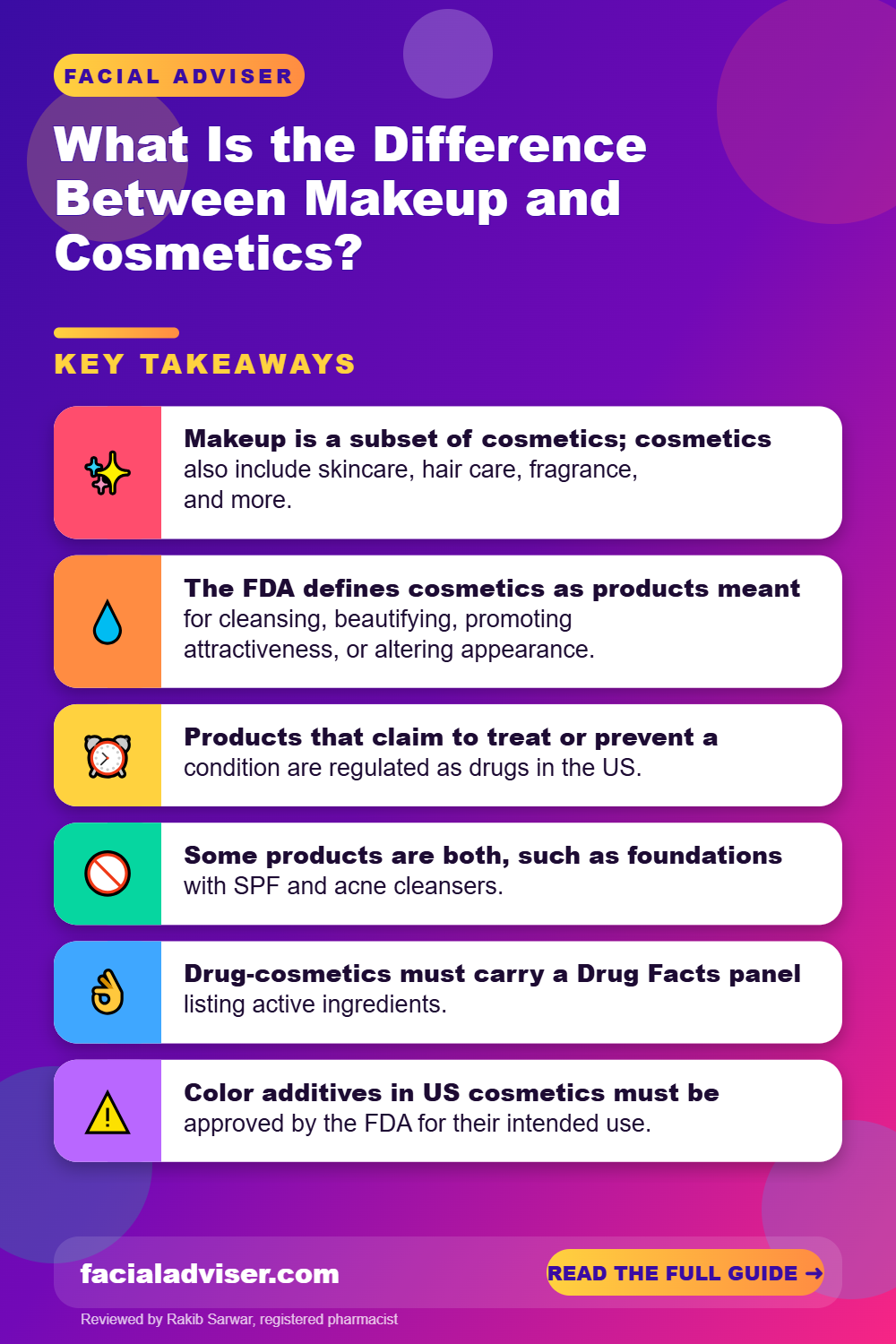
- Makeup is a subset of cosmetics; cosmetics also include skincare, hair care, fragrance, and more.
- The FDA defines cosmetics as products meant for cleansing, beautifying, promoting attractiveness, or altering appearance.
- Products that claim to treat or prevent a condition are regulated as drugs in the US.
- Some products are both, such as foundations with SPF and acne cleansers.
- Drug-cosmetics must carry a Drug Facts panel listing active ingredients.
- Color additives in US cosmetics must be approved by the FDA for their intended use.
- Natural, clean, and hypoallergenic are not legally defined terms in the US.
What Counts as Makeup
Makeup, sometimes called color cosmetics, refers to products applied mainly to change or enhance how the face and body look. The main categories are:
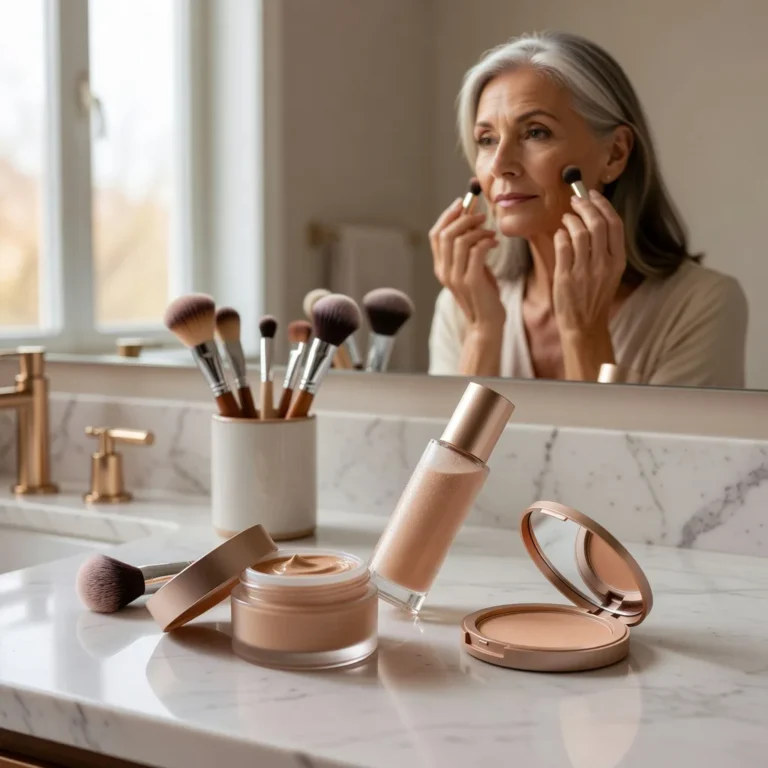
- Face: foundation, concealer, powder, blush, bronzer, highlighter, primer, setting spray.
- Eyes: eyeshadow, eyeliner, mascara, brow products, false lashes and adhesives.
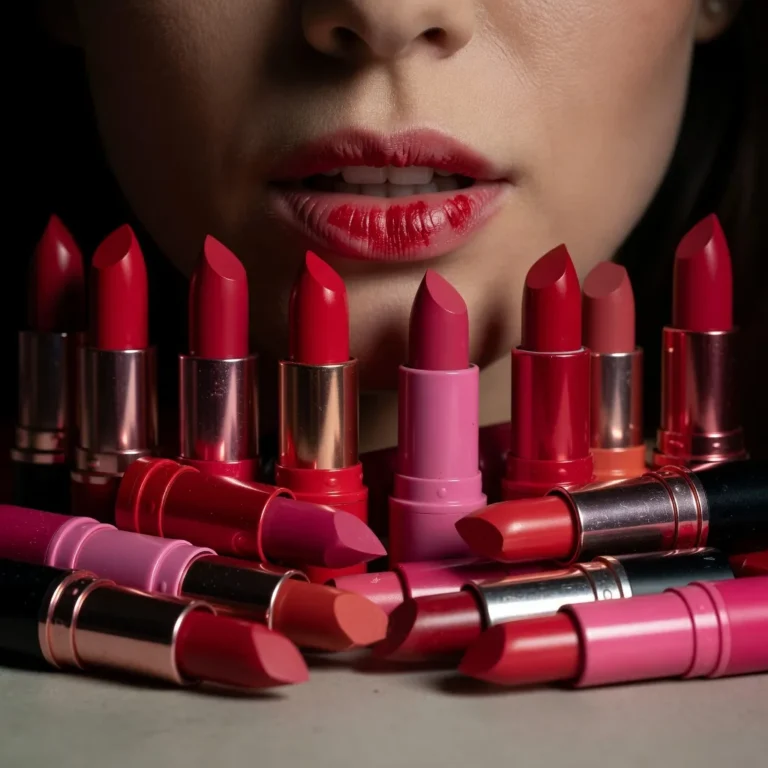
- Lips: lipstick, lip gloss, lip liner, lip stain.
- Nails: nail polish is often grouped with makeup, though it is sometimes treated as its own category.
Makeup is usually temporary and removable. Its main purpose is appearance, although many makeup products now include skincare ingredients or sunscreen.
The line between makeup and skincare is getting blurrier. Tinted moisturizers, skin tints, serum foundations, and lip oils combine color with hydrating or soothing ingredients, and many are marketed as hybrids. From a regulatory point of view they are still cosmetics unless they make drug claims, such as sun protection.
What Counts as a Cosmetic
The US Federal Food, Drug, and Cosmetic Act defines cosmetics as articles intended to be rubbed, poured, sprinkled, sprayed on, introduced into, or otherwise applied to the human body for cleansing, beautifying, promoting attractiveness, or altering the appearance.
That covers far more than makeup:
- Skin moisturizers and cleansers
- Shampoos, conditioners, and hair dyes
- Perfumes and colognes
- Deodorants (antiperspirants are drugs)
- Nail polish and removers
- Toothpaste for cleaning or whitening, unless it claims to prevent cavities
- Makeup of all kinds
Soap is a special case. In the US, traditional soap made mostly of fats and alkali and sold only for cleaning is regulated by the Consumer Product Safety Commission, not the FDA. Many body washes and synthetic cleansing bars count as cosmetics.
When a Cosmetic Is Also a Drug
The key question is what a product claims to do. If it is intended to diagnose, treat, cure, mitigate, or prevent disease, or to affect the structure or function of the body, it is regulated as a drug.
- Sunscreens prevent sunburn and are over-the-counter drugs in the US.
- Acne products with benzoyl peroxide or salicylic acid that claim to treat acne are drugs.
- Anti-dandruff shampoos with active ingredients like zinc pyrithione are drugs.
- Antiperspirants reduce sweating, so they are drugs; deodorants that only mask odor are cosmetics.
- Fluoride toothpaste prevents cavities, so it is a drug.
A foundation with SPF, a moisturizer with sunscreen, or an acne cleanser is therefore both a cosmetic and a drug and must meet both sets of rules.
Claims matter as much as ingredients. A cream that says it moisturizes is a cosmetic. The same cream marketed to repair skin damage or boost collagen may be making drug-like claims.
If you use several drug-cosmetics, such as an acne cleanser, a medicated spot treatment, and an SPF foundation, it is worth checking the active ingredients together. Using more than one product with the same active can add up and increase dryness or irritation.
How to Tell Which Kind of Product You Have
You can usually work out a product’s category from the packaging in under a minute.
Look for a Drug Facts panel
If the label has a box titled Drug Facts listing active ingredients, uses, and warnings, the product is regulated as a drug, possibly also a cosmetic.
Read the claims
Words like treats, prevents, cures, or protects against sunburn signal drug claims. Words like beautifies, moisturizes, or enhances usually mean cosmetic.
Check the ingredient list
Cosmetics list all ingredients in order of amount. Drug-cosmetics list active ingredients separately, followed by inactive ingredients.
Look for SPF
Any SPF value on a US label means the product contains sunscreen and is regulated as a drug.
Consider the purpose
If the main job is changing how you look, it is makeup or another cosmetic. If it is meant to change how your body works, it is a drug.
This distinction also helps you compare products. Two moisturizers may look similar, but the one with a Drug Facts panel has tested active ingredients at set levels.
Makeup vs Cosmetics vs Drugs at a Glance
| Category | Examples | Main purpose | US label |
|---|---|---|---|
| Makeup | Foundation, mascara, lipstick | Change or enhance appearance | Ingredient list |
| Other cosmetics | Moisturizer, shampoo, perfume | Cleanse, beautify, scent | Ingredient list |
| Drugs | Acne treatments, sunscreen | Treat or prevent a condition | Drug Facts panel |
| Cosmetic and drug | SPF foundation, anti-dandruff shampoo | Both appearance and treatment | Drug Facts plus other ingredients |
This framework is based on US rules. Other countries, including those in the European Union, define and regulate cosmetics differently, which is why the same product may be labeled differently abroad.
How Cosmetics Are Regulated
In the US, most cosmetics do not need FDA approval before they are sold, with the important exception of color additives, which must be approved for their intended use, such as around the eyes. Companies are legally responsible for making sure their products are safe and properly labeled.
The Modernization of Cosmetics Regulation Act of 2022 expanded the FDA’s authority, including requirements for companies to register manufacturing facilities, list products, and report serious adverse events. It also gave the FDA the power to order recalls in some cases.
Drugs face stricter rules. Over-the-counter drugs such as sunscreen must follow FDA monographs that set which active ingredients can be used and at what levels, or go through a formal approval process.
Knowing where ingredients come from can also matter. Our guide on where makeup ingredients come from covers minerals, plants, animals, and synthetics.
How Other Countries Draw the Line
The makeup and cosmetics distinction is fairly consistent worldwide, but the line between cosmetics and drugs is not.
- European Union: cosmetics are governed by the EU Cosmetics Regulation (EC) No 1223/2009, which requires a safety assessment for every product and maintains lists of banned and restricted ingredients. Sunscreens are treated as cosmetics rather than drugs.
- Canada: many sunscreens and some acne and anti-dandruff products are regulated as drugs or natural health products, while most makeup is a cosmetic.
- Japan and South Korea: both have intermediate categories, sometimes called quasi-drugs or functional cosmetics, for products such as whitening, anti-wrinkle, or sun protection items.
This is why a sunscreen from Europe or Asia may use filters that are not approved in the US, and why a product sold internationally can have a slightly different formula or label from one country to another.
For shoppers, the practical point is to read the label that applies where you live and buy from sellers who distribute products intended for your market.
Label Terms That Are Not Legally Defined
Many common marketing words have no legal definition for US cosmetics, so their meaning depends on the brand.
Good Habits
- Read the full ingredient list.
- Look for a Drug Facts panel on treatment products.
- Check for third-party certifications with published standards.
- Patch test new products.
- Buy from brands and authorized sellers.
Common Mistakes
- Assume natural or clean means safer.
- Assume hypoallergenic means no one will react.
- Trust dermatologist tested as a guarantee.
- Believe cosmetics can cure skin conditions.
- Buy suspiciously cheap branded makeup.
Counterfeit products are another concern, since they skip all of these rules. Our guide on how to tell if makeup is fake explains what to check.
What a Category Label Cannot Tell You
Knowing whether a product is makeup, a cosmetic, or a drug does not tell you whether it will suit your skin. Both cosmetics and drugs can cause irritation or allergy in some people.
| Belief | Reality |
|---|---|
| Makeup and cosmetics mean the same thing | Makeup is one type of cosmetic |
| Cosmetics are approved by the FDA | Most are not pre-approved; color additives are |
| Anything with SPF is just makeup | SPF products are also regulated as drugs |
| Drug means stronger and riskier | It means the product makes treatment claims |
| Hypoallergenic means allergy-free | The term is not legally defined |
For sensitive or acne-prone skin, ingredients and your own experience matter more than the category. Our guide to non-comedogenic makeup can help.
When a Product Reaction Needs a Doctor
Whether a product is makeup, skincare, or a drug, see a doctor or dermatologist if you notice:
- A rash, redness, or itching that does not settle after stopping the product.
- Swelling of the eyelids, lips, or face.
- Blistering or peeling skin.
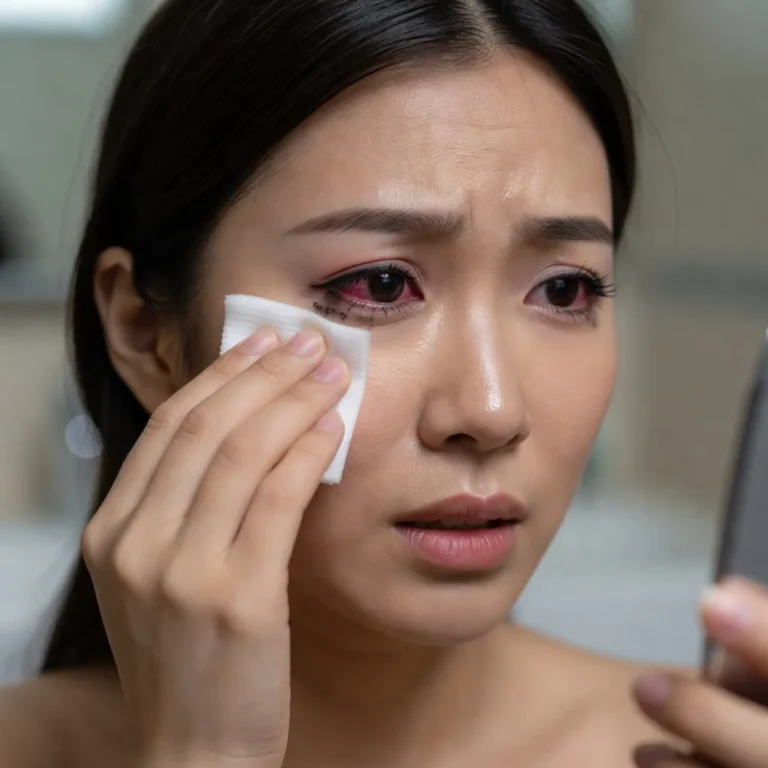
- Eye pain, redness, or discharge after using eye products.
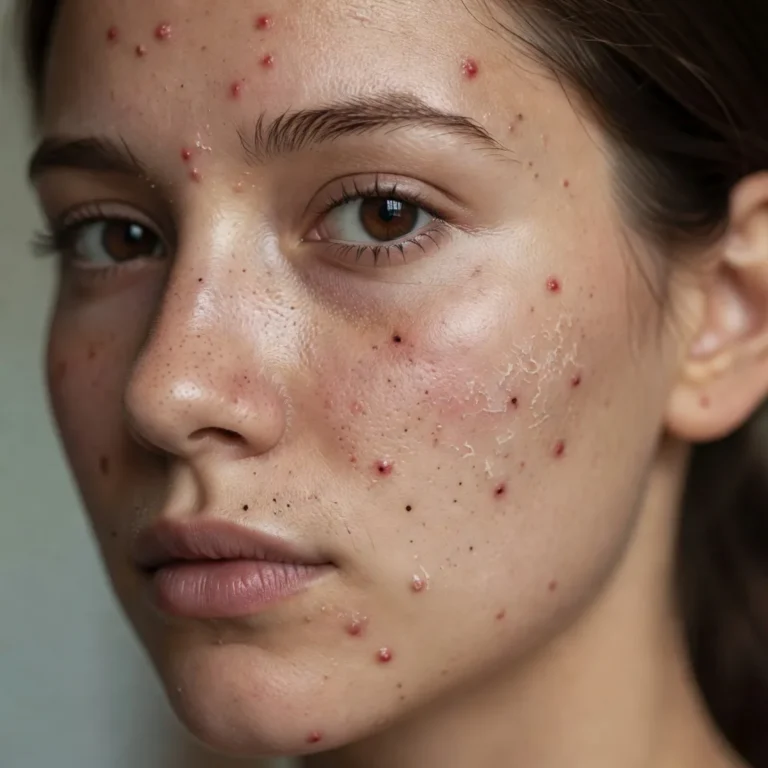
- Breakouts that keep returning with certain products.
- Any difficulty breathing, which needs emergency care.
In the US, you can report serious reactions to cosmetics or drugs to the FDA through MedWatch.
Stop using the product immediately if you develop swelling, blistering, or eye symptoms, and keep the packaging so your doctor can check the ingredients.
Medical disclaimer: This article is for general information and is not a substitute for professional medical or legal advice. Regulations differ between countries.
Questions People Ask
What is the difference between makeup and cosmetics?
Makeup is one type of cosmetic. Cosmetics also include skincare, hair care, fragrance, nail products, and more.
Is skincare a cosmetic?
Most skincare is a cosmetic in the US, unless it claims to treat a condition, in which case it may also be a drug.
Is sunscreen a cosmetic?
In the US, sunscreen is regulated as an over-the-counter drug. Products with SPF are often both a cosmetic and a drug.
Is perfume a cosmetic?
Yes. Fragrances are cosmetics under US law.
Are cosmetics approved by the FDA?
Most are not pre-approved, but color additives must be approved, and companies must ensure safety.
What is a drug-cosmetic?
A product that has both cosmetic and drug uses, such as a moisturizer with SPF or an acne cleanser.
How can I tell if a product is a drug?
Look for a Drug Facts panel with active ingredients on the label.
Is hypoallergenic makeup allergy-free?
No. The term is not legally defined, and anyone can still react to an ingredient.
Is soap a cosmetic?
Traditional soap sold only for cleaning is regulated separately in the US. Many body washes and cleansers are cosmetics.
Why does the difference matter?
It affects what products can claim, how they are tested and labeled, and which rules they must meet.
Where This Leaves You
Makeup is one part of the much broader world of cosmetics, which also includes skincare, hair care, fragrance, and other personal care products. In the US, cosmetics are defined by their purpose of cleansing or beautifying, while products that treat or prevent conditions are regulated as drugs, and some products are both.
Check for a Drug Facts panel and read the claims to understand what you are buying. Remember that marketing terms like natural and hypoallergenic are not legally defined, and see a doctor if any product causes a significant reaction.

Written by
Registered pharmacist and founder of Facial Adviser. Rakib's pharmacy training covers how skincare actives work and interact; a later course in cosmetology turned that into a focus on facial treatments and skincare products. He plans, researches and edits every guide on the site and checks health claims against sources such as the American Academy of Dermatology, the FDA and the NIH. He is not a dermatologist; see the Editorial Policy and Medical Disclaimer.
About · Editorial policy · How we choose products · Medical disclaimer · Contact
Keep reading: How cosmetics are made
- How to Read a Cosmetic Ingredient List: A Beginner Guide
- What Must Be Done Before Applying Any Cosmetics? A Pre-Makeup Checklist
- Cosmetics vs Toiletries: The Real Difference
- Can Cosmetics Cause Melasma?
- Facial Skin Sensitivity to Fragrance: Allergy vs Irritation and What to Do
- How to Spot Fragrance in an Ingredient List