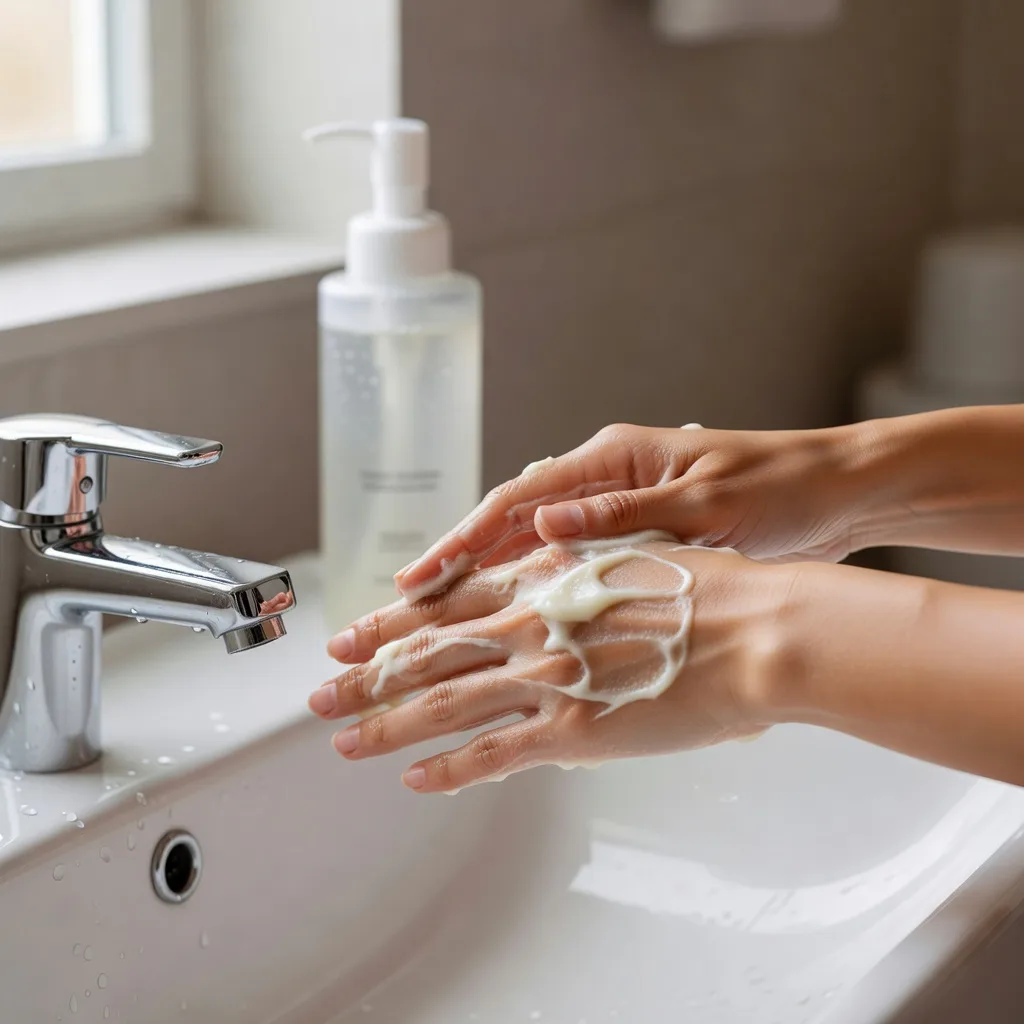
Double Cleansing: When It Is Necessary and When to Skip It
Double cleansing, washing your face twice with two different cleansers, has moved from Korean beauty routines into mainstream skincare. Some people swear it transformed their skin; others find it leaves them tight and dry. The truth is that it is a useful tool in some situations and an unnecessary extra step in others.
Part of our guide to skincare products. Start with: 10 Best Facial Cleansers for Combination Skin (2026): Balanced Picks
Double cleansing is most useful in the evening if you wear makeup, water-resistant or long-wear sunscreen, or live somewhere with heavy pollution or high humidity. The first step, usually a cleansing oil, balm or micellar water, dissolves oily and long-wear products; the second, a gentle water-based cleanser, removes what is left. If you wear little or no makeup and a light sunscreen, one gentle cleanse is usually enough, and double cleansing every night can over-dry sensitive skin.
The logic is simple. Many modern sunscreens and makeup products are designed to resist sweat, water and oil, which also makes them harder to remove with a single wash. Oil-based cleansers dissolve oily residue well, while water-based cleansers lift away what remains, including the cleanser itself.
The American Academy of Dermatology recommends washing the face no more than twice a day and after sweating, with a gentle, non-abrasive cleanser and lukewarm water. Double cleansing fits within that advice as long as both steps are gentle; it is the scrubbing and stripping that cause problems, not the number of steps.
This guide explains who benefits from double cleansing, how to do it without drying your skin, and when a single cleanse is the better choice.
Shopping these picks?
Amazon Prime members get fast, free shipping on eligible items, plus Prime Video, Amazon Music and member deals. New members can start with a free trial.
Start a free Prime trialAged 18 to 24? Prime for Young Adults comes with a longer free trial and a lower price after it.
Affiliate link: we may earn a commission at no extra cost to you.
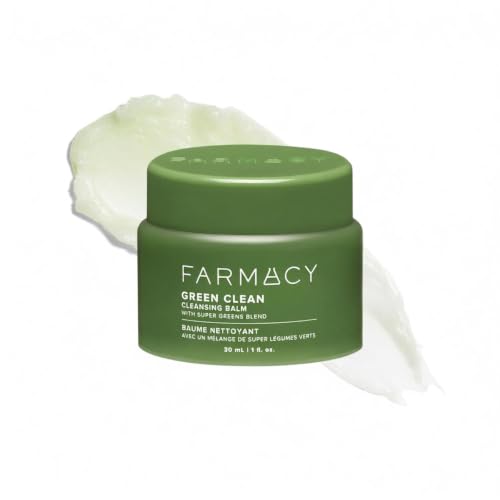
Recommended Products for Double Cleansing
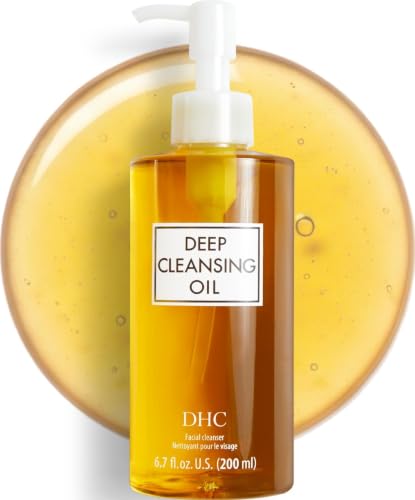
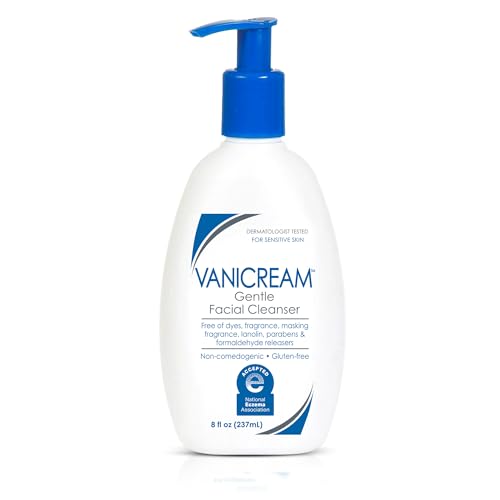


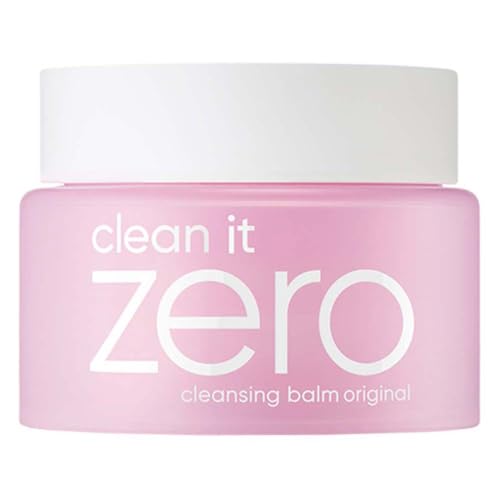
On This Page
- Who Actually Needs to Double Cleanse
- How Double Cleansing Works
- How to Double Cleanse Without Stripping Your Skin
- Choosing Your First Cleanser
- Common Double Cleansing Mistakes
- What About the Morning?
- Double Cleansing by Skin Type
- Removing Sunscreen Properly
- Can Wipes Replace the First Cleanse?
- Towels, Brushes and Cleansing Tools
- Honest Limits
- When to See a Dermatologist
- Questions People Ask
- Where This Leaves You
In Brief
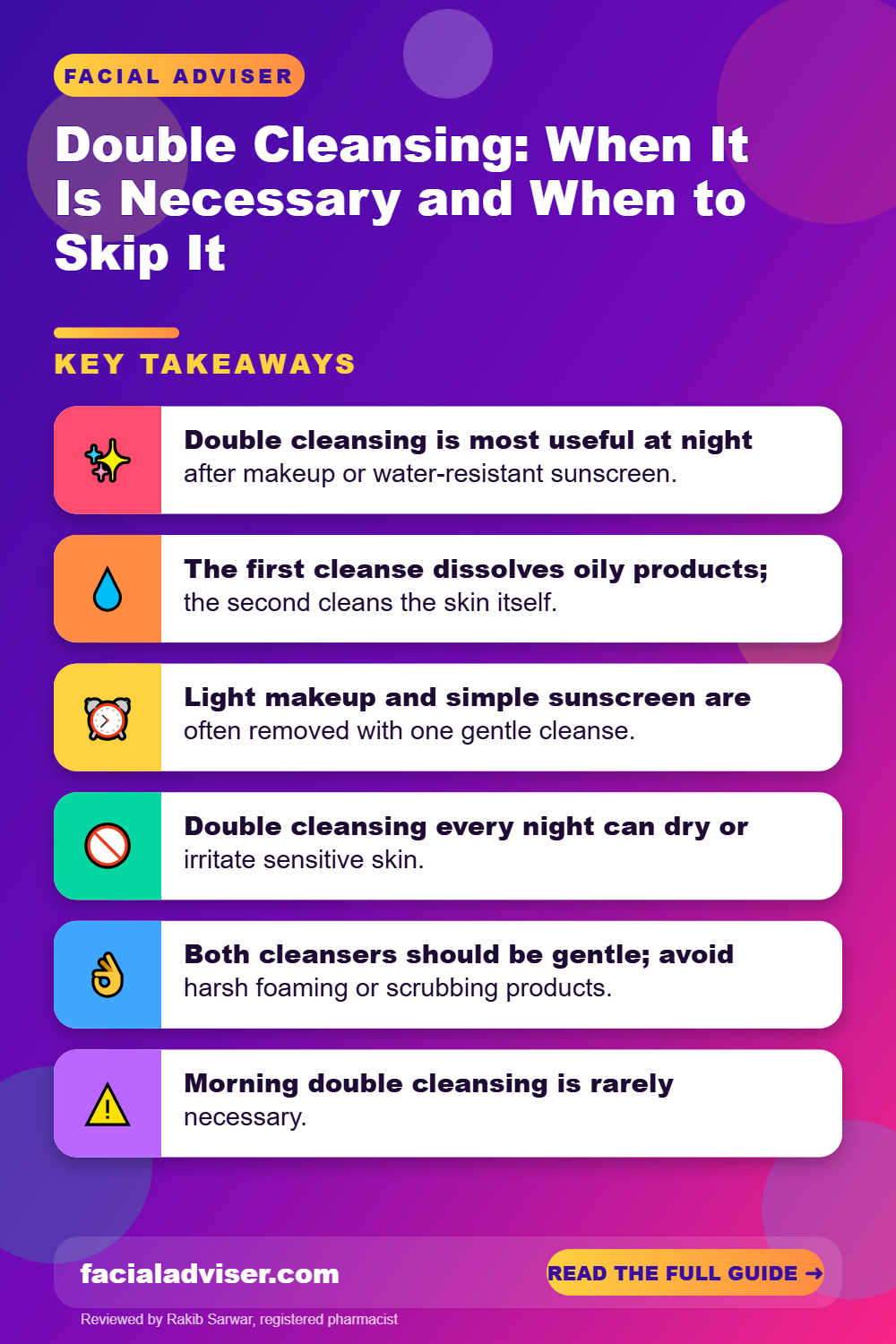
- Double cleansing is most useful at night after makeup or water-resistant sunscreen.
- The first cleanse dissolves oily products; the second cleans the skin itself.
- Light makeup and simple sunscreen are often removed with one gentle cleanse.
- Double cleansing every night can dry or irritate sensitive skin.
- Both cleansers should be gentle; avoid harsh foaming or scrubbing products.
- Morning double cleansing is rarely necessary.
- Emulsify oil cleansers with water and rinse well to avoid residue.
Who Actually Needs to Double Cleanse
| Situation | Double cleanse? | Why |
|---|---|---|
| Full makeup, especially long-wear or waterproof | Yes, in the evening | One wash often leaves residue |
| Water-resistant or mineral sunscreen | Often helpful | These are designed to cling to skin |
| Light, everyday sunscreen only | Usually not needed | A gentle cleanser removes most of it |
| No makeup or sunscreen | No | One cleanse is enough |
| Very oily or acne-prone skin | Sometimes | Can help clear oil and sunscreen from pores |
| Dry or sensitive skin | Occasionally | Use gentle products and skip on bare-skin days |
If your skin feels tight or squeaky after cleansing, that is a sign you are removing too much, whether you use one step or two.
A simple way to decide is to look at a cotton pad after your usual single cleanse. Swipe a little micellar water over your face; if the pad comes away tinted with makeup or sunscreen, a first cleanse would help. If it comes away clean, one gentle wash is doing the job.
How Double Cleansing Works
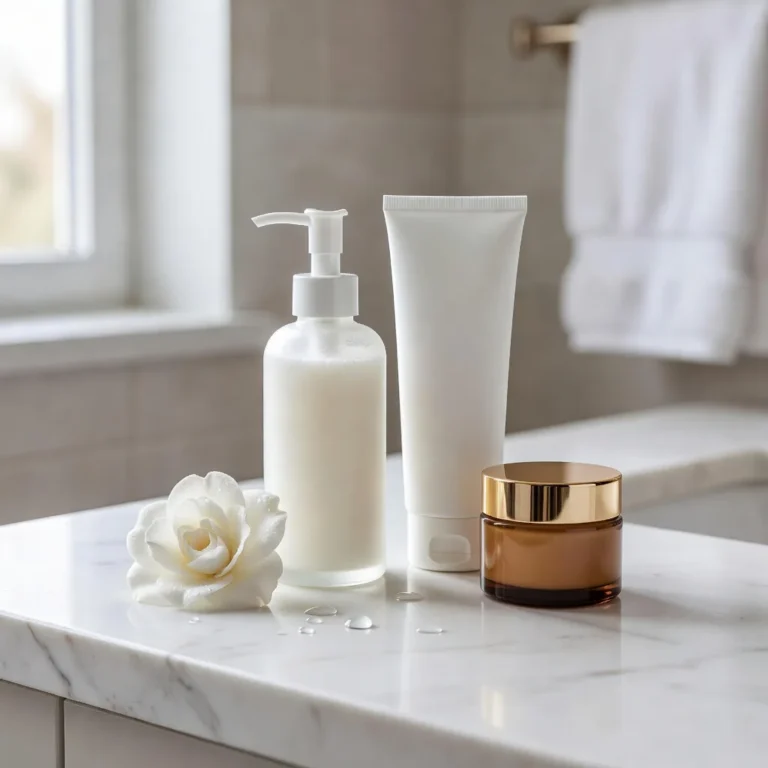
The first cleanse is oil-based or micelle-based. Oils and balms dissolve sunscreen filters, silicones, waxes and pigments in makeup. Micellar water uses tiny clusters of mild cleansing molecules to lift makeup without rubbing.
Cleansing oils contain emulsifiers, which is what makes them turn milky when water is added. That emulsifying step is important: it allows the oil and everything it has dissolved to rinse away cleanly instead of sitting on the skin.
The second cleanse is water-based. A gentle gel, cream or low-foam cleanser removes sweat, dirt and any leftover oil from the first step, leaving the skin ready for treatments and moisturiser.
The two steps complement each other. An oil alone can leave a light film behind, while a water-based cleanser alone may struggle to break down waterproof mascara or a thick layer of mineral sunscreen. Together, they clean thoroughly without either step having to be harsh.
You do not need products from the same brand or a special double cleansing set. Any gentle first cleanser and any gentle second cleanser can work together.
How to Double Cleanse Without Stripping Your Skin
Start with dry hands and a dry face
Apply a cleansing oil or balm to dry skin, or use micellar water on a soft pad.
Massage gently
Work the first cleanser over your face for 30 to 60 seconds, including the hairline and around the nose.
Emulsify and rinse
Add a little lukewarm water to turn oils and balms milky, then rinse thoroughly.
Use a gentle second cleanser
Wash with a mild, low-foam cleanser for 20 to 30 seconds.
Rinse and pat dry
Rinse with lukewarm water and pat dry with a soft towel.
Moisturise straight away
Apply treatments and moisturiser while skin is slightly damp.
For eye makeup, hold a pad soaked in micellar water or cleansing oil over the eye for a few seconds before wiping gently. It dissolves mascara without rubbing the delicate skin.
Choosing Your First Cleanser
| Type | Best for | Watch out for |
|---|---|---|
| Cleansing balm | Heavy makeup, dry skin | Rinse well; some contain fragrance |
| Cleansing oil | Makeup and sunscreen, most skin types | Must emulsify fully to avoid residue |
| Micellar water | Light makeup, sensitive skin, travel | Rinse or follow with a cleanser if you are acne-prone |
| Cleansing milk | Dry, sensitive skin | May not remove waterproof makeup |
People with acne-prone skin often worry that oil cleansers will clog pores. Well-formulated cleansing oils are designed to rinse away, and many people with oily skin use them without problems. Rinsing thoroughly and following with a second cleanse is the key.
The texture you prefer is largely personal. Balms feel rich and are easy to travel with, oils spread quickly and rinse cleanly, and micellar water is the quickest option on tired evenings. Pick the one you will actually use; the best first cleanser is the one that fits your routine.
Common Double Cleansing Mistakes
Helps
- Use gentle products for both steps
- Rinse thoroughly after each step
- Keep water lukewarm
- Double cleanse mainly in the evening
- Moisturise straight after
Backfires
- Use two harsh foaming cleansers
- Scrub or use a brush twice a night
- Use hot water
- Double cleanse morning and night
- Leave oil cleanser residue on the skin
If your skin stings, looks red or feels tight after double cleansing, switch to a single gentle cleanse for a week or two. Over-cleansing is a common cause of a damaged skin barrier.
What About the Morning?
Most people do not need to double cleanse in the morning. You are removing only overnight oil and any leftover night products, which a gentle cleanser, or even just lukewarm water, can handle.
Over-cleansing in the morning can also leave skin drier under makeup and sunscreen, making products cling to dry patches and pill. Keeping the morning cleanse light helps your daytime products sit better.
If you have very oily skin or use a thick night cream, a single gentle cleanse in the morning is usually enough. Our guide to morning versus night routine order sets out where each step belongs.
Double Cleansing by Skin Type
- Oily and acne-prone: an oil or balm followed by a gentle gel cleanser can help clear sunscreen and makeup from pores.
- Dry: choose a balm or cleansing milk first and a cream cleanser second, and double cleanse only on makeup days.
- Sensitive: micellar water followed by a very gentle cleanser, or a single cleanse, is usually better tolerated.
- Combination: focus the first cleanse where you wear most product, and keep the second cleanse gentle.
If you are not sure of your skin type, our guide to an oily T-zone with dry cheeks includes a simple test.
Whatever your skin type, pay attention to how your face feels ten minutes after cleansing. Comfortable and soft means the routine suits you. Tight, stinging or shiny-dry means it is too much, and dropping the second cleanse or switching to gentler products is the first thing to try.
Removing Sunscreen Properly
Sunscreen that is not fully removed can contribute to clogged pores, especially along the hairline and around the nose. Water-resistant and mineral formulas are the hardest to wash off with a single cleanse.
Pay special attention to the hairline, the sides of the nose, around the ears and under the jaw, where sunscreen and makeup tend to build up and where cleansing is often rushed.
The AAD recommends washing the face with a gentle cleanser, using fingertips and lukewarm water, and limiting washing to twice a day and after sweating (AAD). Our guide to bumps after sunscreen explains how leftover sunscreen can affect the skin.
Can Wipes Replace the First Cleanse?
Makeup wipes are convenient, but they tend to smear makeup around and require rubbing. They also leave cleansing residue behind if you do not rinse afterwards. Our guide on whether makeup wipes are bad for your face covers better options.
If you use wipes occasionally, for example when travelling, follow them with a proper wash when you can.
A small travel bottle of micellar water and a mini cleanser take up little space and give you a proper double cleanse wherever you are, which is kinder to the skin than relying on wipes for days at a time.
Towels, Brushes and Cleansing Tools
What you use alongside your cleansers matters as much as the products themselves. The AAD advises cleansing with your fingertips rather than washcloths or mesh sponges, which can irritate the skin.
- Use clean fingertips for both cleanses; they are gentle and easy to control.
- If you like a cloth to remove balm, use a soft, clean muslin or microfibre cloth and press rather than scrub.
- Skip cleansing brushes on nights you double cleanse, or keep them for occasional use on oily areas only.
- Use a fresh towel regularly and pat, do not rub, your face dry.
- Keep separate cloths or pads for eye makeup so you do not drag pigment across the face.
Many people who find double cleansing irritating are actually reacting to the extra friction from cloths and brushes, not the cleansers. Switching to fingertips alone often solves the problem.
Honest Limits
There is little research comparing double cleansing with single cleansing directly. Its benefits are practical: oil-based cleansers are good at dissolving oily products, and water-based cleansers are good at removing everything else. For people who wear little makeup, those benefits are small.
The most important thing is that your cleanser, or cleansers, leave your skin clean but comfortable, not tight or irritated. Many people find a flexible approach works best: double cleansing on makeup days, and a single gentle cleanse on days when they have worn little more than a light sunscreen.
When to See a Dermatologist
- Your skin stings, burns or turns red after cleansing.
- You have persistent dryness or flaking despite gentle products.
- Breakouts continue despite thorough cleansing.
- You suspect an allergy to a cleanser ingredient.
This article is for general information and does not replace professional medical advice. See a dermatologist for persistent skin concerns.
Questions People Ask
Is double cleansing necessary?
Not for everyone. It is most useful at night if you wear makeup or water-resistant sunscreen.
What is the first step in double cleansing?
An oil-based cleanser, balm or micellar water to dissolve makeup and sunscreen.
Can double cleansing damage skin?
It can dry or irritate skin if the cleansers are harsh or you do it too often.
Should I double cleanse in the morning?
Usually not; a single gentle cleanse or a water rinse is enough.
Do oil cleansers clog pores?
Well-formulated cleansing oils rinse away and usually do not, especially when followed by a second cleanse.
Can I use micellar water as the first cleanse?
Yes. It works well for light makeup and sensitive skin.
Is double cleansing good for acne-prone skin?
It can help remove sunscreen and makeup from pores, as long as both cleansers are gentle.
How long should I cleanse for?
About 30 to 60 seconds for the first cleanse and 20 to 30 seconds for the second.
Do I need to double cleanse if I only wear sunscreen?
Not always; many everyday sunscreens come off with one gentle cleanse, but water-resistant ones may need two.
Can I double cleanse with the same cleanser twice?
You can, but combining an oil-based and a water-based cleanser usually works better.
Where This Leaves You
Double cleansing is a practical way to remove makeup and long-wear sunscreen at night, using an oil, balm or micellar water first and a gentle water-based cleanser second.
If you wear little makeup and a light sunscreen, one gentle cleanse is often enough. Whatever you choose, keep both steps gentle, use lukewarm water, and stop if your skin feels tight or irritated.

Written by
Registered pharmacist and founder of Facial Adviser. Rakib's pharmacy training covers how skincare actives work and interact; a later course in cosmetology turned that into a focus on facial treatments and skincare products. He plans, researches and edits every guide on the site and checks health claims against sources such as the American Academy of Dermatology, the FDA and the NIH. He is not a dermatologist; see the Editorial Policy and Medical Disclaimer.
About · Editorial policy · How we choose products · Medical disclaimer · Contact
Keep reading: Cleansers and face wash
- 10 Best Facial Cleansers for Combination Skin (2026): Balanced Picks
- How to Tell If Your Cleanser Is Too Harsh (and What to Use Instead)
- Does Skipping Cleanser at Night Matter?
- Deep Pore Cleansing Facial at Home, Done Right
- Face Cleansing Steps: The Real Routine, Explained
- What Does a Deep Cleansing Facial Do?
- 10 Best Face Masks for Every Skin Type (2026): Clay, Gel and Sheet
- What Does a Facial Toner Do? The Real Answer