
Does Sleeping With the Window Open Affect Your Skin?
Some people cannot sleep without a window cracked open, while others wake up with tight, dry skin and wonder whether the night air is to blame. Your skin spends a third of its life in your bedroom, so the air in that room matters more than most people realise.
Part of our guide to skincare products. Start with: 10 Best Facial Serums for Aging Skin (2026): Picks by Concern
Sleeping with the window open is not bad for skin in itself, and fresh air can help keep a bedroom from becoming stuffy. What affects the skin barrier is the quality of that air: very cold, dry air or strong wind can pull moisture from the skin, pollen can trigger itching and redness in people with allergies, and traffic pollution may add to irritation. In mild weather, an open window is usually fine. In cold, dry or high-pollen conditions, a richer moisturiser, a humidifier or a closed window can help.
The skin loses water to the air all the time, a process called transepidermal water loss. The drier the air, the faster that loss. In winter, cold outdoor air holds very little moisture, and once it enters a room it can make the air feel even drier, especially if heating is on at the same time.
The American Academy of Dermatology recommends using a humidifier to add moisture to the air at home as part of caring for dry skin, alongside short, warm showers and moisturiser applied to damp skin. Bedroom air is one of the easiest places to put that advice into practice.
This guide looks at how temperature, humidity, pollen and pollution in your bedroom affect your skin, and how to keep the benefits of fresh air without waking up dry or irritated.
Shopping these picks?
Amazon Prime members get fast, free shipping on eligible items, plus Prime Video, Amazon Music and member deals. New members can start with a free trial.
Start a free Prime trialAged 18 to 24? Prime for Young Adults comes with a longer free trial and a lower price after it.
Affiliate link: we may earn a commission at no extra cost to you.
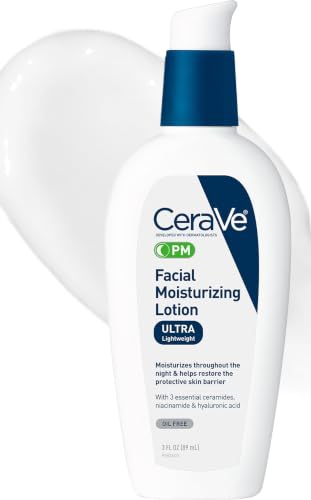
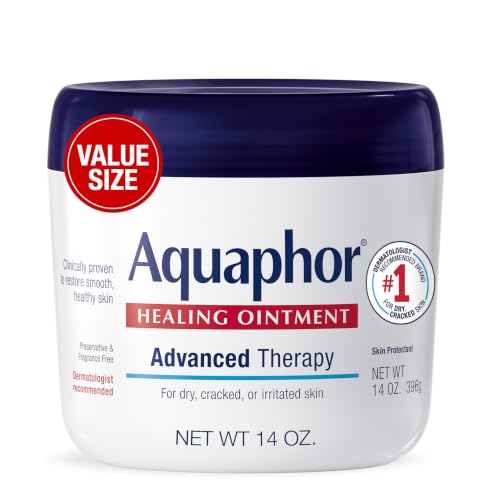
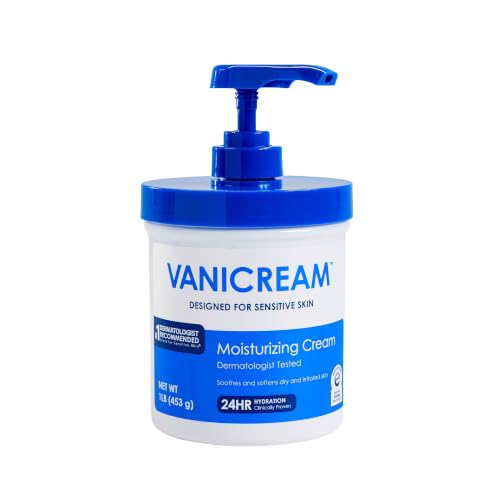
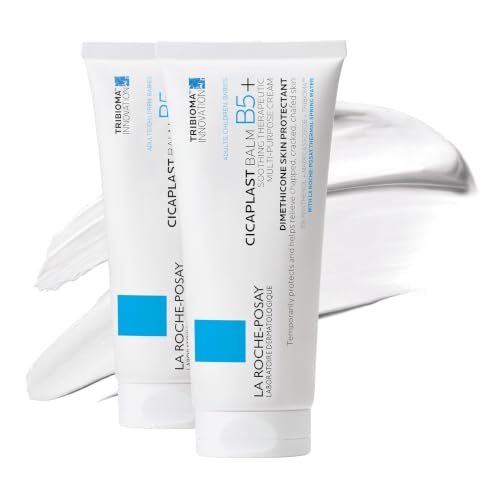
Recommended Products for Overnight Skin Comfort



Quick Answer
- An open window at night is not harmful to skin in most conditions.
- Very cold, dry air increases water loss from the skin.
- Pollen through an open window can trigger itching and redness in allergy sufferers.
- Air around 40 to 60 percent humidity is comfortable for most skin.
- A richer night cream helps in cold or dry weather.
- A humidifier can help if bedroom air is very dry.
- Stuffy, overheated rooms can also leave skin dry and sweaty.
What This Covers
- What in the Night Air Affects Your Skin
- Cold Nights and Dry Air
- How to Keep Your Skin Comfortable Overnight
- How Much Humidity Is Right?
- Pollen, Allergies and an Open Window
- Traffic and Pollution
- Bedroom Dos and Don’ts for Your Skin
- When the Problem Is a Hot, Stuffy Room
- Signs Your Barrier Is Struggling
- Lips, Eyes and Other Sensitive Spots
- Honest Limits
- When to See a Doctor
- Questions People Ask
- Summing Up
What in the Night Air Affects Your Skin
| Factor | Effect on skin | Who notices most |
|---|---|---|
| Cold air | Slows oil production, dries the surface | Dry and sensitive skin |
| Low humidity | Speeds up water loss from the skin | Everyone in winter, eczema-prone skin |
| Wind or strong draughts | Increases evaporation and irritation | Sensitive and rosacea-prone skin |
| Pollen | Can trigger itching, redness and puffiness | People with hay fever or allergic eczema |
| Traffic pollution | May add to irritation and dullness | City dwellers on busy roads |
| Stuffy, warm air | Sweating, clogged pores, dryness from heating | Oily and acne-prone skin |
None of these means you must keep windows shut. They simply explain why your skin might behave differently depending on the season, your location and your skin type.
Fresh air has benefits too. A well-ventilated bedroom is less stuffy, tends to be cooler for sleep and helps reduce moisture build-up from breathing overnight, which can otherwise encourage condensation and mould around windows. For many people, the ideal is not a sealed room but a balanced one.
Cold Nights and Dry Air
In winter, an open window lets in cold air that holds very little moisture. Combined with indoor heating, it can leave bedroom air very dry. Skin loses more water overnight, and you may wake up with tight cheeks, flaky patches or chapped lips.
You do not have to give up fresh air. Opening the window for a short time before bed, then closing it, refreshes the room without leaving it cold and dry all night. A slightly open window with the heating turned down low is another option, keeping the air moving without letting the room become very cold. Our guide to dryness from indoor heating covers winter skin in more detail.
If you sleep near a window, a strong draught blowing across your face can dry and irritate one side more than the other. Moving the bed or angling the window can help.
How to Keep Your Skin Comfortable Overnight
Check your room’s humidity
A simple hygrometer shows whether the air is very dry; around 40 to 60 percent is comfortable for most people.
Adjust the window with the season
Open wide in mild weather, crack it or air the room before bed in cold or dry weather.
Use a richer night moisturiser
Apply a cream with ceramides or glycerin to damp skin before bed.
Protect very dry spots
Add a thin layer of ointment on dry patches and lips.
Add a humidifier if needed
Use a cool-mist humidifier in very dry rooms and clean it regularly.
Manage pollen season
Close windows on high-pollen nights if you have hay fever, and shower before bed.
Keep a humidifier at least a few feet from the bed and away from walls and furniture, and empty and clean it as the manufacturer recommends to prevent mould and bacteria.
How Much Humidity Is Right?
Most people find indoor humidity of around 40 to 60 percent comfortable for skin, breathing and sleep. Below that, skin and lips can feel dry; well above it, the air can feel damp and encourage mould and dust mites.
| Indoor humidity | How skin tends to feel | What to do |
|---|---|---|
| Below 30% | Tight, flaky, chapped lips | Richer cream, humidifier, window mostly closed |
| 30 to 40% | Slightly dry for some | Moisturise well; consider a humidifier in winter |
| 40 to 60% | Comfortable for most | No changes needed |
| Above 60% | Damp, sweaty; mould risk | Ventilate more; lighter products |
The AAD suggests using a humidifier to add moisture to the air at home for dry skin (AAD). A humidifier is most useful in winter when heating is on or in very dry climates, and usually unnecessary in humid seasons.
Humidifiers that are not cleaned regularly can spread mould and bacteria into the air. If you have asthma or allergies, check with your doctor and follow the cleaning instructions carefully.
Pollen, Allergies and an Open Window
In spring and summer, an open window lets pollen into the bedroom, where it settles on bedding and pillows. For people with hay fever or allergic eczema, this can mean waking up with itchy, puffy eyes, a red nose or flares of dry, itchy skin on the face.
- Check pollen forecasts and close windows on high-count nights.
- Shower and wash your face before bed to remove pollen from skin and hair.
- Wash pillowcases and bedding more often during pollen season.
- Keep pets that go outdoors off the bed.
Our guide on how seasonal allergies affect facial skin has more on calming allergy-related flares.
Traffic and Pollution
If your bedroom faces a busy road, an open window may let in exhaust fumes and fine particles. Research links air pollution with skin irritation, uneven pigment and signs of aging, although the effect of a few hours of night-time exposure is hard to measure.
Cleansing thoroughly at night, using a moisturiser that supports the barrier and wearing sunscreen by day all help protect skin in polluted areas. If traffic noise and fumes are heavy, airing the room at quieter times may be a better compromise than leaving the window open all night.
An air purifier with a HEPA filter can reduce fine particles and pollen indoors, which may help people with allergies. The evidence for direct skin benefits is limited, but cleaner air is unlikely to hurt and can make sleep more comfortable for allergy sufferers.
Bedroom Dos and Don’ts for Your Skin
Try This
- Air the room before bed in cold weather
- Keep humidity in a comfortable range
- Use a richer moisturiser in winter
- Change pillowcases regularly
- Close windows on high-pollen nights if you are allergic
Avoid This
- Sleep in a strong draught
- Let the room become very hot and stuffy
- Run a humidifier without cleaning it
- Sleep in heavy makeup
- Ignore dry, cracked lips
When the Problem Is a Hot, Stuffy Room
A closed, overheated bedroom can be just as hard on skin as a cold one. High heat makes you sweat overnight, which can irritate the skin and contribute to breakouts, while central heating dries the air. Many people find a slightly cool room, around 16 to 19 degrees Celsius, best for both sleep and skin.
If you tend to wake up sweaty and break out along the hairline or jaw, lighter bedding, a lighter night moisturiser and a slightly open window may help. Our guide on pimples along the jawline covers other common triggers.
Signs Your Barrier Is Struggling
If your skin often feels tight, stings with products or flakes in the morning, the barrier may be under strain, whatever the cause. Adjusting bedroom air is one part of the answer; simplifying your routine is another. Our guide to repairing your skin barrier sets out a step-by-step plan.
It also helps to look at timing. If dryness appears only after nights with the window wide open in winter, the air is the likely culprit. If it happens whatever the weather, your cleanser, actives or an underlying condition are more likely to be involved.
Lips, Eyes and Other Sensitive Spots
Some areas show the effects of bedroom air first. Lips have no oil glands and dry out quickly in cold, dry air, especially if you breathe through your mouth at night. The thin skin around the eyes can look puffy or crepey after a night in very dry or pollen-filled air.
- Apply a plain lip balm or thin layer of ointment before bed, and again in the morning.
- If you wake with a dry mouth and chapped lips, mouth breathing may be part of the cause.
- Use a gentle, fragrance-free eye cream or your usual moisturiser around the eyes in dry weather.
- If eyes are itchy and puffy in pollen season, rinse your face in the morning and avoid rubbing.
Our guide on mouth breathing and nose breathing looks at why breathing habits at night can matter.
Honest Limits
There is little direct research on sleeping with windows open and skin health. The advice here is based on what is known about humidity, temperature, allergens and pollution, and on what tends to help people with dry or sensitive skin.
For most people, fresh air at night is pleasant and harmless. It is worth adjusting only if you notice dryness, irritation or allergy symptoms that seem linked to the bedroom environment. Good sleep itself matters for skin, so if an open window helps you sleep better, that benefit may outweigh a little extra dryness that a richer moisturiser can easily fix.
When to See a Doctor
- You wake with swollen, itchy eyes or face regularly.
- Dry, red, itchy patches keep returning despite moisturising.
- You have asthma or allergies that worsen at night.
- Skin flares seem linked to your home environment and do not improve with changes.
This article is for general information and does not replace professional medical advice. See a doctor for persistent skin or allergy symptoms.
Questions People Ask
Is it bad for your skin to sleep with the window open?
Not usually. It depends on the air: very cold, dry, polluted or pollen-heavy air can affect sensitive skin.
Does cold air damage the skin barrier?
Cold, dry air increases water loss from the skin and can leave it dry and tight.
What humidity is best for skin?
Around 40 to 60 percent indoor humidity is comfortable for most people.
Should I use a humidifier at night?
It can help if your bedroom air is very dry, especially in winter; keep it clean.
Can pollen through an open window affect my face?
Yes. People with hay fever may wake with itchy, red or puffy skin, especially around the eyes.
Is a hot bedroom bad for skin?
It can cause sweating and dryness from heating, which may irritate skin or contribute to breakouts.
Why is my skin dry in the morning?
Dry bedroom air, heating, too little moisturiser or a damaged barrier are common causes.
Should I close my window in winter?
Airing the room before bed and closing the window overnight is a good compromise if your skin feels dry.
Does air pollution affect skin overnight?
Pollution is linked to skin irritation and aging, but a few hours at night is likely a small factor.
What should I put on my face before sleeping in a cold room?
A richer moisturiser and a thin layer of ointment on dry spots and lips.
Summing Up
Sleeping with the window open is fine for most skin. What matters is the air it lets in: cold, dry, windy, pollen-heavy or polluted air can leave skin tight or irritated, while a hot, stuffy room brings its own problems.
Adjust the window with the seasons, aim for comfortable humidity, use a richer moisturiser when the air is dry, and close up on high-pollen nights if you have allergies. Small changes in the bedroom can make a real difference to how your skin feels in the morning.

Written by
Registered pharmacist and founder of Facial Adviser. Rakib's pharmacy training covers how skincare actives work and interact; a later course in cosmetology turned that into a focus on facial treatments and skincare products. He plans, researches and edits every guide on the site and checks health claims against sources such as the American Academy of Dermatology, the FDA and the NIH. He is not a dermatologist; see the Editorial Policy and Medical Disclaimer.
About · Editorial policy · How we choose products · Medical disclaimer · Contact
Keep reading: Serums and actives
- 10 Best Facial Serums for Aging Skin (2026): Picks by Concern
- Should You Apply Acids Before or After Vitamin C?
- How to Store Vitamin C Serum So It Lasts Longer
- Skin Cycling: How Many Nights Off Actives Does Your Skin Really Need?
- Can Mixing Skincare Actives Reduce Their Effectiveness?
- How to Transition to Retinol Smoothly: A 12-Week Plan That Avoids the Peel
- 10 Best Facial Moisturizers for Dry Skin (2026): Rich, Gentle Creams
- 10 Best Face Masks for Every Skin Type (2026): Clay, Gel and Sheet