
How Breathing Habits Affect Face Shape: Mouth vs Nose Breathing
Breathing seems automatic, but how you breathe, through your nose or your mouth, can matter more than you might think. Online, mouth breathing is often blamed for everything from a weak jawline to a long, narrow face, and nose breathing is promoted as a way to reshape the face. Separating fact from trend helps you focus on what really matters.
Part of our guide to lifestyle and skin. Start with: How Diet Impacts the Skin Microbiome: What the Science Actually Shows
In children, chronic mouth breathing can influence how the face and jaws grow, and is associated with a longer lower face, narrow upper jaw, and dental problems. In adults, whose facial bones have finished growing, breathing habits have much less effect on bone structure, though they can affect posture, lips, sleep, and skin.
A 2022 review in Frontiers in Public Health by Lin and colleagues found that uncorrected mouth breathing during childhood can lead to changes such as a narrow upper arch, crossbite, open bite, and a downward growth pattern of the face, often linked to enlarged adenoids or tonsils.
For adults, the most important reason to address mouth breathing is health, not appearance. Chronic mouth breathing can be a sign of nasal blockage, allergies, or sleep-disordered breathing such as sleep apnea, which deserve medical attention.
This guide explains how breathing affects facial development, what changes are possible in adults, how to check for mouth breathing, and practical steps to support nasal breathing and healthier skin. It also covers posture and exercise.
Shopping these picks?
Amazon Prime members get fast, free shipping on eligible items, plus Prime Video, Amazon Music and member deals. New members can start with a free trial.
Start a free Prime trialAged 18 to 24? Prime for Young Adults comes with a longer free trial and a lower price after it.
Affiliate link: we may earn a commission at no extra cost to you.
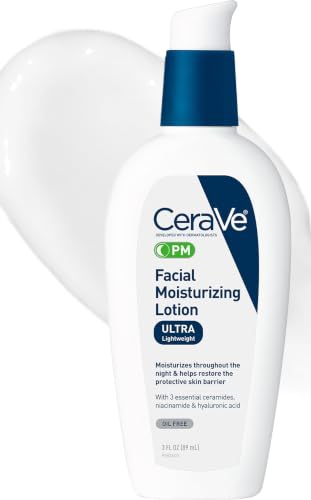
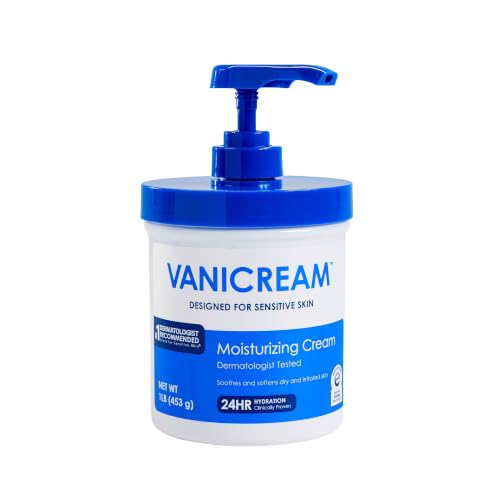
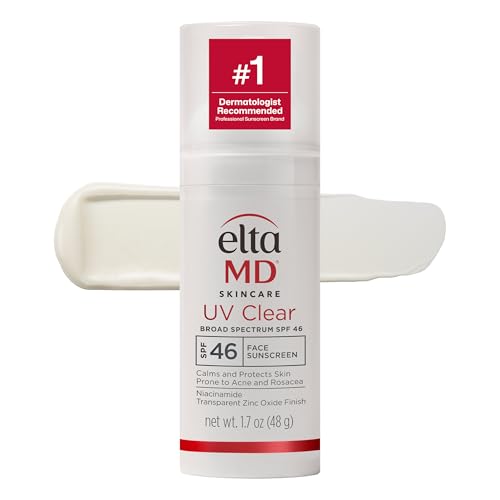
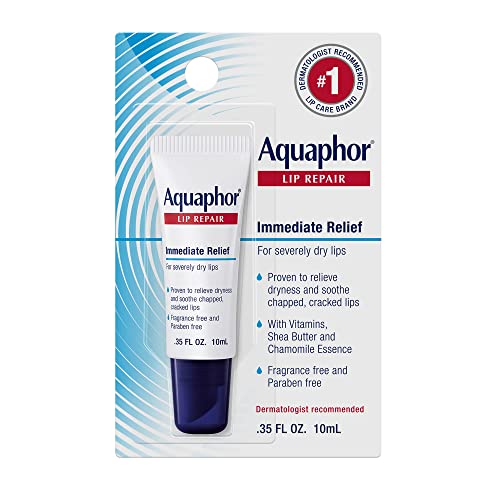
Recommended Products for Nasal Breathing and Skin Comfort


What to Know First
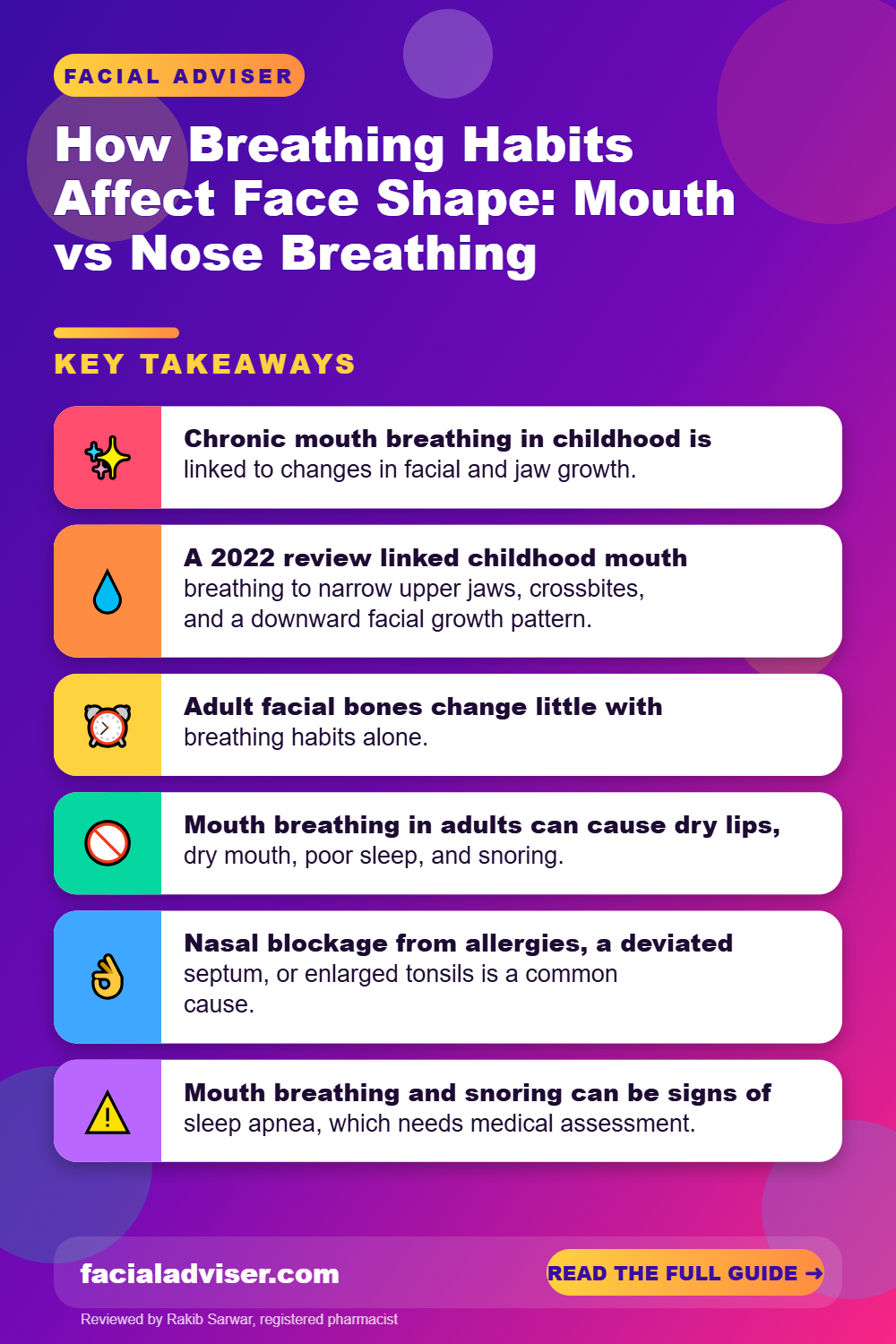
- Chronic mouth breathing in childhood is linked to changes in facial and jaw growth.
- A 2022 review linked childhood mouth breathing to narrow upper jaws, crossbites, and a downward facial growth pattern.
- Adult facial bones change little with breathing habits alone.
- Mouth breathing in adults can cause dry lips, dry mouth, poor sleep, and snoring.
- Nasal blockage from allergies, a deviated septum, or enlarged tonsils is a common cause.
- Mouth breathing and snoring can be signs of sleep apnea, which needs medical assessment.
- Treating the cause of blocked nasal breathing is more important than breathing trends.
In This Guide
- Why Nose Breathing Matters
- Breathing and Facial Growth in Children
- What Changes Are Possible in Adults
- How to Check for Mouth Breathing
- Common Causes of Mouth Breathing
- Mouth Breathing, Snoring, and Sleep Apnea
- Practical Steps to Support Nasal Breathing
- Breathing, Sleep, and Your Skin
- Posture, Tongue Position, and the Lower Face
- What Breathing Changes Cannot Do
- When to See a Doctor or Dentist
- Common Questions
- Summing Up
Why Nose Breathing Matters
The nose is designed to filter, warm, and humidify the air before it reaches the lungs. Nasal breathing also helps keep the tongue resting against the roof of the mouth and the lips closed, which supports normal jaw and palate development in children.
When the nose is blocked, by allergies, a cold, enlarged adenoids, or a deviated septum, people naturally switch to breathing through the mouth. Occasional mouth breathing during exercise or a cold is normal. Problems arise when mouth breathing becomes a habit, especially during sleep.
Chronic mouth breathing can dry out the mouth and lips, contribute to snoring, and disturb sleep quality. In children, it can also influence how the face grows.
Because nasal breathing depends on an open airway, the first step in addressing mouth breathing is usually finding out why the nose is blocked.
Nasal breathing also tends to be slower and calmer, which many people find relaxing.
Breathing and Facial Growth in Children
During childhood, the face and jaws are still growing, and muscle and tongue position influence that growth. When a child breathes through the mouth for long periods, the tongue often rests low, the lips stay apart, and the lower jaw hangs down.
Over time, this posture may contribute to a narrow upper jaw, a high palate, crowded teeth, and a longer lower face. The pattern is sometimes called adenoid facies when it is linked to enlarged adenoids.
The 2022 review by Lin and colleagues in Frontiers in Public Health described these changes and emphasized early intervention, such as treating enlarged tonsils and adenoids or allergies, often alongside orthodontic care.
Children who snore regularly, breathe through the mouth, or have restless sleep should be checked by a doctor or dentist, since early treatment can make a difference.
Orthodontists may also use devices that gently widen a narrow upper jaw in growing children. These are most effective before growth is complete, which is another reason early assessment matters.
What Changes Are Possible in Adults
Once growth is complete, the bones of the face do not significantly reshape because of breathing habits alone. Claims that switching to nose breathing or tongue exercises will dramatically change an adult face are not supported by good evidence.
That said, breathing habits can still affect how the face looks. Chronic mouth breathing can lead to dry, cracked lips, a slack jaw posture, and forward head posture, which can make the lower face and neck look less defined. Poor sleep from blocked breathing can cause puffiness and dark circles.
Improving nasal breathing and sleep may help you look more rested, but it will not change bone structure.
Exercise, particularly activities that encourage calm nasal breathing like walking or swimming at an easy pace, can support overall breathing habits and wellbeing.
How to Check for Mouth Breathing
These simple checks can help you notice whether you breathe through your mouth often.
Notice your resting posture
During the day, check whether your lips are closed and your tongue rests against the roof of your mouth.
Check how you wake up
Waking with a dry mouth, sore throat, or cracked lips can suggest mouth breathing at night.
Ask about snoring
Ask a partner or family member whether you snore, gasp, or pause breathing during sleep.
Try a nasal breathing test
Close your mouth and breathe through your nose for two minutes. If this feels difficult, your nose may be partly blocked.
Note daytime symptoms
Daytime sleepiness, headaches in the morning, or trouble concentrating can point to poor sleep quality.
If nasal breathing feels hard all the time, a doctor can check for allergies, nasal polyps, or a deviated septum.
Common Causes of Mouth Breathing
| Cause | Who it affects | Possible treatment |
|---|---|---|
| Allergic rhinitis | Children and adults | Allergen avoidance, nasal sprays, antihistamines |
| Enlarged adenoids or tonsils | Mostly children | Medical assessment, sometimes surgery |
| Deviated septum | Adults and older children | Medical assessment, sometimes surgery |
| Nasal polyps | Adults | Medical treatment |
| Chronic sinus congestion | Children and adults | Saline rinses, medical treatment |
| Habit after long-term blockage | Children and adults | Treat cause, then retrain habits |
Treating the underlying cause is usually more effective than trying to force nasal breathing.
Allergies are especially common and often underestimated. Treating them can improve both breathing and sleep quality, and may reduce puffiness around the eyes.
Mouth Breathing, Snoring, and Sleep Apnea
Mouth breathing at night often goes along with snoring. In some people, it is linked to obstructive sleep apnea, where the airway repeatedly narrows or closes during sleep, causing drops in oxygen and interrupted rest.
Sleep apnea can lead to daytime fatigue, headaches, high blood pressure, and other health problems. It can also make you look tired, with puffiness and dark circles.
See a doctor if you snore loudly, stop breathing or gasp during sleep, or feel very tired during the day. Sleep apnea is common and treatable. Do not tape your mouth shut at night without medical advice if you may have sleep apnea.
Treatments for sleep apnea, such as CPAP, oral appliances, or weight management, often improve energy, mood, and how rested people look.
Practical Steps to Support Nasal Breathing
Do
- Treat allergies and congestion.
- Use saline rinses or sprays to clear the nose.
- Keep bedroom air comfortably humid in dry seasons.
- Practice keeping lips closed and tongue up during the day.
- Sleep on your side if you snore.
Don’t
- Force nasal breathing if your nose is blocked.
- Tape your mouth without medical advice.
- Ignore loud snoring or pauses in breathing.
- Rely on social media exercises to change bone structure.
- Use decongestant sprays for more than a few days.
Nasal strips can help some people breathe more easily at night by gently opening the nostrils. They do not treat the cause of blockage but can make sleep more comfortable.
If you use a humidifier, clean it regularly according to the instructions to prevent mold and bacteria.
Breathing, Sleep, and Your Skin
Mouth breathing can dry out the lips and the skin around the mouth, leading to chapping and irritation. A lip balm at night and a humidifier in dry weather can help.
Poor sleep affects the skin too. People who sleep badly often notice more puffiness, dark circles, and dullness. Our guide on facial swelling in the morning explains other causes of morning puffiness.
Gentle facial massage may reduce temporary puffiness. See our guide on lymphatic facial massage for a simple routine.
Staying hydrated during the day also helps counter dryness from mouth breathing.
Posture, Tongue Position, and the Lower Face
Breathing habits often go along with posture. People who breathe through the mouth tend to hold the head forward, which can make the jawline look less defined and the neck look shorter. Forward head posture can also strain the neck and shoulders.
Resting the tongue against the roof of the mouth, keeping the lips gently closed, and aligning the head over the shoulders is often described as good oral posture. In adults, this is unlikely to change bone structure, but it may help the jawline look slightly more defined and can be more comfortable.
If you spend long hours at a desk or looking at your phone, raising screens to eye level and taking movement breaks can help reduce forward head posture.
Physical therapists and myofunctional therapists can help with posture and oral habits, especially when combined with treatment for any nasal blockage.
Small daily adjustments add up over time.
What Breathing Changes Cannot Do
| Belief | Reality |
|---|---|
| Nose breathing will reshape an adult jaw | Adult bones change little from breathing habits |
| Mewing gives a new jawline | There is little quality evidence in adults |
| Mouth taping is safe for everyone | It may be unsafe with blocked noses or sleep apnea |
| Only children are affected | Adults can have health and sleep effects |
| Mouth breathing is just a habit | It often has a medical cause that needs treatment |
If you are curious about other jawline trends, our guide on whether chewing gum tones facial muscles looks at the evidence.
Focusing on health first usually brings the most noticeable benefits.
When to See a Doctor or Dentist
See a healthcare professional if you or your child:
- Breathes through the mouth most of the time.
- Snores loudly or regularly.
- Has pauses in breathing or gasps during sleep.
- Feels very tired during the day.
- Has constant nasal congestion or frequent sinus infections.
- Shows changes in bite, crowding, or jaw alignment (children).
Medical disclaimer: This article is for general information and is not a substitute for professional medical or dental advice. See a healthcare provider about breathing or sleep concerns.
Common Questions
Can mouth breathing change your face shape?
In children, chronic mouth breathing can affect facial and jaw growth. In adults, bone changes are minimal.
Can nose breathing change an adult face?
Not significantly. It may improve sleep and lip comfort but does not reshape bone.
What is adenoid facies?
A pattern of facial features, such as a long lower face and open mouth posture, linked to enlarged adenoids and mouth breathing in children.
Does mewing work?
There is little quality evidence that mewing changes the adult face.
Is mouth taping safe?
It may not be safe for people with blocked noses or sleep apnea. Ask a doctor first.
What causes mouth breathing?
Allergies, enlarged adenoids or tonsils, a deviated septum, nasal polyps, or chronic congestion.
Is mouth breathing linked to sleep apnea?
It can be. Loud snoring and pauses in breathing should be checked.
Can mouth breathing cause dry lips?
Yes. It dries the lips and mouth, especially at night.
Should my child see a doctor for mouth breathing?
Yes, if it happens regularly, especially with snoring or restless sleep.
Do nasal strips help?
They can help some people breathe more easily at night but do not treat the cause.
Summing Up
Breathing habits can influence face shape mainly during childhood, when chronic mouth breathing may affect jaw and facial growth. In adults, whose bones have finished growing, switching to nose breathing will not reshape the face, although it can improve sleep, lip comfort, and how rested you look.
If you or your child breathe through the mouth often, snore, or feel tired during the day, see a doctor or dentist to find and treat the cause. Supporting nasal breathing is mainly about health, with better skin and appearance as a bonus.

Written by
Registered pharmacist and founder of Facial Adviser. Rakib's pharmacy training covers how skincare actives work and interact; a later course in cosmetology turned that into a focus on facial treatments and skincare products. He plans, researches and edits every guide on the site and checks health claims against sources such as the American Academy of Dermatology, the FDA and the NIH. He is not a dermatologist; see the Editorial Policy and Medical Disclaimer.
About · Editorial policy · How we choose products · Medical disclaimer · Contact
Keep reading: Diet, sleep, stress and skin
- How Diet Impacts the Skin Microbiome: What the Science Actually Shows
- Does Poor Posture Cause Facial Sagging? The Real Link
- How Seasonal Allergies Affect Facial Skin and What Helps
- Cold Therapy for Skin: What It Really Does (and What It Doesn't)
- Sinuses and Facial Pressure: Why It Happens and How to Ease It
- Can Your Sleep Position Cause Wrinkles? What the Research Shows