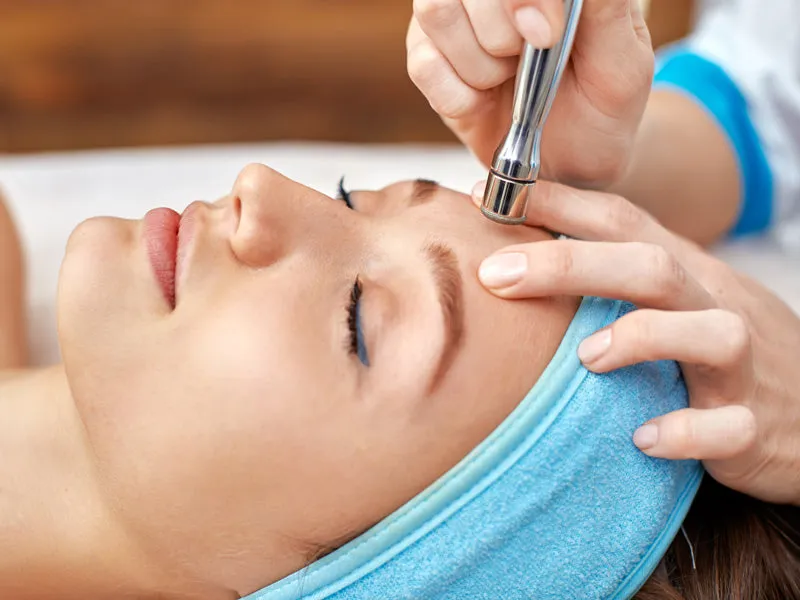
What Is Diamond Peel Facial Treatment? Real Answer
Diamond peel facial treatment is one of the most misleadingly named services in skincare, the word “peel” implies an acid-based chemical treatment, but nothing chemical is actually involved.
Part of our guide to facial treatments. Start with: Ultimate Guide Microdermabrasion: What to Know
A diamond peel is diamond-tip microdermabrasion under different branding, a diamond-coated wand plus vacuum suction, with zero acid and zero neutralization step. That naming mismatch leads plenty of people to book one expecting the downtime or depth of a true chemical peel.
One direct question settles the confusion every time: does an acid solution get applied and left to process, or is it purely a handheld wand and suction?
This guide explains exactly why the name misleads, what’s mechanically happening, how it compares to a true chemical peel, and the real contraindications that still apply despite the gentler-sounding branding.
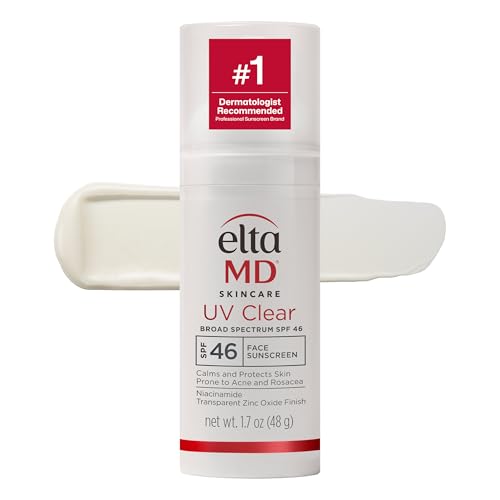
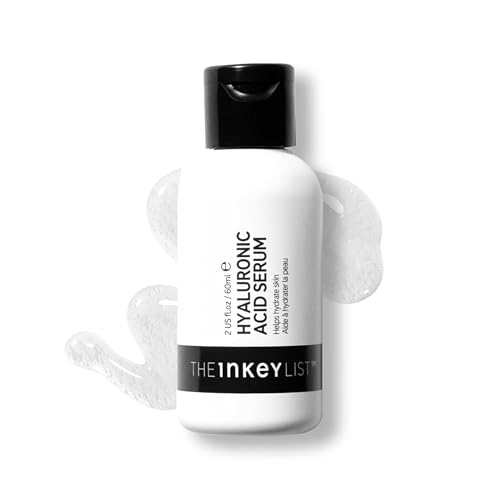
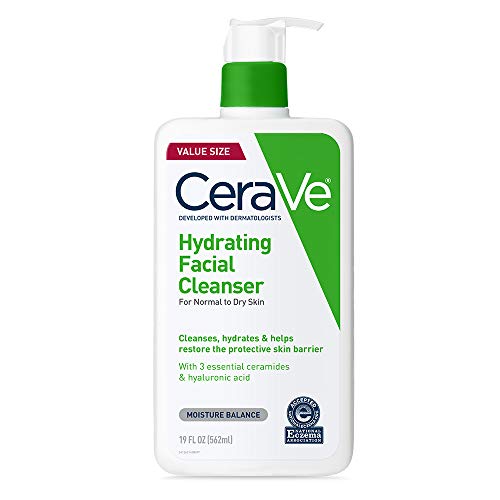
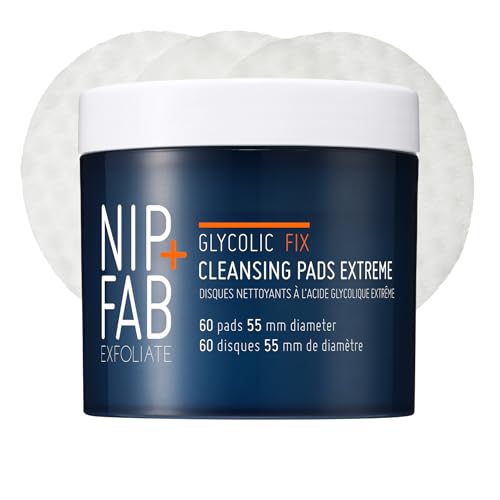
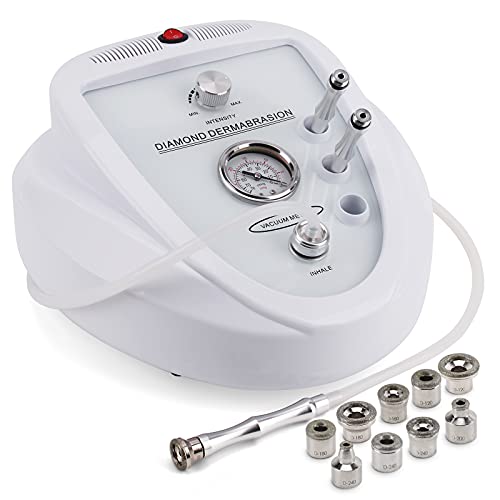
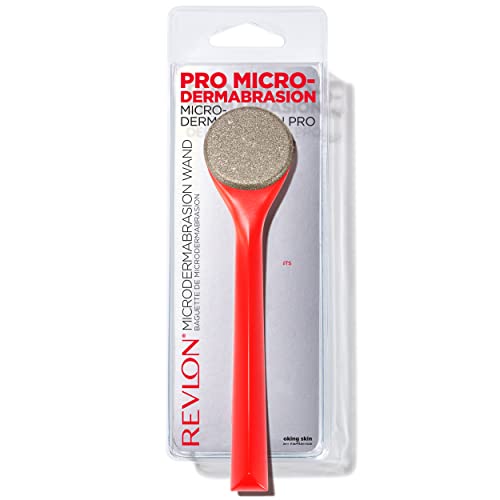
Recommended At-Home Diamond Peel Devices

Key Takeaways
- A “diamond peel” is a marketing name for diamond-tip microdermabrasion, mechanical exfoliation, not a chemical peel, despite the word “peel.”
- No acid is applied and no neutralization step occurs; the entire mechanism is a diamond-coated wand plus vacuum suction.
- A true chemical peel uses an acid to dissolve intercellular bonds, sometimes penetrating into the dermis; diamond peel uses zero chemicals.
- The gentler-sounding name doesn’t reduce the treatment’s actual risk profile, the same microdermabrasion contraindications still apply.
- You can tell the two apart with one question: does an acid solution get applied and left to process, or is it purely a handheld wand and suction?
- Both approaches have real uses, but expecting peel-level chemical exfoliation from a diamond peel session will lead to disappointment.
Table of Contents
- What Is Diamond Peel Facial Treatment?
- Why the Name Is Genuinely Confusing
- What’s Actually Happening Mechanically
- What Diamond Contributes (and What It Doesn’t)
- Diamond Peel vs. a True Chemical Peel
- Who Should Avoid a Diamond Peel Session
- Sessions, Downtime, and What to Expect
- Do This, Not That
- How to Tell What You’re Actually Booking
- When to See a Dermatologist
- Frequently Asked Questions
- The Bottom Line
What Is Diamond Peel Facial Treatment?
A “diamond peel” facial treatment is diamond-tip microdermabrasion under a different name, mechanical exfoliation using a diamond-coated wand and vacuum, not a chemical peel despite what “peel” implies. This naming mismatch is one of the most common sources of consumer confusion in the facial-treatment world, and it’s worth clearing up directly before you book anything.
Shopping these picks?
Amazon Prime members get fast, free shipping on eligible items, plus Prime Video, Amazon Music and member deals. New members can start with a free trial.
Start a free Prime trialAged 18 to 24? Prime for Young Adults comes with a longer free trial and a lower price after it.
Affiliate link: we may earn a commission at no extra cost to you.
This guide explains exactly why the name is misleading, what’s mechanically happening during a diamond peel session, and the one question that reliably tells you whether you’re booking mechanical exfoliation or an actual chemical peel.
Why the Name Is Genuinely Confusing
The word “peel” carries a specific meaning in skincare: chemical exfoliation using an acid solution, typically glycolic, salicylic, or trichloroacetic acid, that dissolves the bonds between skin cells and is left on the skin for a set processing time before being neutralized or left to work. A “diamond peel,” by contrast, involves no acid application and no neutralization step at all.
Clinic sources describing “diamond peel” or “diamond derm-abrasion” systems consistently categorize it as a variant of microdermabrasion, the diamond-tip wand simply replaces the older crystal spray, never citing an acid or chemical agent as part of the process. Consumers who book a “diamond peel” expecting the downtime, sensation, or collagen-stimulating effects of an acid-based peel are, in reality, getting a mechanical exfoliation treatment marketed under peel branding.
What’s Actually Happening Mechanically
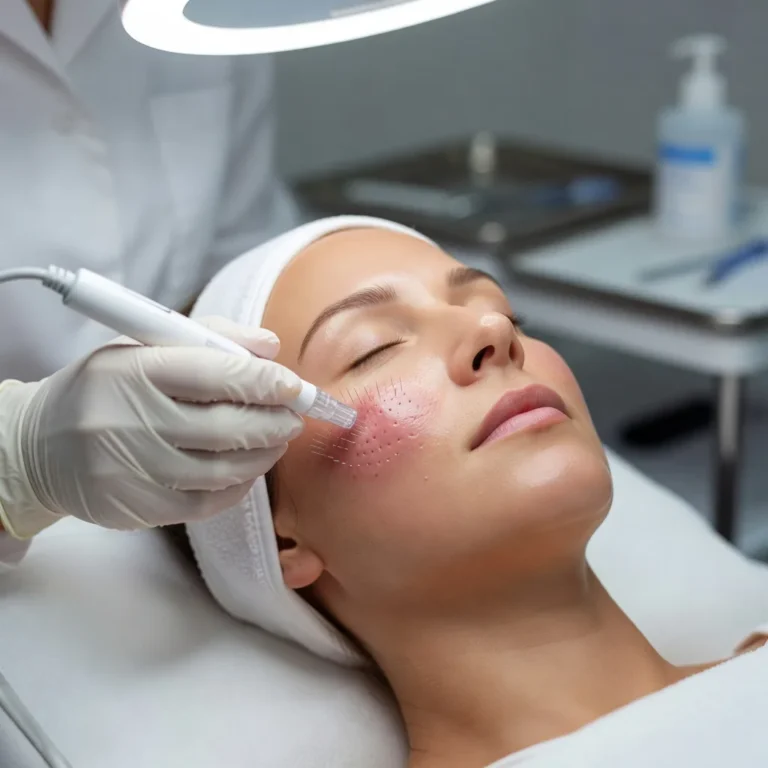
During a diamond peel session, a wand tipped with diamond-coated abrasive material is passed across the skin, physically loosening dead skin cells from the surface. A vacuum built into the same wand simultaneously suctions away the loosened debris. That’s the entire mechanism, no chemical solution is involved at any point.
This is identical, mechanically, to what we cover in our diamond microdermabrasion guide, the “peel” branding here is purely a naming choice, not a description of a different treatment modality.
What Diamond Contributes (and What It Doesn’t)
Note: Diamond’s role here is exactly the same as in any diamond-tip device: it’s simply a very hard, durable abrasive surface. It doesn’t add any acid-like chemical action, and it doesn’t provide any special mineral or nourishing benefit to skin.
Since there’s no chemical agent in a diamond peel at all, this reinforces the core point of this article: there’s no acid, so there’s also no diamond-derived chemistry doing anything either. The exfoliation you experience comes entirely from physical abrasion and suction, not from any reaction happening at a molecular level.
Diamond Peel vs. a True Chemical Peel
| “Diamond peel” (mechanical) | True chemical peel | |
|---|---|---|
| Active agent | None, diamond-coated wand only | Acid solution (glycolic, salicylic, TCA, etc.) |
| Mechanism | Physical abrasion + vacuum | Chemical dissolution of intercellular bonds |
| Processing/dwell time | None, continuous wand movement | Set number of minutes, often neutralized after |
| Depth | Surface layer only | Can range from superficial to reaching the dermis |
| Downtime | Minimal, mild redness | Varies by depth, can include visible flaking/peeling |
| Claim | What the evidence actually shows |
|---|---|
| “Diamond peel is a type of chemical peel” | Not accurate, it’s mechanical exfoliation with zero chemicals involved |
| “Diamond peel exfoliates skin” | Well-supported, genuine mechanical effect |
| “The gentler name means gentler risk” | Not supported, same microdermabrasion contraindications apply |
Who Should Avoid a Diamond Peel Session
Warning: Because a “diamond peel” is mechanical exfoliation, not a chemical peel, the softer-sounding name doesn’t reduce its real contraindications. Anyone with active or inflamed acne, an active skin infection, an open cut or lesion, a recent sunburn, or recent isotretinoin use should avoid or postpone treatment, and any suspicious or changing mole should be evaluated by a dermatologist before treatment near it.
This warning is worth stating plainly because the word “peel” tends to make people assume a lighter, lower-risk treatment than what’s actually happening: a physical abrasive wand moving across the skin. The contraindication list here is identical to the one for diamond-tip microdermabrasion generally, since that’s mechanically what a diamond peel is, and it shouldn’t be treated as a gentler alternative just because of the branding.
The same logic applies to combining treatments. If a provider suggests pairing a diamond peel with an actual chemical peel in the same visit or the same week, that combination increases cumulative irritation risk in a way that either treatment alone doesn’t carry, since you’re stacking mechanical abrasion on top of chemical exfoliation on already-sensitized skin. It isn’t automatically unsafe, providers do sometimes combine the two deliberately, but it’s a decision that should be made explicitly with your provider rather than assumed to be low-risk simply because the mechanical half of the pairing is branded with the gentler-sounding “peel” name.
Sessions, Downtime, and What to Expect
A single diamond peel session typically runs 30 to 60 minutes and produces a real but temporary brightening effect, visible mainly as smoother texture and more even light reflection for a few days afterward. Because the treatment only reaches the outermost skin layer, a lasting improvement in texture or mild pigmentation generally requires a course of multiple sessions, commonly spaced one to four weeks apart, rather than a single visit.
Downtime is minimal compared to a true chemical peel: expect mild redness similar to a light sunburn that typically resolves within a day or two, with no visible flaking or peeling of the kind associated with acid-based treatments. Sun sensitivity is temporarily increased regardless, so sunscreen in the days following a session is not optional. Most providers recommend ongoing monthly maintenance sessions after an initial course to sustain the smoother texture, since the effect fades as skin naturally regenerates.
Cost is worth setting expectations around too: because a diamond peel is mechanically simpler than a device-based treatment with an infusion step, it’s typically priced lower per session than combination treatments, though pricing varies widely by provider and geographic market. A single session alone is unlikely to produce the kind of visible result worth the name recognition on a spa menu; budgeting for a short course of three to six sessions, spaced a few weeks apart, is a more realistic way to evaluate whether the treatment is worth the ongoing cost for your specific skin goals.
Do This, Not That
Do
- Ask directly whether an acid is applied and left to process, or whether it’s purely a wand-and-suction treatment
- Treat “diamond peel” contraindications the same as any microdermabrasion session
- Choose a true chemical peel if you specifically want acid-driven exfoliation or collagen signaling
- Check for active acne or lesions before either type of treatment
- Apply sunscreen afterward regardless of which treatment you choose
Don’t
- Assume “peel” in the name means an acid is involved
- Expect diamond peel to deliver the downtime or depth of a true chemical peel
- Assume the gentler-sounding name means fewer contraindications
- Book a diamond peel expecting acid-driven collagen stimulation
- Skip asking your provider what’s actually being applied to your skin
How to Tell What You’re Actually Booking
Ask if an acid solution is applied
A true chemical peel involves a liquid or gel acid solution applied to the skin.
Ask about processing or dwell time
Chemical peels are left on for a set number of minutes; mechanical treatments involve continuous wand movement with no dwell time.
Ask about a neutralization step
Many chemical peels are neutralized or rinsed after processing; diamond peel has no such step.
Tip: If the provider describes only a handheld device and vacuum, you’re booking mechanical exfoliation regardless of what it’s called on the menu.
Check for active skin conditions
Active acne, infections, or lesions are a reason to postpone either type of treatment.
Match the treatment to your actual goal
Choose a true chemical peel for acid-driven results, or diamond-tip microdermabrasion for surface-level mechanical exfoliation.
When to See a Dermatologist
See a dermatologist or skin specialist if you’re unsure which type of exfoliation is right for your skin type or goals, or if you experience persistent redness or irritation after either treatment. If you want to understand true chemical peel depths and what they actually involve, our skin peel facial guide covers superficial, medium, and deep peel classifications in detail.
Frequently Asked Questions
What is diamond peel facial treatment?
It’s a marketing name for diamond-tip microdermabrasion, mechanical exfoliation rather than a chemical peel.
Does diamond peel use any acid?
No, the entire treatment is a diamond-coated wand plus vacuum suction, with no chemical solution involved.
Is diamond peel the same as a chemical peel?
No, a chemical peel uses acid to dissolve intercellular bonds; diamond peel is purely mechanical abrasion.
How can I tell if a treatment is really a chemical peel?
Ask whether an acid solution is applied and left to process with a set dwell time; if not, it’s mechanical exfoliation.
Is diamond peel safer than a chemical peel?
Neither is inherently safer, they carry different risk profiles and the same standard microdermabrasion contraindications apply to diamond peel.
Who should avoid diamond peel treatment?
Anyone with active acne, an active infection, or suspicious skin lesions should avoid or delay treatment.
Does diamond peel have downtime?
Downtime is minimal, typically mild redness resolving within a day or two.
Can diamond peel and a chemical peel be combined?
They can be used in the same treatment plan, but should be spaced appropriately and discussed with your provider.
Does diamond material do anything special in a diamond peel?
No, it contributes only hardness as an abrasive, the same as in diamond microdermabrasion.
Do I need sunscreen after a diamond peel?
Yes, skin is temporarily more sun-sensitive after any exfoliation treatment.
The Bottom Line
A “diamond peel” is diamond-tip microdermabrasion wearing peel branding, mechanical exfoliation with zero chemical involvement, not an acid-based chemical peel. The name genuinely misleads consumers into expecting something different from what they’ll actually receive.
One simple question settles it every time: does an acid solution get applied and left to process, or is it purely a wand and suction? If it’s the latter, you’re booking the same treatment covered in our diamond microdermabrasion guide, whatever the menu calls it.

Written by
Registered pharmacist and founder of Facial Adviser. Rakib's pharmacy training covers how skincare actives work and interact; a later course in cosmetology turned that into a focus on facial treatments and skincare products. He plans, researches and edits every guide on the site and checks health claims against sources such as the American Academy of Dermatology, the FDA and the NIH. He is not a dermatologist; see the Editorial Policy and Medical Disclaimer.
About · Editorial policy · How we choose products · Medical disclaimer · Contact
Keep reading: Microdermabrasion and diamond peel
- Ultimate Guide Microdermabrasion: What to Know
- Which Facial Is Best for Bride, Gold or Diamond?
- How to Use VLCC Diamond Facial Kit, Step by Step
- Does Microdermabrasion Remove Hair? The Real Answer
- Microdermabrasion Facial: What the Evidence Shows
- Oxygen Facial vs Microdermabrasion: Real Comparison
- Facial vs Chemical Peel: Differences, Results and Which to Choose
- What Is the Best Anti-Aging Facial Treatment? Options Compared by Goal