What Should I Use on My Face for Anti-Aging? The 5 Products That Matter
Walk into any skincare aisle and you will find hundreds of anti-aging creams, each promising younger skin. The good news is that you need very few of them. A small set of well-researched ingredients does almost all the work, and the rest is mostly marketing.
Part of our guide to facial treatments. Start with: What Is the Best Anti-Aging Facial Treatment? Options Compared by Goal
For anti-aging, use five things on your face: a broad-spectrum sunscreen of SPF 30 or higher every morning, a retinoid such as retinol or adapalene at night, a vitamin C serum in the morning, a moisturiser suited to your skin type, and, optionally, a peptide serum or cream. Sunscreen prevents the sun damage behind most visible ageing, retinoids have the strongest evidence for reducing fine lines and improving texture, vitamin C brightens and adds antioxidant protection, moisturiser keeps the barrier healthy and plumps lines, and peptides offer gentle support for firmness. Start slowly, add one product at a time, and give each at least three months.
In short: sunscreen by day, a retinoid by night, and vitamin C, moisturiser and peptides to support them.
The American Academy of Dermatology recommends broad-spectrum sunscreen of SPF 30 or higher every day, and the FDA explains that sun exposure contributes to early skin ageing as well as skin cancer.
This guide explains how to treat ageing skin with a core routine, what each product does, how to layer them morning and night, and which popular anti-aging buys are not worth your money.
Shopping these picks?
Amazon Prime members get fast, free shipping on eligible items, plus Prime Video, Amazon Music and member deals. New members can start with a free trial.
Start a free Prime trialAged 18 to 24? Prime for Young Adults comes with a longer free trial and a lower price after it.
Affiliate link: we may earn a commission at no extra cost to you.
Recommended Anti-Aging Skincare Products

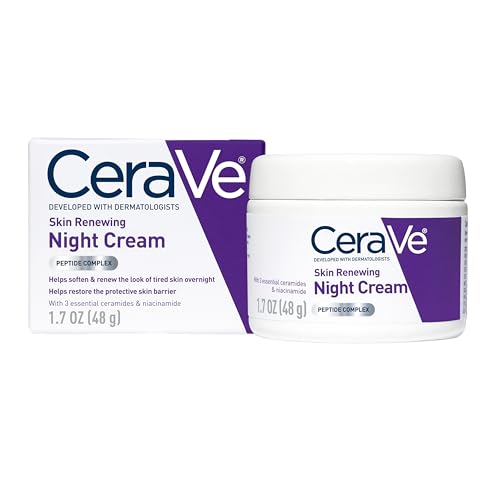


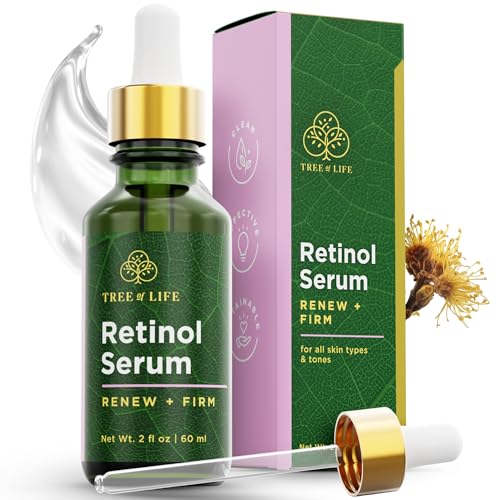
What to Know First
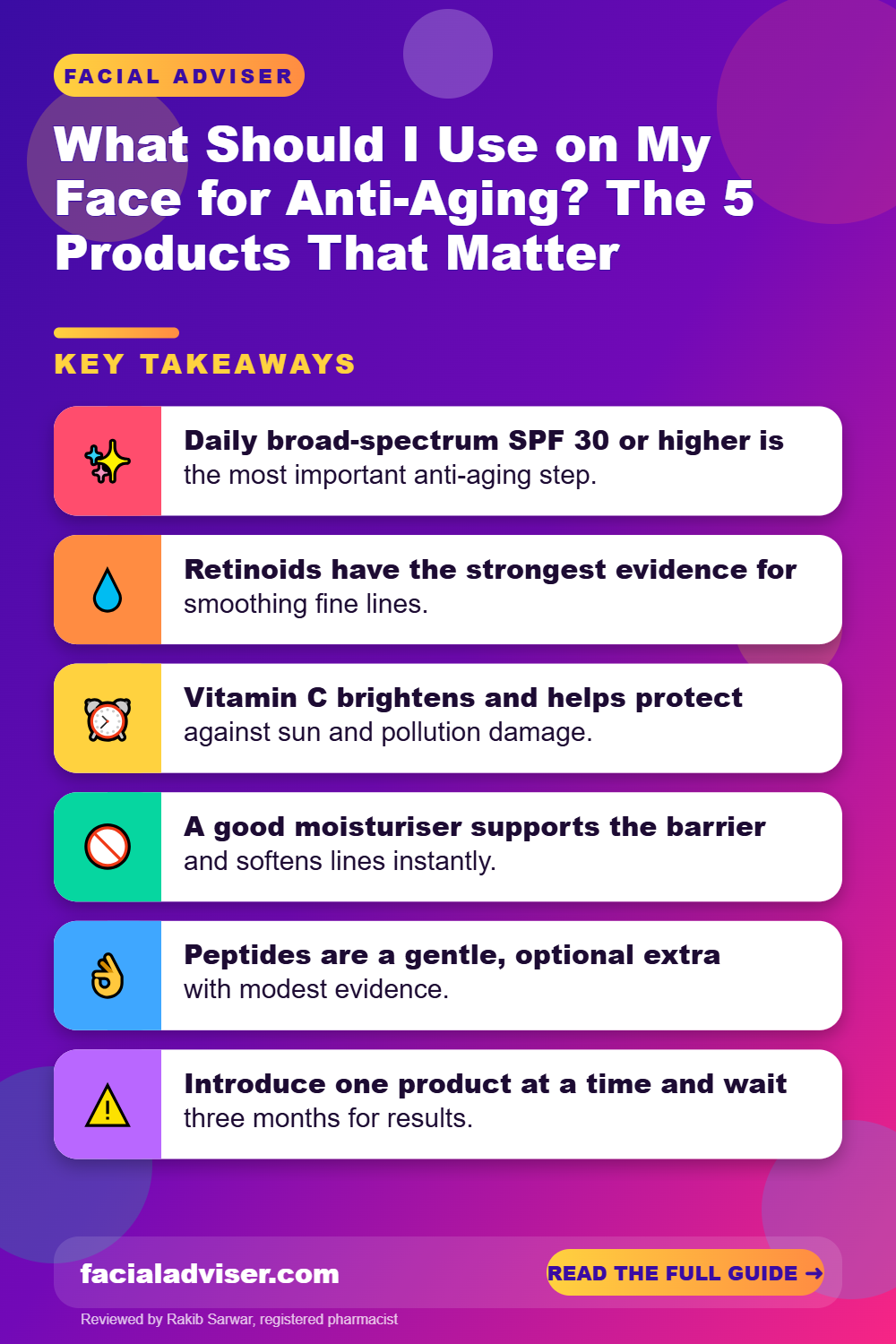
- Daily broad-spectrum SPF 30 or higher is the most important anti-aging step.
- Retinoids have the strongest evidence for smoothing fine lines.
- Vitamin C brightens and helps protect against sun and pollution damage.
- A good moisturiser supports the barrier and softens lines instantly.
- Peptides are a gentle, optional extra with modest evidence.
- Introduce one product at a time and wait three months for results.
- Expensive creams are not more effective than well-formulated basics.
What This Covers
- The Core Anti-Aging Routine at a Glance
- Sunscreen: The Product That Prevents the Most Ageing
- Retinoids: The Most Proven Wrinkle Treatment
- Vitamin C: Brightening and Antioxidant Protection
- Moisturiser: The Underrated Anti-Aging Step
- Peptides: A Gentle, Optional Extra
- How to Treat Ageing Skin by Concern
- How to Build a Simple Anti-Aging Routine
- What Not to Waste Money On
- Dos and Don’ts
- Honest Limits
- When to See a Dermatologist
- FAQ
- Where This Leaves You
The Core Anti-Aging Routine at a Glance
If you only remember one thing from this guide, make it this table. These five products cover prevention, repair and support, and together they form the routine most dermatologists suggest.
| Product | What it does | Strength of evidence | When to use |
|---|---|---|---|
| Broad-spectrum sunscreen | Prevents UV damage that causes wrinkles and spots | Very strong | Every morning, reapply outdoors |
| Retinoid | Speeds cell turnover, supports collagen | Very strong | Night, start 2 to 3 times a week |
| Vitamin C serum | Antioxidant, brightens dullness and spots | Good | Morning, under sunscreen |
| Moisturiser | Repairs barrier, plumps fine lines | Good for comfort and tolerance | Morning and night |
| Peptides | May signal skin to support firmness | Modest | Morning or night |
You do not need all five from day one. Sunscreen and a moisturiser are the non-negotiable base, a retinoid is the most powerful addition, and vitamin C and peptides are useful extras if your budget and skin allow.
Sunscreen: The Product That Prevents the Most Ageing
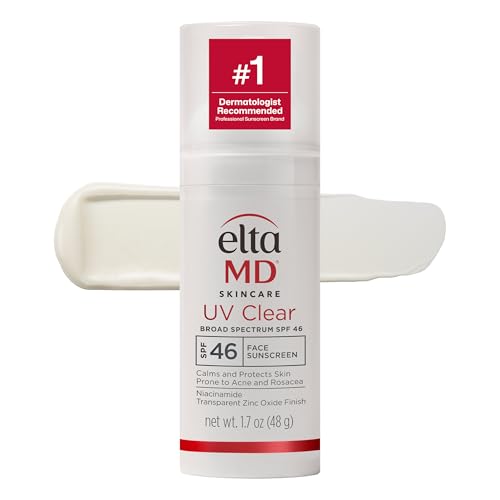
Most visible facial ageing, including wrinkles, dark spots, rough texture and loss of firmness, is caused or sped up by ultraviolet light. That makes daily sunscreen the single most effective anti-aging product you can use.
- Choose broad spectrum, SPF 30 or higher, so it covers UVA and UVB.
- Use about a quarter to a third of a teaspoon for the face.
- Apply every morning, including cloudy days and days by a window.
- Reapply at least every two hours when outdoors.
- Tinted mineral sunscreens also help with visible light, which can worsen dark spots.
The AAD guide on how to apply sunscreen explains the amount and technique, and the FDA’s page on sunscreen and sun protection explains what SPF and broad spectrum mean on the label. The best sunscreen is the one you will wear every day, so choose a texture you like: gels and fluids for oily skin, creams for dry skin and tinted formulas if you want a little coverage. Sunscreen in makeup rarely gives enough protection on its own, because people apply too little of it.
Retinoids: The Most Proven Wrinkle Treatment
Retinoids are vitamin A derivatives. They speed up skin cell turnover, help the skin produce more collagen and fade dark spots. Over months, they soften fine lines and make skin smoother and more even.
- Retinol: available without a prescription, gentler, converts to the active form in the skin.
- Retinal (retinaldehyde): a step stronger than retinol, still over the counter.
- Adapalene: an over-the-counter retinoid originally for acne that many people use for texture.
- Tretinoin: prescription only, the most studied for ageing skin.
Start with a low strength two or three nights a week and build up as your skin allows. Dryness, flaking and mild stinging are common in the first few weeks. Our guide on how to transition to retinol smoothly covers the buffering and scheduling tricks that make it easier.
Do not use retinoids if you are pregnant, trying to conceive or breastfeeding unless your doctor advises it. Retinoids also make skin more sensitive to the sun, so daily sunscreen is essential while using them.
Vitamin C: Brightening and Antioxidant Protection
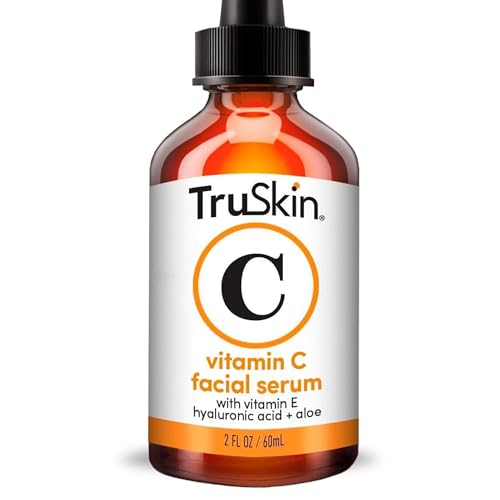
Vitamin C is an antioxidant that helps neutralise the free radicals created by UV light and pollution. It also brightens dull skin, can fade dark spots over time and is needed for the skin to make collagen.
It works best in the morning under sunscreen, where it adds a second layer of defence. Look for L-ascorbic acid in an opaque, airtight bottle, or a gentler derivative if pure vitamin C stings. Throw it out if it turns dark orange or brown, as it has oxidised. Concentrations between about 10 and 20 percent are common; higher is not always better, as stronger formulas are more likely to sting. If you have sensitive skin, start with a lower strength or use it every other morning. Our guide on the benefits of vitamin C facial cream compares serums, creams and derivatives.
Moisturiser: The Underrated Anti-Aging Step
Moisturiser does not reverse ageing, but it makes a visible difference. Hydrated skin reflects light better, fine lines look softer, and a healthy barrier tolerates retinoids and vitamin C far more easily.
- Dry or mature skin: richer creams with ceramides, glycerin or shea butter.
- Oily or acne-prone skin: light, oil-free gels or lotions labelled non-comedogenic.
- Sensitive skin: fragrance-free formulas with few ingredients.
- All skin types: hyaluronic acid or glycerin to draw water into the skin.
Apply moisturiser to slightly damp skin to trap more water, and use it on top of a retinoid if your skin feels tight or flaky. As skin ages it produces less oil and loses water more easily, so many people find they need a richer moisturiser in their forties and beyond than they did in their twenties. Adjust with the seasons too: a lighter texture in humid summers and a richer one in cold, dry winters.
Peptides: A Gentle, Optional Extra
Peptides are short chains of amino acids. Some are thought to signal the skin to support collagen, while others help hydrate or calm the skin. They are well tolerated, which makes them popular with people who cannot use strong retinoids.
The evidence for peptides is much weaker than for retinoids and sunscreen. Most studies are small and use specific formulas, so the results may not apply to every peptide product. Treat them as a helpful supporting ingredient, not a replacement for a retinoid.
Peptides can be used morning or night and layer easily with most other products. They are a sensible choice for sensitive skin, for the nights you skip your retinoid, or around the eyes where retinoids can irritate. Many moisturisers and serums already contain peptides, so check your labels before buying a separate product.
How to Treat Ageing Skin by Concern
Once the core routine is in place, you can focus on the concern that bothers you most. This table shows what to prioritise.
| Concern | Best product to prioritise | Consider adding |
|---|---|---|
| Fine lines | Retinoid | Peptides, moisturiser |
| Deep wrinkles | Retinoid, sunscreen | Dermatologist treatments |
| Dark spots | Sunscreen, vitamin C | Retinoid, azelaic acid |
| Dullness | Vitamin C | Gentle exfoliation |
| Loss of firmness | Retinoid, sunscreen | Peptides, in-office treatments |
| Dryness and crepey skin | Rich moisturiser | Hyaluronic acid, gentler retinoid |
| Sensitive, reactive skin | Mineral sunscreen, moisturiser | Peptides, low-strength retinoid |
Whatever your main concern, keep sunscreen and moisturiser in place, as they protect the gains you make with other products. Change one thing at a time and give it a fair trial before you decide it is not working. If you have more than one concern, a retinoid usually covers several at once, which is why it sits at the centre of most routines.
How to Build a Simple Anti-Aging Routine
Build your routine gradually so you can see how your skin responds to each product and spot the cause of any irritation.
Start with sunscreen
Use a broad-spectrum SPF 30 or higher every morning from today.
Add a moisturiser
Choose one for your skin type and use it morning and night.
Introduce a retinoid
Apply a pea-sized amount two or three nights a week, then build up.
Add vitamin C
After a few weeks, apply it in the morning before sunscreen.
Consider peptides
Use on retinoid-free nights or in the morning if you want extra support.
Layer in the right order
Cleanse, serum, moisturiser, then sunscreen in the morning; cleanse, retinoid, moisturiser at night.
Be patient
Give each product at least 12 weeks before judging it.
Keep your morning routine to three steps: vitamin C, moisturiser and sunscreen. Put the retinoid at night. Our guide to morning vs night skincare routine order explains the full layering sequence.
What Not to Waste Money On
Plenty of anti-aging products promise more than they deliver. These are the most common traps.
- Very expensive creams: price does not predict results; formulation and consistent use do.
- Collagen creams: collagen molecules are too large to enter the skin and act as moisturisers.
- Products with lots of fragrance or essential oils: more likely to irritate.
- Instant-lift or facelift-in-a-bottle claims: effects are temporary tightening from film-forming ingredients.
- Stacking many actives at once: more irritation, not faster results.
If a product claims to replace sunscreen or retinoids, be sceptical. The basics are basic because they work. A simple routine of four or five well-chosen products, used every day, will outperform a shelf of luxury jars used occasionally. Before buying something new, ask what it adds that your core routine does not already do.
Dos and Don’ts
Try This
- Wear sunscreen every single day
- Start retinoids slowly
- Add one new product at a time
- Moisturise morning and night
- Give products three months
Avoid This
- Skip sunscreen on cloudy days
- Use a retinoid and strong acids on the same night early on
- Buy on price or packaging alone
- Expect results in a week
- Keep using a product that burns or stings
Honest Limits
Even the best skincare routine has limits. Topical products can soften fine lines, fade spots and improve texture, but they cannot fully reverse deep wrinkles, significant sagging or volume loss. Genetics, smoking, sleep and years of sun exposure also play a big part, and no product can fully undo them.
Results from retinoids and vitamin C build slowly over months and fade if you stop. For deeper changes, dermatologist treatments such as lasers, peels, radiofrequency or injectables go further than any cream, and a good home routine helps those results last longer.
When to See a Dermatologist
- Over-the-counter retinoids irritate you or have stopped helping.
- You want prescription tretinoin or stronger treatments.
- You have melasma, rosacea or eczema alongside ageing concerns.
- You notice a new, changing or bleeding spot on your face.
This article is for general information and does not replace professional medical advice. See a board-certified dermatologist before starting prescription treatments, if you are pregnant, or if you have a skin condition.
FAQ
What should I use on my face for anti-aging?
Sunscreen, a retinoid, vitamin C, moisturiser and optionally peptides.
What is the single best anti-aging product?
Daily broad-spectrum sunscreen.
Is retinol or vitamin C better for anti-aging?
Retinol for wrinkles; vitamin C for brightness. Many people use both.
At what age should I start anti-aging products?
Sunscreen from any age; retinoids often from the mid-twenties.
Can I use vitamin C and retinol together?
Yes, vitamin C in the morning and retinol at night.
Do peptides really work?
They may help modestly; the evidence is weaker than for retinoids.
Do I need an eye cream?
Not necessarily; a gentle moisturiser often works around the eyes.
How long does anti-aging skincare take to work?
About three to six months for visible change.
Are expensive anti-aging creams better?
Not necessarily; ingredients and consistency matter more.
Can I use a retinoid every night?
Yes, once your skin has adjusted gradually.
Where This Leaves You
For anti-aging, use a broad-spectrum sunscreen every morning, a retinoid at night, vitamin C for brightness, a moisturiser for your skin type and, if you like, a peptide product for gentle support.
Add products one at a time, stay consistent for at least three months, skip the overhyped extras, and see a dermatologist when you want results that skincare alone cannot deliver.

Written by
Registered pharmacist and founder of Facial Adviser. Rakib's pharmacy training covers how skincare actives work and interact; a later course in cosmetology turned that into a focus on facial treatments and skincare products. He plans, researches and edits every guide on the site and checks health claims against sources such as the American Academy of Dermatology, the FDA and the NIH. He is not a dermatologist; see the Editorial Policy and Medical Disclaimer.
About · Editorial policy · How we choose products · Medical disclaimer · Contact
Keep reading: Anti-aging facials and treatments
- What Does an Anti-Aging Facial Consist Of? Steps, Types and What to Expect
- Can Anti-Aging Creams Age You? Irritation, Sun Sensitivity and Fixes
- Anti Aging Facial Price: Affordable Treatments for Youthful Skin
- What Is the Best Anti-Aging Facial Treatment? Options Compared by Goal
- Does Skincare Actually Prevent Aging? What the Evidence Supports
- Facial vs Chemical Peel: Differences, Results and Which to Choose
- What Is a Spa Facial?