Deep Pore Cleansing Facial at Home, Done Right
A deep pore cleansing facial at home promises smaller, clearer-looking pores, and while it can genuinely reduce how congested they appear, it’s worth understanding upfront what a home routine actually can and can’t change.
Part of our guide to skincare products. Start with: 10 Best Facial Cleansers for Combination Skin (2026): Balanced Picks
Pore size is primarily genetic, tied to sebaceous gland size and the collagen support around each follicle, according to the Cleveland Clinic. No cleansing routine, at home or professional, changes that underlying structure, though the right steps can meaningfully reduce how clogged and visible pores look.
The step most people get wrong is the order: a salicylic acid exfoliant needs to come before a clay mask, not after, because its oil solubility lets it actually penetrate into sebum-filled pores in a way water-soluble acids can’t.
This guide covers a quick blotting-paper test to find your oiliest zones, the correct five-step routine order, why DIY extraction is genuinely risky, and when persistent congestion is worth taking to a dermatologist instead.
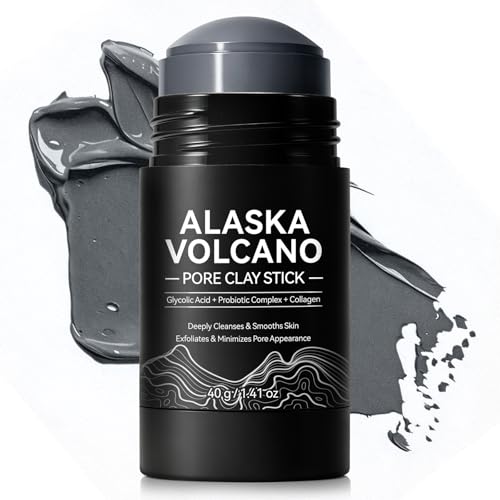
Recommended Products for Deep Pore Cleansing


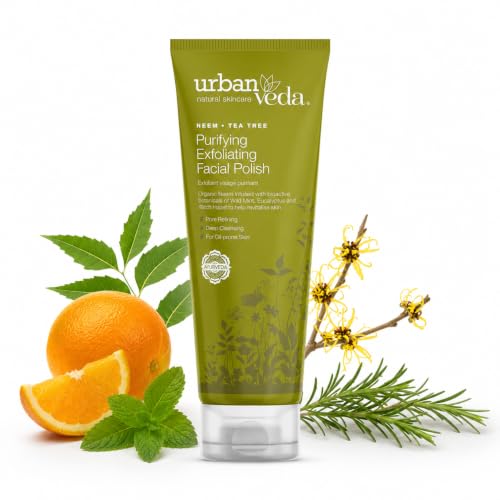
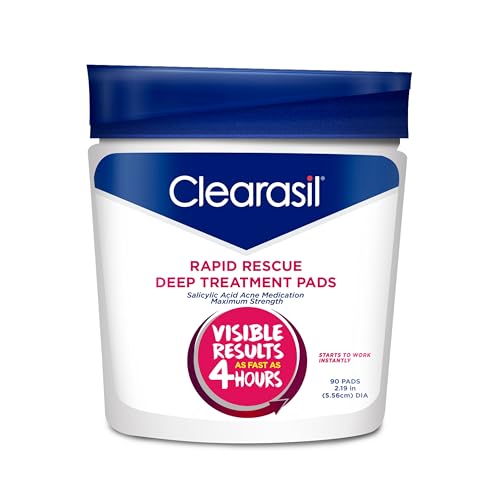
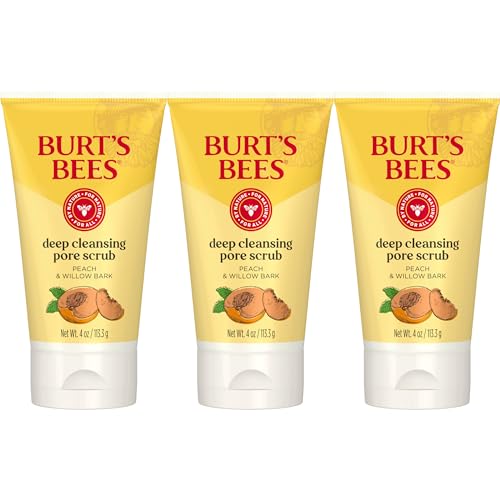
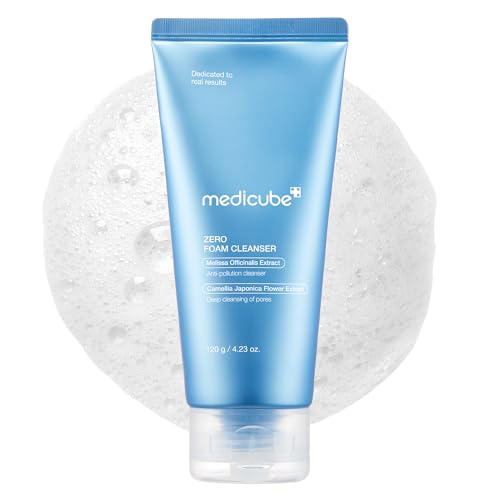
Key Takeaways
- Pore size is primarily genetic, determined by sebaceous gland size and the collagen support around each follicle, according to the Cleveland Clinic.
- No at-home cleansing facial permanently shrinks pores; what it can do is temporarily reduce how clogged and visible they look.
- A salicylic acid (BHA) step is genuinely more effective for congested pores than most other exfoliants, because it’s oil-soluble and can penetrate into the sebum-filled follicle itself.
- Manual extraction at home is a real risk factor for pushing bacteria deeper, causing inflammation, scarring, or post-inflammatory marks.
- A simple blotting-paper test after 30 minutes with no product tells you which zones of your face are actually oil-driven, which is more useful than guessing.
- Professional treatments like microneedling or laser resurfacing can improve pore appearance more durably than any at-home routine, though even those don’t change follicle structure permanently.
- The correct order for an at-home routine, cleanse, steam, BHA exfoliation, clay mask, moisturize, matters more than any single product.
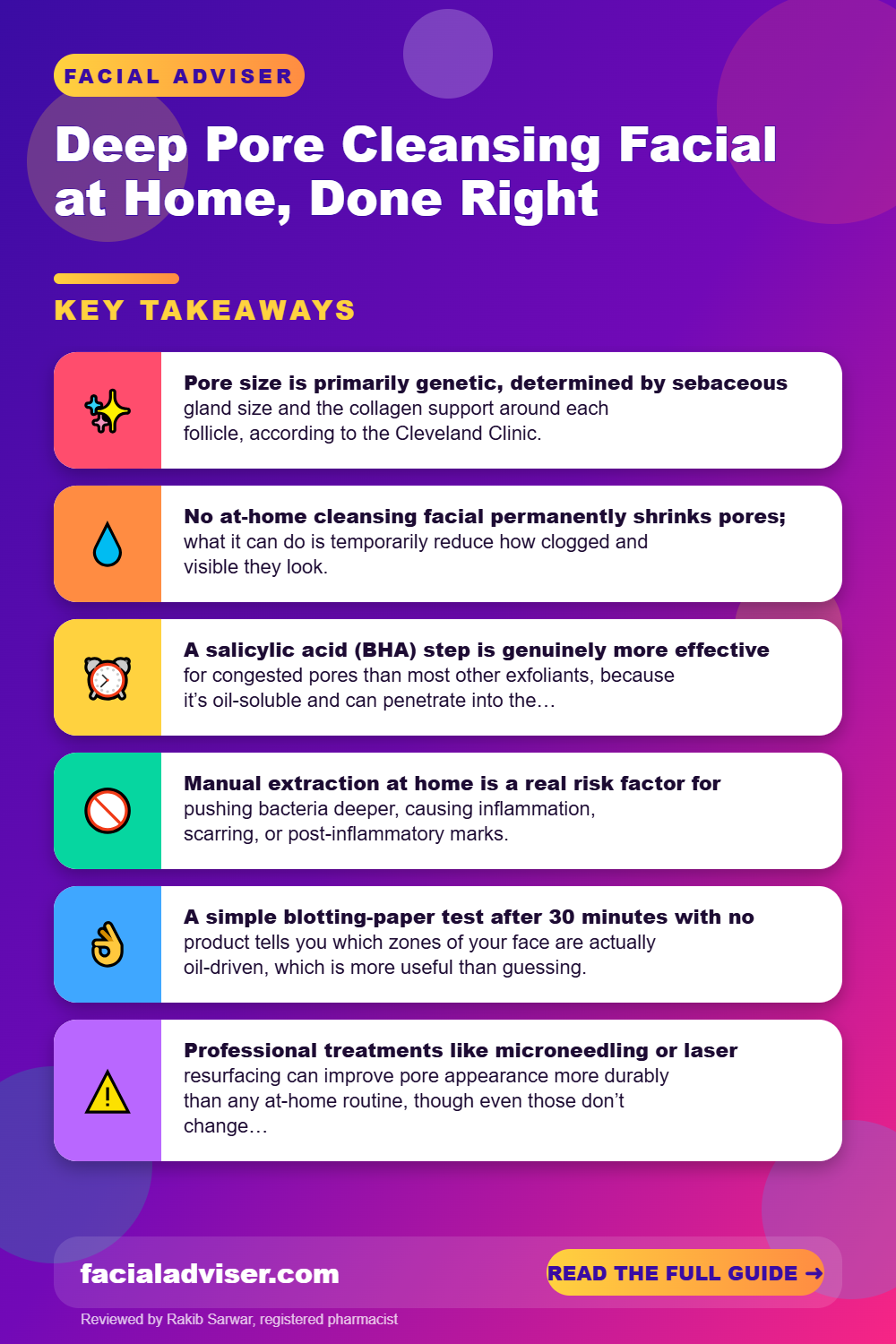
Table of Contents
- Why Pore Size Is Mostly Genetic
- The 30-Minute Blotting-Paper Test
- The Correct At-Home Routine Order
- At-Home vs. Professional Pore Treatments
- Do This, Not That
- Building Your Deep-Cleansing Facial Step by Step
- Why DIY Extraction Is Risky
- When to See a Dermatologist
- Frequently Asked Questions
- The Bottom Line
Why Pore Size Is Mostly Genetic
Pore size is primarily a function of genetics, specifically the size and activity of your sebaceous glands and how much collagen and elastin support surrounds each follicle, according to the Cleveland Clinic. Excess oil, sun damage that breaks down surrounding collagen, aging-related collagen and elastin loss, and hormonal fluctuations can all make pores look larger, but none of these are reversed by a cleansing facial, at home or otherwise.
Shopping these picks?
Amazon Prime members get fast, free shipping on eligible items, plus Prime Video, Amazon Music and member deals. New members can start with a free trial.
Start a free Prime trialAged 18 to 24? Prime for Young Adults comes with a longer free trial and a lower price after it.
Affiliate link: we may earn a commission at no extra cost to you.
That matters because it resets expectations: a deep-cleansing facial is a maintenance and appearance tool, not a permanent pore-size fix, the same way hydrodermabrasion and microdermabrasion improve surface texture without changing the underlying follicle structure.
Note: Marketing language around “pore minimizing” is worth reading skeptically. A product can genuinely reduce how visible pores look, oil control, texture smoothing, without touching the actual gland or follicle size that marketing claims often imply it’s shrinking.
The 30-Minute Blotting-Paper Test
Wash your face, pat dry, and wait 30 minutes with no products applied. Then blot different zones, nose, cheeks, forehead, with blotting paper or a clean tissue:
- Visibly oily blotting paper from the T-zone: that area is more sebum-driven, and its pores will typically look more visible and benefit most from a BHA-focused step.
- Minimal oil across most zones: your routine can lean lighter, with less emphasis on oil-control steps and more on hydration.
This helps you decide where to actually focus product and effort, rather than treating your whole face identically.
The Correct At-Home Routine Order
| Step | Purpose |
|---|---|
| 1. Cleanse | Remove surface makeup and oil before anything else |
| 2. Gentle steam | Soften the surface and loosen debris for a few minutes |
| 3. BHA exfoliation | Salicylic acid penetrates into oil-filled pores, unlike water-soluble AHAs |
| 4. Clay mask | Absorb excess oil and draw out surface impurities |
| 5. Moisturize | Support the barrier and prevent compensatory oil overproduction |
At-Home vs. Professional Pore Treatments
| At-home options | Professional options | |
|---|---|---|
| Examples | Pore strips, clay masks, steam, BHA exfoliants | Microneedling, laser resurfacing, professional extraction |
| Mechanism | Temporary oil/debris removal | Collagen stimulation, deeper resurfacing |
| Duration of effect | Short-lived, cosmetic | Longer-lasting improvement in appearance |
| Permanent pore-size change | No | No, but more durable improvement |
Do This, Not That
Do
- Run the blotting-paper test to identify your actual oily zones
- Follow the cleanse-steam-BHA-clay-moisturize order
- Use salicylic acid specifically for congested, oily pores
- Consider professional treatments for longer-lasting improvement
- Moisturize even after a clay mask, skipping it can trigger more oil production
Don’t
- Expect any facial to permanently shrink your pores
- Squeeze or manually extract blackheads yourself
- Skip moisturizer thinking it will keep pores less oily
- Over-exfoliate, which can irritate skin and worsen the appearance of pores
- Rely on ice cubes or “pore minimizing” devices for lasting change
Building Your Deep-Cleansing Facial Step by Step
Cleanse thoroughly
Remove all makeup, sunscreen, and surface oil with a gentle cleanser suited to your skin type.
Steam gently
A few minutes of gentle steam softens the skin’s surface and loosens debris sitting in pores.
Apply a BHA exfoliant
Salicylic acid’s oil solubility lets it penetrate into sebum-filled pore linings, particularly useful for oily or congested areas identified by your blotting test.
Tip: Start with a lower concentration or less frequent use if you’re new to BHA, and increase gradually as your skin tolerates it.
Apply a clay mask
Clay absorbs excess surface oil and helps draw out impurities sitting near the pore opening.
Rinse and moisturize
A proper moisturizer supports the skin barrier and helps prevent the compensatory oil overproduction that can follow over-drying steps.
Maintain with regular use
Repeat this routine on a schedule your skin tolerates rather than daily, since over-doing exfoliation can backfire.
Why DIY Extraction Is Risky
Dermatology consensus generally warns against manually squeezing or extracting blackheads and clogged pores at home. Improper technique can push bacteria deeper into the follicle, trigger inflammation, and risk permanent scarring or post-inflammatory marks. Professional extraction uses sterile tools and specific technique precisely to avoid these outcomes, the same reason extraction during a professional acne facial is handled differently than picking at a blemish yourself.
Warning: Never attempt to extract a deep, inflamed, or painful lesion at home. That’s a different category of blemish than a surface blackhead, and forcing it increases the risk of scarring and infection.
When to See a Dermatologist
If congested pores are persistent despite a consistent routine, or you’re seeing recurring inflamed or cystic breakouts rather than simple surface congestion, a dermatologist can offer prescription-strength options and professional extraction that go beyond what any at-home routine can achieve.
Frequently Asked Questions
Can a facial permanently shrink pores?
No. Pore size is primarily genetic, and no facial, at home or professional, permanently changes the underlying follicle structure.
What causes pores to look larger?
Excess oil, sun damage, aging-related collagen loss, and hormonal fluctuations can all make pores appear larger, though none are reversed by cleansing alone.
What’s the correct order for a deep-cleansing facial at home?
Cleanse, gentle steam, BHA exfoliation, clay mask, then moisturize, in that order.
Why is salicylic acid better than other exfoliants for pores?
Salicylic acid is oil-soluble, letting it penetrate into sebum-filled pore linings, unlike water-soluble AHAs that work mainly on the surface.
Is it safe to extract blackheads myself at home?
Dermatology consensus advises against manual extraction at home, since improper technique risks pushing bacteria deeper and causing scarring or infection.
How can I tell which areas of my face are oiliest?
Wait 30 minutes after cleansing with no product, then blot different zones with blotting paper; visibly oily paper marks the more sebum-driven areas.
Do pore strips work?
They remove surface debris temporarily but don’t change pore size or provide lasting improvement.
Are professional treatments better than at-home routines for pores?
Professional treatments like microneedling and laser resurfacing generally produce longer-lasting appearance improvement, though even they don’t permanently change follicle structure.
Can over-exfoliating make pores look worse?
Yes. Over-exfoliation can irritate skin and worsen the appearance of pores rather than improving them.
When should I see a dermatologist about clogged pores?
If congestion persists despite a consistent routine, or you have recurring inflamed or cystic breakouts, a dermatologist can offer options beyond at-home care.
The Bottom Line
A deep-cleansing facial at home can genuinely reduce how clogged and visible your pores look, but it can’t change the genetics behind their actual size. Getting the order right, cleanse, steam, BHA, clay, moisturize, and skipping manual extraction, is what separates a routine that helps from one that risks scarring.
Use the blotting-paper test to target your actual oily zones, and if congestion keeps recurring despite a solid routine, a dermatologist has tools an at-home facial simply doesn’t.

Written by
Registered pharmacist and founder of Facial Adviser. Rakib's pharmacy training covers how skincare actives work and interact; a later course in cosmetology turned that into a focus on facial treatments and skincare products. He plans, researches and edits every guide on the site and checks health claims against sources such as the American Academy of Dermatology, the FDA and the NIH. He is not a dermatologist; see the Editorial Policy and Medical Disclaimer.
About · Editorial policy · How we choose products · Medical disclaimer · Contact
Keep reading: Cleansers and face wash
- 10 Best Facial Cleansers for Combination Skin (2026): Balanced Picks
- Face Cleansing Steps: The Real Routine, Explained
- What Does a Deep Cleansing Facial Do?
- What Is the Difference Between Cleansing and a Facial?
- Facial Cleanser vs Face Wash: What Is the Difference and Which Do You Need?
- Cetaphil Gentle Skin Cleanser vs Daily Facial Cleanser: Which Should You Use?
- 10 Best Face Masks for Every Skin Type (2026): Clay, Gel and Sheet
- What Does a Facial Toner Do? The Real Answer