What Is the Difference Between Cleansing and a Facial?
Cleansing and facials are both about clean, healthy-looking skin, so the terms are often used interchangeably. Spa menus add to the confusion with treatments called cleansing facials, deep cleansing facials and express cleanups. In practice, cleansing and a facial are quite different, and knowing the difference helps you decide what you actually need.
Part of our guide to skincare products. Start with: 10 Best Facial Cleansers for Combination Skin (2026): Balanced Picks
Cleansing is a basic daily skincare step that removes dirt, oil, sweat, sunscreen and makeup from the surface of the skin, usually with a cleanser and water, and takes a minute or two. A facial is a longer treatment, typically 45 to 90 minutes, that starts with cleansing but adds steps such as exfoliation, steam, extractions, masks, massage, serums and moisturiser, usually performed by an esthetician. Cleansing is essential every day; a facial is optional and can give extra glow, relaxation and help with congestion.
Put simply, cleansing is the foundation of any routine, while a facial is an occasional treatment built on top of it. A facial cannot make up for skipping daily cleansing, and daily cleansing does not need a facial to be effective.
The American Academy of Dermatology recommends washing the face twice a day and after sweating with a gentle, non-abrasive cleanser, using fingertips rather than rough tools. That simple habit does more for most people’s skin than any occasional treatment.
This guide compares cleansing and facials step by step, explains what a cleansing facial is, who benefits from each and how to create a simple facial-style routine at home.
Shopping these picks?
Amazon Prime members get fast, free shipping on eligible items, plus Prime Video, Amazon Music and member deals. New members can start with a free trial.
Start a free Prime trialAged 18 to 24? Prime for Young Adults comes with a longer free trial and a lower price after it.
Affiliate link: we may earn a commission at no extra cost to you.
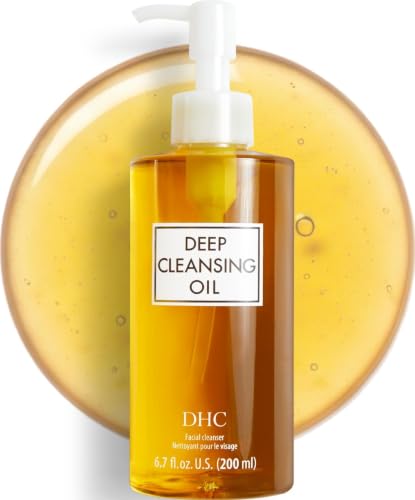
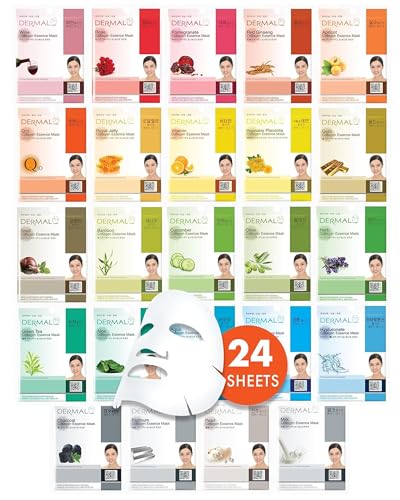
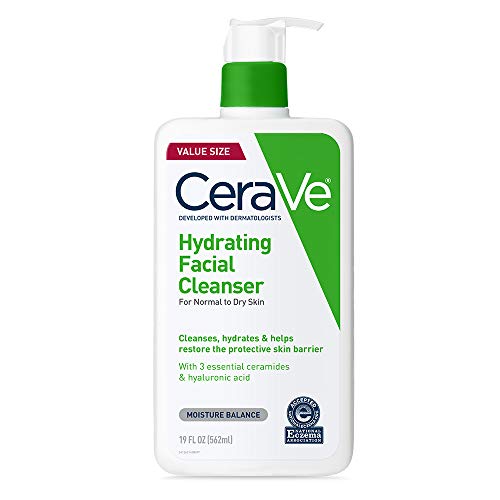
Recommended Products for Daily Cleansing and At-Home Facials




In Brief
- Cleansing is a daily step; a facial is an occasional treatment.
- Cleansing removes surface dirt, oil and makeup.
- A facial adds exfoliation, extractions, masks and massage.
- Facials usually take 45 to 90 minutes.
- A cleansing facial is a facial focused on deep cleaning.
- Daily cleansing matters more than occasional facials.
- You can create a simple facial-style routine at home.
Jump to a Section
- Cleansing vs Facial at a Glance
- What Cleansing Does
- What a Facial Involves
- What Is a Cleansing Facial?
- Who Benefits From Each
- How to Build an At-Home Routine Between Facials
- Common Mistakes
- Matching Cleansing and Facials to Your Skin Type
- A Simple At-Home Facial
- Dos and Don’ts
- Honest Limits
- When to See a Dermatologist
- Common Questions
- Final Word
Cleansing vs Facial at a Glance
The easiest way to understand the difference is to compare them side by side.
| Feature | Cleansing | Facial |
|---|---|---|
| What it is | A single skincare step | A multi-step treatment |
| Who does it | You, at home | Usually an esthetician |
| Time | One to two minutes | About 45 to 90 minutes |
| How often | Once or twice daily | Occasionally, often every four to six weeks |
| Main purpose | Remove dirt, oil, makeup and sunscreen | Deep clean, exfoliate, hydrate, relax |
| Typical steps | Cleanser and water | Cleanse, exfoliate, steam, extract, mask, massage, moisturise |
| Necessary? | Yes, for everyone | Optional |
Some people use the word cleansing to mean an at-home routine with several steps, but in skincare it usually refers to washing the face. Our guide on facial wash versus facial scrub explains how cleansing differs from exfoliation.
What Cleansing Does
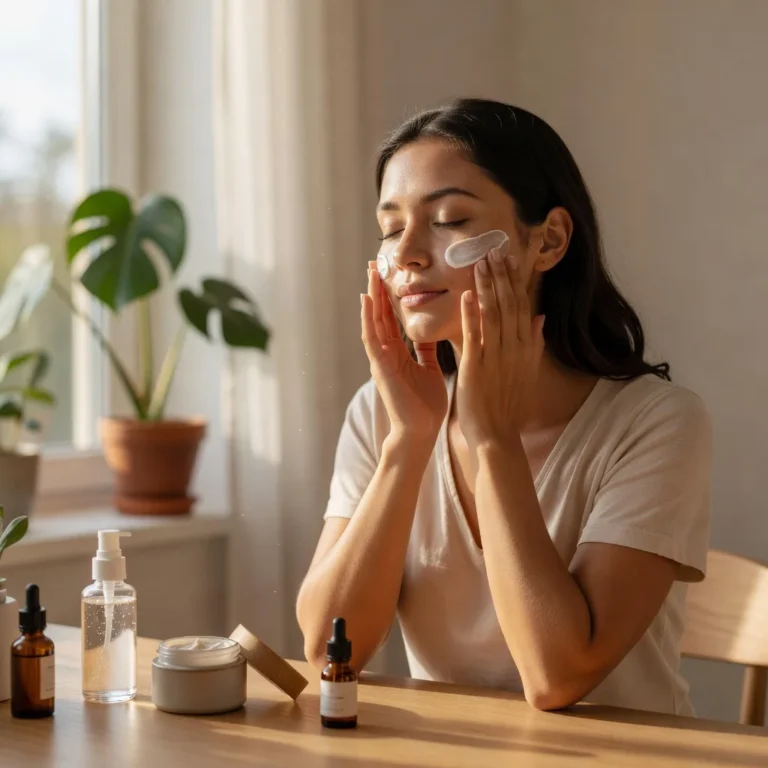
Cleansing removes what builds up on the skin during the day and night: oil, sweat, dead skin cells, pollution, sunscreen and makeup. Leaving these on can contribute to clogged pores and dullness, and can make other skincare less effective. Cleansing does not need to be complicated or time-consuming. Massaging the cleanser over damp skin for about 30 seconds, then rinsing with lukewarm water and patting dry with a clean towel, is enough for most people. Very hot water, rough washcloths and long scrubbing sessions add irritation without making skin any cleaner.
- Morning: a quick cleanse or water rinse removes overnight oil and products.
- Evening: a thorough cleanse removes makeup, sunscreen and the day’s build-up.
- After sweating: cleanse soon after exercise to reduce breakouts.
- If you wear heavy makeup or water-resistant sunscreen: an oil or balm first, then a gentle cleanser.
The American Academy of Dermatology explains in its skin care tips that gentle cleansing with fingertips is better than scrubbing, and that harsh cleansers can irritate skin. Our guide on when double cleansing is necessary explains who benefits from a two-step cleanse.
What a Facial Involves
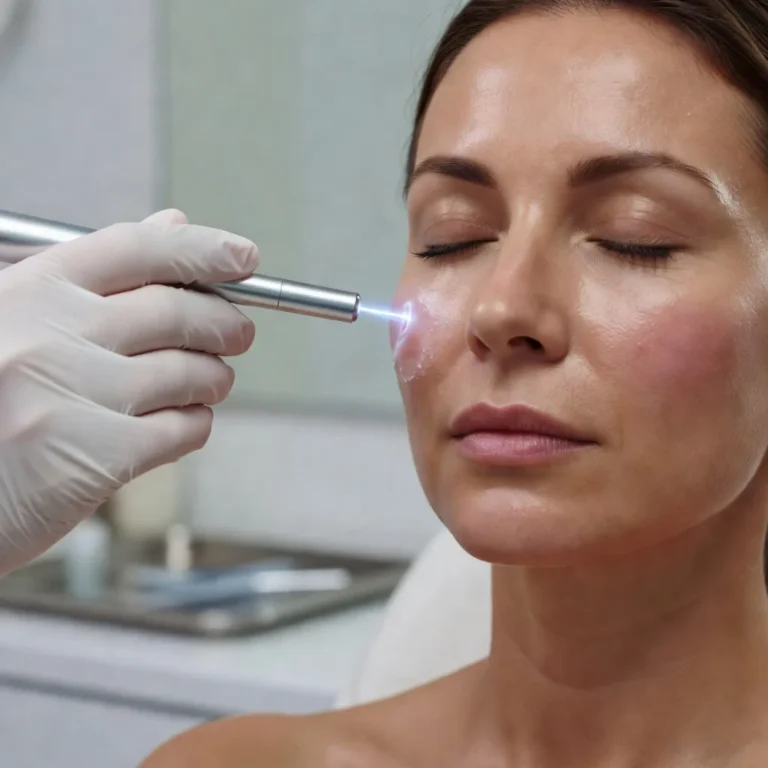
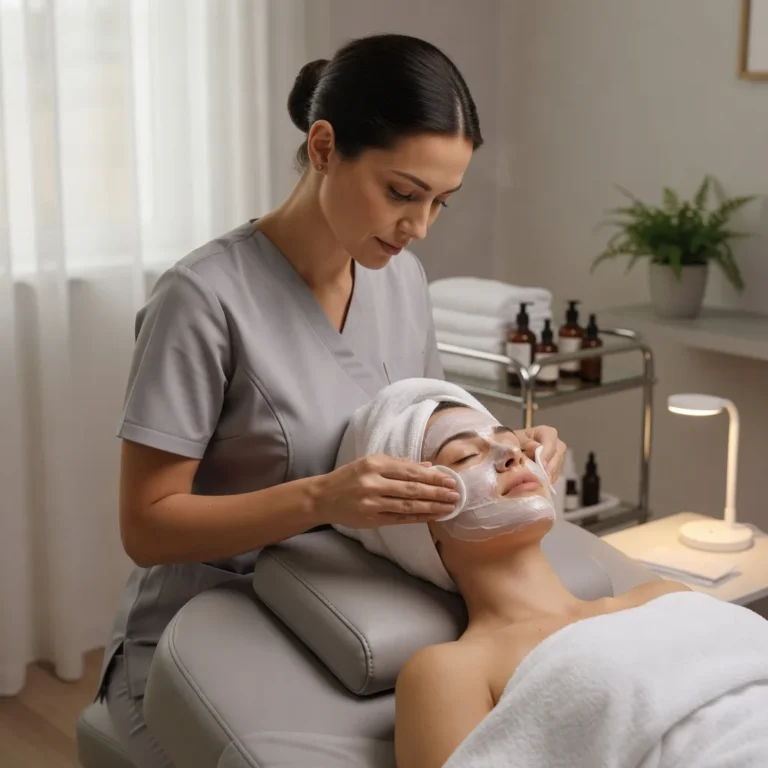
A facial is a professional treatment that usually includes cleansing as its first step, then adds several others tailored to your skin.
- Skin analysis and consultation.
- Double cleansing to remove makeup and oil.
- Exfoliation with a scrub, enzymes or mild acids.
- Steam or warm towels to soften the skin.
- Extractions of blackheads and clogged pores.
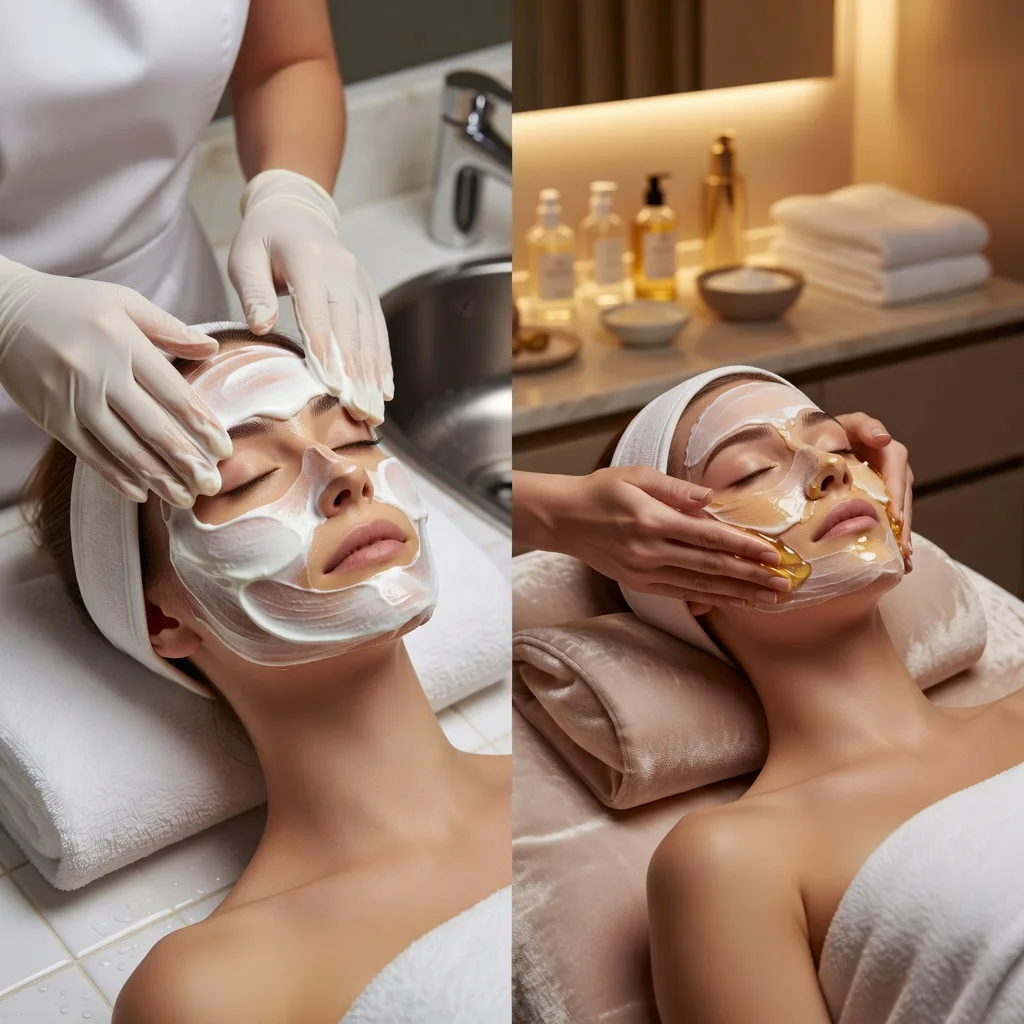
- A mask for hydration, oil control or calming.
- Facial massage to relax muscles and boost circulation.
- Serum, moisturiser and sunscreen to finish.
Facials vary widely. Some focus on relaxation and hydration, others on deep cleaning or brightening. A good esthetician adapts the steps to your skin on the day, so two facials with the same name can feel quite different. Ask what products and techniques will be used, especially if you have sensitive skin or allergies. Our guide on European facials versus basic facials compares two common types, and our guide on which facial is best for glowing skin helps you choose by skin type.
What Is a Cleansing Facial?
A cleansing facial, often called a deep cleansing facial, is a type of facial that focuses on clearing pores and removing build-up. It usually includes more thorough exfoliation and extractions than a relaxation facial, followed by an oil-absorbing or calming mask.
Cleansing facials are popular with people who have oily or congested skin, and many people book one before a special event or at the change of seasons, when skin can feel dull or clogged. They are not the same as daily cleansing, and they are not meant to be done very often, because frequent extractions and exfoliation can irritate skin. If you are prone to breakouts, a dermatologist-recommended home routine usually does more for long-term results than frequent cleansing facials.
Some salons offer a short clean-up or express cleansing treatment. These are shorter versions of a facial, usually with cleansing, light exfoliation and a mask, but fewer steps and little or no massage.
Who Benefits From Each
Everyone benefits from daily cleansing. Facials are optional and suit some people and situations more than others.
- Facials can help if you want a relaxing treat, a pre-event glow or help with occasional congestion.
- They are useful if you want professional advice on your skin type and routine.
- Daily cleansing alone is enough for many people with healthy skin.
- People with sensitive skin, rosacea or eczema may prefer gentle facials or skip them.
- Anyone with persistent acne benefits more from a dermatologist than from frequent facials.
If you are thinking about booking a facial, our guide on how to prepare for a facial explains what to stop beforehand and what to tell your esthetician.
How to Build an At-Home Routine Between Facials
Cleanse twice daily
Use a gentle cleanser suited to your skin type, with lukewarm water.
Double cleanse at night
Use an oil or balm first when wearing makeup or sunscreen.
Exfoliate gently
Use a mild chemical exfoliant once or twice a week.
Add a weekly mask
Use a clay mask for oily areas or a hydrating mask for dry skin.
Moisturise
Apply a moisturiser suited to your skin every day.
Protect
Wear broad-spectrum sunscreen every morning.
Treat yourself occasionally
Add a gentle facial massage when you have time.
Keep your at-home facial simple. A gentle cleanse, a mask and a moisturiser once a week gives many of the benefits of a spa facial without the risk of over-exfoliating.
There is no need to recreate every step of a professional facial at home. The most valuable parts are the simplest: thorough but gentle cleansing, a weekly mask suited to your skin and consistent moisturising and sun protection. Extractions in particular are better left to trained professionals, because squeezing at home can cause infection and scarring. If you want help with stubborn blackheads, a salicylic acid product used a few times a week is a safer home alternative.
Common Mistakes
People often overdo cleansing or rely on facials to fix problems that need daily care.
- Washing too often or with harsh cleansers, leaving skin tight and irritated.
- Using scrubs every day in the belief that it cleans more deeply.
- Skipping evening cleansing and relying on monthly facials.
- Squeezing spots at home to copy extractions.
- Booking intensive facials too often.
Over-cleansing can strip the skin’s protective oils and trigger more oil production or irritation. Signs include tightness straight after washing, stinging when you apply moisturiser and flaky patches that appear even though you use a rich cream. Our guide on how to tell if a cleanser is too harsh explains the warning signs.
Do not use extraction tools, pins or needles at home to copy a facial. They can break the skin, spread bacteria and leave permanent scars.
Matching Cleansing and Facials to Your Skin Type
The right cleanser and the right type of facial both depend on your skin type. Using the wrong one can leave skin tight, oily or irritated.
| Skin type | Daily cleanser | Facial that usually suits |
|---|---|---|
| Oily or acne-prone | Gel or foaming, possibly with salicylic acid | Deep cleansing or HydraFacial-style |
| Dry | Cream or hydrating non-foaming cleanser | Hydrating facial |
| Combination | Gentle gel or low-foam cleanser | Customised facial treating zones differently |
| Sensitive | Fragrance-free, soap-free cleanser | Calming facial with minimal exfoliation |
| Mature | Hydrating cleanser | Hydrating or gentle peel facial |
If you are not sure of your skin type, notice how your face feels an hour after cleansing without applying anything. Tight and flaky suggests dry skin, shiny all over suggests oily skin, and shiny only in the T-zone suggests combination skin.
Your skin type can shift with seasons, age, hormones and medications, so it is worth reviewing your cleanser occasionally. A cleanser that suited you in summer may feel too drying in winter.
A Simple At-Home Facial
An at-home facial can be a relaxing weekly ritual. It does not need special equipment, just a few products you probably already have.
- Remove makeup with a cleansing oil or micellar water.
- Cleanse with your usual gentle cleanser.
- Hold a warm, damp washcloth on your face for a minute to relax.
- Apply a clay mask to oily areas or a hydrating mask to dry areas.
- Rinse, then apply a hydrating serum and moisturiser.
- Finish with a few minutes of gentle facial massage using your fingertips.
Avoid adding strong peels, scrubs and masks all on the same night. Choosing one exfoliating step at most, and keeping the rest hydrating and calming, keeps an at-home facial relaxing rather than irritating.
Sheet masks are an easy option if you want something quick. They mainly add temporary hydration, which can leave skin looking plumper for a few hours, making them a nice treat before an event.
Dos and Don’ts
Worth Doing
- Cleanse gently twice a day
- Remove makeup and sunscreen every night
- Choose a facial that suits your skin
- Keep at-home routines simple
- Use sunscreen every morning
Skip It
- Scrub hard or over-wash
- Rely on facials instead of daily care
- Squeeze spots at home
- Book intensive facials too often
- Ignore irritation from new products
Honest Limits
Facials can make skin look and feel better for a few days to weeks, but their effects are temporary. There is little research comparing regular facials with a good home routine, and results depend heavily on the provider and the products used. Daily habits such as cleansing, moisturising and sunscreen shape your skin far more over time.
Terms such as cleansing facial, deep cleansing and clean-up are not standardised. Always ask what a treatment involves before booking, especially if your skin is sensitive.
When to See a Dermatologist
- You have persistent acne, blackheads or clogged pores despite good cleansing.
- Your skin reacts to cleansers or facials with redness, burning or rash.
- You have rosacea, eczema or another skin condition.
- You notice new or changing spots or moles.
This article is for general information and does not replace professional medical advice. See a dermatologist for persistent skin problems or reactions to skincare or treatments.
Common Questions
Is cleansing the same as a facial?
No, cleansing is one step; a facial is a longer multi-step treatment.
What is a cleansing facial?
A facial focused on deep cleaning, exfoliation and extractions.
How often should I cleanse?
Twice a day and after sweating.
How often should I get a facial?
Occasionally, often every four to six weeks if you choose to.
Can a facial replace daily cleansing?
No, daily cleansing is still essential.
Can I do a facial at home?
Yes, a simple cleanse, mask and moisturiser works well.
Is a clean-up the same as a facial?
It is a shorter treatment with fewer steps.
Do I need facials for healthy skin?
No, they are optional.
Should I exfoliate every day?
No, once or twice a week is enough for most people.
Which is better for acne, cleansing or a facial?
Consistent gentle cleansing and proven treatments matter more.
Final Word
Cleansing is a quick daily step that removes dirt, oil, makeup and sunscreen, while a facial is an occasional multi-step treatment that adds exfoliation, extractions, masks and massage. Cleansing is essential; facials are optional.
Keep daily cleansing gentle and consistent, and treat facials as an occasional extra. A simple at-home routine with a weekly mask can give many of the same benefits.

Written by
Registered pharmacist and founder of Facial Adviser. Rakib's pharmacy training covers how skincare actives work and interact; a later course in cosmetology turned that into a focus on facial treatments and skincare products. He plans, researches and edits every guide on the site and checks health claims against sources such as the American Academy of Dermatology, the FDA and the NIH. He is not a dermatologist; see the Editorial Policy and Medical Disclaimer.
About · Editorial policy · How we choose products · Medical disclaimer · Contact
Keep reading: Cleansers and face wash
- 10 Best Facial Cleansers for Combination Skin (2026): Balanced Picks
- Facial Cleanser vs Face Wash: What Is the Difference and Which Do You Need?
- Cetaphil Gentle Skin Cleanser vs Daily Facial Cleanser: Which Should You Use?
- Facial Wash vs Facial Scrub: Which Does Your Skin Actually Need?
- Hydrating vs Foaming Cleanser: How to Pick the Right Face Wash
- 10 Best Facial Cleansers for Very Dry Skin (2026): Clean Without Tightness
- What Does a Facial Toner Do? The Real Answer
- 10 Best Facial Moisturizers for Dry Skin (2026): Rich, Gentle Creams