Is a Face Massager Good for Your Skin? What Rollers, Gua Sha and Devices Can Do
Face massagers are everywhere, from jade rollers and gua sha stones to vibrating wands, ice globes and microcurrent gadgets. Many promise sculpted cheekbones, fewer wrinkles and a lifted jawline. It is fair to ask whether any of that is true, or whether a face massager is simply a relaxing ritual.
Part of our guide to at-home facial devices. Start with: 10 Best Gua Sha Facial Tools (2026): Stone and Steel Picks Compared
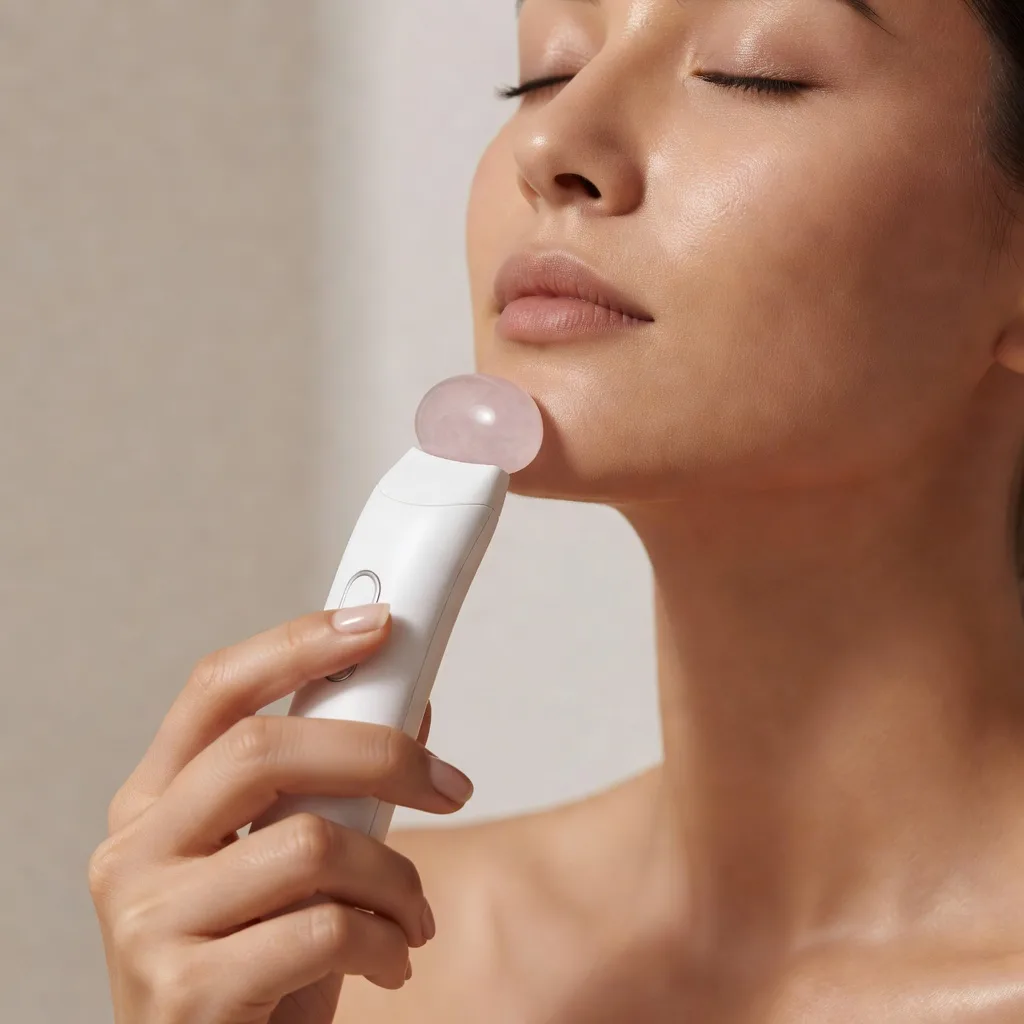
A face massager can be good for your skin in modest, mostly temporary ways. Gentle massage with a roller, gua sha tool or vibrating massager increases blood flow to the skin for a while, can reduce morning puffiness by moving fluid, and helps skincare spread evenly. Many people also find it relaxing and helpful for jaw tension. However, massagers do not remove wrinkles, permanently lift sagging skin or change face shape, and evidence for long-term anti-aging effects is limited. Use gentle pressure, clean tools and avoid massaging over active acne, rosacea flares or broken skin.
The best way to think about a face massager is as a small addition to a good routine, not a replacement for sunscreen, moisturiser or proven treatments. Used gently, it is low risk and can feel good.
A small 2018 study found that using a facial massage roller for five minutes increased skin blood flow for more than ten minutes afterwards, and that daily use over five weeks improved how blood vessels responded to heat. The effects were modest and measured in a small group, so they do not prove anti-aging benefits.
This guide explains what different face massagers do, what the evidence shows, who should avoid them and how to use them safely.
Shopping these picks?
Amazon Prime members get fast, free shipping on eligible items, plus Prime Video, Amazon Music and member deals. New members can start with a free trial.
Start a free Prime trialAged 18 to 24? Prime for Young Adults comes with a longer free trial and a lower price after it.
Affiliate link: we may earn a commission at no extra cost to you.
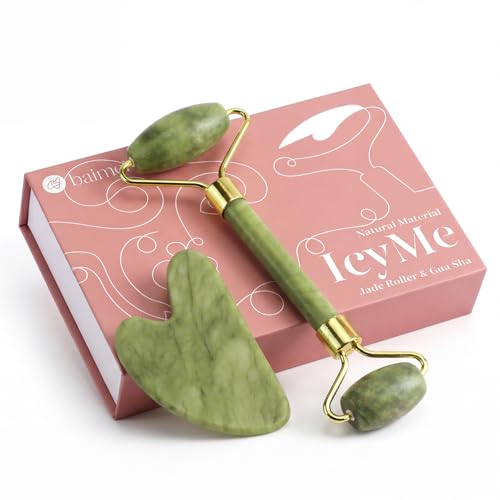
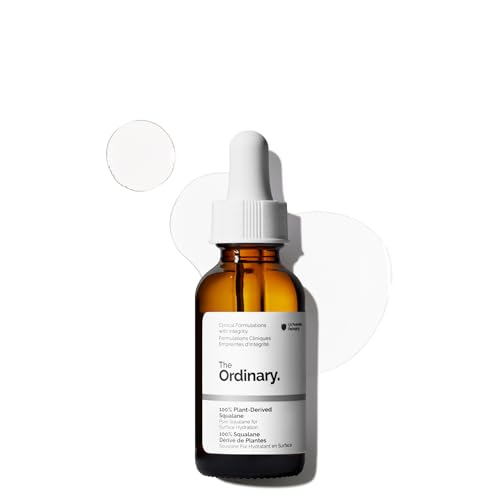
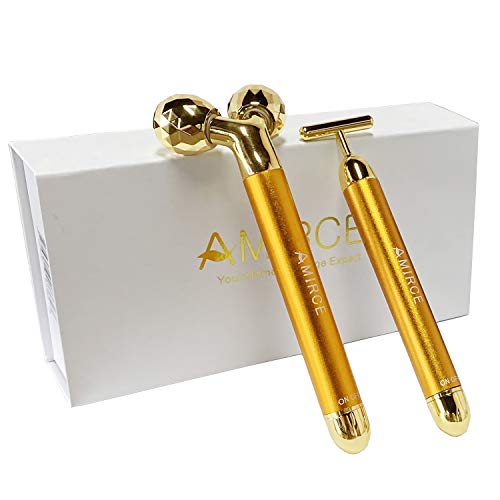
Recommended Face Massagers and Tools


Key Takeaways
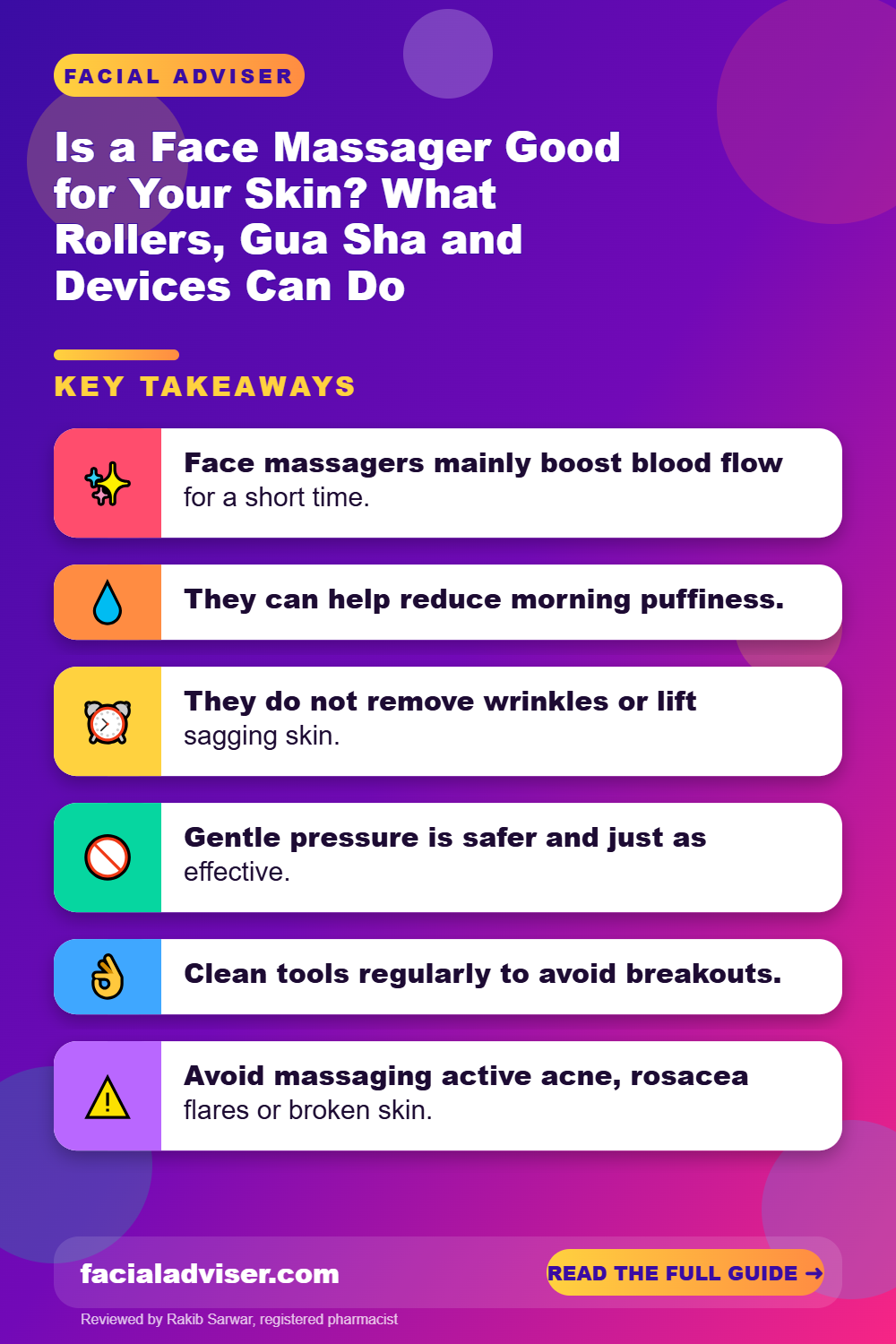
- Face massagers mainly boost blood flow for a short time.
- They can help reduce morning puffiness.
- They do not remove wrinkles or lift sagging skin.
- Gentle pressure is safer and just as effective.
- Clean tools regularly to avoid breakouts.
- Avoid massaging active acne, rosacea flares or broken skin.
- Sunscreen and skincare matter more for aging.
In This Guide
- Types of Face Massagers
- What the Evidence Shows
- Realistic Benefits
- Risks and Who Should Avoid Them
- How to Use a Face Massager Safely
- Choosing a Face Massager
- Where a Face Massager Fits in Your Routine
- Common Claims Versus Reality
- Technique Tips for Each Tool
- Dos and Don’ts
- Honest Limits
- When to See a Doctor
- FAQ
- Where This Leaves You
Types of Face Massagers
Face massagers range from simple stones to electronic devices. They work in different ways, and some claims are better supported than others.
| Type | How it works | Main benefit | Evidence |
|---|---|---|---|
| Jade or rose quartz roller | Rolls over skin with light pressure | Relaxing; may reduce puffiness | Limited |
| Gua sha stone | Scraping strokes with a flat tool | Relaxation, temporary puffiness reduction | Limited, small studies |
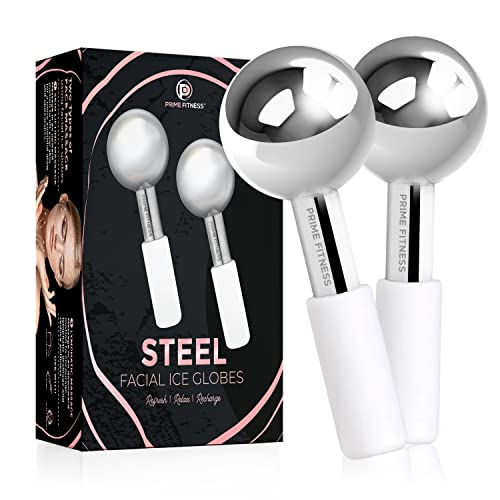
| Ice globes or ice rollers | Cold contact on the skin | Temporary de-puffing and soothing | Limited |
| Vibrating or electric massagers | Vibration or rolling motors | Relaxation, circulation | Limited |
| Microcurrent devices | Low-level electrical current | Claimed muscle toning | Small studies; results modest |
| Facial cupping | Suction cups moved across skin | Circulation and puffiness | Limited |
Our guides on facial rollers versus gua sha and facial cupping versus gua sha compare some of these tools in detail.
What the Evidence Shows
Research on face massagers is limited and mostly involves small numbers of people over short periods, often without a comparison group that did not use a tool. The strongest evidence is for short-term changes in blood flow and puffiness, not for lasting changes in wrinkles or firmness.
A study published in 2018 in Complementary Therapies in Medicine looked at short- and long-term effects of a facial massage roller. Five minutes of rolling increased skin blood flow for over ten minutes, and daily use for five weeks improved blood vessel responses to heat. The researchers did not show that this reduced wrinkles or sagging.
Better circulation can make skin look rosier and fresher for a short time, which is why many people see an instant glow after massage. This effect fades within hours.
Claims that massage drains toxins, melts fat or reshapes the jaw are not supported by good evidence. Our guide on whether facial massage improves lymph flow looks at the research on puffiness and drainage.
Realistic Benefits
Used gently and regularly, a face massager can offer several small benefits.
- Temporary increase in blood flow, giving a fresher look.
- Less morning puffiness, especially with cooled tools.
- Relaxation and relief of jaw and facial tension.
- More even spreading of serums and moisturisers.
- A calming routine that encourages consistent skincare.
Some people also find that a short massage helps them notice their skin more closely, which makes it easier to spot new spots, dryness or changes early. These benefits are real but modest. If your main goals are fewer wrinkles, firmer skin or fading dark spots, sunscreen, retinoids and professional treatments are far more effective. Our guide on how to boost facial circulation naturally covers other simple ways to support healthy-looking skin.
Risks and Who Should Avoid Them
Face massagers are generally low risk, but pressing too hard, using dirty tools or massaging inflamed skin can cause problems.
- Bruising or broken capillaries from heavy pressure.
- Breakouts from dirty tools or massaging over acne.
- Flares of rosacea from friction and heat.
- Irritation on eczema or broken skin.
- Discomfort over recent fillers or cosmetic procedures.
Avoid massaging over active acne, cold sores, open wounds, rashes or areas with recent fillers or injections unless your provider says it is safe. Pressure can spread infection or move filler.
If you have rosacea or very sensitive skin, a cool, smooth roller used lightly is usually better tolerated than firm gua sha or vibrating devices. Start with a short session once or twice a week and watch how your skin responds over the following day before using it more often. People with pacemakers, implanted devices or who are pregnant should check with their doctor before using microcurrent or other electrical devices.
How to Use a Face Massager Safely
Start with clean skin
Cleanse your face and wash your hands.
Add slip
Apply a serum, moisturiser or a few drops of facial oil.
Use light pressure
Glide the tool gently; skin should not drag or turn red.
Work outwards and upwards
Move from the centre of the face towards the ears and hairline.
Go downwards on the neck
Finish with gentle downward strokes along the sides of the neck.
Keep it short
Five to ten minutes is enough.
Clean the tool
Wash with mild soap and water after each use and let it dry.
Keep your roller or gua sha in the fridge. A cool tool feels soothing and may help reduce morning puffiness a little more than a room-temperature one.
Around the eyes, use only the lightest pressure and avoid dragging the delicate skin; a cool roller placed gently under the eyes is enough. Consistency matters more than pressure. A few gentle minutes most days is more comfortable and safer than occasional firm sessions that leave skin red or bruised.
Choosing a Face Massager
The best face massager is one you will use gently and consistently. Some practical points help narrow the choice.
- Choose smooth, polished edges with no chips or rough spots.
- Stainless steel is easy to clean and stays cool.
- Stone tools such as jade or quartz vary in quality; material makes little difference to results.
- Electric devices should have clear instructions and safety information.
- Avoid tools with claims of permanent lifting or fat loss.
Price is not a reliable guide to effectiveness; an inexpensive, well-made tool used gently works as well as a luxury one. If you are deciding between stones, our guide on jade versus rose quartz rollers explains why the material matters less than technique and cleanliness.
Where a Face Massager Fits in Your Routine
Massage works best after cleansing and applying a serum or moisturiser, which gives the tool enough slip to glide without tugging. In the morning, a cool roller can help with puffiness before makeup. In the evening, a gentle gua sha routine can be a relaxing way to wind down. If you use active ingredients such as retinoids or acids, apply them after massage rather than before, so you are not rubbing strong products into the skin with extra pressure, and skip massage on nights when your skin feels irritated.
Wipe off any excess oil before sunscreen so it can form an even layer. Always finish your morning routine with broad-spectrum sunscreen. The American Academy of Dermatology notes that daily sun protection is one of the most effective ways to reduce premature skin aging, which will do far more for wrinkles than any massager.
Common Claims Versus Reality
| Claim | Reality |
|---|---|
| Removes wrinkles | No good evidence; may make skin look fresher briefly |
| Lifts sagging jowls | Cannot permanently lift skin or change face shape |
| Drains toxins | The body removes waste through the liver and kidneys, not facial massage |
| Reduces puffiness | Can help temporarily, especially with cool tools |
| Boosts circulation | Yes, for a short time after use |
| Makes products absorb deeper | Helps spread products evenly; deeper absorption is not proven |
Marketing for face massagers often borrows the language of medical treatments, but most tools are sold as cosmetic accessories and have not been tested in the same way as medicines or medical devices. Be cautious of before-and-after photos, which can be affected by lighting, angle, time of day and simple puffiness changes.
If a claim sounds dramatic, such as losing a double chin or reversing years of aging in weeks, it is almost certainly overstated. Enjoy the tool for what it does well: a few minutes of gentle, relaxing care.
Technique Tips for Each Tool
Each tool works best with a slightly different technique.
- Rollers: roll upwards and outwards with light pressure, lifting the roller at the end of each stroke rather than rolling back and forth.
- Gua sha: hold the tool almost flat against the skin at a low angle and use slow strokes of three to five passes per area.
- Ice globes and ice rollers: use briefly on puffy areas, keeping them moving to avoid cold burns.
- Electric massagers: start on the lowest setting and avoid the eyelids and the front of the neck.
- Cupping: use very light suction and keep cups moving; do not leave them in one place on the face.
Whatever tool you use, the skin should look calm afterwards. Mild pinkness that fades within minutes is normal, but lasting redness, marks or bruising mean the pressure was too firm.
Dos and Don’ts
Good Habits
- Use gentle pressure
- Apply a serum or oil for slip
- Clean tools after every use
- Keep sessions to five to ten minutes
- Store tools cool and dry
Common Mistakes
- Press hard enough to bruise
- Massage active acne or rashes
- Use chipped or rough tools
- Expect permanent lifting
- Share tools with others
Honest Limits
Face massagers cannot change bone structure, remove fat or reverse sagging. Most visible effects, such as less puffiness and a rosier look, fade within hours. Puffiness can also return quickly after salty meals, poor sleep or allergies, so a massager works best alongside those everyday habits rather than as a fix for them.
Research is limited and often small, short or funded by manufacturers. If you enjoy using a face massager and it does not irritate your skin, it is a reasonable addition to your routine. If you do not enjoy it, you are not missing out on a proven treatment.
When to See a Doctor
- Massage leaves bruising, broken capillaries or lasting redness.
- You develop a rash or breakouts after using a tool.
- Facial swelling appears suddenly or on one side only.
- You have pain or lumps after massaging near recent fillers.
This article is for general information and does not replace professional medical advice. Talk to your doctor before using electrical face devices if you are pregnant, have a pacemaker or have a medical condition.
FAQ
Do face massagers really work?
They boost blood flow and reduce puffiness temporarily, but do not remove wrinkles.
Is a jade roller good for your skin?
Used gently and kept clean, it is low risk and can reduce puffiness.
Can face massagers lift sagging skin?
No, they cannot permanently lift sagging skin.
How often should I use a face massager?
A few gentle minutes most days is enough.
Can face massagers cause breakouts?
Dirty tools or massaging over acne can cause breakouts.
Is gua sha better than a roller?
Neither is clearly better; technique and gentleness matter more.
Should I use oil with a face massager?
Yes, a little oil or serum helps the tool glide.
Can I use a face massager with rosacea?
Use a cool roller very gently, or avoid it if it causes flushing.
Do microcurrent devices work?
Small studies show modest effects; results vary.
Can I use a face massager after fillers?
Ask your provider first, especially in the first weeks.
Where This Leaves You
A face massager can be good for your skin in modest ways. It boosts blood flow for a while, helps reduce puffiness, spreads skincare evenly and feels relaxing, but it will not remove wrinkles or permanently lift skin.
Use gentle pressure, clean tools and avoid inflamed or broken skin. For real anti-aging results, rely on sunscreen, a consistent skincare routine and proven treatments.

Written by
Registered pharmacist and founder of Facial Adviser. Rakib's pharmacy training covers how skincare actives work and interact; a later course in cosmetology turned that into a focus on facial treatments and skincare products. He plans, researches and edits every guide on the site and checks health claims against sources such as the American Academy of Dermatology, the FDA and the NIH. He is not a dermatologist; see the Editorial Policy and Medical Disclaimer.
About · Editorial policy · How we choose products · Medical disclaimer · Contact
Keep reading: Facial rollers, gua sha and massagers
- 10 Best Gua Sha Facial Tools (2026): Stone and Steel Picks Compared
- Frownies vs Facial Smoothies: Do Wrinkle Patches Actually Work?
- Facial Roller vs Gua Sha: What a 2025 Trial Found and Which to Choose
- Facial Cupping vs Gua Sha: Suction, Scraping, and What Each Is Good For
- Jade vs Rose Quartz Facial Roller: Does the Stone Actually Matter?
- Do Anti-Aging Face Massages Work? Evidence, Technique and Best Tools
- 10 Best LED Light Therapy Masks (2026): Clearer Skin, Softer Lines
- How to Incorporate Microcurrent Into Your Routine: Gel, Timing and Safety