Hormonal Facial Skin Changes During Your Cycle: A Phase-by-Phase Guide
If your skin seems to have a monthly calendar of its own, you are not imagining it. Many people notice glowing skin at one point in their cycle, then oiliness, sensitivity and a few spots on the chin or jaw a week or so later. These shifts follow the rise and fall of hormones, and they are predictable enough to plan for.
Part of our guide to lifestyle and skin. Start with: How Diet Impacts the Skin Microbiome: What the Science Actually Shows
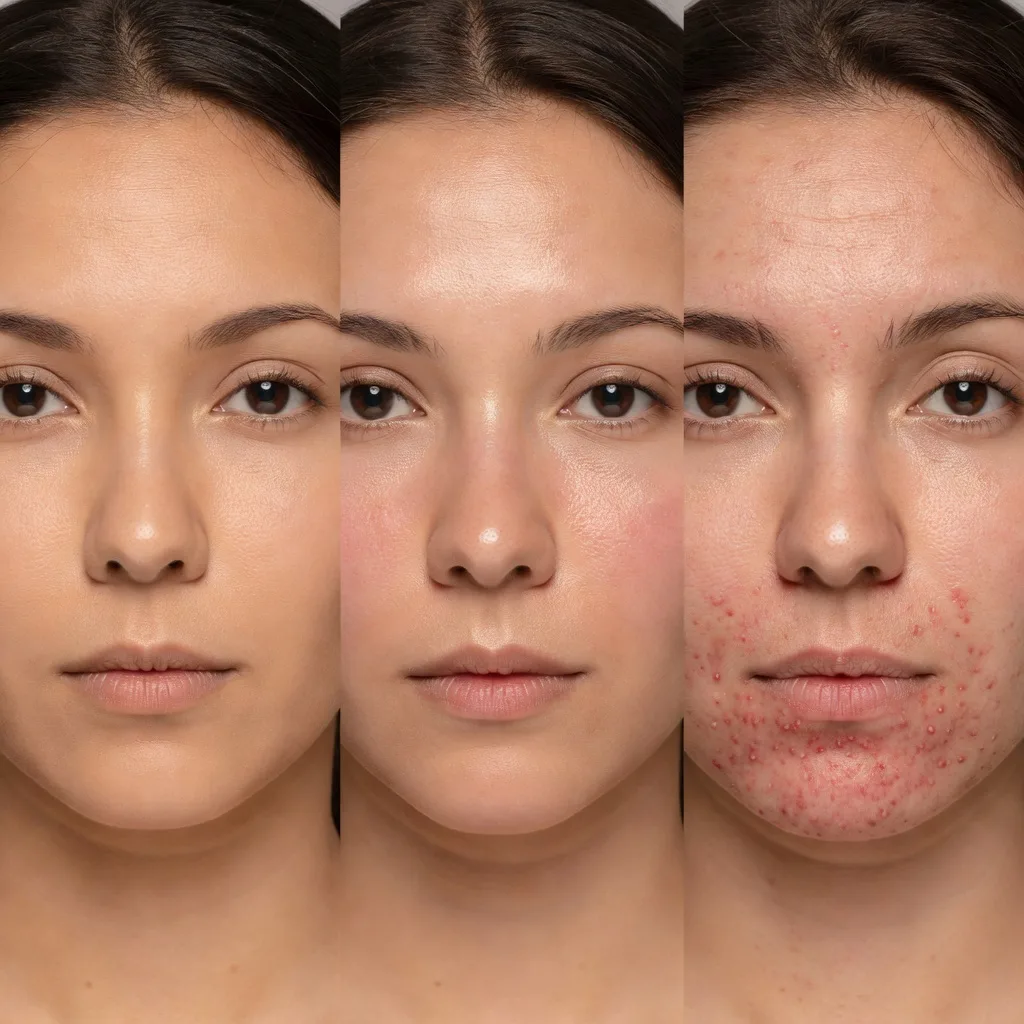
Hormonal facial skin changes during the cycle happen because oestrogen, progesterone and androgens rise and fall across roughly four weeks. In the first half, rising oestrogen tends to leave skin calmer, more hydrated and less oily. Around and after ovulation, progesterone rises and androgens have more relative influence, so oil production increases, pores can look larger and skin may feel more sensitive. In the week or so before a period, many people get breakouts, often on the chin and jawline. During the period itself, skin can feel drier, duller and more reactive. Adjusting cleansing, actives and moisturiser to each phase helps smooth out these swings.
In short: skin is usually calmest after your period, oilier after ovulation and most breakout-prone in the days before bleeding starts.
The American Academy of Dermatology notes that acne is often linked to hormonal changes, and that gentle skin care, avoiding scrubbing and not picking at spots all help breakouts heal with less risk of marks.
This guide explains what each phase can do to your face, which routine changes are worth making and when cycle-related breakouts need medical treatment.
Shopping these picks?
Amazon Prime members get fast, free shipping on eligible items, plus Prime Video, Amazon Music and member deals. New members can start with a free trial.
Start a free Prime trialAged 18 to 24? Prime for Young Adults comes with a longer free trial and a lower price after it.
Affiliate link: we may earn a commission at no extra cost to you.
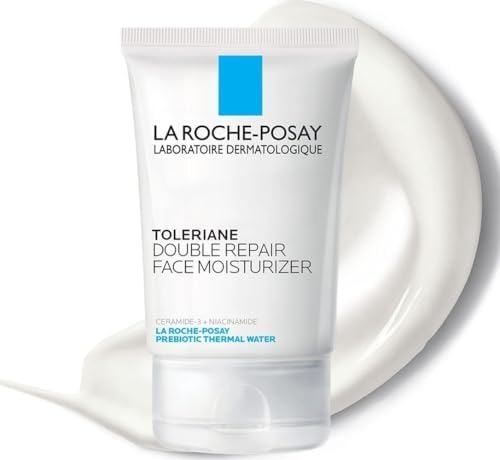
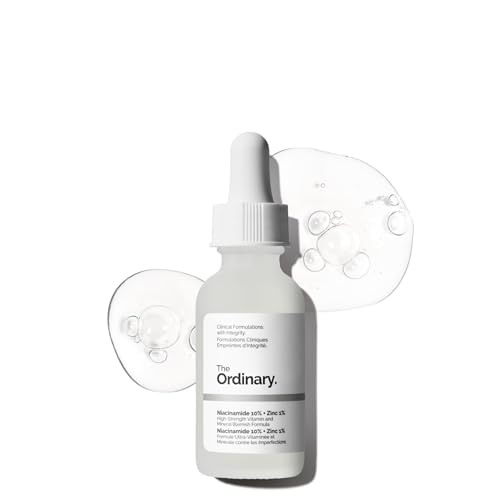
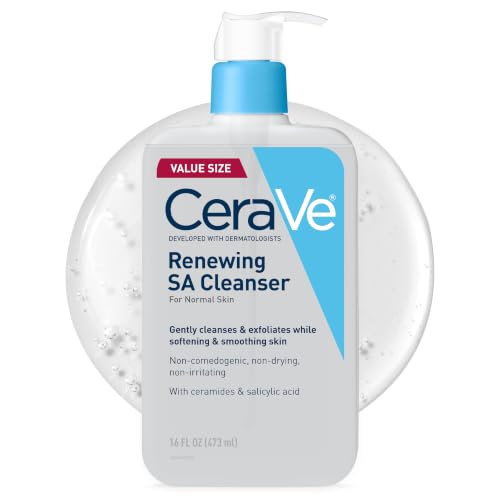
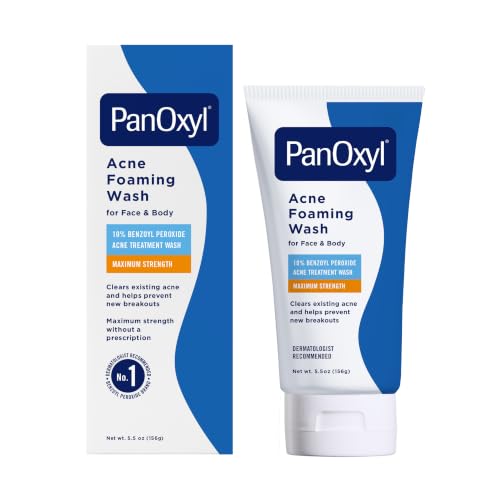
Recommended Products for Cycle-Related Skin Changes


Key Takeaways
- Skin often changes in a pattern that follows your menstrual cycle.
- Rising oestrogen early in the cycle tends to calm and hydrate skin.
- Oil and breakouts usually peak in the week before a period.
- Skin can feel drier and more sensitive during the period itself.
- Salicylic acid and niacinamide suit the oilier, spottier phase.
- Keep your routine gentle overall rather than changing everything weekly.
- Severe, painful or persistent hormonal acne needs medical treatment.
In This Guide
- Why Your Skin Changes Through the Month
- What Each Phase Can Do to Your Face
- Oiliness and Enlarged-Looking Pores
- Premenstrual Breakouts on the Chin and Jaw
- Dryness and Sensitivity Around Your Period
- Contraception, Stress and Other Things That Change the Pattern
- How to Adjust Your Routine Through Your Cycle
- Which Ingredients Suit Which Phase
- Dos and Don’ts for Cycle-Related Skin
- Honest Limits
- When to See a Dermatologist
- FAQ
- Summing Up
Why Your Skin Changes Through the Month
Three groups of hormones do most of the work. Oestrogen generally supports hydration and a calmer skin surface. Progesterone rises after ovulation and is linked to a little swelling and increased oiliness in some people. Androgens, such as testosterone, drive the sebaceous glands to make more oil, and their relative effect is stronger when oestrogen falls late in the cycle.
Extra oil on its own is not a problem, but combined with dead skin cells it can block pores, which lets acne bacteria multiply and inflammation build. That is why the oiliest part of the cycle is often the spottiest too. Our guide on how hormones affect sebum production explains the oil side in more detail.
Cycles vary. The day numbers below assume a 28-day cycle; if yours is shorter or longer, the phases shift, and hormonal contraception can flatten or change the pattern.
What Each Phase Can Do to Your Face
Not everyone notices every change, and some people notice none at all. This is the most commonly reported pattern.
| Phase | Approximate days | Hormones | Typical skin changes |
|---|---|---|---|
| Menstrual | Days 1 to 5 | Oestrogen and progesterone low | Drier, duller, more sensitive, lingering spots |
| Follicular | Days 6 to 13 | Oestrogen rising | Calmer, more even, better hydrated |
| Ovulation | Around day 14 | Oestrogen peaks, small androgen rise | Often glowing, oil starts to increase |
| Early luteal | Days 15 to 21 | Progesterone rising | Oilier, pores look larger, some sensitivity |
| Late luteal | Days 22 to 28 | Hormones fall before bleeding | Most breakout-prone, chin and jaw spots |
Keeping a simple note in your phone of when spots appear for two or three months often reveals your own pattern more clearly than any general chart. Record the first day of each period, the days your skin feels oily or tight, and where new spots appear. Photos taken in the same light every few days are even more useful, because it is easy to misremember how bad a flare was. Once you can see your pattern, you can make small changes a few days before the difficult phase instead of reacting after spots have already formed.
Oiliness and Enlarged-Looking Pores
In the second half of the cycle, the T-zone may shine by midday and pores can look more visible. This is surface oil and slight swelling around the pore opening, not a permanent change in pore size.
- Switch to a salicylic acid cleanser a few times a week to clear oil inside pores.
- Use a lighter gel or lotion moisturiser instead of a rich cream.
- Add niacinamide, which may help regulate the look of oil and pores.
- Blot at midday instead of washing your face repeatedly.
- Avoid heavy oils and thick balms on oily areas during this phase.
Resist the urge to strip the skin. Harsh foaming cleansers and alcohol-heavy toners can leave the surface tight and irritated while oil glands keep working, which usually makes things worse.
Premenstrual Breakouts on the Chin and Jaw
Hormonal spots tend to cluster on the lower face: chin, jawline and around the mouth. They are often deeper, sorer and slower to come to a head than a typical blackhead or whitehead, and they can recur in the same area each month.
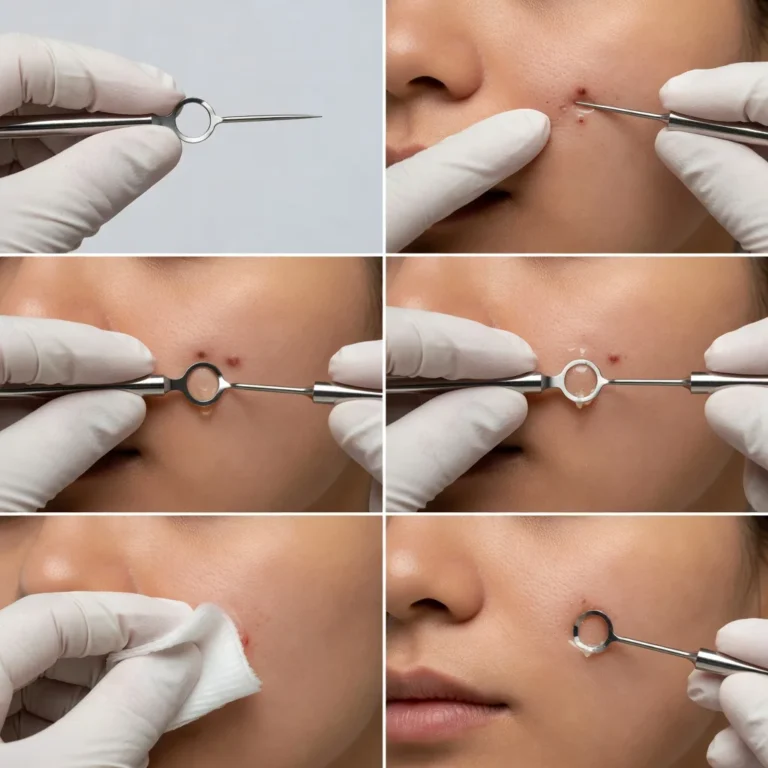
Treat these spots early and gently. A hydrocolloid pimple patch protects a spot from picking and can help a surface spot drain. Benzoyl peroxide or salicylic acid used as a spot treatment can speed up healing for small inflamed spots. Deep, painful cysts are different: they rarely respond to over-the-counter products and are a common reason people see a doctor.
If small bumps along the jaw keep returning, our guide on tiny pimples on the jawline covers other causes such as friction, shaving and hair products.
Do not squeeze deep hormonal spots. Pressing on them pushes inflammation further into the skin and increases the risk of dark marks and scarring.
Dryness and Sensitivity Around Your Period
When oestrogen and progesterone are both low at the start of the cycle, skin can feel tighter, flakier and quicker to sting. Products you normally tolerate, especially strong acids or retinoids, may suddenly feel harsh for a few days.
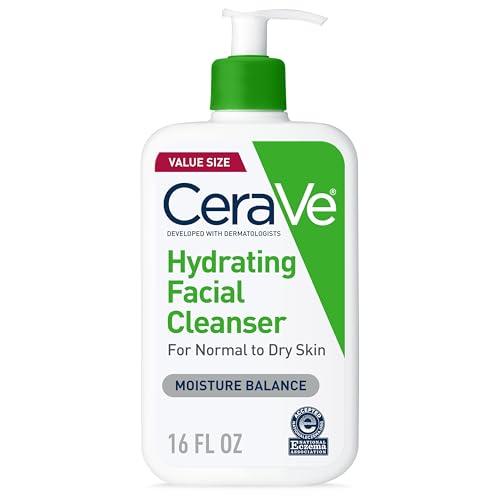
- Swap to a gentle, non-foaming cleanser.
- Pause or reduce strong exfoliants for a few days.
- Use a moisturiser with ceramides or glycerin morning and night.
- Keep fragrance and essential oils out of your routine.
- Be extra careful with waxing, threading and new treatments.
Some people also notice their skin looks paler or duller during heavy periods. If this comes with marked tiredness, breathlessness or very heavy bleeding, iron deficiency is worth checking with a doctor.
Contraception, Stress and Other Things That Change the Pattern
Your cycle is not the only hormonal influence on your face, and several everyday factors can make monthly changes stronger or weaker.
- Combined hormonal contraception often steadies oil levels, and some types are used to treat acne.
- Progestogen-only methods, such as some implants, injections and hormonal coils, can worsen breakouts in some people.
- Stopping the pill can bring a temporary flare for a few months while your natural cycle settles.
- Stress raises cortisol, which can increase oil and inflammation and make a premenstrual flare worse.
- Poor sleep before a period can make skin look duller and more reactive.
- Pregnancy, breastfeeding and perimenopause change hormone levels for months or years, not just days.
If your skin changed noticeably around the time you started, stopped or switched contraception, mention this to your doctor. It is useful information when deciding on treatment, and there may be a method that suits your skin better. During perimenopause, periods and hormone levels become irregular, so the neat monthly pattern often disappears and dryness becomes more common than oiliness, although adult breakouts can still happen.
How to Adjust Your Routine Through Your Cycle
You do not need a different routine every week. A steady base with a few timed adjustments works better and is easier to keep up.
Set a gentle base routine
Use a mild cleanser, a non-comedogenic moisturiser and daily sunscreen all month.
Track your pattern
Note spots, oiliness and dryness for two or three cycles to find your own timing.
Add niacinamide daily
A niacinamide serum suits most phases and may help oil and redness.
Increase oil control after ovulation
Use a salicylic acid cleanser on alternate days in the second half of the cycle.
Spot treat early before your period
Put on pimple patches or a benzoyl peroxide spot treatment as soon as a spot appears.
Go gentle during your period
Pause strong acids for a few days and moisturise more.
Review after three months
If spots are still regular or deep, book a medical appointment.
If you use a retinoid, keep the dose steady all month and simply buffer it with moisturiser during sensitive days. Starting and stopping retinoids often causes more irritation than using them consistently.
Which Ingredients Suit Which Phase
Most ingredients can be used all month, but some are more useful at particular points.
| Ingredient | Best timing | Why |
|---|---|---|
| Gentle cleanser | All month, especially during the period | Keeps the barrier healthy |
| Salicylic acid | After ovulation and before the period | Clears oil and dead cells inside pores |
| Niacinamide | All month | May reduce the look of oil, redness and marks |
| Hydrocolloid patches | When spots appear | Protect spots and stop picking |
| Rich moisturiser | During the period | Supports drier, more sensitive skin |
| Benzoyl peroxide | Early breakout phase | Reduces acne bacteria in spots |
Our guide to niacinamide and its skin benefits explains strengths and how to layer it with other products.
Dos and Don’ts for Cycle-Related Skin
Everyday habits often matter as much as products, especially in the week before a period.
Good Habits
- Wash your face after sweating or exercise.
- Change pillowcases regularly.
- Keep hair products away from the hairline and jaw.
- Use non-comedogenic makeup and sunscreen.
- Stay consistent with the same base routine.
Common Mistakes
- Do not scrub breakouts with grainy exfoliants.
- Do not pick or squeeze spots.
- Do not layer several new actives at once.
- Do not skip moisturiser because skin is oily.
- Do not assume every monthly spot is purely hormonal.
The AAD’s acne skin care tips also recommend washing twice a day and after sweating, and choosing products labelled non-comedogenic.
Honest Limits
Skincare can soften the swings, but it cannot change your hormones. Topical products work on oil, pores and inflammation at the surface, so if hormones are driving deep, recurring spots every month, a cleanser or serum will only go so far.
Cycle-syncing routines are also not backed by much research; the phase-by-phase approach here is a practical way to match gentle, proven ingredients to how your skin feels, not a medical treatment. Diet claims around hormonal acne vary, and no single food or supplement has been shown to stop cycle breakouts for everyone. Be wary of products marketed as hormone balancing for the skin; applied to the face, they cannot rebalance hormones, and some contain fragrance or essential oils that can irritate sensitive premenstrual skin. Realistic goals are fewer, smaller and faster-healing spots, not perfectly clear skin every day of the month.
When to See a Dermatologist
- Breakouts are deep, painful or leave scars or dark marks.
- Spots appear every month despite three months of good care.
- You also have irregular periods, excess facial hair or thinning scalp hair.
- Acne started suddenly in adulthood.
- Your skin changes are affecting your mood or confidence.
A doctor or dermatologist can check for conditions such as polycystic ovary syndrome and discuss prescription options, including topical treatments, certain hormonal contraceptives or other medicines that act on oil production.
This article is for general information and does not replace professional medical advice. See a doctor or board-certified dermatologist for persistent, painful or scarring acne, or for irregular periods and other hormonal symptoms.
FAQ
Why is my skin oilier before my period?
Falling oestrogen and rising progesterone let androgens increase oil.
When in my cycle is skin best?
Many people find it calmest just after the period ends.
Why do I break out on my chin before my period?
Hormone-sensitive oil glands on the lower face are more active then.
Can my cycle make skin more sensitive?
Yes, often during the period when hormones are low.
Should I change skincare every week?
No, keep a steady base with small timed adjustments.
Is niacinamide safe all month?
Yes, it suits most skin types throughout the cycle.
Do pimple patches help hormonal acne?
They help surface spots but not deep cysts.
Does birth control affect skin?
Some types can improve acne, others can worsen it.
Can PCOS cause cycle acne?
Yes, it is a common cause of persistent hormonal acne.
When should I see a doctor for hormonal acne?
If spots are deep, painful, scarring or keep returning.
Summing Up
Hormonal facial skin changes during the cycle are common and usually follow a pattern: calm after the period, oilier after ovulation and most breakout-prone before bleeding starts.
Keep a gentle base routine, add salicylic acid, niacinamide and spot care when your skin needs them, and see a doctor if breakouts are deep, painful or not improving.

Written by
Registered pharmacist and founder of Facial Adviser. Rakib's pharmacy training covers how skincare actives work and interact; a later course in cosmetology turned that into a focus on facial treatments and skincare products. He plans, researches and edits every guide on the site and checks health claims against sources such as the American Academy of Dermatology, the FDA and the NIH. He is not a dermatologist; see the Editorial Policy and Medical Disclaimer.
About · Editorial policy · How we choose products · Medical disclaimer · Contact
Keep reading: Diet, sleep, stress and skin