What Causes Your Face to Look Tired All the Time? Causes and Real Fixes
People tell you that you look tired even after a normal night, and the mirror seems to agree. A face that always looks worn out is frustrating, especially when you do not feel exhausted. The good news is that the causes are usually easy to identify, and most of them respond to simple changes.
Part of our guide to skin concerns. Start with: How to Calm Inflamed Red Patches on Your Face
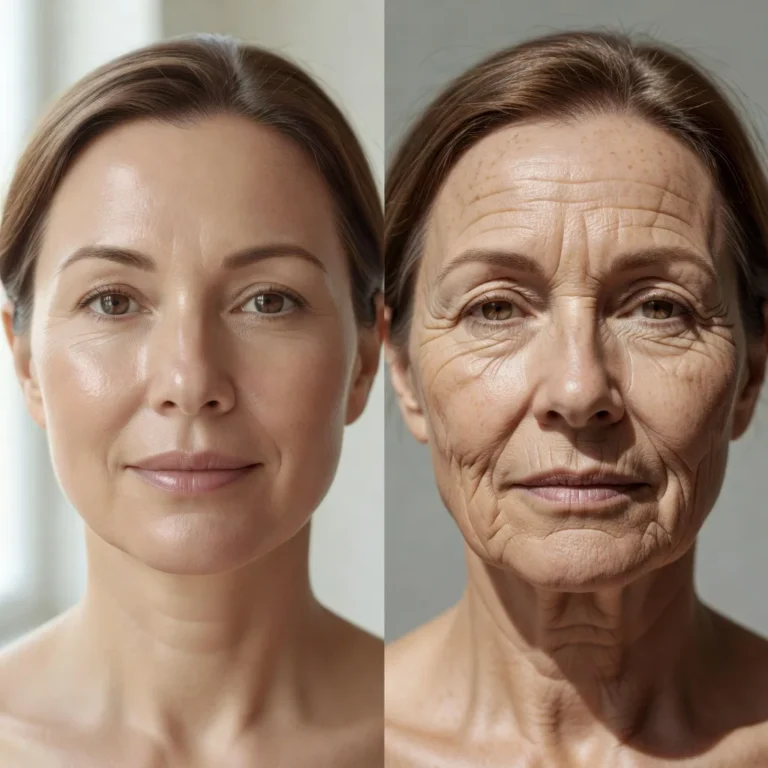
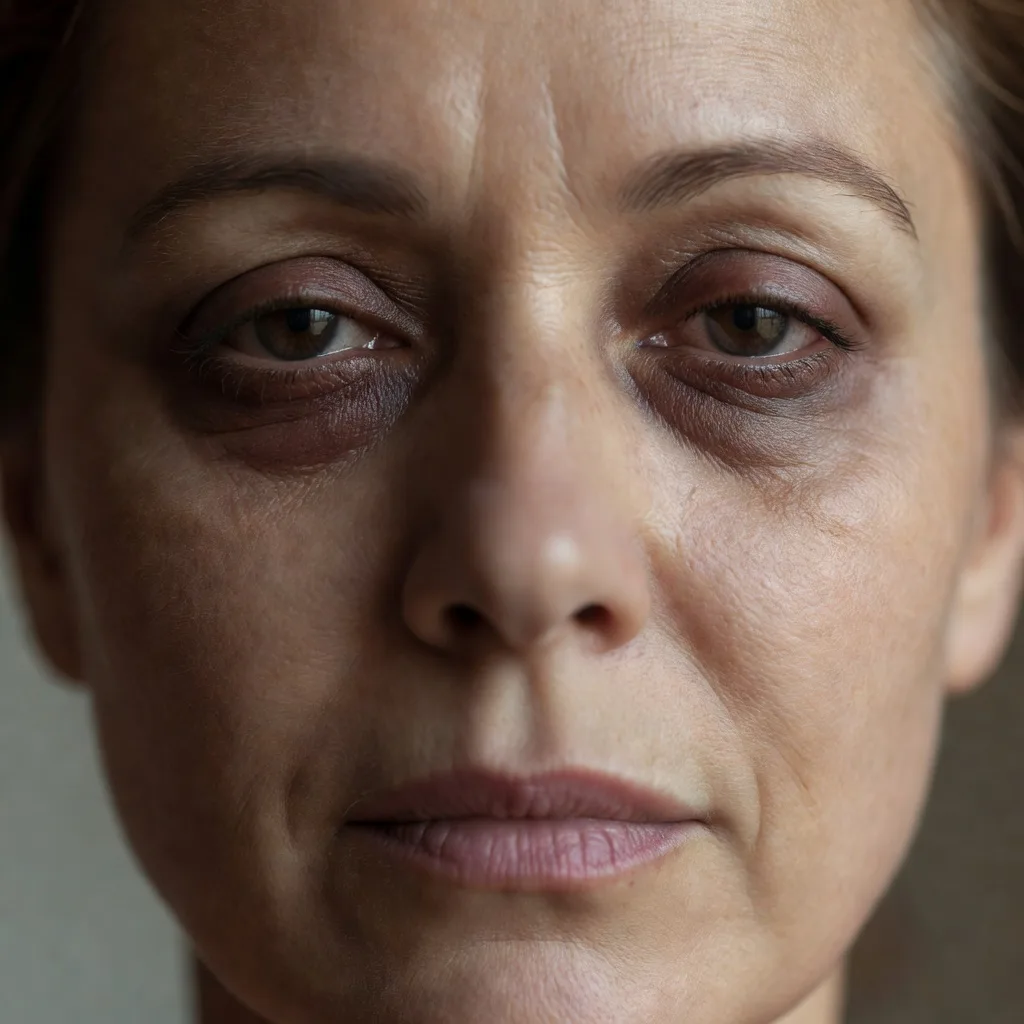
A face usually looks tired all the time because of a mix of short sleep, dark circles or hollows under the eyes, puffiness, dehydration and dull, uneven skin. Sleep loss makes skin look paler and eyes look darker and puffier. Genetics, thin under-eye skin and ageing make shadows more visible even when you are rested. Dehydration, alcohol and salty food add puffiness and a flat, grey tone. Less often, medical problems such as iron-deficiency anaemia, an underactive thyroid or sleep apnoea are behind a persistently drained look. Fixing sleep, hydration and sun protection helps most people, and a doctor can check for medical causes.
In short: poor sleep, under-eye shadows, dehydration and dull skin cause most tired-looking faces, but ongoing fatigue deserves a medical check.
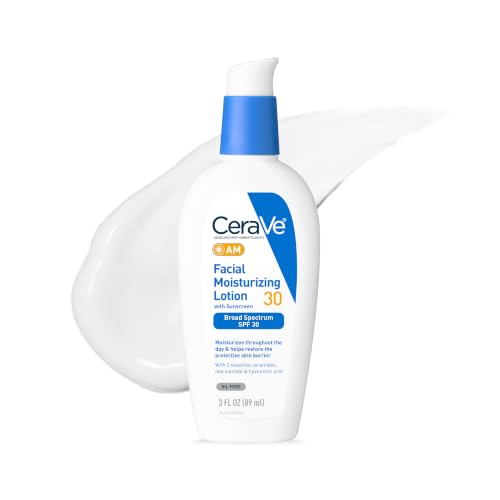
The American Academy of Dermatology recommends daily broad-spectrum sunscreen of SPF 30 or higher, which also helps prevent the uneven tone and thinning skin that make a face look older and more tired over time.
This guide explains each cause, how to tell them apart, which products genuinely help and when a tired face is a sign to see a doctor.
Shopping these picks?
Amazon Prime members get fast, free shipping on eligible items, plus Prime Video, Amazon Music and member deals. New members can start with a free trial.
Start a free Prime trialAged 18 to 24? Prime for Young Adults comes with a longer free trial and a lower price after it.
Affiliate link: we may earn a commission at no extra cost to you.
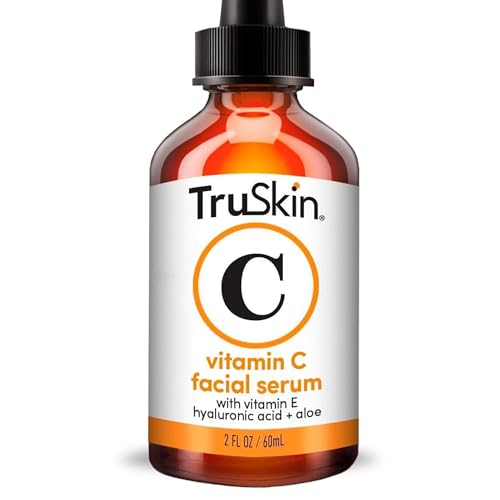
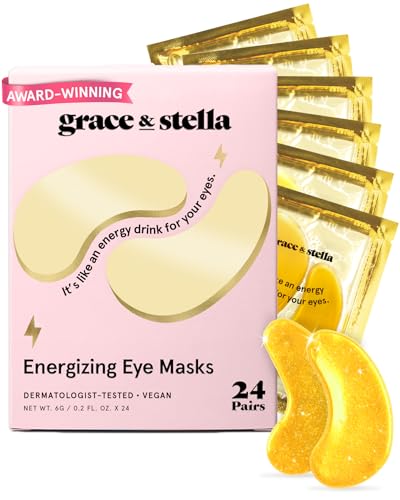
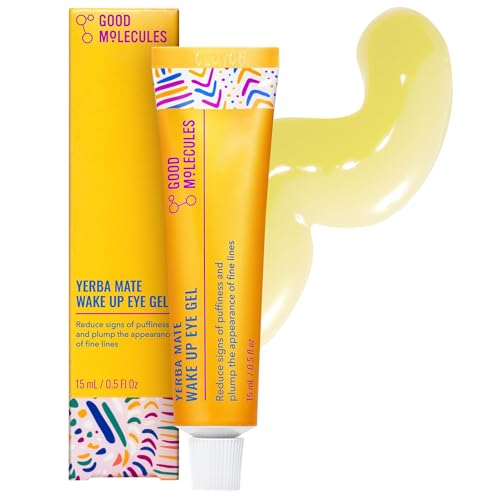
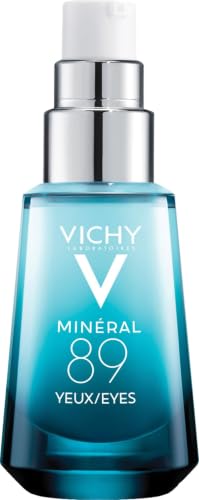
Recommended Products for a Tired-Looking Face


In Brief
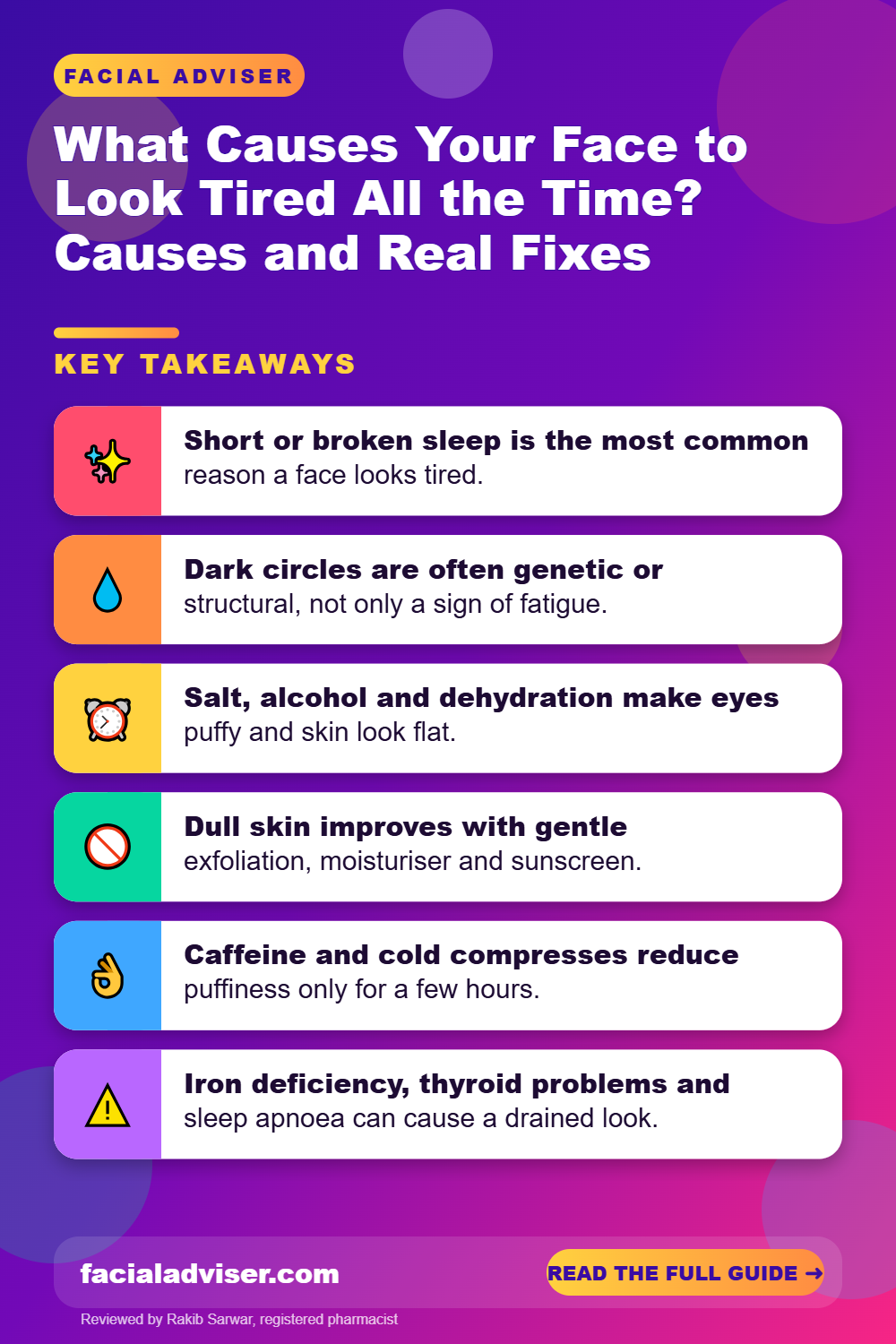
- Short or broken sleep is the most common reason a face looks tired.
- Dark circles are often genetic or structural, not only a sign of fatigue.
- Salt, alcohol and dehydration make eyes puffy and skin look flat.
- Dull skin improves with gentle exfoliation, moisturiser and sunscreen.
- Caffeine and cold compresses reduce puffiness only for a few hours.
- Iron deficiency, thyroid problems and sleep apnoea can cause a drained look.
- Constant tiredness with other symptoms needs a doctor, not a cream.
Contents
- What Makes a Face Look Tired?
- How Poor Sleep Shows on Your Face
- Dark Circles, Bags and Hollows
- Dehydration, Alcohol and Salt
- Dull Skin and Uneven Tone
- Medical Causes: Anaemia, Thyroid Problems and Sleep Apnoea
- How to Make Your Face Look Less Tired
- Which Products Help and What They Cannot Do
- Daily Habits: Dos and Don’ts
- Honest Limits
- When to See a Dermatologist
- Frequently Asked Questions
- Summing Up
What Makes a Face Look Tired?
A tired look is not one single thing. It is a combination of small visual cues that the brain reads as exhaustion, and most people have two or three of them at once.
- Dark circles or shadows under the eyes.
- Puffy lower lids or bags, especially in the morning.
- Pale, grey or sallow skin with little natural colour.
- Dull texture that does not reflect light evenly.
- Drooping upper lids or a heavier brow.
- Fine lines that look deeper when skin is dry.
- Redness around the eyes or nose.
Identifying which cues you have helps you choose the right fix. Puffiness responds to different measures than a hollow tear trough, and dull skin needs different care than pallor caused by low iron. Look in daylight, in the morning and again in the evening, and note what changes.
How Poor Sleep Shows on Your Face
Sleep is when skin carries out much of its repair work. When sleep is short or broken, blood flow to the skin changes, fluid settles around the eyes and the skin barrier recovers less well, so the face can look paler, puffier and flatter the next day.
Research on sleep-deprived volunteers has found that other people rate them as looking more tired, with more hanging eyelids, darker circles and paler skin. The effect of one bad night is temporary, but ongoing short sleep keeps those signs in place.
Sleep quality matters as much as hours. Waking often, snoring, drinking alcohol late or scrolling a bright screen in bed can all leave you under-rested even if you spend eight hours in bed. Our guide on how sleep deprivation causes dull skin explains the process in more detail.
Sleeping flat on your face can press fluid into the under-eye area and leave creases. Sleeping on your back with a slightly raised head often reduces morning puffiness.
Dark Circles, Bags and Hollows
Dark circles are the feature most people blame, but they are not always caused by tiredness. Several different problems look similar at a glance.
| Type | What it looks like | Main cause | What helps most |
|---|---|---|---|
| Vascular | Blue, purple or pink tint | Thin skin showing veins beneath | Sleep, cold compresses, caffeine, concealer |
| Pigmented | Brown shadow | Extra melanin, often genetic or from sun | Sunscreen, vitamin C, niacinamide |
| Structural | Shadow in a hollow | Tear trough shape, volume loss with age | Lighting and concealer; fillers by a professional |
| Puffy | Swelling or bags | Fluid, salt, allergies, fat pads | Salt reduction, allergy care, cold, raised head |
Many people have more than one type. Rubbing itchy eyes from hay fever makes both pigment and swelling worse, so treating allergies can make a clear difference. If you are unsure which type you have, our guide on dark circles vs hyperpigmentation under the eyes shows how to tell them apart.
Dehydration, Alcohol and Salt
When your body is short of fluid, skin can look flatter and fine lines more obvious, and the under-eye area may look more sunken. Drinking enough water will not transform skin that is already healthy, but correcting real dehydration does help your face look less drawn.
Alcohol and salty meals have the opposite effect around the eyes: they encourage the body to hold fluid, which often collects in the loose tissue of the lower lids overnight. That is why a salty takeaway or a few drinks can show up as puffiness the next morning.
- Drink water steadily through the day rather than all at once in the evening.
- Keep late-night salty snacks and alcohol for occasional nights.
- Alternate alcoholic drinks with water.
- Use a moisturiser so dry surface skin does not look crepey.
Dry indoor air from heating or air conditioning also dries the surface of the skin, which reflects less light and looks duller.
Dull Skin and Uneven Tone
Healthy skin looks fresh partly because its surface is smooth and reflects light evenly. When dead cells build up, the skin is dehydrated or there is patchy pigment from the sun, light scatters and the face looks flat and tired.
- Build-up of dead skin cells on the surface.
- Sun damage causing uneven tone and small dark spots.
- A damaged skin barrier from harsh cleansers or over-exfoliation.
- Smoking, which reduces blood flow to the skin.
- Not removing sunscreen and makeup properly at night.
Gentle exfoliation once or twice a week, a vitamin C serum in the morning and daily sunscreen are the most reliable ways to brighten skin over several weeks. The AAD’s advice on how to safely exfoliate at home stresses choosing a method that suits your skin type and being gentle, because over-exfoliating causes redness that looks worse, not better.
Medical Causes: Anaemia, Thyroid Problems and Sleep Apnoea
If you look tired and also feel tired most of the time despite reasonable sleep, the cause may be inside the body rather than on the skin. These conditions are common and treatable, but they need a proper diagnosis.
| Condition | How it can show on the face | Other common signs |
|---|---|---|
| Iron-deficiency anaemia | Pale skin, pale inner eyelids, darker-looking circles | Tiredness, breathlessness, cold hands, brittle nails |
| Underactive thyroid | Puffy face and eyelids, dry skin, thinning brows | Tiredness, feeling cold, weight gain, constipation |
| Sleep apnoea | Puffy, heavy eyes and a worn-out look | Loud snoring, pauses in breathing, daytime sleepiness |
| Allergies | Dark, puffy lower lids | Itchy eyes, blocked nose, sneezing |
Other possible factors include vitamin B12 or folate deficiency, depression, some medicines and long-term illness. Our guides on whether iron deficiency can cause pale skin and thyroid-related puffiness cover these in more depth.
Do not start iron tablets or thyroid supplements without a blood test. Too much iron can be harmful, and self-treating can hide the real cause. See a doctor if tiredness lasts several weeks or comes with breathlessness, weight change or heavy periods.
How to Make Your Face Look Less Tired
This routine targets the most common visible causes. Give it four to six weeks before judging the results on dullness and tone; puffiness improves much faster.
Protect your sleep
Aim for a regular bedtime and wake time, and keep screens and alcohol away from the last hour before bed.
Cool the eyes in the morning
Use chilled gel patches or a cold, clean cloth for a few minutes to reduce puffiness.
Cleanse gently
Use a mild, non-stripping cleanser so the skin barrier stays healthy.
Apply vitamin C
Use an antioxidant serum in the morning to support brighter, more even skin over time.
Use a caffeine eye serum
Pat a small amount along the orbital bone, not on the lash line.
Moisturise
Choose a hydrating moisturiser with humectants such as glycerin or hyaluronic acid.
Finish with sunscreen
Apply broad-spectrum SPF 30 or higher every morning, including under the eyes.
A peach or orange colour corrector under concealer cancels blue-purple shadows better than a lighter concealer alone, which can look grey. Use a thin layer and set only where it creases.
Which Products Help and What They Cannot Do
Skincare can make a tired face look fresher, but each product type has clear limits. Knowing them saves money and disappointment.
| Product | What it can do | What it cannot do |
|---|---|---|
| Caffeine eye serum | Briefly tighten and depuff the under-eye area | Remove hollows or genetic dark circles |
| Vitamin C serum | Brighten dullness and fade sun spots over weeks | Work overnight or fix pallor from anaemia |
| Hydrating moisturiser | Smooth dry, crepey texture | Replace water intake or sleep |
| Cold eye patches | Reduce morning puffiness for a few hours | Change skin structure |
| Sunscreen | Prevent further dullness, spots and thinning | Reverse existing damage alone |
The FDA’s guide to sunscreen and how it protects your skin explains what broad spectrum means. Skip products that promise to erase dark circles permanently; no cream can do that.
Daily Habits: Dos and Don’ts
Small daily habits add up to a noticeably more rested look within a few weeks.
Worth Doing
- Keep regular sleep and wake times, even at weekends.
- Treat hay fever and eye allergies instead of rubbing your eyes.
- Wear sunscreen and sunglasses every day.
- Eat iron-rich foods such as pulses, leafy greens, meat or fish.
- Remove makeup and sunscreen gently every night.
Skip It
- Do not rely on caffeine drinks to cover chronic short sleep.
- Do not scrub or over-exfoliate dull skin.
- Do not sleep in eye makeup.
- Do not self-diagnose anaemia or thyroid problems.
- Do not use heavy, thick eye creams that can cause milia.
Honest Limits
Some features that make a face look tired are simply built in. Deep tear troughs, a naturally shadowed eye area, inherited dark circles and heavier upper lids will not disappear with sleep or skincare, however consistent you are.
Eye creams mostly work on the surface and their effect on puffiness is short-lived. Vitamin C and sunscreen improve tone slowly and only if used every day. For structural hollows or excess eyelid skin, the options that make a lasting difference are professional treatments such as fillers or eyelid surgery, and these carry their own risks and need an experienced practitioner. Makeup and good lighting remain the fastest, lowest-risk fix.
When to See a Dermatologist
- Dark circles or puffiness appear suddenly or on only one side.
- Swelling around the eyes lasts all day or keeps getting worse.
- You have constant tiredness, pale skin, breathlessness or unexplained weight change.
- You snore loudly or someone notices pauses in your breathing at night.
- Brown pigment around the eyes keeps spreading despite sunscreen.
A GP can arrange blood tests for iron, B12 and thyroid function and check for sleep problems, while a dermatologist can assess pigment, allergies and eyelid skin.
This article is for general information and does not replace professional medical advice. See a doctor or board-certified dermatologist for ongoing tiredness, sudden swelling or any skin change that worries you.
Frequently Asked Questions
Why do I look tired even when I sleep well?
Genetic dark circles, hollows, puffiness or dull skin can all look like fatigue.
Can dehydration make your face look tired?
Yes, it can make skin look flat and the eyes more sunken.
Do caffeine eye creams work?
They reduce puffiness briefly but do not remove dark circles.
Can anaemia make your face look tired?
Yes, it can cause pale skin and a drained look.
Does thyroid disease affect the face?
An underactive thyroid can cause puffiness and dry skin.
Can sleep apnoea cause dark circles?
It causes poor sleep, which can worsen puffiness and shadows.
How fast will I look less tired?
Puffiness improves in days; dullness and tone take weeks.
Does vitamin C help a tired face?
It can brighten dull skin with regular use.
Are cold eye patches worth using?
Yes, for quick short-term depuffing.
Can makeup hide a tired face?
Yes, colour correctors and light concealer help a lot.
Summing Up
A face that always looks tired is usually the result of sleep, under-eye shadows, fluid, dehydration and dull skin working together, and most of these improve with steady habits.
Protect your sleep, wear sunscreen daily, use products for what they can realistically do, and see a doctor if you also feel exhausted, because anaemia, thyroid problems and sleep apnoea are all treatable.

Written by
Registered pharmacist and founder of Facial Adviser. Rakib's pharmacy training covers how skincare actives work and interact; a later course in cosmetology turned that into a focus on facial treatments and skincare products. He plans, researches and edits every guide on the site and checks health claims against sources such as the American Academy of Dermatology, the FDA and the NIH. He is not a dermatologist; see the Editorial Policy and Medical Disclaimer.
About · Editorial policy · How we choose products · Medical disclaimer · Contact
Keep reading: Redness, puffiness and uneven tone
- How to Calm Inflamed Red Patches on Your Face
- Fine Lines Around the Mouth in Your 20s: How to Prevent Them
- Dark Shadow Around the Mouth: Causes and How to Fade It
- Facial Tightness After Washing Face: Why It Happens and How to Stop It
- Why Cheeks Get Hot Suddenly: Causes of Facial Flushing and What Helps
- Are Facials Good for Acne?
- How Can I Make My Pores Less Visible?