Why Cheeks Get Hot Suddenly: Causes of Facial Flushing and What Helps
You are sitting in a meeting, eating dinner or simply walking into a warm room, and suddenly your cheeks feel hot and look red. It can be embarrassing, and if it happens often it is natural to wonder whether something is wrong with your skin or your health.
Part of our guide to skin concerns. Start with: How to Calm Inflamed Red Patches on Your Face
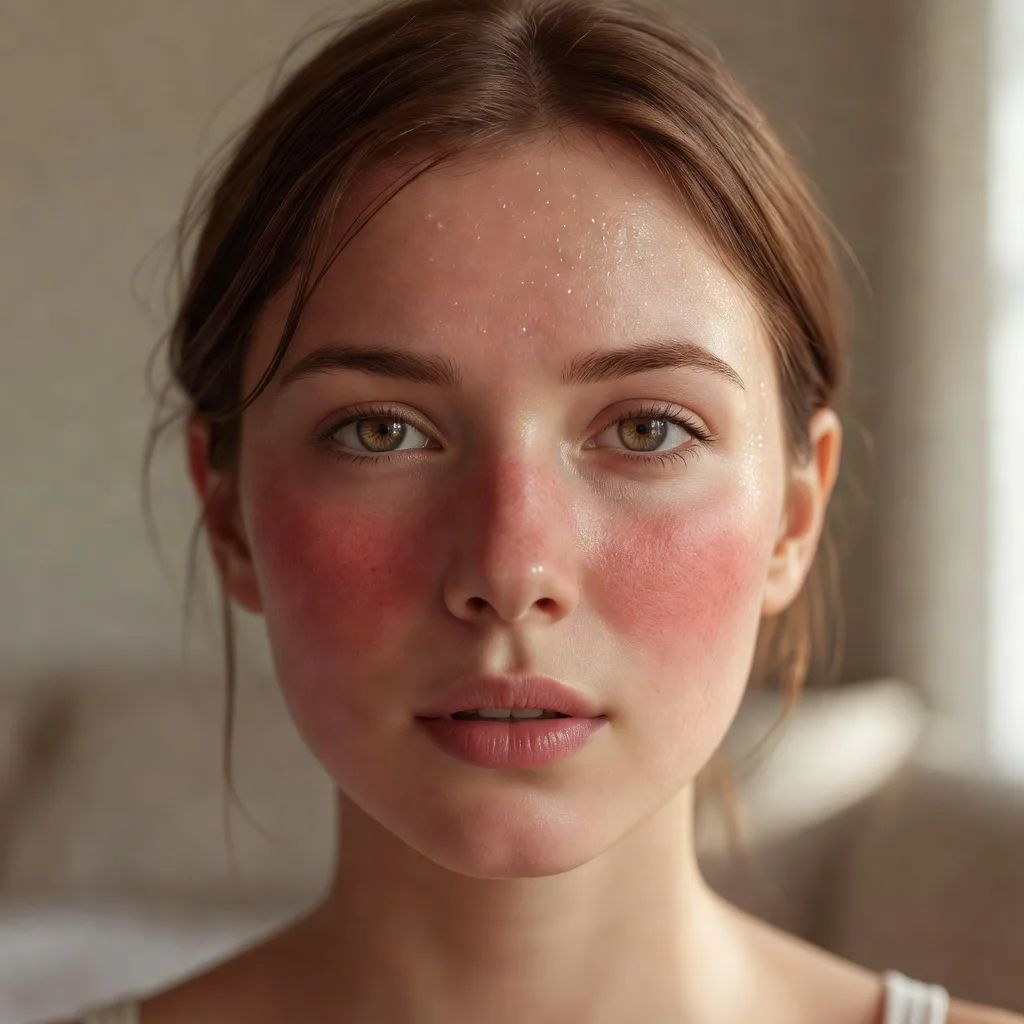
Cheeks usually get hot suddenly because small blood vessels in the face widen and let more blood flow close to the surface, a normal reaction called flushing. The most common triggers are strong emotions such as embarrassment or anxiety, heat and exercise, alcohol, spicy food and hot drinks. Flushing that happens very often, lasts a long time or leaves lasting redness can point to rosacea, and sudden waves of heat in midlife are often menopause hot flushes. Some medicines also cause flushing. Most episodes fade on their own within minutes, but flushing with wheezing, swelling, diarrhoea or dizziness needs prompt medical care.
In short: occasional hot cheeks are normal, but frequent or long-lasting flushing is worth tracking and discussing with a doctor.
The American Academy of Dermatology describes flushing as one of the early signs of rosacea and recommends daily broad-spectrum sunscreen and gentle skin care for people whose faces redden easily.
This guide explains the everyday and medical causes of hot cheeks, how to cool your skin down quickly, which skincare steps help over time and which warning signs mean you should see a professional.
Shopping these picks?
Amazon Prime members get fast, free shipping on eligible items, plus Prime Video, Amazon Music and member deals. New members can start with a free trial.
Start a free Prime trialAged 18 to 24? Prime for Young Adults comes with a longer free trial and a lower price after it.
Affiliate link: we may earn a commission at no extra cost to you.
Recommended Products for Flushing-Prone Cheeks

In Brief
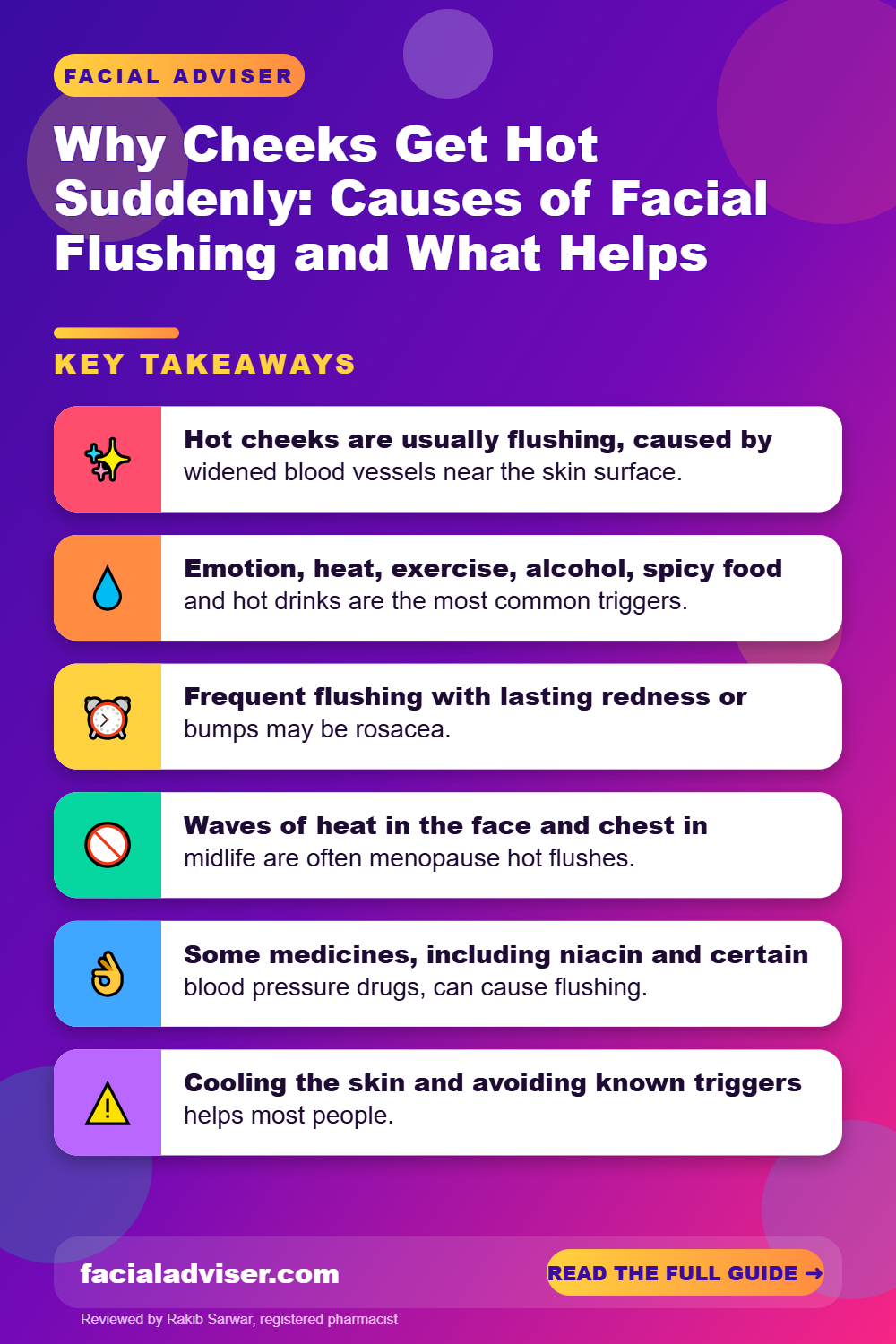
- Hot cheeks are usually flushing, caused by widened blood vessels near the skin surface.
- Emotion, heat, exercise, alcohol, spicy food and hot drinks are the most common triggers.
- Frequent flushing with lasting redness or bumps may be rosacea.
- Waves of heat in the face and chest in midlife are often menopause hot flushes.
- Some medicines, including niacin and certain blood pressure drugs, can cause flushing.
- Cooling the skin and avoiding known triggers helps most people.
- Flushing with breathing problems, swelling, diarrhoea or fainting needs urgent care.
In This Guide
- What Is Happening When Your Cheeks Get Hot
- Everyday Triggers That Make Cheeks Feel Hot
- Emotional Flushing and Blushing
- Rosacea: When Flushing Happens Too Often
- Hot Flushes During Perimenopause and Menopause
- Medicines and Medical Causes of Sudden Hot Cheeks
- How to Cool Down Hot Cheeks Quickly
- Skin Care for Cheeks That Flush Easily
- What Does Not Help Hot Cheeks
- Red Flags: When Hot Cheeks Are Not Just Flushing
- Honest Limits
- When to See a Dermatologist
- Questions People Ask
- The Takeaway
What Is Happening When Your Cheeks Get Hot
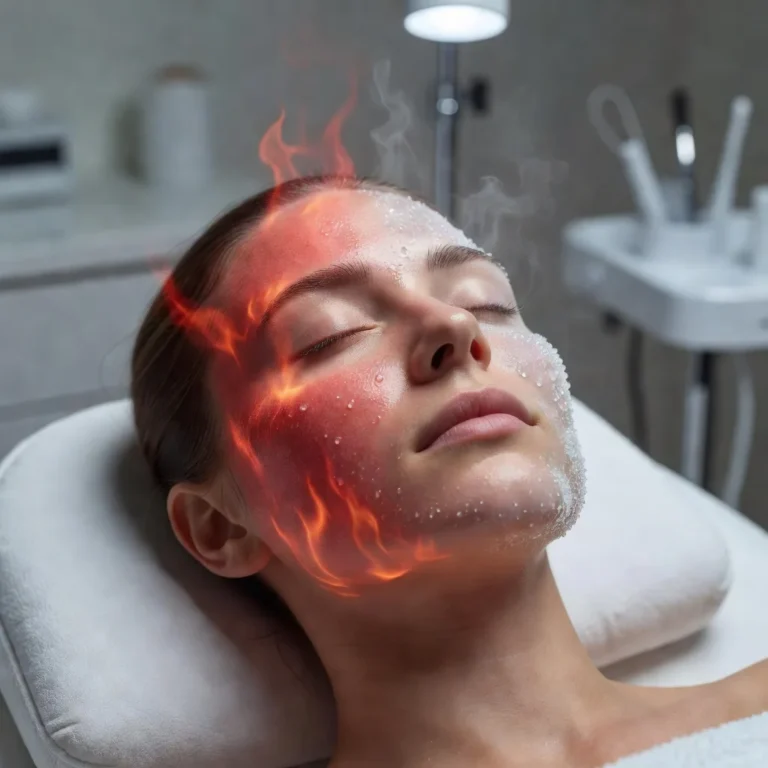
The cheeks have a dense network of small blood vessels sitting close to the surface. When your nervous system or a chemical signal tells those vessels to widen, more warm blood flows through them. You feel it as heat and others see it as pinkness or redness. Doctors call this flushing, and it is different from a rash because the skin surface itself is usually not damaged.
Flushing can be wet, meaning it comes with sweating, as in a hot flush or after exercise, or dry, meaning the skin reddens without sweat, which is more typical of alcohol, some medicines and rosacea. Paying attention to this difference, and to what happened just before, gives useful clues about the cause.
Blushing and flushing are closely related. Blushing usually describes a short, emotional reaction limited to the face, while flushing is a broader term that can include the neck and chest and can last longer.
Everyday Triggers That Make Cheeks Feel Hot
Most sudden hot cheeks have an ordinary explanation. These are the triggers that come up again and again.
| Trigger | Why it happens | Typical pattern |
|---|---|---|
| Embarrassment, stress, anger | Adrenaline and nerve signals widen facial vessels | Comes on in seconds, fades in minutes |
| Hot rooms, sun, hot baths | The body sends blood to the skin to lose heat | Builds gradually, eases once you cool down |
| Exercise | Heat release plus higher blood flow | Starts during activity, lasts up to an hour |
| Alcohol | Alcohol widens blood vessels; some people break it down slowly | Within minutes of drinking, may include the neck |
| Spicy food | Capsaicin activates heat-sensing nerves | During or right after the meal |
| Hot drinks | Heat in the mouth triggers a reflex flush | During the drink |
| Wind, cold then warmth | Vessels rebound after cold exposure | On coming indoors in winter |
If your hot cheeks line up with one of these, the reaction is usually harmless. Our article on facial flushing after exercise covers the workout version in more detail, and the guide to how alcohol affects facial skin overnight explains why a glass of wine can turn your face red.
Emotional Flushing and Blushing
Emotional blushing is controlled by the sympathetic nervous system, the same system that drives the fight-or-flight response. Feeling watched, embarrassed or anxious releases signals that open up facial blood vessels within seconds. Some people are simply more prone to it, and worrying about blushing can make it more likely, creating a loop.
For most people this does not need treatment. Slow breathing, cooling the skin and reminding yourself that a flush usually looks less obvious to others than it feels can take the edge off. If blushing is severe enough to affect work or social life, a doctor can talk through options, including talking therapies.
Rosacea: When Flushing Happens Too Often
Rosacea is a long-term skin condition that commonly affects the cheeks, nose, chin and forehead. Frequent flushing is often the first sign. Over time, some people develop persistent redness, visible small blood vessels, bumps that look like acne, burning or stinging, and dry, sensitive skin.
- You flush easily with triggers that did not bother you before.
- Redness lingers for hours or never fully fades.
- Your skin stings or burns with many products.
- You notice small red lines or acne-like bumps without blackheads.
- Your eyes feel gritty, dry or irritated along with facial redness.
Rosacea cannot be diagnosed from a list, but these features are a good reason to see a dermatologist. Prescription creams such as azelaic acid, metronidazole or ivermectin, oral treatments and vascular lasers can help, and knowing your triggers matters. For day-to-day comfort, our guide on calming inflamed red patches on the face covers gentle routines.
Hot Flushes During Perimenopause and Menopause
Hot flushes are one of the most common symptoms of perimenopause and menopause. Falling and fluctuating oestrogen affects the brain’s temperature control, so the body suddenly acts as if it is overheating. The result is a wave of heat over the face, neck and chest, often with sweating and a racing heart, lasting from a few seconds to several minutes.
Hot flushes may start years before periods stop and can continue for years afterwards. Common triggers include hot drinks, alcohol, spicy food, stress and warm rooms. Layered clothing, a fan and cooler bedrooms help. If they disrupt sleep or daily life, a doctor or pharmacist can explain treatment options, including hormone therapy and non-hormonal medicines.
Medicines and Medical Causes of Sudden Hot Cheeks
Several medicines list flushing as a side effect. Do not stop a prescribed medicine on your own, but mention the flushing to your doctor or pharmacist.
| Possible cause | Examples | What to do |
|---|---|---|
| Vitamin supplements | Niacin (vitamin B3) in higher doses | Ask about slow-release forms or dose changes |
| Heart and blood pressure medicines | Some calcium channel blockers, nitrates | Discuss with your prescriber |
| Hormone-related medicines | Treatments that lower oestrogen or testosterone | Ask about managing hot flushes |
| Steroids and other drugs | Some oral steroids, certain erectile dysfunction medicines | Report if troublesome |
| Fever or infection | Cold, flu and other infections | Check your temperature, rest and see a doctor if unwell |
| Less common conditions | Overactive thyroid, allergic reactions, rare hormone-secreting tumours | Needs medical assessment |
One cause that is often mistaken for flushing is slapped cheek syndrome, a viral infection that is most common in children and gives bright red cheeks. A true allergic reaction can also start with flushing but usually comes with hives, itching or swelling.
How to Cool Down Hot Cheeks Quickly
These steps help an ordinary flush settle faster. They do not treat an underlying condition, but they make the moment more comfortable.
Step away from the trigger
Move out of the sun or a hot room, put down the hot drink or spicy food, and pause if you are exercising hard.
Cool the skin gently
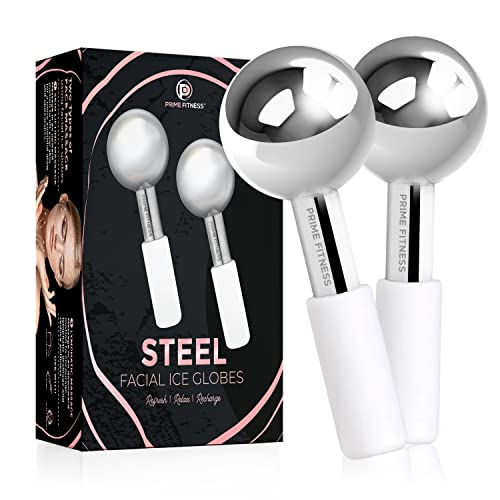
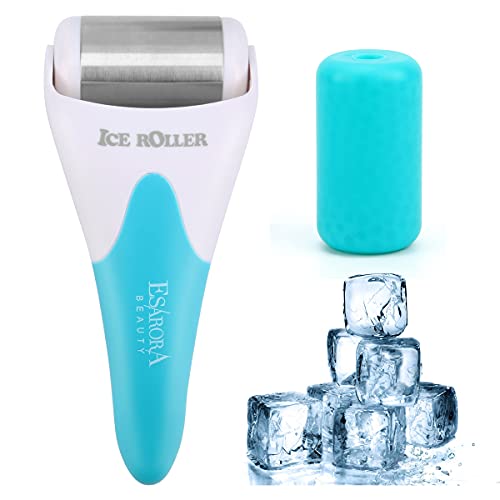
Hold a cool, damp cloth or a chilled facial roller against the cheeks for a minute or two. Avoid putting ice directly on the skin.
Mist and pat
A spritz of plain or thermal water followed by a fan or open window helps heat leave the skin through evaporation.
Slow your breathing
Breathe in for four counts and out for six for a minute. This calms the stress response that drives emotional flushing.
Sip something cool
A glass of cool water helps, especially after heat or exercise.
Note what happened
Write down the trigger, how long the flush lasted and any other symptoms. A pattern is very useful for your doctor.
Gentle cooling narrows surface blood vessels for a while, but extreme cold can backfire on sensitive faces, because vessels often widen again as the skin rewarms.
Skin Care for Cheeks That Flush Easily
A calm, simple routine reduces the extra irritation that makes flushing feel worse. The aim is to protect the barrier and avoid adding heat or sting.
Good Habits
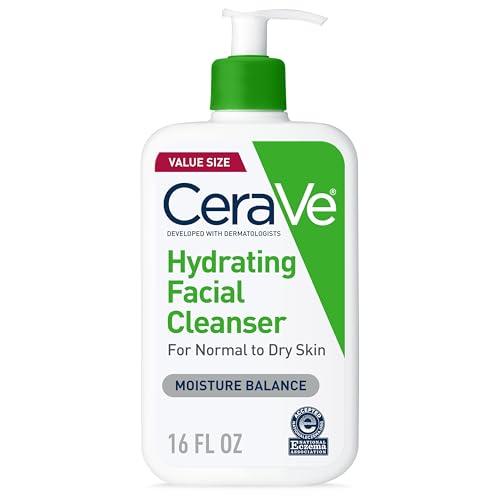
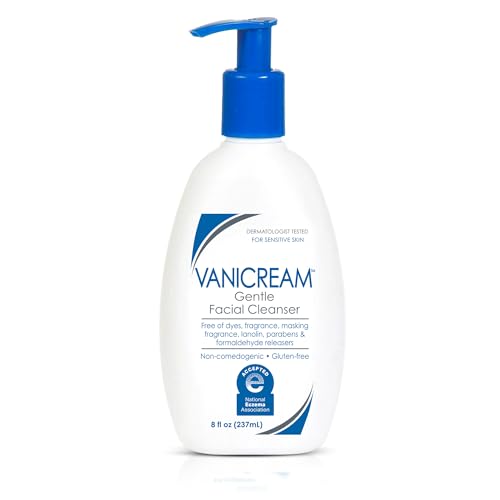
- Use a gentle, fragrance-free cleanser and lukewarm water.
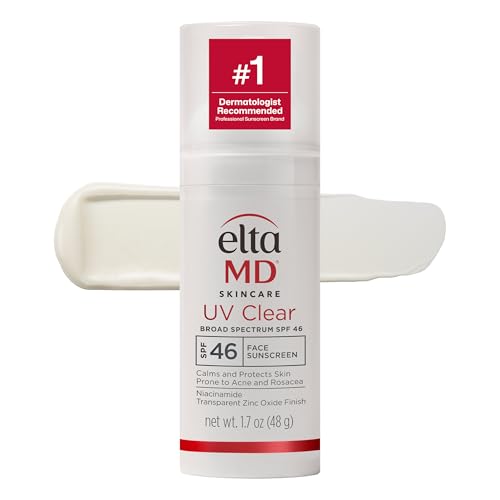
- Wear a broad-spectrum sunscreen of SPF 30 or higher every day.
- Choose mineral sunscreen with zinc oxide if chemical filters sting.
- Moisturise to support a comfortable skin barrier.
- Patch test new products on the side of the neck first.
Common Mistakes
- Do not use hot water, saunas or steam on a flushing face.
- Do not scrub with grainy exfoliants or rough cloths.
- Avoid alcohol-heavy toners, menthol and strong fragrance.
- Avoid stacking several acids or retinoids at once.
- Do not rub your cheeks hard to wipe off redness.
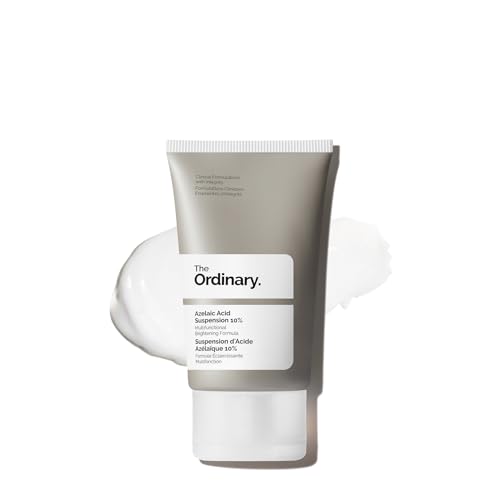
Sun is one of the most common flushing triggers. The American Academy of Dermatology’s guide on how to apply sunscreen covers using enough and reapplying. Azelaic acid, available over the counter at lower strengths in some countries and on prescription at higher strengths, is one of the better-studied ingredients for redness and bumps in rosacea.
Keep a small bottle of water spray or a roller in the fridge. A cool tool gives quick relief without the risk of ice burns.
What Does Not Help Hot Cheeks
Plenty of quick fixes are promoted for red, hot cheeks. Several of them do little or can make things worse.
- Ice packs pressed straight on the skin can cause cold injury and a rebound flush.
- Menthol, peppermint and eucalyptus products feel cool but often irritate flushing skin.
- Heavy green colour-correcting makeup hides redness but does not reduce heat.
- Harsh exfoliation to remove redness damages the barrier and increases sensitivity.
- Supplements marketed to stop flushing rarely have strong evidence behind them.
Makeup is fine to use for confidence, but it is a cover, not a treatment. If you need to cover redness daily, that is a sign to look for the cause.
Red Flags: When Hot Cheeks Are Not Just Flushing
Get urgent medical help if flushing comes with difficulty breathing, wheezing, swelling of the lips, tongue or throat, a widespread rash, fainting or feeling very unwell. These can be signs of a serious allergic reaction.
You should also arrange a doctor’s appointment if flushing comes with diarrhoea, weight loss, a racing heartbeat, high blood pressure or night sweats, if it happens many times a day without an obvious trigger, or if you have a fever and feel ill. These patterns can point to conditions that need testing rather than skin care.
Honest Limits
Skin care can calm irritation and protect against sun, but it cannot stop blood vessels from responding to emotion, heat, alcohol or hormones. Cooling tools and sprays give short-term comfort, not a cure. Rosacea is long-term and tends to come and go, and even good treatment usually controls it rather than making it disappear. Menopause hot flushes are driven by hormones, so creams will not change them. The most useful thing you can do is identify your own triggers and get a proper diagnosis if flushing is frequent.
When to See a Dermatologist
- Your cheeks flush several times a week or stay red for hours.
- You have bumps, visible vessels, burning or eye irritation along with redness.
- Flushing started after a new medicine or supplement.
- Hot flushes are disturbing your sleep or daily life.
- You have any of the red-flag symptoms listed above.
This article is for general information and does not replace professional medical advice. See a doctor or board-certified dermatologist for persistent flushing, skin changes or symptoms that affect your health.
Questions People Ask
Why do my cheeks get hot for no reason?
There is usually a trigger such as stress, warmth or food; track episodes to find it.
Is it normal for cheeks to get hot and red?
Occasional flushing is normal. Frequent flushing deserves a check-up.
Can anxiety make your cheeks hot?
Yes. Anxiety and embarrassment widen facial blood vessels within seconds.
Why do my cheeks get hot after drinking alcohol?
Alcohol widens blood vessels, and some people break it down slowly.
Is hot cheeks a sign of rosacea?
It can be, especially with lasting redness, bumps or stinging.
Can menopause cause hot cheeks?
Yes. Hot flushes often start in the face, neck and chest.
Can high blood pressure cause red cheeks?
It is not a typical cause, but some blood pressure medicines can.
How do I stop my face from flushing quickly?
Move away from the trigger, cool the skin and slow your breathing.
Does sunscreen help with flushing?
It protects against sun, which is a common trigger for red skin.
When should I worry about sudden hot cheeks?
If it comes with breathing trouble, swelling, fainting or diarrhoea.
The Takeaway
Sudden hot cheeks are usually a harmless flush caused by emotion, heat, alcohol, spicy food or hot drinks, and they settle once the trigger passes.
If flushing is frequent, long-lasting or comes with other symptoms, keep a trigger diary, protect your skin gently and see a doctor or dermatologist to check for rosacea, hormonal changes or medicine effects.

Written by
Registered pharmacist and founder of Facial Adviser. Rakib's pharmacy training covers how skincare actives work and interact; a later course in cosmetology turned that into a focus on facial treatments and skincare products. He plans, researches and edits every guide on the site and checks health claims against sources such as the American Academy of Dermatology, the FDA and the NIH. He is not a dermatologist; see the Editorial Policy and Medical Disclaimer.
About · Editorial policy · How we choose products · Medical disclaimer · Contact
Keep reading: Redness, puffiness and uneven tone
- How to Calm Inflamed Red Patches on Your Face
- How to Soothe Post-Facial Irritation: Calm Redness and Know What Is Normal
- Facial Numbness After a Nerve Block or Dental Work: What Is Normal
- Facial Discoloration After Sunburn: Why It Happens and How to Fade It
- Facial Swelling in the Morning: Common Reasons and When to Worry
- What to Eat to Remove Dark Spots on Your Face
- Are Facials Good for Acne?
- How Can I Make My Pores Less Visible?