Why My Face Burns When Applying Moisturizer: Causes and How to Fix It
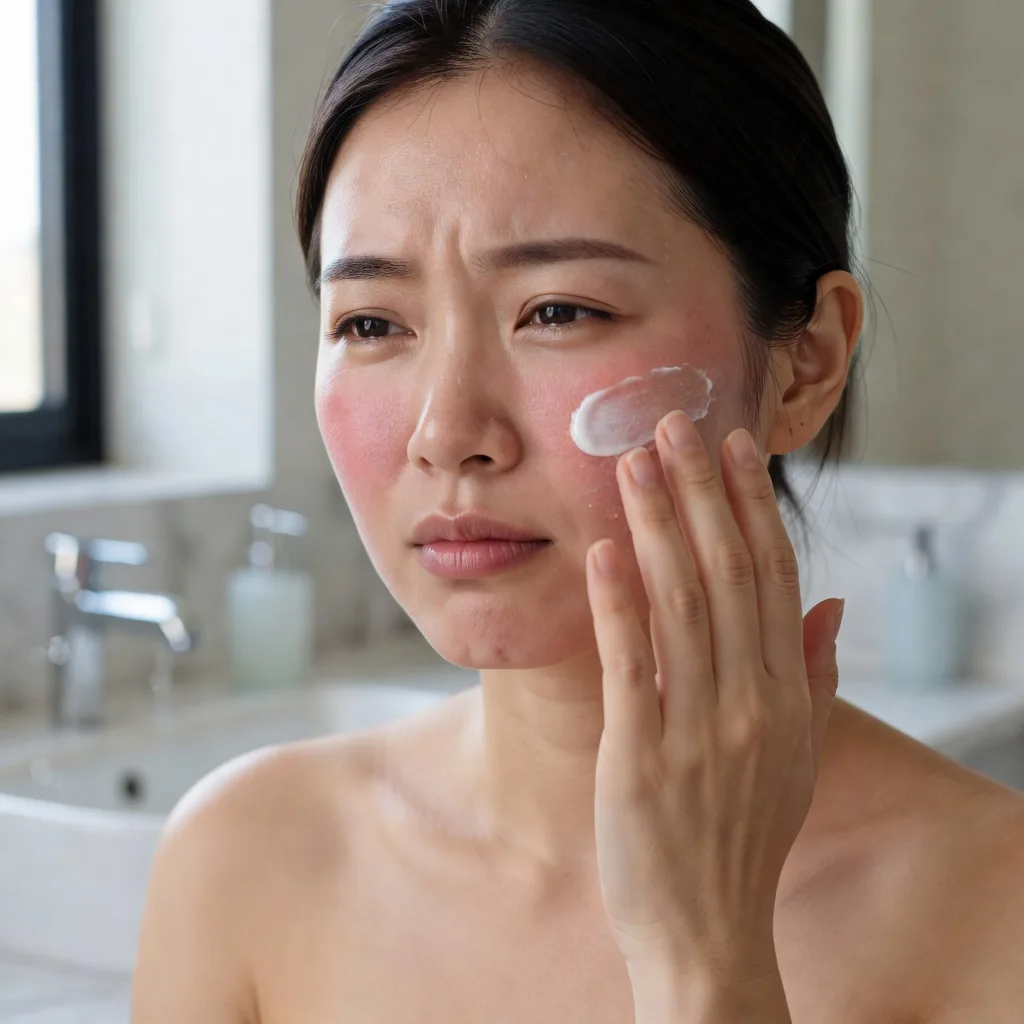
You finish cleansing, smooth on moisturiser and within seconds your face starts to sting, tingle or burn. It is a confusing reaction, because moisturiser is meant to soothe. In most cases the problem is not the idea of moisturising but the state of your skin or something in the formula.
Part of our guide to skincare products. Start with: 10 Best Facial Moisturizers for Dry Skin (2026): Rich, Gentle Creams
Your face usually burns when applying moisturiser because the skin barrier is damaged, so ingredients that normally feel comfortable can reach sensitive nerve endings. Over-exfoliating, retinoids, acids, harsh cleansers, cold wind and sunburn are common causes of that damage. The moisturiser itself may also contain irritating ingredients such as fragrance, essential oils, alcohol or acids, or you may have developed an allergy to one of its ingredients. Conditions such as rosacea and eczema make skin more reactive too. Stop actives, switch to a short, fragrance-free routine with a simple ceramide cream or plain petrolatum, and see a dermatologist if burning persists or comes with a rash.
In short: burning is a warning sign, not a sign that a product is working, so scale back your routine and let the barrier heal.
The American Academy of Dermatology advises people with sensitive or irritated skin to use gentle, fragrance-free products and to limit exfoliation, which can damage the skin’s protective outer layer.
This guide explains the main reasons moisturiser burns, how to tell irritation from allergy, what to do during a flare and how to rebuild a routine your skin can tolerate.
Shopping these picks?
Amazon Prime members get fast, free shipping on eligible items, plus Prime Video, Amazon Music and member deals. New members can start with a free trial.
Start a free Prime trialAged 18 to 24? Prime for Young Adults comes with a longer free trial and a lower price after it.
Affiliate link: we may earn a commission at no extra cost to you.
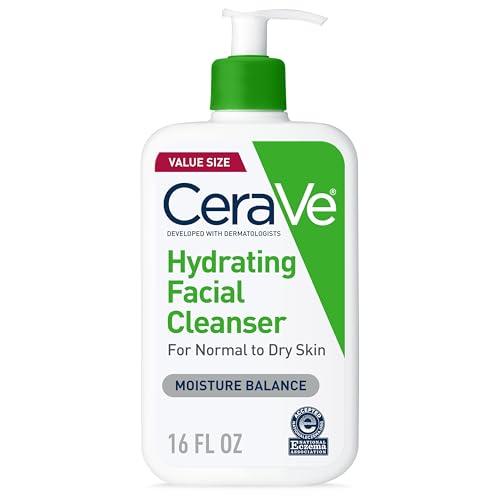
Recommended Gentle Barrier-Repair Products

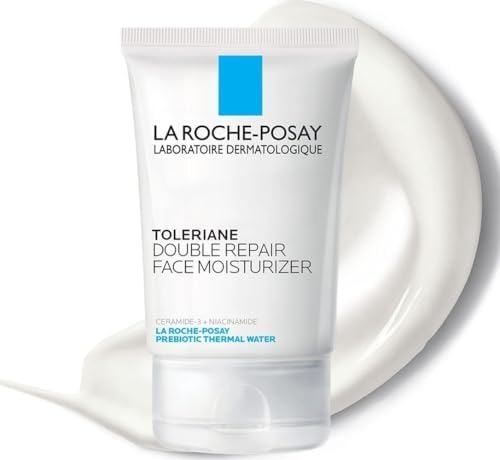
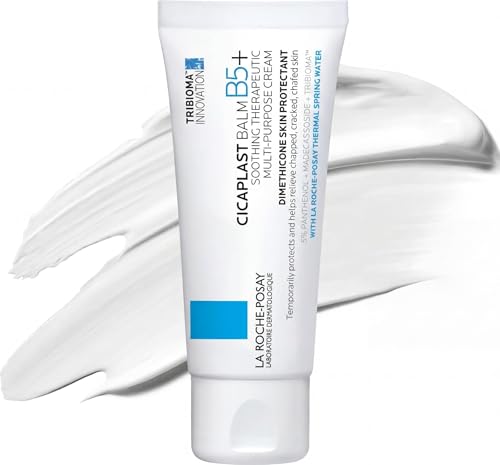

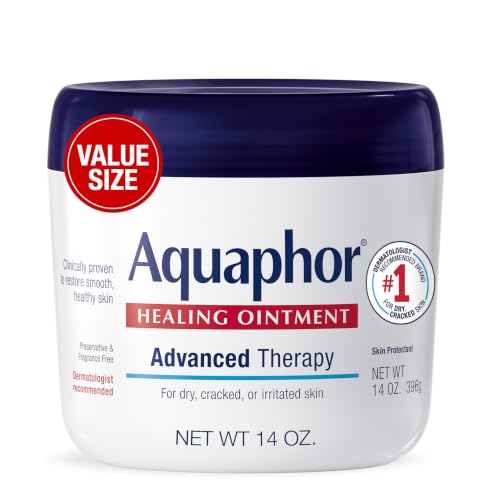

In Brief
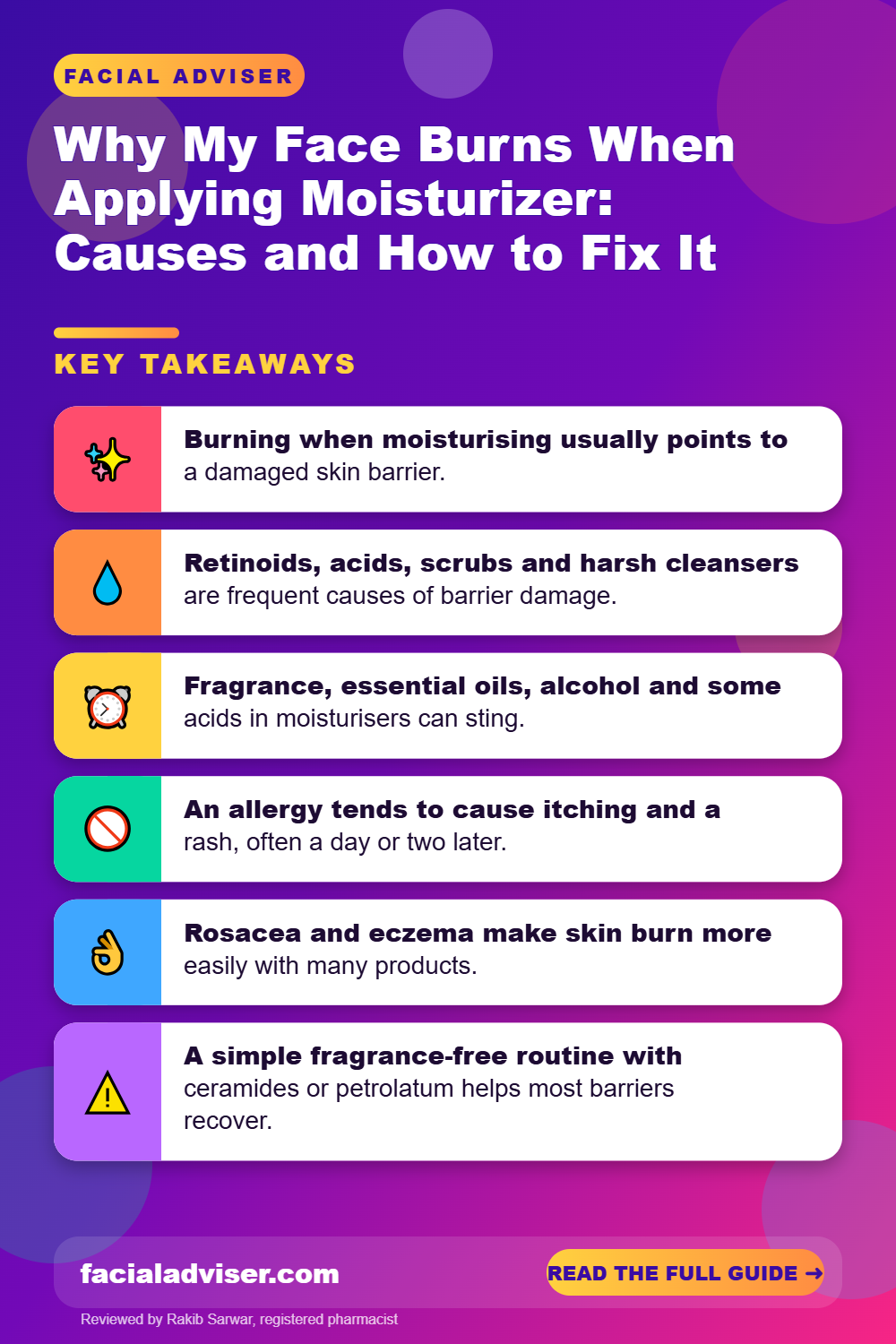
- Burning when moisturising usually points to a damaged skin barrier.
- Retinoids, acids, scrubs and harsh cleansers are frequent causes of barrier damage.
- Fragrance, essential oils, alcohol and some acids in moisturisers can sting.
- An allergy tends to cause itching and a rash, often a day or two later.
- Rosacea and eczema make skin burn more easily with many products.
- A simple fragrance-free routine with ceramides or petrolatum helps most barriers recover.
- Persistent burning, swelling or rash needs a dermatologist’s assessment.
Jump to a Section
- A Damaged Skin Barrier: The Most Common Cause
- Common Reasons Moisturiser Burns Your Face
- Actives That Leave Skin Too Sensitive
- Ingredients in Moisturisers That Can Sting
- Could It Be an Allergy?
- Rosacea, Eczema and Other Skin Conditions
- How to Calm a Face That Burns With Moisturiser
- Dos and Don’ts While Your Skin Recovers
- How to Choose a Moisturiser That Will Not Burn
- When Burning Is More Than Irritation
- Honest Limits
- When to See a Dermatologist
- Questions People Ask
- The Bottom Line
A Damaged Skin Barrier: The Most Common Cause
The outermost layer of the skin, the stratum corneum, works like a brick wall. Skin cells are the bricks and fats such as ceramides, cholesterol and fatty acids are the mortar. When that wall is intact, it keeps water in and irritants out. When it is disrupted, water escapes, the skin feels tight and dry, and ingredients penetrate more easily, triggering nerve endings that send burning or stinging signals.
This is why a moisturiser you have used for years can suddenly start to sting. The product has not changed; your skin has. Common signs of a damaged barrier include tightness after washing, flaking, rough patches, redness, shiny but dry skin, and stinging with products that used to feel fine.
Stinging that lasts a few seconds and then fades is common on dry or damaged skin. Burning that lasts for minutes, returns every time or comes with visible redness or rash is a sign to stop the product and simplify your routine.
Our guide on how to repair your moisture barrier covers the recovery process in detail.
Common Reasons Moisturiser Burns Your Face
| Cause | Typical clues | What to change |
|---|---|---|
| Over-exfoliation | Recent scrubs, peels or daily acids; shiny, tight skin | Stop all exfoliants for two to four weeks |
| Retinoids | Started or increased retinol or tretinoin recently; peeling | Pause, then restart less often |
| Harsh cleanser | Squeaky-clean, tight feeling after washing | Switch to a gentle, non-foaming cleanser |
| Irritating ingredients in the moisturiser | Burns with one product but not others | Choose a fragrance-free, simple formula |
| Weather and environment | Cold wind, low humidity, indoor heating, sun | Protect skin and moisturise more often |
| Allergy | Itchy rash that develops a day or two after use | Stop the product; consider patch testing |
| Skin condition | Frequent redness, flushing, dry patches or bumps | See a dermatologist for diagnosis |
Often more than one of these is involved. For example, someone using a retinoid in winter with a foaming cleanser may find that almost every product stings. The article on how to tell if a cleanser is too harsh explains what to look for.
Actives That Leave Skin Too Sensitive
Active ingredients are effective partly because they change the skin, and that can come at the cost of short-term irritation. Retinoids speed up cell turnover. Alpha and beta hydroxy acids loosen the bonds between surface cells. Benzoyl peroxide and high-strength vitamin C can also be drying. Using several of these together, or too often, is a common route to a burning face.
- Using a retinoid and an exfoliating acid on the same night.
- Applying a toner with acids followed by an acid serum.
- Using physical scrubs, cleansing brushes or peel pads on top of actives.
- Increasing retinoid strength before the skin has adjusted.
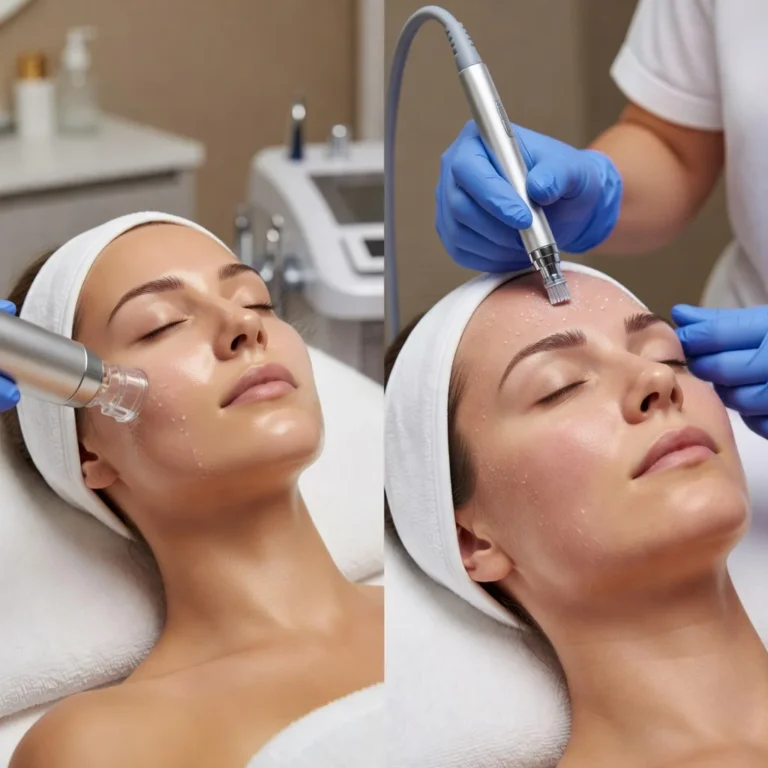
- Having an in-clinic peel or microneedling and restarting actives too soon.
The American Academy of Dermatology’s guide on how to safely exfoliate at home warns that over-exfoliating can cause redness and irritation and recommends being gentle.
Ingredients in Moisturisers That Can Sting
Some moisturisers contain ingredients that are fine for most skin but can burn when the barrier is weak.
| Ingredient | Why it may sting | Better option when sensitive |
|---|---|---|
| Fragrance or parfum | Common irritant and allergen | Fragrance-free formulas |
| Essential oils | Contain fragrance chemicals such as limonene and linalool | Plain plant oils or none |
| Denatured alcohol high on the list | Can dry and sting damaged skin | Alcohol-free or fatty alcohols only |
| Alpha hydroxy acids, lactic acid, urea at higher strengths | Exfoliate and can burn broken skin | Use later, once skin has recovered |
| Vitamin C (ascorbic acid) | Low pH can sting | Pause during a flare |
| Menthol, camphor, peppermint | Create a cooling tingle that irritates | Avoid on sensitive skin |
| Propylene glycol | Can sting some people | Glycerin-based formulas |
Note that fatty alcohols such as cetyl and cetearyl alcohol are not drying and are generally fine. Ingredient order matters as well: the higher an ingredient appears on the list, the more of it the product usually contains.
Could It Be an Allergy?
Allergic contact dermatitis is less common than irritation but important to recognise. It usually appears one to three days after exposure rather than instantly, and the main symptom is itching rather than burning. The rash can be red, bumpy, swollen or weepy and may spread beyond where the product was applied, for example to the eyelids or neck.
Common cosmetic allergens include fragrance ingredients, some preservatives and certain plant extracts. If you suspect an allergy, stop the product, keep the packaging and ask a dermatologist about patch testing, which can identify the exact ingredient so you can avoid it in future.
Rosacea, Eczema and Other Skin Conditions
Some skin conditions make the face burn with many products, even gentle ones.
- Rosacea: flushing, persistent redness, visible vessels, bumps and burning or stinging, especially on the cheeks and nose.
- Eczema (atopic dermatitis): dry, itchy, sometimes cracked patches, often with a personal or family history of eczema, asthma or hay fever.
- Seborrhoeic dermatitis: flaky, greasy or red patches around the nose, eyebrows and hairline.
- Perioral dermatitis: small red bumps around the mouth, nose or eyes, sometimes triggered by heavy creams or steroid creams.
- Sunburn or windburn: temporary damage that makes all products sting for a few days.
These conditions often need prescription treatment, and a correct diagnosis makes a big difference. Using stronger over-the-counter products to fix them usually makes the burning worse.
How to Calm a Face That Burns With Moisturiser
When your face burns, the goal is to stop further irritation and give the barrier what it needs to repair itself.
Rinse it off
If a product is burning strongly, rinse it off with cool or lukewarm water and pat dry with a soft towel.
Stop all actives
Pause retinoids, acids, vitamin C, benzoyl peroxide, scrubs and toners for at least two weeks.
Cleanse gently
Use a mild, fragrance-free, non-foaming cleanser once a day, or rinse with water in the morning.
Use a simple moisturiser
Choose a fragrance-free cream with ceramides, glycerin or panthenol. Apply it to slightly damp skin.
Seal very sore patches
A thin layer of plain petrolatum or a panthenol balm can protect raw or cracked areas, especially at night.
Protect from sun and wind
Wear a gentle mineral sunscreen and cover up in cold wind.
Reintroduce slowly
Once your skin feels comfortable for a week or two, add back one product at a time, a few times a week at first.
Keep a note of each product you use and when the burning started. If it returns, you will be able to see which step is the likely trigger.
Dos and Don’ts While Your Skin Recovers
Worth Doing
- Keep your routine to three or four products.
- Use lukewarm water, never hot.
- Choose fragrance-free products and check the ingredient list.
- Patch test new products on the jawline for a few days.
- Give your skin two to four weeks to recover.
Skip It
- Do not push through burning thinking it means a product works.
- Do not add new actives or treatments during a flare.
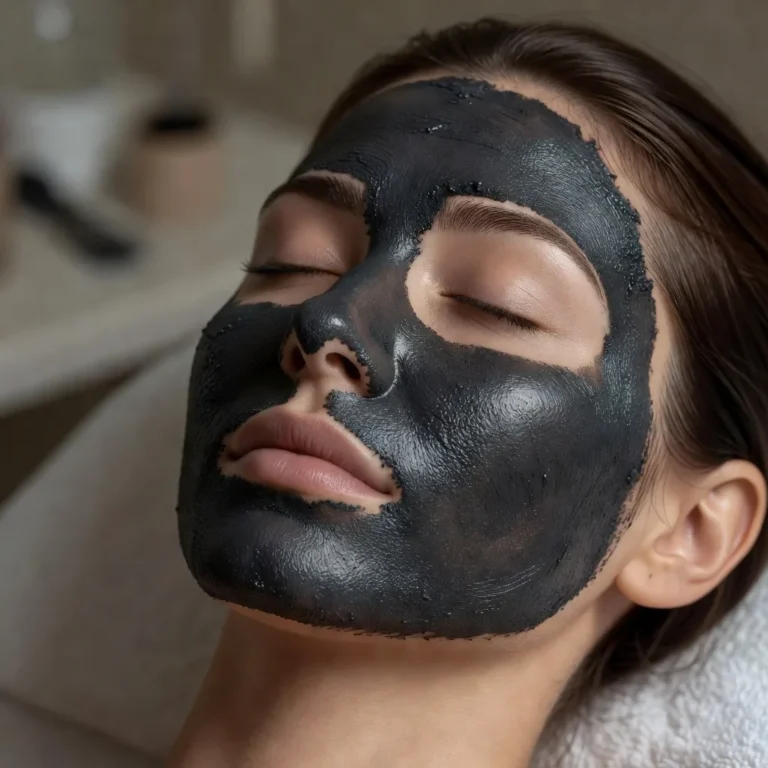
- Avoid face masks, peels and facial devices until skin calms.
- Do not use hot towels, saunas or steamers.
- Do not use a steroid cream on your face without a doctor’s advice.
Occlusive layering, sometimes called slugging, with plain petrolatum can help very dry, damaged skin. Our guide on what slugging is explains when it helps and when it may not suit acne-prone skin.
How to Choose a Moisturiser That Will Not Burn
When your skin is reactive, the best moisturiser is usually the most boring one. Short ingredient lists give fewer chances for a reaction and make it easier to spot the culprit if something does go wrong.
- Look for fragrance-free on the label and check that no essential oils appear in the list.
- Favour barrier-supporting ingredients such as ceramides, cholesterol, fatty acids, glycerin, squalane and panthenol.
- Choose a cream or balm texture over a lightweight gel if your skin feels tight, as richer textures usually sting less.
- Skip products marketed as brightening, resurfacing or anti-ageing until your skin has calmed.
- Buy the smallest size, or ask for a sample, so you can patch test before committing.
If even the simplest cream stings, plain petrolatum is one of the least irritating options available, because it contains a single ingredient and sits on the surface to reduce water loss while the barrier repairs underneath.
When Burning Is More Than Irritation
Stop using the product and seek urgent medical help if burning comes with swelling of the eyes, lips or face, blistering, oozing, difficulty breathing or a rash that spreads quickly. Also see a doctor if pain is severe or the skin shows signs of infection.
A mild sting that fades within seconds is common. Burning that lasts, gets worse each day or appears alongside a visible rash is not something to tolerate.
Honest Limits
There is no single moisturiser that is guaranteed not to sting, because reactions depend on your skin’s condition and individual sensitivities. Barrier repair takes time; it usually takes at least two to four weeks for skin to feel noticeably calmer, and longer after heavy over-exfoliation. Simple products support healing, but they cannot treat rosacea, eczema or an allergy on their own. If you keep reacting to almost everything, that is a strong sign you need a diagnosis rather than yet another new product.
When to See a Dermatologist
- Burning continues after two to four weeks of a gentle routine.
- You react to nearly every product, including simple ones.
- You have a rash, bumps, flushing or flaking that keeps returning.
- You suspect an allergy and want patch testing.
- You think you may have rosacea, eczema or perioral dermatitis.
This article is for general information and does not replace professional medical advice. See a board-certified dermatologist for persistent burning, rashes or suspected skin conditions or allergies.
Questions People Ask
Why does my moisturiser suddenly burn?
Usually because your skin barrier has become damaged.
Is burning a sign that a product is working?
No. Burning is a sign of irritation.
Should I stop moisturising if it burns?
Switch to a very simple, fragrance-free option instead.
Can retinol make moisturiser sting?
Yes. Retinoids can leave skin more sensitive.
Can I use petroleum jelly on a burning face?
Plain petrolatum is usually well tolerated and protective.
How long does a damaged barrier take to heal?
Often two to four weeks, sometimes longer.
Is it an allergy or irritation?
Allergy is usually itchy and appears later; irritation stings quickly.
Can rosacea cause burning with skincare?
Yes. Burning and stinging are common in rosacea.
Does cold weather make moisturiser sting?
It can, by drying and damaging the barrier.
What moisturiser is best for burning skin?
A fragrance-free cream with ceramides, glycerin or panthenol.
The Bottom Line
A face that burns when applying moisturiser is usually telling you the skin barrier is damaged, though fragrance, actives, allergy, rosacea and eczema can all contribute.
Rinse off anything that burns, stop actives, use a short fragrance-free routine with a simple ceramide cream or petrolatum, and see a dermatologist if burning persists or comes with a rash.

Written by
Registered pharmacist and founder of Facial Adviser. Rakib's pharmacy training covers how skincare actives work and interact; a later course in cosmetology turned that into a focus on facial treatments and skincare products. He plans, researches and edits every guide on the site and checks health claims against sources such as the American Academy of Dermatology, the FDA and the NIH. He is not a dermatologist; see the Editorial Policy and Medical Disclaimer.
About · Editorial policy · How we choose products · Medical disclaimer · Contact
Keep reading: Moisturisers and face oils
- 10 Best Facial Moisturizers for Dry Skin (2026): Rich, Gentle Creams
- What Is Slugging in Skincare? Who It Helps and Who Should Skip It
- Why Your Skin Feels Greasy After Skincare and How to Fix It
- How to Repair Your Skin Barrier Fast: A Realistic Plan
- Do You Need Moisturiser After a Hydrating Serum?
- Why Does My Moisturiser Feel Sticky? Causes and Fixes
- 10 Best Facial Serums for Aging Skin (2026): Picks by Concern
- 10 Best Face Masks for Every Skin Type (2026): Clay, Gel and Sheet