

Facial Numbness After a Nerve Block or Dental Work: What Is Normal
After a filling, an extraction or another procedure that uses a local anaesthetic, it is normal for your lip, cheek, chin or tongue to feel thick, tingly or completely numb. The feeling can be strange and a little worrying, especially if it lasts longer than you expected or makes your face feel lopsided. In most cases it is simply the anaesthetic doing its job, and it fades as your body clears the medicine.
Part of our guide to skin concerns. Start with: How to Calm Inflamed Red Patches on Your Face
Facial numbness after a dental injection or nerve block is usually temporary and wears off within a few hours as the local anaesthetic is absorbed. Lower jaw injections often last longer than upper ones, and long-acting anaesthetics can keep an area numb for much of the day. While numb, the main risks are biting your lip, cheek or tongue and burning your skin or mouth with hot food, drinks or compresses. Numbness that is still present the next day, keeps returning or comes with pain, swelling or weakness should be checked by your dentist. Rarely, a nerve is irritated or injured and feeling takes weeks or longer to return.
In short: a few hours of numbness is expected, protect the numb area from bites and heat, and call your dentist if feeling has not returned by the next day.
The American Academy of Dermatology recommends protecting lips and skin with sunscreen and gentle products, advice that matters more when numb skin cannot warn you of heat, rubbing or irritation.
This guide explains how long numbness usually lasts, how to look after your skin and lips in the meantime, which symptoms are red flags and what happens in the rare cases when numbness persists. It does not replace advice from your dentist or doctor.
Shopping these picks?
Amazon Prime members get fast, free shipping on eligible items, plus Prime Video, Amazon Music and member deals. New members can start with a free trial.
Start a free Prime trialAged 18 to 24? Prime for Young Adults comes with a longer free trial and a lower price after it.
Affiliate link: we may earn a commission at no extra cost to you.
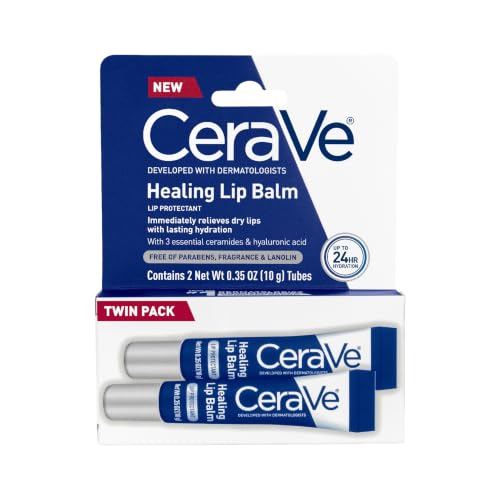
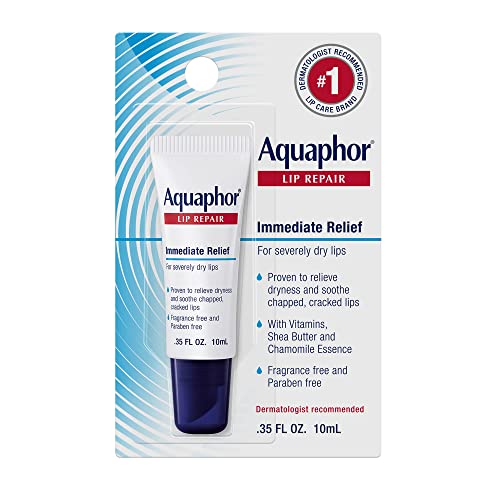
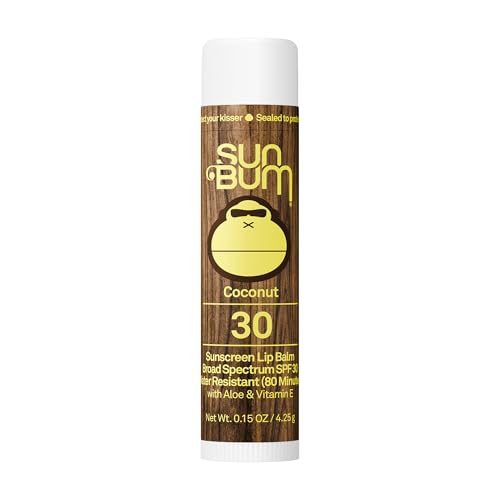
Recommended Gentle Face and Lip Care Products




Contents
- Why Your Face Goes Numb After Dental Work
- How Long Does Numbness Usually Last?
- How to Protect Your Face While It Is Numb
- Skin Care While Your Face Is Numb
- Cold or Warm Compress: Which One and When?
- When Numbness Lasts Longer Than Expected
- Numbness After Other Facial Nerve Blocks
- Red Flags: When to Get Urgent Help
- Dos and Don’ts While Numb
- Honest Limits
- When to See a Dermatologist
- Questions People Ask
- Where This Leaves You
Quick Answer
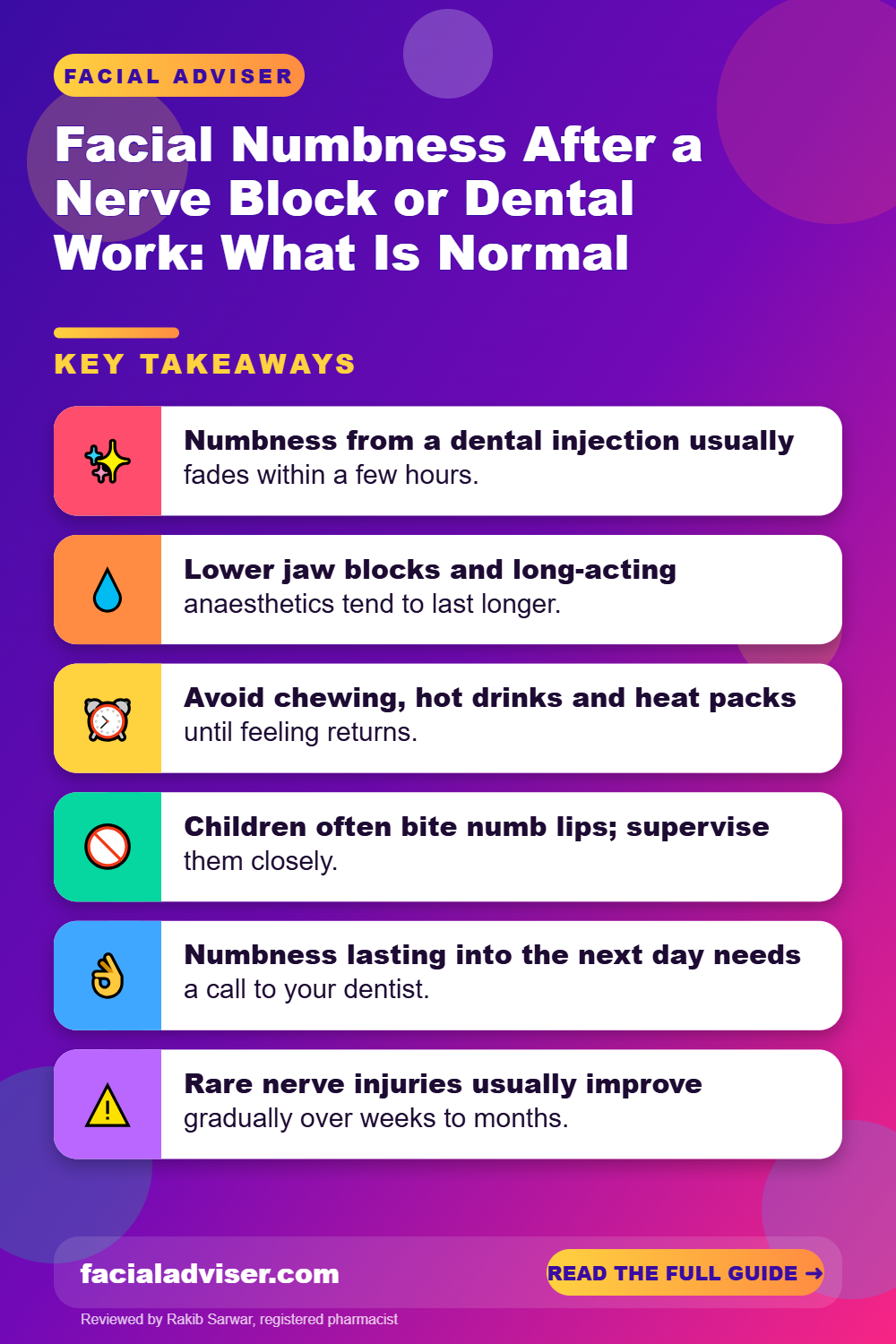
- Numbness from a dental injection usually fades within a few hours.
- Lower jaw blocks and long-acting anaesthetics tend to last longer.
- Avoid chewing, hot drinks and heat packs until feeling returns.
- Children often bite numb lips; supervise them closely.
- Numbness lasting into the next day needs a call to your dentist.
- Rare nerve injuries usually improve gradually over weeks to months.
- Sudden numbness with facial drooping, weakness or speech problems is an emergency.
Why Your Face Goes Numb After Dental Work
Local anaesthetics block signals travelling along nerves, so the area they supply stops sending feelings of touch, temperature and pain. Dentists inject either close to the tooth being treated or near a larger nerve, called a nerve block, which numbs a wider region. That is why a lower jaw block can numb half your lower lip, chin and tongue even though only one tooth is being treated.
Many dental anaesthetics also contain a small amount of adrenaline, which narrows local blood vessels. This keeps the medicine in place longer and can make the numb area look slightly pale for a while.
Feeling usually returns in stages. You may notice tingling or pins and needles before normal sensation comes back. That is a sign the anaesthetic is wearing off, not a sign of damage.
How Long Does Numbness Usually Last?
How long you stay numb depends on the type of anaesthetic, the dose, where it was injected and your own body. The table gives a general picture only; your dentist can tell you what to expect for your procedure.
| Situation | Typical pattern | What to do |
|---|---|---|
| Upper teeth, standard anaesthetic | Often wears off within a few hours | Avoid eating until feeling returns |
| Lower jaw nerve block | Often lasts longer, with lip, chin and tongue numb | Take extra care not to bite |
| Long-acting anaesthetic | Can last for much of the day | Follow the specific advice you were given |
| Numbness still present the next day | Not expected after routine work | Contact your dentist |
| Tingling or patchy feeling for days or weeks | Possible nerve irritation | See your dentist for assessment |
Tooth extractions, especially of lower wisdom teeth, and other oral surgery can occasionally irritate nearby nerves. In these cases numbness may outlast the anaesthetic, which is why follow-up matters.
People also vary. Some notice feeling return quickly, while others stay numb for longer after the same injection, and a second injection during a long appointment can extend the numb period. If you were told how long to expect, use that as your guide rather than comparing with a friend’s experience.
How to Protect Your Face While It Is Numb
Numb skin and lips cannot tell you when they are being bitten, burned or rubbed. These steps help you avoid injuries in the hours after treatment.
Wait before eating
Avoid chewing until normal feeling has returned, or eat only soft, cool food on the other side if you must.
Skip hot drinks and food
Stick to cool or lukewarm drinks so you do not scald your lips or mouth.
Do not bite or suck the numb lip
The tingling can tempt you to test it, but chewing can cause painful sores.
Use cold compresses only as advised
If your dentist recommends cold for swelling, wrap it in a cloth and use short sessions.
Avoid heat packs
Do not put warm or hot compresses on numb skin, which cannot sense burns.
Protect your lips
Apply a plain, fragrance-free lip balm to prevent dryness and cracking.
Tell children and anyone caring for them that the lip will feel strange for a few hours. Distraction and soft, cool food help stop them chewing the numb area.
Skin Care While Your Face Is Numb
You do not need a special routine, but a few small changes reduce the risk of irritation you might not notice until later.
- Wash with a gentle, fragrance-free cleanser and lukewarm water.
- Pat skin dry rather than rubbing it.
- Skip exfoliating acids, retinoids, scrubs and face masks until feeling returns.
- Avoid shaving or waxing the numb area on the same day.
- Use a plain, fragrance-free moisturiser if the skin feels tight.
- Protect lips and skin from strong sun or cold wind with SPF lip balm and sunscreen.
The AAD page on how to apply sunscreen recommends protecting lips with a lip balm of SPF 30 or higher, which is a useful habit in general. If your skin feels irritated after the procedure, our guide on repairing your moisture barrier covers simple soothing steps.
Cold or Warm Compress: Which One and When?
Dentists often suggest cold compresses in the first day after extractions or surgery to limit swelling, and sometimes warm compresses later to ease stiffness. The key point for numb skin is that it cannot judge temperature.
| Compress | When it is usually suggested | Safety while numb |
|---|---|---|
| Cold compress | First day after extraction or surgery, for swelling | Wrap in cloth, short sessions, check skin colour |
| Warm compress | Later, if your dentist advises it for stiffness | Only once feeling has returned |
| Neither | Routine fillings with no swelling | Not usually needed |
Our guide on cold vs warm compresses for the face explains how each one affects blood flow and swelling. Always follow your dentist’s aftercare instructions if they differ.
When Numbness Lasts Longer Than Expected
Occasionally numbness, tingling or altered feeling lasts for days, weeks or longer. Doctors call this paraesthesia. It can happen after an injection irritates a nerve or after surgery near a nerve, such as removal of lower wisdom teeth. It is uncommon, and many cases improve gradually as the nerve recovers, although recovery can be slow and occasionally incomplete.
If you still feel numb the next day, contact the dentist who treated you. They will want to record which areas are affected and may refer you to an oral surgeon or specialist. Early assessment matters because some nerve injuries benefit from prompt review.
- Note which parts of your lip, chin, cheek or tongue feel numb or tingly.
- Record whether the area is shrinking or changing over time.
- Mention any burning pain, altered taste or drooling.
- Keep protecting the area from bites and heat while feeling is reduced.
Numbness After Other Facial Nerve Blocks
Dental work is the most common reason for a numb face, but local anaesthetic nerve blocks are also used for skin surgery, mole removal, stitches after an injury and some cosmetic procedures. The same general pattern applies: the treated area feels numb for a few hours and then gradually returns to normal as the medicine wears off.
After skin procedures on the face, you may also have a wound, dressing or stitches in the numb area. Because you cannot feel it, it is easy to rub, scratch or knock without noticing. Follow the wound care instructions you were given, keep the area clean and dry as advised and avoid applying skincare products over broken skin until the clinic says it is safe.
- Ask the clinic how long numbness is expected to last for your procedure.
- Avoid heat, sunbeds and saunas on the same day.
- Do not apply makeup over fresh wounds or stitches.
- Report numbness that lasts longer than you were told to expect.
Red Flags: When to Get Urgent Help
Call emergency services straight away if facial numbness comes on suddenly with facial drooping, weakness in an arm or leg, slurred speech, confusion or vision loss, even if you recently had dental work. These can be signs of a stroke. Also seek urgent help for swelling of the lips, tongue or throat, difficulty breathing or swallowing, or a rash and dizziness after an injection.
Other symptoms need prompt, though not always emergency, attention from your dentist or doctor.
- Fever, increasing pain or spreading swelling after an extraction.
- Pus, a bad taste or a hot, red area in the mouth or face.
- One side of the face drooping or an eye that will not close after an injection; protect the eye and call your dentist.
- Numbness that spreads or appears in areas that were not treated.
Dos and Don’ts While Numb
Try This
- Wait for feeling to return before chewing
- Choose cool drinks and soft food
- Use a wrapped cold compress if advised
- Apply plain lip balm
- Call your dentist if still numb the next day
Avoid This
- Bite, suck or test the numb lip
- Drink hot tea or coffee
- Put heat packs on numb skin
- Start strong skincare actives that day
- Ignore sudden weakness or drooping
Honest Limits
This article cannot tell you why your own numbness has lasted a certain time or whether a nerve has been affected. Only an examination by the dentist, oral surgeon or doctor who knows your procedure can do that. There is no skincare product, massage or supplement that speeds up nerve recovery, so be wary of anything that claims to.
Skin care during numbness is about avoiding harm, not treating the numbness itself. Our article on facial nerve sensitivity and skin explains more about how nerves and skin interact, but persistent changes always need professional review.
When to See a Dermatologist
For numbness itself, your dentist or doctor is the right first contact. A dermatologist can help with skin problems that follow, such as irritation, cracked lips or injuries you did not feel at the time.
- Sores or burns on numb skin that are slow to heal.
- Persistent dryness, cracking or rash around the lips.
- Skin that remains red, itchy or swollen after the procedure.
- Scarring from a bite or burn that you would like assessed.
This article is for general information and does not replace professional medical or dental advice. Contact your dentist if numbness lasts into the next day, and call emergency services for sudden numbness with weakness, drooping, speech or vision problems, or difficulty breathing.
Questions People Ask
How long does numbness last after dental work?
Usually a few hours, sometimes longer after lower jaw blocks.
Why is my lower lip still numb?
Lower jaw nerve blocks often last longer; call your dentist if it persists into the next day.
Can I eat while my face is numb?
It is best to wait; if needed, eat soft, cool food on the other side.
Is it normal for my face to look droopy after a dental injection?
It can happen briefly; protect the eye and call your dentist.
Can I speed up the numbness wearing off?
There is no reliable home method; time is the main factor.
Should I use a warm compress on a numb face?
No, numb skin cannot sense heat and may burn.
Is a cold compress safe while numb?
Only wrapped in cloth, in short sessions, if your dentist advises it.
Can I wear makeup or skincare while numb?
Gentle products are fine; avoid strong actives until feeling returns.
Can nerve damage from dental work heal?
Many cases improve over weeks to months, but it needs professional follow-up.
When is facial numbness an emergency?
When it is sudden and comes with weakness, drooping, speech or vision problems.
Where This Leaves You
Facial numbness after a dental injection or nerve block is usually normal and wears off within hours, though lower jaw blocks and long-acting anaesthetics can last longer.
Protect the numb area from bites and heat, keep skin care gentle, contact your dentist if feeling has not returned by the next day, and get emergency help for sudden numbness with weakness, drooping or trouble speaking or breathing.

Written by
Registered pharmacist and founder of Facial Adviser. Rakib's pharmacy training covers how skincare actives work and interact; a later course in cosmetology turned that into a focus on facial treatments and skincare products. He plans, researches and edits every guide on the site and checks health claims against sources such as the American Academy of Dermatology, the FDA and the NIH. He is not a dermatologist; see the Editorial Policy and Medical Disclaimer.
About · Editorial policy · How we choose products · Medical disclaimer · Contact
Keep reading: Redness, puffiness and uneven tone
- How to Calm Inflamed Red Patches on Your Face
- Facial Discoloration After Sunburn: Why It Happens and How to Fade It
- Facial Swelling in the Morning: Common Reasons and When to Worry
- What to Eat to Remove Dark Spots on Your Face
- Itchy Face After a Facial? Common Reasons and What to Do
- Facial Swelling That Gets Worse in the Evening: Possible Causes
- How Can I Make My Pores Less Visible?
- Are Facials Good for Acne?