What to Eat to Remove Dark Spots on Your Face
What to eat to remove dark spots on your face is one of the most commonly searched, and most commonly overstated, skincare questions online, and the honest answer starts with a distinction most headlines skip entirely.
Part of our guide to skin concerns. Start with: How to Calm Inflamed Red Patches on Your Face
Diet can genuinely support skin health and may modestly reduce the oxidative stress that drives new pigment formation, but no controlled trial shows a food or dietary pattern removing melanin that’s already deposited in skin, that requires either time or an active topical, procedural, or oral intervention. Prevention and removal are two different claims, and most content blurs them together.
Real evidence for oral Polypodium leucotomos as an adjunct to sunscreen in melasma is a genuine exception worth knowing, alongside a food-related cause of dark spots that gets almost no attention: phytophotodermatitis from citrus, celery, and other plant sap combined with sun exposure.
This guide covers what diet can and can’t do for existing dark spots, the one oral supplement with real trial support, and a food-related trigger for new dark spots that’s worth ruling out before blaming sun damage alone.
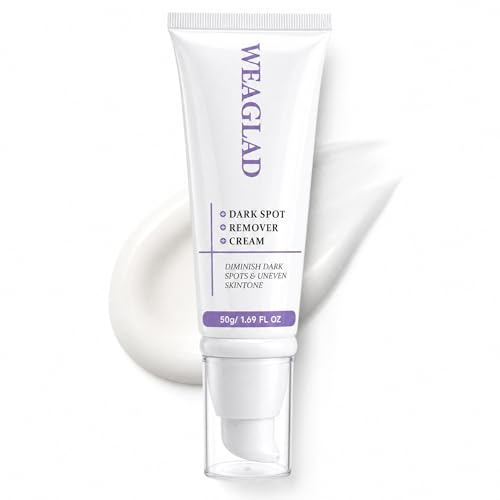
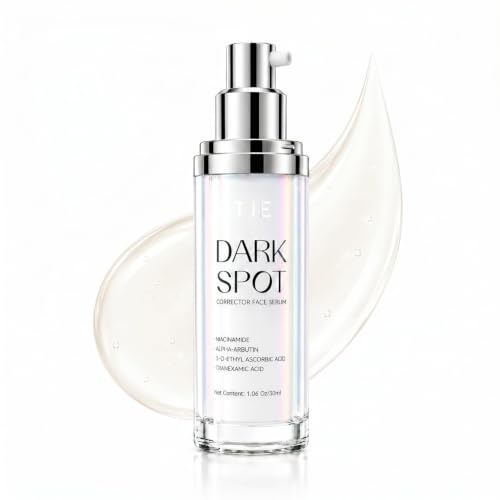
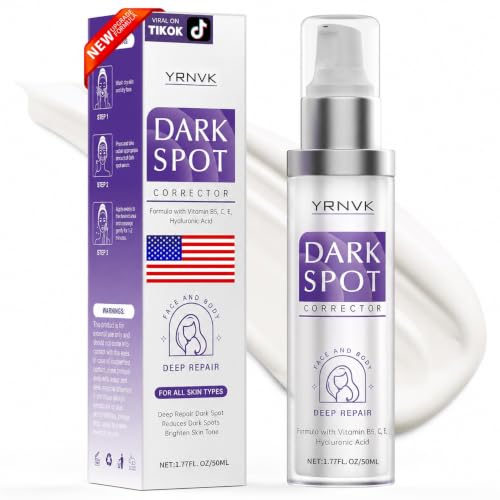
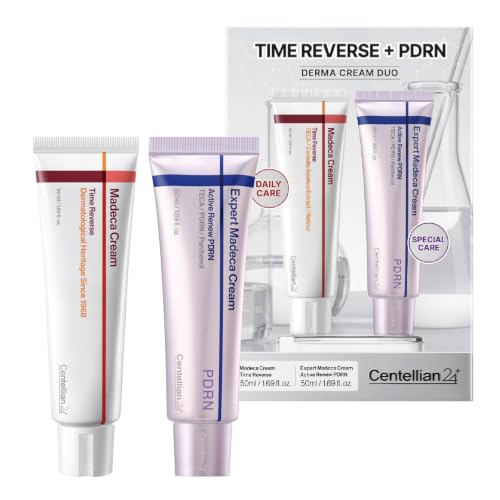
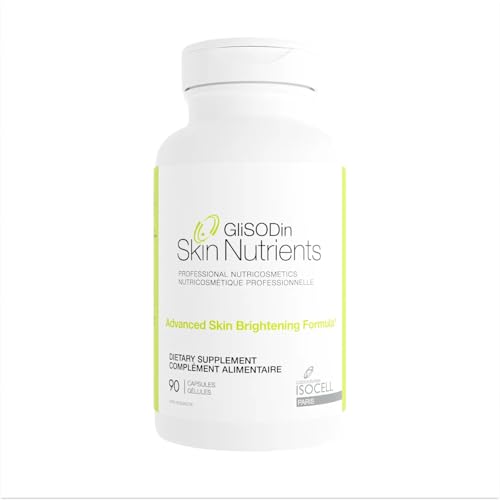
Recommended Products for Hyperpigmentation Support
Key Takeaways
- Diet can support skin health and may modestly reduce new pigment formation, but no controlled trial shows it removes or meaningfully fades existing dark spots.
- Topical vitamin C has real trial evidence for preventing new UV-induced pigmentation, but the same research found no advantage for fading spots that already exist.
- Oral Polypodium leucotomos, a fern-derived supplement, has genuine placebo-controlled trial support as an adjunct to sunscreen for melasma, not as a standalone diet fix.
- A real, underused safety fact cuts the other way: certain foods can cause new dark marks through phytophotodermatitis, a sun-triggered chemical reaction, not fade existing ones.
- Removing existing hyperpigmentation genuinely requires targeted topical actives, chemical peels, or procedures, not dietary changes alone.
- The honest framing is support and prevention through diet, not removal, which requires a different category of treatment entirely.
Table of Contents
- What Diet Can and Can’t Do for Dark Spots
- Vitamin C: Prevention, Not Removal
- The One Oral Supplement With Real Trial Support
- What General Dietary Patterns Actually Support
- The Food Risk Nobody Mentions: Phytophotodermatitis
- What Actually Removes Existing Dark Spots
- How Long Diet-Based Prevention Actually Takes
- Do This, Not That
- A Realistic Approach to Diet and Pigmentation
- When to See a Dermatologist
- Frequently Asked Questions
- The Bottom Line
What Diet Can and Can’t Do for Dark Spots
Diet can influence the systemic factors that affect new pigment formation, oxidative stress, inflammation, and UV response, but it cannot physically remove melanin that’s already been deposited in the skin. Existing dark spots, whether post-inflammatory hyperpigmentation, melasma, or sun-induced lentigines, need either a very long stretch of natural skin turnover or an active intervention that specifically targets that pigment.
Shopping these picks?
Amazon Prime members get fast, free shipping on eligible items, plus Prime Video, Amazon Music and member deals. New members can start with a free trial.
Start a free Prime trialAged 18 to 24? Prime for Young Adults comes with a longer free trial and a lower price after it.
Affiliate link: we may earn a commission at no extra cost to you.
This guide separates what the real nutritional evidence supports, mostly prevention and general skin-health support, from the common “eat these foods to erase dark spots” claim, which oversells what diet alone can do, and covers a genuine food-related pigmentation risk that gets far less attention than it should.
Vitamin C: Prevention, Not Removal
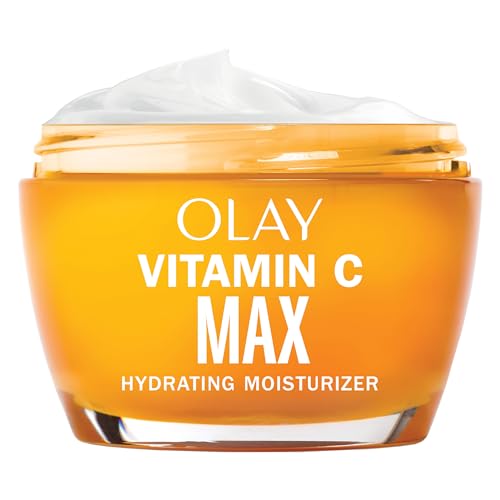
A Bayesian meta-analysis pooling 31 randomized, vehicle-controlled clinical trials across 741 volunteers found topical vitamin C effective, in a dose-dependent way, at preventing new UV-induced pigmentation, with the strongest effect around a 10% concentration. That’s genuine, trial-backed evidence, worth taking seriously.
Note: The same analysis found vitamin C showed no advantage over vehicle during the depigmentation, or fading-existing-spots, phase. That’s an important and precise distinction: real evidence for preventing new pigment, no evidence advantage for clearing pigment that’s already there. It’s also worth noting this trial evidence is for topical vitamin C applied directly to skin, not dietary or oral vitamin C intake, which has much weaker human trial support for any pigmentation outcome specifically.
The One Oral Supplement With Real Trial Support
Oral Polypodium leucotomos extract, an antioxidant derived from a tropical fern, does have genuine randomized, double-blind, placebo-controlled trial support, including studies published in major dermatology journals, showing measurable improvement in melasma severity scores when taken as an adjunct to sunscreen, compared with sunscreen plus placebo.
That’s a real, citable finding, not marketing puffery, but it comes with an important qualifier: the benefit was seen as an addition to consistent sun protection and topical treatment, not as a standalone diet-based fix, and not as something that removes existing spots on its own. Supplement marketing that frames this as a general “diet for dark spots” solution is overstating what the trials actually tested.
What General Dietary Patterns Actually Support
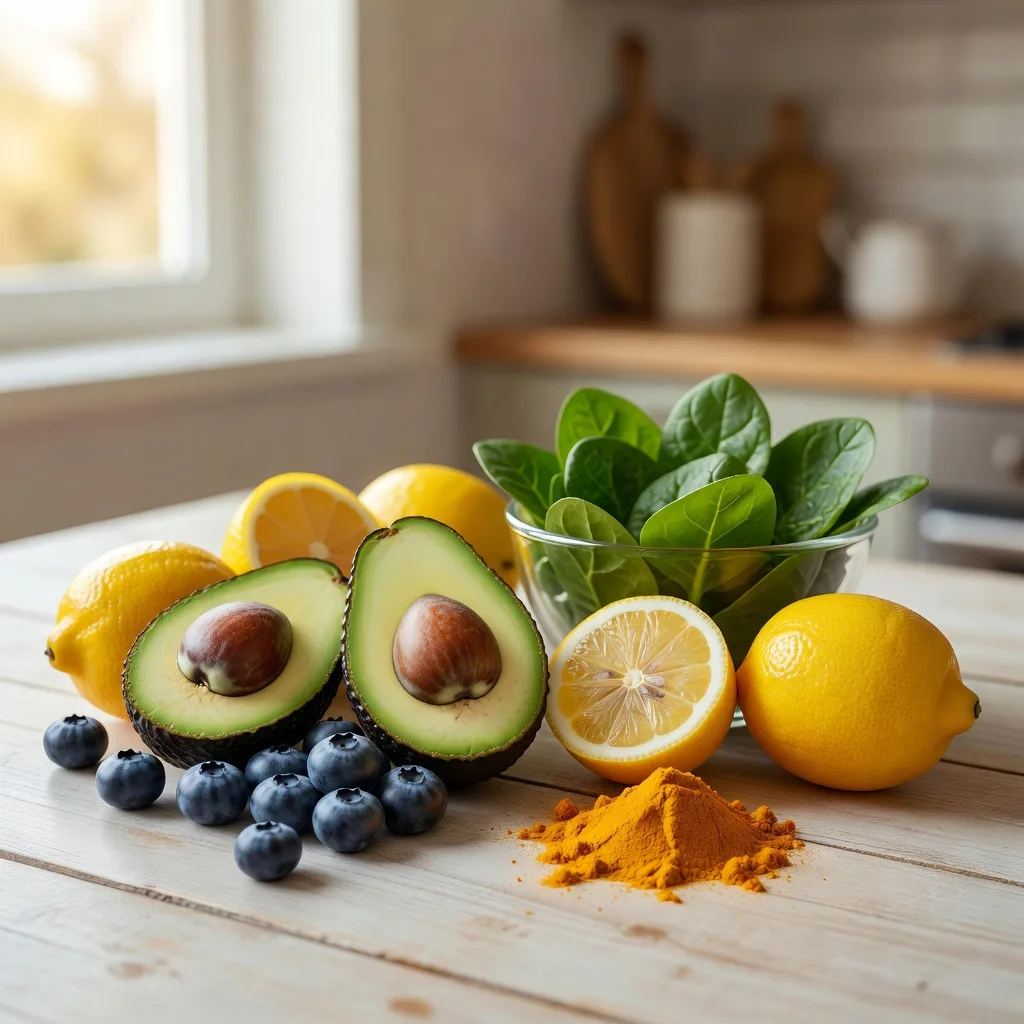
A systematic review specifically examining the role of diet in hyperpigmentation summarized the broader literature honestly: general antioxidant-rich, anti-inflammatory dietary patterns, meaning regular intake of vitamin C, polyphenols and flavonoids, and carotenoids from fruits and vegetables, support overall skin health and may modestly reduce the oxidative stress that drives new pigment formation.
| Claim | What’s actually supported |
|---|---|
| “Eat these foods to get rid of dark spots” | Overstated; diet supports skin health and may reduce new-pigment risk, but doesn’t clinically remove existing spots |
| “Vitamin C brightens dark spots” | True for topical vitamin C preventing new pigment; weak evidence for dietary vitamin C clearing existing spots |
| “Antioxidant-rich diet supports skin health” | Reasonably supported as general skin-health guidance, not a spot-removal claim |
| “Oral Polypodium leucotomos helps with melasma” | Genuinely supported, but only as an adjunct to sunscreen and topical treatment |
What the same review states plainly, and what most “diet for dark spots” content skips, is that no controlled clinical trial demonstrates a dietary change removing or meaningfully fading existing dark spots the way a targeted topical active or procedure does. That gap is worth stating directly to anyone hoping diet alone will clear pigmentation they already have.
The Food Risk Nobody Mentions: Phytophotodermatitis
Warning: Certain foods can actually cause new dark marks rather than fade existing ones, through a real, documented reaction called phytophotodermatitis. Furanocoumarin compounds in plant sap contact the skin, and subsequent sun exposure triggers cell-membrane damage and inflammation. Common sources include lime juice (the classic “margarita dermatitis” pattern), celery, parsnip, parsley, and fig sap. The reaction typically appears 24 to 48 hours after the combined plant-sap-and-sun exposure, and the resulting dark marks can last for years, disproportionately affecting darker skin tones.
A useful, genuine self-check: a new dark patch that appeared in a streaky or splashed pattern after handling citrus, celery, or similar plants and then spending time in the sun points toward phytophotodermatitis, not an ordinary sun spot, and calls for different handling (gentle care and sun protection over the affected area, rather than treating it like routine hyperpigmentation).
What Actually Removes Existing Dark Spots
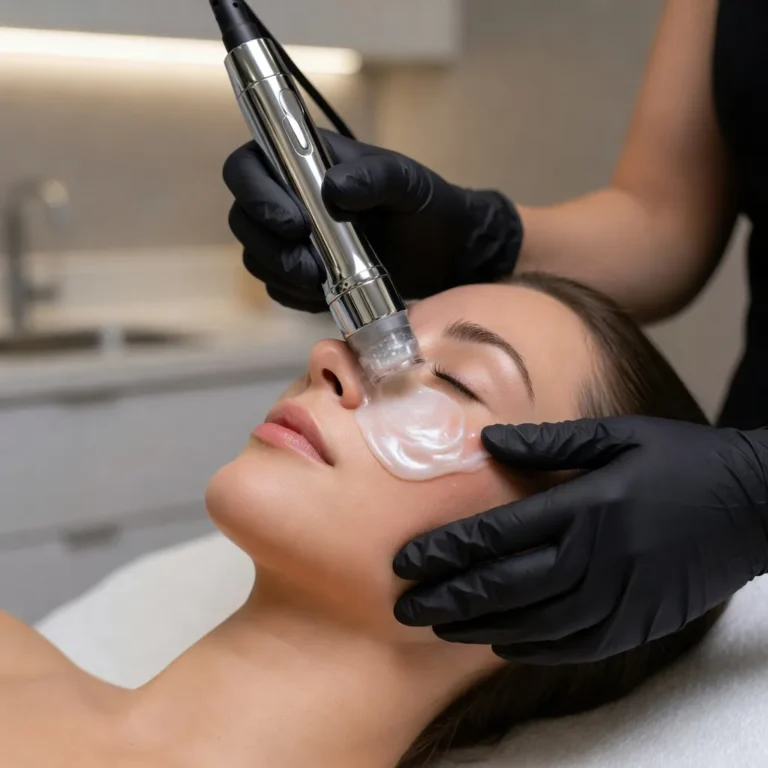
Clearing pigment that’s already deposited genuinely requires interventions that target it directly: topical actives like hydroquinone, retinoids, azelaic acid, or tranexamic acid used consistently over weeks to months, professional chemical peels matched to the pigment’s depth, or laser and light-based treatments for more stubborn or deeper pigment. None of these are diet substitutes, and none of them work as fast or as passively as “eat this food” content implies.
How Long Diet-Based Prevention Actually Takes
Because the realistic role of diet here is prevention rather than removal, it’s worth setting an honest timeline. Skin’s surface layer turns over roughly every 28 to 40 days, and any modest reduction in new-pigment formation from a consistently antioxidant-rich diet works on that same slow biological clock, not a matter of days. Expecting a visible difference within a week or two of dietary changes sets up disappointment that has nothing to do with whether the underlying science is sound; it’s a mismatch between the timeline diet actually works on and the timeline marketing implies.
The oral Polypodium leucotomos trials that showed real improvement in melasma severity generally ran the supplement for weeks to months alongside consistent sunscreen use, not as a short course. Anyone considering that route should plan for the same kind of sustained, months-long commitment the trials actually tested, rather than a short trial run followed by disappointment that it “didn’t work.”
Do This, Not That
Do
- Eat an antioxidant-rich diet for general skin health and to support reducing new pigment risk
- Use topical vitamin C consistently if your goal is preventing new sun-triggered pigmentation
- Ask a dermatologist about oral Polypodium leucotomos as an adjunct if you have melasma
- Watch for a streaky dark patch after handling citrus or celery followed by sun exposure
- Use targeted topical actives or a procedure if your actual goal is clearing existing spots
Don’t
- Expect any specific food or diet to remove dark spots you already have
- Confuse dietary vitamin C’s weak evidence with topical vitamin C’s stronger prevention evidence
- Treat an oral supplement as a substitute for sunscreen and topical treatment
- Assume every new dark mark is ordinary sun damage without considering a phytophotodermatitis pattern
- Delay an evidence-backed topical or procedural treatment while waiting for diet alone to work
A Realistic Approach to Diet and Pigmentation
Eat for general skin-health support
Regular intake of vitamin C, polyphenols, and carotenoids from fruits and vegetables supports overall skin health.
Use topical, not just dietary, vitamin C for prevention
The trial-backed evidence for preventing new pigmentation is specifically for topical application.
Discuss oral Polypodium leucotomos with a dermatologist if you have melasma
It has real trial support as an adjunct to sunscreen and topical treatment, not as a standalone fix.
Tip: Keep taking your sunscreen and topical treatment consistently even if you add this supplement, since it was studied as an addition, not a replacement.
Watch for a phytophotodermatitis pattern
A streaky dark mark after handling citrus or celery and then sun exposure points to this reaction, not ordinary pigmentation.
Use a targeted treatment for existing spots
Topical actives, peels, or laser treatment, not diet, are what actually clears pigment that’s already deposited.
When to See a Dermatologist
See a dermatologist or skin specialist if you have melasma, persistent dark spots that diet and consistent sunscreen use aren’t improving, or a new dark mark you suspect may be phytophotodermatitis rather than ordinary sun damage.
Frequently Asked Questions
Can diet actually remove dark spots?
No, no controlled trial shows dietary change removing existing dark spots; diet mainly supports prevention and general skin health.
Does vitamin C help with dark spots?
Topical vitamin C has real evidence for preventing new pigmentation, but not for fading existing spots; dietary vitamin C has weaker evidence overall.
What foods should I eat for skin health?
Foods rich in vitamin C, polyphenols, and carotenoids support general skin health and may modestly reduce new-pigment risk.
Is there a real supplement that helps with melasma?
Yes, oral Polypodium leucotomos has genuine trial support as an adjunct to sunscreen and topical treatment.
Can food actually cause dark spots?
Yes, certain foods like lime and celery can trigger phytophotodermatitis, a sun-triggered reaction that causes new dark marks.
How do I know if a dark mark is phytophotodermatitis?
A streaky or splashed pattern appearing after handling citrus or celery and then sun exposure is a telling sign.
What actually removes existing dark spots?
Targeted topical actives, chemical peels, or laser treatments, not diet alone.
Should I stop sunscreen if I take a skin supplement?
No, supplements with real evidence were studied as an addition to sunscreen, not a replacement for it.
Is dietary vitamin C as effective as topical vitamin C for pigmentation?
No, the stronger trial evidence specifically supports topical application, not oral intake.
How long does phytophotodermatitis discoloration last?
It can last for years, disproportionately affecting darker skin tones.
The Bottom Line
Diet genuinely supports skin health and may modestly reduce new pigment formation, especially alongside topical vitamin C and, for melasma, oral Polypodium leucotomos as an adjunct treatment. What it can’t do is remove dark spots you already have, that requires targeted topical actives, peels, or procedures.
Watch for the food-related risk that cuts the other way too: certain foods can cause new dark marks through phytophotodermatitis, a genuine sun-triggered reaction worth recognizing for what it is.

Written by
Registered pharmacist and founder of Facial Adviser. Rakib's pharmacy training covers how skincare actives work and interact; a later course in cosmetology turned that into a focus on facial treatments and skincare products. He plans, researches and edits every guide on the site and checks health claims against sources such as the American Academy of Dermatology, the FDA and the NIH. He is not a dermatologist; see the Editorial Policy and Medical Disclaimer.
About · Editorial policy · How we choose products · Medical disclaimer · Contact
Keep reading: Redness, puffiness and uneven tone
- Itchy Face After a Facial? Common Reasons and What to Do
- Facial Swelling That Gets Worse in the Evening: Possible Causes
- What Causes Your Face to Look Tired All the Time? Causes and Real Fixes
- How to Calm Inflamed Red Patches on Your Face
- Fine Lines Around the Mouth in Your 20s: How to Prevent Them
- How Can I Make My Pores Less Visible?
- Are Facials Good for Acne?