Holistic Facial: What’s Actually Included
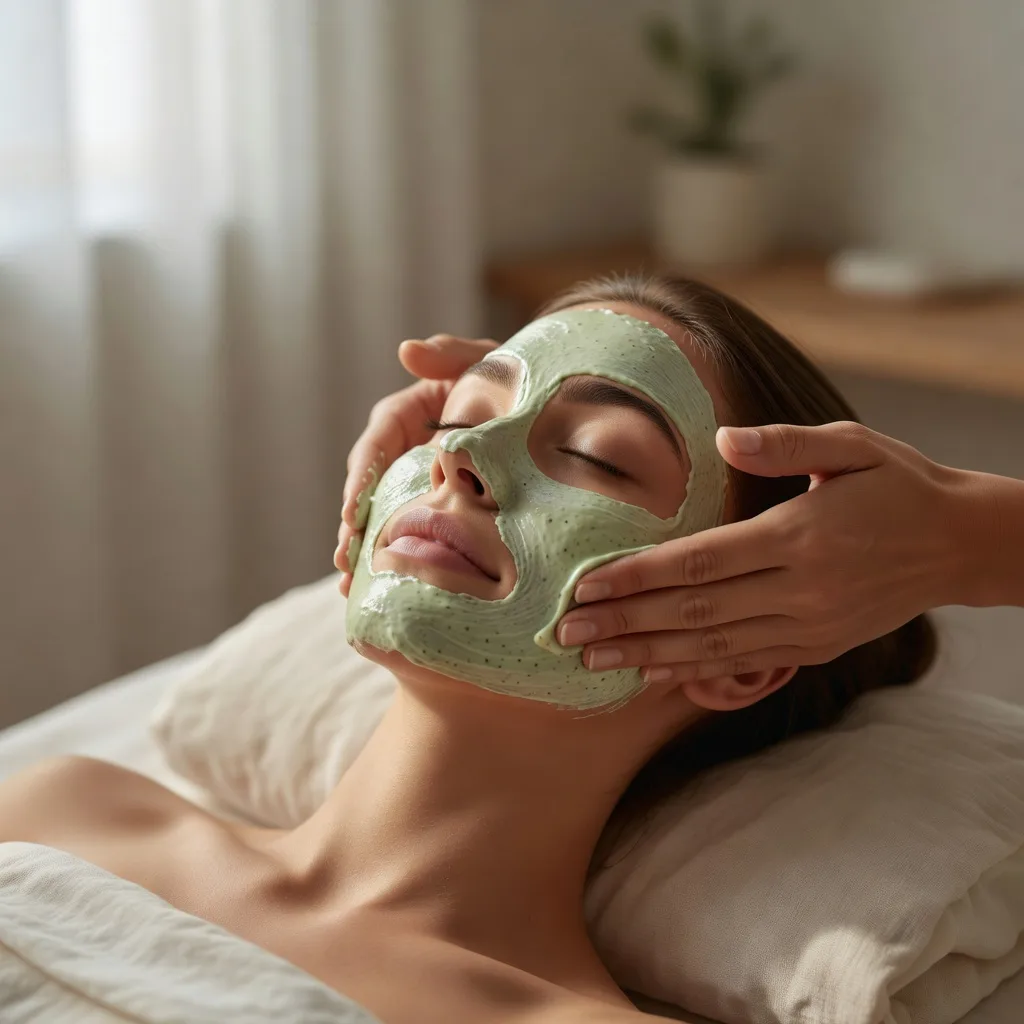
A holistic facial sounds like it promises something more complete than a standard treatment, and the honest starting point is that the word itself carries no fixed technique, ingredient list, or clinical definition at all.
Part of our guide to facial treatments. Start with: What Is a Spa Facial?
What gets bundled under this label varies enormously by spa: warmed gemstone tools, PEMF and infrared devices, “energy work” like Reiki, lymphatic massage, aromatherapy, and plant-based product lines all show up under the same name at different businesses. Some of those elements, like the FDA clearance behind certain PEMF devices, are real but apply to a different purpose (muscle pain relief) than the skin claims attached to them here.
The lymphatic massage element genuinely moves fluid and produces real, if temporary, de-puffing, but the “toxin removal” language commonly layered on top of it isn’t backed by any measurement of changed toxin load. Aromatherapy has real, modest evidence for reducing anxiety through scent, a mood effect rather than a documented skin-outcome effect.
This guide covers what’s typically included, which components have real evidence behind them, which claims are unfalsifiable marketing language, and a one-question check to ask before booking.
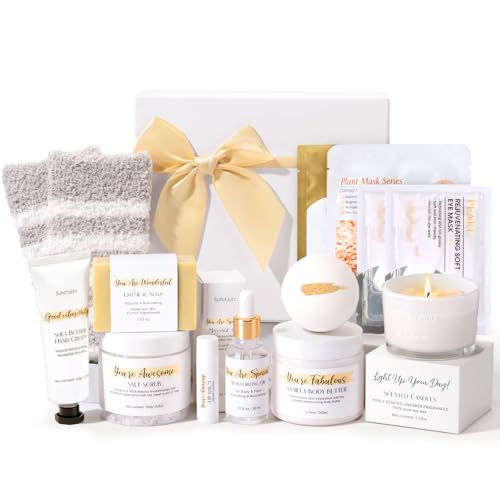
Recommended Products for a Relaxing At-Home Routine






Snapshot
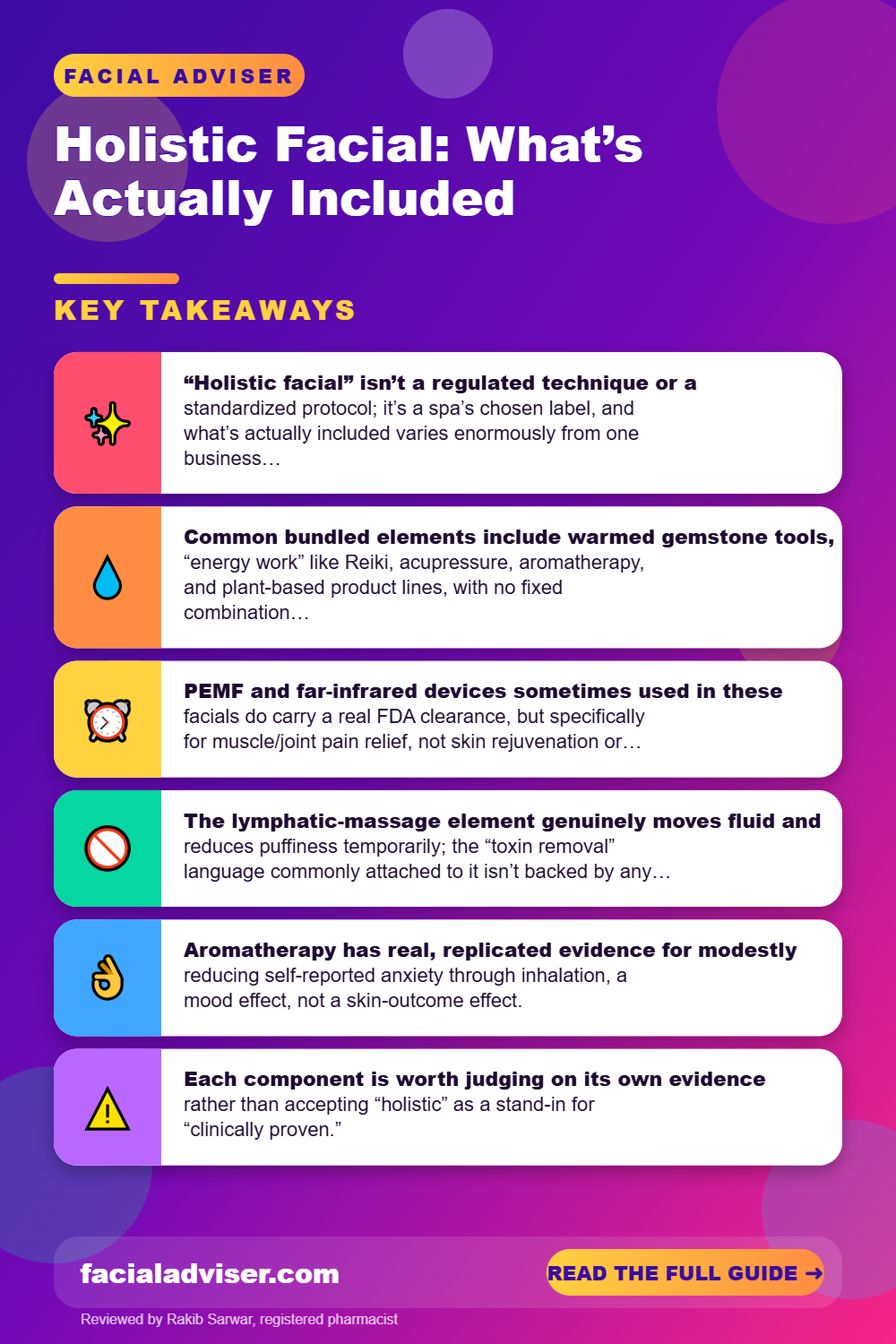
- “Holistic facial” isn’t a regulated technique or a standardized protocol; it’s a spa’s chosen label, and what’s actually included varies enormously from one business to the next.
- Common bundled elements include warmed gemstone tools, “energy work” like Reiki, acupressure, aromatherapy, and plant-based product lines, with no fixed combination required to use the name.
- PEMF and far-infrared devices sometimes used in these facials do carry a real FDA clearance, but specifically for muscle/joint pain relief, not skin rejuvenation or detoxification.
- The lymphatic-massage element genuinely moves fluid and reduces puffiness temporarily; the “toxin removal” language commonly attached to it isn’t backed by any measurement showing changed toxin load.
- Aromatherapy has real, replicated evidence for modestly reducing self-reported anxiety through inhalation, a mood effect, not a skin-outcome effect.
- Each component is worth judging on its own evidence rather than accepting “holistic” as a stand-in for “clinically proven.”
In This Guide
- What “Holistic Facial” Actually Means
- The Elements Most Commonly Bundled In
- Crystals and “Energy Balancing”: What the Evidence Says
- PEMF and Infrared Heat: A Real Clearance, Used for a Different Purpose
- The Lymphatic Massage Element
- The “Detox” Claim, Examined Directly
- Aromatherapy: Real Mood Effect, Thin Skin Evidence
- Holistic Facial vs. a Standard Clinical Facial
- Do This, Not That
- What to Expect During a Session
- One-Minute Check Before You Book
- Who Should Be Extra Cautious
- When to See a Dermatologist Instead
- Frequently Asked Questions
- The Bottom Line
What “Holistic Facial” Actually Means
There is no licensing board, standardized technique, or clinical definition behind the phrase “holistic facial.” It’s a positioning term spas use to describe a facial that layers wellness-adjacent elements on top of a conventional skincare routine, built around the general philosophy of treating “the whole person” rather than a single, reproducible protocol.
Shopping these picks?
Amazon Prime members get fast, free shipping on eligible items, plus Prime Video, Amazon Music and member deals. New members can start with a free trial.
Start a free Prime trialAged 18 to 24? Prime for Young Adults comes with a longer free trial and a lower price after it.
Affiliate link: we may earn a commission at no extra cost to you.
That’s the single most useful thing to know before booking one: two spas offering a “holistic facial” can deliver genuinely different sessions, with different tools, different claims, and different price points, all under the same name.
The Elements Most Commonly Bundled In
Per spa-industry trade coverage, a holistic facial commonly draws from some combination of: warmed gemstone mats or wands (amethyst, jade, rose quartz, tourmaline), pulsed electromagnetic field (PEMF) devices, far-infrared heat, negative-ion tools, “energy work” such as Reiki or crystal placement, acupressure, plant-based or “natural” product lines, and aromatherapy with essential oils.
| Element | What It’s Claimed to Do | What’s Actually Established |
|---|---|---|
| Gemstone tools | “Balance energy,” detoxify, cool inflammation | Physical cooling/massage sensation is real; energy claims aren’t testable clinical claims |
| PEMF / far-infrared | Rejuvenate skin, “detox,” anti-aging | Real FDA clearance exists, but for minor muscle/joint pain relief, not skin outcomes |
| Lymphatic massage | Flush toxins, de-puff, drain “stagnant” fluid | Real, temporary fluid movement; no trial shows a changed toxin load |
| Aromatherapy | Calm the mind, heal skin, “detox” through scent | Modest, replicated anxiety-reduction evidence; skin-outcome evidence is thin |
Crystals and “Energy Balancing”: What the Evidence Says
No peer-reviewed clinical research supports gemstones or crystals having any measurable physiological effect on skin, lymphatic flow, or a body’s “energy field.” Claims framed around energy balancing or “higher vibration” sit outside what evidence-based medicine can test at all, since they don’t describe a measurable clinical endpoint.
That doesn’t mean the experience is worthless. A cool, smooth stone gliding across warm skin during a massage produces a genuinely pleasant sensory and relaxation effect, the same way any well-executed facial massage would. The honest correction is narrow but important: the relaxation is real, the “energy” mechanism claimed to explain it is not something science has found a way to measure or confirm.
PEMF and Infrared Heat: A Real Clearance, Used for a Different Purpose
Keep in mind: PEMF and far-infrared devices genuinely hold FDA clearance for a specific purpose: temporary relief of minor muscle and joint pain and stiffness. That clearance says nothing about skin rejuvenation, cellular detoxification, or anti-aging, the claims these devices are frequently marketed for inside a “holistic facial” package.
This is a specific, checkable example of a real regulatory fact getting stretched to cover an unrelated claim. A device cleared for muscle pain relief isn’t independently disqualified from ever helping skin in some way, but that specific clearance is not evidence for a skin-rejuvenation claim, and treating it as such is where the marketing outruns what was actually tested.
The Lymphatic Massage Element
Manual lymphatic drainage has a genuine, well-established medical use: managing lymphedema after mastectomy or other surgery where the lymphatic system has been physically disrupted. That’s real physical therapy with decades of clinical use behind it.
Applied instead to a routine facial in someone with a normally functioning lymphatic system, the practice shifts from medical therapy to a cosmetic technique whose evidence base is thinner. The temporary de-puffing people notice after a lymphatic facial massage is a real, mechanical effect, gently moving interstitial fluid that had pooled in tissue. What isn’t supported is the claim that this process removes “toxins,” since no controlled study has measured a reduction in any specific toxin load following a facial lymphatic massage in a healthy person.
The “Detox” Claim, Examined Directly
Risk to know: “detox,” “toxin release,” and “cellular cleansing” are marketing phrases, not measurable clinical endpoints. The body already has dedicated, continuously functioning detoxification organs, the liver and kidneys, and no published research shows a facial treatment measurably changing their workload or output.
This isn’t unique to holistic facials; “detox” language shows up across the wellness industry broadly. The pattern worth recognizing is that a real, pleasant, physiologically plausible effect (temporary fluid movement, relaxation, improved circulation sensation) gets relabeled with a more dramatic-sounding but untestable claim. Enjoying the real effect doesn’t require accepting the detox framing around it.
Aromatherapy: Real Mood Effect, Thin Skin Evidence
A meta-analysis of randomized controlled trials on inhaled aromatherapy and anxiety found a modest, statistically real reduction in self-reported anxiety in clinical and pre-procedural settings. That’s a legitimate, replicated finding worth taking seriously.
What it doesn’t establish is a skin-condition benefit. Evidence maps reviewing aromatherapy and essential oils more broadly describe the skin-specific literature as thin and inconsistent, with most individual claims resting on low-quality or preliminary evidence. Tea tree oil is a partial exception, with reasonably decent evidence for antimicrobial, acne-adjacent use at properly diluted concentrations, but that’s a narrower and different claim than a general “aromatherapy heals skin” framing.
Holistic Facial vs. a Standard Clinical Facial
| Factor | Holistic Facial | Standard Clinical Facial |
|---|---|---|
| Protocol consistency | Varies widely by spa; no fixed technique set | More standardized around cleansing, exfoliation, extraction, active ingredients |
| Primary framing | Wellness/relaxation, mind-body language | Skin-outcome focused (texture, tone, congestion) |
| Evidence basis | Mixed: some real components, some unfalsifiable claims | Generally traceable to specific active ingredients or exfoliation mechanisms |
Neither category is inherently better; they’re aimed at somewhat different goals. Someone wanting a documented skin-texture result should evaluate the specific actives and techniques used, not the “holistic” label itself. Someone wanting a relaxing, sensory-focused experience may get exactly what they’re looking for from a holistic facial, as long as the marketing language around it is read critically.
Do This, Not That
Do
- Ask the spa for the exact list of techniques and products included before booking
- Evaluate each specific ingredient or tool on its own evidence
- Book it for relaxation and sensory experience, which is a genuine, real benefit
Don’t
- Assume “holistic” implies a standardized or clinically studied protocol
- Expect measurable detoxification or disease-level benefit
- Skip patch-testing concentrated essential oils used in the treatment
What to Expect During a Session
Consultation
The esthetician discusses goals, skin type, and any specific wellness or relaxation preferences before starting.Cleanse and warm
Skin is cleansed, then warmed gemstone tools or heated towels are typically introduced.Massage and modality work
Facial massage combines with whichever additional elements the spa’s version includes, acupressure, PEMF, or aromatherapy diffusion.Product application and close
A mask or serum suited to the plant-based or “natural” product line is applied, followed by moisturizer and sun protection.
One-Minute Check Before You Book
Try this: ask the spa directly, “What specific techniques and ingredients are in this facial?” before booking. If the answer leans entirely on words like “energy,” “toxins,” or “vibration” with no specific technique named, that’s a real signal the marketing is doing more work than the treatment itself, a genuine, one-question filter rather than a vague caution.
Who Should Be Extra Cautious
Anyone with known fragrance or essential-oil allergies should ask specifically what’s used before a holistic facial, since aromatherapy elements are common in this category and citrus/bergamot oils carry a real photosensitization risk if sun exposure follows treatment. Anyone with active skin infection, open lesions, or a recent chemical exfoliation should mention it, since warm stone contact and massage pressure aren’t appropriate over compromised skin regardless of the facial’s overall framing.
When to See a Dermatologist Instead
If the actual goal is a specific, measurable skin outcome, persistent redness, active acne, pigment changes, or texture concerns, a dermatologist or skin specialist can offer treatments backed by controlled trial evidence rather than a wellness-category label. A holistic facial can be a genuinely enjoyable complement to that care, but it isn’t a substitute for it.
Frequently Asked Questions
What is a holistic facial?
A spa-industry term for a facial that layers wellness elements, such as gemstone tools, aromatherapy, or lymphatic massage, on top of standard skincare steps, with no fixed, standardized protocol behind the name.
Does a holistic facial actually detox the skin?
No controlled study shows a facial treatment changing measurable toxin load; the body’s liver and kidneys handle detoxification continuously regardless.
Do crystals used in these facials have a real effect?
The cooling, smooth-stone massage sensation is real and relaxing; no peer-reviewed evidence supports a separate “energy” mechanism.
Is the lymphatic massage element worth it?
It produces a real, temporary de-puffing effect from moved fluid, though it doesn’t remove “toxins” in any measured sense.
Does aromatherapy in a facial actually do anything?
It has real, modest evidence for reducing self-reported anxiety through scent inhalation; evidence for a direct skin benefit is much thinner.
Is PEMF or infrared heat in a holistic facial FDA-approved for skin?
These devices often hold a genuine FDA clearance, but specifically for minor muscle and joint pain relief, not for skin rejuvenation.
Are holistic facials safe for sensitive skin?
Generally yes, though anyone with fragrance allergies should confirm which essential oils are used, since some carry allergy or photosensitization risk.
How is a holistic facial different from a regular facial?
It typically adds wellness-framed elements like energy work or aromatherapy on top of standard cleansing and massage steps, with more variation between providers.
Can a holistic facial replace dermatologist care?
No; it can complement skincare but isn’t a substitute for evaluation and treatment of a specific skin condition by a licensed professional.
What should I ask before booking one?
Ask for the exact list of techniques and products used, and evaluate any claim involving “toxins” or “energy” as unverified marketing language.
The Bottom Line
“Holistic facial” describes a spa’s positioning choice, not a standardized, clinically studied treatment. Some of what typically gets bundled in, warm massage, real relaxation from touch and scent, temporary fluid movement, is genuinely pleasant and defensible on its own terms.
What isn’t defensible is treating the word “holistic” as proof of a measurable detox or skin-rejuvenation outcome. Ask what’s actually included, judge each piece on its own evidence, and enjoy the relaxation for what it honestly is.

Written by
Registered pharmacist and founder of Facial Adviser. Rakib's pharmacy training covers how skincare actives work and interact; a later course in cosmetology turned that into a focus on facial treatments and skincare products. He plans, researches and edits every guide on the site and checks health claims against sources such as the American Academy of Dermatology, the FDA and the NIH. He is not a dermatologist; see the Editorial Policy and Medical Disclaimer.
About · Editorial policy · How we choose products · Medical disclaimer · Contact
Keep reading: Spa and brand-name facials
- Ultrasound Facial: What the Evidence Actually Shows
- Red Carpet Facial: What You're Really Paying For
- How Much Is a Back Facial, and Is It Worth It?
- What Is a Spa Facial?
- What Is a Back Treatment at a Spa? Back Facials Explained
- Facial Types: A Guide to 11 Popular Facials and How to Choose One
- Microneedling Facial: Real Results, Explained