Ultrasound Facial: What the Evidence Actually Shows
An ultrasound facial isn’t one treatment, it’s a marketing umbrella covering three genuinely different technologies with very different evidence bases.
Part of our guide to facial treatments. Start with: What Is a Spa Facial?
Only one branch, HIFU/microfocused ultrasound like the FDA-cleared Ultherapy platform, has a real, incremental regulatory history and genuine clinical evidence for skin tightening, while portable cavitation devices marketed for facial fat reduction frequently overstate an “FDA-approved” claim they can’t substantiate. A single device claiming to both tighten skin and melt fat in one session is a real red flag worth questioning.
Consumer-grade devices at spas typically run at much lower energy than cleared clinical platforms and shouldn’t be expected to match their results.
This guide separates the three technologies clearly, covers the real HIFU evidence, and explains exactly what to ask before booking.
Recommended At-Home Ultrasonic Skincare Devices


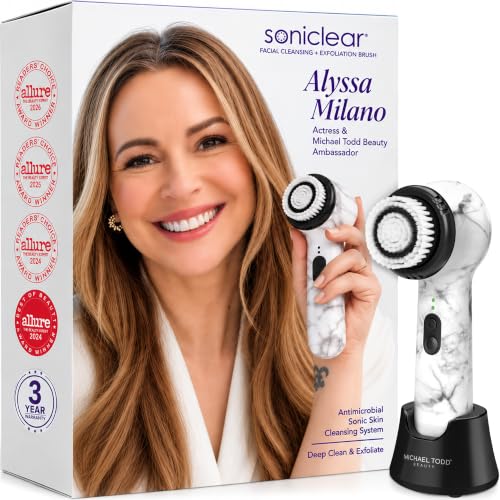
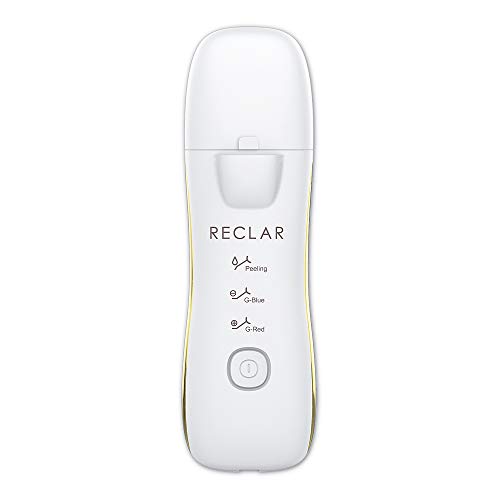

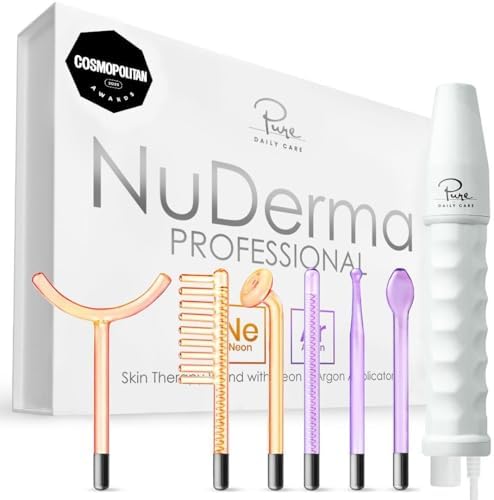
“Ultrasound Facial” Is a Marketing Umbrella, Not One Treatment
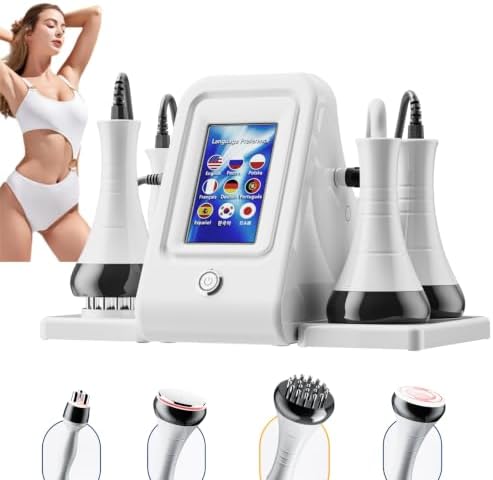
“Ultrasound facial” in practice covers three genuinely different technologies with very different evidence bases, often blurred together in marketing copy. There’s the low-frequency ultrasonic skin scrubber or spatula common in spas for exfoliation and extraction; microfocused or high-intensity focused ultrasound (HIFU/MFU) for real skin tightening, the technology behind FDA-cleared platforms like Ultherapy; and ultrasonic cavitation, a body-contouring technology for fat reduction sometimes marketed onto the face despite being mechanistically unrelated to the other two. Conflating these three is itself worth correcting directly, since a treatment that both “stimulates collagen” and “breaks up fat cells” in the same sitting is combining two different physical mechanisms that don’t naturally belong together.
Shopping these picks?
Amazon Prime members get fast, free shipping on eligible items, plus Prime Video, Amazon Music and member deals. New members can start with a free trial.
Start a free Prime trialAged 18 to 24? Prime for Young Adults comes with a longer free trial and a lower price after it.
Affiliate link: we may earn a commission at no extra cost to you.
The Real Picture
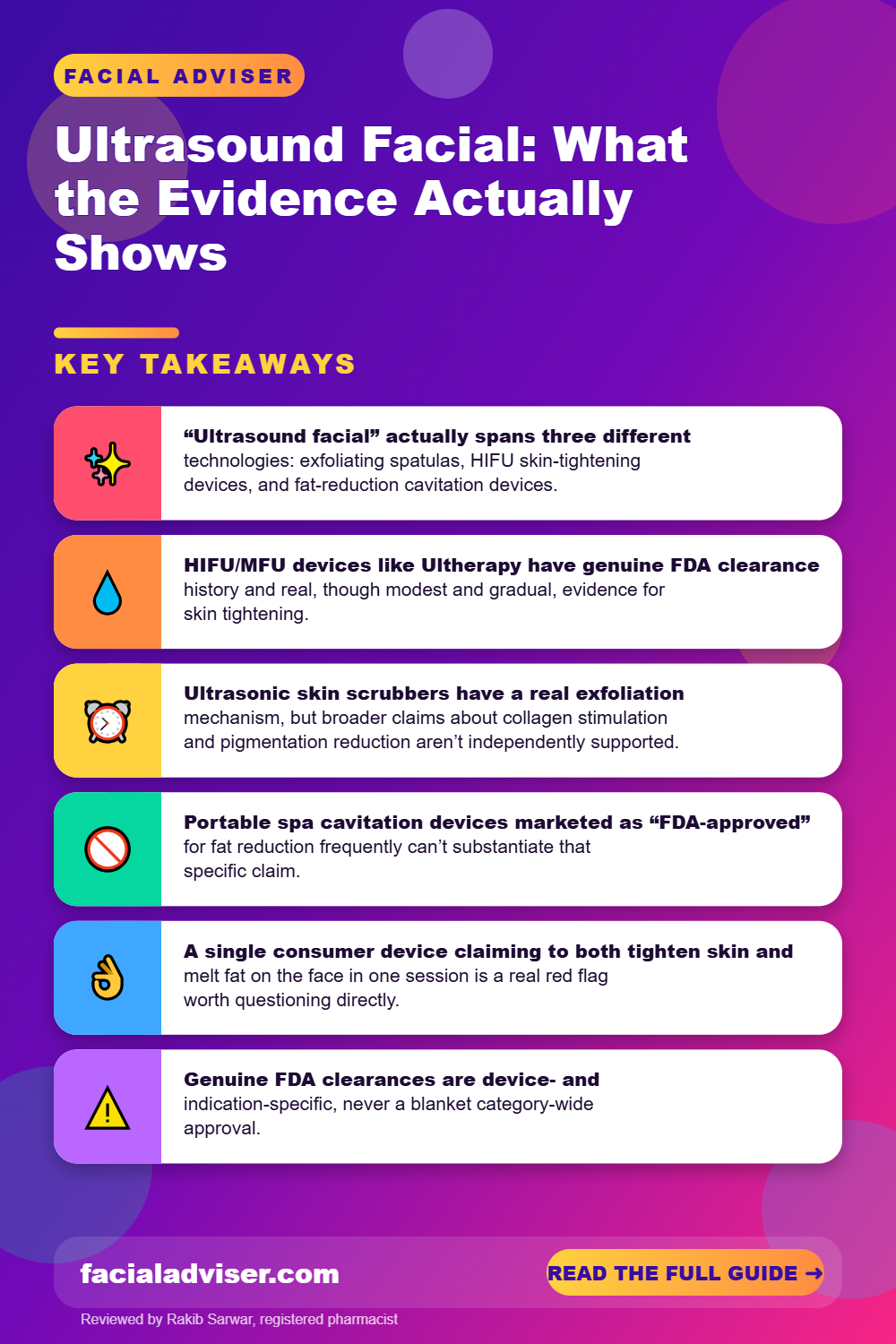
- “Ultrasound facial” actually spans three different technologies: exfoliating spatulas, HIFU skin-tightening devices, and fat-reduction cavitation devices.
- HIFU/MFU devices like Ultherapy have genuine FDA clearance history and real, though modest and gradual, evidence for skin tightening.
- Ultrasonic skin scrubbers have a real exfoliation mechanism, but broader claims about collagen stimulation and pigmentation reduction aren’t independently supported.
- Portable spa cavitation devices marketed as “FDA-approved” for fat reduction frequently can’t substantiate that specific claim.
- A single consumer device claiming to both tighten skin and melt fat on the face in one session is a real red flag worth questioning directly.
- Genuine FDA clearances are device- and indication-specific, never a blanket category-wide approval.
Table of Contents
- “Ultrasound Facial” Is a Marketing Umbrella, Not One Treatment
- The Ultrasonic Skin Scrubber: What It Really Does
- HIFU and Microfocused Ultrasound: The Real Clinical Evidence
- Ultrasonic Cavitation and the “FDA-Approved” Overstatement
- Why “Tightens and Melts Fat” in One Device Is a Red Flag
- What a Typical HIFU Session Looks Like
- Who Tends to Benefit Most
- Who Should Modify or Skip It
- When to See a Dermatologist Instead
- A One-Minute Check Before Booking
- Where the Evidence Runs Out
- Frequently Asked Questions
The Ultrasonic Skin Scrubber: What It Really Does
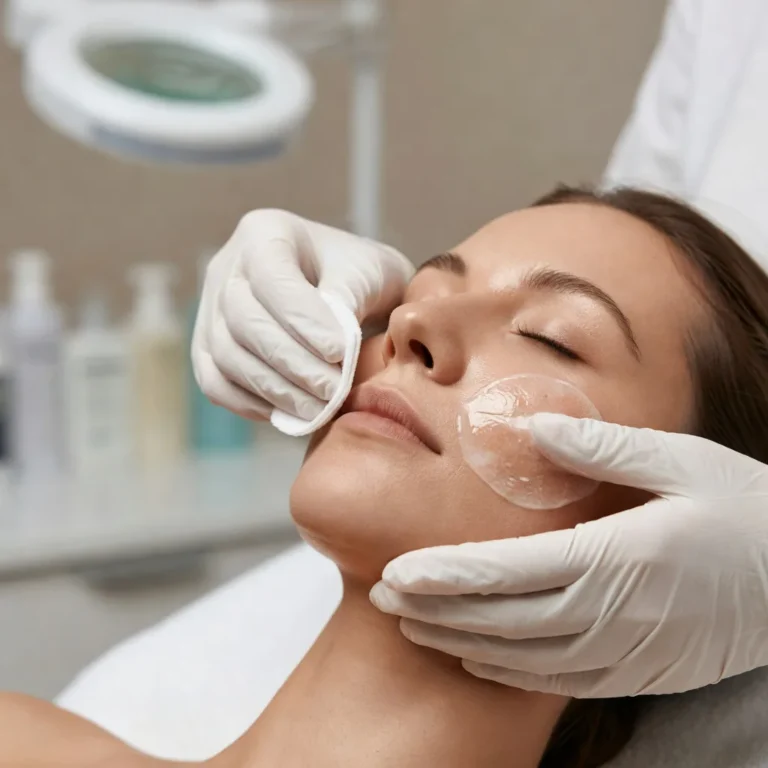
The handheld metal-tip ultrasonic scrubber common in facials works through low-frequency vibration creating a micro-jet, cavitation-like effect at the skin surface that helps loosen debris, oil, and dead skin cells for mechanical removal — essentially a sophisticated exfoliation and extraction tool. Industry sources often make considerably bigger claims: collagen and elastin stimulation, wrinkle and hyperpigmentation reduction, suitability for “all skin types without irritation.” Independent clinical trial evidence specifically for handheld ultrasonic spatula devices producing these broader effects on collagen or hyperpigmentation could not be located — those specific claims should be treated as unproven and likely overstated beyond the genuine exfoliation mechanism.
HIFU and Microfocused Ultrasound: The Real Clinical Evidence
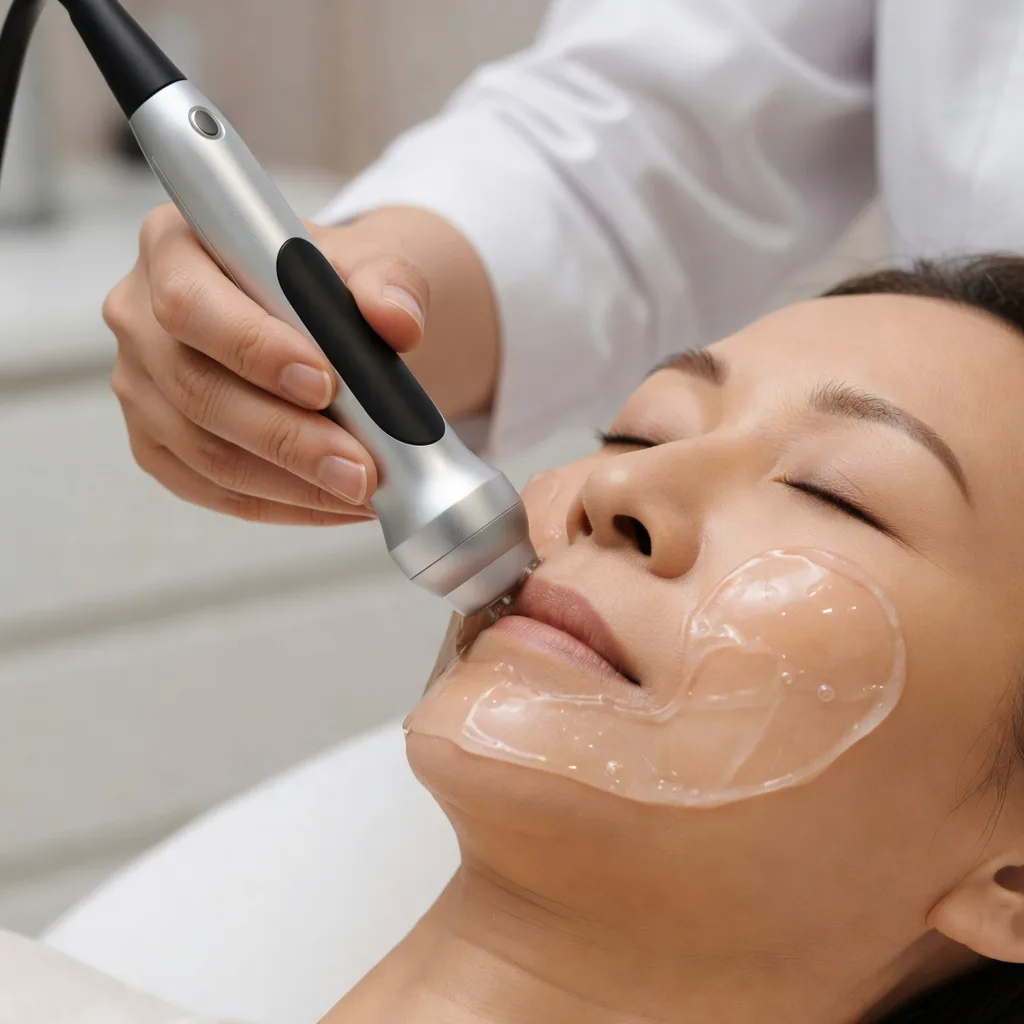
This is the branch of “ultrasound facial” with genuine clinical backing. Ultherapy, a branded microfocused ultrasound platform, received FDA clearance beginning in 2009 for eyebrow lift, with subsequent clearances in 2012 for neck and submental skin and further clearances through 2018 for additional indications — a real, incremental, on-the-record regulatory history rather than one blanket approval. Mechanistically, focused ultrasound delivered at a controlled depth creates discrete thermal coagulation points in the dermis and SMAS layer, triggering a genuine wound-healing and neocollagenesis response. In-vitro and animal research shows real increases in collagen and elastin synthesis through specific cellular pathways, including modulation of a cell-signaling protein called Caveolin-1 that plays a role in how aging skin responds to this kind of controlled thermal injury. A recent systematic review specifically examining HIFU for skin tightening and body contouring exists in the current literature, adding to the case that this particular branch of “ultrasound facial” technology has a real, actively studied evidence base behind it, distinct from the other two categories covered below.
| Ultrasound category | Evidence strength | Real-world caveat |
|---|---|---|
| Ultrasonic skin scrubber | Real for exfoliation; unproven beyond that | Collagen/pigmentation claims not independently supported |
| HIFU / MFU (e.g. Ultherapy) | Real, FDA-cleared, incremental history | Results are modest, gradual, and provider-dependent |
A real limitation worth stating plainly: proper HIFU treatment is a specific, professionally administered, moderate-cost procedure with real but modest and gradual results, typically visible over two to three months or more as collagen rebuilds. It is not a substitute for a surgical facelift, and results vary considerably by practitioner skill and individual anatomy. Consumer-grade “ultrasound facial” devices used at spas or salons typically run at much lower energy than cleared HIFU platforms and shouldn’t be expected to deliver comparable results.
Ultrasonic Cavitation and the “FDA-Approved” Overstatement
Portable or spa-based ultrasonic cavitation devices marketed for fat reduction are frequently advertised as “FDA-approved,” but this is commonly an overstatement or misuse of the term. Genuinely FDA-cleared non-invasive fat-reduction technologies exist, but they use different underlying mechanisms — laser lipolysis platforms cleared for specific areas like the submental region, for instance — and clearance is always device- and indication-specific, never category-wide for “ultrasonic cavitation” as a whole. Asking a provider for the actual 510(k) or De Novo clearance number for their specific device is a reasonable, concrete way to verify a claim rather than accepting “FDA-approved” at face value. If cancer risk specifically is a concern with cavitation-style devices, we’ve covered that question directly in can cavitation cause cancer.
Why “Tightens and Melts Fat” in One Device Is a Red Flag
Claiming to “break up stubborn fat cells” via a handheld ultrasound wand while also “stimulating collagen” in the same session conflates two genuinely different physical effects that typically require different energy levels and device designs to achieve safely. On the face specifically, where fat pads are thin and sensitive structures like nerves and glands sit close to the surface, a single consumer device claiming to do both is a concrete reason for extra caution and a specific question to ask before booking.
| Category | What it actually claims | Regulatory reality |
|---|---|---|
| Ultrasonic scrubber | Exfoliation, extraction, sometimes “collagen stimulation” | No FDA clearance needed for basic exfoliation devices; extra claims unverified |
| HIFU / MFU | Skin tightening via deep thermal coagulation | Specific platforms like Ultherapy hold real, indication-specific FDA clearances |
| Cavitation | Fat reduction via ultrasonic fat-cell disruption | Often marketed “FDA-approved” without a verifiable device-specific clearance |
What a Typical HIFU Session Looks Like
Consultation and mapping
The provider assesses skin laxity and maps the treatment zones and appropriate depth settings.Cleanse and prep
Skin is cleansed and an ultrasound gel is applied to help the device make consistent contact.Ultrasound delivery
The device delivers focused ultrasound energy in a grid pattern across the treatment area at the mapped depths.Aftercare
Minimal downtime is typical; mild redness or swelling can occur and usually resolves within a day or two.
Who Tends to Benefit Most
People with mild to moderate skin laxity who want a genuinely non-invasive alternative to surgery, and who understand results build gradually over months, are the clearest fit for real HIFU/MFU treatment specifically. For simple exfoliation and extraction, an ultrasonic scrubber is a reasonable, low-risk cosmetic step for most skin types. People considering a portable at-home ultrasound device marketed for either tightening or fat reduction should temper expectations specifically, since consumer-grade devices typically run at meaningfully lower energy than the professional platforms behind the published clinical evidence, and a lower-energy device simply cannot be expected to reproduce results measured at clinical intensity.
Do
- Ask which specific technology category (“scrubber,” “HIFU,” or “cavitation”) a given “ultrasound facial” actually uses
- Request the specific device name and FDA clearance number for HIFU or cavitation claims
- Expect gradual, modest tightening results from genuine HIFU treatment, not dramatic overnight change
Don’t
- Assume a handheld ultrasonic scrubber delivers the same collagen benefits as a cleared HIFU device
- Accept a vague “FDA-approved” claim for a fat-reduction cavitation device without a specific clearance number
- Book a single device claiming to both tighten skin and melt facial fat without asking clarifying questions first
Who Should Modify or Skip It
Anyone with active skin infections, open wounds, severe cystic acne in the treatment area, or a pacemaker or other implanted electronic device should discuss any ultrasound-based treatment with a provider first. Pregnant individuals are commonly advised to avoid facial cavitation-style treatments as a general precaution, since safety data in pregnancy specifically is limited.
When to See a Dermatologist Instead
An “ultrasound facial” is a cosmetic treatment, and genuine HIFU platforms are best administered by trained professionals in a clinical or med-spa setting. See a board-certified dermatologist directly if you’re considering real skin-tightening treatment for moderate to significant laxity, or if you experience persistent pain, numbness, or visible contour changes after any ultrasound-based facial treatment.
A One-Minute Check Before Booking
Before you book, ask: which specific category of “ultrasound facial” is being offered — exfoliating scrubber, HIFU/MFU skin tightening, or cavitation? If tightening or fat-reduction claims are being made, can the provider name the specific device and its FDA clearance number? Is the device claiming to do more than one of these mechanisms at once? A vague or evasive answer to any of these is worth treating as a reason to ask more questions before proceeding.
Where the Evidence Runs Out
Be precise about what’s established: genuine HIFU/MFU platforms like Ultherapy have a real, incremental FDA clearance history and real supporting evidence for gradual skin tightening. Ultrasonic scrubbers have a real, if narrower, exfoliation mechanism, with the broader collagen/pigmentation claims around them unsupported by independent evidence. Portable cavitation devices marketed for facial fat reduction frequently overstate their FDA status, and no single device credibly performs both meaningful skin tightening and fat reduction in one facial-safe session.
Frequently Asked Questions
Is “ultrasound facial” one specific treatment?
No — it’s a marketing umbrella covering exfoliating scrubbers, HIFU skin-tightening devices, and fat-reduction cavitation devices, each with different evidence.
Does an ultrasonic skin scrubber really stimulate collagen?
Its real, supported mechanism is exfoliation and extraction; independent evidence for collagen stimulation specifically wasn’t located.
Is HIFU for the face actually FDA-cleared?
Yes, specific platforms like Ultherapy have a real, incremental FDA clearance history dating back to 2009 for specific indications.
How long do HIFU results take to appear?
Results build gradually as collagen rebuilds, typically becoming visible over two to three months or more.
Are cavitation devices for facial fat reduction really FDA-approved?
Often not — “FDA-approved” claims for generic cavitation devices are frequently unsubstantiated; ask for a specific clearance number.
Can one device safely tighten skin and melt fat on the face?
This combination is a red flag worth questioning directly, since the two effects typically require different energy levels and device designs.
Is an ultrasound facial a substitute for a facelift?
No — genuine HIFU treatment offers modest, gradual tightening, not the dramatic structural change of surgery.
Who shouldn’t get an ultrasound facial treatment?
Anyone with active skin infections, open wounds, a pacemaker, or who is pregnant should discuss it with a provider first.
Does a consumer-grade device work as well as a cleared HIFU platform?
Consumer devices generally run at much lower energy than cleared platforms and shouldn’t be expected to match professional results.
Is an ultrasound facial worth getting?
For genuine HIFU-based skin tightening, yes, with realistic gradual expectations; for scrubber-only or vague cavitation claims, expectations should stay modest.

Written by
Registered pharmacist and founder of Facial Adviser. Rakib's pharmacy training covers how skincare actives work and interact; a later course in cosmetology turned that into a focus on facial treatments and skincare products. He plans, researches and edits every guide on the site and checks health claims against sources such as the American Academy of Dermatology, the FDA and the NIH. He is not a dermatologist; see the Editorial Policy and Medical Disclaimer.
About · Editorial policy · How we choose products · Medical disclaimer · Contact
Keep reading: Spa and brand-name facials
- Red Carpet Facial: What You're Really Paying For
- How Much Is a Back Facial, and Is It Worth It?
- What Is a Spa Facial?
- What Is a Back Treatment at a Spa? Back Facials Explained
- How Much Does a European Facial Cost?
- What Is the Best Anti-Aging Facial Treatment? Options Compared by Goal
- Fruit Facial at Home: Does It Actually Work?