Anti-Aging Facial: What the Evidence Shows
An anti-aging facial typically bundles several active ingredients into one session, and each one carries a genuinely different level of clinical evidence behind it.
Part of our guide to facial treatments. Start with: What Is the Best Anti-Aging Facial Treatment? Options Compared by Goal
Retinoids have the strongest evidence of any anti-aging ingredient by a wide margin, but that evidence comes from daily use over months, not a single facial, while a 2026 meta-analysis of 19 trials found only a small effect from topical peptides. Vitamin C and AHAs have real, moderate supporting evidence, though with more formulation-dependent variability than retinoids.
No clinical trial shows a single facial session, using any of these ingredients, produces measurable long-term wrinkle reduction.
This guide ranks the real evidence strength ingredient by ingredient, and covers the honest timeline for seeing results.
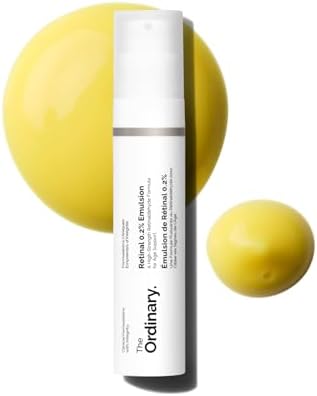
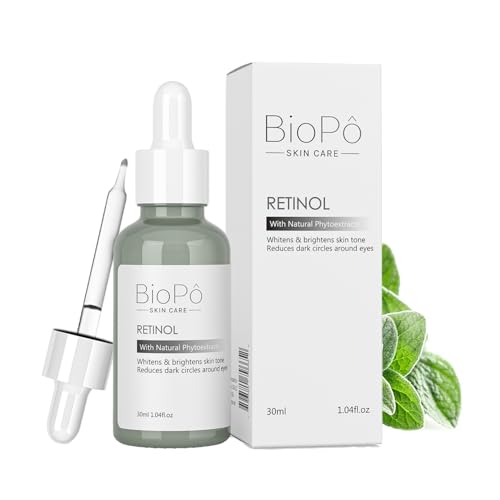
Recommended Retinoid, Vitamin C, and Peptide Products
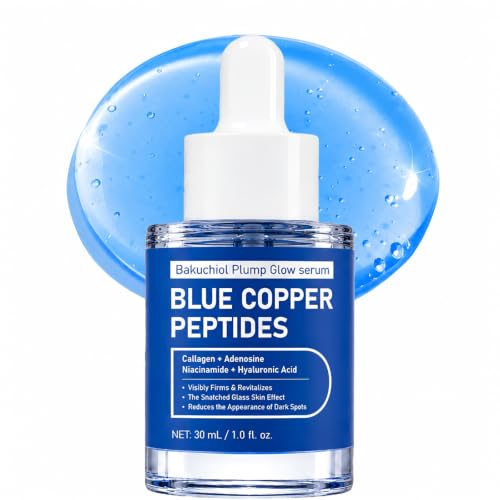
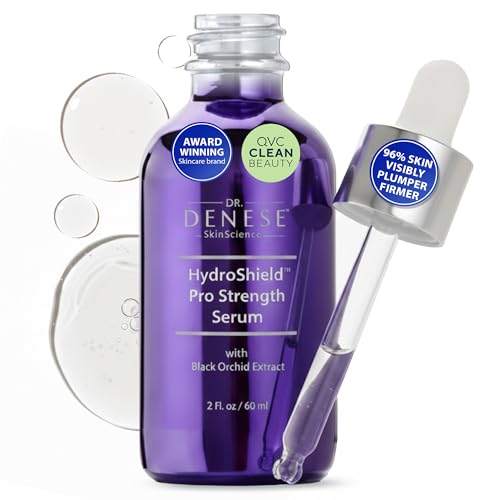
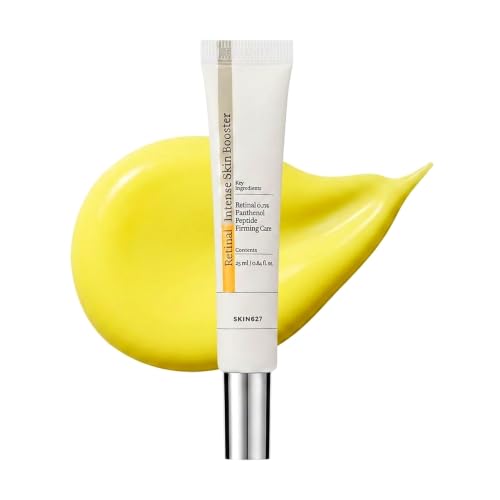
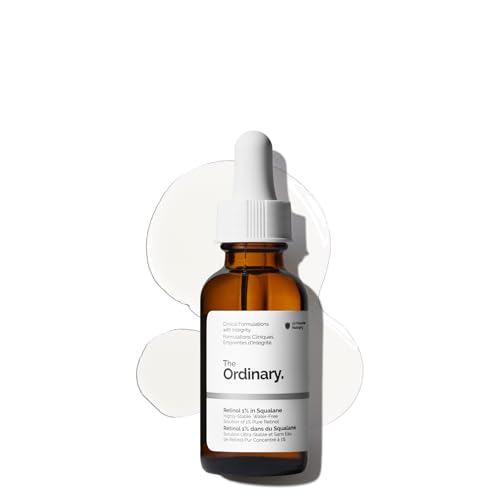
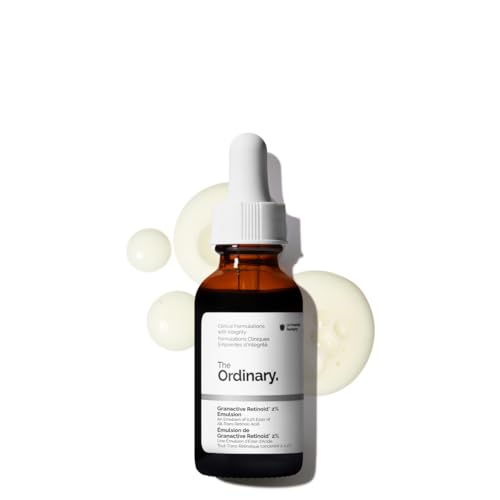
What’s Actually in an “Anti-Aging Facial”
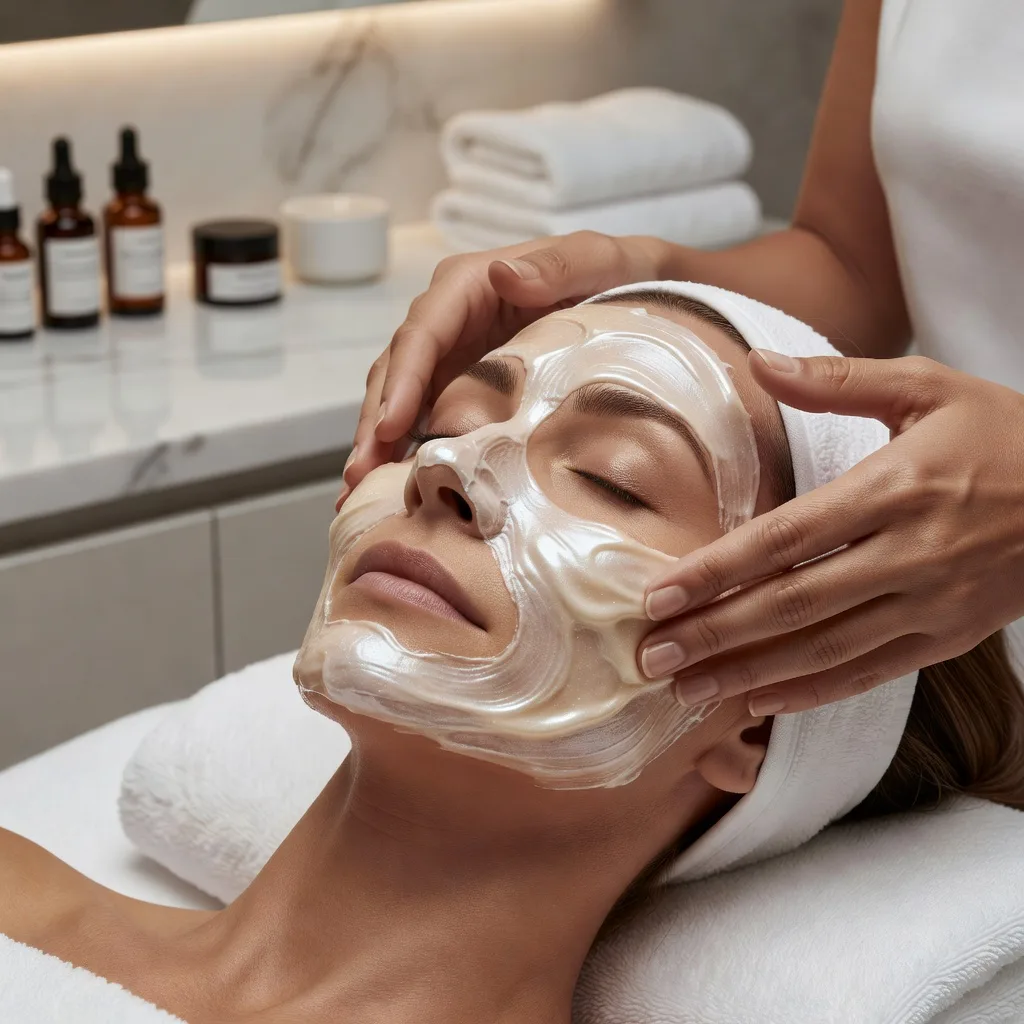
An “anti-aging facial” isn’t one standardized treatment — it’s typically a bundle of several active ingredients layered into a single spa session: peptide serums or creams, retinol (or occasionally a prescription-strength retinoid in a medical spa setting), vitamin C serum, AHAs like glycolic or lactic acid, sometimes a growth-factor serum, and hyaluronic acid for hydration. Each of these ingredients has its own, quite different, evidence base — and understanding that difference matters more than most marketing lets on.
Shopping these picks?
Amazon Prime members get fast, free shipping on eligible items, plus Prime Video, Amazon Music and member deals. New members can start with a free trial.
Start a free Prime trialAged 18 to 24? Prime for Young Adults comes with a longer free trial and a lower price after it.
Affiliate link: we may earn a commission at no extra cost to you.
The Headline Facts
- Retinoids have by far the strongest clinical evidence of any anti-aging ingredient, but that evidence comes from daily use over months, not a single facial.
- Vitamin C and AHAs have real, moderate evidence for improving photoaging signs, though with more formulation-dependent variability.
- Topical peptides showed only a small effect in a 2026 meta-analysis of 19 trials, notably weaker than oral peptide supplements.
- Growth-factor serums remain in an earlier, largely industry-sponsored research stage compared with retinoids.
- Hyaluronic acid provides real, immediate hydration-based plumping, which is a genuinely different mechanism from structural collagen remodeling.
- A single spa facial can deliver real short-term glow and hydration, but not the kind of change seen in month-long clinical trials.
Full Breakdown
- What’s Actually in an “Anti-Aging Facial”
- Retinoids: The Strongest Evidence By Far
- Vitamin C and AHAs: Moderate, Real Evidence
- Peptides and Growth Factors: Weaker, Often Overstated
- The Honest Timeline: One Session vs. Sustained Use
- What You Can Realistically Get With At-Home Products
- What a Typical Session Looks Like
- A Retinol Alternative Worth Knowing: Bakuchiol
- Who Tends to Benefit Most
- Who Should Modify or Skip It
- When to See a Dermatologist Instead
- A One-Minute Check Before Booking
- Where the Evidence Runs Out
- Frequently Asked Questions
Retinoids: The Strongest Evidence By Far
Topical tretinoin has the longest and most rigorous randomized-controlled-trial history of any anti-aging ingredient. Systematic reviews and meta-analyses confirm consistent, statistically significant improvement in fine wrinkles, mottled pigmentation, and skin roughness across multiple vehicle-controlled trials, typically at concentrations between 0.025% and 0.1%. The classic trials establishing this go back decades, and they’re consistent on one key point: meaningful improvement takes weeks to months of daily use — visible changes generally aren’t reported before around 4 weeks, with more substantial improvement showing up at 16 to 24 weeks, and continued gains with even longer use. Retinoid dermatitis (redness, peeling, stinging) is common early on and dose-dependent, typically settling as skin adjusts, a process often called retinization. If you’re starting a retinoid for the first time, this guide to transitioning to retinol smoothly covers how to introduce it without overwhelming your skin barrier.
Vitamin C and AHAs: Moderate, Real Evidence
Topical vitamin C (L-ascorbic acid) has supportive systematic-review evidence for improving photoaging signs and melasma, working through antioxidant effects and a role in collagen synthesis — real evidence, though study quality and formulation standardization vary more than with retinoids. AHAs like glycolic and lactic acid also have real supporting trial data: studies on monthly glycolic and lactic acid peels have shown measurable reductions in fine wrinkles, and separate research has found increased dermal collagen with glycolic acid application. Typical concentrations run 5 to 10% in daily leave-on products and 20 to 30% or higher in professional peels, which is closer to what an in-spa “anti-aging facial” might actually include. Combining vitamin C with an AHA at home takes some care — this guide to layering acids and vitamin C covers the order that avoids destabilizing either ingredient, and if daily AHA use feels like too much, these gentler alternatives to exfoliation are worth considering.
| Ingredient | Evidence strength | What it needs to work |
|---|---|---|
| Retinoids | Strong, extensive RCT history | Daily use over weeks to months |
| Vitamin C | Moderate, supportive systematic reviews | Consistent topical use, formulation-dependent |
| AHAs (glycolic/lactic) | Moderate, real RCT data | Regular peels or consistent leave-on use |
Peptides and Growth Factors: Weaker, Often Overstated
Peptide serums are heavily marketed in anti-aging facials, but the evidence is genuinely thinner than for retinoids. A 2026 systematic review and meta-analysis pooled 19 randomized trials and 1,341 participants spanning 2001 to 2024, and found the pooled wrinkle-reduction effect from peptides was small. Notably, topical peptide formulations specifically showed minimal wrinkle reduction, while oral peptide supplements showed a comparatively larger effect — an important distinction, since most spa facials use topical, not oral, peptides. The review also flagged very high variability between studies and an imbalance toward oral trials, concluding that larger, more standardized research is still needed. Growth-factor serums sit in a similar place: a plausible biological mechanism (growth factors do play a real role in wound healing and collagen signaling), but the supporting trials tend to be smaller, more often industry-sponsored, and less consistent than the retinoid literature.
| Ingredient | Evidence strength | Key caveat |
|---|---|---|
| Topical peptides | Weak, small pooled effect | Oral peptide supplements showed larger effects in the same analysis |
| Growth-factor serums | Preliminary, limited | Trials are smaller and more often industry-sponsored |
The Honest Timeline: One Session vs. Sustained Use
Every rigorous trial behind the ingredients above involved daily or near-daily application sustained over weeks to months, not a single spa treatment. A one-time anti-aging facial can deliver a real, temporary hydration and glow effect from ingredients like hyaluronic acid and a fresh exfoliation — but that’s a short-lived cosmetic effect, not the structural collagen change measured in month-long clinical trials.
What You Can Realistically Get With At-Home Products
It’s worth knowing that many of the specific active ingredients behind a spa anti-aging facial’s evidence base — over-the-counter retinol, vitamin C serums, and AHA leave-on products — are available for regular home use at concentrations reasonably close to what’s been studied. Since the actual clinical evidence behind retinoids, vitamin C, and AHAs comes from sustained daily or near-daily application, not a single professional session, a consistent home routine with an appropriate concentration often matters more for long-term results than which specific spa performed a one-time facial. That’s not an argument against getting a professional facial — the guided application, skin analysis, and relaxation have real value — but it does mean the ingredient itself, used consistently, is doing more of the documented work than the setting it’s applied in.
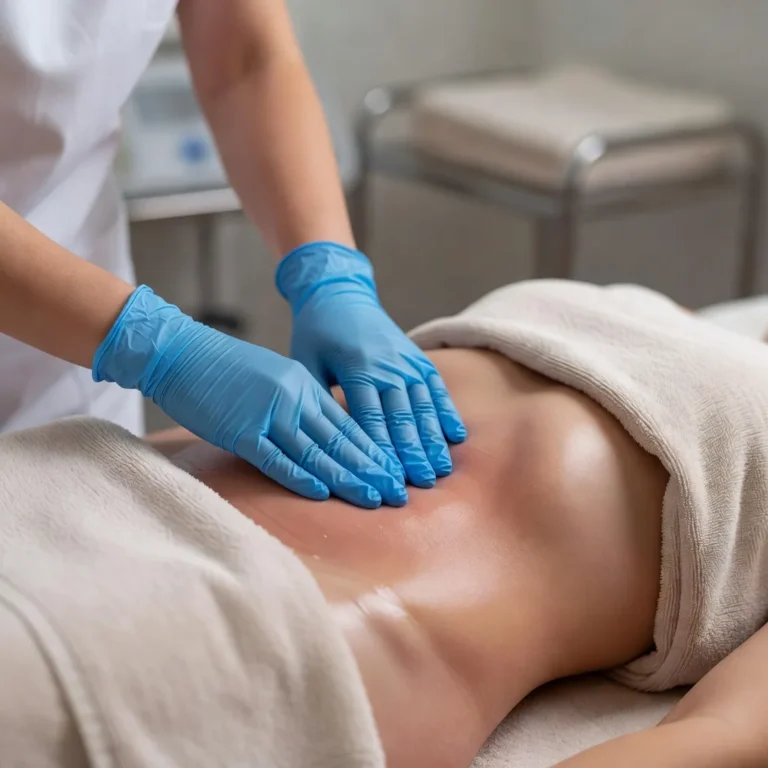
What a Typical Session Looks Like
Cleanse and analyze
Skin is cleansed and assessed to tailor which active ingredients get used.Exfoliate
A mechanical or light chemical exfoliation step, often an AHA, preps skin for better product absorption.Apply active serums
Vitamin C, peptide, or growth-factor serums are layered on, chosen based on skin needs.Seal and protect
A moisturizer and, if performed during the day, SPF finish the session.
A Retinol Alternative Worth Knowing: Bakuchiol
For people who find retinoids too irritating, bakuchiol, a plant-derived compound extracted from the babchi plant, has emerged as a comparatively well-studied alternative. Research directly comparing bakuchiol with retinol has found broadly comparable improvement in fine lines and photoaging signs, with bakuchiol generally causing less of the peeling and stinging associated with retinization. It’s not a stronger ingredient than tretinoin specifically, and the trial base behind it is considerably smaller than the decades of retinoid research, but it’s a genuine, evidence-supported option worth discussing with a provider if retinoid side effects have been a barrier, rather than assuming irritation is simply unavoidable.
Who Tends to Benefit Most
People who want a genuinely pleasant, hydrating introduction to evidence-backed ingredients — and who plan to follow up with consistent home use of a retinoid, vitamin C, or AHA product — get the most realistic value here. The facial itself is a starting point, not the mechanism behind the ingredients’ real research.
Do
- Ask which specific active ingredients and concentrations are being used
- Follow up with consistent home use if you want results closer to what the research actually shows
- Expect retinoid-based routines to need weeks before visible change
Don’t
- Expect a single session to replicate a 12- to 24-week clinical trial result
- Assume a peptide-heavy facial has the same evidence base as a retinoid-based one
- Skip sunscreen after exfoliating or retinoid-containing treatments
Who Should Modify or Skip It
Active retinoid users, recent chemical peel recipients, and anyone with active irritation, sunburn, or a known sensitivity to any of the specific ingredients being used should flag this to their provider beforehand. Combining multiple strong actives (a fresh retinoid application plus an AHA peel, for instance) in one session can meaningfully raise irritation risk beyond what either ingredient causes alone.
When to See a Dermatologist Instead
An anti-aging facial is a cosmetic maintenance service. See a board-certified dermatologist if you want a prescription-strength retinoid, have persistent irritation that doesn’t resolve with standard care, or have a skin concern more significant than routine photoaging that a spa-level treatment isn’t designed to address.
A One-Minute Check Before Booking
Before your appointment, ask: which specific active ingredients will be used, and at what concentration? Are you currently using a retinoid or have you had a recent peel? Do you have realistic expectations that one session provides temporary glow, not lasting structural change? A “yes” to recent retinoid or peel use is worth mentioning to your provider directly.
Where the Evidence Runs Out
Be honest about what’s actually established: retinoids have a genuinely strong, decades-long evidence base, and vitamin C and AHAs have real moderate support — but every bit of that evidence comes from sustained daily use, not a single facial. Peptides and growth factors, the ingredients most heavily marketed in premium anti-aging facials, currently have the weakest and most industry-influenced evidence of the group.
Frequently Asked Questions
What’s the most evidence-backed anti-aging ingredient?
Retinoids, by a wide margin — they have the longest and most rigorous clinical trial history of any anti-aging topical.
Can one anti-aging facial actually reduce wrinkles?
Not measurably on its own — the evidence behind every ingredient used comes from daily use sustained over weeks to months.
Do peptide serums really work?
A 2026 meta-analysis found only a small effect from topical peptides, notably weaker than oral peptide supplements.
Is vitamin C as effective as retinol for anti-aging?
It has real, moderate supportive evidence, but generally less extensive and consistent than the retinoid research base.
How long does it take to see results from a retinoid?
Visible change generally isn’t reported before about 4 weeks, with more substantial improvement at 16 to 24 weeks of consistent use.
Is redness normal when starting a retinoid?
Yes — mild peeling and redness during the first few weeks is a normal part of retinization and typically settles with continued use.
Do growth-factor serums have strong research behind them?
Not yet — the evidence is preliminary, with smaller and more often industry-sponsored trials than retinoids have.
Does hyaluronic acid actually reduce wrinkles?
It provides real, immediate plumping through hydration, which can soften the look of fine lines temporarily, but this isn’t structural collagen change.
Can I combine multiple anti-aging actives in one session?
You can, but combining strong actives like a fresh retinoid and an AHA peel can meaningfully raise irritation risk.
Is an anti-aging facial worth getting?
It can be a pleasant introduction to evidence-backed ingredients, as long as you follow up with consistent home use to get results closer to what the actual research shows.

Written by
Registered pharmacist and founder of Facial Adviser. Rakib's pharmacy training covers how skincare actives work and interact; a later course in cosmetology turned that into a focus on facial treatments and skincare products. He plans, researches and edits every guide on the site and checks health claims against sources such as the American Academy of Dermatology, the FDA and the NIH. He is not a dermatologist; see the Editorial Policy and Medical Disclaimer.
About · Editorial policy · How we choose products · Medical disclaimer · Contact
Keep reading: Anti-aging facials and treatments
- What Is the Best Anti-Aging Facial Treatment? Options Compared by Goal
- Facial Harmonization: What It Actually Is
- Facial Fat Grafting Cost: What You'll Really Pay
- How Long Does Facial Fat Grafting Last?
- Facial Fat Transfer vs Fillers: Longevity, Predictability, and Who Each Suits
- Cryo Facial vs Botox: Which Is Better for Wrinkles and Puffiness?
- Is Hydrafacial a Gimmick? What Evidence Shows
- Ultimate Guide Microdermabrasion: What to Know