Cryo Facial vs Botox: Which Is Better for Wrinkles and Puffiness?
Cryo facials and Botox are both promoted as ways to look fresher and smoother, and some spas even call cryo facials a natural alternative to Botox. The comparison is catchy, but it hides a big difference: one is a cooling skin treatment with short-lived effects, and the other is a prescription medicine that changes how facial muscles move for months at a time.
Part of our guide to facial treatments. Start with: What Is the Best Anti-Aging Facial Treatment? Options Compared by Goal
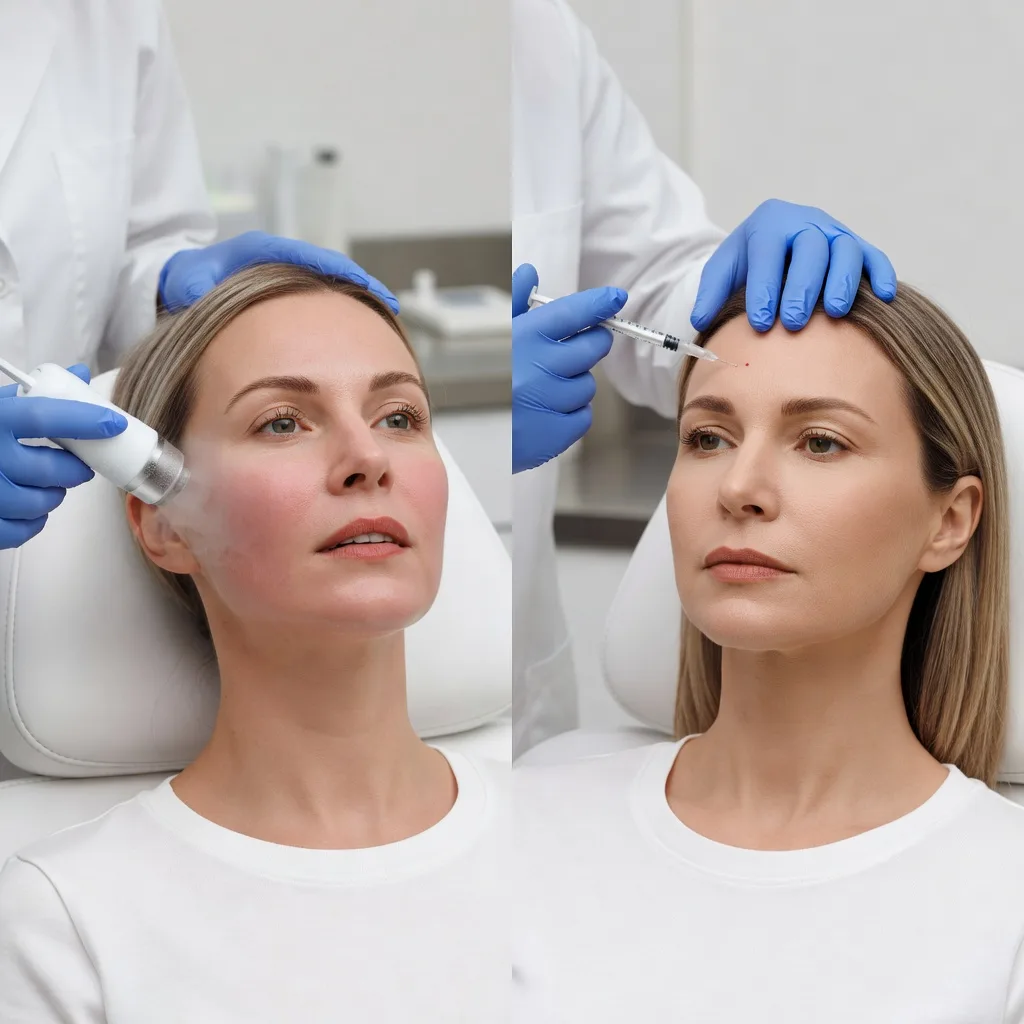
A cryo facial applies intense cold to the face, usually with a wand that releases chilled vapour or with frozen tools such as ice globes, to temporarily tighten pores, reduce puffiness and redness and leave skin looking brighter. Botox is an injection of botulinum toxin type A that relaxes specific muscles, smoothing dynamic wrinkles such as frown lines, forehead lines and crow’s feet for around three to four months. Botox has strong evidence from randomised trials for wrinkles; cryo facials have very little research and do not relax muscles or erase lines. They solve different problems and can be used together.
In short, a cryo facial is a refreshing, temporary glow treatment, while Botox is a medical treatment for expression lines.
A meta-analysis in Plastic and Reconstructive Surgery pooled seven randomised, placebo-controlled trials with 1,474 people and found botulinum toxin type A highly effective for frown lines, with no significant difference in adverse events compared with placebo. There are no comparable trials showing that cryo facials reduce wrinkles.
This guide explains how each works, what results to expect, the risks, cost of time and how to choose.
Shopping these picks?
Amazon Prime members get fast, free shipping on eligible items, plus Prime Video, Amazon Music and member deals. New members can start with a free trial.
Start a free Prime trialAged 18 to 24? Prime for Young Adults comes with a longer free trial and a lower price after it.
Affiliate link: we may earn a commission at no extra cost to you.
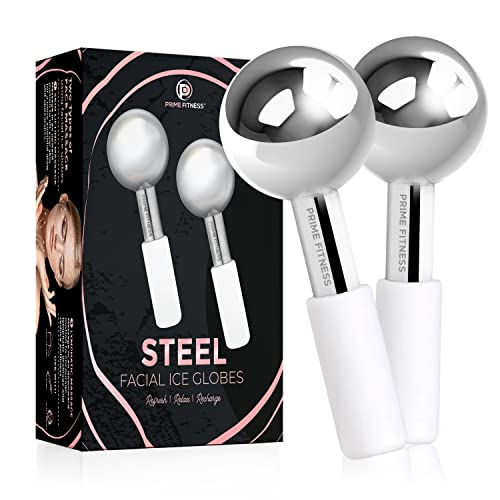
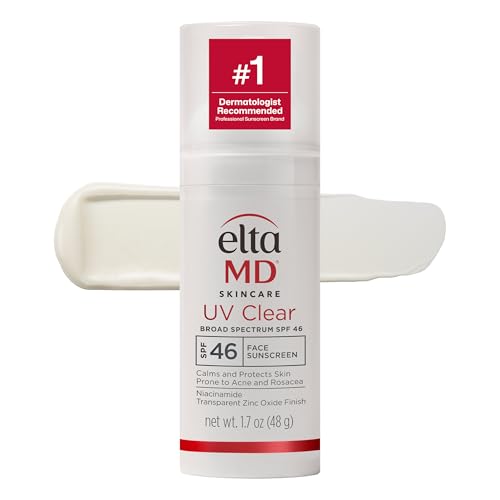
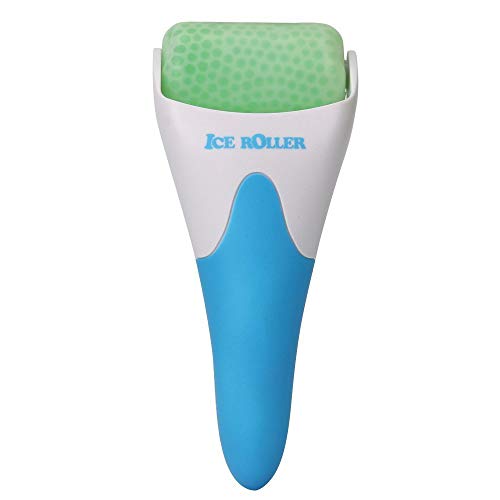
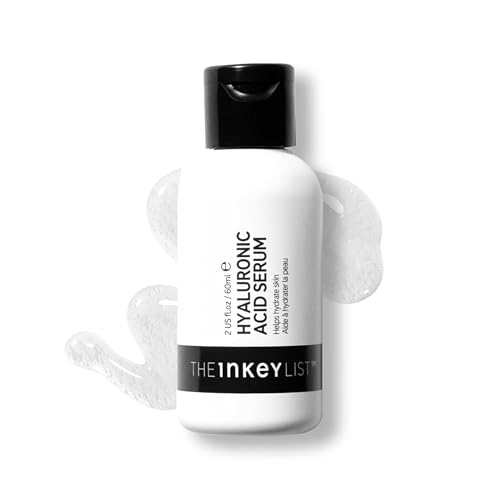
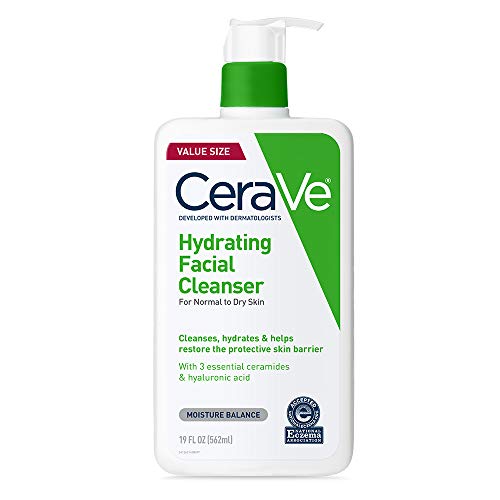
Recommended Cryo Facial Tools and Wrinkle Patches

At a Glance
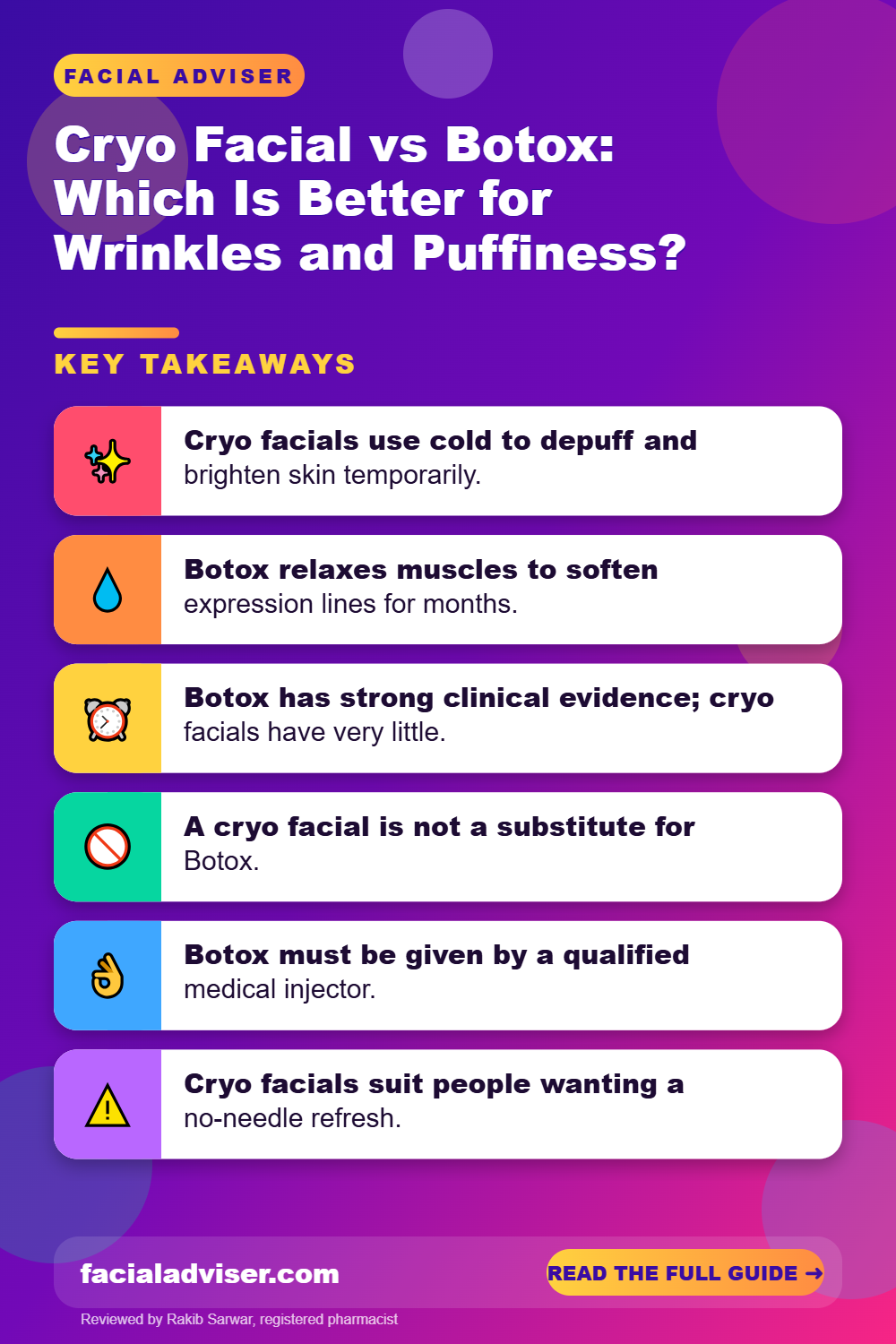
- Cryo facials use cold to depuff and brighten skin temporarily.
- Botox relaxes muscles to soften expression lines for months.
- Botox has strong clinical evidence; cryo facials have very little.
- A cryo facial is not a substitute for Botox.
- Botox must be given by a qualified medical injector.
- Cryo facials suit people wanting a no-needle refresh.
- Both can be combined as part of a wider routine.
On This Page
- Cryo Facial vs Botox at a Glance
- How a Cryo Facial Works
- How Botox Works
- What Results Can You Expect?
- Safety and Side Effects
- How to Choose Between a Cryo Facial and Botox
- What Happens at Each Appointment
- Can You Combine Them?
- At-Home Cooling: What Helps
- Dos and Don’ts
- Honest Limits
- When to See a Doctor
- Common Questions
- The Takeaway
Cryo Facial vs Botox at a Glance
This table summarises the key differences.
| Feature | Cryo facial | Botox |
|---|---|---|
| What it is | Cold treatment applied to the skin | Prescription injection of botulinum toxin |
| How it works | Constricts blood vessels, cools and calms skin | Blocks nerve signals to relax targeted muscles |
| Best for | Puffiness, redness, dullness | Frown lines, forehead lines, crow’s feet |
| Results appear | Immediately | Within a few days, peak around two weeks |
| Results last | Hours to a day or two | Around three to four months |
| Evidence | Very limited | Many randomised controlled trials |
| Who provides it | Estheticians, spas | Doctors, nurses or other licensed injectors |
| Needles | None | Yes, fine needles |
The table shows why the two are not interchangeable. A cryo facial changes how skin looks for a short time, while Botox changes how the face moves.
How a Cryo Facial Works
Cryo facials use cold in one of two main ways. Some clinics use a handheld device that directs a stream of very cold vapour over the face for a few minutes, keeping it moving so the skin never freezes. Others use frozen tools such as ice globes, cryo sticks or rollers, often as part of a standard facial.
Cold makes blood vessels narrow temporarily, which can reduce puffiness and redness. When the skin warms again, blood flow returns, which many people describe as a healthy flush or glow. Pores may look smaller for a short time as the skin tightens in response to cold.
Claims that cryo facials boost collagen or reverse aging are not backed by good-quality research. Any visible changes are usually temporary and similar to what a cold compress can do.
Our guide to the benefits of cold therapy for skin covers the science of cold on the skin in more detail, including where the evidence is thin.
How Botox Works
Botox is a brand of botulinum toxin type A, and similar products are sold under other names. Tiny amounts are injected into specific facial muscles, where the medicine temporarily blocks the nerve signals that make those muscles contract. With less movement, the creases formed by repeated expressions soften.
- Frown lines between the eyebrows (glabellar lines).
- Horizontal forehead lines.
- Crow’s feet at the outer corners of the eyes.
- Other areas, such as a gummy smile or jaw muscles, in experienced hands.
A meta-analysis published in Plastic and Reconstructive Surgery and available on PubMed combined seven randomised, double-blind, placebo-controlled trials involving 1,474 people. It concluded that a single standard dose was highly effective and safe for frown lines, with no significant difference in adverse events between treatment and placebo groups.
The American Academy of Dermatology answers common questions about results, safety and aftercare in its botulinum toxin therapy FAQs.
What Results Can You Expect?
The two treatments give very different kinds of results.
| Concern | Cryo facial | Botox |
|---|---|---|
| Morning puffiness | Can help temporarily | No effect |
| Redness | Temporary calming | No effect |
| Dullness | Short-term glow | No direct effect |
| Frown and forehead lines | No lasting effect | Softens lines for months |
| Crow’s feet | No lasting effect | Softens lines for months |
| Deep static wrinkles | No effect | Partial improvement; may need other treatments |
Botox works best on lines caused by movement. Lines that are visible even when the face is relaxed may soften but often need additional treatments, such as fillers or resurfacing. Cryo facial results fade within hours to a day, so they suit events rather than long-term change. It also helps to know that Botox results fade gradually rather than all at once, so muscle movement returns slowly over weeks. Many people find that the time between appointments changes over time, and an experienced injector will adjust the plan to keep results natural rather than frozen.
Safety and Side Effects
Cryo facials are low risk when performed correctly, but intense cold can harm skin if applied too long or to one spot.
- Cryo facial: temporary redness, tingling and numbness; rarely cold burns or blisters with poor technique.
- Botox: small bruises, swelling or tenderness at injection sites, and headache.
- Botox, less common: drooping eyelid or brow, uneven results or a heavy feeling, usually temporary.
- Both: risks rise when given by untrained providers.
Botox should only be given by a licensed medical professional using genuine, properly sourced product. Avoid Botox if you are pregnant or breastfeeding or have certain neuromuscular conditions, and avoid cryo facials if you have cold urticaria, Raynaud’s phenomenon or cold sensitivity, unless a doctor approves.
Tell any provider about medications that affect bleeding, such as blood thinners, and about skin conditions such as rosacea, which can react to temperature changes.
How to Choose Between a Cryo Facial and Botox
Identify your concern
Puffiness, redness and dullness suggest a cryo facial; expression lines suggest Botox.
Decide how long you want results
Hours to a day points to cryo; months points to Botox.
Consider needles
If you want to avoid injections entirely, a cryo facial is the needle-free option.
Check your health
Rule out pregnancy, neuromuscular conditions or cold sensitivity.
Choose a qualified provider
A licensed medical injector for Botox; a trained esthetician for cryo facials.
Set a budget
Botox is repeated every few months; cryo facials are usually repeated more often.
Protect your skin
Use daily sunscreen and a simple routine alongside either treatment.
Book a cryo facial a day or two before an event for a quick refresh, and plan Botox at least two weeks ahead so results have time to settle.
If you are also considering fillers, our guide on facial fillers versus Botox explains how the two injectables differ.
What Happens at Each Appointment
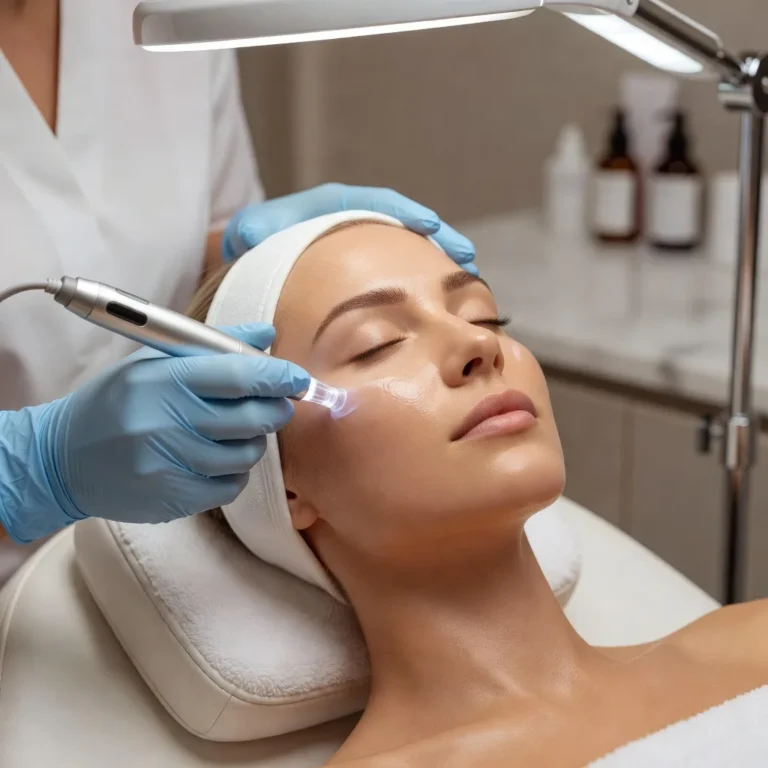
A cryo facial appointment usually starts like any facial, with cleansing and sometimes gentle exfoliation. The provider then passes a cold vapour wand or chilled tools across the face for several minutes, keeping them moving to avoid over-cooling any one area. Many spas finish with a serum, moisturiser and sunscreen. You can go straight back to your day, and makeup can usually be applied immediately.
A Botox appointment begins with a consultation about your goals and medical history. The injector asks you to frown, raise your eyebrows or smile so they can see which muscles create your lines, and may mark injection points. The injections themselves take only a few minutes and feel like small pinches. Afterwards you may be advised to stay upright for a few hours, avoid rubbing the area and skip strenuous exercise for the rest of the day.
A follow-up visit around two weeks after Botox is common, so the injector can check the result and make small adjustments if needed. Keeping a record of the areas and doses used helps future treatments stay consistent.
Can You Combine Them?
Yes, many people use both, because they address different concerns. Botox handles expression lines, while a cryo facial can give an occasional glow and help with puffiness.
Timing matters. Most injectors advise avoiding facial massage, heavy pressure and heat on the treated area for a short period after Botox, so ask your provider how long to wait before a facial of any kind. Having a cryo facial before an injection appointment is usually simpler. Some people also book cryo facials between Botox appointments simply because they enjoy them. That is reasonable as long as expectations are realistic: the facial will not extend how long Botox lasts or make its results stronger, but it can be a relaxing way to keep skin looking fresh.
Cold is sometimes used just before injections to reduce discomfort, but this should be done by your injector rather than at home.
At-Home Cooling: What Helps
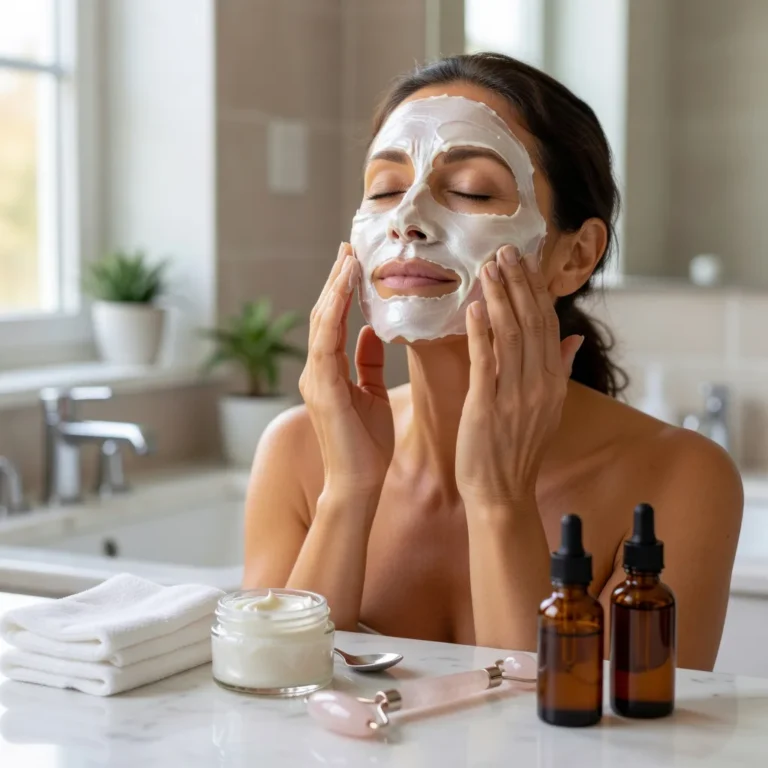
You can get some of the depuffing effect of a cryo facial at home. Chilled ice globes, a cold roller or a clean cold compress applied for a few minutes can calm morning puffiness and redness.
- Wrap ice in a cloth rather than applying it directly to skin.
- Keep tools moving and limit sessions to a few minutes.
- Clean tools after each use.
- Skip cold tools on broken, irritated or very sensitive skin.
Home cooling will not smooth wrinkles caused by muscle movement. For those, sun protection, retinoids and, if you choose, Botox or other medical treatments are more effective. Our guide on microcurrent versus radiofrequency covers two other device-based options.
Dos and Don’ts
Worth Doing
- Match the treatment to your concern
- Choose licensed injectors for Botox
- Plan Botox well before events
- Use cold tools briefly and gently
- Wear sunscreen every day
Skip It
- Expect a cryo facial to replace Botox
- Buy injectables from unverified sources
- Massage the area right after Botox
- Apply ice directly to bare skin for long
- Ignore drooping or unusual symptoms
Honest Limits
Botox has strong evidence for expression lines, but it does not improve skin texture, sun spots or sagging, and results wear off, so treatment needs repeating. Overuse or poor technique can leave the face looking frozen or uneven.
Cryo facials have very little independent research. They can feel refreshing and may temporarily reduce puffiness and redness, but claims about collagen, anti-aging or lasting pore shrinkage are not well supported. Neither treatment replaces daily sunscreen, which remains one of the most effective ways to slow visible aging.
When to See a Doctor
- You notice drooping of an eyelid or brow after Botox.
- You have difficulty swallowing, speaking or breathing after injections; seek urgent care.
- Your skin blisters, turns white or stays numb after cold treatment.
- You want advice on wrinkles, sagging or skin concerns that are not improving.
This article is for general information and does not replace professional medical advice. Consult a board-certified dermatologist or licensed medical injector before starting Botox or other cosmetic treatments.
Common Questions
Is a cryo facial the same as Botox?
No. A cryo facial cools the skin briefly; Botox relaxes muscles to soften lines.
Can a cryo facial replace Botox?
No, it does not relax muscles or erase expression lines.
How long do cryo facial results last?
Usually hours to a day or two.
How long does Botox last?
Typically around three to four months.
Does a cryo facial hurt?
It feels very cold and tingly but is usually comfortable.
Is Botox safe?
It has a strong safety record when given by qualified professionals.
Can I get a facial after Botox?
Ask your injector; many advise waiting before massage or pressure.
Do cryo facials boost collagen?
There is no good evidence that they do.
Who should avoid cryo facials?
People with cold urticaria, Raynaud’s or cold sensitivity.
Which is better for puffiness?
A cryo facial or cold compress; Botox does not treat puffiness.
The Takeaway
A cryo facial uses cold to depuff and brighten skin for a short time, while Botox relaxes targeted muscles to soften expression lines for months. Botox has strong clinical evidence; cryo facials offer a pleasant, temporary refresh.
Choose based on your concern and how long you want results to last, use qualified providers and protect your skin with daily sunscreen.

Written by
Registered pharmacist and founder of Facial Adviser. Rakib's pharmacy training covers how skincare actives work and interact; a later course in cosmetology turned that into a focus on facial treatments and skincare products. He plans, researches and edits every guide on the site and checks health claims against sources such as the American Academy of Dermatology, the FDA and the NIH. He is not a dermatologist; see the Editorial Policy and Medical Disclaimer.
About · Editorial policy · How we choose products · Medical disclaimer · Contact
Keep reading: Anti-aging facials and treatments
- What Is the Best Anti-Aging Facial Treatment? Options Compared by Goal
- Facial Liposuction vs Buccal Fat Removal: Differences, Risks and Recovery
- Facial Fillers vs Botox: Which Treats Your Lines, and What Each Can Go Wrong
- What Are the Benefits of Anti-Wrinkle Injections? Results, Risks and Options
- What Should I Use on My Face for Anti-Aging? The 5 Products That Matter
- What Does an Anti-Aging Facial Consist Of? Steps, Types and What to Expect
- Fruit Facial at Home: Does It Actually Work?
- Facial Types: A Guide to 11 Popular Facials and How to Choose One