What Does an Anti-Aging Facial Consist Of? Steps, Types and What to Expect
An anti-aging facial sounds like one specific treatment, but in practice it is a menu of steps that a therapist or dermatologist combines to target fine lines, dullness and loss of firmness. Knowing what happens at each stage helps you judge whether a facial is worth booking, ask the right questions and copy the useful parts at home.
Part of our guide to facial treatments. Start with: What Is the Best Anti-Aging Facial Treatment? Options Compared by Goal
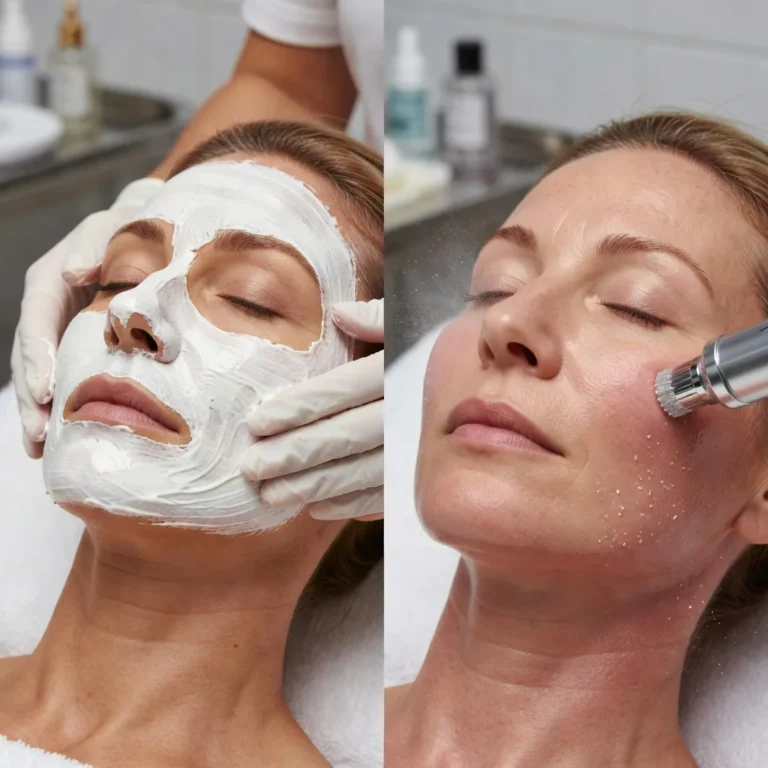
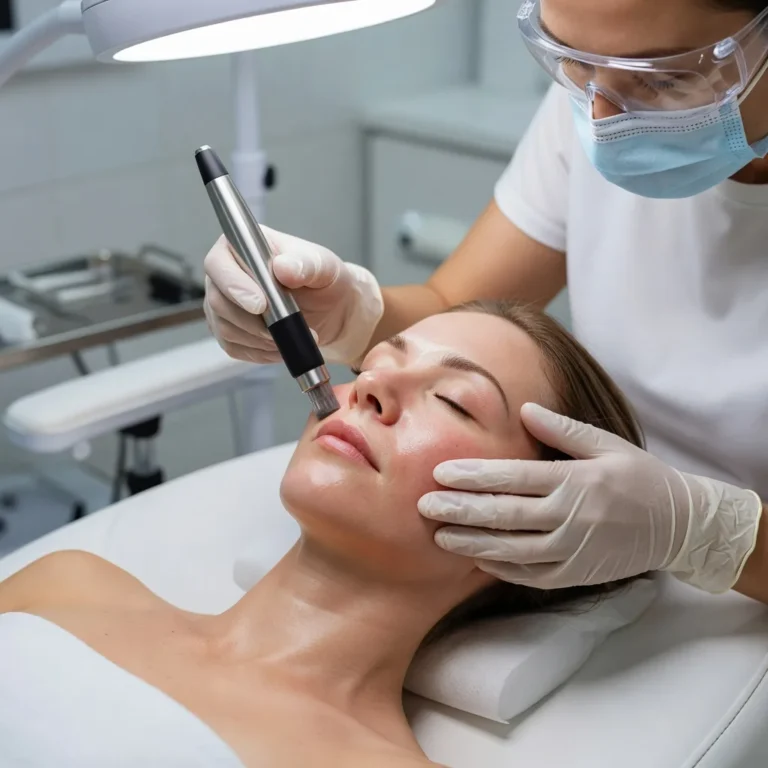
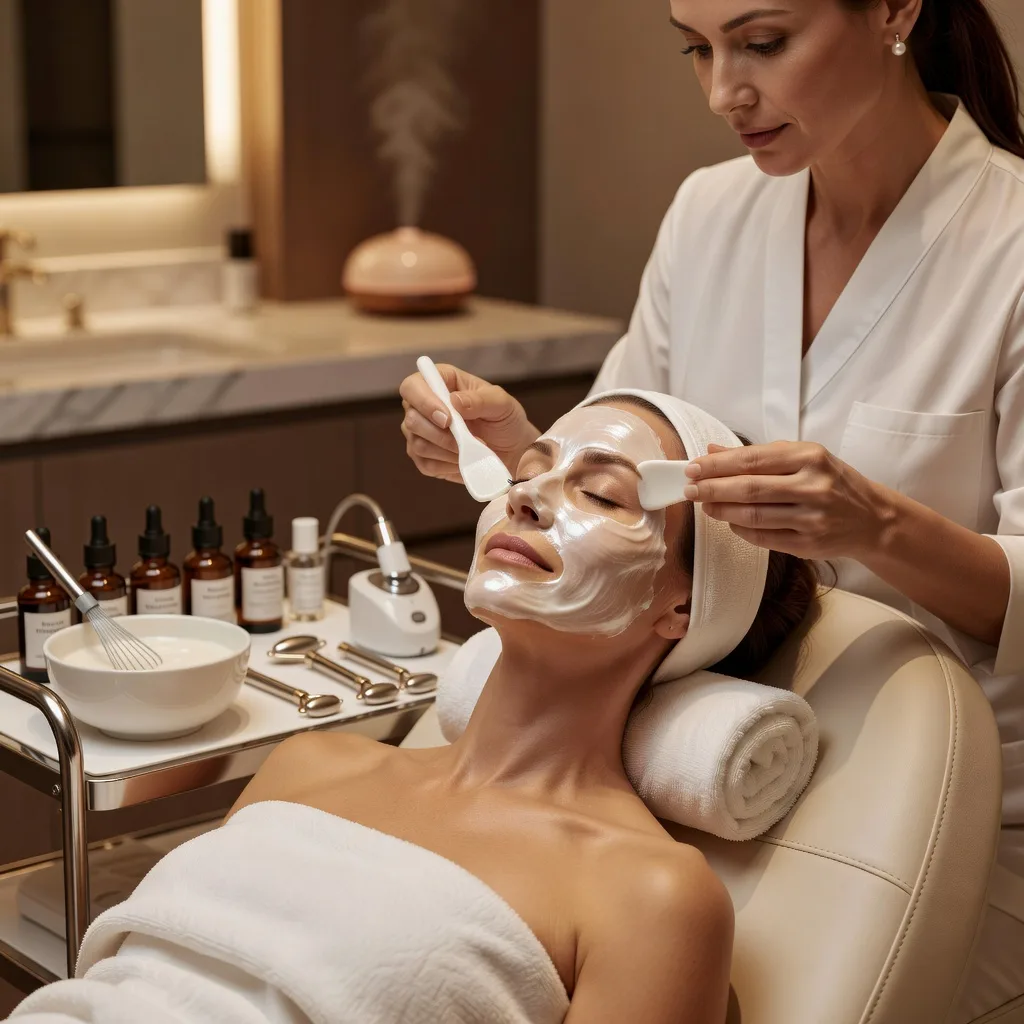
A typical anti-aging facial consists of a skin consultation, a double cleanse, exfoliation with a gentle scrub, enzyme or acid peel, and optional extractions. It then moves on to a targeted treatment step such as a stronger peel, microcurrent, LED light, radiofrequency or microneedling, followed by facial massage to boost circulation. A mask, often hydrating or collagen-supporting, comes next, and the facial ends with serums rich in antioxidants, peptides or hyaluronic acid, a moisturiser and broad-spectrum sunscreen. Most sessions last 45 to 90 minutes, and the exact steps depend on your skin and the type of facial you choose.
In short: cleanse, exfoliate, treat, massage, mask, then hydrate and protect.
The US Food and Drug Administration notes that alpha hydroxy acids, the exfoliating acids used in many anti-aging facials, can increase the skin’s sensitivity to the sun, which is why a good facial always finishes with sunscreen and aftercare advice.
Below we walk through each step, list the most common named anti-aging facials, and show how to build a simple version at home.
Shopping these picks?
Amazon Prime members get fast, free shipping on eligible items, plus Prime Video, Amazon Music and member deals. New members can start with a free trial.
Start a free Prime trialAged 18 to 24? Prime for Young Adults comes with a longer free trial and a lower price after it.
Affiliate link: we may earn a commission at no extra cost to you.
Recommended At-Home Anti-Aging Facial Kit Essentials
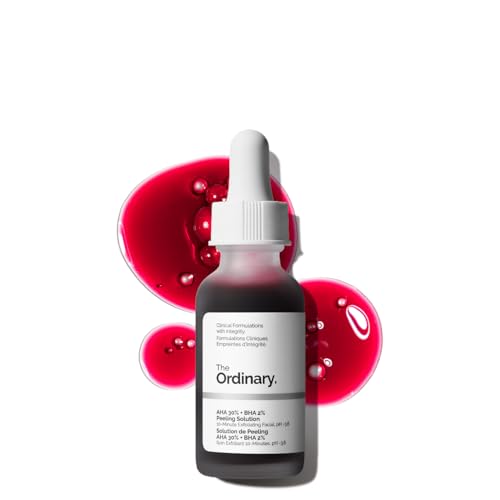
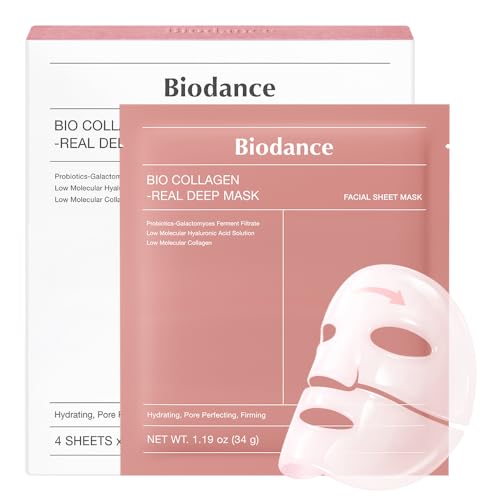


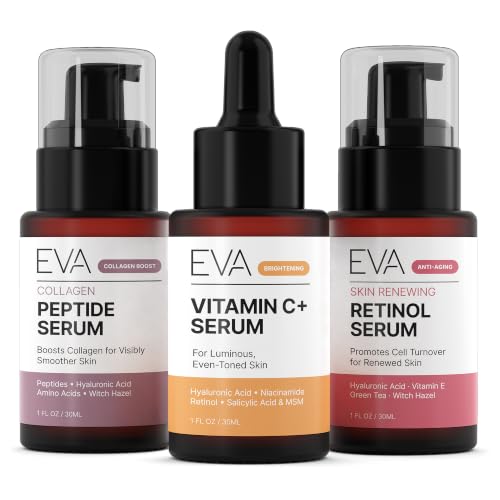
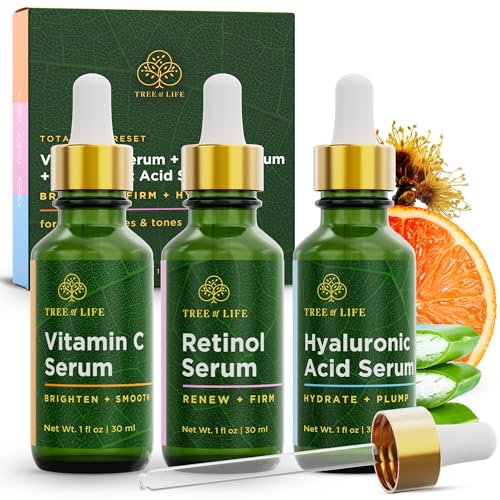
In This Guide
- The Steps of an Anti-Aging Facial
- Cleansing and Exfoliation: Preparing the Skin
- The Treatment Step: Where the Anti-Aging Happens
- Massage, Masks and Finishing Steps
- Names of Anti-Aging Facials and What They Include
- What to Expect During and After
- How to Do a Simple Anti-Aging Facial at Home
- Who Should Be Careful
- Dos and Don’ts
- Honest Limits
- When to See a Dermatologist
- Frequently Asked Questions
- Final Word
Key Takeaways
- Most anti-aging facials follow the same core sequence of steps.
- Exfoliation and a targeted treatment are where most of the anti-aging effect comes from.
- Named facials differ mainly in the treatment step they use.
- Massage and masks improve glow and comfort more than wrinkles.
- Sunscreen at the end protects freshly exfoliated skin.
- A simple home version can maintain results between salon visits.
- Expect gradual results from a series, not a transformation in one visit.
The Steps of an Anti-Aging Facial
Although every clinic has its own protocol, most anti-aging facials follow a similar order. Each step prepares the skin for the next, so that active ingredients and devices work on clean, receptive skin.
| Step | What happens | Purpose |
|---|---|---|
| 1. Consultation | Therapist reviews skin, history and goals | Chooses safe, suitable treatments |
| 2. Double cleanse | Oil or balm cleanser, then a gentle wash | Removes makeup, sunscreen and oil |
| 3. Skin analysis | Close look under a lamp or camera | Identifies lines, pigment and texture |
| 4. Exfoliation | Enzyme, scrub or mild acid | Clears dead cells for a smoother surface |
| 5. Extractions (optional) | Gentle removal of blackheads | Unclogs pores |
| 6. Treatment step | Peel, microcurrent, LED, RF or microneedling | Main anti-aging effect |
| 7. Facial massage | Manual massage or tools like gua sha | Boosts circulation, reduces puffiness |
| 8. Mask | Hydrating, collagen-supporting or soothing | Calms and plumps the skin |
| 9. Serums and moisturiser | Antioxidants, peptides, hyaluronic acid | Hydrates and supports repair |
| 10. Sunscreen | Broad-spectrum SPF 30 or higher | Protects exfoliated skin |
Not every facial includes all ten steps. A short lunchtime facial may skip extractions and the mask, while a medical facial may replace massage with a longer device treatment. The treatment step is the one that varies most, and it largely decides what results you can expect. A good therapist will also adapt the order and strength of each step on the day, for example skipping extractions on sensitive skin or choosing a milder acid if your skin feels dry or tight.
Cleansing and Exfoliation: Preparing the Skin
The first part of the facial is about preparation. A thorough cleanse lets later products reach the skin, and exfoliation removes the dull layer of dead cells that makes ageing skin look tired.
- Double cleansing removes sunscreen and makeup that a single wash can leave behind.
- Enzyme exfoliants, often from fruit such as papaya or pineapple, are gentle and suit sensitive skin.
- Alpha hydroxy acids like glycolic and lactic acid smooth texture and brighten dull skin.
- Physical scrubs and microdermabrasion buff the surface but can irritate thin or reactive skin.
- Extractions should be gentle; aggressive squeezing can leave marks, especially on darker skin.
The AAD guide to exfoliating safely at home advises choosing a method that suits your skin type and not over-exfoliating, which applies just as much to salon treatments.
The Treatment Step: Where the Anti-Aging Happens
The treatment step is the heart of the facial. It is what separates an anti-aging facial from a basic cleansing facial, and it is the part worth asking about before you book.
- Chemical peels use stronger acids than home products to speed cell turnover and soften fine lines.
- Microcurrent uses a gentle current to stimulate facial muscles for a temporary lifted look.
- LED light therapy uses red and near-infrared light to support radiance and mild fine lines.
- Radiofrequency heats deeper layers to encourage collagen tightening.
- Microneedling creates tiny controlled channels that prompt collagen repair over weeks.
Ask the therapist which of these is included before you book, and how strong it will be. A facial described only as anti-aging may turn out to be a cleanse, a mask and a massage with no real treatment step, which is pleasant but unlikely to change lines. Stronger options such as medium peels and microneedling are often carried out in medical clinics rather than day spas, and they may require a consultation or patch test beforehand. Consistency also matters: most treatment steps work best as a course spaced a few weeks apart.
Peels, microneedling and radiofrequency can cause redness, flaking or swelling for a day or more. If you have an event soon, ask for a gentler treatment step such as LED or a hydrating enzyme facial instead.
Massage, Masks and Finishing Steps
After the active treatment, the facial moves on to steps that soothe and hydrate. These feel wonderful and make skin look plumper for a day or two, although they are not the main source of long-term change. They also help calm any redness from the treatment step, so they are rarely wasted time.
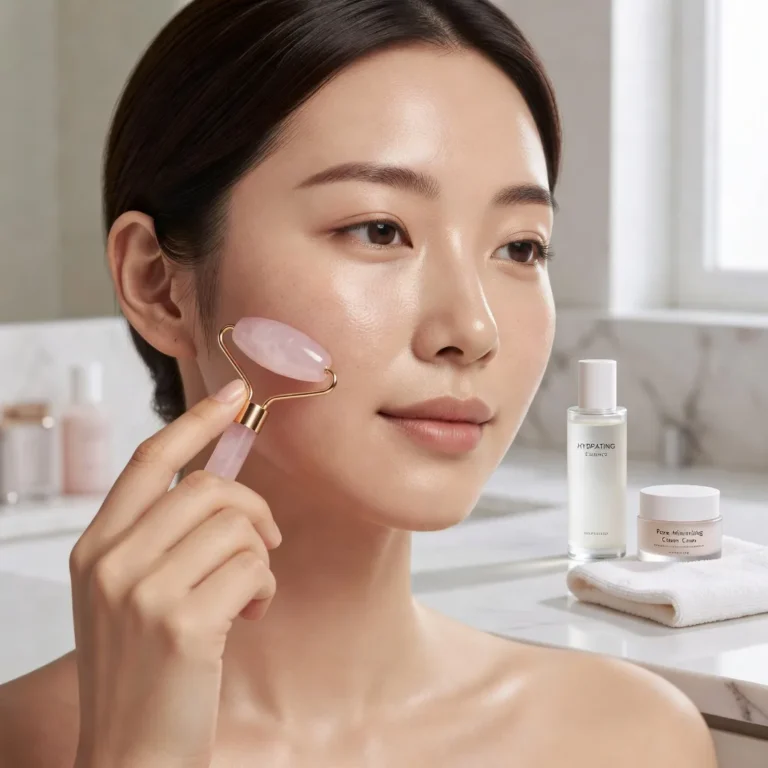
- Facial massage with hands, rollers or gua sha improves circulation and reduces puffiness.
- Sheet, gel or cream masks deliver hydration and calm any redness from exfoliation.
- Collagen masks hydrate the surface; collagen molecules are too large to rebuild collagen in the skin.
- Serums with antioxidants, peptides or hyaluronic acid are pressed in while skin is receptive.
- A moisturiser locks in hydration, and sunscreen protects skin that has just been exfoliated.
If you enjoy the massage part, our guide to facial rollers vs gua sha explains which tool suits you for regular home use.
Names of Anti-Aging Facials and What They Include
Spas and clinics often sell anti-aging facials under catchy names. The table below translates the most common ones into what actually happens during the session.
| Facial name | Key treatment step | Best for | Downtime |
|---|---|---|---|
| Chemical peel facial | Glycolic, lactic or other acid peel | Dullness, fine lines, uneven tone | 0 to 7 days |
| Collagen facial | Collagen mask, often with LED or massage | Hydration, plumpness | None |
| Microcurrent facial | Low-level electrical current | Temporary lift and contour | None |
| LED facial | Red and near-infrared light | Radiance, mild fine lines, redness | None |
| Radiofrequency facial | Deep heating | Mild sagging, firmness | Little to none |
| Microneedling facial | Controlled micro-injuries | Lines, texture, scars | 1 to 3 days |
| HydraFacial | Vacuum cleanse, peel, infusion | Glow, congestion, hydration | None |
| Oxygen facial | Pressurised mist with serums | Short-term plumpness and glow | None |
| Vampire facial | Microneedling with the patient’s own plasma | Texture and fine lines | 1 to 3 days |
Names can mislead. A so-called collagen facial usually hydrates rather than builds collagen, while a plain-sounding peel may do more for fine lines. Our guide to the collagen facial treatment explains that one in more detail.
What to Expect During and After
Most anti-aging facials are relaxing and painless, though peels may tingle or sting briefly and microneedling feels like light scratching after numbing cream.
- Sessions usually last 45 to 90 minutes.
- Skin often looks pink and glowing for a few hours.
- Mild flaking may appear two to four days after a peel.
- Most therapists recommend a series every four to six weeks.
- Avoid strong actives, heat and heavy exercise for a day or two afterwards.
Aftercare matters as much as the facial itself. Freshly exfoliated skin burns more easily, so wear sunscreen daily, keep your routine gentle and avoid picking at any flaking. The FDA page on alpha hydroxy acids advises sun protection while using AHA products and for a week afterwards. Pause retinoids and strong acids for two or three days, and reintroduce them slowly if your skin feels tight or sensitive.
How to Do a Simple Anti-Aging Facial at Home
A home facial will not match a professional peel or device, but it can maintain results and give skin a noticeable glow. Try this routine once a week in the evening.
Double cleanse
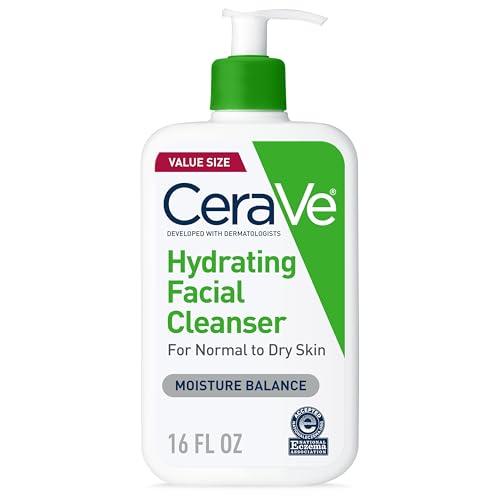
Use a cleansing balm or oil to remove makeup, then a gentle hydrating cleanser.
Exfoliate gently
Apply a mild AHA peel or pad and follow the timing on the label exactly.
Rinse and pat dry
Remove the peel if required and pat, do not rub, the skin.
Apply a mask
Use a hydrating sheet or collagen mask for 10 to 20 minutes.
Massage
Press in the leftover essence and use a gua sha or fingertips with light, upward strokes.
Apply serum
Choose a peptide or hyaluronic acid serum; skip retinol on peel nights.
Moisturise
Seal everything in with a nourishing moisturiser, and use sunscreen the next morning.
Keep your gua sha on a light layer of serum or oil so it glides. Dragging a dry tool across the skin can pull and irritate, which defeats the purpose of a relaxing facial.
Who Should Be Careful
Anti-aging facials suit most people, but some skin conditions and medicines call for a gentler approach or a doctor’s advice first.
- People using prescription retinoids or isotretinoin may need to avoid peels and waxing for a period.
- Rosacea and eczema can flare with acids, heat and vigorous massage.
- Darker skin tones need careful choice of peel strength to avoid dark marks.
- Pregnant people should check which acids and devices are suitable.
Do not use an AHA peel, scrub and retinol on the same night at home. Stacking exfoliants can strip the skin barrier and cause burning, redness and peeling. Stop any step that stings strongly or leaves the skin raw.
Dos and Don’ts
Do
- Tell your therapist about medicines and skin conditions
- Ask which treatment step is included
- Book facials as a series
- Wear sunscreen every day afterwards
- Keep home facials to about once a week
Don’t
- Book a new peel just before an event
- Over-exfoliate at home
- Expect a mask to rebuild collagen
- Pick at flaking skin
- Use retinol straight after a peel
Honest Limits
An anti-aging facial improves how skin looks and feels, but most of the steps give short-term benefits. Cleansing, masks and massage leave skin glowing for a few days; only the treatment step, repeated over time, has a real chance of softening fine lines.
Deep wrinkles, significant sagging and volume loss do not respond much to facials, even premium ones. What you do every day, especially sunscreen and a retinoid, matters more than an occasional facial, and no facial can make up for years of unprotected sun exposure or smoking. Our overview of the anti-aging facial covers the benefits and realistic results in more depth.
When to See a Dermatologist
- Your skin reacts with burning, blisters or lasting redness after a facial.
- You want medical-grade peels, microneedling or energy-based treatments.
- You have rosacea, eczema, melasma or active acne.
- You notice a new or changing spot on your face.
This article is for general information and does not replace professional medical advice. See a board-certified dermatologist before stronger treatments or if you have a skin condition.
Frequently Asked Questions
What does an anti-aging facial consist of?
Cleansing, exfoliation, a treatment step, massage, a mask, serums, moisturiser and sunscreen.
What are the steps of an anti-aging facial?
Consult, cleanse, exfoliate, extract, treat, massage, mask, then hydrate and protect.
How long does an anti-aging facial take?
Usually 45 to 90 minutes.
What are the names of anti-aging facials?
Common ones include peel, collagen, microcurrent, LED, RF, microneedling and HydraFacial facials.
Which part of the facial does the most?
The treatment step, such as a peel, microneedling or RF.
Does an anti-aging facial hurt?
Usually not, though peels can sting and microneedling can feel scratchy.
How often should I get one?
Every four to six weeks is common during a course.
Can I do an anti-aging facial at home?
Yes, a gentle weekly version can maintain results.
Should I wear makeup after a facial?
It is best to wait until the next day if possible.
Do collagen masks add collagen to skin?
No, they mainly hydrate the surface.
Final Word
An anti-aging facial consists of cleansing, exfoliation, a targeted treatment step, massage, a mask and finishing products, with the treatment step doing most of the anti-aging work.
Choose a facial by its treatment step rather than its name, book a series for real change, and use a simple weekly home facial with daily sunscreen to keep results going.

Written by
Registered pharmacist and founder of Facial Adviser. Rakib's pharmacy training covers how skincare actives work and interact; a later course in cosmetology turned that into a focus on facial treatments and skincare products. He plans, researches and edits every guide on the site and checks health claims against sources such as the American Academy of Dermatology, the FDA and the NIH. He is not a dermatologist; see the Editorial Policy and Medical Disclaimer.
About · Editorial policy · How we choose products · Medical disclaimer · Contact
Keep reading: Anti-aging facials and treatments
- Can Anti-Aging Creams Age You? Irritation, Sun Sensitivity and Fixes
- Anti Aging Facial Price: Affordable Treatments for Youthful Skin
- What Is the Best Anti-Aging Facial Treatment? Options Compared by Goal
- Does Skincare Actually Prevent Aging? What the Evidence Supports
- Face Tools for Anti-Aging: Which Ones Work and What the Evidence Says
- Facial Types: A Guide to 11 Popular Facials and How to Choose One
- Microneedling Facial: Real Results, Explained