Vampire Facial vs Vampire Facelift: What Each One Actually Does
The names sound almost identical, and plenty of clinics use them loosely, so it is easy to book one when you meant the other. Both treatments start the same way: a small tube of your own blood is drawn and spun in a centrifuge to separate out platelet-rich plasma, usually shortened to PRP.
Part of our guide to facial treatments. Start with: Microneedling Facial: Real Results, Explained
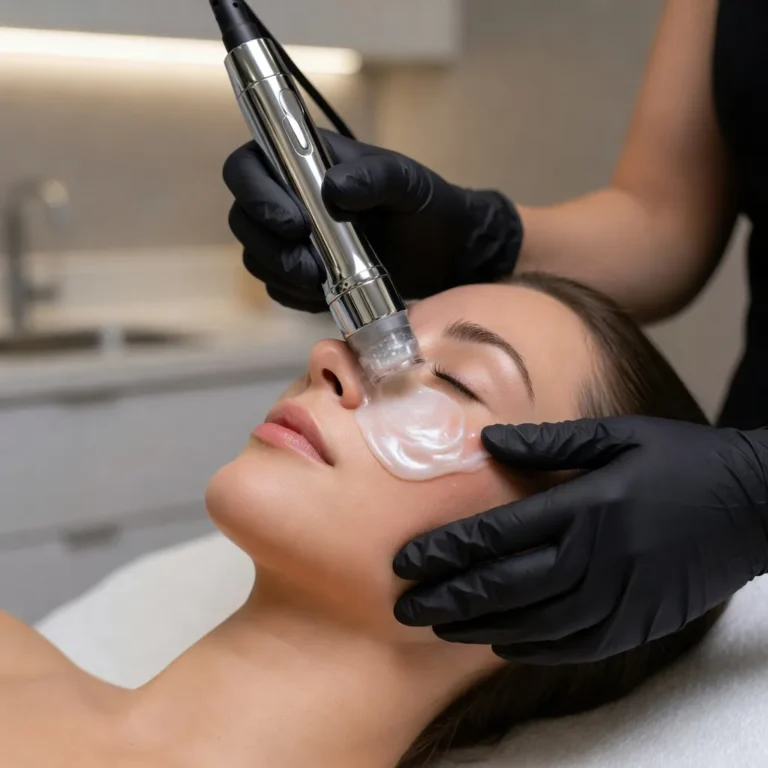
A vampire facial is microneedling with PRP, which targets skin texture, tone, and fine lines across the whole face. A vampire facelift is an injection treatment that combines PRP with hyaluronic acid filler to restore lost volume in specific areas. One works on the surface quality of your skin, the other works on shape and fullness underneath it.
That single difference drives almost everything else, including how fast you see results, how long they last, how much downtime you should plan for, and who should be doing the treatment. A facial needs a trained aesthetic provider using sterile microneedling equipment. A facelift involves injecting filler near blood vessels, so it belongs with a physician, nurse injector, or other licensed medical injector.
The honest picture on PRP itself is that the evidence is promising but still limited. A 2021 systematic review of 36 studies found encouraging results for facial rejuvenation but called for better-designed trials, and much of the visible lift in a vampire facelift comes from the filler rather than the plasma.
This guide compares the two side by side, gives you a quick way to work out which problem you are actually trying to fix, explains what the research does and does not show, and covers the safety checks that matter most, including why a licensed, sterile setting is not optional.
Shopping these picks?
Amazon Prime members get fast, free shipping on eligible items, plus Prime Video, Amazon Music and member deals. New members can start with a free trial.
Start a free Prime trialAged 18 to 24? Prime for Young Adults comes with a longer free trial and a lower price after it.
Affiliate link: we may earn a commission at no extra cost to you.
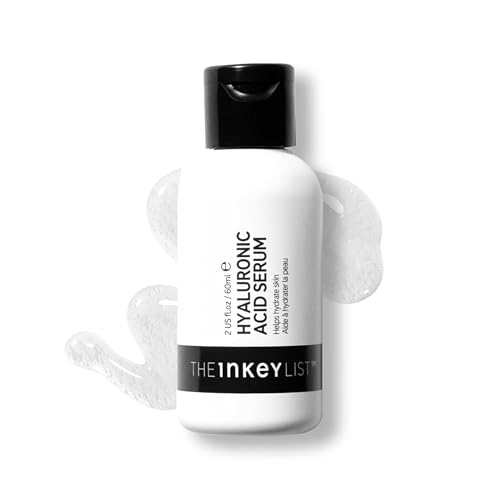
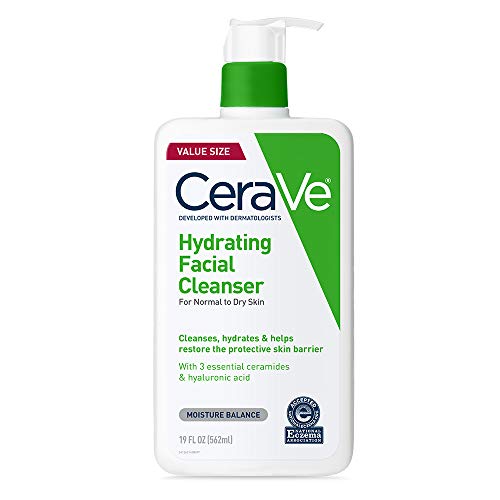
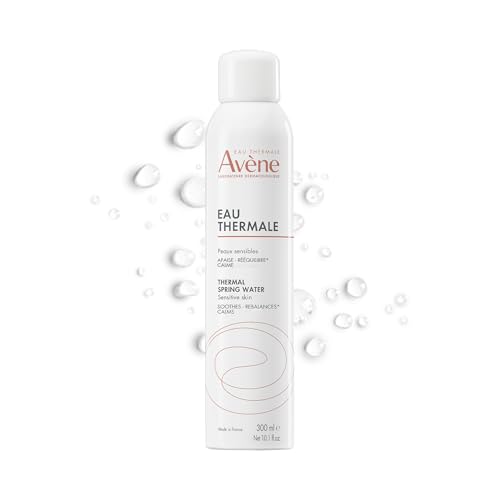
Recommended At-Home Microneedling Tools and Recovery Products


At a Glance
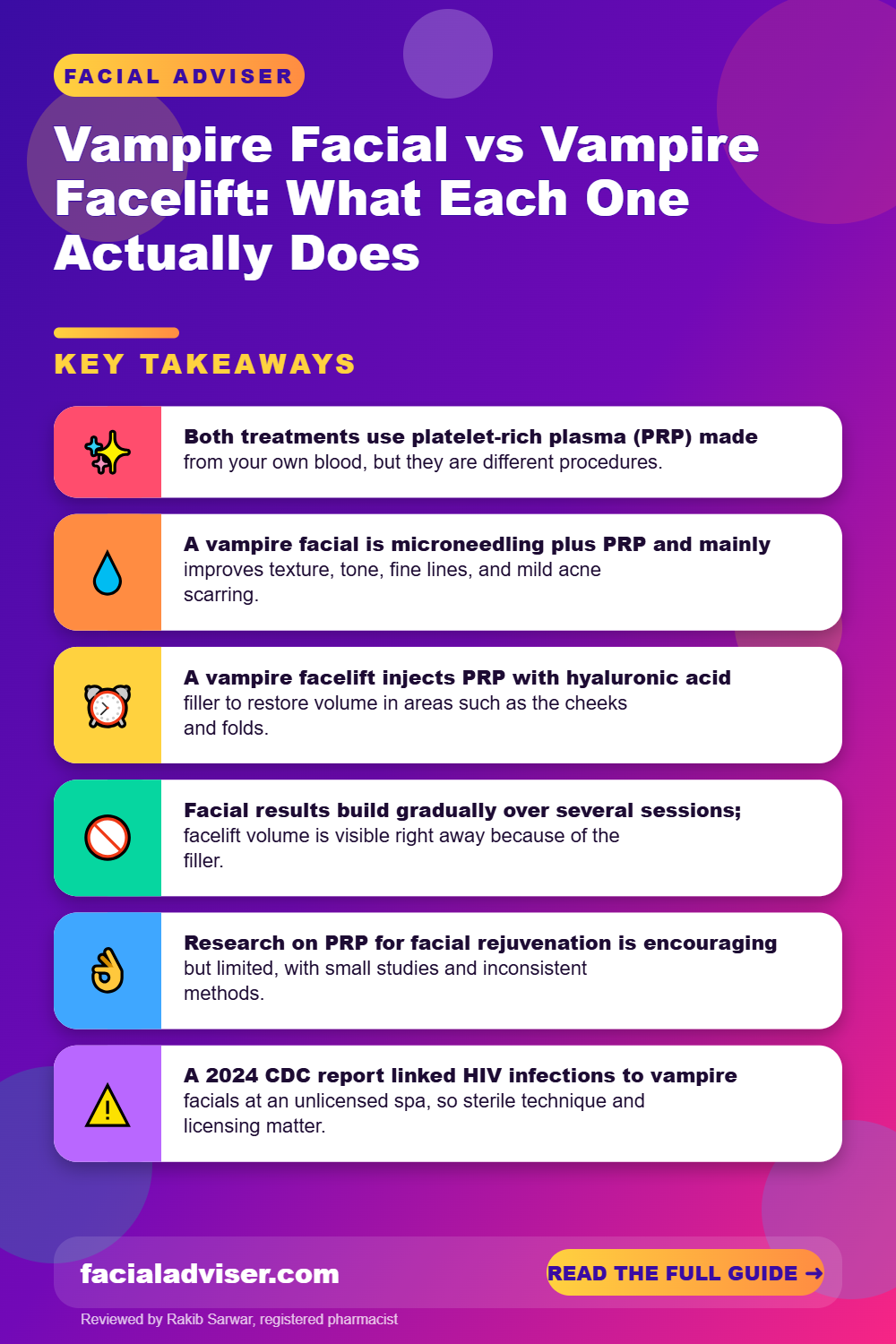
- Both treatments use platelet-rich plasma (PRP) made from your own blood, but they are different procedures.
- A vampire facial is microneedling plus PRP and mainly improves texture, tone, fine lines, and mild acne scarring.
- A vampire facelift injects PRP with hyaluronic acid filler to restore volume in areas such as the cheeks and folds.
- Facial results build gradually over several sessions; facelift volume is visible right away because of the filler.
- Research on PRP for facial rejuvenation is encouraging but limited, with small studies and inconsistent methods.
- A 2024 CDC report linked HIV infections to vampire facials at an unlicensed spa, so sterile technique and licensing matter.
- Match the treatment to your main concern: skin quality points to the facial, volume loss points to the facelift.
Jump to a Section
- The Short Version: Same Plasma, Different Procedures
- What Happens During a Vampire Facial
- What Happens During a Vampire Facelift
- Side-by-Side Comparison
- Which Problem Are You Actually Trying to Fix?
- What the Research Says About PRP
- Safety: Why the Setting Matters More Than the Name
- Aftercare and Recovery
- What Neither Treatment Can Do
- When to Talk to a Doctor First
- Your Questions, Answered
- Summing Up
The Short Version: Same Plasma, Different Procedures
Both procedures begin with a standard blood draw, usually one or two small tubes from your arm. The blood is spun in a centrifuge so the heavier red cells settle at the bottom and a straw-colored layer rich in platelets sits on top. Platelets carry growth factors involved in wound healing, and the theory behind both treatments is that concentrating them in the skin encourages repair and collagen production.
After that shared first step, the two treatments go in different directions. In a vampire facial, the provider microneedles your face and applies PRP to the skin so it can sit in the tiny channels the needles create. In a vampire facelift, the provider injects hyaluronic acid filler into targeted areas and then injects PRP, often in the same zones, to support the skin around the filler.
The trademarked Vampire Facelift and Vampire Facial names belong to a specific protocol, and licensed providers are supposed to follow it. In practice, many clinics use these terms for their own versions, so always ask exactly what is being done, what product is being injected, and who is doing it.
What Happens During a Vampire Facial
A vampire facial usually takes about an hour. After cleansing, the provider applies numbing cream and waits for it to take effect while your blood is drawn and processed. The face is then treated with a microneedling pen that makes many tiny, controlled punctures in the top layers of skin.
PRP is spread over the skin during or after microneedling. The microneedling itself triggers a healing response, and the PRP is intended to boost it. Most people look sunburned and a little swollen for one to three days, with mild flaking as the skin settles.
Results are gradual. Skin often looks brighter within a couple of weeks, but changes in texture and fine lines develop over several months as new collagen forms. Clinics commonly suggest a series of treatments spaced about a month apart. For a closer look at the facial alone, see our comparison of vampire facial vs microneedling.
Good candidates for the facial are usually people bothered by dullness, uneven texture, enlarged-looking pores, fine lines, or mild acne scars, rather than by hollowness or sagging.
What Happens During a Vampire Facelift
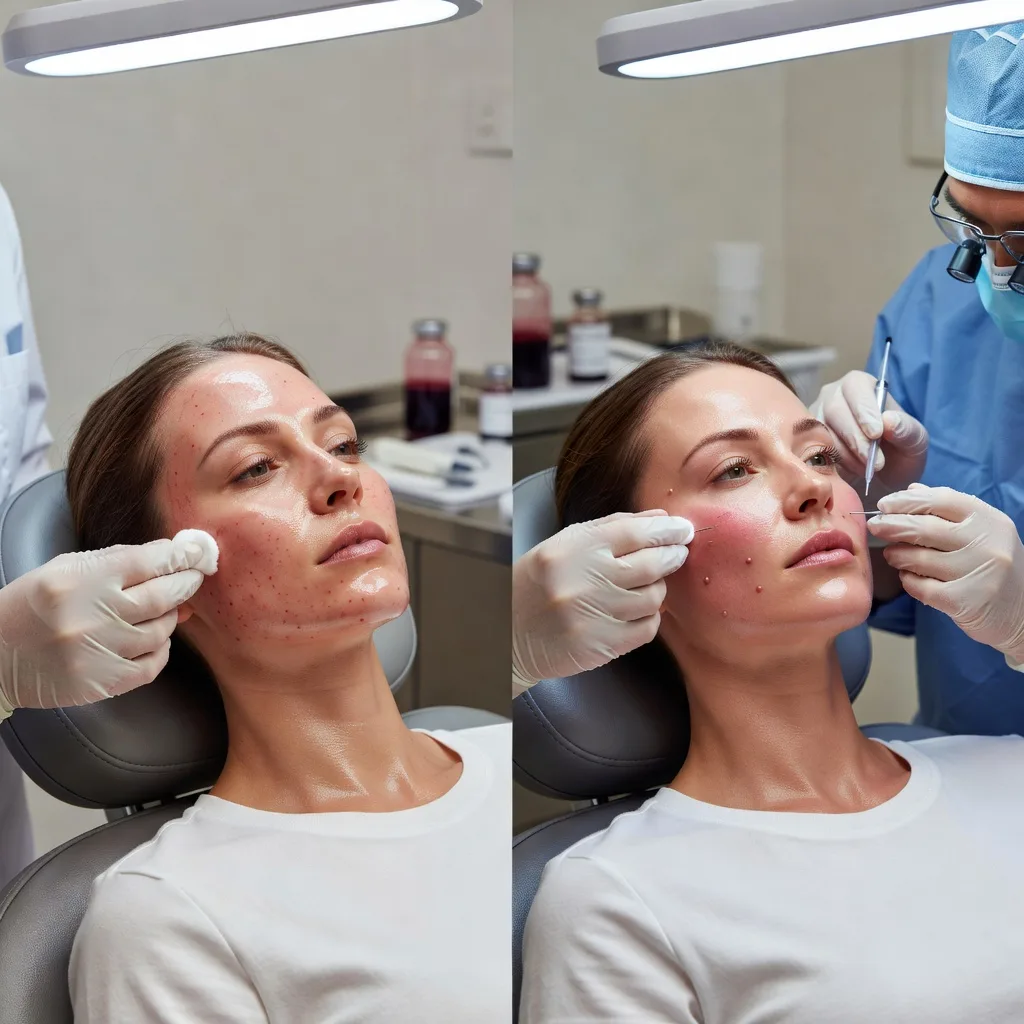
A vampire facelift is not a surgical facelift, and nothing is cut or lifted. It is an injection treatment. After numbing, the provider injects a hyaluronic acid filler into areas that have lost volume, such as the cheeks, the lines from nose to mouth, or hollows under the eyes. PRP is then injected into the same or surrounding areas.
The filler provides an immediate change in shape and fullness. The PRP is intended to improve skin quality over the following weeks. That means much of what you see on the day comes from the filler, which is well studied and predictable, while any extra benefit from the plasma is slower and harder to measure.
Expect some swelling, tenderness, and possibly bruising at injection sites for several days. Filler results often last many months, depending on the product and the area. If you are weighing injectables more broadly, our guide to facial fillers vs Botox explains what filler can and cannot correct.
Side-by-Side Comparison
| Feature | Vampire facial | Vampire facelift |
|---|---|---|
| Main technique | Microneedling with PRP on the skin | Injections of hyaluronic filler plus PRP |
| Best for | Texture, tone, fine lines, mild acne scars | Volume loss, hollows, deeper folds |
| When results show | Gradually, over weeks to months | Volume right away; skin changes later |
| Typical sessions | Often a series of about three | Often one, with touch-ups |
| Common downtime | Redness and flaking for 1 to 3 days | Swelling or bruising for several days |
| Who should perform it | Trained aesthetic provider in a sterile setting | Licensed medical injector |
| Main added risk | Infection if equipment is not sterile | Filler complications, including blocked blood vessels |
Neither treatment is automatically better. They solve different problems, and some people eventually do both, often starting with the less invasive facial to see how their skin responds.
Which Problem Are You Actually Trying to Fix?
Most of the confusion between these treatments disappears once you are clear about the main concern. This quick self-check takes a few minutes and a mirror.
Look straight on in daylight
Stand near a window with no makeup. Note what bothers you first: rough texture, dullness, pores, or fine lines on the surface, or hollowness and shadows.
Press gently on the area
Lightly lift the skin of your cheek upward with a fingertip. If the concern mostly disappears, the issue is likely volume or support. If it stays the same, it is likely a surface skin problem.
Check the shadows
Tilt your head down toward the light. Deep shadows under the eyes or along the nose to mouth lines usually point to volume loss rather than skin quality.
Run a fingertip across the skin
Bumpy texture, shallow scars, and rough patches are skin quality problems that microneedling is designed to target.
Write down your top concern
If it is surface quality, the facial is the closer match. If it is volume, the facelift is. Bring this note to your consultation and ask the provider to explain why they agree or disagree.
If a provider recommends the more expensive option without explaining how it matches your concern, get a second opinion before booking.
What the Research Says About PRP
PRP has been used in medicine for decades, particularly in orthopedics and wound care, and its use in aesthetics has grown quickly. The research on facial rejuvenation is growing too, but it is still far from settled.
A 2021 systematic review by Xiao and colleagues in Clinical, Cosmetic and Investigational Dermatology examined 36 studies involving more than 3,000 patients. PRP was used alone and in combination with treatments including microneedling, hyaluronic acid, fat grafting, and lasers. The authors found encouraging results but concluded that the evidence remained limited and called for more rigorous trials with standard ways of measuring outcomes.
One recurring problem is that PRP preparation varies widely. Different centrifuge systems produce different platelet concentrations, and studies use different numbers of sessions, needle depths, and outcome measures. That makes it hard to compare results or know how much of the benefit comes from PRP versus microneedling or filler alone.
For the vampire facial specifically, several split-face studies have compared microneedling with PRP against microneedling with saline or other serums, and many report modest extra improvement with PRP, particularly for acne scars. For the vampire facelift, the filler component has strong evidence, but the added value of injected PRP is much less clear.
Safety: Why the Setting Matters More Than the Name
In 2024, the CDC published a report on HIV infections linked to vampire facials performed at an unlicensed spa in Albuquerque, New Mexico. Investigators found unsafe practices, including unlabeled blood tubes left on a kitchen counter and injectables stored alongside food. The spa was closed in 2018, and the report was the first to link HIV transmission to nonsterile cosmetic injection services.
The risk in that case came from contaminated equipment and poor infection control, not from PRP itself. Your own plasma cannot give you a new infection when it is handled correctly with single-use, sterile equipment. That is why licensing and hygiene are the most important questions to ask before either treatment.
Walk away if the provider cannot show a license, reuses needles or tubes, draws blood outside a clean clinical area, or cannot tell you which filler brand they use. The CDC advises checking licenses through your state’s lookup tools.
The facelift also carries the standard risks of hyaluronic acid filler, including lumps, asymmetry, and rarely vascular occlusion, where filler blocks a blood vessel. This is a medical emergency that needs immediate treatment by the injector, which is another reason filler should only be placed by a trained medical professional.
Aftercare and Recovery
Recovery is short for both treatments, but the first few days matter. Your skin barrier is temporarily open after microneedling, and injection sites need time to settle.
Good Habits
- Use a gentle, fragrance-free cleanser and plain moisturizer.
- Apply a broad-spectrum sunscreen daily once your provider says it is safe.
- Sleep with your head slightly raised the first night after a facelift.
- Use a clean, cool compress for swelling.
- Follow your provider’s written aftercare instructions exactly.
Common Mistakes
- Apply retinoids, acids, or exfoliants for several days.
- Wear makeup for at least a day after microneedling unless your provider allows it.
- Work out hard, use a sauna, or swim right after treatment.
- Massage or press on filler areas unless told to.
- Pick at flaking or peeling skin.
If you are thinking about adding treatments later, our guide on microneedling with PRP covers how sessions are usually spaced.
What Neither Treatment Can Do
Neither procedure can match the results of a surgical facelift for significant sagging, heavy jowls, or loose neck skin. PRP will not tighten skin in a dramatic way, and filler can only restore so much before the face starts to look overfilled.
Results also depend heavily on the provider, the product, and your skin. Deep ice pick scars, significant sun damage, and pigment problems such as melasma may need other treatments, and microneedling can occasionally worsen pigmentation in darker skin tones if done aggressively.
| Claim you may hear | What to expect realistically |
|---|---|
| Instant facelift without surgery | Filler adds volume right away, but it does not lift loose skin like surgery. |
| Your blood regenerates your face | PRP may support collagen, but studies show modest, variable results. |
| One session is enough | The facial usually needs a series, and results fade without maintenance. |
| No risks because it is your own blood | Sterile technique, needle safety, and filler complications still matter. |
| Works for everyone | Results vary by age, skin type, concern, and provider skill. |
Going in with realistic expectations is the best way to be happy with either treatment.
When to Talk to a Doctor First
Some people should get medical advice before either treatment. Speak with a doctor or dermatologist if you:
- Have a blood disorder, low platelet count, or take blood thinners.
- Have active acne, cold sores, eczema, or any skin infection on the face.
- Are pregnant or breastfeeding.
- Have a history of keloid scarring or poor wound healing.
- Have an autoimmune condition or a weakened immune system.
- Have had filler complications or allergic reactions before.
After treatment, get urgent care for pain that gets worse, skin that turns white, gray, or dusky near an injection site, blistering, spreading redness, fever, or any vision changes.
Medical disclaimer: This article is for general information and is not a substitute for professional medical advice. Talk to a licensed provider about your health history before any cosmetic procedure.
Your Questions, Answered
What is the difference between a vampire facial and a vampire facelift?
A vampire facial is microneedling with PRP to improve skin texture and tone. A vampire facelift injects PRP with hyaluronic acid filler to restore volume.
Which gives faster results?
The facelift, because filler adds volume right away. Facial results build gradually over weeks to months.
Does a vampire facelift involve surgery?
No. It is an injection treatment with no cutting, although it is sometimes marketed as a non-surgical facelift.
How many vampire facial sessions do I need?
Many clinics suggest a series of about three treatments spaced roughly a month apart, followed by maintenance.
Is PRP proven to work for skin?
Evidence is encouraging but limited. A 2021 systematic review called for more rigorous trials with standard outcome measures.
Can a vampire facial give you HIV?
Not when done correctly. HIV cases in New Mexico were linked to an unlicensed spa using unsafe practices, not to PRP itself.
How long is the downtime?
Usually one to three days of redness after a facial and several days of possible swelling or bruising after a facelift.
Can I combine both treatments?
Some people do, often on different days. Your provider should plan the timing based on your skin and goals.
Is a vampire facial safe for dark skin?
It can be, but aggressive microneedling may trigger pigmentation. Choose a provider experienced with your skin tone.
Who should perform a vampire facelift?
A licensed medical injector, such as a physician or nurse injector, because filler carries risks that need medical training.
Summing Up
A vampire facial and a vampire facelift share a name and a blood draw, but they solve different problems. The facial uses microneedling and PRP to improve the surface of your skin over time, while the facelift uses filler and PRP to restore volume in targeted spots, with most of the immediate change coming from the filler.
Start by identifying whether your main concern is skin quality or volume, keep expectations in line with the still-limited evidence on PRP, and treat licensing and sterile technique as non-negotiable. The right provider matters more than the name on the menu.

Written by
Registered pharmacist and founder of Facial Adviser. Rakib's pharmacy training covers how skincare actives work and interact; a later course in cosmetology turned that into a focus on facial treatments and skincare products. He plans, researches and edits every guide on the site and checks health claims against sources such as the American Academy of Dermatology, the FDA and the NIH. He is not a dermatologist; see the Editorial Policy and Medical Disclaimer.
About · Editorial policy · How we choose products · Medical disclaimer · Contact
Keep reading: Microneedling, PRP and lasers
- Microneedling Facial: Real Results, Explained
- Vampire Facial vs Microneedling: Safety Check First
- Laser Facial vs Microneedling: Results, Downtime, and Skin Tone Safety
- Why Can't You Wear Makeup After Microneedling? How Long to Wait
- Best Microneedling Pen for Fine Lines and Wrinkles: Safe Home Buyer's Guide
- Best Laser for Facial Veins: Pulsed Dye, KTP, Nd:YAG and IPL Compared
- Ultimate Guide Microdermabrasion: What to Know
- Facial vs Chemical Peel: Differences, Results and Which to Choose