Best Microneedling Pen for Fine Lines and Wrinkles: Safe Home Buyer’s Guide
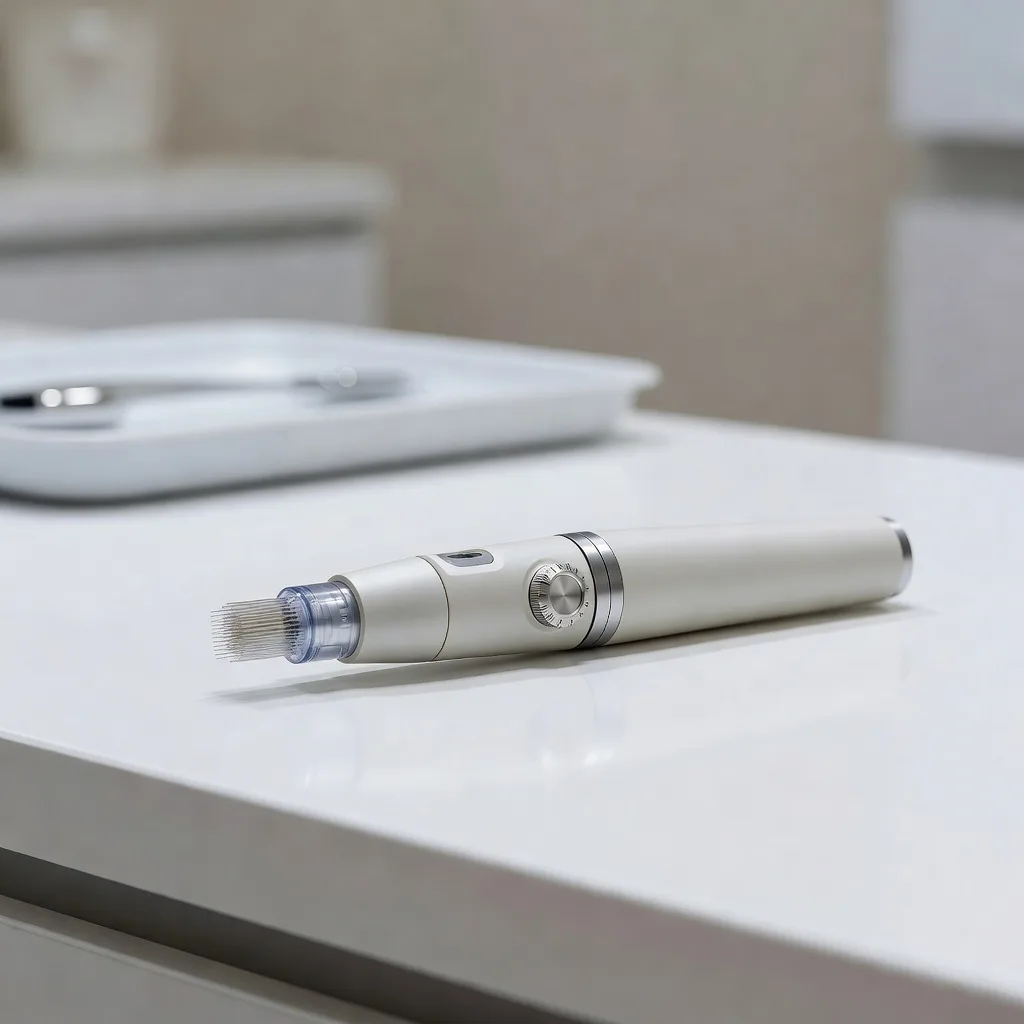
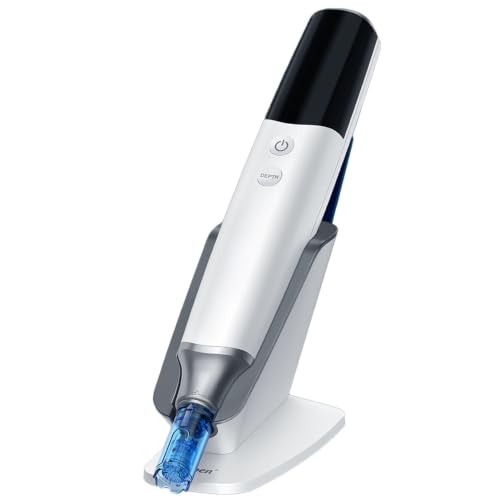
Microneedling pens are motorised devices that tap a cartridge of fine needles into the skin to create tiny, controlled injuries. The idea is that the skin repairs itself and builds new collagen along the way, which may soften fine lines and uneven texture over time. The same basic tool is used in dermatology clinics, which is why home pens look so tempting.
Part of our guide to facial treatments. Start with: Microneedling Facial: Real Results, Explained
The best microneedling pen for fine lines at home is one with a very short, clearly marked needle setting, single-use sterile cartridges, a stable motor and simple instructions, used cautiously and infrequently. Home pens are best kept to shallow depths that do not draw blood; at these depths, results on wrinkles are modest at best. Deeper microneedling, the kind that can meaningfully improve wrinkles and scars, carries real risks of infection, scarring and discolouration and should be done by a board-certified dermatologist. If you want visible change in established wrinkles, professional treatment is the safer and more effective choice.
In short: a home pen is a low-depth, low-reward tool, and deep needling belongs in a clinic.
The American Academy of Dermatology says microneedling can help wrinkles and fine lines when a dermatologist performs it, and warns that at-home use raises the risk of infection, scarring and long-lasting skin discolouration.
This buyer’s guide explains how pens differ, which features matter, needle length limits, who should avoid microneedling and how to reduce risk if you still choose to use one.
Shopping these picks?
Amazon Prime members get fast, free shipping on eligible items, plus Prime Video, Amazon Music and member deals. New members can start with a free trial.
Start a free Prime trialAged 18 to 24? Prime for Young Adults comes with a longer free trial and a lower price after it.
Affiliate link: we may earn a commission at no extra cost to you.
Recommended Microneedling Pens on Amazon
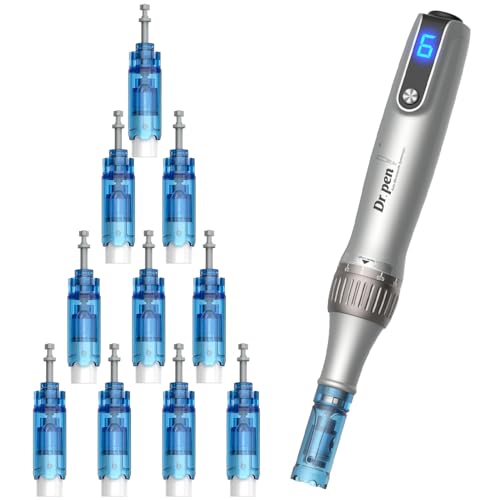
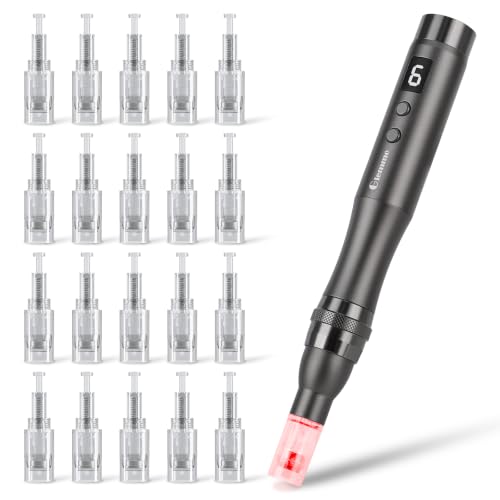
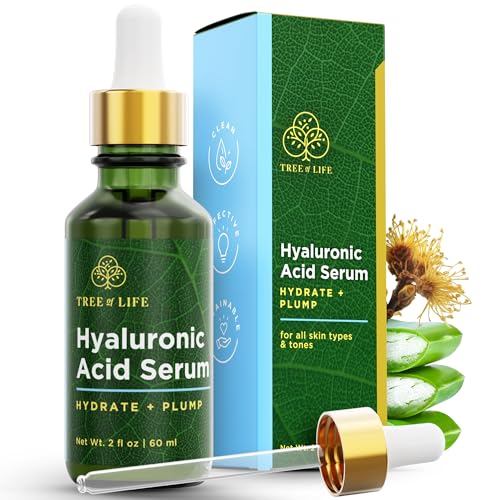


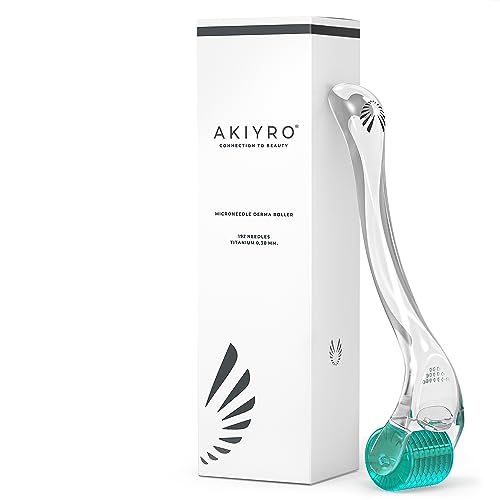
What This Covers
- What a Microneedling Pen Does to Fine Lines
- Needle Length Limits: How Deep Is Safe at Home?
- What to Look For in a Microneedling Pen
- What Home Microneedling Can and Cannot Do
- At-Home Microneedling Risks
- Who Should Avoid a Microneedling Pen
- How to Use a Microneedling Pen Safely at Home
- Aftercare and Products to Pause
- Home Pen or Professional Microneedling?
- Dos and Don’ts
- Honest Limits
- When to See a Dermatologist
- Common Questions
- Summing Up
What to Know First
- Microneedling may help fine lines, but deep treatment belongs with a dermatologist.
- Home pens should stay at shallow settings that do not draw blood.
- Sterile, single-use cartridges are essential; never share or reuse them.
- Results at home are modest and slow.
- Skip it with active acne, infection, cold sores, eczema or keloid scars.
- Protect treated skin with sunscreen and a simple routine.
- Stop and seek care if you see pus, spreading redness or scarring.
What a Microneedling Pen Does to Fine Lines
A microneedling pen has a small motor that drives a disposable cartridge of fine needles up and down at high speed. As you glide it across the skin, it leaves many tiny channels. The skin treats these as minor wounds and starts a repair process that can include new collagen and elastin, the proteins that keep skin firm and smooth.
Fine lines are shallow creases, so they are the kind of wrinkle most likely to respond to collagen-building treatments. Deeper folds, such as those caused by volume loss or strong muscle movement, usually need different approaches. Our guide to the best treatment for facial wrinkles compares microneedling with retinoids, lasers and injectables.
Collagen remodelling takes weeks to months. Any plumping you notice the day after a session is mostly mild swelling, not new collagen, and it fades within a few days.
Needle Length Limits: How Deep Is Safe at Home?
Needle depth is the single most important safety setting on a pen. Most devices let you dial the depth, and many go far deeper than a home user should ever set them. The deeper the needles, the more bleeding, pain, downtime and risk of infection or scarring.
| Depth range | Typical use | Who should do it |
|---|---|---|
| Very shallow (surface only) | Helps products spread; mild texture and glow | Home use with care |
| Shallow (no bleeding) | Gentle routine for fine lines and dullness | Home use only if experienced, infrequently |
| Medium (pinpoint bleeding) | Fine lines, texture, mild scarring | Dermatologist or trained clinician |
| Deep | Acne scars, deeper wrinkles, stretch marks | Dermatologist only |
If the skin bleeds during a home session, the needles are too deep. Facial skin is also thinner in some areas than others, so a setting that feels fine on the cheek can be too deep on the forehead, around the eyes or over bone. When in doubt, go shallower, not deeper.
What to Look For in a Microneedling Pen
- Sealed, sterile, single-use cartridges that are easy to buy and replace.
- A clear depth dial with fine steps and a locking mechanism.
- A stable, quiet motor with a few speed settings rather than one very fast mode.
- A cartridge design that prevents fluid backflow into the pen.
- Reliable battery or cable power so the speed stays consistent.
- Clear instructions that describe depth, pressure and cleaning.
- A pen body that is easy to wipe with alcohol between uses.
Avoid pens sold with vague claims about depth, reusable needle heads or no information on cartridge sterility. A higher top depth is not an advantage for home use; it only adds room for mistakes. A pen is also not the same as a derma roller. Rollers tear the skin at an angle as they roll in and out, while pens enter vertically, which is one reason clinics prefer pens.
Check the cartridge before each session: the needles should look straight, even and sealed in their packaging. A bent or blunt needle drags across the skin instead of entering cleanly, which increases irritation. Cartridges with more needles spread the effect more evenly, but they do not make a pen safer if the depth is set too deep.
What Home Microneedling Can and Cannot Do
Most research on microneedling uses professional treatments at controlled depths, often for acne scars. Much less is known about home pens used at shallow settings for fine lines, so expectations should stay realistic.
| Goal | What to expect at home | Professional option |
|---|---|---|
| Fine lines | Subtle softening over months, at best | Series of in-clinic sessions |
| Deep wrinkles | Little visible change | Combined treatments, lasers or injectables |
| Texture and glow | Mild improvement is possible | Microneedling, peels or lasers |
| Acne scars | Unlikely to help at safe depths | Dermatologist microneedling |
| Enlarged pores | Small, temporary change | In-clinic treatment series |
The American Academy of Dermatology notes that microneedling can help scars, wrinkles and fine lines and that products made for at-home use are not meant to puncture the skin in the same way, so they do not give the same results.
At-Home Microneedling Risks
Breaking the skin barrier at home, without a sterile setting or training, creates risks that go well beyond a little redness.
- Infection from non-sterile cartridges, dirty skin or contaminated serums.
- Spreading cold sores or warts across the face.
- Scarring from excess depth, pressure or repeated passes.
- Dark or light patches, especially in medium to deep skin tones.
- Reactions or bumps when strong products are pushed into the skin.
- Broken capillaries and bruising around the eyes and nose.
Many of these problems do not show up straight away. An infection may appear two or three days later as pus, crusting or spreading warmth, and dark patches can take weeks to develop and months to fade. That delay is why careful technique matters more than how the skin looks at the end of a session. Serums that are not sterile, or that contain fragrance and strong actives, are a common cause of trouble because needling pushes them deeper than they were designed to go.
Never share a microneedling pen cartridge with anyone, even family. Shared needles can transmit blood-borne infections. Use a new sterile cartridge for every session and throw it away afterwards.
Who Should Avoid a Microneedling Pen
Some people should not microneedle at home at all, and some should speak to a dermatologist before any needling treatment.
- Active acne, infected spots or open wounds on the face.
- Cold sores, now or frequently in the past.
- Eczema, psoriasis or rosacea flares.
- A history of keloid or raised scars, or slow wound healing.
- Recent isotretinoin treatment or a weakened immune system.
- Recent sunburn, tanning or radiation treatment.
- Pregnancy, or taking blood-thinning medication, unless your doctor agrees.
If any of these apply, a dermatologist can tell you whether microneedling is suitable at all, whether it should wait until the skin settles, or whether another treatment would suit you better. Medium and deep skin tones are more prone to dark marks after skin injury, so a professional who can adjust depth and aftercare is especially worthwhile if you tend to mark easily after spots or scratches.
How to Use a Microneedling Pen Safely at Home
Patch test first
Test a small area on the jaw at the shallowest setting and wait a few days.
Cleanse and disinfect
Wash your hands and face, then wipe the skin as the device instructions describe.
Fit a new sterile cartridge
Open a sealed cartridge just before use and set the shallowest depth.
Add a simple glide product
Use a plain, fragrance-free product labelled for use with microneedling.
Glide lightly in sections
Hold the pen upright, work in small sections and avoid the eyelids and lips.
Stop at mild pinkness
Do not chase bleeding or go over the same spot again and again.
Aftercare and cleaning
Apply a gentle moisturiser, skip actives for a few days, discard the cartridge and clean the pen.
Space home sessions several weeks apart. More frequent needling does not speed up collagen building; it only gives the skin less time to recover.
Aftercare and Products to Pause
For a few days after needling, the skin barrier is more open, so what you apply matters. Keep the routine short: a gentle cleanser, a bland moisturiser and sunscreen.
- Pause retinoids, exfoliating acids and vitamin C for several days.
- Avoid makeup for at least a day while the tiny channels close.
- Skip saunas, hot yoga and swimming pools for a couple of days.
- Use a broad-spectrum sunscreen of SPF 30 or higher every morning.
- Do not pick at dry or flaking skin.
Our guide on why you should not wear makeup after microneedling explains the infection and irritation risk in more detail.
Home Pen or Professional Microneedling?
Professional microneedling uses sterile conditions, numbing, controlled depth and a trained eye for problem areas. It is usually done as a series of sessions a few weeks apart. The cost is higher, but so is the likelihood of a visible result, and the risk of complications is lower.
A dermatologist can also combine or compare microneedling with other options. If you are weighing treatments, our comparison of laser facials and microneedling explains how they differ in depth, downtime and results. For fine lines alone, a daily retinoid and sunscreen often give steadier improvement than home needling.
Dos and Don’ts
Worth Doing
- Use a new sterile cartridge every time
- Stay at shallow settings
- Patch test first
- Wear sunscreen daily
- See a dermatologist for deeper lines
Skip It
- Draw blood at home
- Share or reuse cartridges
- Needle over spots, cold sores or rashes
- Apply strong actives straight after
- Needle more often than recommended
Honest Limits
There is little good research on consumer microneedling pens for wrinkles. Most evidence comes from clinic treatments at depths home users should avoid. At the shallow depths that are reasonably safe at home, the effect on fine lines is likely to be small and slow, and it is hard to separate from the effect of better skincare and sun protection. No pen can lift sagging skin, fill deep folds or replace professional care.
Before-and-after photos online are also unreliable. Lighting, camera angle, makeup and the swelling that follows needling can all make skin look smoother for a few days. If you decide to try a home pen, judge results over several months, in the same light, and weigh them against the risks described above.
When to See a Dermatologist
- You want visible improvement in wrinkles or scars.
- Redness, swelling or pain lasts more than a few days.
- You notice pus, crusting, warmth or spreading redness.
- Dark patches, raised scars or bumps appear after needling.
- You have a skin condition or take medicines that affect healing.
This article is for general information and does not replace medical advice. Microneedling breaks the skin and carries a risk of infection, scarring and discolouration. Speak to a board-certified dermatologist before trying it, especially if you have a skin condition, and seek medical care promptly if you notice signs of infection.
Common Questions
Does microneedling help fine lines?
It can, mainly when done professionally in a series.
Is a microneedling pen better than a derma roller?
Pens enter the skin vertically and are usually gentler on tissue.
What needle depth is safe at home?
Only shallow depths that do not cause bleeding.
How often can I microneedle at home?
No more than every few weeks.
Can I reuse cartridges?
No, use a new sterile cartridge each time.
Does microneedling hurt?
Shallow depths feel prickly; deeper treatment needs numbing.
What should I put on my skin afterwards?
A gentle moisturiser and, the next morning, sunscreen.
Can darker skin tones use microneedling?
Yes, but discolouration risk means professional care is safer.
When will I see results?
Usually after several weeks to months.
Can microneedling fix deep wrinkles?
Not at home; see a dermatologist for deeper lines.
Summing Up
The best microneedling pen for fine lines is a simple, well-built device with sterile single-use cartridges and a clear depth dial, used at shallow settings and spaced weeks apart.
Keep expectations modest, never draw blood at home, and book a board-certified dermatologist if you want real change in wrinkles or scars. Professional treatment is safer and more effective for anything beyond the surface.

Written by
Registered pharmacist and founder of Facial Adviser. Rakib's pharmacy training covers how skincare actives work and interact; a later course in cosmetology turned that into a focus on facial treatments and skincare products. He plans, researches and edits every guide on the site and checks health claims against sources such as the American Academy of Dermatology, the FDA and the NIH. He is not a dermatologist; see the Editorial Policy and Medical Disclaimer.
About · Editorial policy · How we choose products · Medical disclaimer · Contact
Keep reading: Microneedling, PRP and lasers
- Best Laser for Facial Veins: Pulsed Dye, KTP, Nd:YAG and IPL Compared
- Facial Veins on the Nose: How to Reduce Them and What Really Works
- Microneedling Facial: Real Results, Explained
- Can Facial Thread Veins Be Removed? Real Answer
- What Is a Diamond Signature Laser Facial, Really?
- Facial vs Chemical Peel: Differences, Results and Which to Choose
- What Is the Best Anti-Aging Facial Treatment? Options Compared by Goal