Facial Veins on the Nose: How to Reduce Them and What Really Works
Fine red or purple lines around the nostrils and across the bridge of the nose are very common, especially from middle age onwards. They are usually harmless, but many people find them frustrating because they do not fade on their own and are hard to hide. Understanding why they appear helps you choose what is worth trying and what is a waste of money.
Part of our guide to facial treatments. Start with: Microneedling Facial: Real Results, Explained
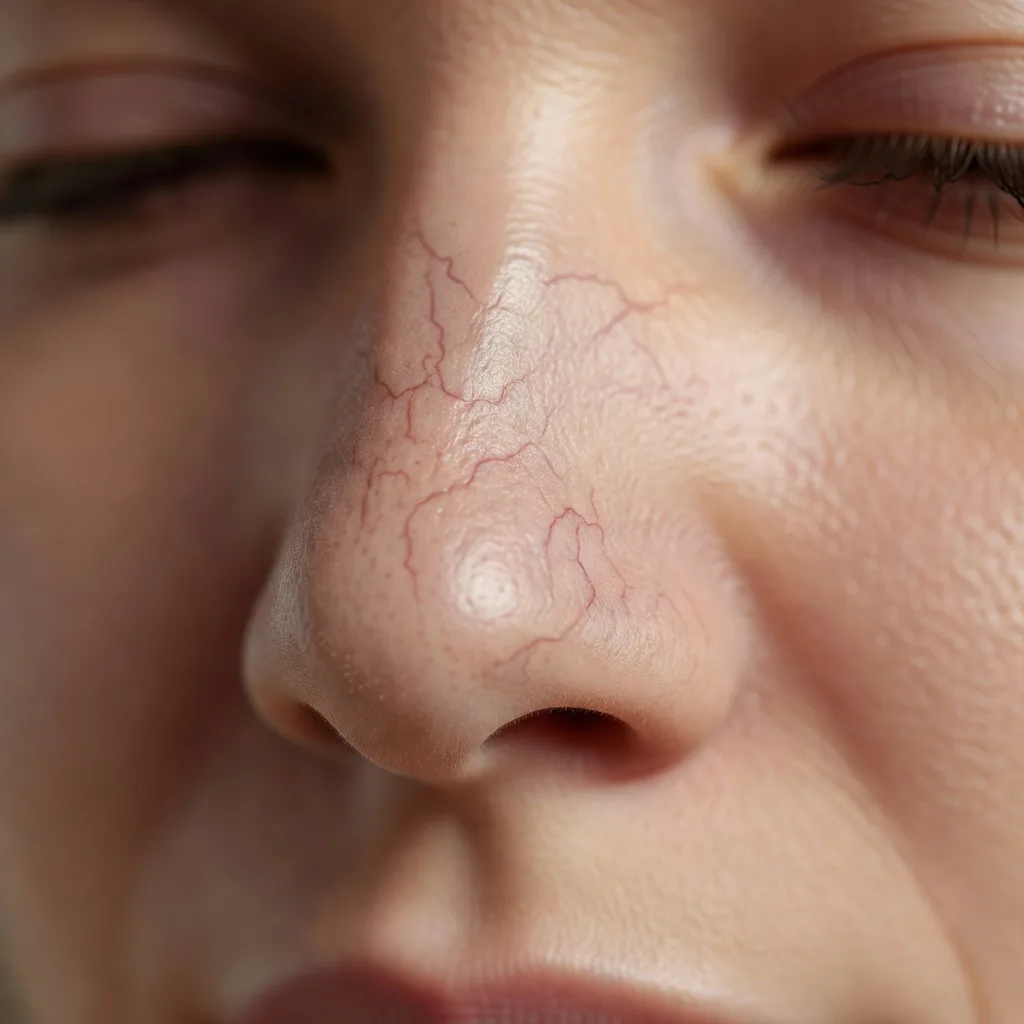
The small visible veins on the nose are called telangiectasia, or broken capillaries, and they are widened blood vessels near the skin surface. The main causes are long-term sun exposure, rosacea, genetics, ageing skin, alcohol, smoking and sometimes injury or harsh treatments. Creams cannot close or remove vessels that are already visible, but daily sunscreen, gentle skincare and ingredients such as azelaic acid or niacinamide may reduce general redness and help prevent new ones. The most effective way to reduce existing veins is vascular laser or intense pulsed light (IPL) treatment by a qualified professional, and green colour-correcting makeup can hide them in the meantime.
In short: prevent new veins with sun protection and gentle care, remove existing ones with professional light treatment and cover them with makeup when you want.
The FDA recommends regular use of broad-spectrum sunscreen with SPF 15 or higher along with other sun-protection measures, which matters because sun damage is a leading cause of facial veins.
This guide covers causes, what topicals can and cannot do, professional options, camouflage and when to see a dermatologist.
Shopping these picks?
Amazon Prime members get fast, free shipping on eligible items, plus Prime Video, Amazon Music and member deals. New members can start with a free trial.
Start a free Prime trialAged 18 to 24? Prime for Young Adults comes with a longer free trial and a lower price after it.
Affiliate link: we may earn a commission at no extra cost to you.
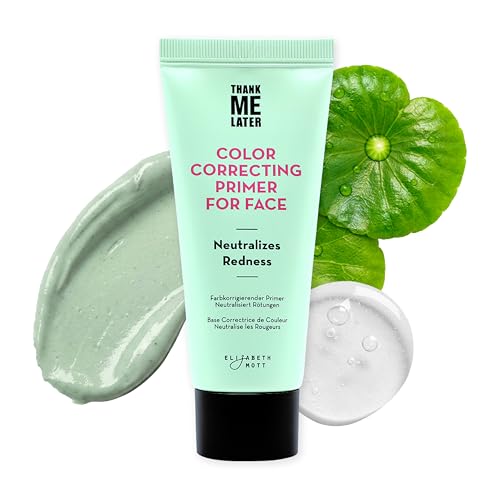
Recommended Products for Visible Veins and Redness on the Nose
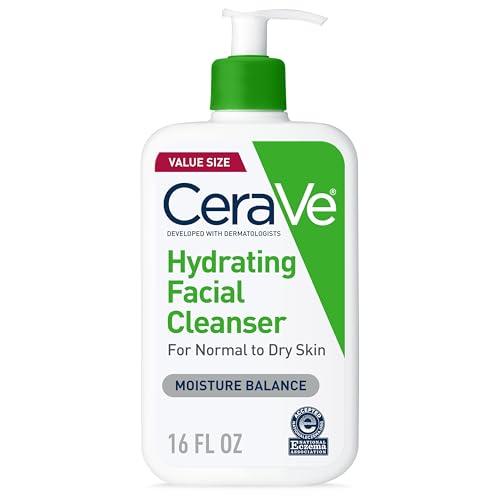


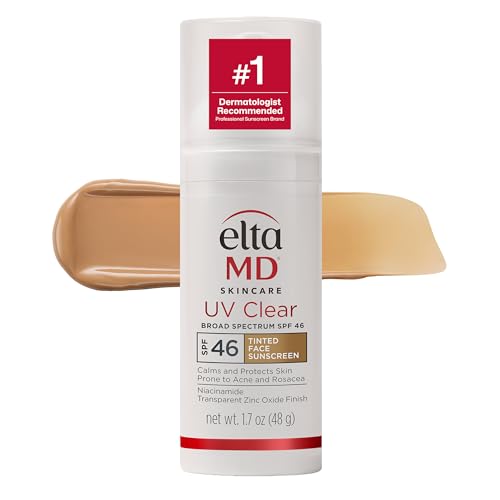
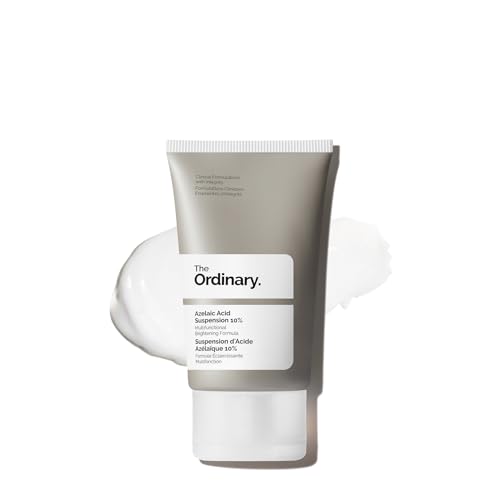
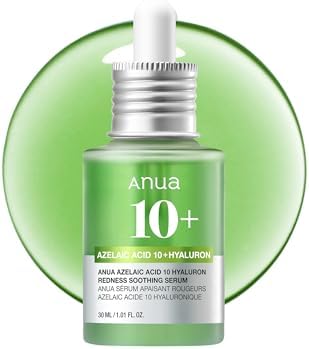
Quick Answer
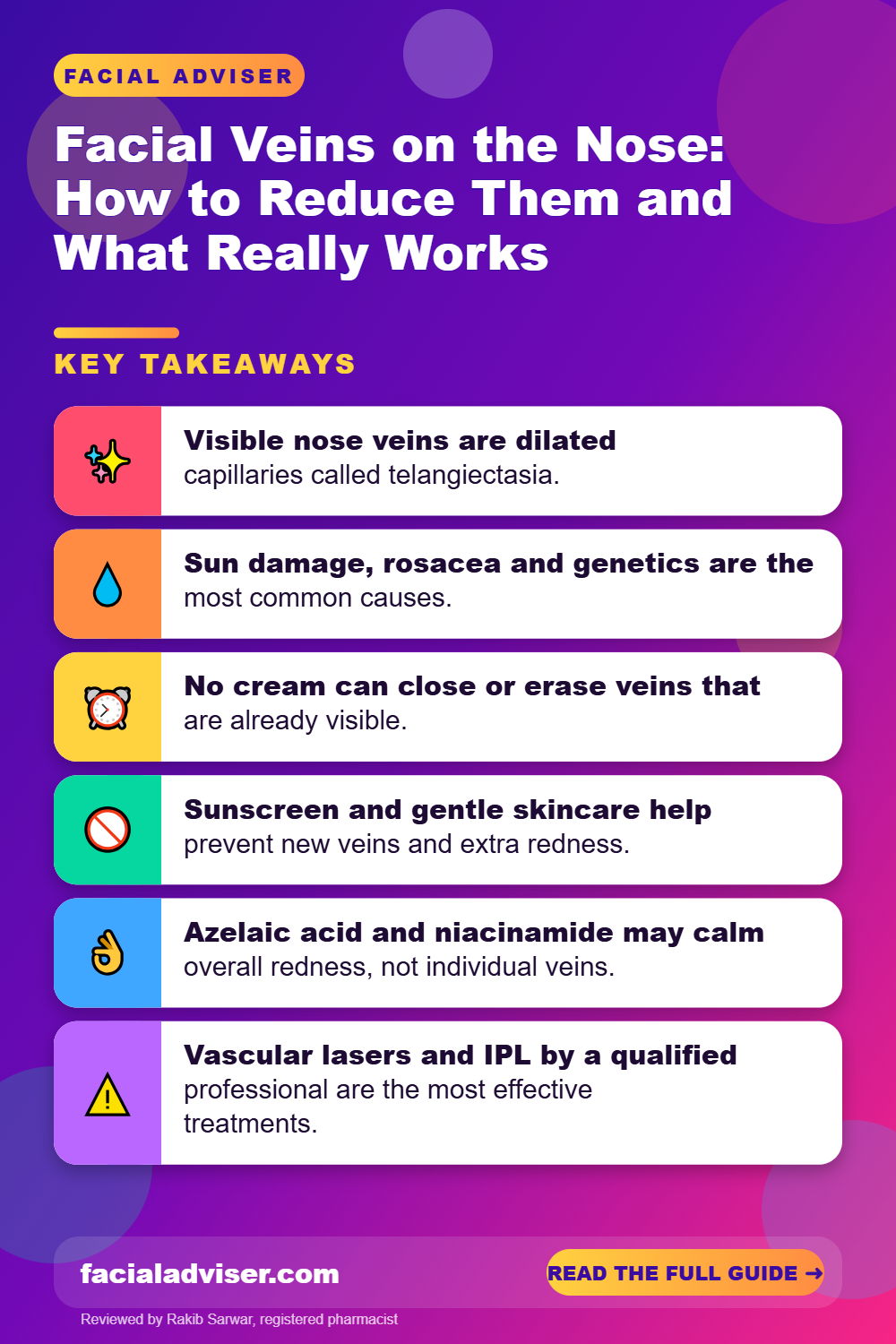
- Visible nose veins are dilated capillaries called telangiectasia.
- Sun damage, rosacea and genetics are the most common causes.
- No cream can close or erase veins that are already visible.
- Sunscreen and gentle skincare help prevent new veins and extra redness.
- Azelaic acid and niacinamide may calm overall redness, not individual veins.
- Vascular lasers and IPL by a qualified professional are the most effective treatments.
- Green colour correctors and a thin layer of foundation can hide veins well.
Jump to a Section
- What Are the Veins on Your Nose?
- Main Causes of Facial Veins on the Nose
- Is It Rosacea?
- What Creams and Serums Can and Cannot Do
- How to Reduce the Look of Nose Veins at Home
- Sun Protection: The Most Important Step
- Laser and IPL: Professional Treatment
- Preparing for Laser or IPL and Recovery
- How to Camouflage Nose Veins With Makeup
- Habits That Make Nose Veins Worse
- Honest Limits
- When to See a Dermatologist
- FAQ
- The Takeaway
What Are the Veins on Your Nose?
The tiny lines you see are not true veins but small, dilated blood vessels, usually capillaries or venules, sitting just under the surface. Doctors call them telangiectasia, and they are often described as spider veins or broken capillaries. The name broken capillaries is misleading, because the vessels are not broken; they are permanently widened and so show through the skin.
The nose is a common site because the skin there is exposed to a lot of sun, contains many small blood vessels and is often flushed by heat, wind and cold. Veins usually appear on the sides of the nostrils and the crease where the nose meets the cheek.
Main Causes of Facial Veins on the Nose
Most people have more than one contributing factor. Some can be changed, others cannot.
| Cause | How it contributes | Can you change it? |
|---|---|---|
| Sun exposure | UV damage weakens vessel walls and thins supporting skin | Yes, with daily sun protection |
| Rosacea | Repeated flushing widens vessels over time | Partly, by managing triggers and treatment |
| Genetics | Some people inherit a tendency to visible vessels | No |
| Ageing | Skin thins and vessels become more visible | Partly, with sun protection and skincare |
| Alcohol | Causes flushing and vessel widening | Yes, by drinking less |
| Smoking | Damages blood vessels and skin structure | Yes, by stopping |
| Injury or harsh treatment | Pressure, aggressive scrubs or picking can damage vessels | Yes, with gentler care |
Smoking has a particularly clear effect on small blood vessels. Our guide on the impact of smoking on facial microvessels explains how.
Is It Rosacea?
Rosacea is a long-term skin condition that causes flushing and persistent redness across the central face, often with visible vessels, and sometimes with bumps, stinging or sore eyes. If your nose veins come with frequent blushing, redness on the cheeks and sensitivity to many products, rosacea may be the underlying cause.
This matters because treating rosacea can reduce flushing and slow the appearance of new vessels. Common triggers include sun, heat, spicy food, hot drinks, alcohol, stress and some skincare products. A dermatologist can confirm the diagnosis and prescribe treatment if needed.
Visible nose veins on their own do not mean you have rosacea. Many people with sun damage or a family tendency develop them without any other symptoms. A doctor can tell the difference.
What Creams and Serums Can and Cannot Do
Skincare is often marketed as a fix for broken capillaries. The honest picture is that topicals work on overall redness and prevention, not on vessels that are already dilated.
| Ingredient | What it may do | What it cannot do |
|---|---|---|
| Broad-spectrum sunscreen | Prevents further UV damage and new vessels | Remove existing veins |
| Azelaic acid | May reduce redness and bumps, especially in rosacea | Close visible vessels |
| Niacinamide | May support the barrier and calm general redness | Shrink dilated capillaries |
| Gentle moisturiser | Reduces irritation that adds to redness | Change vessel size |
| Vitamin C serum | Antioxidant support alongside sunscreen | Replace sunscreen or remove veins |
| Prescription rosacea creams | Some reduce redness for hours | Permanently remove telangiectasia |
Niacinamide is widely tolerated and a good option for skin that is red and sensitive. Our guide on niacinamide and its skin benefits explains how to use it. Be sceptical of any product that claims to erase broken capillaries.
How to Reduce the Look of Nose Veins at Home
This routine will not make existing veins disappear, but it helps prevent new ones and reduces the redness around them.
Cleanse gently
Wash with lukewarm water and a mild, fragrance-free cleanser; avoid hot water on the face.
Apply a calming treatment
Use azelaic acid or niacinamide once or twice a day, starting slowly if you are sensitive.
Moisturise
Apply a simple, fragrance-free moisturiser to support the skin barrier.
Protect from sun
Finish every morning with a broad-spectrum mineral sunscreen and reapply outdoors.
Avoid triggers
Notice what makes you flush, such as heat, alcohol or spicy food, and cut back.
Colour correct if wanted
Dab a thin green corrector on visible veins, then a light foundation or concealer.
Sun Protection: The Most Important Step
Ultraviolet light is one of the biggest drivers of visible facial vessels, and the nose gets more sun than almost any other part of the face. Daily broad-spectrum sunscreen, applied generously and reapplied when outside, is the single most useful habit for preventing new veins.
Mineral sunscreens with zinc oxide are often better tolerated by red, sensitive skin, and tinted versions can reduce the look of redness at the same time. A wide-brimmed hat adds protection that sunscreen alone cannot. The AAD guidance on applying sunscreen covers how much to use and how often to reapply.
Sunscreen often wears off the nose first because of rubbing, glasses and oil. Pat a little extra on the nose and reapply there during the day, especially when outdoors.
Laser and IPL: Professional Treatment
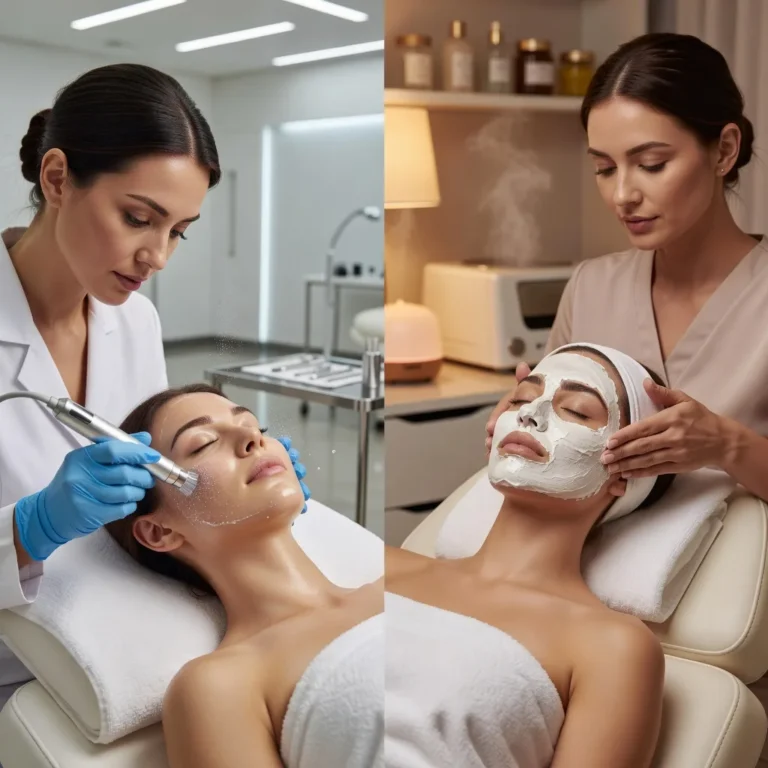
For veins that are already visible, light-based treatments are the most effective option. Vascular lasers, such as pulsed dye lasers and certain other wavelengths, and intense pulsed light (IPL) target the red pigment in blood. The light heats the vessel, which collapses and is gradually absorbed by the body.
Many people need one to three sessions, and results can be very good for fine veins on the nose. Short-term redness, swelling or bruising is common, and less often there can be blistering or changes in skin colour, particularly on darker skin tones. Results are not permanent protection: new vessels can form over time, especially without sun protection, so some people need occasional maintenance.
Very fine needle treatments with electrical current (electrocautery) are another option for individual vessels. All of these should be carried out by a dermatologist or a suitably qualified and experienced practitioner who has assessed your skin first.
Preparing for Laser or IPL and Recovery
A good practitioner will start with a consultation, look at your skin type, ask about medicines, sun exposure and any history of cold sores or scarring, and may do a test patch. Tanned skin is harder to treat safely, so most clinics ask you to avoid sun and self-tan for several weeks beforehand. Treatment is often planned for the cooler, darker months for the same reason.
After treatment, the area may look red, slightly swollen or bruised for a few days, depending on the device and settings. Aftercare is usually simple: cool compresses, a gentle cleanser and moisturiser, no scrubs or strong actives until the skin settles, and strict sun protection. Ask how many sessions are likely, what side effects to watch for and who to contact if something does not look right. Choosing experience over the lowest price is worth it for treatments on the face.
How to Camouflage Nose Veins With Makeup
Makeup is a quick, reliable way to hide veins when you want to. Green sits opposite red on the colour wheel, so a thin green corrector neutralises the red before you apply your usual base.
- Apply sunscreen and let it set before any makeup.
- Dab a very small amount of green corrector only on the red lines, not all over.
- Tap it in with a fingertip or small brush rather than rubbing.
- Layer a thin foundation or concealer that matches your skin over the top.
- Set lightly with powder around the nostrils where makeup tends to wear off.
Too much green can leave a grey cast, so less is better. Our guide on how colour correctors neutralise undertone explains how to choose and blend them.
Habits That Make Nose Veins Worse
Do
- Wear sunscreen every day
- Use lukewarm water
- Moisturise to protect the barrier
- Treat rosacea if you have it
- Protect your face from wind and cold
Don’t
- Do not scrub or use harsh exfoliants on the nose
- Do not squeeze or pick around the nostrils
- Do not use very hot water, saunas or steam on the face often
- Do not drink heavily or smoke
- Do not try home needles or unregulated devices
Do not try to remove facial veins yourself with needles, heat pens or unregulated at-home devices. These can burn the skin, cause scarring and leave pigment changes that are harder to treat than the original veins.
Honest Limits
Existing nose veins will not fade with creams, serums, supplements, facial massage or cold tools. Claims that a product repairs broken capillaries are not supported by good evidence. Skincare and sunscreen are about prevention and calming redness. Laser and IPL can remove many visible vessels, but they do not stop new ones forming, cannot change your genetics and may need repeating over the years. Makeup is a cover, not a cure, but it is an honest and effective one.
When to See a Dermatologist
See a dermatologist if veins are spreading quickly, if you have ongoing flushing, redness, bumps or eye irritation that could be rosacea, or if you want professional treatment. Get medical advice promptly if visible vessels appear alongside other symptoms, such as nosebleeds, bleeding elsewhere, liver problems or a new spot that bleeds or does not heal, as these need proper assessment.
This article is for general information and does not replace professional medical advice. Patch test new products, choose qualified practitioners for laser or light treatments and see a board-certified dermatologist for diagnosis and treatment of persistent redness or visible veins.
FAQ
Can you get rid of veins on your nose naturally?
No natural remedy removes existing veins, but sun protection and gentle care can help prevent new ones.
Do broken capillaries go away on their own?
Usually not. Once dilated, the vessels tend to stay visible.
What is the best treatment for nose veins?
Vascular laser or IPL performed by a qualified professional is the most effective option.
Does azelaic acid help facial veins?
It may reduce redness, especially in rosacea, but it does not close visible vessels.
Can niacinamide reduce broken capillaries?
It may calm general redness and support the barrier, not remove existing veins.
Does alcohol cause veins on the nose?
It can contribute by causing flushing and widening vessels over time.
Are nose veins a sign of rosacea?
They can be, but they also appear from sun damage and genetics alone.
How can I cover veins on my nose?
Use a thin green colour corrector, then a matching foundation or concealer.
Can nose veins come back after laser?
Treated veins usually stay gone, but new ones can form over time.
Does cold weather cause nose veins?
Wind, cold and sudden temperature changes can make redness and veins more noticeable.
The Takeaway
Visible veins on the nose are dilated capillaries caused mostly by sun, rosacea, genetics, alcohol and smoking. Skincare cannot erase them, but daily sunscreen, gentle cleansing and calming ingredients such as azelaic acid and niacinamide help prevent new ones and reduce redness around them.
For veins you already have, laser or IPL by a qualified professional is the most effective option, and a green colour corrector hides them well in the meantime. See a dermatologist if redness is spreading or you suspect rosacea.

Written by
Registered pharmacist and founder of Facial Adviser. Rakib's pharmacy training covers how skincare actives work and interact; a later course in cosmetology turned that into a focus on facial treatments and skincare products. He plans, researches and edits every guide on the site and checks health claims against sources such as the American Academy of Dermatology, the FDA and the NIH. He is not a dermatologist; see the Editorial Policy and Medical Disclaimer.
About · Editorial policy · How we choose products · Medical disclaimer · Contact
Keep reading: Microneedling, PRP and lasers
- Microneedling Facial: Real Results, Explained
- Can Facial Thread Veins Be Removed? Real Answer
- What Is a Diamond Signature Laser Facial, Really?
- Best Microneedling Pens: Derma Pen Needle Depth and Safety Guide
- Microneedling With PRP: Steps, Benefits, Cost
- Facial Types: A Guide to 11 Popular Facials and How to Choose One
- Is Hydrafacial a Gimmick? What Evidence Shows