

Can Facial Thread Veins Be Removed? Real Answer
Someone told you facial thread veins can be removed with the same sclerotherapy injections used on leg veins, or you read that a cream can fade them, or you’re just staring at a fine red line near your nose wondering if it’s permanent. Here’s what’s actually true: thread veins are a structural change in the vessel wall, and the treatment that works well on legs is not the one most dermatologists reach for on a face.
Part of our guide to facial treatments. Start with: Microneedling Facial: Real Results, Explained
Facial thread veins, or telangiectasia, are permanently widened capillaries showing through thin facial skin. They’re caused mainly by cumulative sun damage and, very often, rosacea, both of which weaken the vessel wall until it stays dilated. No serum or supplement reverses that structural change once it’s happened.
The part that surprises people: sclerotherapy, the standard leg-vein treatment, carries real risk on facial skin, thin tissue and proximity to the eye raise the odds of skin damage if the injection isn’t placed with real precision. Light-based devices, pulsed dye laser, Nd:YAG, and IPL, are the evidence-backed choice for the face instead, and knowing the difference matters before you book anything.
This guide covers a 60-second pressure test that confirms whether you’re even looking at a true vein, how the light-based options compare to each other and to sclerotherapy, what a treatment session actually involves, and the signs that mean you need a dermatologist rather than a cosmetic clinic.
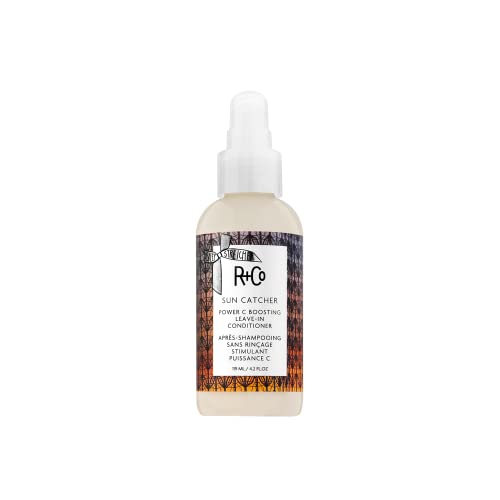
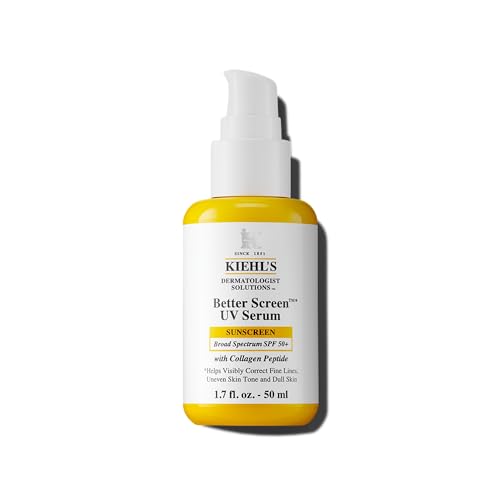
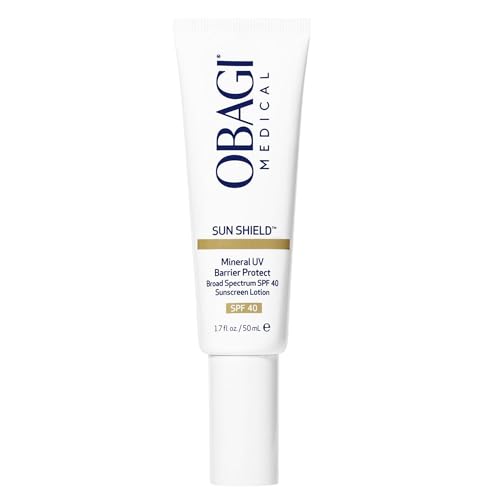
Recommended Products for Sun Protection and Post-Treatment Care
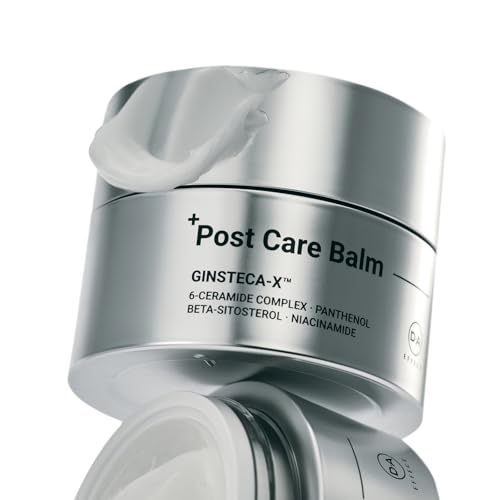
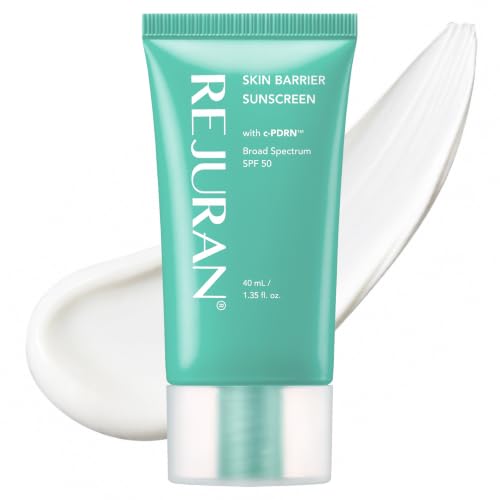

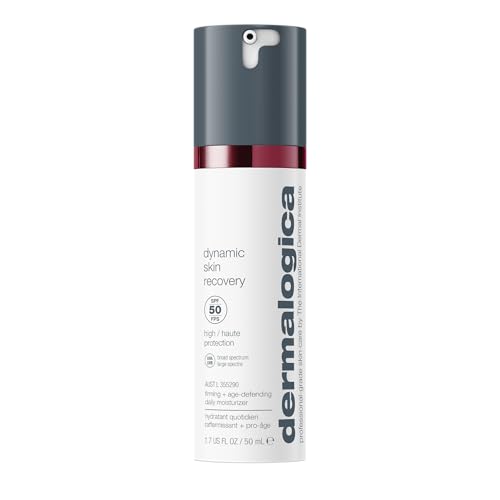
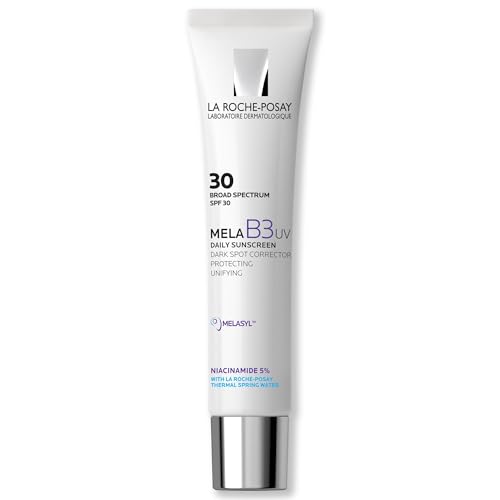


Shopping these picks?
Amazon Prime members get fast, free shipping on eligible items, plus Prime Video, Amazon Music and member deals. New members can start with a free trial.
Start a free Prime trialAged 18 to 24? Prime for Young Adults comes with a longer free trial and a lower price after it.
Affiliate link: we may earn a commission at no extra cost to you.
Key Takeaways
- Facial thread veins are permanently dilated superficial capillaries, not something creams or supplements shrink back down once they’ve formed.
- A simple pressure test (diascopy) tells you whether what you’re looking at is actually a vessel or a different kind of mark, in under a minute.
- Sclerotherapy, the standard fix for leg veins, is rarely the right tool for the face. Light-based treatments (pulsed dye laser, Nd:YAG, or IPL) are the evidence-backed first choice for facial vessels.
- Not all lasers are interchangeable. Pulsed dye laser targets fine, bright-red vessels best; Nd:YAG reaches deeper, bluer ones; IPL treats broader redness but is less precise on a single vessel.
- Treatment removes existing visible vessels. It does not stop new ones from forming, especially if the underlying driver is rosacea or ongoing sun exposure.
- Persistent facial redness alongside the visible vessels, flushing, or bumps that look like acne can mean rosacea is the real driver, which needs its own management plan.
- A thread vein that’s growing quickly, bleeding, or appeared suddenly and doesn’t blanch under pressure is worth a dermatology visit, not a laser booking.
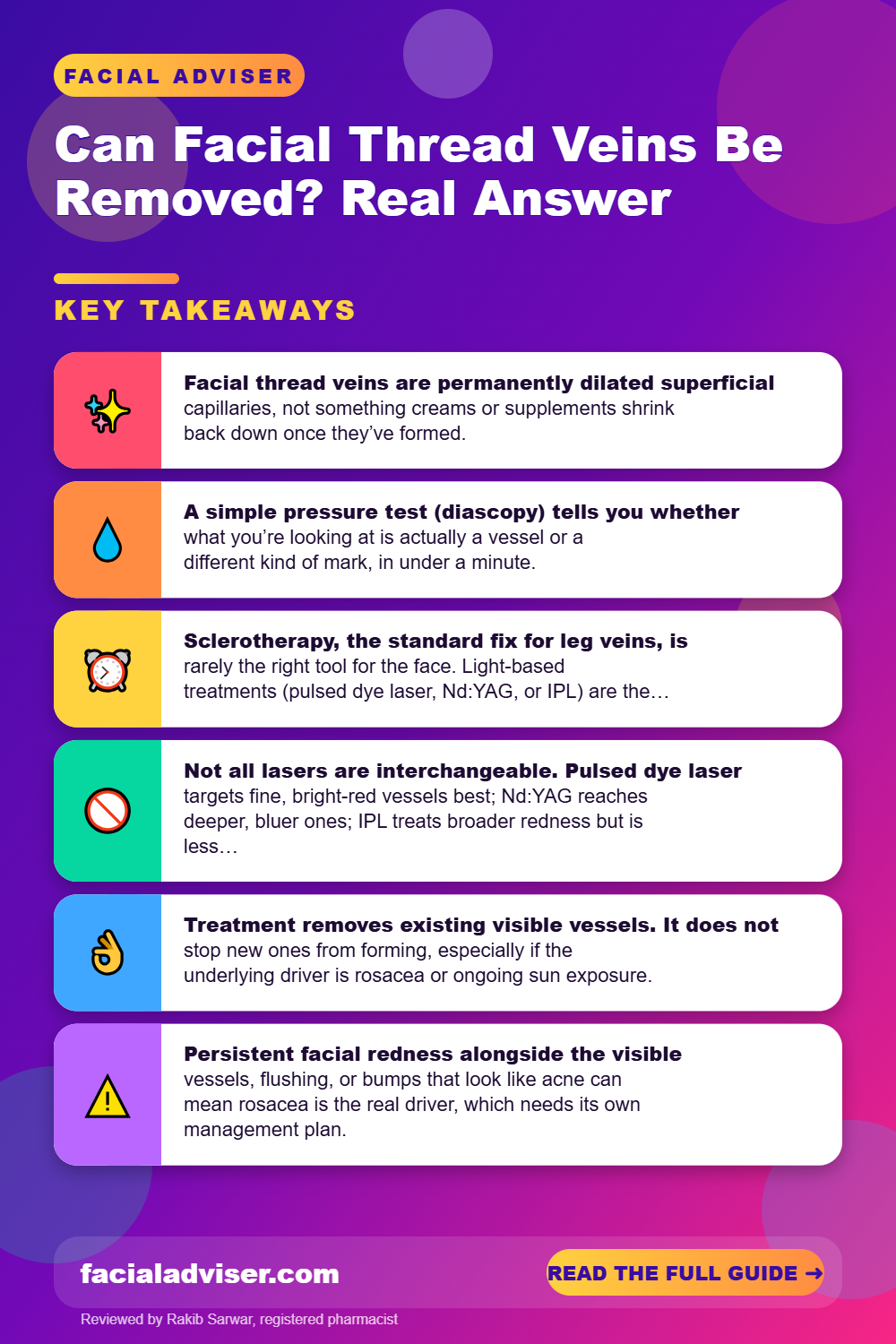
Table of Contents
- What Thread Veins Actually Are
- The Diascopy Test: Is It a Vein or Something Else?
- Laser and Light Treatments vs. Sclerotherapy: Why Method Matters
- PDL vs. Nd:YAG vs. IPL Compared
- Do This, Not That: Getting Ready for Treatment
- What a Treatment Session Actually Involves
- What These Treatments Can’t Do
- When It’s More Than Cosmetic: Red Flags and Doctor Visits
- Frequently Asked Questions
- The Bottom Line
What Thread Veins Actually Are
Thread veins, also called facial telangiectasia, are small superficial blood vessels that have permanently widened. Once a capillary wall loses its elasticity and stays dilated, it shows through the thin skin of the face as a fine red or purple thread. This is a structural change to the vessel itself, not inflammation or discoloration sitting on top of the skin, which is why moisturizers, vitamin C serums, and most over-the-counter creams can fade surrounding redness but cannot make an already-dilated vessel contract back to normal.
The most common drivers are cumulative sun exposure, which breaks down the support structure around facial capillaries, and rosacea, a chronic inflammatory condition that weakens vessel walls over time. Pregnancy, hormonal shifts, alcohol, and repeated temperature extremes (saunas, very hot showers) are contributing factors but rarely the sole cause.
The Diascopy Test: Is It a Vein or Something Else?
Try this before assuming what you’re looking at:
Take a clear glass slide, a drinking glass, or simply your fingertip, and press firmly against the red or purple line for a few seconds.
- It blanches (empties of color and disappears under pressure), then refills once you release: this confirms it’s a vascular lesion, blood is being pushed out of a compressible vessel. Laser and light-based treatments are appropriate.
- It does not blanch, or only partially fades: the mark may be a pigmented lesion, a fixed vascular malformation, or bruising rather than a simple thread vein, and deserves a dermatologist’s look before you book any vessel-targeting treatment.
This pressure test, known clinically as diascopy, is the same first-pass check dermatologists use to sort vascular lesions from pigmented ones before deciding on a treatment plan.
Laser and Light Treatments vs. Sclerotherapy: Why Method Matters
| Method | How it works | Best suited for | Facial safety profile |
|---|---|---|---|
| Sclerotherapy | A solution is injected directly into the vessel, irritating the vessel wall so it collapses and is reabsorbed | Larger veins on the legs | Higher risk on the face; the fine, superficial vessels and thin skin around the eyes and nose raise the risk of skin necrosis and visible scarring if the injection isn’t precisely placed |
| Pulsed dye laser / Nd:YAG / IPL | Light energy is absorbed by hemoglobin in the vessel, heating and collapsing it from outside the skin | Facial telangiectasia, fine vessels, diffuse facial redness | The current evidence-backed standard for facial vessels, with a well-established safety record |
Sclerotherapy is the right call for larger leg veins, where the vessels sit deeper and the surrounding skin is less delicate. On the face, injecting a sclerosing solution close to the eye or across thin-skinned areas carries a real risk of tissue damage if anything goes even slightly wrong. This is exactly why most dermatology and cosmetic-laser practices treat facial thread veins with light-based devices instead, and it’s worth asking directly which method a clinic plans to use if they only mention sclerotherapy for a facial concern.
Note: A small number of highly experienced injectors do use micro-sclerotherapy on select superficial facial veins with good outcomes. It’s not absolutely off-limits, it’s simply a technique-dependent exception rather than the default recommendation most clinics should be making.
PDL vs. Nd:YAG vs. IPL Compared
| Device type | Targets best | Typical sessions needed | Notes |
|---|---|---|---|
| Pulsed dye laser (PDL) | Fine, bright-red superficial vessels | 1–3 | Widely studied for facial vascular lesions; can cause temporary bruising (purpura) at the treatment site |
| Long-pulsed Nd:YAG | Deeper, bluer, slightly larger vessels | 1–3 | Penetrates further into the skin; requires careful energy settings on darker skin tones to avoid pigment changes |
| Intense pulsed light (IPL) | Broader areas of diffuse redness alongside individual vessels | 3–5 | Treats a wider surface at once but is less precise for a single, isolated thread vein |
None of these devices is universally “best.” A clinician who can see your specific vessels in person will pick the device based on vessel size, depth, color, and your skin tone, since energy settings that are safe on light skin can cause pigment changes on darker skin if not adjusted properly.
Do This, Not That: Getting Ready for Treatment
Do
- Run the diascopy test yourself before booking, and mention the result to your provider
- Ask which device they’ll use and why, given your vessel size and skin tone
- Strictly avoid sun exposure and wear high-SPF sunscreen for several weeks before and after treatment
- Mention any history of rosacea or persistent facial flushing during consultation
- Expect to need more than one session for full clearance
Don’t
- Book facial sclerotherapy without asking why a laser or IPL isn’t being used instead
- Get any vessel treatment on tanned or recently sun-exposed skin
- Expect one session to prevent new vessels from ever forming
- Pick a provider based on price alone for a treatment this close to the eyes
- Ignore a vessel that doesn’t blanch under pressure
What a Treatment Session Actually Involves
Consultation and diascopy check
The provider confirms the marks are vascular, assesses depth and color, and asks about rosacea, sun habits, and skin tone to select the right device.
Patch test (for some skin tones or first-time devices)
A small test area may be treated first to check how your skin responds to the energy settings.
Treatment
Pulses of light or laser energy are applied directly over each visible vessel. Most sessions take well under an hour.
Immediately after
Mild redness, warmth, or swelling is common. Pulsed dye laser can leave temporary purpura (bruise-like discoloration) for several days to two weeks.
Days 1–14
Treated vessels gradually fade as the body reabsorbs them. Strict sun avoidance and daily sunscreen during this window protect the results.
Follow-up session
Most people need 2 to 3 sessions spaced several weeks apart for full clearance of visible vessels.
Tip: Scheduling treatments for fall or winter, when UV exposure is naturally lower, makes the strict post-treatment sun-avoidance window much easier to stick to.
Maintenance
Ongoing sun protection and rosacea management (if relevant) reduce how quickly new vessels appear afterward.
What These Treatments Can’t Do
Laser and light treatments clear the vessels that already exist. They don’t change the underlying tendency that produced them. If sun exposure or untreated rosacea is the ongoing driver, new thread veins can and often do appear elsewhere on the face over the following months or years. Treatment is a repeated-maintenance process for most people with rosacea-driven vessels, not a one-time fix.
These devices also can’t do anything for a mark that fails the diascopy test. A pigmented lesion, a birthmark-type vascular malformation, or bruising needs a different diagnosis and a different treatment plan entirely, which is exactly why the pressure test above matters before booking anything.
When It’s More Than Cosmetic: Red Flags and Doctor Visits
Warning: See a dermatologist rather than a cosmetic clinic if a vessel is growing rapidly, bleeding, raised, painful, or appeared suddenly without an obvious trigger, and especially if it does not blanch under the diascopy test. These patterns can point to a different vascular or dermatologic condition that needs an actual diagnosis first.
Persistent central facial redness, visible vessels, flushing triggered by heat or spicy food, and small red bumps together are a common presentation of rosacea. If that pattern sounds familiar, treating the visible vessels alone without addressing the rosacea itself means you’re likely to be back for repeat sessions sooner than someone whose vessels were purely sun-driven.
Frequently Asked Questions
Can facial thread veins be removed completely?
Existing visible vessels can usually be cleared with laser or light-based treatment, often over 2 to 3 sessions. New vessels can still form afterward if the underlying cause, like sun exposure or rosacea, isn’t managed.
What is the best treatment for facial thread veins?
Light-based devices, pulsed dye laser, long-pulsed Nd:YAG, or IPL, are the evidence-backed standard for facial vessels. Sclerotherapy, while common for leg veins, carries higher risk on facial skin and is used far less often there.
How do I know if a red mark on my face is a thread vein?
Press firmly on it with a finger or clear glass for a few seconds. If it blanches and then refills once released, it’s a vascular lesion. If it doesn’t blanch, get it evaluated by a dermatologist rather than assuming it’s a vein.
Is sclerotherapy safe for facial veins?
It’s used far less often on the face than on the legs because the thin, delicate skin and proximity to the eyes raises the risk of skin necrosis or scarring if the injection isn’t precisely placed. Most providers prefer laser or IPL for facial vessels.
Do thread veins come back after laser treatment?
The treated vessels themselves don’t return, but new ones can form in other areas if the underlying driver, usually sun exposure or rosacea, isn’t addressed. Many people need occasional maintenance sessions over the years.
Can I get rid of facial thread veins naturally without treatment?
No topical product or home remedy reverses a permanently dilated vessel. Sunscreen and gentle skincare can slow the formation of new ones and calm surrounding redness, but existing thread veins need a light-based or laser treatment to actually clear.
Are facial thread veins a sign of rosacea?
They can be. If visible vessels come with persistent central redness, flushing, and small bumps, rosacea is a likely driver and is worth discussing with a dermatologist alongside any cosmetic treatment.
How many laser sessions are needed to clear facial thread veins?
Most people need 2 to 3 sessions spaced several weeks apart, though this varies with vessel size, depth, and how many are being treated.
Does insurance cover facial thread vein removal?
Typically not. It’s considered a cosmetic procedure in most cases, unless the vessels are tied to a diagnosed medical condition your dermatologist is treating.
When should I see a doctor instead of booking a cosmetic treatment?
See a dermatologist if a vessel is growing quickly, bleeding, raised, painful, appeared suddenly, or doesn’t blanch under the pressure test. These need a diagnosis before any cosmetic treatment is considered.
The Bottom Line
Press on it before you book anything. If the mark blanches under pressure and refills once you let go, you’re looking at a genuine thread vein, and a light-based device, pulsed dye laser, Nd:YAG, or IPL, will very likely clear it over a couple of sessions. Sclerotherapy, despite being the default answer for leg veins, isn’t the go-to choice here, and a provider who only offers it for your face is worth a second question about why.
What no device changes is the reason the vessel formed in the first place. Sun exposure and rosacea both keep producing new thread veins long after old ones are cleared, so sunscreen and, if relevant, an actual rosacea management plan are doing more for your long-term results than any single laser session. If a mark doesn’t blanch, skip the cosmetic clinic and see a dermatologist first.

Written by
Registered pharmacist and founder of Facial Adviser. Rakib's pharmacy training covers how skincare actives work and interact; a later course in cosmetology turned that into a focus on facial treatments and skincare products. He plans, researches and edits every guide on the site and checks health claims against sources such as the American Academy of Dermatology, the FDA and the NIH. He is not a dermatologist; see the Editorial Policy and Medical Disclaimer.
About · Editorial policy · How we choose products · Medical disclaimer · Contact
Keep reading: Microneedling, PRP and lasers
- Microneedling Facial: Real Results, Explained
- What Is a Diamond Signature Laser Facial, Really?
- Best Microneedling Pens: Derma Pen Needle Depth and Safety Guide
- Microneedling With PRP: Steps, Benefits, Cost
- Laser Lipo vs Cavi Lipo: Real Differences
- Before and After Microneedling: What to Expect
- Fruit Facial at Home: Does It Actually Work?
- Facial Types: A Guide to 11 Popular Facials and How to Choose One