Best Laser for Facial Veins: Pulsed Dye, KTP, Nd:YAG and IPL Compared
Small red or purple lines around the nose, cheeks and chin are some of the most common reasons people look into lasers. These visible blood vessels do not usually fade with creams, and makeup can only hide them for a day. Vascular lasers and light treatments are the tools dermatologists use to reduce them.
Part of our guide to facial treatments. Start with: Microneedling Facial: Real Results, Explained
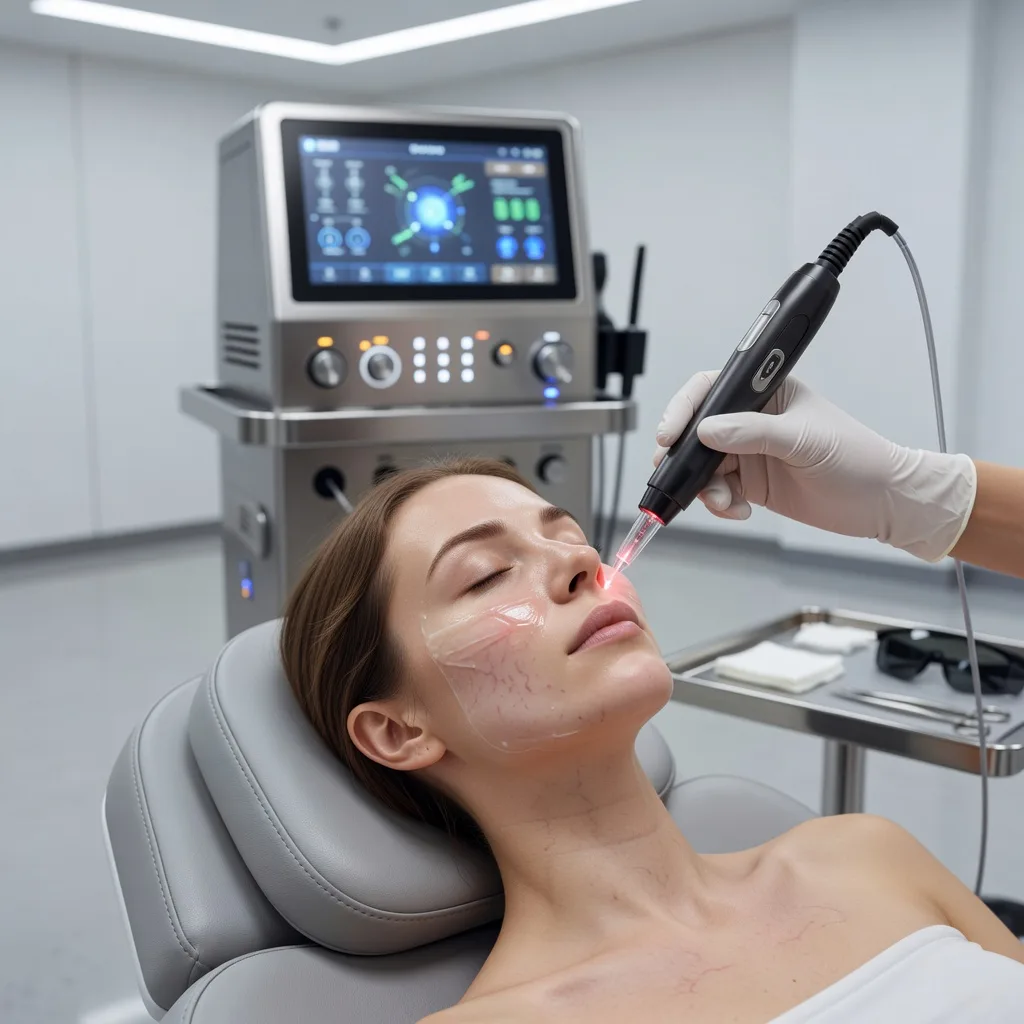
There is no single best laser for facial veins; the right choice depends on the size, colour and depth of the vessels and on your skin tone. Pulsed dye laser is widely regarded as a first-line option for fine red vessels and redness on the face. KTP laser suits small, bright red vessels on lighter skin. The long-pulsed Nd:YAG laser reaches deeper, larger or bluish veins and is generally considered safer for darker skin. IPL is not a laser but a broad light that treats scattered vessels and overall redness. Treatment should be done by a dermatologist or trained practitioner, often over one to three sessions.
In short: fine red veins usually respond to pulsed dye or KTP, deeper blue veins to Nd:YAG, and diffuse redness to IPL, with good sun protection before and after.
The American Academy of Dermatology explains on its page about lasers and lights for rosacea that these treatments can reduce visible blood vessels, that sessions are usually spaced a few weeks apart and that protecting skin from the sun helps prevent complications.
This guide compares the main options, explains who should perform them and what recovery looks like, and covers the gentle aftercare products that help skin settle.
Shopping these picks?
Amazon Prime members get fast, free shipping on eligible items, plus Prime Video, Amazon Music and member deals. New members can start with a free trial.
Start a free Prime trialAged 18 to 24? Prime for Young Adults comes with a longer free trial and a lower price after it.
Affiliate link: we may earn a commission at no extra cost to you.
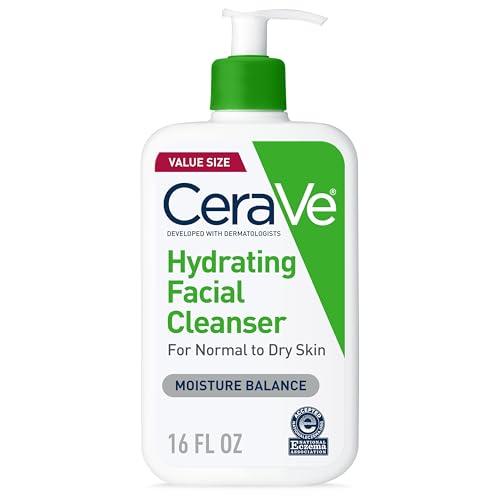
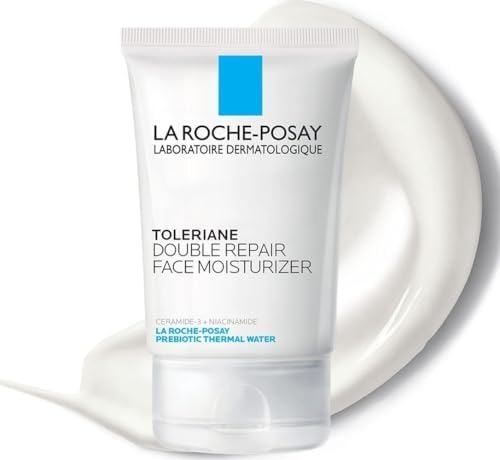
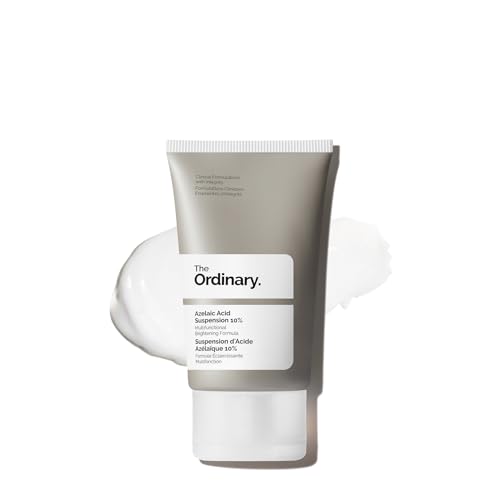
Recommended Aftercare and Redness Care Products on Amazon



What to Know First
- Pulsed dye laser is a common first choice for fine red facial veins.
- KTP suits small bright red vessels on lighter skin.
- Nd:YAG reaches deeper, bluish veins and is gentler on darker skin.
- IPL treats scattered vessels and general redness rather than single veins.
- Most people need one to three sessions spaced a few weeks apart.
- Home devices are not a substitute for in-office vascular lasers.
- Sun protection and gentle skin care are the core of aftercare.
What This Covers
- What Are Facial Veins?
- Vascular Lasers Compared
- Which Option Suits Your Veins and Skin Tone?
- How IPL Differs From a Laser
- Who Should Perform Vein Laser Treatment
- Sessions, Downtime and Results
- What About At-Home Devices?
- Dos and Don’ts Before and After Treatment
- How to Care for Your Skin After Vein Laser Treatment
- Aftercare and Redness Care Products to Consider
- Honest Limits
- When to See a Dermatologist
- Your Questions, Answered
- The Takeaway
What Are Facial Veins?
Facial veins, also called broken capillaries, spider veins or telangiectasia, are small dilated blood vessels close to the surface of the skin. They are not actually broken; they are widened and visible. They most often appear on the nose, cheeks and chin.
- Genetics and fair skin that shows vessels more easily.
- Rosacea and long-term facial flushing.
- Years of sun exposure that weakens supporting tissue.
- Ageing and thinning skin.
- Smoking, heavy alcohol use and extreme temperatures.
- Long-term use of strong steroid creams on the face.
Because many of these triggers continue after treatment, new vessels can appear over time. Our article on the impact of smoking on facial microvessels looks at one avoidable cause in more detail.
Vascular Lasers Compared
Vascular lasers target haemoglobin, the red pigment in blood, heating the vessel so the body gradually clears it. Each type uses a different wavelength and reaches a different depth.
| Treatment | What it targets best | Skin tone suitability | Common short-term effects |
|---|---|---|---|
| Pulsed dye laser | Fine red vessels, diffuse redness, rosacea | Best on light to medium skin | Redness, swelling, possible purple bruising |
| KTP laser | Small, bright red vessels on the nose and cheeks | Light skin | Redness, swelling, small crusts |
| Long-pulsed Nd:YAG laser | Deeper, larger or bluish veins | Light to dark skin with appropriate settings | Redness, swelling, some discomfort |
| IPL (intense pulsed light) | Multiple fine vessels, general redness, sun damage | Light to medium skin | Redness, mild swelling, temporary darkening of spots |
Some clinics own only one type of device, so a provider may recommend what they have rather than what suits you best. It is reasonable to ask why a particular device is being chosen for your veins.
Which Option Suits Your Veins and Skin Tone?
Use this as a guide for your consultation, not a self-diagnosis.
| What you see | Often considered | Why |
|---|---|---|
| Thin red lines around the nose | Pulsed dye or KTP | Shallow, red vessels absorb these wavelengths well |
| General flushing with some fine vessels | Pulsed dye or IPL | Treats redness across a wider area |
| Bluish or purple veins on cheeks or near eyes | Long-pulsed Nd:YAG | Reaches deeper vessels |
| Visible vessels on medium to dark skin | Long-pulsed Nd:YAG with careful settings | Less absorbed by skin pigment |
| Vessels plus brown sun spots | IPL | Treats red and brown discolouration together |
Veins very close to the eyes need extra caution and full eye protection. Not every provider will treat this area, and that is a sign of care rather than a lack of skill.
How IPL Differs From a Laser
IPL uses a flash of broad-spectrum light filtered to target both red and brown pigment. Because it covers a larger area with each pulse, it is often chosen for faces with lots of small vessels, general redness and sun damage rather than a few distinct veins.
IPL is usually less precise than a laser for a single larger vessel, and results depend heavily on the operator’s settings. On darker skin tones the risk of pigment changes and burns is higher, which is why many dermatologists prefer an Nd:YAG laser for those patients.
Several IPL sessions are usually needed, and the improvement tends to be gradual. It can be a good fit for someone who wants a more even overall tone rather than the removal of one or two obvious veins.
Who Should Perform Vein Laser Treatment
Vascular lasers can cause burns, scarring and pigment changes when settings are wrong. The safest option is a board-certified dermatologist or a trained practitioner working under close medical supervision.
- Ask how often the provider treats facial veins with this device.
- Ask to see before-and-after photos of similar skin tones.
- Expect a consultation that checks your skin type, medications and sun exposure.
- A test patch may be offered, especially on darker or reactive skin.
- Protective eyewear should be used for you and the operator.
Treatment costs vary widely by region, device and the number of sessions, so ask for a clear written plan before you commit. A good plan names the device, the expected number of sessions, the likely side effects and what happens if you need a touch-up later.
Sessions, Downtime and Results
Most people have one to three sessions spaced several weeks apart, according to the AAD, and many see a clear reduction in visible vessels. Redness usually responds less completely than distinct veins.
- During treatment: a snapping or stinging sensation, often eased with cooling.
- First few days: redness and swelling, sometimes worse around the eyes in the morning.
- With some settings: purple or red spots that fade over one to two weeks.
- Over the following weeks: treated vessels fade gradually.
- Longer term: new vessels may form, so occasional maintenance is common.
Plan treatment around your calendar. If you have a wedding, holiday or important meeting coming up, leave at least two weeks between your session and the event in case bruising or swelling lasts longer than expected. Many people choose cooler months, when it is easier to avoid strong sun during recovery.
What About At-Home Devices?
Home light devices are designed mainly for hair reduction or general skin care, not for treating visible blood vessels. They use far lower energy than clinic lasers and cannot be adjusted to a vessel’s size and depth, so any benefit for veins is limited.
Do not use a home IPL or laser device on facial veins, near the eyes or on inflamed rosacea. Risks include burns, blisters and lasting pigment changes, and there is little evidence that such devices clear facial vessels.
Dos and Don’ts Before and After Treatment
Worth Doing
- Avoid tanning and use sunscreen for several weeks beforehand.
- Tell your provider about medications, including blood thinners and retinoids.
- Cool the skin gently if it feels hot after treatment.
- Sleep with your head slightly raised the first night to reduce swelling.
- Use gentle, fragrance-free products while skin settles.
Skip It
- Rub, scrub or exfoliate treated skin.
- Use hot baths, saunas or intense exercise for a couple of days.
- Drink alcohol heavily in the first days if it makes you flush.
- Pick at crusts or small scabs.
- Go into strong sun without protection.
Preparation matters as much as aftercare. Tanned skin absorbs more laser energy at the surface, which raises the risk of burns and patchy pigment, so many providers will postpone treatment if you arrive with a recent tan. Mention any history of cold sores, keloid scarring or pigment problems after injuries, because these can change the plan or the settings used.
How to Care for Your Skin After Vein Laser Treatment
Always follow your provider’s instructions first. This routine reflects common aftercare advice.
Cool the area
Use a clean cool compress for short periods to ease heat and swelling.
Cleanse gently
Wash with lukewarm water and a mild, fragrance-free cleanser; pat dry.
Moisturise
Apply a plain, fragrance-free moisturiser to support the skin barrier.
Protect from the sun
Use a broad-spectrum mineral sunscreen every morning and reapply outdoors.
Pause actives
Hold off retinoids, acids and scrubs until redness has fully settled.
Cover gently if needed
Once any crusts have gone, a green colour corrector can tone down residual redness.
Watch for problems
Contact your provider about blisters, severe pain or signs of infection.
Apply sunscreen generously. The AAD explains how to apply sunscreen correctly, including using enough and reapplying every two hours outdoors.
Aftercare and Redness Care Products to Consider
You do not need a complicated routine after vascular laser treatment. Focus on product types that protect and calm the skin.
- Mineral sunscreen: zinc oxide or titanium dioxide formulas tend to sting less on reactive skin.
- Gentle cleanser: a non-foaming or low-foam, fragrance-free wash.
- Barrier moisturiser: simple formulas with glycerin or ceramides.
- Azelaic acid: can help ongoing rosacea redness once skin has fully healed; introduce slowly.
- Green colour corrector: a thin layer under foundation neutralises remaining redness.
If you want to understand why green cancels red, our explainer on how colour correctors neutralise undertone covers the colour theory.
Avoid products with fragrance, menthol, high alcohol content or strong exfoliating acids during recovery. Our guide to calming inflamed red patches on the face covers more gentle options for day-to-day redness.
Honest Limits
Vascular lasers reduce visible vessels, but they do not stop your skin from forming new ones. If rosacea, sun exposure, genetics or other triggers remain, veins can return over months or years, and maintenance sessions are common. Diffuse background redness is also harder to clear than distinct lines.
Results depend on the device, the settings and the skill of the operator. Darker skin tones and tanned skin carry a higher risk of pigment changes, and even with good technique some people have bruising or swelling that lasts longer than expected. No cream, serum or home device can match what an in-office vascular laser does for established veins.
When to See a Dermatologist
- You want facial veins or persistent redness treated.
- Redness comes with flushing, bumps or burning, which may point to rosacea.
- A single vessel or spot bleeds, changes or grows.
- You have darker skin and want to know which treatment is safe.
- You have blistering, severe pain or scarring after any light treatment.
This article is for general information only and is not medical advice. Laser and light treatments are medical procedures with real risks. Discuss your skin type, medical history and medications with a board-certified dermatologist before any treatment, and follow their aftercare instructions over general advice.
Your Questions, Answered
What is the best laser for facial veins?
Pulsed dye is a common first choice for fine red veins, while Nd:YAG suits deeper or bluish veins and darker skin.
Is IPL or laser better for facial veins?
Lasers target individual vessels more precisely; IPL suits scattered vessels and general redness.
How many sessions do facial veins need?
Often one to three sessions spaced a few weeks apart.
Does laser for facial veins hurt?
Most people feel a brief snap or sting, often eased with cooling.
What is the downtime after vein laser?
Usually a few days of redness and swelling, and sometimes bruising for up to two weeks.
Are facial vein results permanent?
Treated vessels usually stay gone, but new ones can form over time.
Can darker skin have laser for facial veins?
Yes, usually with a long-pulsed Nd:YAG laser and careful settings.
Do home devices remove facial veins?
No reliable home device clears facial veins; they need in-office treatment.
Can creams get rid of broken capillaries?
No cream removes visible vessels, though some can calm redness.
What should I put on my face after vein laser?
A gentle cleanser, plain moisturiser and mineral sunscreen.
The Takeaway
The best laser for facial veins is the one matched to your vessels and skin tone: pulsed dye or KTP for fine red lines, Nd:YAG for deeper or bluish veins and darker skin, and IPL for scattered vessels and redness. A qualified provider is as important as the device.
Plan for one to three sessions, protect your skin from the sun before and after, and keep aftercare simple and fragrance-free. Expect to need occasional touch-ups if the triggers behind your veins continue.

Written by
Registered pharmacist and founder of Facial Adviser. Rakib's pharmacy training covers how skincare actives work and interact; a later course in cosmetology turned that into a focus on facial treatments and skincare products. He plans, researches and edits every guide on the site and checks health claims against sources such as the American Academy of Dermatology, the FDA and the NIH. He is not a dermatologist; see the Editorial Policy and Medical Disclaimer.
About · Editorial policy · How we choose products · Medical disclaimer · Contact
Keep reading: Microneedling, PRP and lasers
- Facial Veins on the Nose: How to Reduce Them and What Really Works
- Microneedling Facial: Real Results, Explained
- Can Facial Thread Veins Be Removed? Real Answer
- What Is a Diamond Signature Laser Facial, Really?
- Best Microneedling Pens: Derma Pen Needle Depth and Safety Guide
- What Is the Best Anti-Aging Facial Treatment? Options Compared by Goal
- What Is a Spa Facial?