Best Facial for Acne-Prone Skin: Professional Options and Aftercare
If you break out easily, booking a facial can feel like a gamble. A good one can leave pores clearer and skin calmer, while the wrong one can leave you with more spots, redness and marks than you started with. The difference usually comes down to the type of treatment, the products used and who is doing the work.
Part of our guide to facial treatments. Start with: Facial Types: A Guide to 11 Popular Facials and How to Choose One
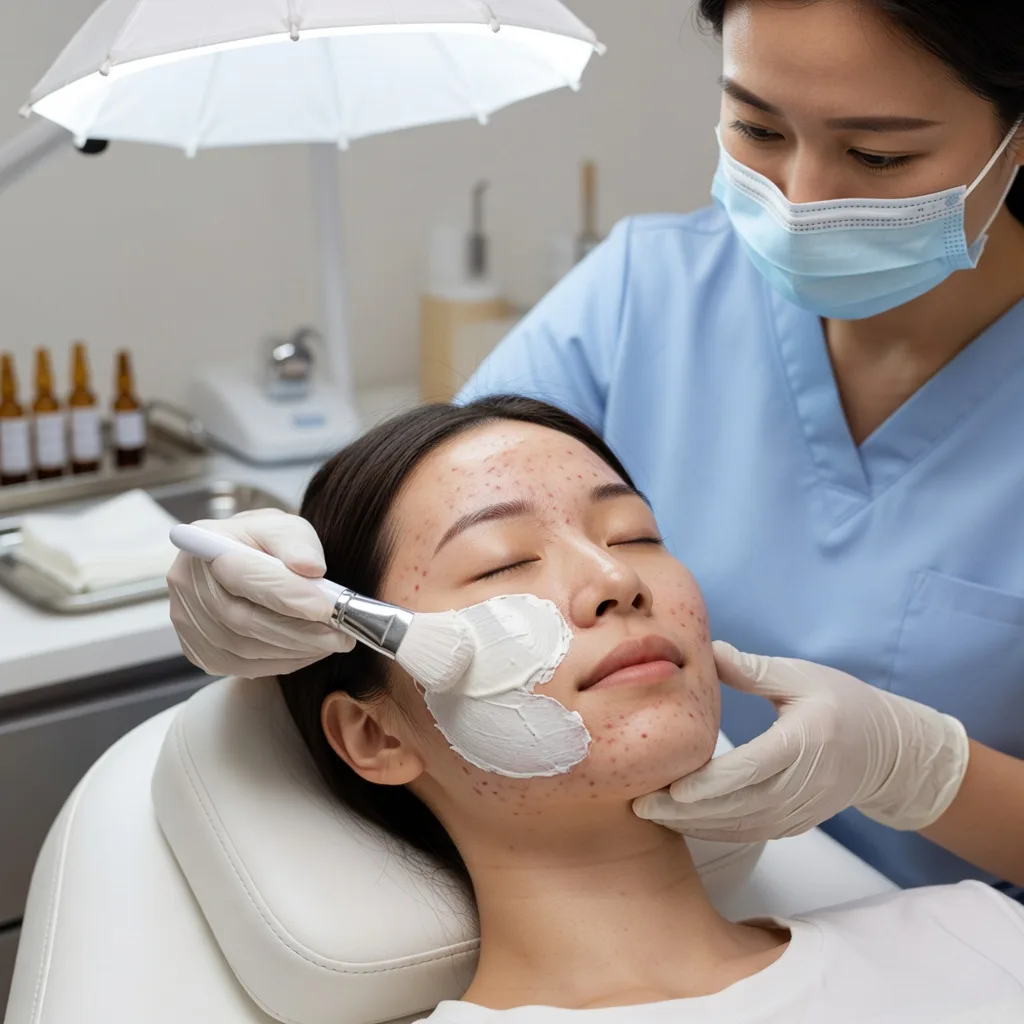
The best facial for acne-prone skin is a clinical or medical-grade acne facial that combines gentle cleansing, careful extraction of blackheads and whiteheads by a trained provider, and a light chemical peel with salicylic acid or glycolic acid. Salicylic acid suits oily skin with clogged pores because it dissolves oil inside the pore, while glycolic acid smooths rough texture and helps fade marks. Some clinics add blue light for inflamed spots. A good acne facial avoids heavy creams, rich oils, harsh scrubbing and aggressive squeezing, and ends with a light, non-comedogenic moisturiser and sunscreen.
In short: choose a gentle, exfoliating acne facial with skilled extraction, skip anything heavy or harsh, and treat it as a boost to your home routine rather than a cure.
The American Academy of Dermatology describes chemical peels and some light treatments as tools that can help acne, while noting that they work best alongside proven daily acne treatments rather than on their own. That matches what most dermatologists say about facials in general.
This guide compares the main professional options, explains what to avoid, walks you through preparation and aftercare, and covers the at-home product types that help you keep results between appointments.
Buying for a salon, spa or clinic?
A free Amazon Business account gives you business-only pricing on eligible items, multi-user buying and tax-exemption tools.
Create a free Business accountAffiliate link: we may earn a commission at no extra cost to you.
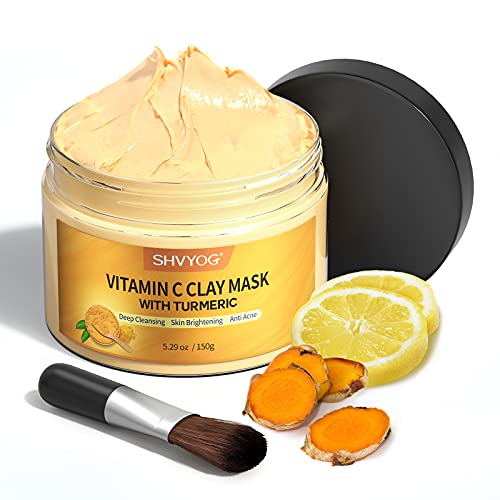
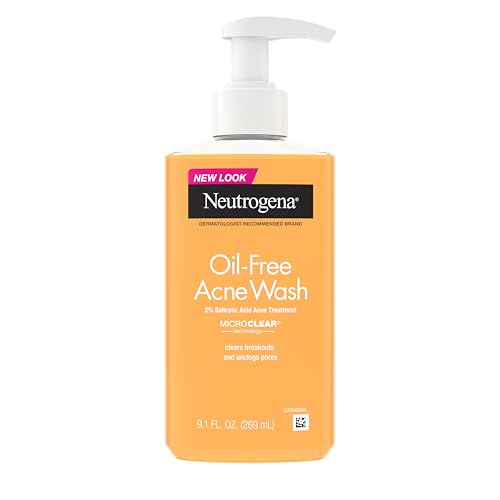
Recommended At-Home Acne Facial Products on Amazon



Key Takeaways
- Look for an acne or clarifying facial with a salicylic or glycolic peel.
- Extractions should only be done by a trained, licensed provider.
- Blue light can calm inflamed spots but does not clear blackheads or cysts.
- Avoid heavy creams, rich oils, harsh scrubs and forceful squeezing.
- Mild redness after a facial is normal; new deep, painful spots are not.
- Keep aftercare simple: gentle cleanser, light moisturiser and sunscreen.
- Facials support, but do not replace, a daily acne routine or medical treatment.
Jump to a Section
- What Makes a Facial Good for Acne-Prone Skin
- Professional Acne Facial Options Compared
- Extractions: Why a Trained Provider Matters
- Salicylic and Glycolic Peels in an Acne Facial
- Blue Light and Other Light Treatments
- Which Facial Suits Which Kind of Acne
- What to Avoid in an Acne Facial
- How to Prepare for and Recover From an Acne Facial
- At-Home Acne Facial Products Worth Considering
- Honest Limits
- When to See a Dermatologist
- FAQ
- Final Word
What Makes a Facial Good for Acne-Prone Skin
Acne develops when oil, dead skin cells and bacteria block pores and trigger inflammation. A facial that helps acne-prone skin targets those steps without adding more irritation or pore-clogging ingredients. The aim is clearer pores and calmer skin, not a dramatic glow on the day.
- Deep but gentle cleansing that removes oil and makeup without stripping.
- Exfoliation with an acid rather than a gritty scrub.
- Extraction of blackheads and whiteheads with clean technique and light pressure.
- Soothing, lightweight products that are labelled non-comedogenic or oil-free.
- A finish with sunscreen, because many acne treatments make skin more sun-sensitive.
A facial marketed for relaxation or hydration may feel lovely but often relies on massage creams and rich oils. For acne-prone skin, a treatment described as a clarifying, purifying or acne facial is usually the better starting point.
Professional Acne Facial Options Compared
Most clinics and spas build acne facials from a handful of core steps. Here is how the main options differ.
| Option | What it does | Best for | Typical downtime |
|---|---|---|---|
| Clarifying facial with extraction | Cleanses, softens and clears blocked pores | Blackheads, whiteheads, oily skin | None to mild redness for a few hours |
| Salicylic acid peel | Dissolves oil and debris inside pores | Oily skin, clogged pores, mild spots | Mild dryness or flaking for a few days |
| Glycolic acid peel | Loosens dead cells on the surface | Rough texture, marks after spots | Mild pinkness and flaking |
| Blue light add-on | Targets acne bacteria in inflamed spots | Red, inflamed pimples | Little or none |
| Hydradermabrasion-style cleanse | Vacuum cleansing with serums | Congested but not inflamed skin | None to mild redness |
Price and branding tell you little about whether a facial will suit acne. Ask instead which acid is used, how extractions are done and which moisturiser finishes the treatment. A provider who can answer those questions clearly is usually a safer choice than one who promises instant clear skin.
Stronger peels and prescription treatments belong in a dermatology setting. A spa facial should stay at the gentle end of this range.
Extractions: Why a Trained Provider Matters
Extraction means gently clearing blackheads and whiteheads after the skin has been softened. Done well, it leaves pores visibly cleaner with only brief redness. Done badly, it can push debris deeper, break the wall of the pore and cause more inflammation or scarring.
A skilled esthetician or dermatology nurse works on softened skin, uses gloved fingers wrapped in gauze or a sterile tool, and stops when a spot does not release easily. Deep, painful cysts and nodules should never be squeezed in a facial; they need medical care. Our guide on how to deep clean your pores explains the gentler at-home side of this.
Walk away from any provider who forcefully squeezes inflamed spots, uses dirty tools or picks at cysts. Harsh extraction is one of the most common reasons people break out or scar after a facial.
Salicylic and Glycolic Peels in an Acne Facial
A light chemical peel is often the most useful part of an acne facial. The American Academy of Dermatology notes that chemical peels can treat some types of acne, and that lighter peels need little downtime but may take a series of treatments to show results.
- Salicylic acid (a beta hydroxy acid) is oil-soluble, so it works inside oily pores and suits blackheads and oily skin.
- Glycolic acid (an alpha hydroxy acid) works on the surface, smoothing texture and helping marks fade over time.
- Mandelic and lactic acids are gentler options for sensitive or darker skin tones that mark easily.
- Combination peels mix acids at low strengths for oily, uneven skin.
The US Food and Drug Administration notes that alpha hydroxy acids can increase sun sensitivity, so daily sunscreen is essential for at least a week after a glycolic peel.
Blue Light and Other Light Treatments
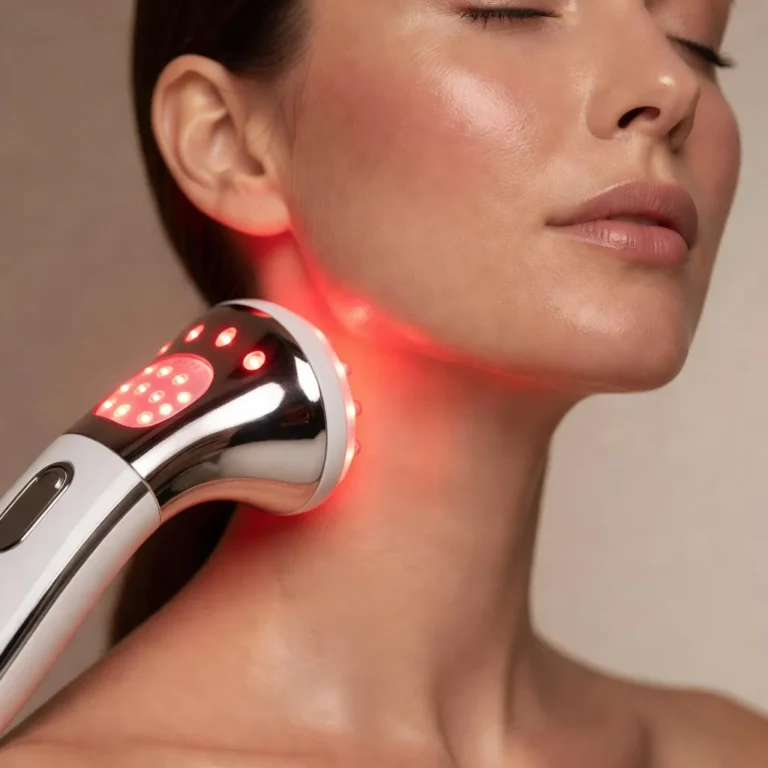
Some acne facials finish with blue light. According to the AAD page on lasers and lights for acne, blue light can treat pimples but does not treat blackheads, whiteheads, cysts or nodules. Multiple treatments work better than one, and these treatments rarely clear acne on their own.
That makes blue light a reasonable add-on for red, inflamed spots, but not a reason to choose one facial over another. Photodynamic therapy, where a light-sensitising solution is applied before light treatment, is a medical procedure for more stubborn acne and should be done by a dermatologist.
Which Facial Suits Which Kind of Acne
Match the treatment to what you actually see on your skin.
| What your skin shows | Better facial choice | Skip or be careful with |
|---|---|---|
| Blackheads and oily T-zone | Salicylic peel with gentle extraction | Rich massage oils |
| Small red pimples | Calming clarifying facial with blue light | Scrubs and steaming for long periods |
| Rough texture and flat marks | Glycolic or lactic peel series | Strong peels right before events |
| Sensitive skin that breaks out | Mild mandelic or lactic facial, minimal extraction | Fragranced products and hot steam |
| Deep, painful cysts | See a dermatologist first | Any extraction of cysts |
If you are unsure which pattern fits, our article on which facial is best for acne-prone skin walks through the common facial types in more detail.
What to Avoid in an Acne Facial
Try This
- Ask what products will be used and whether they are non-comedogenic.
- Mention any acne medication, especially retinoids or isotretinoin.
- Choose a provider who explains each step before starting.
- Book several days before an important event.
- Keep aftercare light and fragrance-free.
Avoid This
- Accept heavy creams, rich oils or thick occlusive masks.
- Allow harsh scrubbing or rough microdermabrasion on inflamed skin.
- Let anyone squeeze deep cysts or nodules.
- Combine a peel with waxing or strong actives on the same day.
- Pick at spots or flakes after the facial.
Steaming is often included in facials. A short, warm steam can soften skin before extraction, but long, very hot steam can inflame sensitive or acne-prone skin.
How to Prepare for and Recover From an Acne Facial
Good preparation and simple aftercare make the biggest difference to how your skin looks in the days afterwards.
Pause strong actives
Stop retinoids and strong exfoliating acids for a few days before your appointment unless your dermatologist advises otherwise.
Skip waxing and shaving
Avoid waxing or dermaplaning the face for several days before a peel.
Arrive bare-faced
Come without heavy makeup so the provider can see your skin clearly.
Share your history
Tell the provider about medication, allergies and skin that marks easily.
Keep day-one care simple
After the facial, cleanse gently and apply only a light moisturiser and sunscreen.
Hands off
Do not pick at spots, flakes or scabs while skin settles.
Restart gradually
Bring back retinoids and acids after a few days once any redness has gone.
Plan your facial at least five to seven days before a big event. Some people have a small purge of spots or light flaking afterwards, and this gives it time to settle. Our guide on what not to do after a facial has more aftercare detail.
At-Home Acne Facial Products Worth Considering
A professional facial every few weeks cannot do the daily work. These product types help you keep pores clear between appointments.
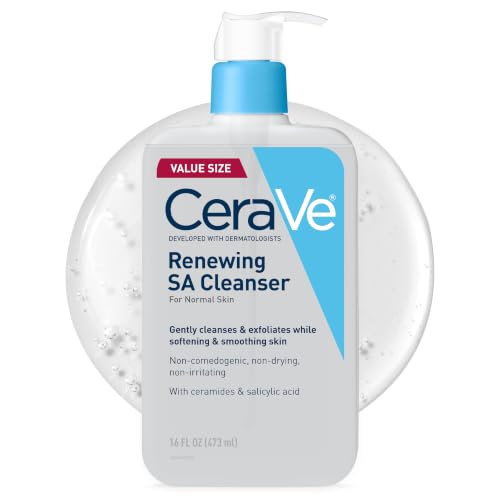
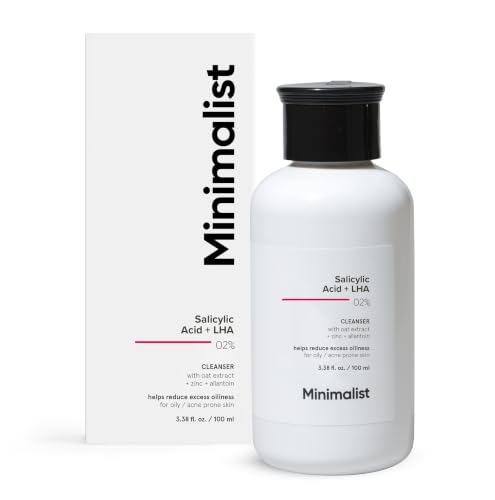
- Salicylic acid cleanser: helps keep pores clear with daily use; start once a day.
- Leave-on BHA exfoliant: a low-strength salicylic toner or liquid used a few times a week.
- Clay mask: bentonite or kaolin masks absorb excess oil; use once or twice a week on oily areas.
- Hydrocolloid pimple patches: protect a spot from picking and absorb fluid from surfacing pimples.
- Oil-free, non-comedogenic moisturiser: prevents dryness from acne treatments without clogging pores.
- Broad-spectrum sunscreen: protects skin made sensitive by acids.
Avoid stacking several acids at once. The AAD’s acne skin care tips recommend gentle, non-comedogenic products and warn that scrubbing irritates skin and can make acne worse.
Honest Limits
A facial is not an acne treatment in the medical sense. It can clear existing blackheads, calm some surface inflammation and make skin feel smoother, but it does not control the oil production, hormones and inflammation that keep causing new spots. For moderate to severe acne, prescription treatment is usually what makes the long-term difference.
Results from one facial are also short-lived. Pores refill within weeks, and a single peel mainly improves texture for a while. Regular treatments help most when they sit on top of a steady home routine. If a facial ever leaves you with more painful spots, scabs or dark marks, that is a sign the treatment or technique was not right for your skin.
When to See a Dermatologist
- You have deep, painful cysts or nodules.
- Acne is leaving scars or dark marks.
- Over-the-counter products have not helped after two to three months.
- You take prescription acne medication and want a peel or facial.
- You break out badly after every facial you try.
This article is for general information only and is not medical advice. Acne severity, skin type and medication all affect which treatments are safe for you. Speak with a board-certified dermatologist before starting peels or light treatments, especially if you use prescription acne medication.
FAQ
What type of facial is best for acne-prone skin?
A clarifying or acne facial with gentle extraction and a light salicylic or glycolic peel suits most acne-prone skin.
Are facials good for acne?
They can help clear blackheads and calm some spots, but they work best alongside a daily acne routine or medical treatment.
Is salicylic or glycolic better for acne?
Salicylic acid suits oily skin and clogged pores; glycolic acid helps rough texture and marks.
Should I get extractions if I have acne?
Gentle extraction of blackheads and whiteheads by a trained provider is fine; cysts should never be squeezed.
Does blue light clear acne?
It can reduce inflamed pimples over several sessions but does not treat blackheads, whiteheads or cysts.
Why did I break out after a facial?
Heavy products, harsh extraction or a peel bringing clogs to the surface can all cause spots for a few days.
How often should I get an acne facial?
Many people do well with a treatment every four to six weeks, depending on skin and provider advice.
Can I wear makeup after an acne facial?
It is best to wait at least a day and use light, non-comedogenic makeup.
Can I get a facial while using prescription acne treatment?
Tell your provider first; retinoids and isotretinoin make skin more fragile, so some treatments must wait.
What should I avoid after an acne facial?
Picking, heavy creams, hot saunas, strong actives and sun exposure without sunscreen for a few days.
Final Word
The best facial for acne-prone skin is gentle, exfoliating and done by someone who knows when to stop. Salicylic and glycolic peels, careful extraction and optional blue light can all help, while heavy creams, harsh squeezing and rough scrubs tend to make things worse.
Treat each facial as a boost rather than a cure. Keep a simple daily routine with a salicylic cleanser, light moisturiser and sunscreen, and see a dermatologist if spots are deep, painful or leaving marks.

Written by
Registered pharmacist and founder of Facial Adviser. Rakib's pharmacy training covers how skincare actives work and interact; a later course in cosmetology turned that into a focus on facial treatments and skincare products. He plans, researches and edits every guide on the site and checks health claims against sources such as the American Academy of Dermatology, the FDA and the NIH. He is not a dermatologist; see the Editorial Policy and Medical Disclaimer.
About · Editorial policy · How we choose products · Medical disclaimer · Contact
Keep reading: Types of facials compared
- Soft Bumps on Face After a Facial Treatment: Purging, Milia or Irritation?
- Acne Facial: Does It Really Work?
- Facial Treatment Facial Benefits: What's Real
- Basic Facial Cleanup: What It Actually Involves
- Facial Types: A Guide to 11 Popular Facials and How to Choose One
- Is Hydrafacial a Gimmick? What Evidence Shows
- Ultimate Guide Microdermabrasion: What to Know