Basic Facial Cleanup: What It Actually Involves
A basic facial cleanup is one of the most commonly booked, and least clearly defined, spa services around, so it’s worth knowing exactly what’s included.
Part of our guide to facial treatments. Start with: Facial Types: A Guide to 11 Popular Facials and How to Choose One
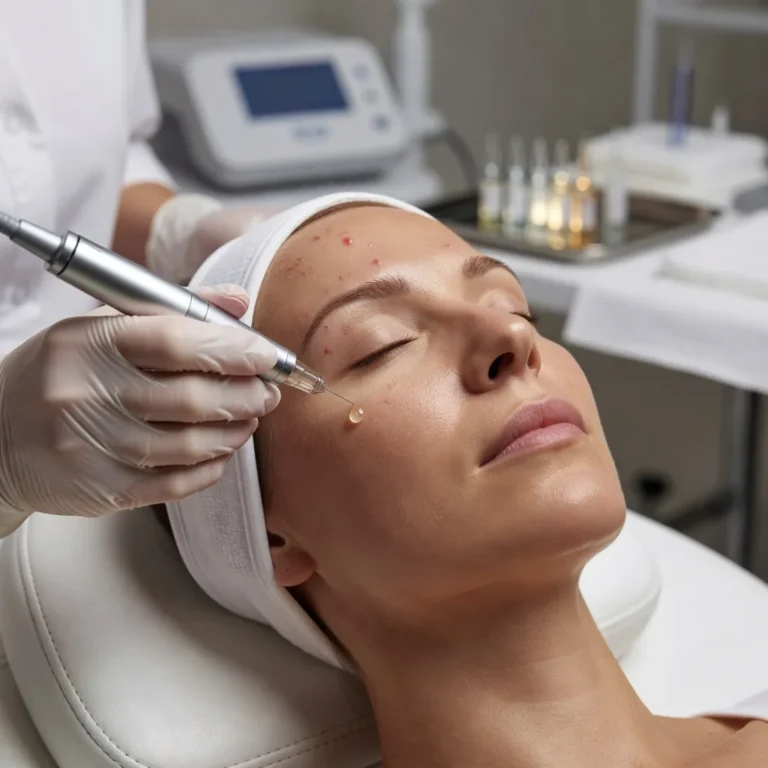
Steam doesn’t “open” pores, since pores have no muscle to dilate in the first place — what it actually does is soften sebum and keratin plugs, which is the real reason it makes extraction easier. A professional acne-surgery guideline is direct about the one genuine risk here: undue force during extraction, not the treatment itself, is what causes increased inflammation and scarring.
No dedicated trial has tested a bundled cleanup protocol for any measurable outcome, so most frequency guidance rests on general skin-turnover reasoning rather than a specific study.
This guide covers what each step actually does, who should modify the steam step, and how a cleanup compares to a full facial.
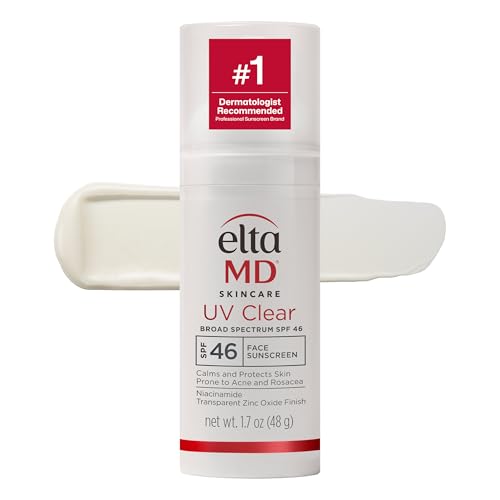
Recommended At-Home Facial Cleanup Products



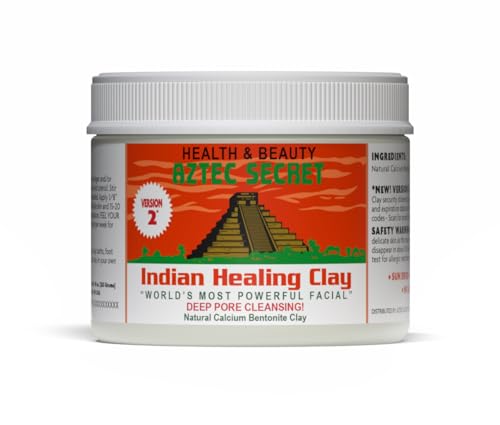
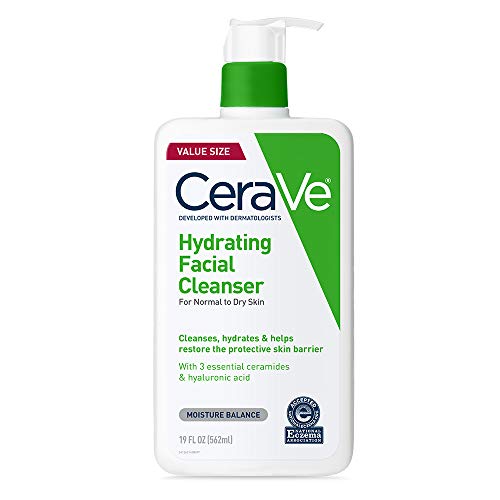
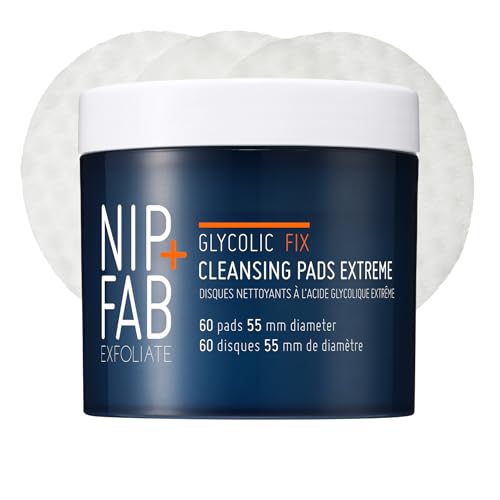
What a Facial Cleanup Actually Involves
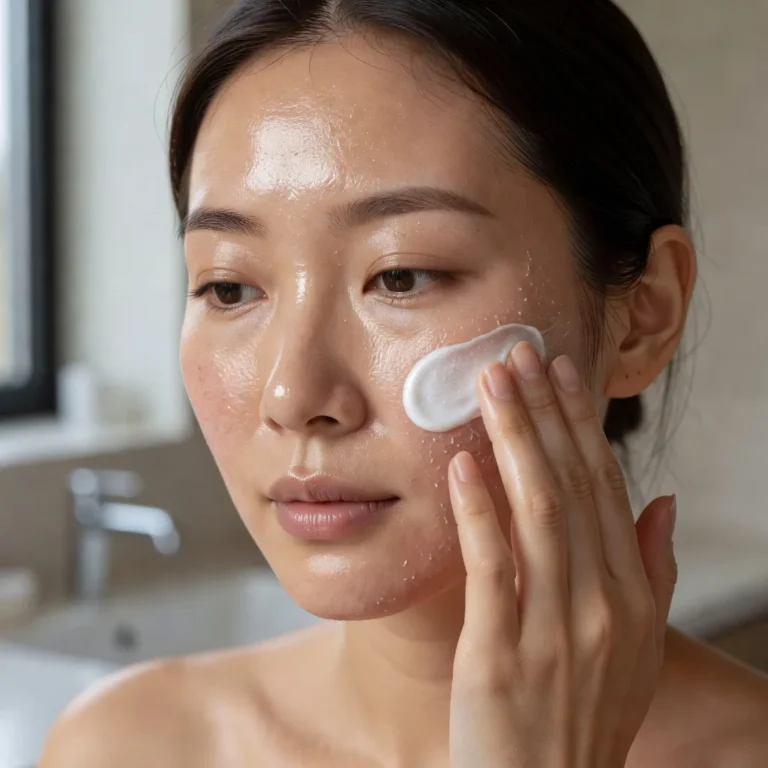
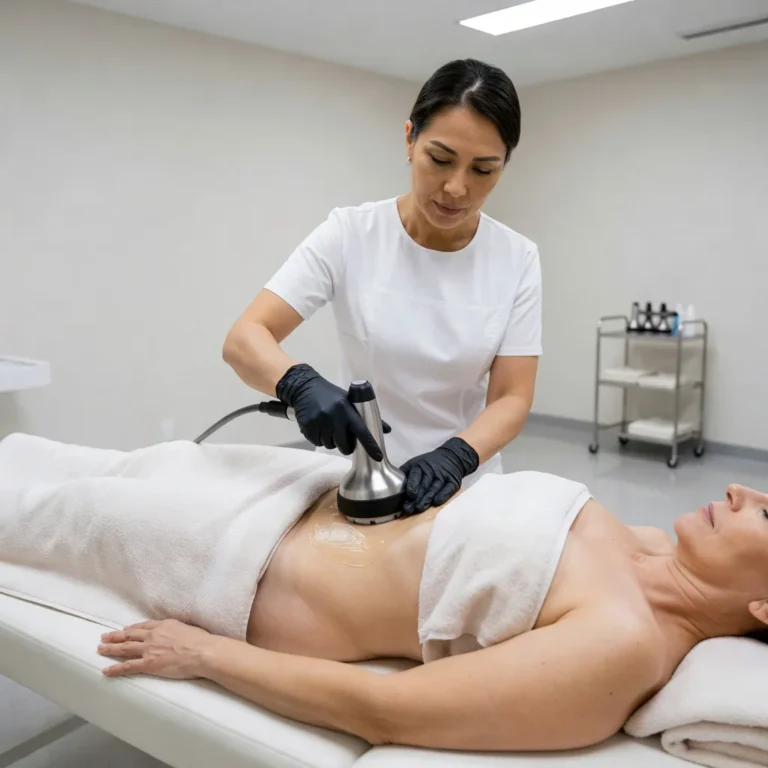
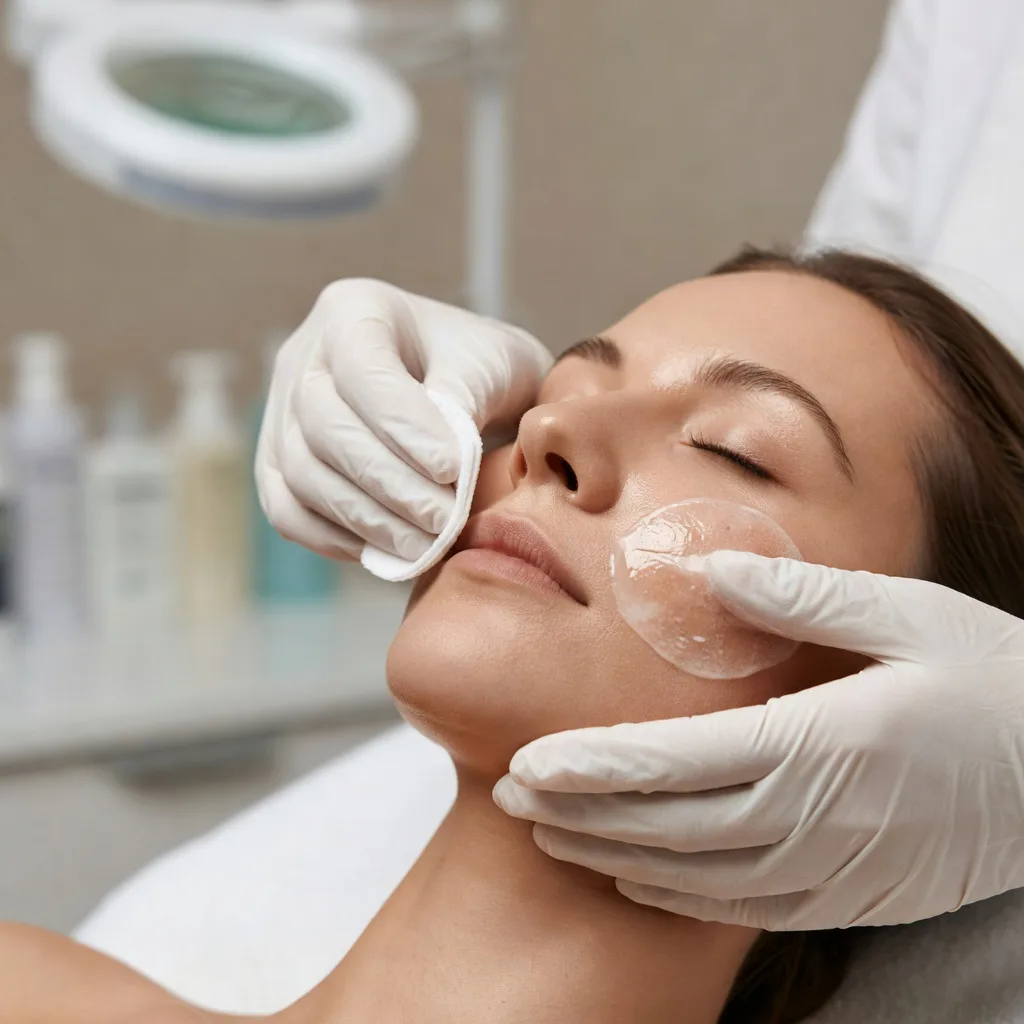
A “facial cleanup” is a shorter, maintenance-focused version of a standard facial: cleanse, scrub or mechanical exfoliation, steam, extraction, a mask, and a finishing moisturizer or SPF. It’s neither a regulated nor a standardized term, but consumer-facing comparison guides consistently describe the same core distinction from a full facial — a cleanup skips the longer massage sequence and the extra serum or LED steps a full facial typically adds, making it a faster, surface-level maintenance service rather than a deeper anti-aging treatment.
Shopping these picks?
Amazon Prime members get fast, free shipping on eligible items, plus Prime Video, Amazon Music and member deals. New members can start with a free trial.
Start a free Prime trialAged 18 to 24? Prime for Young Adults comes with a longer free trial and a lower price after it.
Affiliate link: we may earn a commission at no extra cost to you.
What to Know First
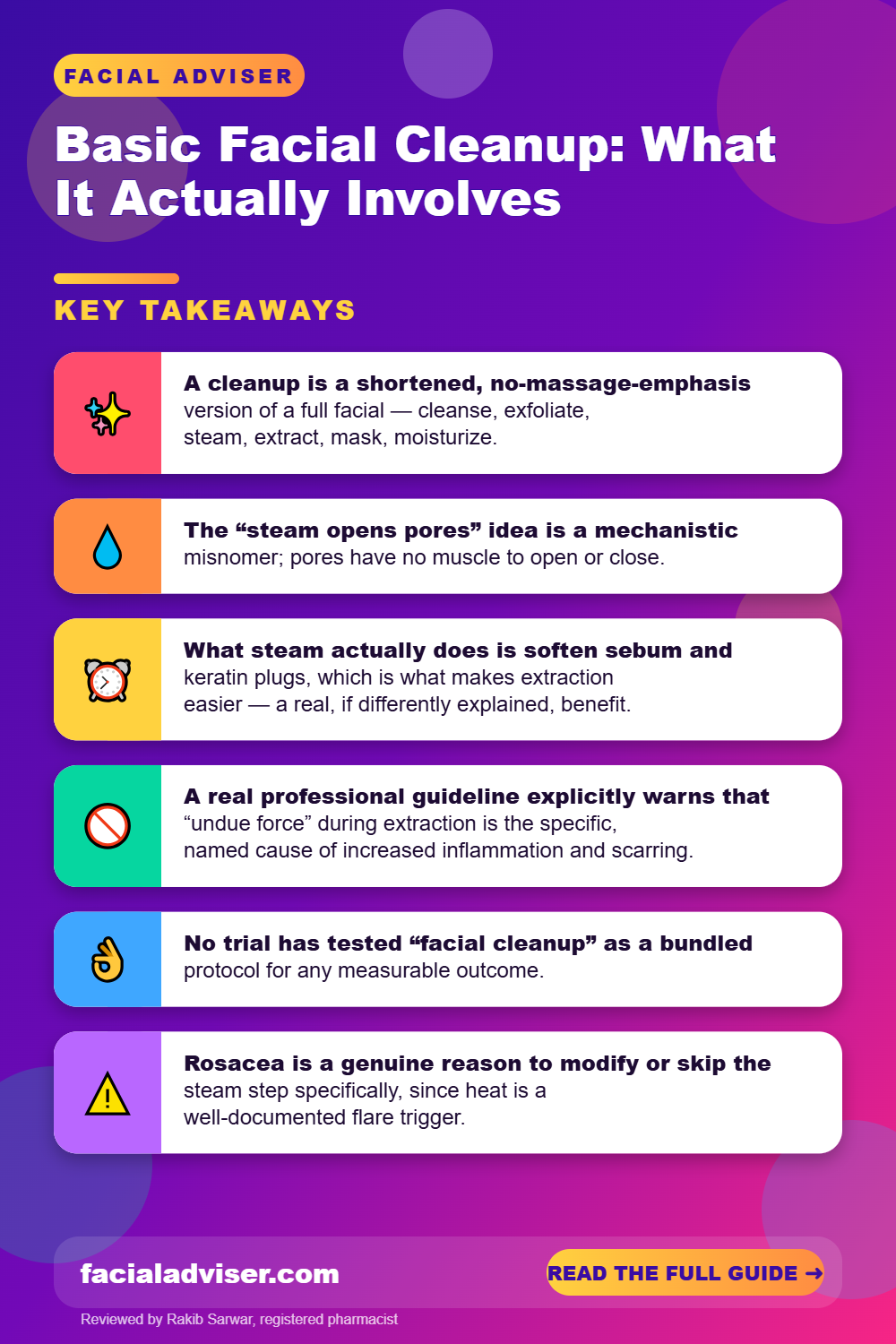
- A cleanup is a shortened, no-massage-emphasis version of a full facial — cleanse, exfoliate, steam, extract, mask, moisturize.
- The “steam opens pores” idea is a mechanistic misnomer; pores have no muscle to open or close.
- What steam actually does is soften sebum and keratin plugs, which is what makes extraction easier — a real, if differently explained, benefit.
- A real professional guideline explicitly warns that “undue force” during extraction is the specific, named cause of increased inflammation and scarring.
- No trial has tested “facial cleanup” as a bundled protocol for any measurable outcome.
- Rosacea is a genuine reason to modify or skip the steam step specifically, since heat is a well-documented flare trigger.
What You’ll Learn
- What a Facial Cleanup Actually Involves
- The Steam Step, Corrected
- Extraction: The One Step With Real Technique Guidelines
- Cleanup vs. Full Facial
- The Mask and Moisturizer Step
- At-Home Tools vs. Professional Extraction
- What a Typical Cleanup Session Looks Like
- How Often to Get One
- Who Tends to Benefit Most
- Who Should Modify or Skip It
- When to See a Dermatologist Instead
- A One-Minute Check Before Booking
- Where the Evidence Runs Out
- Frequently Asked Questions
The Steam Step, Corrected
Dermatologists are direct about correcting a very common claim: steam does not “open pores,” because pores have no muscle tissue that could dilate or contract in the first place. What actually happens under heat and moisture is real, just differently mechanistic: sebum and keratin plugs soften, local blood flow increases, and the rim of the follicular opening becomes more pliable. That’s what actually eases extraction — not an anatomical opening. No randomized trial has isolated steam as a standalone variable and measured its effect on extraction success or complication rate; it’s studied only as one step within broader treatment descriptions, never on its own.
Extraction: The One Step With Real Technique Guidelines
Comedone extraction is the one part of a cleanup with genuine professional-society-level guidance behind it. The Indian Association of Dermatologists’ official acne-surgery guidelines classify extraction as a Level D procedure — appropriate mainly for Grade 1, predominantly comedonal acne, and explicitly as an adjunct to other treatment, not a standalone therapy. The documented technique: cleanse the area with antiseptic, center the extractor tool directly over the comedone, and apply firm downward pressure along the follicle’s axis; closed comedones are first pierced with a fine needle to reduce tissue trauma before the plug is expressed. The guideline states its central safety warning almost verbatim: undue force, which could increase inflammation and lead to potential scarring, should never be applied. That’s a precise, attributable mechanism behind the general advice to avoid aggressive at-home extraction — it’s a named failure mode in an actual clinical guideline, not vague caution.
Cleanup vs. Full Facial
| Feature | Facial cleanup | Full facial |
|---|---|---|
| Massage | Minimal or none | Extended massage sequence |
| Typical duration | 20-30 minutes | 45-75 minutes |
| Extra steps | None beyond the core sequence | Often adds a second mask/serum layer, sometimes LED or a device pass |
| Best suited for | Routine maintenance between deeper treatments | A fuller, more indulgent or anti-aging-marketed session |
The Mask and Moisturizer Step
Whatever mask ingredient is used — clay, enzyme, or a hydrating gel — carries the same evidence-quality pattern seen across most single-ingredient facial masks: a real, honest occlusive or humectant benefit, but “detox” or “collagen-boosting” language for a single-session mask isn’t supported by any trial for common mask ingredients. The moisturizer and SPF step at the end is the most evidence-backed part of this stage, since post-exfoliation skin is measurably more sun-sensitive for several days afterward.
| Mask type | Real, supportable benefit | Unsupported marketing claim |
|---|---|---|
| Clay-based | Temporary oil absorption, mattifying effect | “Draws out toxins” |
| Hydrating gel | Humectant/occlusive hydration boost | “Boosts collagen production” |
| Enzyme-based | Mild additional surface exfoliation | “Deep cellular renewal” |
At-Home Tools vs. Professional Extraction
Metal comedone extractor tools are sold widely for home use, and a proper technique guide can reduce some of the risk, but the sterility gap between a home bathroom and a professional treatment room is real and hard to fully close on your own. A professional has consistent access to alcohol-sterilized tools, gloved hands, and — as covered above — a documented technique standard that specifically names excess force as the failure mode to avoid. At home, it’s much easier to keep pressing after the plug won’t budge, which is exactly the scenario the professional guideline warns against. If you do use a home tool, treat gentle, brief attempts on already-visible, ready-to-express comedones as the ceiling, not a starting point to push past.
What a Typical Cleanup Session Looks Like
Cleanse
Makeup and surface oil are removed with a gentle cleanser suited to your skin type.Exfoliate
A mechanical scrub lifts dead surface cells before the next step.Steam
Warm steam softens sebum and keratin plugs, making the follicle’s contents easier to express.Extract, mask, and moisturize
Visible comedones are gently extracted, a mask is applied and removed, and the session finishes with moisturizer and SPF.
How Often to Get One
There’s no dedicated trial establishing an ideal cleanup frequency, so most guidance is extrapolated from skin’s general 28-40 day surface-turnover cycle rather than measured directly for this specific bundled service. A monthly cadence is a common, reasonable default for routine maintenance, adjusted based on how oily or acne-prone your skin runs. Someone with consistently oily, congestion-prone skin might reasonably shorten that interval to every three weeks, while drier or more reactive skin often does better stretched to six weeks, giving already-treated areas more time to fully settle before the next round of extraction and exfoliation. Persistent redness or increased breakouts after a session is a practical signal to lengthen the interval rather than a sign something went wrong with the treatment itself.
Who Tends to Benefit Most
People with mild to moderate comedonal congestion who want routine maintenance between deeper treatments, rather than a dramatic anti-aging result, are the best fit for a basic cleanup. It’s a genuinely useful, low-cost way to keep pores clear without committing to a longer or more intensive session every time. It also tends to suit people who already have a separate, more targeted skincare routine or medical treatment in place for acne or aging, and simply want a periodic maintenance step to keep visible congestion from building up between those bigger interventions.
Do
- Disclose any active acne, cold sores, or recent retinoid use before booking
- Ask the esthetician to modify or skip steam if you have rosacea
- Wear SPF for several days afterward, since exfoliated skin is more sun-sensitive
Don’t
- Attempt DIY extraction with unsterile fingers or tools at home
- Book a cleanup during an active cystic or nodular acne flare
- Expect a single session to deliver a lasting anti-aging effect
Who Should Modify or Skip It
Active cystic or nodular acne, sunburn, active cold sores, and recent retinoid use are standard professional exclusion criteria for both the extraction and steam steps, since heat and manipulation on already-inflamed or barrier-compromised skin raise the risk of post-inflammatory hyperpigmentation and secondary infection. Rosacea deserves specific mention: heat is one of the most commonly documented rosacea triggers, so the steam step in particular should be skipped or shortened, with gentler exfoliation substituted, rather than treated as a universally safe default.
When to See a Dermatologist Instead
A basic cleanup is a cosmetic maintenance service, not a substitute for medical evaluation. See a board-certified dermatologist rather than booking a cleanup if you have persistent inflammatory or cystic acne, a skin condition that hasn’t responded to standard care, or any lesion that looks unusual, bleeds, or won’t heal.
A One-Minute Check Before Booking
Before your appointment, check: any active cystic or pustular breakouts? Any cold sore, even a small tingling spot? Any sunburn in the last few days? Diagnosed rosacea that flares with heat? A “yes” to any of these is a real reason to reschedule or ask for modifications, not a minor detail to mention afterward.
Where the Evidence Runs Out
Be clear about what’s actually established: no trial has tested a bundled “facial cleanup” protocol against any measurable skin outcome, and no study isolates steam’s specific contribution to extraction success. What’s solid is the extraction-technique guidance from professional dermatology bodies and the general logic of skin’s turnover cycle — everything else, including frequency and mask-ingredient benefit, rests on reasonable inference rather than dedicated trial data.
Frequently Asked Questions
What’s the difference between a cleanup and a facial?
A cleanup is a shorter, maintenance-focused version without the extended massage or extra serum layers a full facial typically includes.
Does steam actually open my pores?
No — pores have no muscle to open or close. Steam softens sebum and keratin plugs, which is what actually makes extraction easier.
Is DIY extraction at home safe?
It’s riskier than professional extraction, since excess pressure is the specific, documented cause of increased inflammation and scarring in clinical guidelines.
How often should I get a facial cleanup?
Monthly is a common, reasonable default, though no dedicated trial establishes an ideal frequency for this specific bundled service.
Can I get a cleanup if I have rosacea?
You can, but the steam step should generally be shortened or skipped, since heat is a well-documented rosacea trigger.
Does the mask step actually detox my skin?
No — that’s an unsupported marketing claim. Masks provide real, honest hydration or oil-absorption benefits, not detoxification.
Is a cleanup enough for active cystic acne?
No — it’s designed for mild to moderate comedonal congestion, not active cystic or nodular acne, which needs a different treatment approach entirely.
Should I wear sunscreen after a cleanup?
Yes — exfoliated skin is measurably more sun-sensitive for several days, making SPF more important than usual in that window.
Can a cleanup replace a chemical peel?
No — a cleanup uses only mechanical exfoliation and extraction, without the acid-based resurfacing a chemical peel provides.
Is it normal for skin to look slightly red after a cleanup?
Mild, short-lived redness from extraction and exfoliation is common and typically settles within a few hours to a day.

Written by
Registered pharmacist and founder of Facial Adviser. Rakib's pharmacy training covers how skincare actives work and interact; a later course in cosmetology turned that into a focus on facial treatments and skincare products. He plans, researches and edits every guide on the site and checks health claims against sources such as the American Academy of Dermatology, the FDA and the NIH. He is not a dermatologist; see the Editorial Policy and Medical Disclaimer.
About · Editorial policy · How we choose products · Medical disclaimer · Contact
Keep reading: Types of facials compared
- Facial Types: A Guide to 11 Popular Facials and How to Choose One
- Why Have a Facial? The Real Reasons
- Which Facial Is Best for Acne-Prone Skin? Options, Evidence and What to Avoid
- Which Facial Is Best for Glowing Skin? Matching the Treatment to Your Skin
- Cleanup or Facial: Which Is Actually Better?
- Facial vs Chemical Peel: Differences, Results and Which to Choose
- What Is the Best Anti-Aging Facial Treatment? Options Compared by Goal