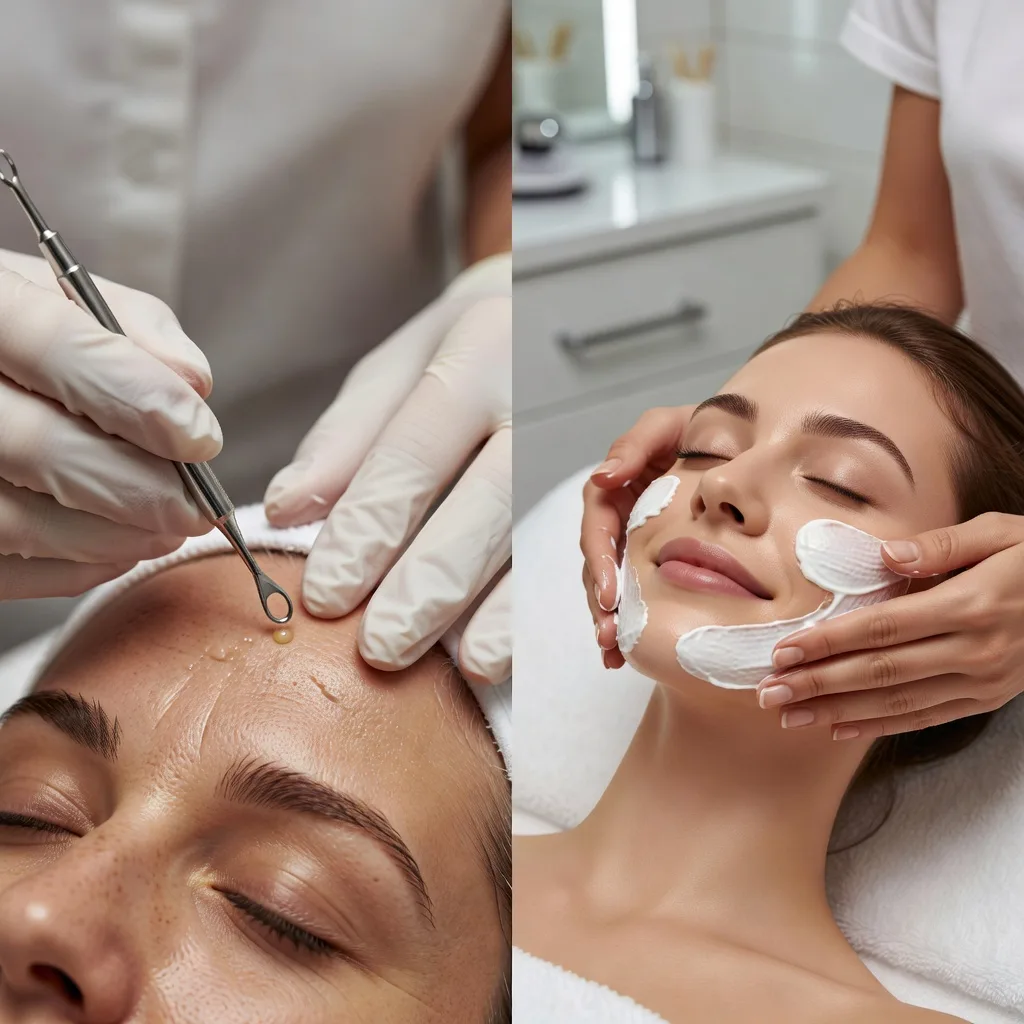
Cleanup or Facial: Which Is Actually Better?
Cleanup or facial — are these genuinely two different services, or is one just a shorter, cheaper version of the other with a different name on the menu?
Part of our guide to facial treatments. Start with: Facial Types: A Guide to 11 Popular Facials and How to Choose One
A cleanup is a lighter, faster service — cleansing, exfoliation, steam, and sometimes light extraction, in around 30 to 45 minutes — while a facial adds massage, a customized mask, and moisturizer in a longer 60- to 90-minute session at a higher price. The extra time and cost mostly buy relaxation and product customization rather than a dramatically different clinical result, since massage and masks are the two added steps with the least independent research behind them.
That doesn’t mean a facial is a waste of money — it means the choice between the two comes down to your goal for that particular visit, not one being an objectively better treatment than the other.
This guide breaks down exactly what each service includes, compares them side by side, and covers which one makes more sense depending on your skin, your schedule, and whether you have an event coming up.
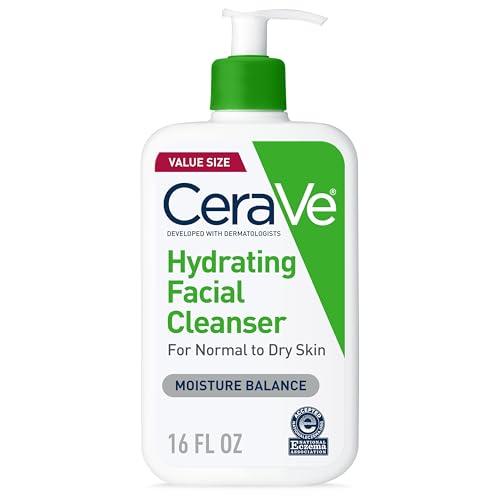
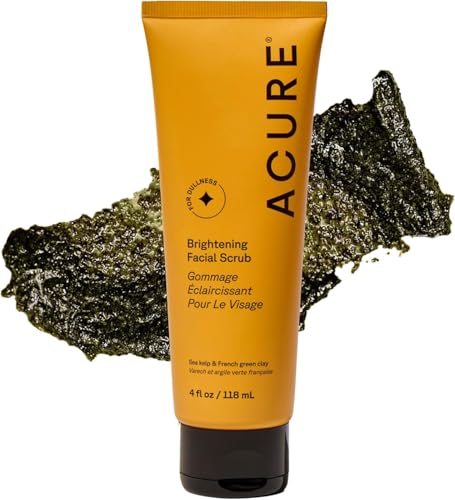
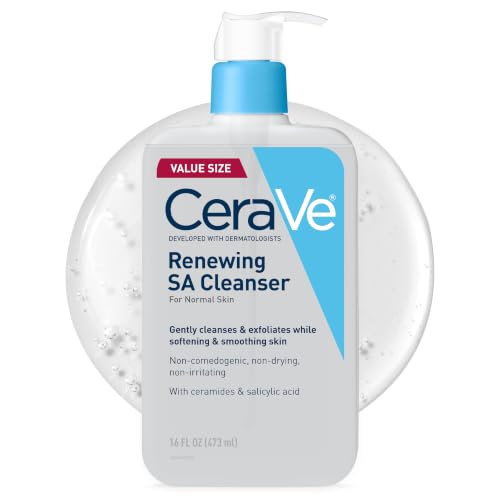
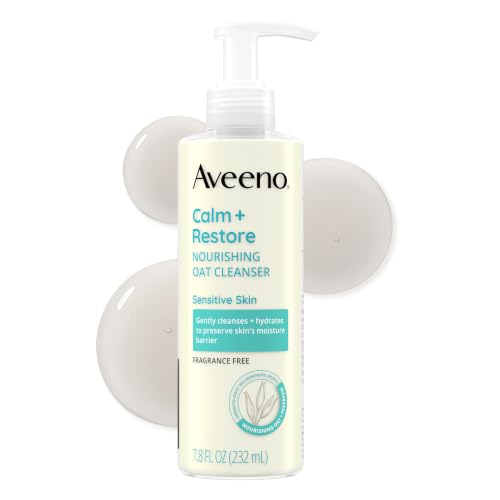
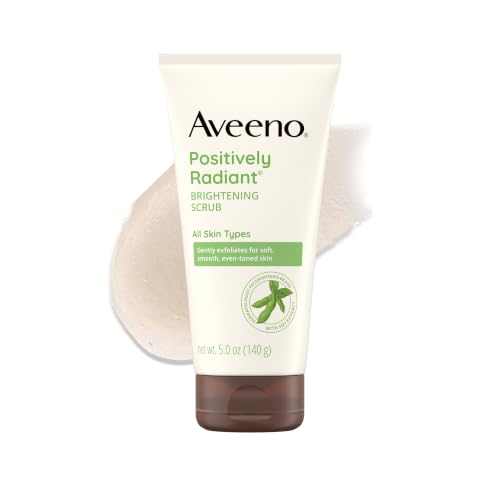
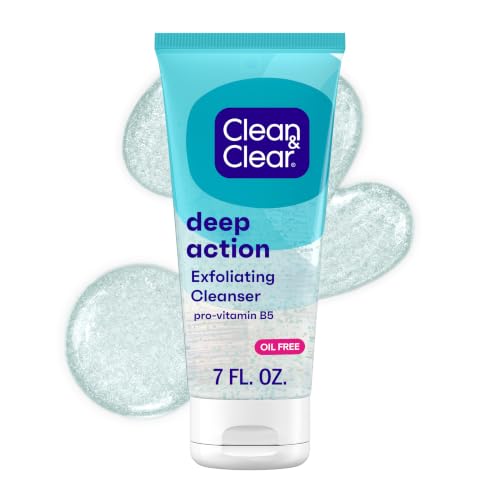
Recommended Products for Between-Visit Skin Maintenance

Key Takeaways
- “Cleanup” and “facial” are terms most common in Indian and South Asian salon menus — a cleanup is the shorter, lighter service; a facial adds massage and a mask on top.
- A cleanup typically runs 30–45 minutes and skips massage/mask; a full facial runs 60–90 minutes and includes both.
- The extra steps in a facial — massage and mask — happen to be the two steps with the thinnest independent evidence of any facial component.
- That makes “facial does more” procedurally true but not proportionally true in terms of measurable skin benefit over a cleanup.
- A cleanup is genuinely the lower-risk choice right before an event, since it skips the steps most likely to cause temporary redness.
- Recommended frequency varies by source — treat any specific interval as salon convention, not a clinical rule.
- Neither service is inherently “better” — the right choice depends on your goal, your skin’s current state, and your timeline.
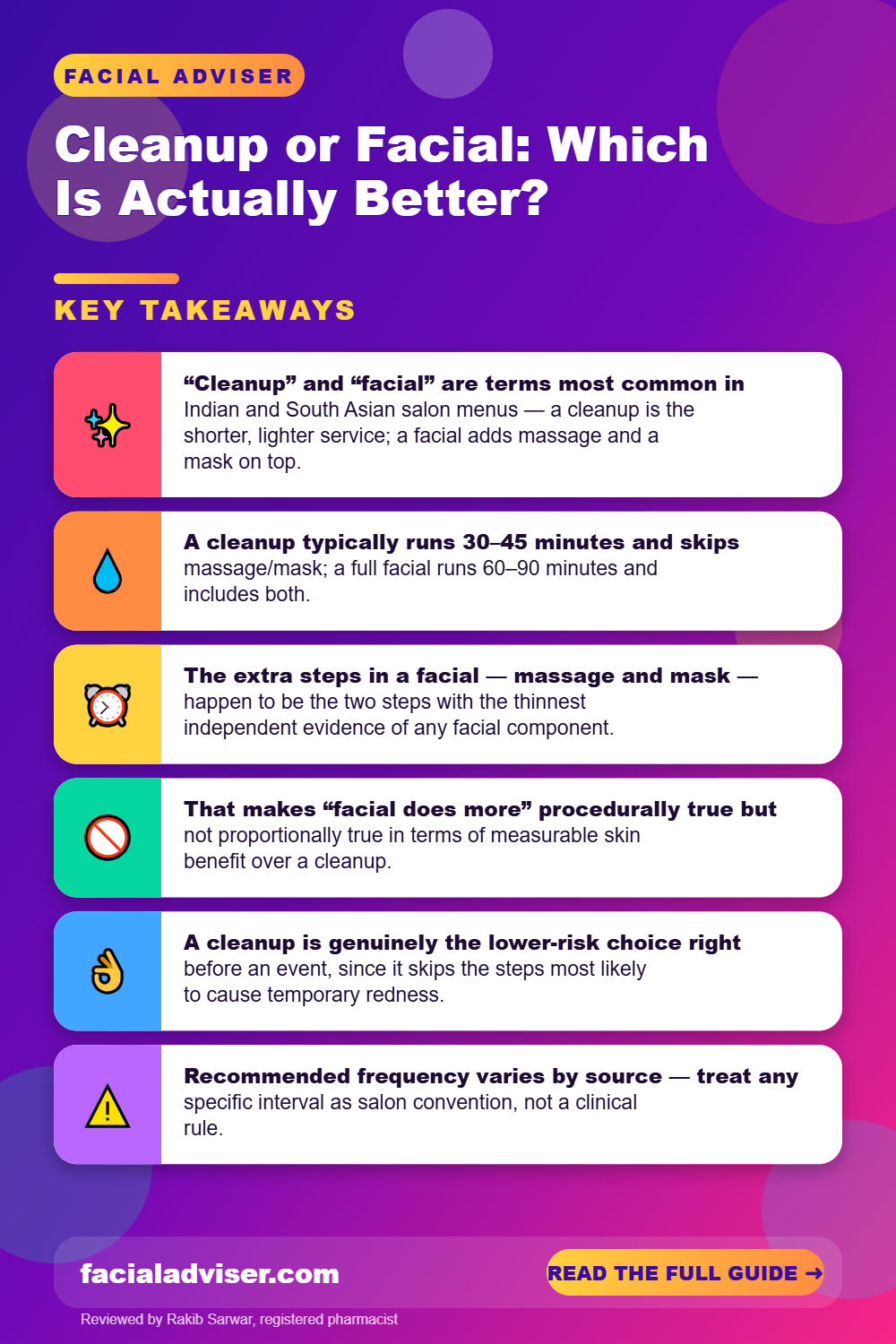
Table of Contents
- What Each Term Actually Means
- Cleanup vs. Facial, Side by Side
- What a Facial Actually Adds
- The Evidence Behind That Extra Massage Step
- The Evidence Behind That Extra Mask Step
- How Often Each One Makes Sense
- Recommended Frequency by Source
- Matching the Service to Your Skin Type
- Which One Before an Event
- A Typical Cleanup, Step by Step
- Which Parts Are Reasonable to Try at Home
- Do This, Not That
- What “Customized Products” Actually Means
- Frequently Asked Questions
- When Neither One Is the Right Move
- The Bottom Line
What Each Term Actually Means
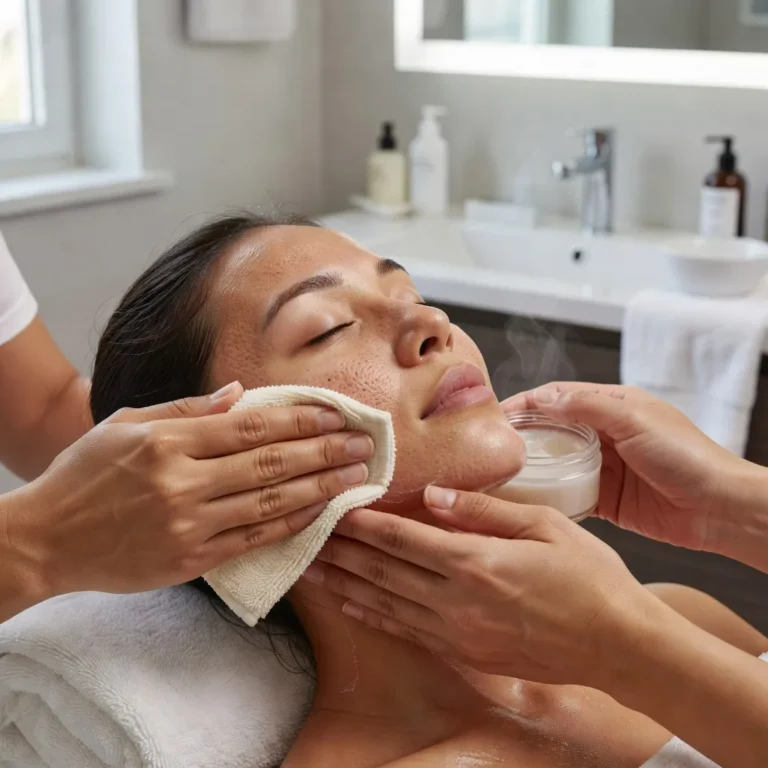
“Cleanup” and “facial” are terms drawn specifically from Indian and South Asian salon vocabulary, and they don’t map cleanly onto US or UK spa menus, where “facial” alone usually covers the fuller service. A cleanup is the lighter, faster option: cleansing, exfoliation, steaming, and sometimes a light pass at surface blackheads, with no massage or mask step. A facial is the fuller version of the same core process, adding a massage and a face mask on top, and usually finishing with a dedicated moisturizer application.
Shopping these picks?
Amazon Prime members get fast, free shipping on eligible items, plus Prime Video, Amazon Music and member deals. New members can start with a free trial.
Start a free Prime trialAged 18 to 24? Prime for Young Adults comes with a longer free trial and a lower price after it.
Affiliate link: we may earn a commission at no extra cost to you.
The practical difference comes down to those two extra steps, not a fundamentally different treatment philosophy.
Cleanup vs. Facial, Side by Side
| Cleanup | Facial | |
|---|---|---|
| Steps | Cleanse, exfoliate, steam, light extraction | Cleanse, exfoliate, steam, extraction, massage, mask, moisturizer |
| Typical duration | 30–45 minutes | 60–90 minutes |
| Products used | Generic, not customized | Often customized to skin type/concern |
| Typical cost | Lower | Higher |
| Best timing | Right before an event, or between full facials | Regular maintenance, deeper concerns |
What a Facial Actually Adds
Strip away the branding and a facial’s real addition over a cleanup is two specific steps: massage and a mask. Everything else — cleansing, exfoliation, steaming, light extraction — is shared between both services. That narrows the actual question worth asking before paying more for a facial: how much genuine benefit do those two extra steps provide?
The Evidence Behind That Extra Massage Step
Facial massage does have some real research behind it, though it’s thinner than marketing implies. A small 2022 pilot study using detailed imaging found measurable tissue-position changes in just five adults who self-massaged twice daily for two weeks — a real signal, but from a tiny, uncontrolled sample doing a sustained home routine, not one salon session. Separately, a major review of massage-therapy research found the commonly cited stress-hormone (cortisol) benefit was small and not statistically significant across most adult studies. The relaxation experience itself is real; the specific physiological claims attached to it are weaker than advertised.
The Evidence Behind That Extra Mask Step
A facial’s mask step is mostly a hydrating or occlusive delivery vehicle — it holds moisture and active ingredients against the skin for a set period, which is a real and useful mechanism, but masks aren’t typically studied on their own as a discrete clinical intervention the way an ingredient like retinol or niacinamide is. Its value is real but modest, and closely tied to whichever ingredients happen to be in that particular mask rather than the act of masking itself.
How Often Each One Makes Sense
A cleanup, being lighter and lower-risk, is often recommended more frequently than a full facial — it’s a smaller intervention that’s easier to repeat without overloading the skin. A full facial, with its more intensive steps, is typically spaced out further to give skin time to settle between sessions.
Recommended Frequency by Source
Salon sources genuinely differ here — treat the ranges below as convention, not a clinical standard.
| Source type | Cleanup frequency | Facial frequency |
|---|---|---|
| Skincare retailer guidance | Every 2 weeks | Every 4–6 weeks |
| Salon-chain guidance | Every 4–6 weeks | Monthly |
Matching the Service to Your Skin Type
Oily and acne-prone skin tends to congest faster, which is part of why a lighter, more frequent cleanup schedule can make practical sense for that skin type — it clears surface debris more often without the added exfoliation and massage load of a full facial every time. Dry or sensitive skin, on the other hand, often does better with fewer, more spaced-out full facials, since the extra steps in a facial can be more than that skin type needs on a tight rotation.
Combination skin doesn’t map neatly onto either pattern; it’s reasonable to alternate between the two services depending on which areas need attention that month, rather than picking one exclusively.
Which One Before an Event
This is where the distinction becomes genuinely useful rather than just semantic. A cleanup is the lower-risk choice right before something important, precisely because it skips the two steps — extraction-heavy massage and a potentially reactive mask — most likely to cause temporary redness or a purging-style breakout. A full facial is better suited to regular maintenance, scheduled with enough buffer before any event that matters, so any reaction has time to settle.
A Typical Cleanup, Step by Step
Skin analysis
A quick assessment of skin type and current concerns before starting.
Cleansing
Removes surface makeup, oil, and debris to prep the skin.
Exfoliation
A gentle scrub or enzyme step to lift dead surface cells.
Steam
Softens any surface congestion, making it easier to clear.
Light extraction
A brief, surface-level pass at any visible blackheads, if included.
Do This, Not That
Which Parts Are Reasonable to Try at Home
Gentle cleansing and mild exfoliation translate reasonably well to a home routine, and a hydrating mask is easy to replicate without professional help. Steam is trickier to reproduce safely and consistently without proper equipment, and extraction is genuinely better left to a trained professional — sterile tools and correct technique matter more here than almost anywhere else in the routine, since incorrect pressure or unsterile tools raise real risk of scarring or infection that a spa setting is specifically built to avoid.
Massage is a middle case: a basic self-massage routine is reasonable to attempt, though the professional version usually incorporates more targeted technique built on training and experience.
Do
- Choose a cleanup when you’re short on time or timing an event
- Ask exactly which steps are included before booking either service
- Space full facials out to let your skin settle between sessions
Don’t
- Assume a facial is automatically “better” just because it costs more
- Book a first-time facial right before something important
- Skip disclosing skin conditions because it’s “just a cleanup”
What “Customized Products” Actually Means
Salons that advertise product customization for their facial service usually mean picking from a small set of pre-formulated masks and serums — say, a clay-based option for oily skin versus a cream-based one for dry skin — rather than mixing something bespoke on the spot. That’s still a genuine, useful step up from a single generic mask used for every client regardless of skin type, but it’s worth knowing it’s selection from a menu, not a custom formulation built specifically for you. Ask what the actual options are if this is a meaningful factor in your decision between the two services.
Frequently Asked Questions
Is a cleanup as effective as a facial?
For basic surface maintenance, largely yes — the two services share the same core cleansing/exfoliation/steam steps. A facial adds massage and a mask, which offer real but modest additional benefit.
Can I get a cleanup every week?
Weekly is generally too frequent for most skin types and risks over-exfoliation; most guidance suggests spacing cleanups at least two weeks apart.
Does a facial hurt more than a cleanup?
Not inherently — any discomfort usually comes from the extraction step specifically, which can appear in either service depending on what’s included.
Which one is better for acne?
Neither is a substitute for dermatologist-guided acne treatment; for active or inflamed acne specifically, both services should generally avoid aggressive extraction.
Is a cleanup cheaper because it’s lower quality?
No — it’s cheaper because it’s shorter and uses fewer or less customized products, not because the technique itself is inferior.
Can I do a cleanup at home?
A simplified version — gentle cleansing and exfoliation — is reasonable at home; extraction is safer left to a trained professional with sterile tools.
Will a facial break me out?
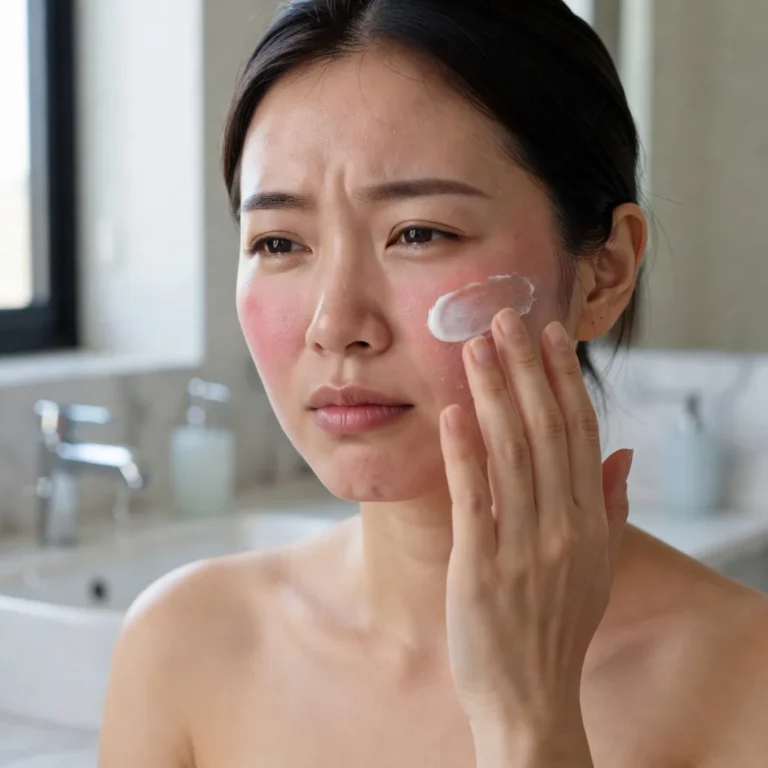
Mild, temporary redness or a few small bumps are possible after either service, usually settling within a day or two.
Is one better for oily skin?
A cleanup’s more frequent, lighter schedule can suit oily skin that tends to congest quickly, though either service can be adapted with the right products.
Should I get a cleanup before a facial?
Not necessary — they share the same starting steps, so a facial already includes what a standalone cleanup would cover.
How do I know which one I actually need?
Match the service to your goal and timeline: a cleanup for quick, low-risk maintenance or pre-event prep, a full facial for deeper, more relaxing maintenance with more buffer time built in.
When Neither One Is the Right Move
Skip both a cleanup and a facial, and see a dermatologist instead, if you have active cystic or nodular acne, an undiagnosed rash or skin condition, a suspicious mole, or a skin infection. Neither salon service is designed to treat medical skin conditions.
The Bottom Line
A cleanup and a facial share the same foundation and differ mainly by two added steps — massage and a mask — that happen to carry the thinnest independent evidence of the whole sequence. That makes the choice less about which is objectively superior and more about matching the service to your actual goal: quick, low-risk maintenance calls for a cleanup; deeper, more relaxing upkeep calls for a full facial.

Written by
Registered pharmacist and founder of Facial Adviser. Rakib's pharmacy training covers how skincare actives work and interact; a later course in cosmetology turned that into a focus on facial treatments and skincare products. He plans, researches and edits every guide on the site and checks health claims against sources such as the American Academy of Dermatology, the FDA and the NIH. He is not a dermatologist; see the Editorial Policy and Medical Disclaimer.
About · Editorial policy · How we choose products · Medical disclaimer · Contact
Keep reading: Types of facials compared
- Facial Types: A Guide to 11 Popular Facials and How to Choose One
- Facial vs Massage: Which Spa Treatment Is Worth Booking?
- Facial Treatment Names Explained: 25+ Types and What Each One Does
- Best Place for a Facial: Spa, Dermatologist, Medspa, Salon or Home?
- Best Facial Treatment for Acne Scars: Options by Scar Type and Home Care
- Best Facial for Melasma: Gentle Treatments, What to Avoid and Home Care
- Ultimate Guide Microdermabrasion: What to Know
- Facial vs Chemical Peel: Differences, Results and Which to Choose