Best Facial for Melasma: Gentle Treatments, What to Avoid and Home Care
Melasma is one of the most frustrating pigment problems to treat, and the wrong facial can make it worse. Brown or grey-brown patches on the cheeks, forehead, upper lip or chin tend to deepen with sun, heat and irritation, so a treatment that looks relaxing on a spa menu can leave you with darker patches a few weeks later.
Part of our guide to facial treatments. Start with: Facial Types: A Guide to 11 Popular Facials and How to Choose One
The best facial for melasma is a gentle, heat-free treatment carried out by an experienced provider, usually a superficial chemical peel or a calming hydrating facial rather than anything aggressive. Superficial peels with ingredients such as glycolic, lactic, mandelic or azelaic acid can lift some excess pigment when they are done carefully and spaced out. Treatments that heat or inflame the skin, such as steam, hot stones, harsh scrubs, deep peels and some lasers, can trigger rebound darkening. No facial works on its own: daily tinted mineral sunscreen and home care with azelaic acid, niacinamide or tranexamic acid do most of the long-term work.
In short: choose gentle, low-heat facials, protect your skin from light every day and treat melasma as a long-term condition to manage.
The American Academy of Dermatology explains that sunlight makes the skin produce more pigment, which can darken existing melasma and cause new patches, and it lists chemical peels, tranexamic acid and azelaic acid among the options a dermatologist may use.
This guide explains what triggers melasma, which facials help and which to skip, what to look for in sunscreens and serums, and how to use them together safely.
Shopping these picks?
Amazon Prime members get fast, free shipping on eligible items, plus Prime Video, Amazon Music and member deals. New members can start with a free trial.
Start a free Prime trialAged 18 to 24? Prime for Young Adults comes with a longer free trial and a lower price after it.
Affiliate link: we may earn a commission at no extra cost to you.
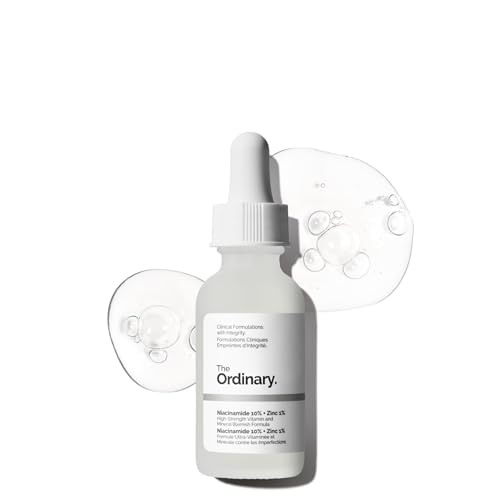
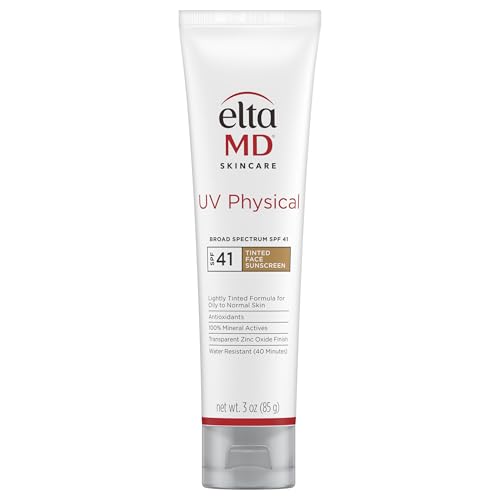
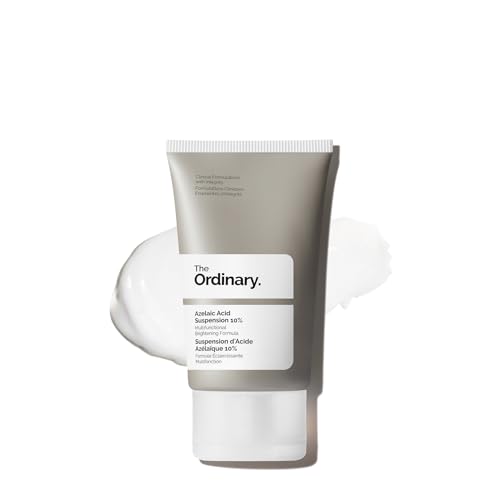
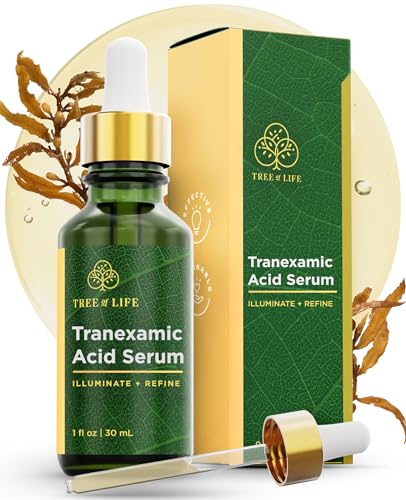
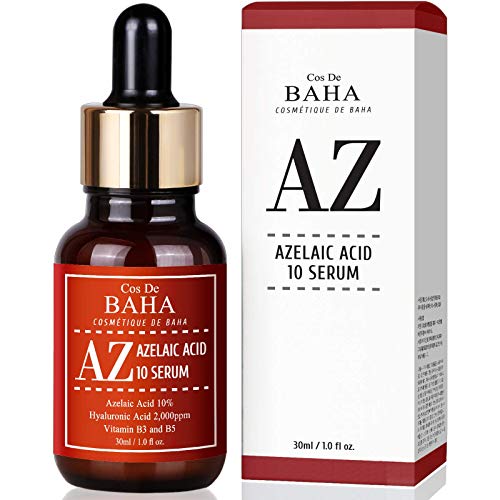
Recommended Melasma Care Products on Amazon


Contents
- What Melasma Is and Why It Is Hard to Treat
- Which Facials Help Melasma and Which Make It Worse
- Choosing a Professional Peel for Melasma
- Melasma in Medium and Deep Skin Tones
- Why Tinted Mineral Sunscreen Is the Most Important Product
- At-Home Ingredients That Help Melasma
- How to Choose Melasma Products
- How to Build a Melasma-Friendly Routine Around a Facial
- Dos and Don’ts for Melasma
- Risks and Side Effects
- Honest Limits
- When to See a Dermatologist
- Common Questions
- Final Word
At a Glance
- Melasma is triggered by light, hormones, heat and irritation.
- Gentle superficial peels by an experienced provider can help.
- Steam, hot stones, harsh scrubs and aggressive lasers can worsen patches.
- Tinted mineral sunscreen with iron oxides is the most important product.
- Azelaic acid, niacinamide and tranexamic acid are useful at home.
- Results take months, and melasma often returns without maintenance.
- A dermatologist should confirm the diagnosis before strong treatment.
What Melasma Is and Why It Is Hard to Treat
Melasma is a common pigment condition that causes symmetrical brown or grey-brown patches, most often on the cheeks, forehead, bridge of the nose, upper lip and chin. It is more common in women and in people with medium to deep skin tones, and it often appears during pregnancy or while taking hormonal contraception.
Unlike a single sun spot, melasma involves overactive pigment cells across a wide area, and some pigment can sit deeper in the skin. That is why it responds slowly, relapses easily and reacts badly to treatments that inflame the skin. The goal is to calm pigment production gradually, not to strip the top layer away in one go.
- Ultraviolet light from the sun, even on cloudy days.
- Visible light, including bright daylight through windows.
- Hormonal changes such as pregnancy, contraception or hormone therapy.
- Heat from saunas, hot yoga, steam rooms or cooking over a stove.
- Irritation from harsh scrubs, fragranced products or strong peels.
- Genetics, since melasma often runs in families.
Which Facials Help Melasma and Which Make It Worse
When you book a facial for melasma, the question to ask is simple: will this heat, scratch or inflame my skin? If the answer is yes, it is likely to cause more pigment than it removes.
| Facial or treatment | Suitability for melasma | Why |
|---|---|---|
| Superficial chemical peel by an experienced provider | Often helpful | Lifts some surface pigment with limited inflammation when spaced out |
| Gentle hydrating or calming facial | Safe support | Improves comfort and barrier without heat |
| Enzyme facial with no steam | Usually safe | Mild exfoliation with low irritation |
| Microdermabrasion | Use with caution | Mechanical friction can irritate reactive skin |
| Facials with steam, hot towels or hot stones | Best avoided | Heat is a known melasma trigger |
| Deep or medium-depth peels | High risk | Strong inflammation can cause rebound darkening |
| Aggressive or heat-based lasers | High risk | Can worsen melasma, especially in deeper skin tones |
The AAD overview of chemical peels explains that peel depth matters and that the provider’s experience affects both results and side effects. Our comparison of a facial vs a chemical peel explains how the two differ in depth and downtime.
Choosing a Professional Peel for Melasma
Superficial peels are the facial most often used for melasma, but the details matter more than the name on the menu. A good provider will start mild, test how your skin reacts and space sessions a few weeks apart.
- Ask which acid and strength they plan to use and why.
- Choose providers who regularly treat pigment in your skin tone.
- Expect a series of light sessions rather than one strong peel.
- Stop retinoids and exfoliants for a few days before, as advised.
- Tell them about pregnancy, recent sun exposure or cold sores.
- Avoid peels right before a holiday or long outdoor days.
Many dermatologists prepare the skin with home treatment for several weeks before a peel. Skin that is already calmer and protected tends to respond better and is less likely to darken afterwards.
Melasma in Medium and Deep Skin Tones
Melasma is more common in people with light brown, olive, brown and deep skin tones, and these skin types are also more prone to post-inflammatory hyperpigmentation, the dark marks that follow irritation or injury. That makes gentle treatment even more important.
A treatment that leaves light skin a little pink for a day can leave deeper skin with new dark patches that last for months. Providers who treat pigment regularly usually choose milder acids, lower strengths and longer gaps between sessions, and many avoid heat-based devices altogether for melasma in darker skin.
- Ask to see results in people with a similar skin tone.
- Request a test spot before a full-face peel or device treatment.
- Choose a tinted sunscreen shade that blends without a grey cast.
- Be patient: slow, steady fading is safer than rapid peeling.
- Report any darkening after treatment straight away.
Mineral sunscreens can leave a white or grey cast on deeper skin, which is one reason people stop using them. Tinted formulas in several shades solve much of this problem, and a slightly deeper shade is often easier to blend than one that is too light.
Why Tinted Mineral Sunscreen Is the Most Important Product
No facial or serum can keep up with daily light exposure. Standard sunscreens protect against ultraviolet rays, but visible light can also darken melasma, and ordinary clear formulas block little of it. Tinted sunscreens contain iron oxides, the pigments that give them colour, which help block visible light.
The AAD page on melasma treatment recommends broad-spectrum SPF 30 or higher, shade and wide-brimmed hats, and suggests tinted sunscreens containing zinc oxide, titanium dioxide or iron oxide.
| Feature to look for | Why it matters for melasma |
|---|---|
| Broad spectrum, SPF 30 or higher | Protects against UVA and UVB |
| Tinted with iron oxides | Helps block visible light |
| Zinc oxide or titanium dioxide filters | Often gentler on reactive skin |
| Fragrance-free | Less risk of irritation |
| A shade that matches you | Makes generous daily use more likely |
| Water resistance for active days | Holds up better with sweat |
Our guide on physical vs chemical SPF explains how mineral and chemical filters differ in feel and finish.
At-Home Ingredients That Help Melasma
Home care is where most of the progress happens. These ingredients are commonly used for melasma and are available in over-the-counter forms.
- Azelaic acid: calms pigment production and redness, and is generally well tolerated, including in pregnancy after checking with a doctor.
- Tranexamic acid: used as a serum to reduce pigment signalling; oral forms are prescription only.
- Niacinamide: reduces the transfer of pigment to skin cells and supports the barrier.
- Vitamin C: an antioxidant that can brighten mild pigment when used daily.
- Gentle retinoids: can help over time but may irritate, so introduce slowly.
Our guide to niacinamide and its skin benefits covers strengths and how to layer it with other actives.
Use one new active at a time for three to four weeks before adding another. If your skin gets red or stings, irritation may darken melasma, so step back rather than pushing through.
Results from home care build slowly. Most people need eight to twelve weeks of daily use before they can judge whether an ingredient is helping, so take photos in the same light every few weeks rather than checking the mirror each day.
How to Choose Melasma Products
Product labels promise a lot for dark spots. Focus on formula features that affect results and tolerance rather than marketing claims.
- Choose fragrance-free formulas with short ingredient lists.
- Look for the active ingredient named clearly with a stated strength.
- Prefer opaque or airless packaging for vitamin C and other unstable actives.
- Pick a lightweight texture you will use every day.
- Avoid combining many strong acids in one routine.
- Avoid products promising to erase melasma in days.
How to Build a Melasma-Friendly Routine Around a Facial
This simple routine supports professional treatment and keeps irritation low.
Cleanse gently
Use a mild, fragrance-free cleanser and lukewarm water, never hot.
Apply a morning antioxidant or niacinamide
Let it absorb for a minute.
Apply tinted mineral sunscreen generously
Use about a quarter to a third of a teaspoon for the face and neck.
Reapply during the day
Top up every two hours outdoors and after sweating.
Use your pigment treatment at night
Apply azelaic acid or tranexamic acid to clean, dry skin.
Moisturise
Seal in with a simple, fragrance-free moisturiser.
Space professional sessions
Book superficial peels weeks apart and avoid sun before and after.
The AAD guide on how to apply sunscreen explains how much to use and when to reapply.
Dos and Don’ts for Melasma
Worth Doing
- Wear tinted mineral sunscreen daily
- Wear a wide-brimmed hat outdoors
- Choose gentle, heat-free facials
- Keep home actives consistent
- Patch test new products
Skip It
- Book steam or hot stone facials
- Scrub or pick at patches
- Use unregulated bleaching creams
- Stack several strong acids
- Expect one treatment to clear it
Be especially careful with products sold online that promise fast whitening. Some unregulated creams have been found to contain mercury or high-strength steroids, which can damage the skin and cause lasting problems.
Risks and Side Effects
Even suitable treatments can cause problems if they are too strong or used too often.
- Rebound darkening after irritation or inflammation.
- Redness, peeling and stinging from acids or retinoids.
- Light patches from overtreatment or strong lasers.
- Thinning skin and visible blood vessels from long-term steroid creams.
Do not use hydroquinone or steroid-containing creams for long periods without medical supervision. Stop any product that causes burning, blistering or new patches, and seek medical advice if pigment changes suddenly.
Honest Limits
There is no permanent cure for melasma, and no facial can remove it for good. Many people see gradual fading over three to six months of strict sun protection and consistent home care, but patches often return with summer sun, heat or hormonal change.
Deeper pigment responds less to surface treatments, and some people improve only partly despite doing everything right. The realistic aim is lighter, more stable patches that are easier to maintain, not flawless skin.
Be wary of any clinic or product promising permanent removal. Melasma is influenced by hormones, genetics and light exposure that no single treatment can switch off, so a good plan always includes maintenance: daily sunscreen, a gentle active and occasional professional sessions if they help you. If you stop protecting your skin, expect some pigment to come back.
When to See a Dermatologist
- You are not sure whether your patches are melasma.
- A dark patch is changing, raised, bleeding or irregular.
- Home care has not helped after three months.
- You are considering prescription creams, oral tranexamic acid or lasers.
- You are pregnant or breastfeeding and want safe options.
This article is for general information and does not replace professional medical advice. See a board-certified dermatologist to confirm a diagnosis and before starting prescription or in-office treatments for melasma.
Common Questions
What is the best facial for melasma?
A gentle superficial peel or calming, heat-free facial by an experienced provider.
Can a facial make melasma worse?
Yes, heat, steam, scrubs and strong peels can darken it.
Is a hydradermabrasion facial good for melasma?
It may suit some people, but ask about heat and suction first.
Do lasers help melasma?
Some can help alongside home care, but aggressive lasers may worsen it.
What sunscreen is best for melasma?
A broad-spectrum tinted mineral sunscreen, SPF 30 or higher.
Can I use azelaic acid and niacinamide together?
Yes, they are usually well tolerated together.
Does tranexamic acid serum work?
It can help some people, especially with good sun protection.
Does heat really affect melasma?
Many people notice darkening after saunas, hot yoga or cooking heat.
How long does melasma take to fade?
Usually several months of consistent care.
Will melasma come back?
It often returns without ongoing sun protection.
Final Word
The best facial for melasma is gentle, low-heat and spaced out, while the real progress comes from daily tinted mineral sunscreen and steady home care.
Skip heat-heavy facials and harsh scrubs, choose one well-formulated active at a time and see a dermatologist if patches are stubborn or changing.

Written by
Registered pharmacist and founder of Facial Adviser. Rakib's pharmacy training covers how skincare actives work and interact; a later course in cosmetology turned that into a focus on facial treatments and skincare products. He plans, researches and edits every guide on the site and checks health claims against sources such as the American Academy of Dermatology, the FDA and the NIH. He is not a dermatologist; see the Editorial Policy and Medical Disclaimer.
About · Editorial policy · How we choose products · Medical disclaimer · Contact
Keep reading: Types of facials compared
- Facial Types: A Guide to 11 Popular Facials and How to Choose One
- Best Facial for Blackheads and Large Pores: Which Treatment Actually Helps
- Best Facial for Acne-Prone Skin: Professional Options and Aftercare
- Soft Bumps on Face After a Facial Treatment: Purging, Milia or Irritation?
- Acne Facial: Does It Really Work?
- Facial Treatment Facial Benefits: What's Real
- Microneedling Facial: Real Results, Explained
- Is Hydrafacial a Gimmick? What Evidence Shows