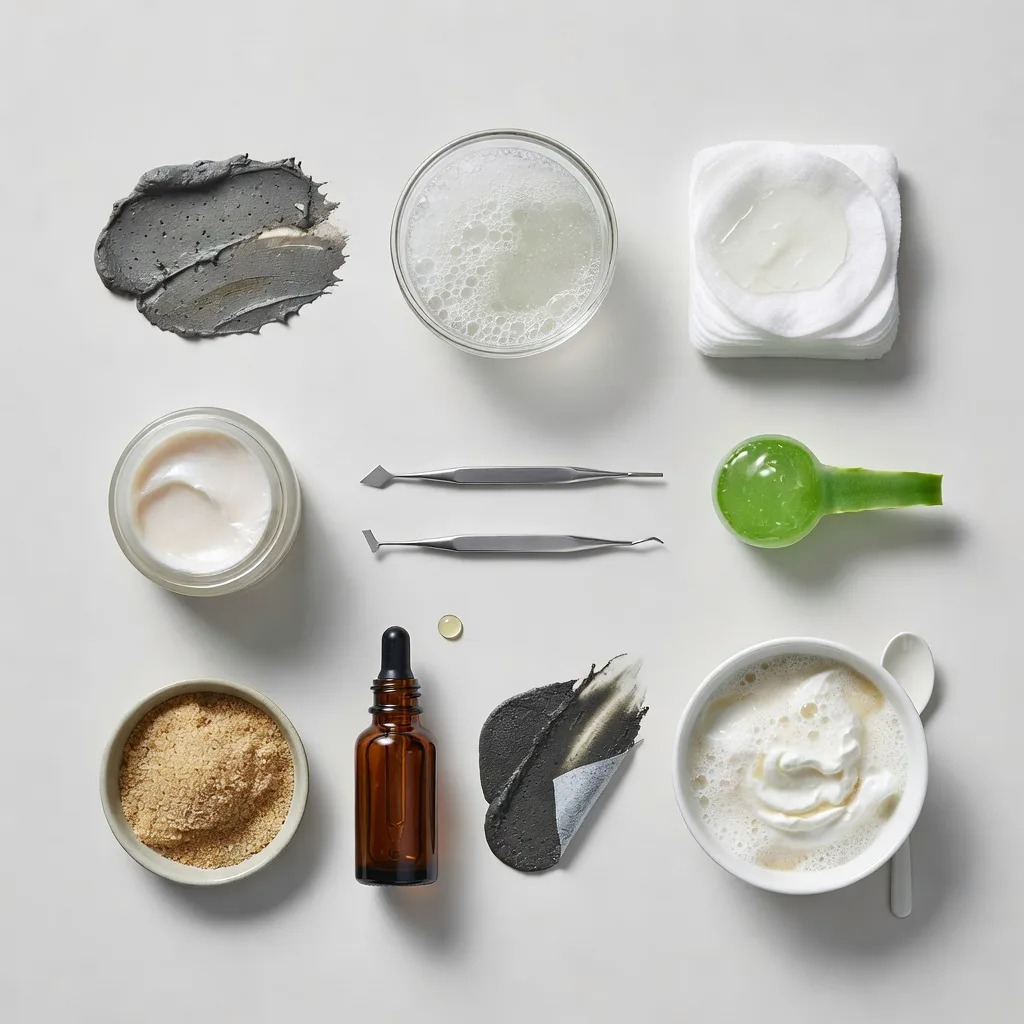
Best Facial for Blackheads and Large Pores: Which Treatment Actually Helps
Blackheads and large pores are among the most common reasons people book a facial. The treatment menu can be confusing, though: deep-cleansing facials, peels, hydradermabrasion and microdermabrasion all promise clearer, smaller-looking pores, and they do not all work the same way.
Part of our guide to facial treatments. Start with: Facial Types: A Guide to 11 Popular Facials and How to Choose One
The best facial for blackheads and large pores is usually a deep-cleansing facial with professional extractions, ideally combined with a salicylic acid peel. Extractions physically clear existing blackheads, while salicylic acid is oil-soluble, so it works inside the pore to loosen the mix of oil and dead skin that forms them. Hydradermabrasion-style facials are a gentler option that cleanse and hydrate with suction, and microdermabrasion smooths surface texture but does little inside pores. No facial permanently shrinks pores or stops blackheads returning, so results last only if you follow up with a salicylic cleanser or leave-on exfoliant at home.
In short: choose extractions plus a salicylic peel for blackheads, and keep them away with daily at-home care.
The American Academy of Dermatology describes microdermabrasion as a treatment for a dull complexion and uneven tone or texture, which is useful for rough skin but different from clearing clogged pores. It also explains that light chemical peels work on the outer layer of skin and usually need repeat sessions.
This buyer’s guide compares each facial type, explains what to expect from a single visit versus a series, and shows which at-home product types keep pores clear between appointments.
Shopping these picks?
Amazon Prime members get fast, free shipping on eligible items, plus Prime Video, Amazon Music and member deals. New members can start with a free trial.
Start a free Prime trialAged 18 to 24? Prime for Young Adults comes with a longer free trial and a lower price after it.
Affiliate link: we may earn a commission at no extra cost to you.
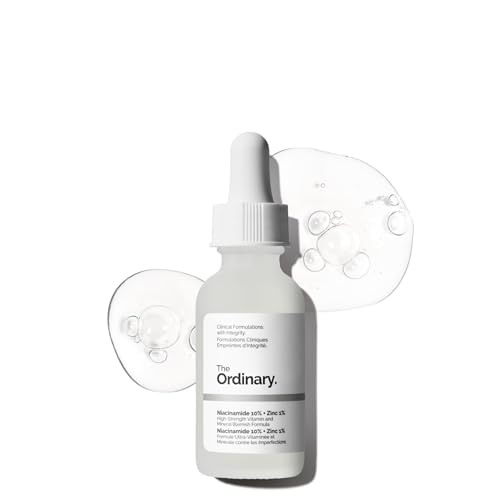
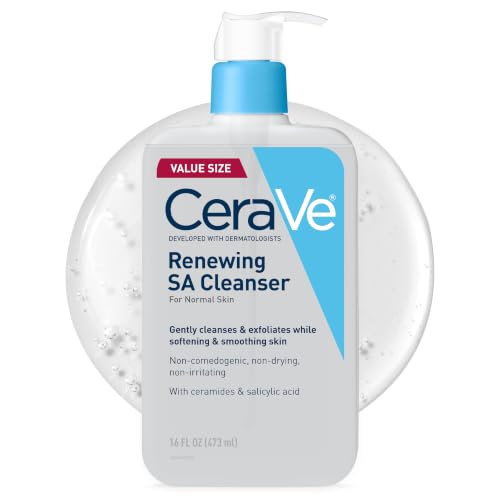
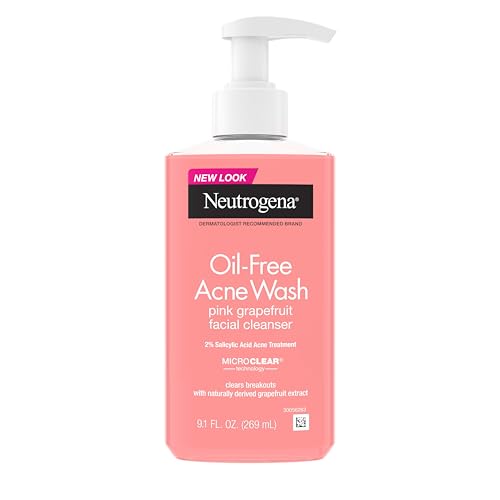
Recommended At-Home Blackhead and Pore Products on Amazon
![SKIN1004 [Hudson's Pick] Poremizing Clay Stick Mask, Pore Care, 0...](https://m.media-amazon.com/images/I/41JnWZuIzmL.jpg)


Quick Answer
- Extractions plus a salicylic peel is the most targeted facial for blackheads.
- Salicylic acid dissolves oil, so it reaches inside the pore.
- Microdermabrasion improves texture more than blackheads.
- Hydradermabrasion-style facials are gentle and suit sensitive skin.
- Pore size is largely genetic; facials make pores look smaller, not change them.
- Results fade within weeks without home care.
- Pore strips give a quick fix but do not prevent blackheads.
What This Covers
- Why Blackheads Form and Why Pores Look Large
- Professional Facial Types Compared
- Deep-Cleansing Facials and Extractions
- Salicylic Peels and Hydradermabrasion-Style Facials
- Is Microdermabrasion Good for Large Pores?
- At-Home Options: What to Buy and What to Skip
- How to Get the Most From a Blackhead Facial
- How to Choose the Right Facial for Your Skin
- Dos and Don’ts for Clearer Pores
- Honest Limits
- When to See a Dermatologist
- Questions People Ask
- Where This Leaves You
Why Blackheads Form and Why Pores Look Large
A blackhead is a pore plugged with sebum (skin oil) and dead skin cells. The plug is open to the air, and the dark colour comes from the way light reflects off the oxidised material and pigment at the surface, not from dirt. That is why scrubbing harder does not clear blackheads.
Pores look larger when they are stretched by trapped oil, when skin produces a lot of sebum, and when skin loses firmness with age and sun damage. Genetics sets your baseline pore size, so a facial cannot change it permanently. What a facial can do is empty the pores, smooth the surrounding skin and reduce the shadowing that makes pores look bigger.
Many tiny grey dots on the nose are not blackheads at all but sebaceous filaments, a normal lining of oil in every pore. Our guide on sebaceous filaments vs blackheads explains how to tell them apart, which matters because filaments refill within days whatever you do.
Professional Facial Types Compared
Each facial works on a different part of the problem. This comparison shows what each one targets and who it suits.
| Facial type | How it works | Best for | Limits |
|---|---|---|---|
| Deep-cleansing facial with extractions | Steam or softening gel, then manual clearing of blackheads | Visible, established blackheads | Can leave redness; poor technique can mark skin |
| Salicylic acid peel | Oil-soluble acid loosens debris inside pores | Oily skin, blackheads, mild acne | Needs a series; stings briefly |
| Hydradermabrasion-style facial | Exfoliating tip with suction and serums | Sensitive or dehydrated skin, maintenance | Softens rather than fully clears stubborn plugs |
| Microdermabrasion | Crystals or diamond tip remove the top layer of dead skin | Rough texture, dullness | Works on the surface, not inside pores |
| Enzyme or hydrating facial | Mild enzymes and masks | Very sensitive skin | Little effect on blackheads |
For most people with a blackhead-prone nose and chin, the most effective single appointment combines a cleanse, a salicylic acid or other beta hydroxy acid peel and careful extractions. The AAD overview of chemical peels explains that light peels remove only the outer layer of skin and usually need to be repeated.
Deep-Cleansing Facials and Extractions
A deep-cleansing facial is the classic choice for blackheads. After cleansing, the therapist softens the skin with steam or a softening solution, then presses out blackheads using gloved fingers wrapped in tissue or a sterile comedone extractor. Done well, it clears pores immediately, and the skin looks smoother for a week or two.
The quality of the extraction matters more than the name on the menu. Too much pressure can break capillaries, leave marks or push debris deeper, especially on darker skin tones that are more prone to dark marks after inflammation. Our guide on whether a facial will get rid of blackheads covers what realistic results look like after a single visit.
Ask whether the therapist extracts only open blackheads and leaves inflamed or deep spots alone. Squeezing red, painful bumps belongs in a dermatologist’s office, not a spa.
Salicylic Peels and Hydradermabrasion-Style Facials
Salicylic acid is the ingredient most closely linked to blackheads because it dissolves in oil and can travel into the pore lining. A professional salicylic peel uses a higher strength than home products, so it loosens many plugs at once and makes extractions easier and less forceful.
Hydradermabrasion-style facials combine gentle exfoliation, suction and serums in one pass. They are popular because there is little redness afterwards, and the suction lifts out softened debris. They suit sensitive skin and regular maintenance, but a very congested nose may still need manual extractions. If you are choosing between the two approaches, our comparison of hydradermabrasion vs deep-cleansing facials sets out the trade-offs in detail.
Is Microdermabrasion Good for Large Pores?
Microdermabrasion removes the outermost layer of dead skin with fine crystals or a diamond-tipped wand. The AAD page on microdermabrasion lists uses such as a dull complexion, uneven tone or texture, age spots and dark marks left after acne clears. Blackheads and pore size are not the main target.
In practice, microdermabrasion makes the skin surface smoother and more reflective, so pores can look less obvious. It does not dissolve the oil inside pores, so it is better as an add-on for rough, dull skin than as a stand-alone blackhead treatment. People with active inflamed acne, rosacea or very sensitive skin are usually better off with a gentle chemical option. If you like the idea of microdermabrasion, ask whether the clinic can pair it with a salicylic solution or follow it with extractions, and space sessions a few weeks apart so the skin barrier can recover. Expect mild pinkness and a slightly tight feeling for a day afterwards.
At-Home Options: What to Buy and What to Skip
Home care is what keeps pores clear between facials. Focus on product types rather than brand names, and introduce one new product at a time.
| Product type | What it does | How often | Watch out for |
|---|---|---|---|
| Salicylic acid (BHA) leave-on exfoliant, 0.5 to 2% | Keeps pores clear from the inside | Start 2 to 3 times a week, build up | Dryness, stinging if overused |
| Salicylic acid cleanser | Gentle daily BHA exposure | Once daily, often in the evening | Only a short contact time |
| Clay mask (kaolin or bentonite) | Absorbs surface oil for a matte look | Once or twice a week | Tightness and dryness on cheeks |
| Adapalene gel or other retinoid | Normalises how pore lining sheds | Nightly after building up | Irritation in the first weeks |
| Niacinamide serum | May help oil balance and pore appearance | Daily | Mild effects only |
| Pore strips | Pull out the top of plugs | Occasional at most | Irritation; blackheads return fast |
The AAD’s acne skin care tips advise washing gently, avoiding scrubbing and choosing products labelled non-comedogenic, which also applies to blackhead-prone skin.
Skip harsh grainy scrubs, suction gadgets used at high settings, and home extraction tools pressed hard on the skin. They can cause broken capillaries, bruising, scabs and dark marks that last far longer than a blackhead.
How to Get the Most From a Blackhead Facial
Preparation and aftercare decide how long the results last. Follow these steps around each appointment.
Book the right facial
Ask for a deep-cleansing facial with extractions or a salicylic peel, and mention any sensitivity.
Pause strong actives
Stop retinoids and exfoliating acids a few days before, unless your therapist says otherwise.
Arrive without heavy makeup
Clean skin lets the therapist see which pores are truly congested.
Skip picking afterwards
Let redness settle for a day or two and avoid touching your face.
Protect the skin
Use a bland moisturiser and broad-spectrum sunscreen for the next week.
Restart home care
Resume a salicylic product a few days later to stop plugs reforming.
Plan the next visit
Most people book every four to six weeks if they find facials helpful.
Put a leave-on salicylic exfoliant on the nose and chin only if your cheeks are dry. Targeting the oily zones gives the benefit without drying the rest of your face.
How to Choose the Right Facial for Your Skin
Match the treatment to your skin type and the main problem you see in the mirror.
- Oily skin with many blackheads: extractions plus a salicylic peel.
- Sensitive or reactive skin: a hydradermabrasion-style facial or a gentle enzyme facial, with light extractions only if needed.
- Rough texture with some blackheads: microdermabrasion combined with a salicylic home routine.
- Darker skin tones: gentle extractions and lower-strength acids to reduce the risk of dark marks.
- Blackheads plus inflamed acne: see a dermatologist first, as prescription treatment may be more useful than a facial.
Ask what products will be used, whether extractions are included and how the therapist handles redness. A good provider will explain what can and cannot be achieved in one session. Be cautious of anyone who promises that pores will be permanently closed, who pushes a long prepaid package before seeing how your skin responds, or who plans to extract every pore on your face in one sitting. It is also worth asking how tools are cleaned between clients.
Dos and Don’ts for Clearer Pores
Helps
- Use a salicylic product consistently
- Wash gently twice a day
- Choose non-comedogenic moisturiser and sunscreen
- Remove makeup fully every night
- Give treatments six to eight weeks
Backfires
- Squeeze blackheads with fingernails
- Scrub with rough granules
- Use pore strips often
- Layer several strong acids at once
- Expect pores to disappear
Consistency beats intensity. A modest routine used every day keeps pores clearer than an aggressive routine that irritates your skin and has to be stopped.
Honest Limits
No facial permanently removes blackheads or shrinks pores. Sebum production and pore size are driven mainly by genetics, hormones and age, and blackheads usually start to reform within weeks of an extraction. Claims that a treatment closes or tightens pores for good are marketing, not science; pores do not open and close like doors.
What you can realistically expect is clearer, smoother skin for a few weeks after a facial, and fewer blackheads over months if you keep up a salicylic or retinoid routine at home. Pores on the nose will always be more visible than elsewhere. Sun protection also matters, because sun damage weakens the skin around pores over time and makes them look wider.
When to See a Dermatologist
- Blackheads come with painful, inflamed or deep spots.
- Home products and facials have not helped after three months.
- Extractions or products leave dark marks or scars.
- You have sudden oily skin and acne alongside other hormonal changes.
A dermatologist can prescribe stronger retinoids or other treatments and perform extractions safely.
This article is for general information and does not replace professional medical advice. See a board-certified dermatologist for persistent acne, scarring or skin that reacts to treatments.
Questions People Ask
What is the best facial for blackheads?
A deep-cleansing facial with extractions, often paired with a salicylic peel.
Can a facial shrink large pores?
It can make pores look smaller for a while, but it cannot change their size permanently.
Is microdermabrasion good for blackheads?
It smooths texture but does little inside pores; combine it with salicylic acid.
How often should I get a facial for blackheads?
Every four to six weeks suits most people who find it helpful.
Are extractions safe?
Yes, when done gently by a trained professional on open blackheads only.
Do pore strips work?
They remove the tips of plugs briefly but do not prevent new blackheads.
Which ingredient is best for blackheads at home?
Salicylic acid, with a retinoid such as adapalene as a next step.
Are clay masks worth using?
They reduce surface oil and shine but do not clear pores deeply.
Why do blackheads come back after a facial?
Your skin keeps making oil and shedding cells, so plugs reform.
Can I do extractions at home?
It is safer not to; pressure can cause marks and infection.
Where This Leaves You
For blackheads and large-looking pores, a deep-cleansing facial with extractions and a salicylic peel is the most targeted professional option, with hydradermabrasion as a gentler alternative.
Keep the results with a daily salicylic product, gentle cleansing and sunscreen, and expect smoother, clearer skin rather than pores that vanish.

Written by
Registered pharmacist and founder of Facial Adviser. Rakib's pharmacy training covers how skincare actives work and interact; a later course in cosmetology turned that into a focus on facial treatments and skincare products. He plans, researches and edits every guide on the site and checks health claims against sources such as the American Academy of Dermatology, the FDA and the NIH. He is not a dermatologist; see the Editorial Policy and Medical Disclaimer.
About · Editorial policy · How we choose products · Medical disclaimer · Contact
Keep reading: Types of facials compared
- Facial Types: A Guide to 11 Popular Facials and How to Choose One
- Best Facial for Acne-Prone Skin: Professional Options and Aftercare
- Soft Bumps on Face After a Facial Treatment: Purging, Milia or Irritation?
- Acne Facial: Does It Really Work?
- Facial Treatment Facial Benefits: What's Real
- Basic Facial Cleanup: What It Actually Involves
- What Is a Spa Facial?
- Fruit Facial at Home: Does It Actually Work?