
Mineral vs Chemical Sunscreen for Acne-Prone Skin: Which Is Better?
If you have acne-prone skin, sunscreen can feel like a risky purchase. Many people with breakouts have tried a heavy lotion that clogged pores or stung their eyes, and some have concluded that sunscreen is not worth the trouble.
Part of our guide to cosmetic science. Start with: How to Read a Cosmetic Ingredient List: A Beginner Guide
That is a mistake, because acne treatments often make skin more sensitive to the sun, and sun exposure can darken the marks that breakouts leave behind. Sun protection is part of acne care, not an optional extra.

The usual advice is to choose between two families of sunscreen. Mineral sunscreens use zinc oxide or titanium dioxide, which sit on the skin and reflect and scatter UV light. Chemical sunscreens use organic filters such as avobenzone or octocrylene, which absorb UV and release it as heat.
Black Friday is coming: shop the deals with Prime
Both are legitimate options, and dermatology groups say the best sunscreen is the one you will wear every day. The same advice applies whatever your skin tone.
For acne-prone skin, the choice involves texture, ingredients and comfort more than any dramatic difference in safety or effectiveness. A mineral formula that is chalky may stay in your drawer, while a chemical formula that stings your eyes may not get used either.
In this guide we compare the two types, explain what to look for on a label, give a simple way to choose, and list seven popular face sunscreens. We describe the products from their listings and general knowledge, so check labels before buying.
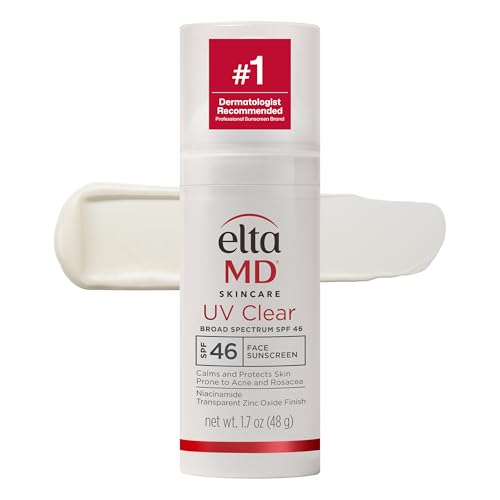
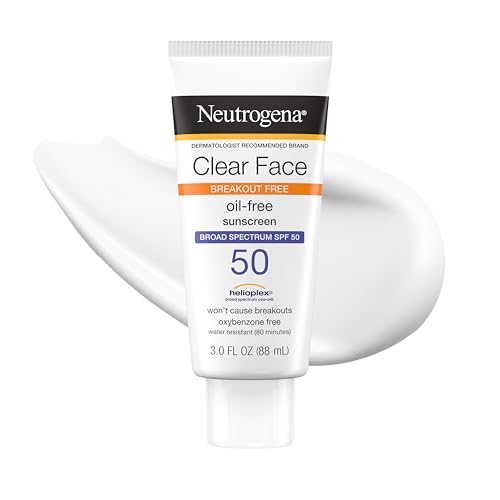
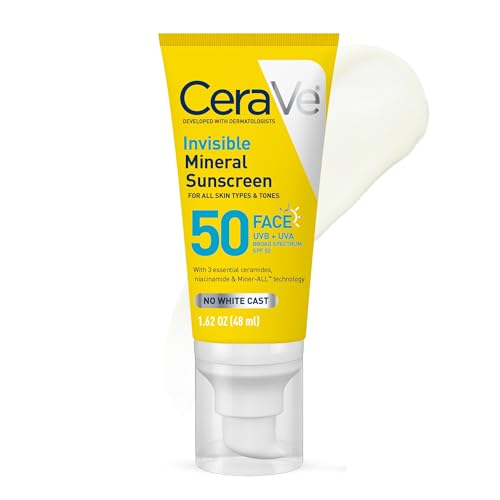
Face Sunscreens Worth Comparing for Acne-Prone Skin


What This Covers
- Why Sunscreen Matters With Acne
- How Mineral Sunscreens Work
- How Chemical Sunscreens Work
- Mineral vs Chemical at a Glance
- What to Look for on the Label
- How to Pick and Use Sunscreen
- Matching Sunscreen to Your Skin Situation
- Can You Combine or Switch Types
- Who Should Choose Which
- Common Sunscreen Mistakes With Acne
- Honest Limits
- When to See a Professional
- Questions People Ask
- The Bottom Line
The Short Version
- Both mineral and chemical sunscreens protect when used correctly; the best one is the one you will wear daily.
- Mineral filters (zinc oxide, titanium dioxide) sit on the skin and can feel thicker or leave a cast.
- Chemical filters are often lighter and invisible but can sting eyes or irritate some skin.
- For acne-prone skin, look for oil-free, non-comedogenic, fragrance-free formulas labeled for the face.
- Apply a generous amount and reapply every two hours outdoors.
- Patch test any new sunscreen and introduce one product at a time.
- See a doctor if breakouts worsen or you develop a rash.
Why Sunscreen Matters With Acne
Acne treatments such as retinoids, benzoyl peroxide and exfoliating acids can make skin more sensitive to sunlight. Without sunscreen, you are more likely to burn and to develop dark marks where pimples have healed.
Sun exposure also darkens post-inflammatory hyperpigmentation, the flat brown or red marks that remain after a breakout. This is one of the main reasons dermatologists recommend daily sunscreen for people treating acne.
Skipping sunscreen to avoid clogged pores can backfire. The better strategy is to find a formula that your skin tolerates, rather than avoiding protection altogether.
Sun protection also supports skin healing. Skin that is already inflamed by acne repairs more slowly when it is exposed to UV, so daily sunscreen is a quiet but useful part of any acne routine.
If you are new to wearing sunscreen daily, set a simple habit: apply it right after moisturizer every morning, before you brush your teeth or have breakfast, so it becomes automatic.
How Mineral Sunscreens Work
Mineral sunscreens contain zinc oxide, titanium dioxide, or both. These minerals sit on top of the skin and scatter and reflect UV light. They protect immediately after application and are often considered gentler for sensitive skin.
Many dermatologists like zinc oxide for acne-prone skin because it is broad-spectrum and tends to be gentle. Newer formulas use smaller particles that blend in better, but some still leave a slight white or grey cast, especially on deeper skin tones, unless they are tinted.
Mineral formulas can feel thicker or drier, and some have a matte finish that people with oily skin like. Others can feel heavy or rub off on masks and collars.
One tip: apply mineral sunscreen in thin layers and let each layer dry. A thick single layer can look chalky, while two thinner layers usually blend better and give more even coverage.

How Chemical Sunscreens Work
Chemical sunscreens use organic filters, such as avobenzone, octisalate or octocrylene, which absorb UV and convert it to heat. They often feel lighter, spread easily and leave no white cast.
Because they absorb into the skin, many need about fifteen minutes before sun exposure to work fully. They can sting the eyes or irritate sensitive skin, and some people with rosacea or acne find them uncomfortable.
Some chemical filters have been the subject of discussion about absorption into the bloodstream. Regulators have asked for more data on a few, but they have not recommended people stop using sunscreen. If you are concerned, mineral options are a reasonable choice.
Because chemical filters need time to work, put them on before you leave the house rather than in the car. If your eyes sting, avoid the lash line and use a stick around the eyes.
Mineral vs Chemical at a Glance
| Feature | Mineral | Chemical |
|---|---|---|
| Key ingredients | Zinc oxide, titanium dioxide | Avobenzone, octocrylene and others |
| How it works | Sits on skin and reflects UV | Absorbs UV and releases heat |
| Feel | Can be thicker or matte | Often light and invisible |
| White cast | More common | Rare |
| Eye stinging | Less common | More common |
| Sensitive skin | Often better tolerated | Can irritate some people |
Neither type is automatically better for acne. A lightweight chemical sunscreen may be more comfortable if you hate white cast, while a mineral sunscreen may be better if your skin is red and reactive.
What to Look for on the Label
- Broad-spectrum, which protects against UVA and UVB.
- SPF 30 or higher, with SPF 50 for long outdoor days.
- Non-comedogenic or oil-free wording, although these terms are not strictly regulated.
- Fragrance-free, especially if your skin is sensitive.
- Labeled for the face rather than a body formula.
- Water-resistant if you sweat or swim, with the time listed (40 or 80 minutes).
Also look at the ingredient list. Thick oils, butters and heavy silicones can clog pores in some people, while lighter humectants and niacinamide are common in acne-friendly formulas.
Remember that labels such as non-comedogenic are not a guarantee. Patch test, and introduce any new sunscreen slowly.
How to Pick and Use Sunscreen
Use this approach to find a formula that works for you.
Decide your priority
Choose between comfort (chemical) or gentleness (mineral).
Pick a face formula
Look for oil-free, fragrance-free, broad-spectrum SPF 30 or higher.
Patch test
Apply a small amount behind the ear for a few days.
Apply generously
Use about a quarter teaspoon for the face and neck.
Reapply
Reapply every two hours outdoors, and after sweating or swimming.
Apply sunscreen as the last skincare step in the morning, before makeup.
Stop using a sunscreen if it causes burning, hives, swelling or a spreading rash, and seek medical advice.
Matching Sunscreen to Your Skin Situation
Your skin type and daily life change which sunscreen is best. Use this table as a starting point, then adjust after you try a product for two weeks.
| Situation | Consider | Why |
|---|---|---|
| Oily, shiny skin | Matte, oil-free chemical or mineral gel-cream | Less greasy feel |
| Red, reactive or rosacea-prone skin | Fragrance-free mineral | Often gentler |
| Dark spots from old pimples | Tinted mineral or broad-spectrum chemical | Protects marks from darkening |
| Wearing makeup daily | Lightweight lotion that sets well | Works under foundation |
| Outdoor sports or sweat | Water-resistant formula | Stays on better |
If you take acne medication such as isotretinoin or a topical retinoid, ask your doctor which sunscreen they prefer. Some people are advised to choose gentle mineral formulas while the skin is dry and irritated.
Whatever you pick, give a new sunscreen at least two weeks before judging it. Early breakouts can come from other changes in your routine.
Can You Combine or Switch Types
Yes. Some people use a lightweight chemical sunscreen on weekdays and a mineral stick for touch-ups. Others use a mineral sunscreen on reactive days and a chemical one when their skin is calm.
Avoid layering several different sunscreens on top of one another, which can feel heavy and may clog pores. Use one main product and reapply as needed.
If you wear makeup, you can apply sunscreen first and let it set before makeup. If you need to touch up, a stick or mist is easier than lotion.
If you are unsure, buy small sizes of two or three formulas and test them over a few weeks. Sunscreen is the one product where a slightly imperfect option you wear every day beats a perfect one you avoid.
Who Should Choose Which
Try This
- Mineral may suit people with red, reactive or rosacea-prone skin
- Mineral may suit people who sting easily from chemical filters
- Chemical may suit people who hate white cast or heavy textures
- Chemical may suit people with deeper skin tones who want a clear finish
- Either may suit combination skin if labeled oil-free
Avoid This
- Anyone allergic to an ingredient in a sunscreen
- People who find any sunscreen worsens breakouts (see a doctor)
- Those who plan to skip reapplication entirely
- People who rely on SPF makeup only
- Anyone with an unexplained rash after sun exposure
If you cannot tolerate sunscreen, protective clothing, hats and shade are important, and a dermatologist can help.
If you are unsure which type suits you, a pharmacist can help you compare labels and suggest options that fit your treatment plan and budget.
Common Sunscreen Mistakes With Acne
The most frequent mistake is using too little. Most people apply a fraction of the amount used in testing, which means the SPF on the bottle overstates the real protection. A generous layer on the face and neck is about a quarter teaspoon.
Another is skipping sunscreen on cloudy days. Clouds block some UVB but let much of the UVA through, and UVA is linked to aging and to darkening of marks.
People also forget the neck, ears and hairline, where acne often appears on the jaw and back. Apply sunscreen to these areas as well, particularly if you use treatments that make them more sun-sensitive.
Finally, some people switch products too quickly. Give a new sunscreen at least two weeks, and change only one product at a time so you can tell what helps or hurts.
If you wash your face at night, remove sunscreen thoroughly with a gentle cleanser. Leftover product can contribute to clogged pores, especially if you wear water-resistant formulas.
Honest Limits
No sunscreen guarantees you will not break out. Skin responds individually, and breakouts have many causes, including hormones, diet, stress and other skincare products.
We have not tested every product, and the descriptions here come from listings and general knowledge of the ingredients. Your skin may respond differently.
We do not make claims about which specific filter is in each listed product beyond what the title says. Read the active ingredients on the label.
Formulas change, so always check the current packaging.
Also remember that sunscreen is one of several protective habits. Shade, hats and sunglasses reduce exposure further, and avoiding the strongest midday sun is still sensible, especially if you are using strong acne treatments.
When to See a Professional
See a doctor or dermatologist if your acne worsens after starting a sunscreen, if you have a rash, or if you have deep cysts or scarring. A dermatologist can also recommend sunscreens that fit your treatment plan.
This article is for general information and is not medical advice. Rakib Sarwar is a registered pharmacist with a cosmetology course, not a dermatologist. Talk to a doctor or dermatologist about acne and sun protection.
Questions People Ask
Is mineral or chemical sunscreen better for acne?
Neither is automatically better. Choose an oil-free, non-comedogenic, fragrance-free formula you will wear daily.
Can sunscreen cause breakouts?
Some formulas can for some people. Look for oil-free face formulas and patch test.
Is zinc oxide good for acne-prone skin?
Many people tolerate it well, and it is broad-spectrum, but texture varies.
Why does chemical sunscreen sting my eyes?
Some filters irritate the eye area. Try a mineral formula or a stick.
Do I need sunscreen if I use acne medication?
Yes. Many acne treatments increase sun sensitivity.
What SPF should I use?
SPF 30 or higher, broad-spectrum.
Can I wear sunscreen under makeup?
Yes. Apply sunscreen first, let it set, then apply makeup.
How often should I reapply?
Every two hours outdoors, and after sweating or swimming.
Are tinted sunscreens good for acne?
They can be, especially for covering marks, if labeled non-comedogenic.
When should I see a doctor?
See a doctor if acne worsens or you develop a rash.
The Bottom Line
Mineral and chemical sunscreens can both work for acne-prone skin. Pick an oil-free, fragrance-free, broad-spectrum SPF 30 or higher that feels comfortable, patch test it, and wear it every day.
If breakouts or irritation get worse, talk to a doctor or dermatologist.

Written by
Registered pharmacist and founder of Facial Adviser. Rakib's pharmacy training covers how skincare actives work and interact; a later course in cosmetology turned that into a focus on facial treatments and skincare products. He plans, researches and edits every guide on the site and checks health claims against sources such as the American Academy of Dermatology, the FDA and the NIH. He is not a dermatologist; see the Editorial Policy and Medical Disclaimer.
About · Editorial policy · How we choose products · Medical disclaimer · Contact
Keep reading: How cosmetics are made
- How to Read a Cosmetic Ingredient List: A Beginner Guide
- Can Cosmetics Cause Heart Disease? What the Evidence Actually Shows
- 8 Ways You Can Use Fragrance Oils Safely
- What Happens When Makeup Is Tested on Animals?
- What Is the Difference Between Makeup and Cosmetics?
- What Must Be Done Before Applying Any Cosmetics? A Pre-Makeup Checklist
Build a spa-like routine with ad-free music