10 Best Facial Cleansers for Sensitive Dry Skin (2026): Gentle Picks
When your skin is both dry and sensitive, the wrong cleanser can undo the rest of your routine in under a minute. A face wash that feels squeaky clean often leaves the skin tight, flaky and more likely to sting. This list covers 10 options, from cream and milk washes to a balm and a micellar water, with notes on who each suits and who should skip it.
Part of our guide to skincare products. Start with: 10 Best Facial Cleansers for Combination Skin (2026): Balanced Picks
The best facial cleanser for sensitive dry skin is a gentle, fragrance-free, non-foaming or low-foaming cream, lotion or milk cleanser that contains moisturising ingredients such as glycerin, ceramides or hyaluronic acid. These formulas remove sunscreen, oil and dirt without stripping the natural lipids your skin barrier needs. Avoid harsh sulfates, added fragrance, alcohol-heavy formulas, scrubs and strong acids in the cleanser. Many people with dry, sensitive skin do best cleansing properly only at night and simply rinsing with lukewarm water or using micellar water in the morning.
In short: choose a mild, fragrance-free cream cleanser, use lukewarm water, and cleanse less, not harder.
The American Academy of Dermatology advises washing the face with a gentle, non-abrasive cleanser and lukewarm water, using your fingertips rather than a washcloth or sponge, and avoiding scrubbing, which irritates the skin.
Below you will find the ten picks, how we chose them, which cleanser types and ingredients suit sensitive dry skin, what to avoid, and how to cleanse without leaving your face tight or red.
Shopping these picks?
Amazon Prime members get fast, free shipping on eligible items, plus Prime Video, Amazon Music and member deals. New members can start with a free trial.
Start a free Prime trialAged 18 to 24? Prime for Young Adults comes with a longer free trial and a lower price after it.
Affiliate link: we may earn a commission at no extra cost to you.
As an Amazon Associate we earn from qualifying purchases. This does not change which products we include.


At a Glance
- ELEMIS Pro-Collagen Cleansing Balm is our top pick for melting off makeup and sunscreen without stripping dry skin.
- ISDIN 4-in-1 Micellar Water suits reactive skin, with no alcohol, soap or perfume and no need to rinse.
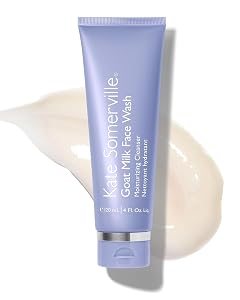
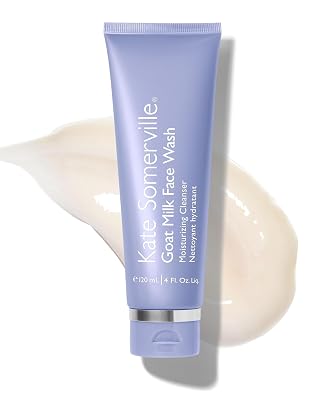
- Kate Somerville Goat Milk Cleanser is the best creamy, non-foaming wash for daily use on dry skin.
- Cream, lotion and milk cleansers are the gentlest types for dry skin; look for glycerin and ceramides.
- Avoid fragrance, harsh sulfates, scrubs and high-alcohol formulas.
- Tightness after washing means the cleanser, or the water temperature, is too strong.
- Cleanse fully at night, use lukewarm water and moisturise within a few minutes.
What This Covers
- The 10 Best Facial Cleansers for Sensitive Dry Skin Right Now
- How We Chose These Products
- Cleanser Types Compared for Dry Sensitive Skin
- Ingredients to Look For
- What to Avoid in a Cleanser
- How to Cleanse Sensitive Dry Skin Without Stripping It
- Should You Cleanse Once or Twice a Day?
- Building a Simple Routine Around Your Cleanser
- Matching the Cleanser to Your Specific Concern
- Dos and Don’ts
- Honest Limits
- When to See a Dermatologist
- Your Questions, Answered
- Final Word
The 10 Best Facial Cleansers for Sensitive Dry Skin Right Now
These ten cleansers were shortlisted from widely reviewed Amazon listings and are ranked by how gentle and moisturising each formula is described as being, how clearly the seller lists what it leaves out, and who it suits. Each pick notes its trade-offs and who should skip it.
| # | Product | Best For | Standout Feature | |
|---|---|---|---|---|
| 1 | ELEMIS Pro-Collagen Cleansing Balm | Dry skin that wears makeup or sunscreen | Melts long-wear makeup without harsh rubbing | View |
| 2 | ISDIN 4-in-1 Micellar Water | Reactive skin and quick morning cleanses | No alcohol, soap or perfume listed | View |
| 3 | Kate Somerville Goat Milk Cleanser | Tight, dry skin that dislikes foam | Creamy, non-foaming milk texture | View |
| 4 | Cetaphil Gentle Cleanser Travel Pack | Gym bags, travel and trying before committing | Twelve small bottles of a classic wash | View |
| 5 | CLn Hydrating Facial Cleanser | Dry skin that is easily irritated | Physician-developed, free of common irritants | View |
| 6 | Vanicream Gentle Facial Cleanser | Very sensitive skin and minimalists | Unscented, sulfate-free, very plain formula | View |
| 7 | KraveBeauty Matcha Hemp Hydrating Cleanser | Dry skin that feels tight after washing | High glycerin with fragrance-free formula | View |
| 8 | First Aid Beauty Cream-to-Foam Cleanser | People who like a light lather | Creamy wash that turns to soft foam | View |
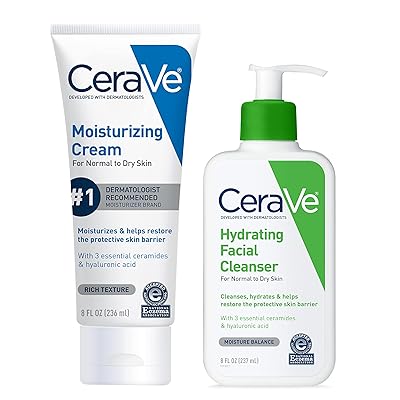
| 9 | CeraVe Hydrating Cleanser and Cream Set | Building a simple routine from scratch | Cleanser and moisturiser with ceramides | View |
| 10 | Aveeno Calm + Restore Oat Cleanser | Dry skin that likes oat-based care | Oat-based cleanser from the Calm + Restore line | View |
ELEMIS Pro-Collagen Cleansing Balm

Best for: Dry skin that wears makeup or sunscreen
The ELEMIS Pro-Collagen Cleansing Balm takes the top spot because it handles the hardest cleansing job for dry skin, removing long-wear makeup and sunscreen, without foaming agents or scrubbing. The balm softens on contact and is designed to cleanse, soften and nourish in one step, which suits skin that feels tight after ordinary washes.
The seller describes it as a 3-in-1 cleanser and notes a mineral oil-free formula scented with green fig. That scent is the main caution: the listing does not call it fragrance-free, unlike the #2 ISDIN and #6 Vanicream picks, so very reactive skin should patch test first. It is also a richer, more indulgent option than you need on light-makeup days.
- Balm texture that removes long-wear makeup, grime and dirt
- Described as a 3-in-1 cleanser
- Mineral oil-free formula
- Designed to leave skin feeling soft and nourished
Pros
- Removes stubborn makeup and sunscreen gently
- Comfortable, non-stripping balm texture
- Works as a first cleanse or on its own
Cons
- Listing does not describe it as fragrance-free
- Balm can feel heavy on oilier areas of the face
Skip it if: Skip it if you react to scented products; the ISDIN or Vanicream picks are plainer.
Check Price on AmazonISDIN 4-in-1 Micellar Water

Best for: Reactive skin and quick morning cleanses
The ISDIN 4-in-1 Micellar Water suits people whose skin stings after tap water or rubbing. It uses micelles, tiny clusters of mild cleansing molecules, to lift sunscreen, light makeup and grime on a cotton pad, and the seller describes a hypoallergenic formula with no alcohol, soap or perfume. That short list of exclusions is what earns it the second spot here.
It is aimed at dehydrated skin and positioned as a toner and hydrator as well as a cleanser, so it works well as the whole morning cleanse. It is lighter than the #1 ELEMIS balm, though, and heavy or waterproof makeup may need a balm first. Press the pad on the skin rather than scrubbing to keep friction low.
- Micellar formula that lifts impurities without rinsing
- Listed as free of alcohol, soap and perfume
- Aimed at dehydrated skin
- Large bottle for daily use
Pros
- Very simple, low-friction cleanse
- Good for mornings and travel
- No perfume listed
Cons
- May not shift heavy waterproof makeup alone
- Needs cotton pads, which add some rubbing
Skip it if: Skip it if you wear heavy long-wear makeup daily and want one product; the ELEMIS balm does more.
Check Price on AmazonKate Somerville Goat Milk Cleanser
Best for: Tight, dry skin that dislikes foam
The Kate Somerville Goat Milk Moisturizing Cleanser is the pick for anyone who wants a classic creamy wash rather than a balm or micellar water. It is non-foaming and designed to remove dirt, oil and makeup without stripping, which is exactly the formula type this guide recommends for dry, sensitive skin.
The listing highlights goat milk, Manuka honey and jojoba and avocado oils, and says it is free of synthetic fragrance and parabens. That richer ingredient list is pleasant but gives more to react to than the very plain #6 Vanicream, so patch test if you have known allergies. It is suitable for morning and night use.
- Non-foaming milk cleanser for daily use
- Goat milk, Manuka honey, jojoba and avocado oils
- Free of synthetic fragrance and parabens
- Designed to cleanse without tightness
Pros
- Soft, cushiony texture on dry skin
- Removes everyday makeup
- Suitable for twice-daily use
Cons
- Longer ingredient list than simpler picks
- Honey and plant oils may not suit everyone
Skip it if: Skip it if you prefer a minimal ingredient list; choose the Vanicream or Cetaphil pick.
Check Price on AmazonCetaphil Gentle Cleanser Travel Pack

Best for: Gym bags, travel and trying before committing
The Cetaphil Gentle Cleanser is one of the best-known mild washes, and this pack of small travel bottles makes it easy to keep one at home, at the gym and in a wash bag. The seller aims it at dry to normal, sensitive skin and describes it as cleansing while hydrating and preserving moisture.
The updated formula lists glycerin and vitamins and is fragrance-free, which puts it in the same simple camp as the #6 Vanicream. The small bottles are handy for travel but create more packaging than a single full-size bottle, and it is a light lotion rather than a makeup remover, so pair it with the #1 balm or #2 micellar water on heavy makeup days.
- Aimed at dry to normal, sensitive skin
- Hydrating glycerin and vitamin blend
- Fragrance-free
- Pack of small travel-size bottles
Pros
- Very gentle, simple formula
- Easy to carry anywhere
- Good first cleanser to try
Cons
- More packaging than a full-size bottle
- Not designed for heavy makeup removal
Skip it if: Skip it if you only need one bottle at home; a full-size gentle cleanser is less wasteful.
Check Price on AmazonCLn Hydrating Facial Cleanser

Best for: Dry skin that is easily irritated
The CLn Facial Cleanser is developed by physicians for skin prone to dryness and irritation. Its gel formula includes glycerin and a low concentration of sodium hypochlorite, and the listing says it is free of parabens, dyes, steroids, antibiotics, SLS and triclosan, which is a useful checklist for reactive skin.
It is more specialised than the other picks, so it suits people whose skin reacts to many products rather than those who simply want a pleasant wash. It is a gel, so it may feel less cushioning than the #3 milk cleanser. If you have eczema or frequent flares, speak to a dermatologist about whether it fits your treatment plan.
- Physician-developed hydrating gel cleanser
- Contains glycerin and sodium hypochlorite
- Free of parabens, dyes, SLS and triclosan
- Massage for about 30 seconds, then rinse
Pros
- Clear list of excluded ingredients
- Designed for easily irritated skin
- Short, simple routine
Cons
- Gel texture is less creamy than milk or balm picks
- More specialised than most people need
Skip it if: Skip it if your skin is simply dry rather than reactive; the Cetaphil or Vanicream picks are simpler.
Check Price on AmazonVanicream Gentle Facial Cleanser

Best for: Very sensitive skin and minimalists
The Vanicream Gentle Facial Cleanser is the plainest formula on this list, and that is its strength. It is unscented and sulfate-free, and the seller says it removes dirt, oil and makeup without drying the skin and without clogging pores, which suits dry skin that also breaks out. It is the pick we would suggest first to anyone unsure where to start.
It lathers lightly in hard or soft water, so it feels more like a traditional wash than the #3 milk cleanser while staying mild. This listing is a pack of three bottles, which suits long-term users but is a lot to buy if you are unsure. It will not remove heavy makeup on its own.
- Removes dirt, oil and makeup without drying
- Unscented and sulfate-free
- Lathers in hard or soft water
- Described as non-pore-clogging
Pros
- Minimal, low-irritation formula
- Suits dry skin that also gets spots
- Multipack lasts a long time
Cons
- Pack of three is a big commitment
- Needs a balm or micellar water for heavy makeup
Skip it if: Skip it if you want a rich, creamy feel; the Kate Somerville or ELEMIS pick feels more cushioning.
Check Price on AmazonKraveBeauty Matcha Hemp Hydrating Cleanser

Best for: Dry skin that feels tight after washing
The KraveBeauty Matcha Hemp Hydrating Cleanser stands out for how much moisture support it lists. The seller highlights 15 percent glycerin, sodium PCA and vitamin B5, all ingredients that help the skin hold on to water, along with matcha and hemp seed oil for antioxidants. That makes it a good match for skin that feels tight soon after rinsing.
It is pH balanced and free of fragrance and essential oils, so it sits between the very plain #6 Vanicream and the richer #3 milk cleanser. The two-bottle pack is a good fit if you already know you like it. It is a daily cleanser rather than a makeup remover, so keep a balm for heavy makeup.
- 15% glycerin, sodium PCA and vitamin B5
- Matcha and hemp seed oil
- Fragrance and essential oil free
- pH balanced, non-stripping daily cleanse
Pros
- Strong focus on hydration
- No fragrance or essential oils
- Balanced feel after rinsing
Cons
- Sold as a two-bottle pack
- Not aimed at removing heavy makeup
Skip it if: Skip it if you want one product for makeup removal; the ELEMIS balm is better for that.
Check Price on AmazonFirst Aid Beauty Cream-to-Foam Cleanser

Best for: People who like a light lather
The First Aid Beauty Ultra Gentle Cream-to-Foam Cleanser suits people who miss the feel of foam but find standard foaming washes too drying. It starts as a cream and turns into a light lather, and the listing says it is sulfate-free, fragrance-free and pH-balanced. That combination is rarer than it should be among cleansers that foam at all.
It is also described as a makeup remover, so it can handle everyday makeup better than the #4 Cetaphil or #6 Vanicream. The antioxidant blend is a pleasant extra rather than a reason to buy. If your skin still feels tight afterwards, switch to a non-foaming option such as the #3 milk cleanser.
- Cream texture that becomes a soft foam
- Sulfate-free and fragrance-free
- Removes makeup, dirt and oil
- pH-balanced, with a botanical antioxidant blend
Pros
- Lather without harsh sulfates
- Handles everyday makeup
- Fragrance-free
Cons
- Any foam may still be too much for very dry skin
- Antioxidant claims add little to a rinse-off product
Skip it if: Skip it if foaming washes always leave you tight; the Kate Somerville milk cleanser is safer.
Check Price on AmazonCeraVe Hydrating Cleanser and Cream Set
Best for: Building a simple routine from scratch
The CeraVe set pairs a hydrating face wash with a face and body moisturising cream, which suits anyone starting a routine from scratch. Both are built around three essential ceramides, and the cream adds hyaluronic acid, so the wash and the step that follows it are designed to work together.
The seller says the cleanser removes dirt, oil and makeup without leaving skin tight or dry. It is the only set on this list, so you pay for a moisturiser you may not need if you already have one; in that case the #6 Vanicream or #4 Cetaphil is a more focused buy.
- Hydrating face wash plus a face and body cream
- Three essential ceramides in both products
- Cream includes hyaluronic acid
- Developed with dermatologists
Pros
- Complete two-step routine in one purchase
- Ceramide-focused formulas
- Cream doubles as a body moisturiser
Cons
- Includes a moisturiser you may not need
- Cleanser alone is not a heavy makeup remover
Skip it if: Skip it if you already have a moisturiser you like; buy a single cleanser instead.
Check Price on AmazonAveeno Calm + Restore Oat Cleanser

Best for: Dry skin that likes oat-based care
The Aveeno Calm + Restore Nourishing Oat Cleanser comes from the brand’s Calm + Restore range, and oat is a long-standing, familiar ingredient in products for dry, easily irritated skin. It is sold here as a pack of two bottles, which suits people who already know they get on with oat-based care.
Its listing gives less detail than the other picks, so we have ranked it last and described it only from its title. Check the full ingredient list for fragrance before buying if your skin is very reactive, and compare it with the more clearly described #6 Vanicream or #7 KraveBeauty.
- Oat-based nourishing cleanser
- Part of the Calm + Restore range
- Sold as a pack of two bottles
- Standard-size bottles for daily use
Pros
- Familiar, well-known brand
- Oat is widely used for dry skin
- Two bottles last a while
Cons
- Less listing detail than other picks
- Pack of two is a bigger commitment
Skip it if: Skip it if you want a clearly listed fragrance-free formula; choose the Vanicream or KraveBeauty pick.
Check Price on AmazonHow We Chose These Products
We shortlisted cleansers from Amazon listings that are highly rated by a large number of shoppers, favouring established skincare brands and fuller-featured formulas that describe what they leave out, such as fragrance, alcohol and harsh sulfates. We then checked each product’s listed features against the dermatology guidance cited in this post, including the AAD’s advice to use a gentle, non-abrasive cleanser with lukewarm water.
These are research-based picks, not hands-on lab tests. We did not measure pH or test the products on skin ourselves, so the ranking reflects listing detail, formula type and who each product suits. We removed a traditional cold cream from the shortlist because its listing does not describe it as fragrance-free, which matters for reactive skin.
- Strong ratings from a large number of shoppers
- Established brands and fuller-featured formulas preferred
- Listed features checked against the cited AAD guidance
- Products with thin or unclear listings excluded or ranked lower
- Marketing claims about repair or anti-ageing not repeated as fact
Cleanser Types Compared for Dry Sensitive Skin
Cleansers differ mainly in how much cleansing agent they contain and how much moisture they leave behind. For dry sensitive skin, the aim is to remove what needs removing and nothing more.
| Cleanser type | How it feels | Suits dry sensitive skin? | Notes |
|---|---|---|---|
| Cream cleanser | Rich, little or no foam | Yes, often the best choice | Leaves a soft, comfortable feel |
| Lotion or milk cleanser | Light, milky | Yes | Good for very reactive skin; can be tissued or rinsed off |
| Gel cleanser (hydrating) | Light, low foam | Sometimes | Choose sulfate-free, fragrance-free versions |
| Foaming cleanser | Rich lather | Rarely | Often too stripping for dry skin |
| Micellar water | Water-like | Yes, for light cleansing | Good for mornings or first cleanse |
| Cleansing balm or oil | Melts on skin | Yes, for makeup removal | Choose fragrance-free and follow with a gentle cleanse if needed |
| Bar soap | Squeaky, tight | No | High pH can disrupt the skin barrier |
The difference between hydrating and foaming formulas is not just about bubbles. Foaming cleansers usually rely on stronger surfactants, which remove more of the skin’s own oils. Our guide to hydrating vs foaming cleansers explains how to tell them apart.
Ingredients to Look For
A good cleanser for dry sensitive skin combines mild cleansing agents with ingredients that replace or protect moisture. You do not need all of them, but two or three is a good sign.
- Glycerin: a humectant that draws water into the skin and softens the feel of the cleanser.
- Ceramides: lipids that form part of the skin barrier and help it hold on to water.
- Hyaluronic acid: holds water on the skin surface and reduces the tight feeling after rinsing.
- Mild surfactants: gentle cleansing agents such as coco-glucoside or decyl glucoside, or amino-acid based cleansers.
- Soothing ingredients: panthenol, allantoin, oat extract or niacinamide at modest levels.
- Emollients: squalane, plant oils or fatty alcohols such as cetyl alcohol, which is not drying despite its name.
Fatty alcohols such as cetyl and cetearyl alcohol are moisturising and are not the same as drying alcohols such as alcohol denat. Check which one is listed before rejecting a product.
What to Avoid in a Cleanser
Many cleansers marketed as gentle still include ingredients that can bother dry, reactive skin. Scan the label for these before you buy.
| Ingredient or feature | Why it can be a problem | Better alternative |
|---|---|---|
| Sodium lauryl sulfate | Strong surfactant that strips lipids | Glucoside or amino-acid cleansers |
| Added fragrance or essential oils | Common cause of irritation and allergy | Fragrance-free formulas |
| Alcohol denat high on the list | Dries and stings | Alcohol-free or fatty alcohols |
| Scrub particles or beads | Friction causes redness and micro-tears | Non-abrasive cream cleanser |
| Strong acids in daily cleansers | Can over-exfoliate reactive skin | Separate, occasional exfoliation if tolerated |
| High-pH bar soap | Disrupts the skin barrier | Syndet bars or cream cleansers |
| Menthol or cooling agents | Tingling is irritation, not cleansing | Plain, soothing formulas |
Our guide on how to tell if a cleanser is too harsh lists the warning signs to watch for after you wash.
How to Cleanse Sensitive Dry Skin Without Stripping It
Technique matters almost as much as the product. These steps help keep the skin barrier intact.
Use lukewarm water
Hot water removes more oil and increases redness; cold water does not clean well.
Remove heavy makeup first
Use a fragrance-free balm or micellar water on waterproof makeup and thick sunscreen.
Use a small amount
A pea to almond-sized amount of cream cleanser is enough for the face.
Massage gently with fingertips
Use light circular motions for 20 to 30 seconds; skip cloths, brushes and sponges.
Rinse thoroughly
Leftover cleanser can irritate, especially along the hairline and jaw.
Pat dry
Press a soft, clean towel against the skin instead of rubbing.
Moisturise straight away
Apply moisturiser while skin is still slightly damp to lock in water.
If your face feels tight within ten minutes of washing, try switching to cleansing only at night for two weeks. Many people with dry sensitive skin see less flaking and stinging simply by cleansing less often.
Should You Cleanse Once or Twice a Day?
Most dermatology advice suggests washing the face twice a day and after sweating. For very dry, sensitive skin, a gentler pattern often works better, as long as sunscreen and makeup are removed every evening.
- Evening: always cleanse to remove sunscreen, makeup, pollution and oil.
- Morning: rinse with lukewarm water or use micellar water if your skin is not oily.
- After exercise: a quick, gentle cleanse removes sweat that can sting.
- Double cleansing: only needed on heavy makeup or water-resistant sunscreen days.
If you wear heavy makeup only occasionally, keep a fragrance-free balm for those evenings and use your cream cleanser alone the rest of the week. This keeps friction and surfactant exposure to a minimum.
Micellar water contains tiny clusters of mild surfactants suspended in water. It lifts light makeup, sunscreen and oil on a cotton pad and does not need to be rinsed, which makes it popular with people whose skin reacts to tap water or rubbing.
Choose a fragrance-free micellar water and a soft cotton pad. Our comparison of pre-cleanse oils vs micellar water explains when each works best.
Building a Simple Routine Around Your Cleanser
A gentle cleanser works best as part of a short routine. Adding too many active products at once makes it hard to know what is irritating your skin, and dry sensitive skin usually prefers fewer steps done consistently.
In the morning, rinse or use micellar water, then apply a fragrance-free moisturiser and a broad-spectrum sunscreen. In the evening, cleanse with your cream cleanser, then use a richer moisturiser. Introduce any new product, including a new cleanser, one at a time and give it at least two weeks before judging. Keep a note of what you changed and when, so you can trace any flare-up back to a single product.
If you want to exfoliate, keep it separate from cleansing and do it rarely. Leave-on exfoliants used once a week or less are usually better tolerated than daily acid washes or scrubs. The AAD guide on how to exfoliate safely at home notes that dry and sensitive skin may need only a mild method, used less often, or no exfoliation at all.
Matching the Cleanser to Your Specific Concern
Dry sensitive skin often comes with a second concern. Adjusting the formula to that concern helps you avoid swapping one problem for another.
- Dry and acne-prone: choose a gentle, non-comedogenic hydrating gel or lotion cleanser, and leave acne treatments to leave-on products rather than harsh washes.
- Dry with redness or rosacea: choose a milk or lotion cleanser with no fragrance, menthol or alcohol, and rinse with cool to lukewarm water.
- Dry with eczema-prone patches: choose a soap-free cream cleanser with ceramides and cleanse only once a day.
- Mature dry skin: choose a richer cream or balm texture, since oil production often falls with age.
- Dry skin in winter or heated rooms: switch to a creamier cleanser for the colder months and add a humidifier if your home air is very dry.
If your forehead and nose get oily but your cheeks are dry, you do not need two cleansers. A mild hydrating cleanser used all over, with a lighter moisturiser on oily areas and a richer one on dry areas, is usually enough to keep both parts of the face comfortable.
Dos and Don’ts
Helps
- Choose fragrance-free cream, lotion or milk cleansers
- Look for glycerin and ceramides
- Use lukewarm water and fingertips
- Cleanse fully at night
- Moisturise within minutes of washing
Backfires
- Use foaming or bar soaps that leave skin tight
- Scrub, use brushes or rough cloths
- Wash with hot water
- Use acid cleansers every day on reactive skin
- Judge a cleanser by how clean it feels
Honest Limits
A cleanser stays on your skin for less than a minute, so its main job is to avoid causing damage rather than to fix dryness. Claims that a cleanser will deeply hydrate, repair the barrier or reverse ageing are overstated; moisturiser and sunscreen do far more of that work.
Labels such as sensitive, gentle and hypoallergenic are not strictly regulated, and a product that suits one person can still irritate another. Price is also a poor guide, and a longer ingredient list or a luxury texture does not make a cleanser kinder to your skin: many simple, low-cost cream cleansers are among the gentlest options available.
Burning, swelling, hives or a rash after cleansing can mean an allergy. Stop using the product, rinse with plain water and seek medical advice if symptoms are severe or do not settle within a day or two.
When to See a Dermatologist
Sometimes dryness and sensitivity are signs of a skin condition rather than a product problem. A dermatologist can check for eczema, contact dermatitis, rosacea or other causes, patch test you for allergies to common ingredients, and prescribe treatment if a gentle routine is not enough. Book an appointment if any of the following apply.
- Your skin stings or burns with every cleanser you try.
- You have persistent flaking, cracking or itchy patches, which may be eczema or dermatitis.
- Redness, flushing and bumps suggest rosacea.
- Dryness does not improve after several weeks of a gentle routine.
This article is for general information and does not replace professional medical advice. See a board-certified dermatologist for persistent irritation, rashes or skin conditions.
Your Questions, Answered
What type of cleanser is best for dry sensitive skin?
A fragrance-free cream, lotion or milk cleanser with glycerin or ceramides.
Is foaming cleanser bad for dry skin?
Many foaming cleansers are too stripping; hydrating low-foam gels can be fine.
Which cleanser on this list is best for very reactive skin?
The ISDIN micellar water and Vanicream Gentle Facial Cleanser are the simplest options, with no perfume listed; patch test first.
Should I wash my face in the morning if I have dry skin?
A water rinse or micellar water is often enough.
Why does my face feel tight after washing?
The cleanser or water temperature is removing too much oil.
Is the most expensive cleanser worth it?
Not necessarily. The ELEMIS balm is the most indulgent, but Vanicream and Cetaphil cover the basics gently.
Is bar soap okay for dry sensitive skin?
Traditional soap is usually too harsh; syndet bars are milder.
Which pick is best for removing makeup on dry skin?
The ELEMIS balm melts long-wear makeup; the First Aid Beauty cream-to-foam cleanser also removes makeup gently.
How long should I cleanse my face?
About 20 to 30 seconds of gentle massage is enough.
Can a cleanser moisturise my skin?
It can reduce dryness, but you still need a moisturiser.
Final Word
The best facial cleanser for sensitive dry skin is a gentle, fragrance-free cream, lotion, milk or balm formula with moisturising ingredients such as glycerin and ceramides; the ELEMIS balm is our top pick overall.
Cleanse fully at night, keep mornings light, use lukewarm water and your fingertips, moisturise straight away, and see a dermatologist if every product seems to sting.
Our top pick: ELEMIS Pro-Collagen Cleansing Balm
The ELEMIS Pro-Collagen Cleansing Balm takes the top spot because one soft balm removes long-wear makeup and sunscreen while leaving dry skin feeling nourished, which covers the hardest cleansing job without friction. Choose the ISDIN micellar water instead if your skin reacts to tap water and you want a perfume-free, rinse-free option, or the Kate Somerville milk cleanser if you prefer a creamy, non-foaming wash for morning and night.
Check Price on Amazon
Written by
Registered pharmacist and founder of Facial Adviser. Rakib's pharmacy training covers how skincare actives work and interact; a later course in cosmetology turned that into a focus on facial treatments and skincare products. He plans, researches and edits every guide on the site and checks health claims against sources such as the American Academy of Dermatology, the FDA and the NIH. He is not a dermatologist; see the Editorial Policy and Medical Disclaimer.
About · Editorial policy · How we choose products · Medical disclaimer · Contact
Keep reading: Cleansers and face wash
- 10 Best Facial Cleansers for Combination Skin (2026): Balanced Picks
- 10 Best Facial Cleansers and Moisturizers (2026): Matched by Skin Type
- 10 Best Facial Cleansers for Extremely Dry Skin (2026): Balms to Milks
- Elemis Dynamic Resurfacing Facial Pads: Do They Help With Blackheads?
- Why Do I Get Redness After Cleansing? 7 Common Causes and Gentle Fixes
- What Does a Facial Toner Do? The Real Answer
- 10 Best Facial Moisturizers for Dry Skin (2026): Rich, Gentle Creams