Why Do I Get Redness After Cleansing? 7 Common Causes and Gentle Fixes
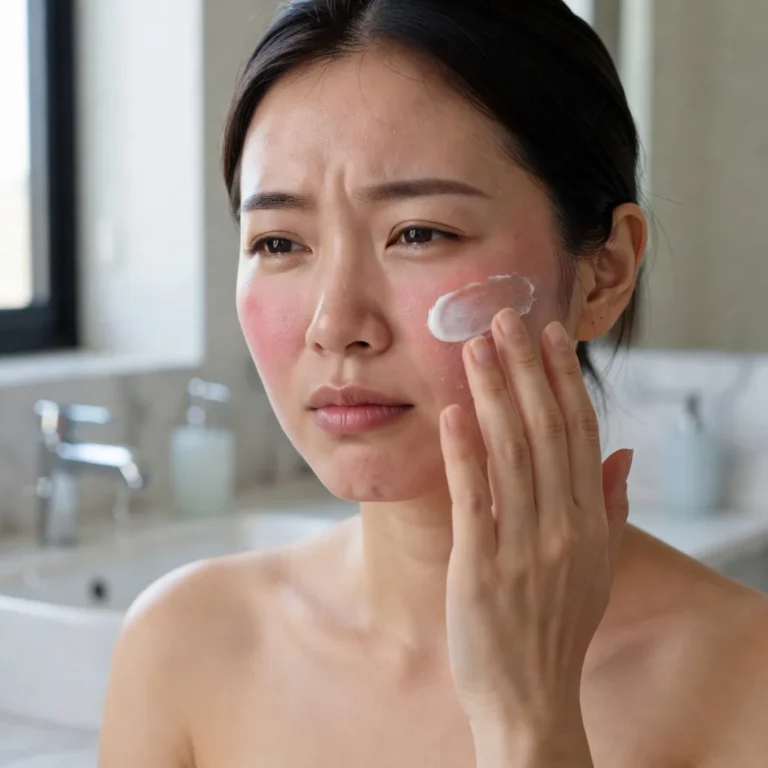
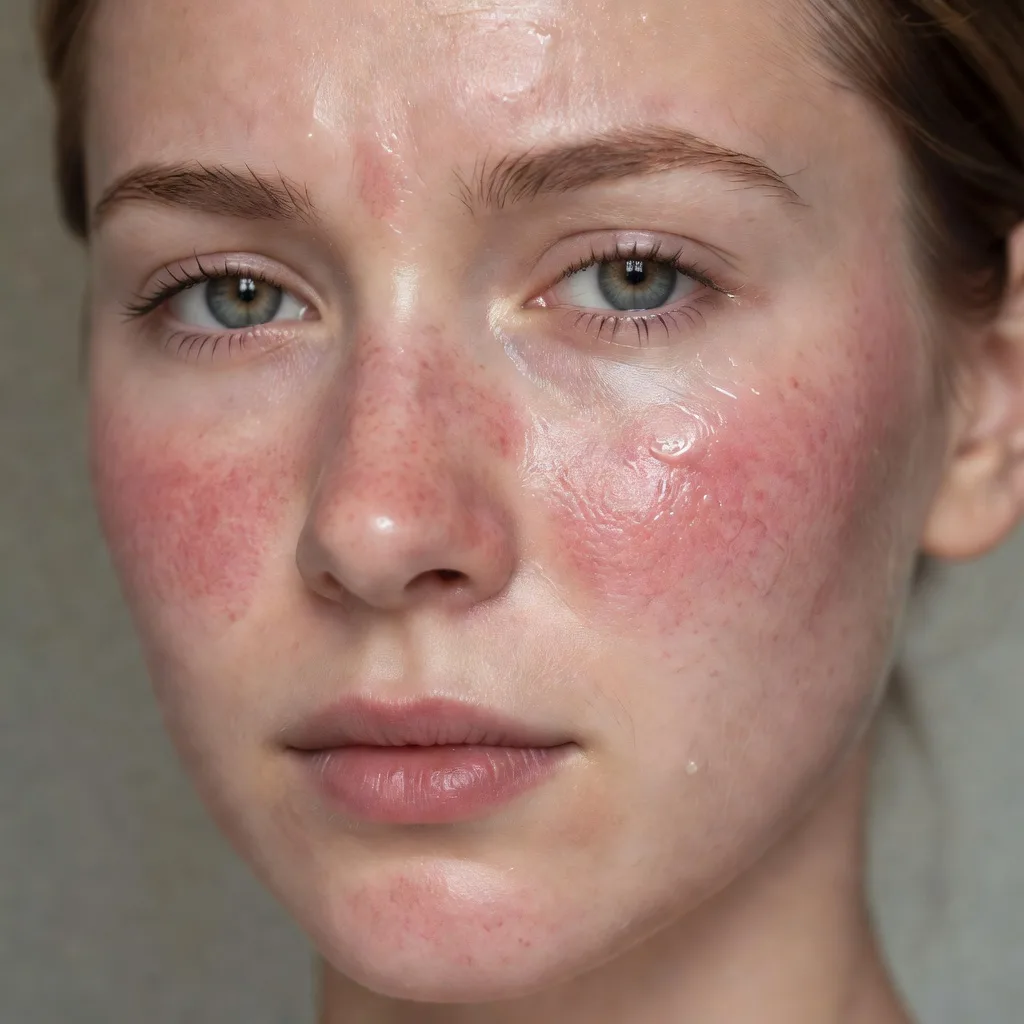
You wash your face, look up at the mirror and see pink cheeks, a flushed nose or blotchy patches that were not there a minute ago. Sometimes it fades quickly; other times it lingers, stings or comes with tightness. Redness after cleansing is very common, and in most cases the cause is something in the way you wash rather than a serious skin problem.
Part of our guide to skincare products. Start with: 10 Best Facial Cleansers for Combination Skin (2026): Balanced Picks
You get redness after cleansing mainly because of hot water, rubbing or scrubbing, a cleanser that is too harsh or strongly foaming, fragrance or other irritating ingredients, or cleansing more often than your skin can handle. These strip the skin barrier or increase blood flow, which shows as flushing, blotchiness and stinging. Underlying conditions such as rosacea and contact dermatitis can also make the face turn red after washing. Switching to lukewarm water, a gentle non-foaming or low-foam cleanser, using fingertips instead of cloths or brushes, patting dry and moisturising straight away fixes the problem for many people.
In short: wash with lukewarm water, a gentle fragrance-free cleanser and a light touch, then moisturise.
The American Academy of Dermatology advises washing the face with a gentle cleanser and lukewarm water, using your fingertips and avoiding scrubbing, because rough washing can irritate the skin.
This guide explains the seven most common causes of redness after cleansing, how to tell brief flushing from irritation, a gentle washing method and the signs that point to a skin condition worth checking with a dermatologist.
Shopping these picks?
Amazon Prime members get fast, free shipping on eligible items, plus Prime Video, Amazon Music and member deals. New members can start with a free trial.
Start a free Prime trialAged 18 to 24? Prime for Young Adults comes with a longer free trial and a lower price after it.
Affiliate link: we may earn a commission at no extra cost to you.
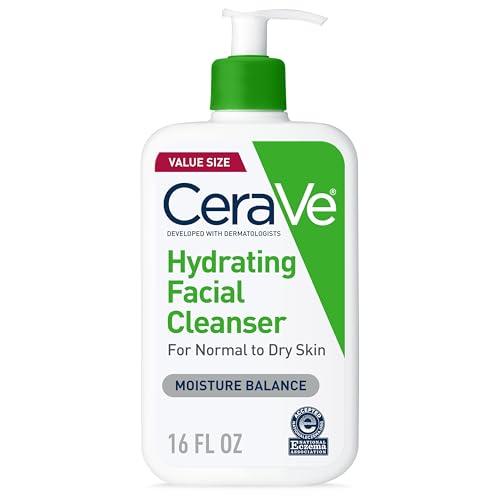
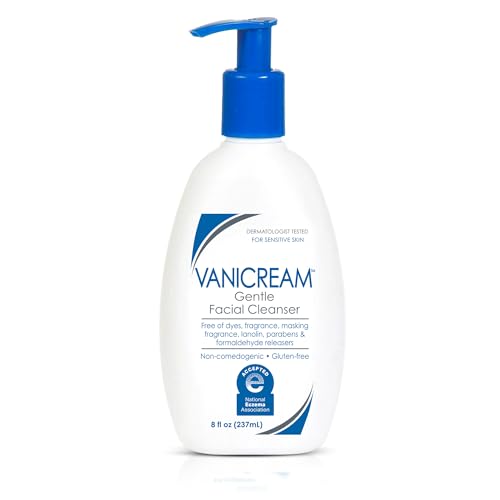
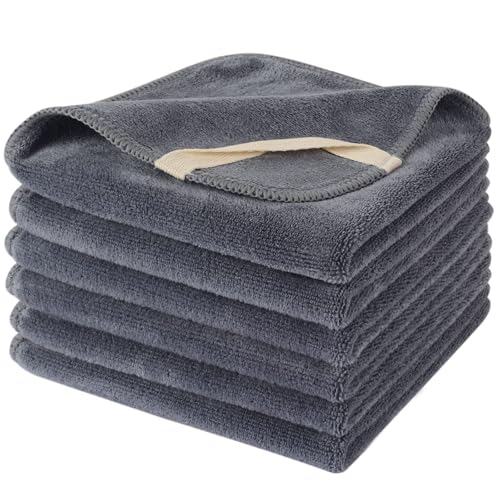
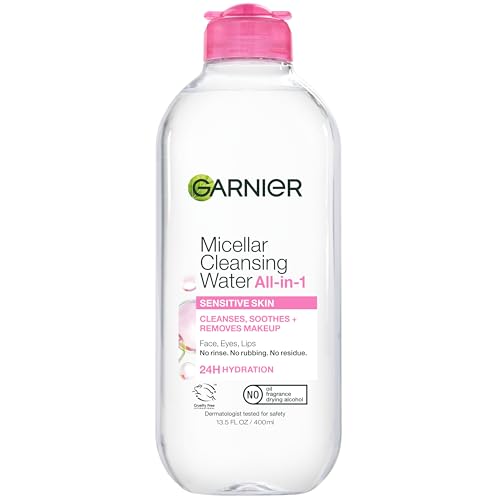
Recommended Gentle Cleansing Products for Red-Prone Skin



Quick Answer
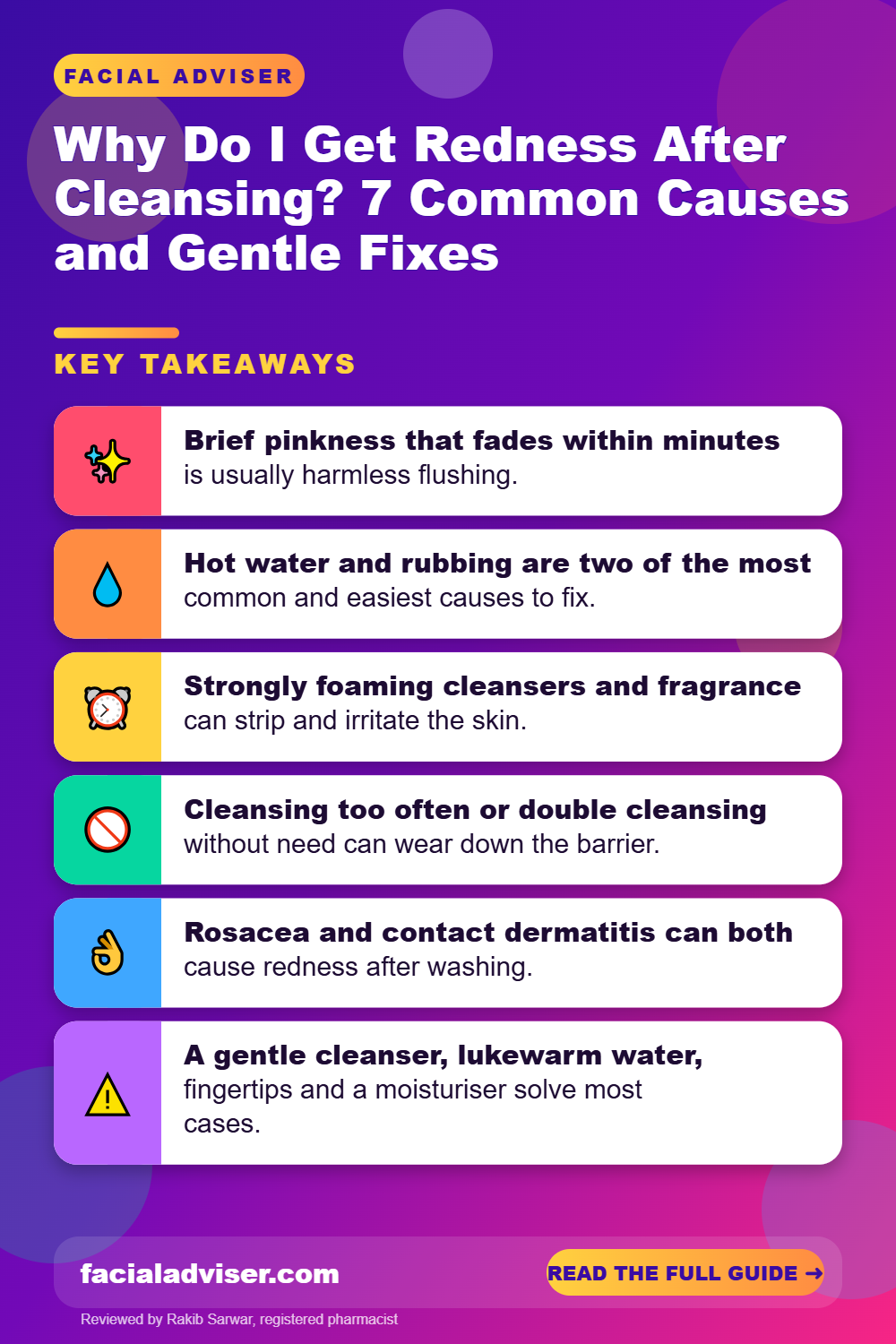
- Brief pinkness that fades within minutes is usually harmless flushing.
- Hot water and rubbing are two of the most common and easiest causes to fix.
- Strongly foaming cleansers and fragrance can strip and irritate the skin.
- Cleansing too often or double cleansing without need can wear down the barrier.
- Rosacea and contact dermatitis can both cause redness after washing.
- A gentle cleanser, lukewarm water, fingertips and a moisturiser solve most cases.
- Redness with swelling, rash, bumps or visible vessels deserves a dermatologist’s view.
Contents
- Is It Normal for Your Face to Go Red After Washing?
- 7 Common Causes of Redness After Cleansing
- Hot Water and Temperature Changes
- Rubbing, Cloths and Cleansing Tools
- Harsh Surfactants and Strongly Foaming Cleansers
- Fragrance, Irritants and Over-Cleansing
- Rosacea and Contact Dermatitis
- Is Micellar Water Better for Red-Prone Skin?
- How to Wash Your Face Without Turning Red
- Habits That Help and Habits That Hurt
- Honest Limits
- When to See a Dermatologist
- Questions People Ask
- The Bottom Line
Is It Normal for Your Face to Go Red After Washing?
A little pinkness straight after washing is normal for many people, particularly those with fair or thin skin. Water, touch and temperature changes increase blood flow to the surface, and that flush usually settles within a few minutes.
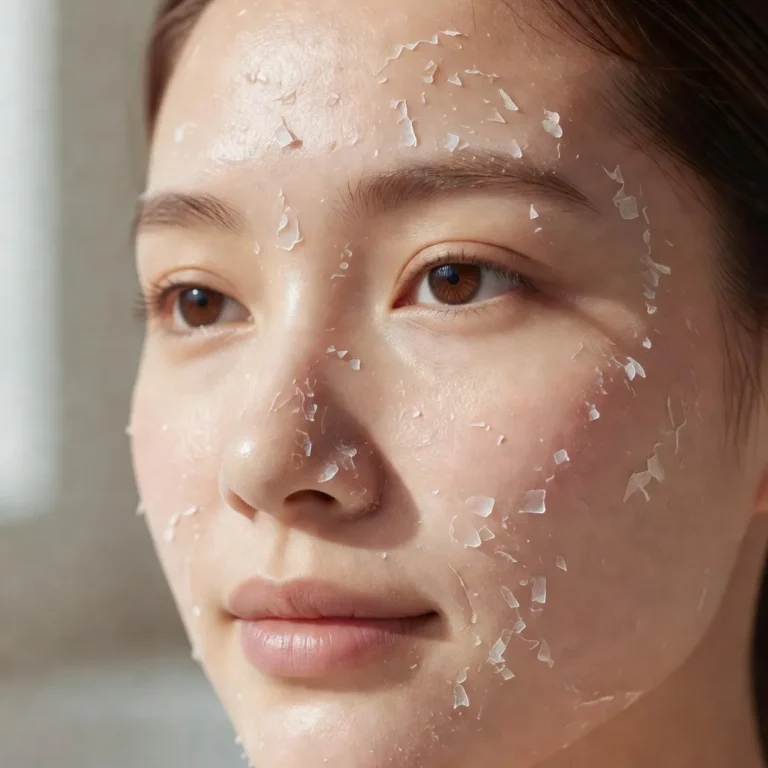
It is worth looking closer if the redness lasts longer than 15 to 30 minutes, keeps getting worse over weeks, stings or burns, or comes with tightness, flaking, itching or bumps. Those signs suggest irritation or an underlying condition rather than a simple flush.
7 Common Causes of Redness After Cleansing
Most cases come down to one or more of these causes. The table gives a quick overview, and each is explained below.
| Cause | Typical clue | Quick fix |
|---|---|---|
| Hot water | Flushing that appears during or right after washing | Switch to lukewarm water |
| Rubbing or scrubbing | Redness where you press hardest, often cheeks and nose | Use fingertips and pat dry |
| Harsh or strongly foaming cleanser | Tight, squeaky feeling after washing | Choose a gentle, non-foaming or low-foam cleanser |
| Fragrance and irritants | Stinging or itch soon after applying | Use fragrance-free products |
| Over-cleansing | Redness and dryness worsen over time | Cleanse once or twice a day, no more |
| Rosacea | Recurring flushing, visible vessels, bumps | See a dermatologist |
| Contact dermatitis | Itchy rash after using a specific product | Stop the product, seek advice |
Hot Water and Temperature Changes
Hot water feels comforting, but it dilates blood vessels and can dissolve some of the natural oils that protect the skin. Washing your face in the shower is a common trigger, because the water is often hotter than you would choose at the sink and runs over the face for longer.
Very cold water can also trigger flushing when the skin warms back up. Lukewarm water is the safest choice for sensitive, red-prone skin. Extreme temperatures are not necessary for clean skin, and neither hot nor cold water opens or closes pores in any meaningful way. What matters is removing oil, sunscreen and makeup gently and thoroughly.
Rubbing, Cloths and Cleansing Tools
Friction is one of the most overlooked causes of redness. Scrubbing with fingers, washcloths, rough towels, konjac sponges or cleansing brushes can irritate the surface, particularly on the cheeks and around the nose where skin is thinner.
- Use your fingertips and light, circular movements for about 30 to 60 seconds.
- If you prefer a cloth to remove cleanser, choose a soft microfiber cloth and press rather than drag.
- Pat dry with a clean towel instead of rubbing.
- Wash cloths and towels often, since reused, damp fabric can harbour bacteria.
- Pause cleansing brushes if your skin is red or sensitive.
Try rinsing by splashing water onto your face rather than wiping. Many people find that alone reduces redness noticeably.
Harsh Surfactants and Strongly Foaming Cleansers
Surfactants are the ingredients that lift oil and dirt. Some are much stronger than others, and very foaming formulas can remove more of the skin’s own lipids than needed. The result is a tight, squeaky-clean feeling, which is often mistaken for a sign of a good cleanse but actually signals stripping.
If your face feels tight or looks pink within minutes of washing, try a gentle, non-foaming or low-foam cleanser such as a cream, milk or gel designed for sensitive skin. Our guides on how to tell if a cleanser is too harsh and hydrating versus foaming cleansers explain what to look for.
A cleanser does not need to foam to work. Low-foam and non-foaming cleansers can remove sunscreen, oil and light makeup well, especially when massaged in for a minute and rinsed thoroughly.
Fragrance, Irritants and Over-Cleansing
Fragrance is one of the most common causes of skin irritation and allergic reactions in skincare. Essential oils, menthol, high levels of drying alcohol and some preservatives can also trigger stinging and redness, particularly on sensitive or already irritated skin.
Choose products labelled fragrance-free rather than unscented, since unscented products can contain masking fragrance. Remember that cleansers containing exfoliating acids or scrub particles can also cause redness if used daily.
Over-cleansing is the other hidden cause. Washing three or more times a day, cleansing after every workout with a strong wash, or double cleansing every night when you are not wearing makeup or heavy sunscreen can gradually wear down the barrier. The redness often builds over weeks, alongside dryness and tightness, so it is easy to miss the link. For most people, one gentle cleanse in the evening and a light cleanse or water rinse in the morning is plenty. If you exercise, a quick rinse with lukewarm water or a gentle cleanser is enough afterwards, and you do not need to repeat a full routine each time.
Rosacea and Contact Dermatitis
Sometimes redness after cleansing is a symptom of an underlying skin condition rather than a routine problem. Two are especially common.
| Feature | Rosacea | Contact dermatitis |
|---|---|---|
| Where | Central face: cheeks, nose, chin, forehead | Where the product touched the skin |
| Pattern | Recurring flushing, often with triggers like heat, sun, alcohol or spicy food | Appears hours to days after using a product |
| Other signs | Visible blood vessels, bumps or pimples, sensitivity | Itching, rash, dryness, sometimes swelling |
| What helps | Gentle care plus medical treatment | Stopping the product and treating the rash |
Rosacea is a long-term condition that usually needs a dermatologist’s diagnosis and treatment. Contact dermatitis can be irritant, caused by harsh ingredients, or allergic, caused by a specific substance such as a fragrance or preservative. A dermatologist can arrange patch testing if an allergy is suspected.
Is Micellar Water Better for Red-Prone Skin?
Micellar water can be a helpful option on days when your skin is particularly red, because it removes light makeup and sunscreen without running water. Choose a fragrance-free version and press a soaked cotton pad or soft cloth against the skin rather than rubbing.
It is not ideal for everyone. Some people find leftover residue irritating, so follow with a splash of lukewarm water or a gentle cleanser in the evening if your skin reacts. Heavy makeup or water-resistant sunscreen may need a cleanser as well.
Whichever method you use, pay attention to what your skin does over the following hour. Redness that fades within minutes suggests a temperature or touch response, while redness that stays or gets itchier points towards an ingredient or an underlying condition.
How to Wash Your Face Without Turning Red
This gentle method suits most red-prone and sensitive skin types.
Use lukewarm water
Test the temperature on your wrist; it should feel neither warm nor cool.
Choose a gentle cleanser
Pick a fragrance-free, non-foaming or low-foam formula.
Massage lightly with fingertips
Work the cleanser over damp skin for about 30 to 60 seconds without pressing hard.
Rinse by splashing
Splash water onto the face until the cleanser is gone, or press with a soft microfiber cloth.
Pat dry
Press a clean, soft towel against your face without rubbing.
Moisturise straight away
Apply a fragrance-free ceramide moisturiser within a minute or two.
Limit washing
Cleanse no more than twice a day; a water rinse can be enough in the morning.
Habits That Help and Habits That Hurt
Worth Doing
- Wash with lukewarm water
- Use fragrance-free products
- Moisturise right after cleansing
- Introduce one new product at a time
- Wear broad-spectrum sunscreen daily
Skip It
- Do not wash your face under a hot shower
- Do not scrub with washcloths or brushes
- Do not cleanse three or more times a day
- Do not use a cleanser with acids every day if you flush easily
- Do not ignore persistent stinging or rash
Small changes add up. Many people find their redness after cleansing improves within a week or two of switching to lukewarm water, a gentler cleanser and a softer touch.
Stop using a cleanser straight away if it causes burning, swelling, a rash or hives. These signs can point to an allergic reaction and should be checked by a doctor, especially if the reaction spreads or affects the eyes or lips.
Honest Limits
A gentler routine fixes redness caused by washing habits, but it will not cure rosacea, eczema or allergies. Products labelled sensitive or dermatologist-tested can still irritate some people, so your own skin’s response matters more than the label. Green-tinted makeup can hide redness but does not treat it, and soothing sprays or masks offer comfort rather than a cure. Changing cleanser every few days also makes it hard to see what is really helping, so give each change a couple of weeks. Brief flushing after washing may never disappear completely if you naturally flush easily, and that is not necessarily a sign of damage.
When to See a Dermatologist
See a dermatologist if redness lasts for hours after cleansing, keeps getting worse, comes with bumps, pimples or visible blood vessels, or if you notice an itchy rash, swelling or burning. These signs can point to rosacea, contact dermatitis or eczema, which benefit from proper diagnosis and treatment. Our guide on how to spot fragrance in an ingredient list can help you check your products in the meantime.
This article is for general information and does not replace professional medical advice. Patch test new products, stop using anything that irritates your skin and see a board-certified dermatologist if redness is persistent, severe or comes with other symptoms.
Questions People Ask
Why does my face turn red after I wash it?
Usually hot water, rubbing, a harsh cleanser, fragrance or washing too often.
Is it normal for my face to be red after cleansing?
Brief pinkness that fades within minutes is common. Lasting or stinging redness is not.
Does hot water cause facial redness?
Yes. It dilates blood vessels and can strip natural oils, so lukewarm water is better.
Can a cleanser cause redness?
Yes. Strongly foaming, fragranced or acid-containing cleansers can irritate sensitive skin.
Is micellar water gentler than cleanser?
It can be for light makeup and sensitive days, but some people react to leftover residue.
Can rosacea cause redness after washing?
Yes. Washing, heat and friction are common triggers for rosacea flushing.
Should I stop using a washcloth?
If you turn red after washing, switch to fingertips or a soft microfiber cloth pressed gently.
How many times a day should I cleanse?
Once or twice a day is enough for most people.
Does moisturiser help redness after cleansing?
A fragrance-free moisturiser applied straight away can reduce tightness and irritation.
When should I worry about redness after cleansing?
If it lasts for hours, worsens, or comes with rash, swelling, bumps or visible vessels.
The Bottom Line
Redness after cleansing is usually a sign that your washing routine is a little too hot, too rough or too harsh for your skin. Lukewarm water, a gentle fragrance-free cleanser, fingertips, patting dry and a moisturiser straight away solve the problem for many people.
If redness persists despite gentle habits, or comes with bumps, visible vessels, itching or swelling, see a dermatologist to check for rosacea, contact dermatitis or another condition.

Written by
Registered pharmacist and founder of Facial Adviser. Rakib's pharmacy training covers how skincare actives work and interact; a later course in cosmetology turned that into a focus on facial treatments and skincare products. He plans, researches and edits every guide on the site and checks health claims against sources such as the American Academy of Dermatology, the FDA and the NIH. He is not a dermatologist; see the Editorial Policy and Medical Disclaimer.
About · Editorial policy · How we choose products · Medical disclaimer · Contact
Keep reading: Cleansers and face wash
- 10 Best Facial Cleansers for Combination Skin (2026): Balanced Picks
- Double Cleansing: When It Is Necessary and When to Skip It
- How to Tell If Your Cleanser Is Too Harsh (and What to Use Instead)
- Does Skipping Cleanser at Night Matter?
- Deep Pore Cleansing Facial at Home, Done Right
- Face Cleansing Steps: The Real Routine, Explained
- What Does a Facial Toner Do? The Real Answer
- 10 Best Facial Moisturizers for Dry Skin (2026): Rich, Gentle Creams