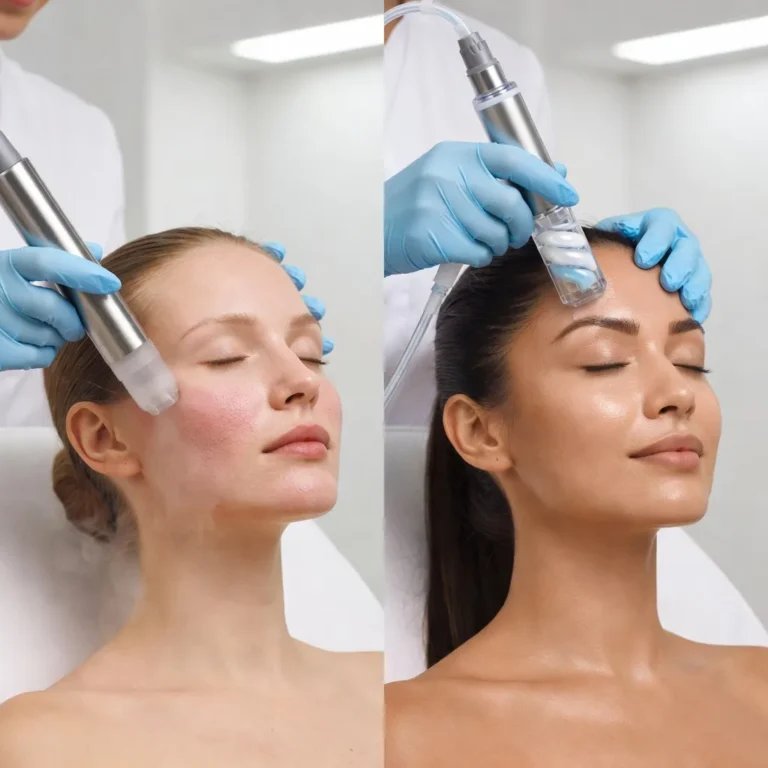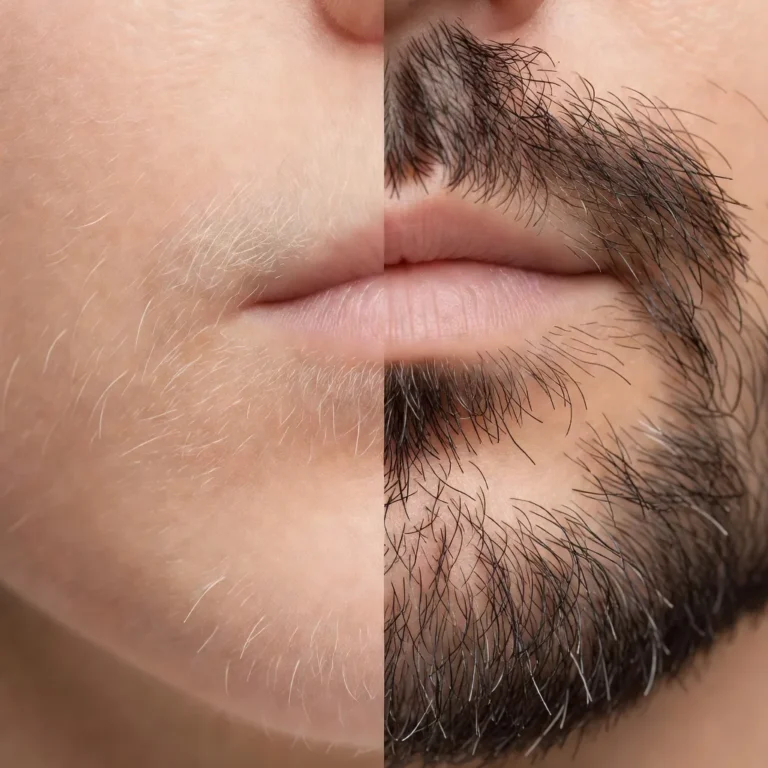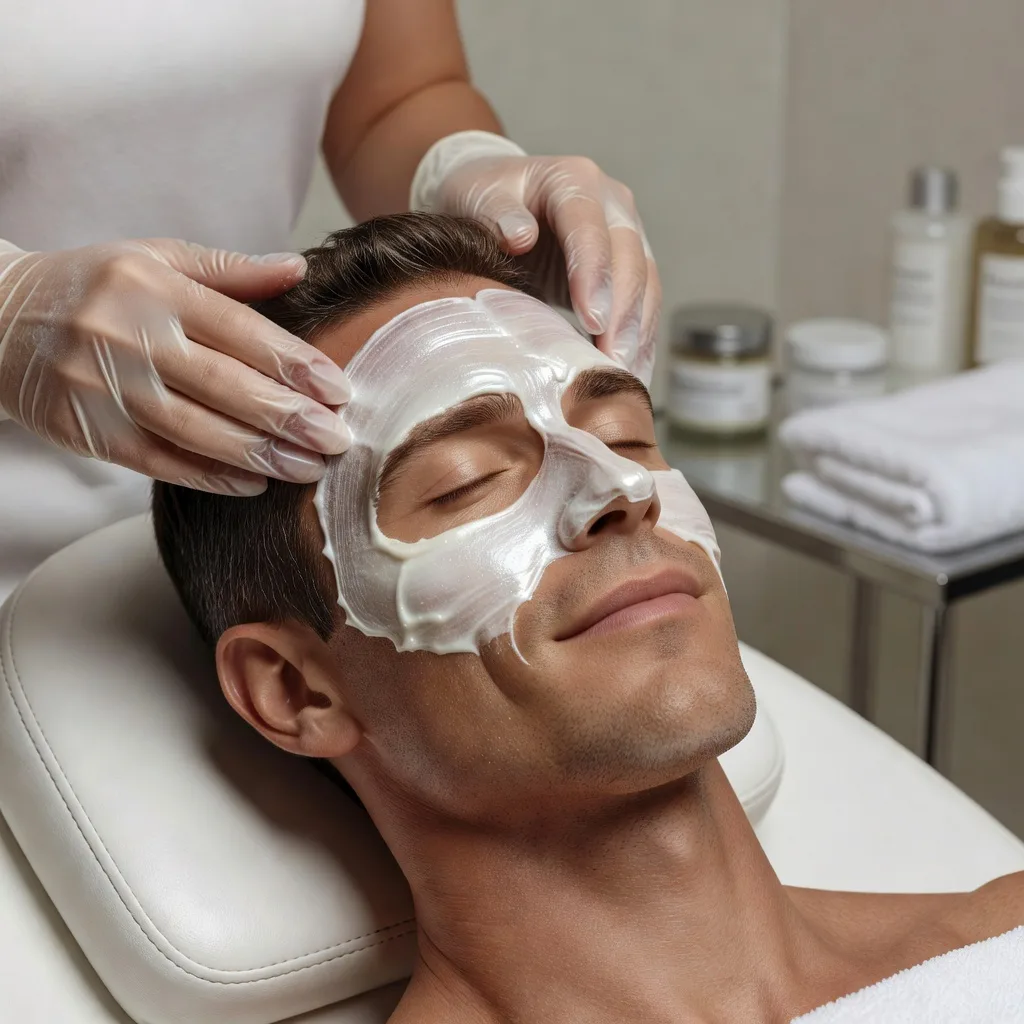
What Is a Male Facial? Steps, Benefits and What to Expect
More men are booking facials than ever, whether to deal with oily skin and blackheads, calm razor irritation or simply look less tired. Yet many men walk into a spa unsure what a facial actually involves, whether it is different from a standard facial and whether it is worth doing at all.
Part of our guide to facial treatments. Start with: What Is a Spa Facial?
A male facial is a professional skin treatment designed around the typical needs of men’s skin, which is often oilier, has larger visible pores and is affected by daily shaving or beard growth. It usually includes deep cleansing, exfoliation, steam and extractions, a mask, a massage and a moisturiser, with extra attention to razor bumps, ingrown hairs and the beard line. The main benefits are cleaner-looking pores, calmer skin and a refreshed appearance. Results are short term, so a good daily routine at home matters more than the facial itself.
In short, a male facial is a standard facial adapted for shaving, beards and oilier skin, and it works best as a boost to a simple daily routine.
The American Academy of Dermatology notes that shaving can irritate the skin and recommends shaving in the direction of hair growth with a sharp blade, and suggests men choose skin care based on their skin type. A good male facial builds on these same principles.
This guide explains what happens in a male facial, the main types, benefits, what it cannot do and how to keep results going at home.
Shopping these picks?
Amazon Prime members get fast, free shipping on eligible items, plus Prime Video, Amazon Music and member deals. New members can start with a free trial.
Start a free Prime trialAged 18 to 24? Prime for Young Adults comes with a longer free trial and a lower price after it.
Affiliate link: we may earn a commission at no extra cost to you.
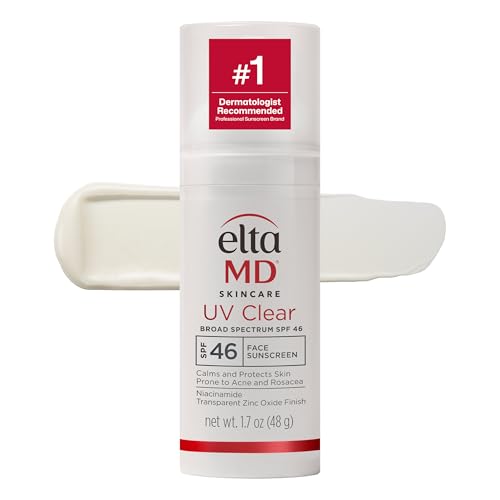
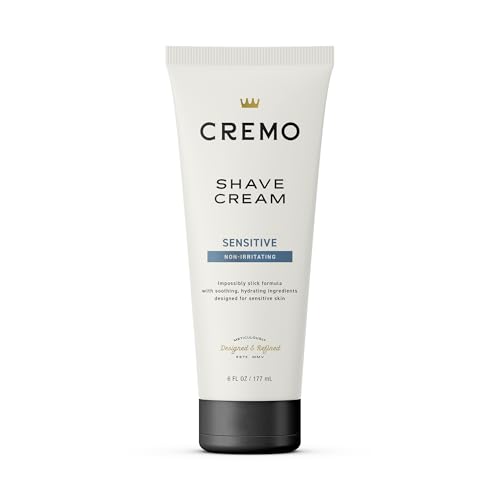
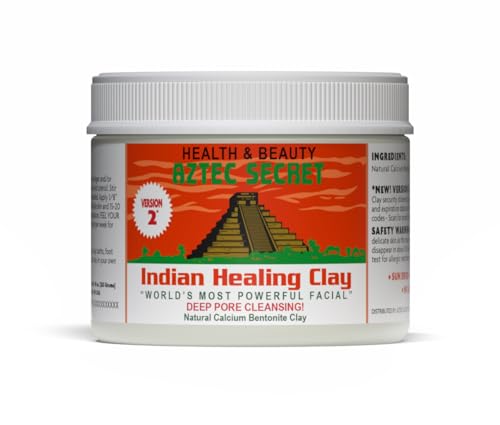
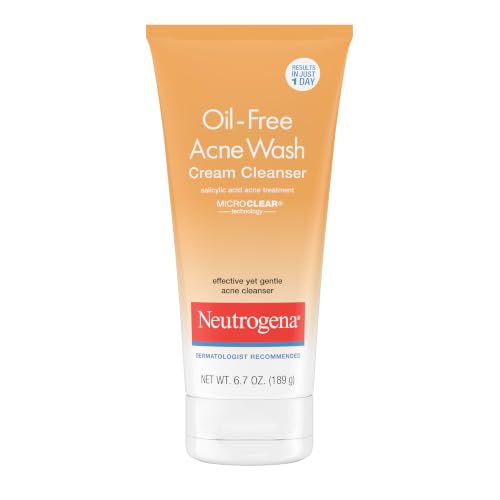
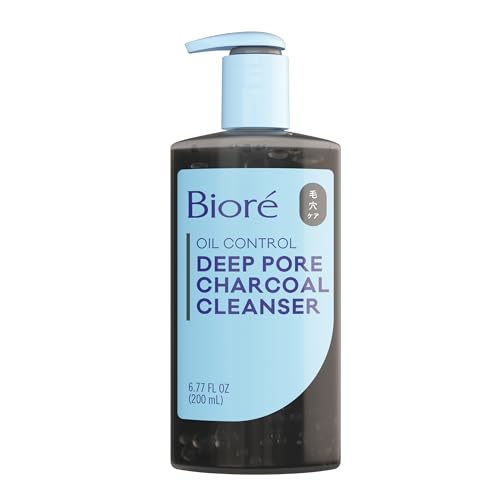
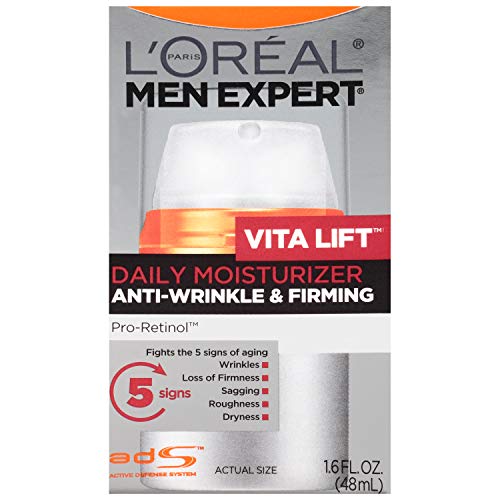
Recommended Men’s Facial Care Products

Quick Answer
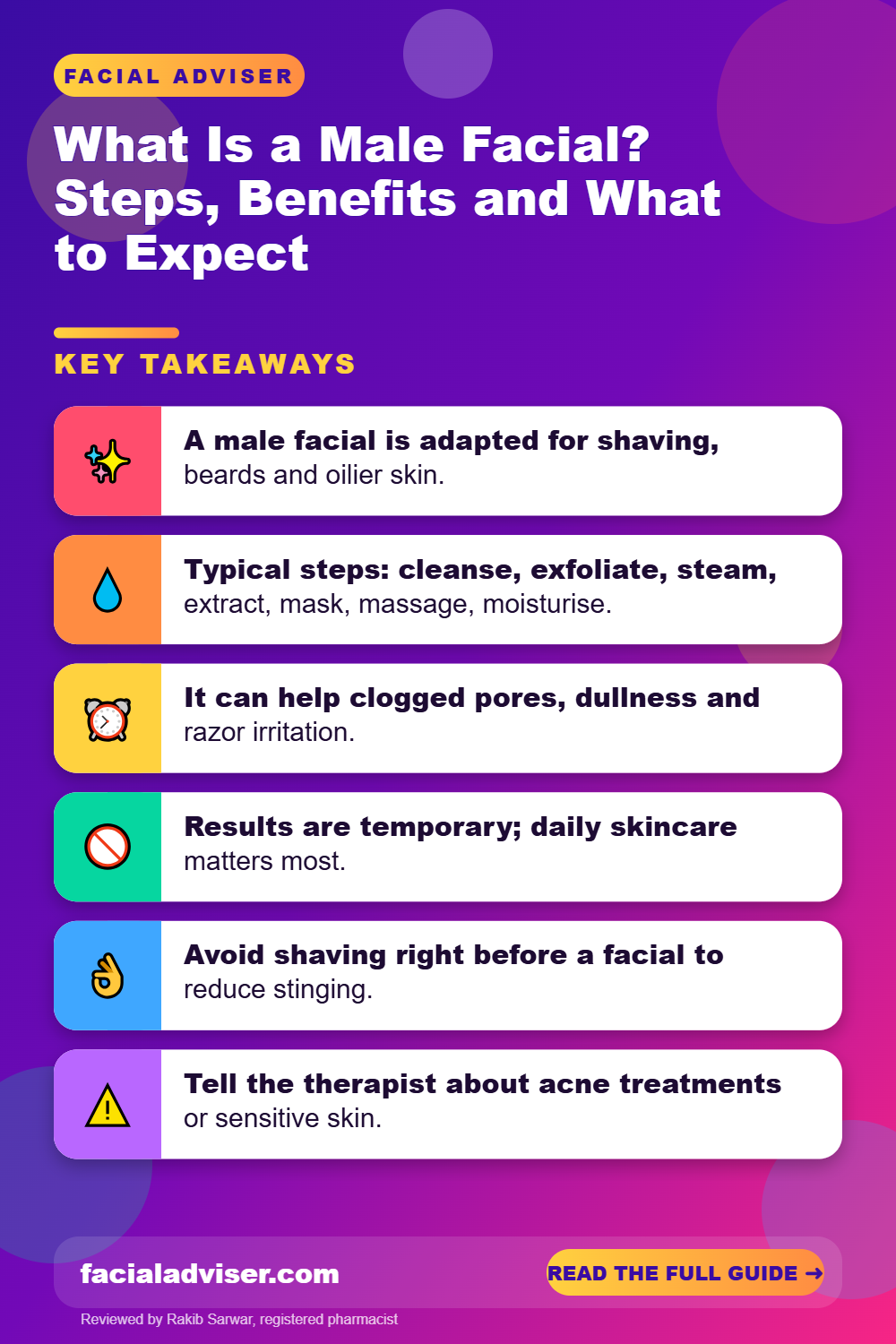
- A male facial is adapted for shaving, beards and oilier skin.
- Typical steps: cleanse, exfoliate, steam, extract, mask, massage, moisturise.
- It can help clogged pores, dullness and razor irritation.
- Results are temporary; daily skincare matters most.
- Avoid shaving right before a facial to reduce stinging.
- Tell the therapist about acne treatments or sensitive skin.
- Daily sunscreen protects results and skin health.
What This Covers
- What Happens During a Male Facial
- How a Male Facial Differs From a Standard Facial
- Common Types of Male Facial
- Benefits of a Male Facial
- How to Prepare for Your First Male Facial
- Shaving, Razor Bumps and Facials
- A Simple Routine to Keep Results Going
- How Often Should Men Get a Facial?
- How to Choose a Good Spa or Therapist
- Dos and Don’ts
- Honest Limits
- When to See a Dermatologist
- Frequently Asked Questions
- Where This Leaves You
What Happens During a Male Facial
Most male facials last 45 to 75 minutes and follow a similar sequence, adjusted to your skin. The therapist will usually start by looking at your skin under a magnifying lamp and asking how you shave, what products you use and whether anything has irritated your skin before. Expect some pressure and mild discomfort during extractions, but nothing should feel sharp or painful.
| Step | What it involves | Why it matters for men |
|---|---|---|
| Consultation | Questions about skin type, shaving and concerns | Identifies razor bumps, oiliness or sensitivity |
| Cleansing | Removes oil, sweat and dirt | Men’s skin often produces more oil |
| Exfoliation | Scrub, enzyme or gentle acid | Lifts dead skin that can trap hairs |
| Steam | Warm steam or towels | Softens skin and beard hair |
| Extractions | Clearing blackheads and clogged pores | Common on the nose, chin and forehead |
| Mask | Clay, hydrating or calming mask | Matched to oily, dry or irritated skin |
| Massage | Face, neck and shoulders | Relaxation and a brief glow |
| Finish | Moisturiser and sunscreen | Protects freshly treated skin |
Some spas also offer beard conditioning, a hot towel shave or treatments for ingrown hairs as part of the service. If you have never had a facial before, a standard deep cleansing or classic facial is a sensible starting point, because it shows you how your skin reacts to steam, extractions and masks before you try anything more intensive.
How a Male Facial Differs From a Standard Facial
The basic steps are similar, but a male facial is adapted in a few important ways.
- Shaving focus: attention to razor burn, bumps and ingrown hairs along the jaw and neck.
- Beard care: working around facial hair and caring for the skin underneath.
- Oil control: products and masks suited to oilier skin and larger pores.
- Simpler products: fewer steps and often fragrance-light or unscented products.
- Practical advice: a short, realistic routine to continue at home.
Skin type matters more than gender. Many men have dry or sensitive skin, and many women have oily skin. A good therapist tailors the facial to your actual skin, whatever the menu name.
If you are new to facials in general, our guide on what a facial is explains the basics. Whatever the treatment is called, the steps should be adjusted during the appointment as the therapist sees how your skin responds. If a product stings or your skin turns very red, a good therapist will switch to something gentler rather than pushing on.
Common Types of Male Facial
Spa menus vary, but most offer some version of the following.
| Type | Best for | What to expect |
|---|---|---|
| Deep cleansing facial | Oily skin, blackheads, congestion | Steam, extractions, clay mask |
| Hydrating facial | Dry, tight or flaky skin | Hydrating masks and rich moisturisers |
| Anti-aging facial | Fine lines, dullness | Exfoliation, antioxidant serums, massage |
| Calming facial | Redness, razor irritation, sensitivity | Soothing masks, minimal extractions |
| Back facial | Back acne and congestion | Cleansing and extractions on the back |
If back breakouts are a concern, our guide on back treatments at the spa covers what they involve.
Benefits of a Male Facial
A well-done facial can give several short-term benefits.
- Clearer-looking pores after extractions.
- Smoother skin from exfoliation.
- Less razor irritation when the skin and hair are prepared properly.
- A brighter, more refreshed look for a few days.
- Personalised advice on products and shaving technique.
- Relaxation, which many men value as much as the skin results.
It is also a chance to have someone look closely at your skin. Therapists often notice problems you may miss, such as early sun damage, persistent redness or a spot that has changed, and can suggest seeing a dermatologist when something needs checking. The most lasting benefit is often the advice. A good therapist can help you build a simple routine that suits your skin, which is where long-term improvement comes from. Ask them to write down the products and order of steps so you can follow it at home, and keep it to two or three steps you will actually do.
How to Prepare for Your First Male Facial
A little preparation makes the facial more comfortable and effective.
Skip shaving that morning
Shave a day before, or not at all, to avoid stinging from products and exfoliation.
Pause strong actives
Stop retinoids and exfoliating acids a few days before unless told otherwise.
Note your concerns
Think about what bothers you most: oiliness, bumps, dryness or dullness.
Mention medications
Tell the therapist about acne treatments, especially isotretinoin or prescription creams.
Arrive with clean skin
Skip heavy products so the therapist can assess your skin.
Speak up during treatment
Say if extractions or products feel too uncomfortable.
Ask for a home routine
Leave with two or three simple steps you can keep up.
Book your facial a few days before an important event rather than the day before. Some people get mild redness or a small breakout after extractions, and this usually settles within a couple of days.
Shaving, Razor Bumps and Facials
Razor bumps and ingrown hairs are one of the main reasons men book facials. They happen when shaved hairs curl back into the skin, especially with curly or coarse beard hair.
A facial can help by exfoliating dead skin, softening hair and calming inflammation, but lasting improvement depends on shaving technique. The American Academy of Dermatology shares razor bump prevention tips, such as shaving in the direction of hair growth and not pulling the skin taut.
Do not let anyone dig out ingrown hairs with needles or sharp tools unless they are a trained professional using sterile equipment. Picking at bumps can cause infection, dark marks and scarring, especially on darker skin.
Our guide on beard versus clean-shaven skin explains how each option affects the skin.
A Simple Routine to Keep Results Going
The American Academy of Dermatology’s skin care tips for men focus on knowing your skin type, reading labels, shaving carefully and using sunscreen. A simple routine along those lines keeps the benefits of a facial going.
- Cleanse morning and night with a cleanser for your skin type.
- Use a shave cream or gel and a sharp razor, shaving with the grain.
- Apply a fragrance-free moisturiser after cleansing or shaving.
- Wear broad-spectrum sunscreen every morning.
- If you have a beard, wash it and use a little beard oil or conditioner.
- Exfoliate gently once or twice a week if you get ingrown hairs.
Men who want an extra step for oily skin often ask about toner. Our guide on whether men should use toner answers that question.
How Often Should Men Get a Facial?
There is no fixed rule. Many spas suggest every four to six weeks, but a facial is optional rather than essential for healthy skin.
If your main goal is managing oiliness or congestion, a facial every month or two alongside a consistent routine can be helpful. If your skin is calm and your routine works, an occasional facial before an event or as a treat is enough.
If you have persistent acne, a dermatologist is a better first step than frequent facials, because medical treatments target the causes of acne far more effectively. Once acne is under control, facials can be a helpful extra for keeping pores clear and skin feeling fresh, as long as the therapist knows which treatments you are using.
How to Choose a Good Spa or Therapist
The quality of a facial depends heavily on who performs it. A few simple checks can help you find someone skilled.
- Look for licensed estheticians or skin therapists, and ask about their training.
- Check that tools are cleaned between clients and that single-use items, such as extraction lancets, are not reused.
- Choose a place that asks about your skin, medications and allergies before starting.
- Read recent reviews that mention results and hygiene, not just the atmosphere.
- Be wary of hard selling of expensive product bundles at the end of the appointment.
Many men feel self-conscious the first time, but therapists see every skin type and concern. Being open about what bothers you, whether that is oiliness, bumps or dark circles, helps them tailor the treatment and give useful advice.
If a spa offers a short consultation or a basic express facial, it can be a low-pressure way to see whether you like the experience before committing to longer, more intensive treatments.
Dos and Don’ts
Good Habits
- Tell the therapist about your skin and medications
- Skip shaving on the day
- Speak up if anything hurts
- Keep a simple routine afterwards
- Wear sunscreen daily
Common Mistakes
- Shave right before your appointment
- Pick at skin after extractions
- Use strong actives straight after
- Expect one facial to fix acne
- Book it the day before a big event
Honest Limits
A facial gives short-term improvements. It cannot cure acne, remove deep wrinkles or prevent razor bumps on its own. Extractions help clogged pores, but pores refill without a daily routine.
The quality of facials also varies widely between spas and therapists. The most valuable part is often the advice you take home. For ongoing skin problems, a dermatologist can offer treatments with much stronger evidence than spa services.
When to See a Dermatologist
- You have persistent or painful acne, cysts or scarring.
- Razor bumps are frequent, painful or leaving dark marks.
- A rash, spreading redness or pus appears after a facial.
- You notice a new or changing mole or spot on your face.
This article is for general information and does not replace professional medical advice. Consult a board-certified dermatologist for persistent skin conditions or any concerns after a facial treatment.
Frequently Asked Questions
What is a male facial?
A professional skin treatment adapted for men’s skin, shaving and beard care.
Is a male facial different from a regular facial?
The steps are similar, but it focuses more on oil, shaving and beard areas.
Should I shave before a facial?
Shave a day before, or skip it, to avoid stinging.
How long does a male facial take?
Usually 45 to 75 minutes.
Do facials help razor bumps?
They can help short term; shaving technique matters most.
How often should men get a facial?
Many choose every four to eight weeks, but it is optional.
Will I break out after a facial?
Some people get a small breakout after extractions; it usually settles quickly.
Can I get a facial with a beard?
Yes, therapists work around facial hair.
Do facials cure acne?
No, persistent acne needs medical treatment.
What should I do after a facial?
Keep skincare simple, avoid strong actives for a day or two and wear sunscreen.
Where This Leaves You
A male facial is a professional treatment adapted for oilier skin, shaving and beards. It can leave pores clearer, skin smoother and razor irritation calmer, but the results are short term.
Prepare by skipping shaving on the day, choose a therapist who tailors the treatment to your skin and keep the benefits going with a simple routine and daily sunscreen.

Written by
Registered pharmacist and founder of Facial Adviser. Rakib's pharmacy training covers how skincare actives work and interact; a later course in cosmetology turned that into a focus on facial treatments and skincare products. He plans, researches and edits every guide on the site and checks health claims against sources such as the American Academy of Dermatology, the FDA and the NIH. He is not a dermatologist; see the Editorial Policy and Medical Disclaimer.
About · Editorial policy · How we choose products · Medical disclaimer · Contact
Keep reading: Spa and brand-name facials