Collagen vs Hyaluronic Acid: What’s the Difference?
Collagen vs hyaluronic acid — which one does your skin actually need, and are they even solving the same problem?
Part of our guide to skincare products. Start with: 10 Best Facial Serums for Aging Skin (2026): Picks by Concern
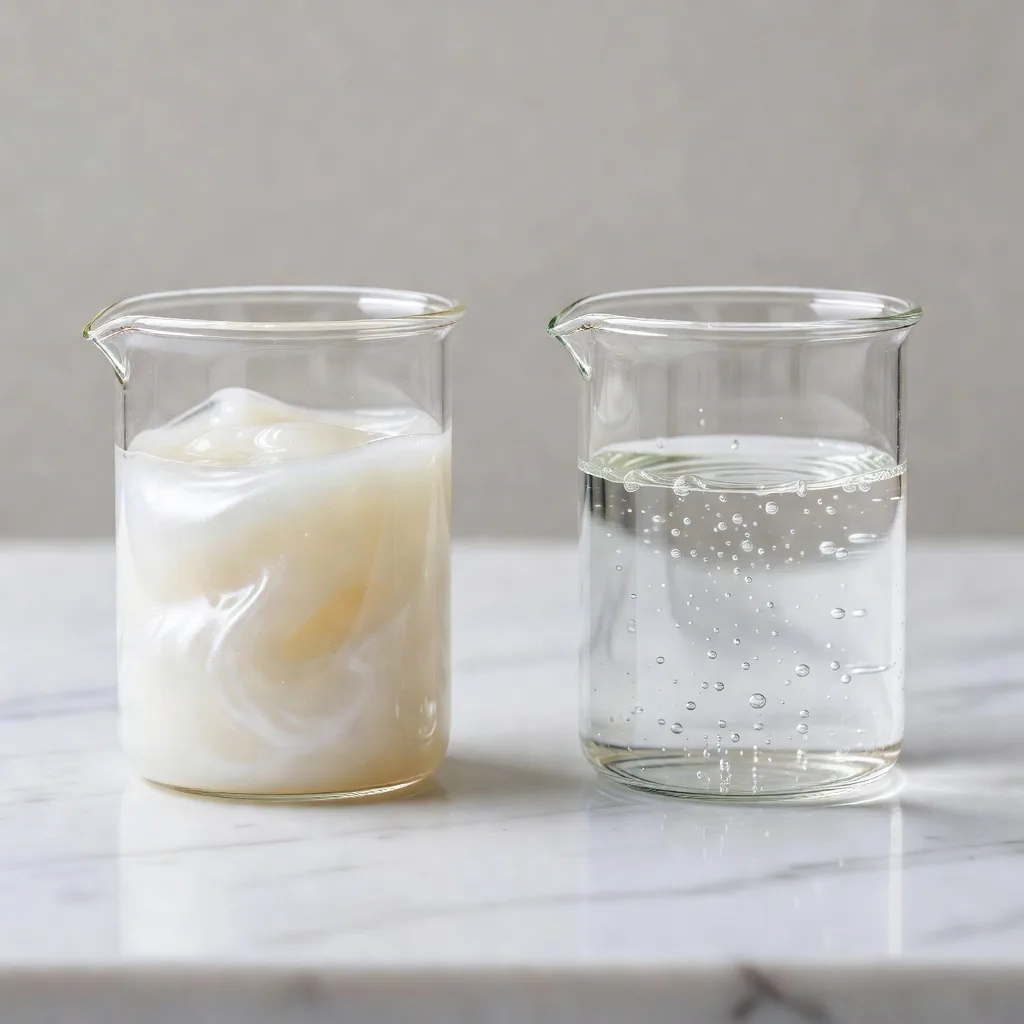
Collagen is a structural protein that gives skin its scaffolding and strength; hyaluronic acid is a carbohydrate-based humectant that gives skin volume and hydration. A 2023 meta-analysis of 26 trials and 1,721 participants found oral collagen peptides significantly improved measured skin hydration and elasticity, with no proven advantage for pricier marine sources.
Topical collagen, meanwhile, is molecularly far too large to cross into the dermis, while topical hyaluronic acid does measurably penetrate the upper skin layers depending on its molecular weight.
This guide breaks down what each ingredient actually does, the real evidence behind oral and topical use, and why the honest answer to ‘which is better’ is usually both.
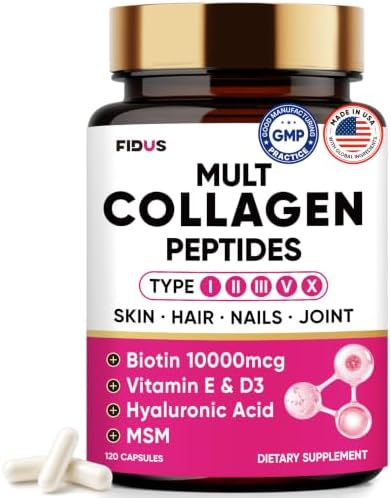
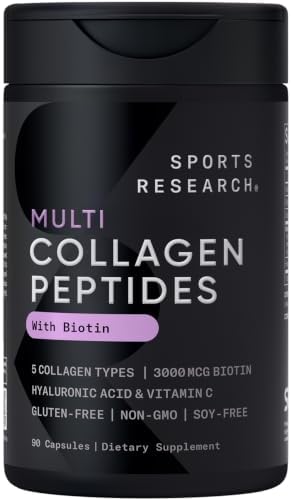
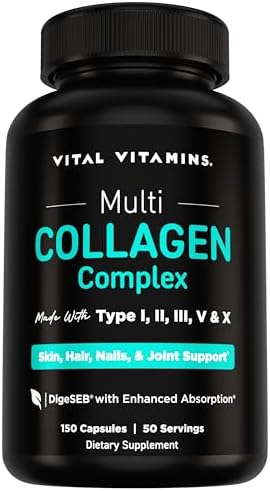
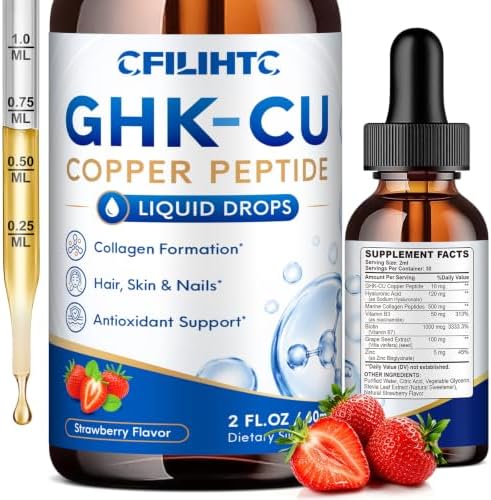
Recommended Oral Collagen Peptide Supplements



The Short Version
- Collagen is a structural protein that gives skin its scaffolding and tensile strength; hyaluronic acid is a water-binding carbohydrate that gives skin volume and hydration — genuinely different jobs, not competing options.
- Topical collagen’s molecule is far too large to cross into the dermis, so a jar of collagen cream can only act as a surface humectant, not a structural rebuilder.
- A 2023 meta-analysis pooling 26 randomized trials and 1,721 participants found oral collagen peptides significantly improved measured skin hydration and elasticity — with no proven advantage for pricier marine sources over bovine or porcine collagen.
- Topical hyaluronic acid does measurably penetrate into skin, with lower-molecular-weight versions going deeper than high-molecular-weight ones, though even that “penetration” mostly means the upper skin layers, not deep dermal collagen synthesis.
- The most evidence-consistent approach uses both: oral collagen for the structural/elasticity input, topical HA for daily surface hydration.
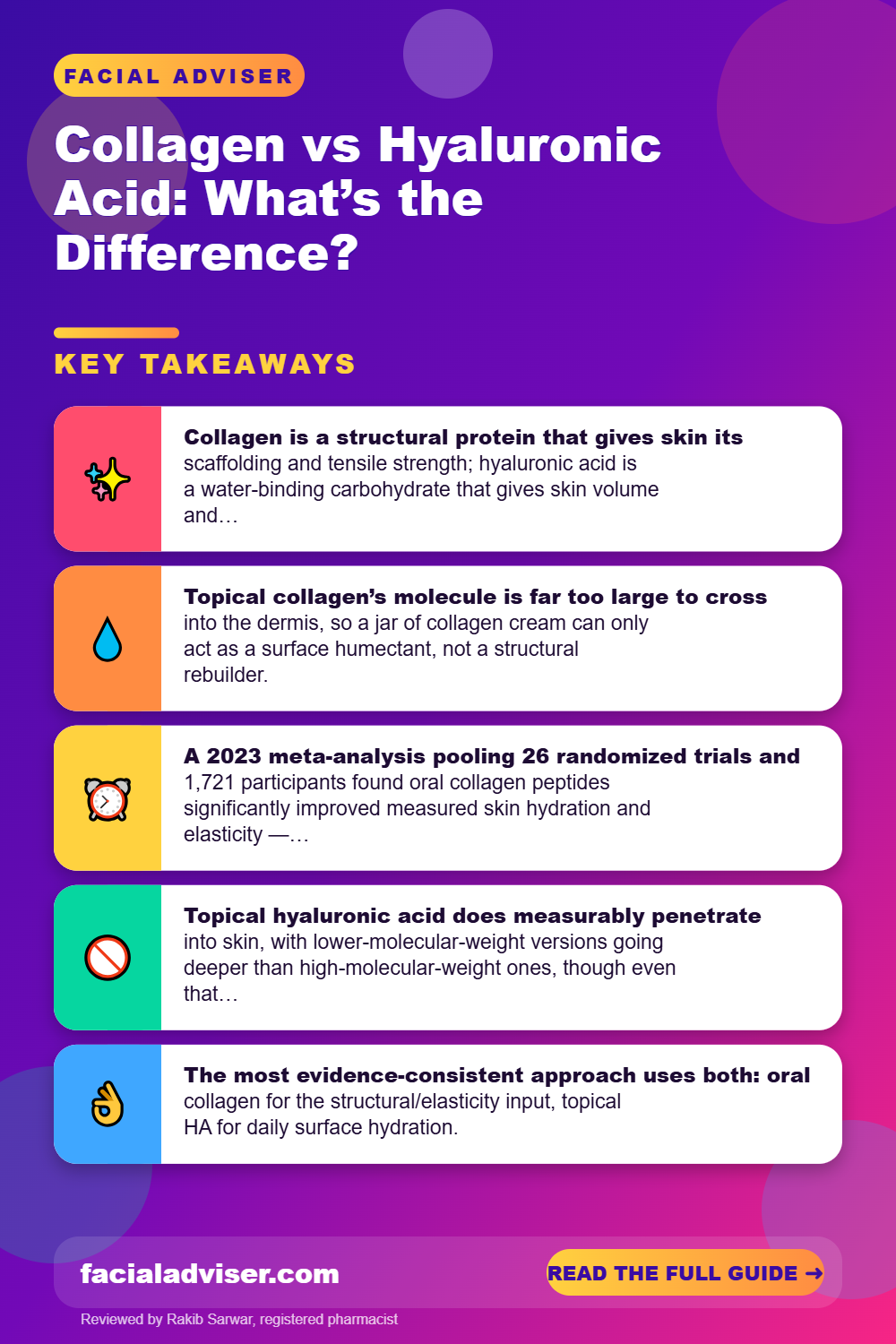
Table of Contents
- What Each One Actually Is
- Collagen’s Real Job in Skin
- Hyaluronic Acid’s Real Job in Skin
- Why Topical Collagen Can’t Do What the Jar Implies
- The Real Oral Collagen Evidence
- Debunking the Marine Collagen Premium
- How Deep Topical HA Actually Penetrates
- Collagen vs. HA, Side by Side
- Do’s and Don’ts
- How to Actually Combine Them
- Where Expectations Go Wrong
- The Honest Limits of What We Know
- Frequently Asked Questions
What Each One Actually Is
Collagen is a fibrous structural protein — the main structural component of the dermis, making up roughly 80-90% of skin collagen in its Type I form. It provides tensile strength and scaffolding, the literal framework that keeps skin firm. Natural production declines by about 1% per year starting in the mid-20s, and that decline accelerates after menopause and with cumulative UV exposure.
Shopping these picks?
Amazon Prime members get fast, free shipping on eligible items, plus Prime Video, Amazon Music and member deals. New members can start with a free trial.
Start a free Prime trialAged 18 to 24? Prime for Young Adults comes with a longer free trial and a lower price after it.
Affiliate link: we may earn a commission at no extra cost to you.
Hyaluronic acid is something structurally different: a glycosaminoglycan, a carbohydrate-based polymer rather than a protein. Its job is to bind and hold water within the skin’s extracellular matrix, contributing to volume, plumpness, and cushioning rather than tensile strength. Neither ingredient substitutes for the other because they’re not solving the same problem.
Collagen’s Real Job in Skin
Collagen fibers form the physical scaffold that resists stretching and sagging. When collagen density declines with age, skin loses structural support before it necessarily loses hydration — which is part of why an aging face can look thinner and less resilient even when it’s still adequately moisturized. This structural role is also why collagen loss shows up as changes people describe as “sagging” or “loss of bounce-back,” distinct from the flakiness or dullness more associated with dehydration.
Hyaluronic Acid’s Real Job in Skin
HA’s water-binding capacity is what gives youthful skin some of its plumpness and bounce. It doesn’t add structural strength the way collagen does, but adequate HA in the dermis keeps tissue hydrated and cushioned, which affects how skin looks and feels day to day far more immediately than collagen’s slower structural role. Naturally occurring dermal HA also declines somewhat with age and cumulative sun exposure, though its turnover cycle is faster than collagen’s, which is part of why topical HA can produce a noticeably plumper look within hours, while collagen-related structural change realistically takes weeks of sustained input to show up at all.
Why Topical Collagen Can’t Do What the Jar Implies
What topical collagen genuinely does is act as a humectant and a surface film-former — it can smooth and hydrate the outermost skin layer temporarily, which is a real but modest effect, and a fundamentally different one than “rebuilding” collagen structurally.
The Real Oral Collagen Evidence
Oral collagen peptide supplementation has a meaningfully stronger evidence base than the topical route. A 2023 systematic review and meta-analysis published in Nutrients pooled 26 randomized controlled trials covering 1,721 participants testing hydrolyzed collagen supplementation. It found statistically significant improvements in both measured skin hydration and measured skin elasticity compared to placebo, using objective instrumented outcomes — a corneometer for hydration and a cutometer for elasticity, not just self-reported impressions. Trial durations ranged from 2 to 12 weeks, with the beneficial effect present across that range, though the review’s own authors flagged a need for larger and longer trials and noted some bias risk in a subset of the included studies.
Debunking the Marine Collagen Premium
That same 2023 meta-analysis directly tested whether collagen source matters, comparing marine (fish) collagen against bovine, porcine, and chicken sources across the pooled trials — 14 fish-collagen trials, 1 bovine, 1 chicken, 2 porcine, and 9 that didn’t specify. It found no statistically significant difference by source for hydration improvement or for elasticity improvement. That’s a direct evidence-based challenge to marine collagen’s marketed “superior bioavailability” claim, which commands a real price premium without a matching efficacy advantage in the pooled trial data.
How Deep Topical HA Actually Penetrates
Unlike native collagen, cosmetic hyaluronic acid is typically formulated across a deliberate range of molecular weights, and researchers have directly measured how that affects penetration.
| HA molecular weight | Typical penetration depth | Primary action |
|---|---|---|
| High molecular weight | Sits largely on the skin surface | Surface humectant film |
| Medium molecular weight | Upper epidermis | Surface-to-shallow hydration |
| Low molecular weight | Deeper into epidermis / upper dermis | Somewhat deeper hydration signal |
Raman spectroscopy studies measuring penetration by molecular weight confirm this depth gradient directly. “Multi-molecular-weight” HA serum marketing has real science behind the underlying concept — but even the deepest-penetrating fraction is still working in the upper skin layers, not stimulating dermal collagen synthesis the way some marketing implies. Some preliminary in-vitro and animal research suggests HA fragments may signal fibroblasts to some degree, but that evidence line is far thinner and more preliminary than the oral collagen meta-analysis above, and shouldn’t be overstated.
Collagen vs. HA, Side by Side
| Collagen | Hyaluronic acid | |
|---|---|---|
| Molecule type | Fibrous structural protein | Carbohydrate-based humectant |
| Primary skin role | Tensile strength, scaffolding | Water-binding, volume, plumpness |
| Best-evidenced delivery route | Oral peptides | Topical serum |
| Effect timeline | Weeks, cumulative | Immediate to daily |
For readers who came here to learn more about the structural side specifically, our deeper look at collagen facial treatments covers the same oral-peptide evidence in more depth.
Do’s and Don’ts
Do
- Use oral collagen peptides if you want evidence-backed support for elasticity and hydration over weeks
- Use topical HA for immediate surface hydration and plumpness
- Choose collagen supplements by dose and quality testing, not marine-vs-land source marketing
Don’t
- Expect a topical collagen cream to rebuild dermal collagen structurally
- Pay a premium for marine collagen expecting proven superior results
- Treat HA and collagen as interchangeable — they solve different problems
How to Actually Combine Them
Pick an oral collagen peptide supplement
Look for a hydrolyzed collagen product with a disclosed dose in the range used in the clinical trials, rather than an undisclosed proprietary blend.Give it real time
Trial-measured improvements showed up within 2 to 12 weeks — don’t judge it after a few days.Apply topical HA to damp skin daily
This is where the immediate hydration and plumpness benefit comes from, separate from the oral supplement’s slower structural contribution.Seal HA with a moisturizer
This prevents the humectant from pulling in moisture it then loses to evaporation in dry conditions.Track skin feel and appearance over a full month
Elasticity and hydration changes from oral collagen are cumulative and easier to notice over weeks than day to day.
Where Expectations Go Wrong
The Honest Limits of What We Know
The oral collagen meta-analysis, while sizable at 26 trials and 1,721 participants, still involved studies of varying quality and duration, and its own authors called for larger, longer research. The deeper-signaling role of HA fragments on fibroblast activity remains preliminary, mostly cell and animal-level evidence rather than confirmed human clinical outcomes. Individual skin response also varies — someone with a genuine collagen deficiency from age or sun damage and someone with primarily dehydrated skin are dealing with different underlying issues, even if both show up as “tired-looking skin.”
It’s also worth noting that neither ingredient addresses every driver of visible skin aging. Sun damage, smoking, and repeated facial expressions all contribute to collagen breakdown and skin laxity through separate mechanisms that neither an oral peptide supplement nor a topical humectant serum can fully counteract — sunscreen and broader photoprotection remain a bigger lever for long-term collagen preservation than either supplement discussed here.
One more practical note worth adding: collagen supplements and hyaluronic acid serums are both considered cosmetic/dietary-supplement products in most markets, meaning neither faces the same premarket efficacy review a prescription treatment would. That’s not a reason to dismiss the evidence discussed above, but it is a reason to favor products from manufacturers that disclose actual tested dosing rather than hiding behind a proprietary blend label.
Frequently Asked Questions
Is collagen or hyaluronic acid better for wrinkles?
They address different contributors — collagen’s structural decline versus hydration loss — so many dermatologists recommend using both rather than choosing one.
Does topical collagen actually work?
It works as a surface humectant and film-former, but its large molecular size prevents it from crossing into the dermis to rebuild structural collagen.
Is marine collagen better than bovine collagen?
A 2023 meta-analysis of 26 trials found no statistically significant difference in hydration or elasticity benefit by collagen source.
How long does oral collagen take to show results?
Clinical trials measuring improvement used durations of 2 to 12 weeks, with benefits present across that range.
Can I use hyaluronic acid serum and a collagen supplement together?
Yes — they work through different mechanisms (topical hydration versus oral structural support) and are commonly used together.
Does hyaluronic acid increase collagen production?
Some preliminary lab research suggests HA fragments may signal fibroblasts to some degree, but this evidence is thin and preliminary compared to the oral collagen data.
What’s the difference between hyaluronic acid and collagen molecularly?
Collagen is a large structural protein; hyaluronic acid is a carbohydrate-based polymer that binds water — different molecule classes entirely.
Should I choose a low or high molecular weight hyaluronic acid serum?
Lower molecular weight versions penetrate somewhat deeper into the epidermis, while higher molecular weight versions act more as a surface film — many serums combine both.
Does collagen supplementation help with skin elasticity specifically?
Yes — the 2023 meta-analysis found a statistically significant improvement in measured elasticity, not just hydration.
Is it worth paying more for a collagen-and-hyaluronic-acid combination product?
Only if the product delivers each ingredient through its evidence-backed route — oral collagen and topical HA are different delivery methods, and a single product can’t substitute one route for the other.

Written by
Registered pharmacist and founder of Facial Adviser. Rakib's pharmacy training covers how skincare actives work and interact; a later course in cosmetology turned that into a focus on facial treatments and skincare products. He plans, researches and edits every guide on the site and checks health claims against sources such as the American Academy of Dermatology, the FDA and the NIH. He is not a dermatologist; see the Editorial Policy and Medical Disclaimer.
About · Editorial policy · How we choose products · Medical disclaimer · Contact
Keep reading: Serums and actives
- 10 Best Facial Serums for Aging Skin (2026): Picks by Concern
- Glycolic Acid vs Hyaluronic Acid: Real Differences
- Do Collagen Pills Really Work?
- Does Drinking Collagen Help Your Skin?
- At What Age Should You Start Using Anti-Aging Serum? A Decade-by-Decade Guide
- 10 Best Serums for Mature Skin to Reduce Wrinkles (2026): Top Picks
- 10 Best Facial Cleansers for Combination Skin (2026): Balanced Picks
- 10 Best Facial Moisturizers for Dry Skin (2026): Rich, Gentle Creams