Why My Face Feels Waxy: Texture Causes, Buildup and How to Fix It
Your face feels coated, as if there is a thin layer of wax or film on top that will not wash away. It may look slightly shiny yet feel dry, makeup may sit strangely on top, and the texture can feel rough or tacky when you run your fingers over it. This waxy feeling is common, and in most cases it comes from what is on the skin rather than a change in the skin itself.
Part of our guide to skincare products. Start with: 10 Best Facial Moisturizers for Dry Skin (2026): Rich, Gentle Creams
Your face usually feels waxy because of product buildup, heavy occlusive creams or balms, silicone-rich primers, sunscreens and moisturisers, or cleansing that does not fully remove sunscreen and makeup. Hard water can leave a residue that makes cleanser harder to rinse, and very oily skin or changes in the oil glands can add to a thick, waxy feel. The fix is usually to cleanse more thoroughly in the evening, for example with a cleansing balm followed by a gentle cleanser, to switch to lighter gel moisturisers, and to use a gentle BHA exfoliant a few times a week if your skin tolerates it.
In short: remove what is sitting on the skin, cleanse properly at night and lighten your layers.
The American Academy of Dermatology recommends washing the face with a gentle cleanser and lukewarm water and removing makeup before bed, which is often all it takes to clear the film that makes skin feel waxy.
This guide explains each cause of a waxy-feeling face, how to tell which one applies to you, a simple routine to clear buildup and the signs that suggest a skin condition rather than product residue.
Shopping these picks?
Amazon Prime members get fast, free shipping on eligible items, plus Prime Video, Amazon Music and member deals. New members can start with a free trial.
Start a free Prime trialAged 18 to 24? Prime for Young Adults comes with a longer free trial and a lower price after it.
Affiliate link: we may earn a commission at no extra cost to you.
Recommended Products for Clearing Waxy Buildup




Key Takeaways
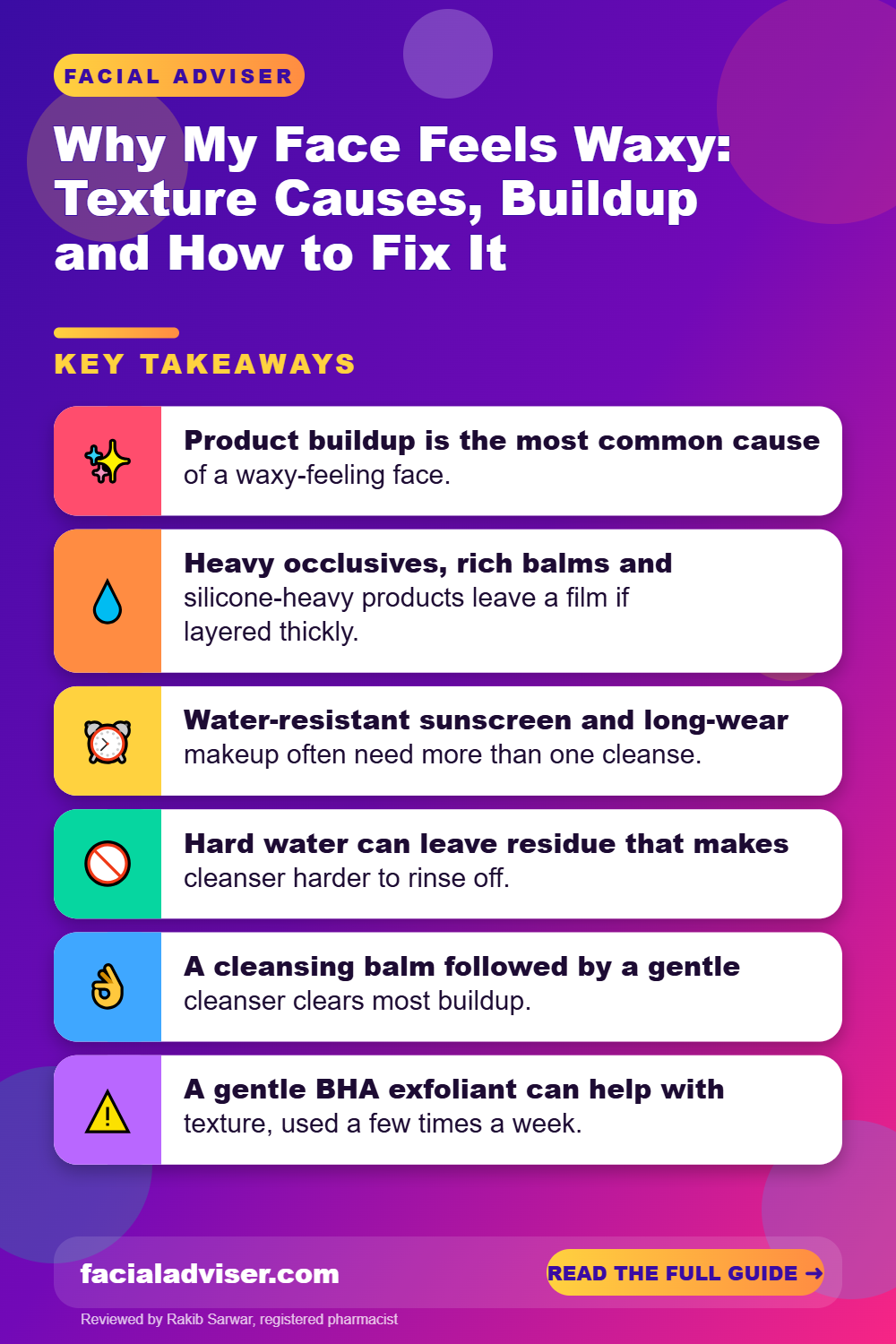
- Product buildup is the most common cause of a waxy-feeling face.
- Heavy occlusives, rich balms and silicone-heavy products leave a film if layered thickly.
- Water-resistant sunscreen and long-wear makeup often need more than one cleanse.
- Hard water can leave residue that makes cleanser harder to rinse off.
- A cleansing balm followed by a gentle cleanser clears most buildup.
- A gentle BHA exfoliant can help with texture, used a few times a week.
- Waxy yellow bumps or greasy flaking may be a skin condition worth checking.
What This Covers
- What a Waxy Face Feels Like and Why It Happens
- The Main Causes of a Waxy Skin Texture
- Product Buildup and Too Many Layers
- Heavy Occlusives and Rich Creams
- Silicones in Primers, Sunscreens and Moisturisers
- Incomplete Cleansing
- Hard Water and Cleanser Residue
- Oily Skin and Sebaceous Changes
- How to Get Rid of a Waxy Film on Your Face
- Exfoliation: Helpful but Easy to Overdo
- Honest Limits
- When to See a Dermatologist
- Questions People Ask
- Where This Leaves You
What a Waxy Face Feels Like and Why It Happens
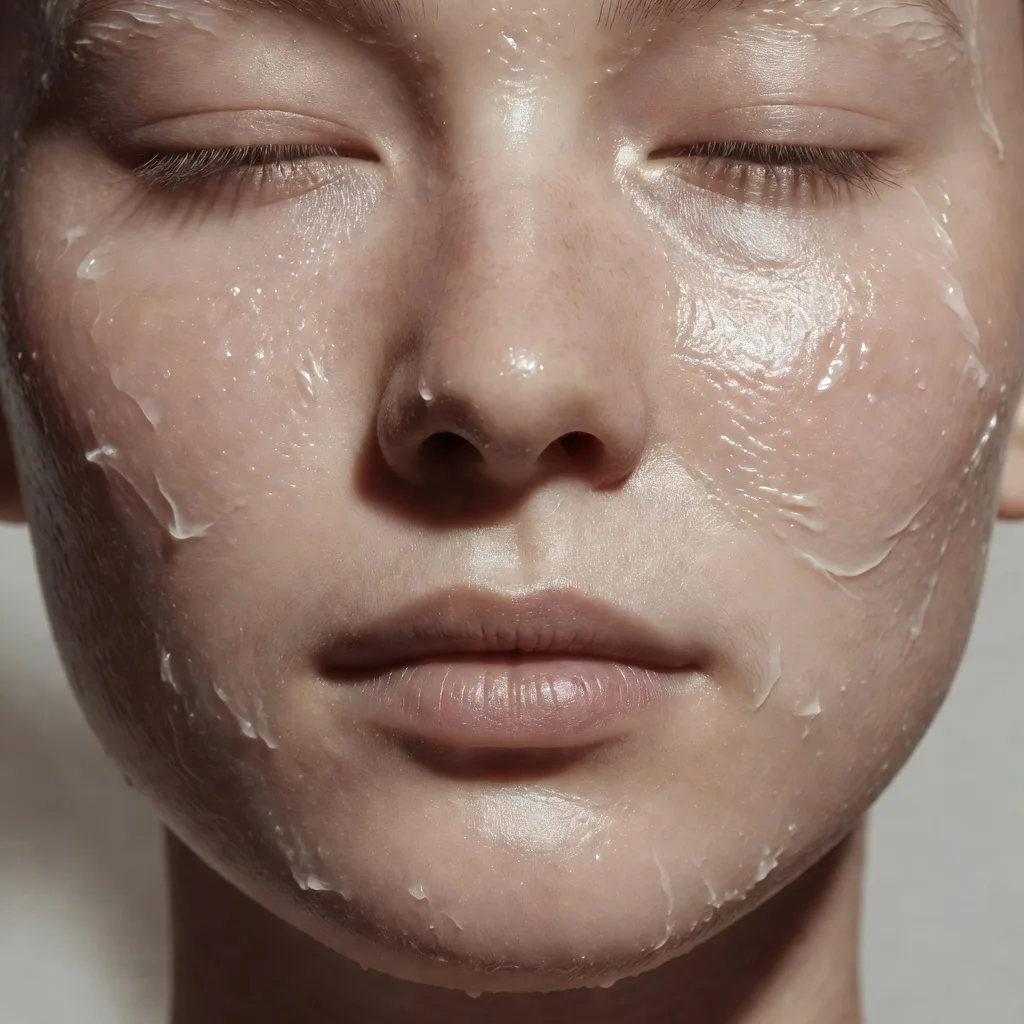
People describe a waxy face in different ways: a coated or filmy feeling, a slightly tacky surface, shine that sits on top rather than looking like a glow, or rough texture that feels different from normal dryness. Water may bead on the skin instead of spreading, and moisturiser may seem to slide around rather than absorb.
The common thread is that something is sitting on top of the skin. That something can be leftover products, a mix of oil and dead skin cells, minerals from water or a combination of all three. Less often, the feeling comes from changes in the oil glands or a skin condition.
The Main Causes of a Waxy Skin Texture
Use this overview to narrow down the likely cause before changing your routine.
| Cause | Typical clue | What helps |
|---|---|---|
| Product buildup | Film that feels worse at the end of the day or after layering | Thorough evening cleansing |
| Heavy occlusives | Coated feeling after rich creams, balms or ointments | Lighter moisturiser, thinner layers |
| Silicones | Slippery, filmy feel after primer, sunscreen or moisturiser | Balm or oil cleanse, then gentle cleanser |
| Incomplete cleansing | Residue on a cotton pad after washing | Double cleanse on makeup or sunscreen days |
| Hard water | Squeaky or tight feel with a dull film | Rinse well, consider a final micellar or filtered rinse |
| Oily or changing sebum | Greasy, thick feel even without products | Gentle foaming cleanser, BHA, dermatologist if new |
Many people have two or three causes at once, such as a rich night cream plus a silicone primer and a cleanser that does not quite remove water-resistant sunscreen.
Product Buildup and Too Many Layers
Each product you apply leaves some residue behind. Serums, essences, moisturisers, sunscreen, primer and foundation can all add up to a film if they are layered thickly or if there is not enough time between steps. That film holds on to dead skin cells and oil, which makes the surface feel waxy and rough.
- Use a pea-sized amount of moisturiser rather than a thick layer.
- Cut back to the products you actually need; more layers rarely mean better results.
- Let each layer absorb before applying the next.
- Avoid re-applying moisturiser or balm several times a day unless your skin is very dry.
Our guide on why moisturiser feels sticky explains how too many humectant and occlusive layers can leave a tacky finish.
Heavy Occlusives and Rich Creams
Occlusives such as petrolatum, mineral oil, lanolin, beeswax and shea butter form a protective seal that slows water loss. They are excellent for very dry or damaged skin, but on normal or oily skin they can leave a noticeably waxy layer, especially if used in the morning or under makeup.
If your face feels coated, keep rich creams and balms for the evening or for very dry patches only, and use a lightweight gel moisturiser during the day. Skin that is not very dry rarely needs a heavy occlusive all over.
| Ingredient type | Examples on labels | Feel on skin |
|---|---|---|
| Heavy occlusives | Petrolatum, mineral oil, lanolin, beeswax | Protective, can feel coated |
| Rich butters and waxes | Shea butter, cocoa butter, candelilla wax | Soft but heavy, can feel waxy |
| Silicones | Dimethicone, cyclopentasiloxane | Silky, slippery film |
| Lighter emollients | Squalane, caprylic/capric triglyceride | Softening, usually less filmy |
| Humectants | Glycerin, hyaluronic acid | Hydrating, can feel tacky if overused |
A waxy feel is not the same as clogged pores. Occlusive ingredients sit on the surface and do not automatically cause breakouts, but they can trap residue and make the skin feel heavy if not cleansed off properly.
Silicones in Primers, Sunscreens and Moisturisers
Silicones such as dimethicone and cyclopentasiloxane give products a smooth, silky slip. They are widely used in primers, sunscreens, foundations and moisturisers, and they are generally considered safe for skin. The downside is that heavier silicone films can be water-resistant, so a quick wash with a mild cleanser may not remove them fully.
If your face feels slippery or filmy even after washing, start with a cleansing balm or oil to dissolve the silicone layer, then follow with a gentle cleanser. Our guide on silicone versus water-based cosmetics explains how each type behaves on the skin.
Incomplete Cleansing
Water-resistant sunscreen, long-wear foundation and waterproof mascara are designed to resist water and sweat, which also means they resist a single, quick cleanse. What is left behind builds up over days and leaves a waxy film.
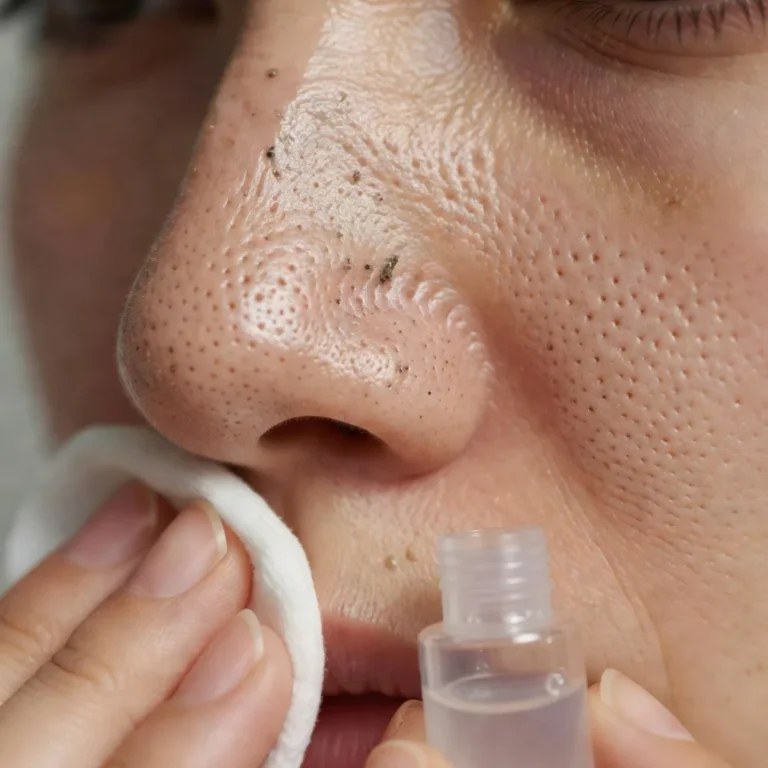
A simple test is to wipe a damp cotton pad over your face after cleansing. If it picks up colour or a greasy residue, your cleanse is not removing everything. On makeup or sunscreen days, a double cleanse, first with a balm or oil and then with a gentle cleanser, usually solves the problem. Our guide on when double cleansing is necessary explains who needs it.
Massage a cleansing balm over dry skin for about a minute before adding water. That gives it time to dissolve sunscreen and makeup, and it rinses away more cleanly when it turns milky.
Hard Water and Cleanser Residue
Hard water contains higher levels of minerals such as calcium and magnesium. These can react with some cleansers and soaps to form a residue, which may make skin feel dull, tight and slightly coated at the same time. The effect varies a lot between people and products, and research on hard water and facial skin is limited, so it is best seen as a possible contributor rather than a main cause.
- Rinse thoroughly with plenty of lukewarm water.
- Choose a gentle, syndet-style cleanser rather than a traditional bar soap.
- Consider a fragrance-free micellar water as a final wipe if residue persists.
- A shower filter may help some people, although results vary.
Oily Skin and Sebaceous Changes
Sebum itself is a waxy, oily substance, so very oily skin can feel thick or waxy even without products. Oil production changes with hormones, age, climate and stress, and a mix of oil and dead skin cells can make the surface feel rough and coated.
Some changes in the oil glands are worth recognising. Sebaceous hyperplasia causes small, soft, yellowish bumps, often on the forehead and cheeks in adulthood. Seborrhoeic dermatitis causes greasy, yellowish flaking around the nose, eyebrows and hairline. Neither is caused by buildup, and neither clears with cleansing alone, so they are best checked by a dermatologist.
How to Get Rid of a Waxy Film on Your Face
This routine clears buildup without stripping the skin. Give it two to three weeks before judging results.
Balm cleanse in the evening
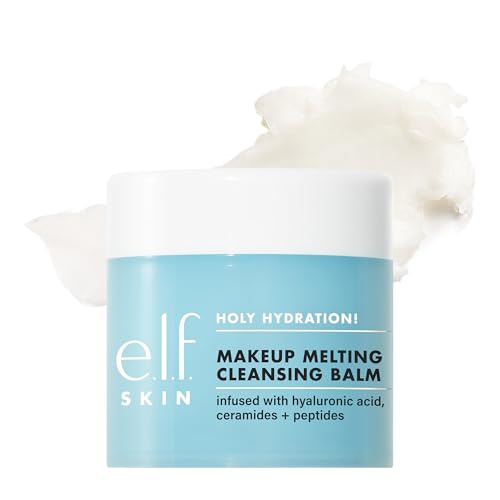
Massage a cleansing balm over dry skin for about a minute, add water to emulsify and rinse.
Follow with a gentle cleanser
Use a gentle foaming or gel cleanser and lukewarm water to remove any remaining residue.
Check your cleanse
Wipe a damp cotton pad over your face; if it picks up residue, cleanse again gently.
Exfoliate gently
Two or three evenings a week, apply a BHA exfoliant after cleansing if your skin tolerates it.
Moisturise lightly
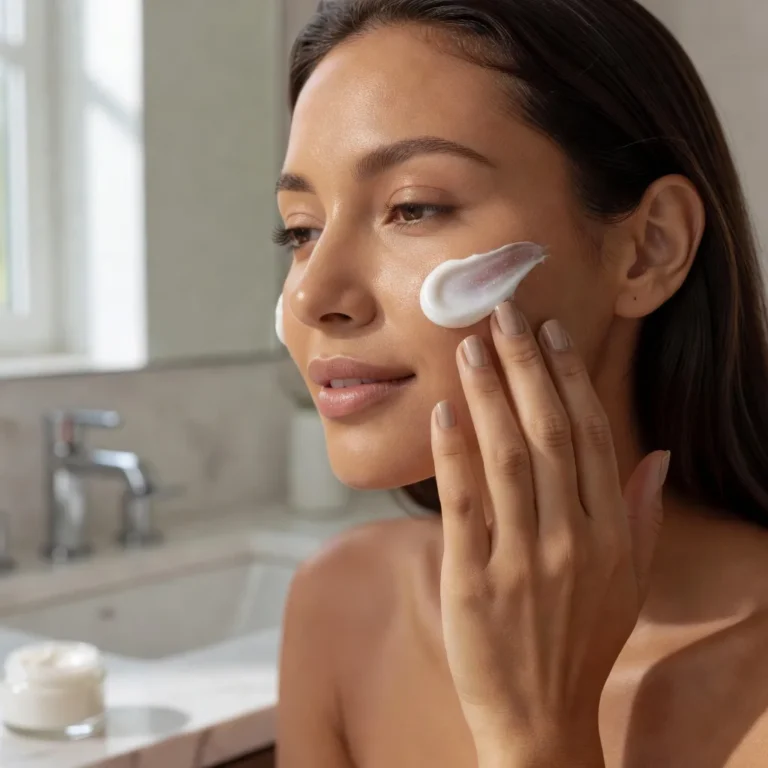
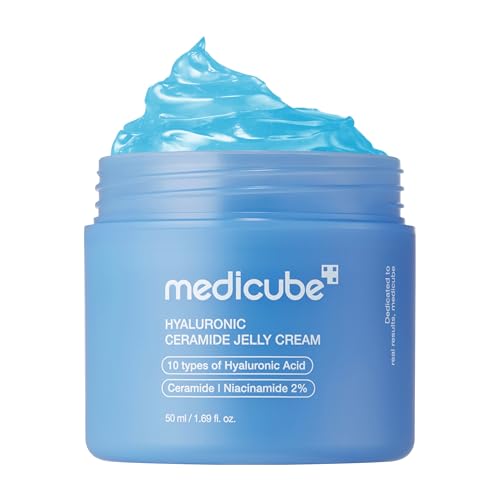
Use a pea-sized amount of lightweight gel moisturiser instead of a rich cream.
Simplify mornings
Rinse or cleanse lightly, then apply a light moisturiser and sunscreen, skipping extra layers.
Keep heavy products targeted
Use balms or ointments only on truly dry patches.
Exfoliation: Helpful but Easy to Overdo
Salicylic acid, a beta hydroxy acid, is oil-soluble, so it can help loosen oil and dead skin in and around pores, which may improve a rough, waxy texture. The American Academy of Dermatology advises choosing an exfoliation method that suits your skin type and being gentle, because over-exfoliating causes redness and irritation.
Helps
- Start a BHA two or three times a week
- Apply it to clean, dry skin
- Follow with a light moisturiser
- Wear broad-spectrum sunscreen daily
- Stop if you notice stinging or flaking
Backfires
- Do not scrub hard to remove the film
- Do not combine several acids and retinoids at once
- Do not exfoliate daily at the start
- Do not use harsh cleansers to feel squeaky clean
- Do not skip moisturiser, even on oily skin
Over-exfoliated skin can also look shiny and feel waxy or tight. If your face feels coated and stings, the cause may be a damaged barrier rather than buildup, so stop exfoliating and simplify your routine instead of adding more.
Honest Limits
A better cleansing routine and lighter products clear most waxy buildup, but they cannot change how much oil your skin naturally produces or remove sebaceous hyperplasia bumps. Exfoliants improve texture gradually rather than overnight. Hard water filters and special rinses help some people and do nothing noticeable for others. Nothing in a skincare routine treats seborrhoeic dermatitis or other conditions that need medical treatment, and very aggressive cleansing tends to irritate the skin without making it feel any less waxy.
When to See a Dermatologist
See a dermatologist if you notice yellowish, waxy bumps that do not go away, greasy flaking around the nose, eyebrows or hairline, patches that itch or change, or a waxy texture that appears suddenly without any change in products. The American Academy of Dermatology also recommends seeing a dermatologist when breakouts do not improve with gentle care.
This article is for general information and does not replace professional medical advice. Patch test new products, introduce exfoliants slowly, stop using anything that irritates your skin and see a board-certified dermatologist for new, persistent or changing skin concerns.
Questions People Ask
Why does my face feel waxy after washing?
Usually because the cleanse did not fully remove sunscreen, makeup or silicones, or because of hard water residue.
Can moisturiser make my face feel waxy?
Yes. Rich creams and heavy occlusives can leave a film, especially on normal or oily skin.
Do silicones cause a waxy feel?
Heavier silicone films can feel slippery or coated if they are not fully cleansed off.
Does double cleansing help a waxy face?
Yes. A balm or oil followed by a gentle cleanser removes most buildup.
Can hard water make skin feel waxy?
It may leave a residue with some cleansers, but its effect varies between people.
Is BHA good for waxy texture?
A gentle BHA used a few times a week can help loosen oil and dead skin.
Is a waxy face a sign of oily skin?
It can be. Sebum is waxy, so very oily skin can feel coated even without products.
What are waxy yellow bumps on my face?
They may be sebaceous hyperplasia or other conditions. A dermatologist can check them.
Should I use a scrub to remove the waxy film?
No. Thorough cleansing works better and scrubbing can irritate the skin.
How long does it take to clear product buildup?
Most people notice a difference within a week or two of better cleansing.
Where This Leaves You
A waxy-feeling face is usually a sign that products are building up on the skin, often from heavy occlusives, silicones, water-resistant sunscreen or cleansing that stops short. A balm cleanse followed by a gentle cleanser, lighter gel moisturisers and occasional BHA exfoliation clear the problem for most people.
If the texture comes with yellowish bumps, greasy flaking or itching, or appears without any change in your products, see a dermatologist to rule out a skin condition.

Written by
Registered pharmacist and founder of Facial Adviser. Rakib's pharmacy training covers how skincare actives work and interact; a later course in cosmetology turned that into a focus on facial treatments and skincare products. He plans, researches and edits every guide on the site and checks health claims against sources such as the American Academy of Dermatology, the FDA and the NIH. He is not a dermatologist; see the Editorial Policy and Medical Disclaimer.
About · Editorial policy · How we choose products · Medical disclaimer · Contact
Keep reading: Moisturisers and face oils
- 10 Best Facial Moisturizers for Dry Skin (2026): Rich, Gentle Creams
- Why My Face Burns When Applying Moisturizer: Causes and How to Fix It
- What Is Slugging in Skincare? Who It Helps and Who Should Skip It
- Why Your Skin Feels Greasy After Skincare and How to Fix It
- How to Repair Your Skin Barrier Fast: A Realistic Plan
- Do You Need Moisturiser After a Hydrating Serum?
- 10 Best Facial Serums for Aging Skin (2026): Picks by Concern
- 10 Best Face Masks for Every Skin Type (2026): Clay, Gel and Sheet