Does Shea Butter Remove Dark Spots? Real Answer
Does shea butter remove dark spots? The honest answer is no, at least not based on any published clinical trial, and that absence of evidence is the central, most important finding in this guide.
Part of our guide to skincare products. Start with: 10 Best Facial Moisturizers for Dry Skin (2026): Rich, Gentle Creams
Shea butter is a genuinely well-documented emollient and barrier-support ingredient, but pigmentation fading requires inhibiting the tyrosinase enzyme, a mechanism its fatty acids and triterpenes simply don’t have. That doesn’t make shea a bad ingredient, it just means it’s being asked to do something its chemistry doesn’t support.
Real tyrosinase inhibitors like azelaic acid, vitamin C, and retinoids have genuine clinical trial evidence behind them for actually fading existing pigmentation, evidence shea butter doesn’t have.
This guide separates shea’s real, legitimate benefits from the dark-spot claim that doesn’t hold up, and points you toward what the research actually supports instead.
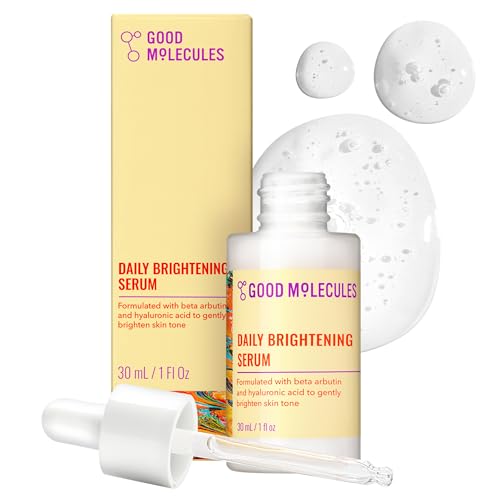
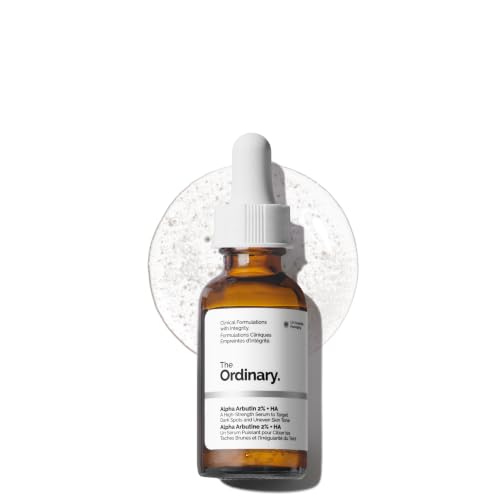
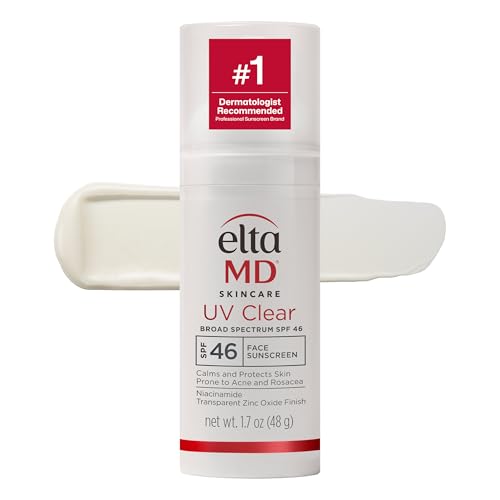
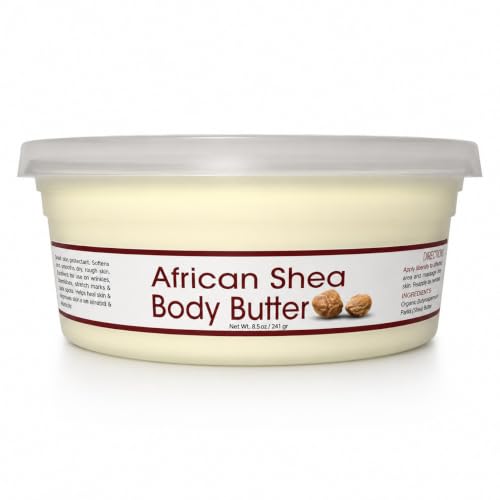
Recommended Shea Butter and Dark Spot Products


Key Takeaways
- No published clinical trial has tested shea butter specifically for fading existing dark spots, that absence of evidence is the central finding here.
- Shea butter’s real, well-documented strength is as an emollient and barrier-support ingredient, genuinely useful, just not for pigmentation.
- Pigmentation fading works through inhibiting the tyrosinase enzyme, and shea’s fatty acids and triterpenes aren’t among the compounds shown to do that.
- Shea’s antioxidant and anti-inflammatory activity may help prevent new post-inflammatory dark spots from forming, a different claim than fading ones that already exist.
- Hydroquinone, azelaic acid, and retinoids all have real randomized-trial evidence for pigmentation that shea butter simply doesn’t have.
- Shea remains a legitimately good moisturizer and barrier ingredient, worth using for that reason, just not as a dark-spot treatment.
Table of Contents
- Does Shea Butter Remove Dark Spots?
- What’s Actually in Shea Butter
- How Pigmentation Fading Actually Works
- The Honest Mechanism Shea Butter Does Have
- A Note on Regulatory Status
- Comparing Shea Butter to Real Pigmentation Treatments
- Checking Your Own Dark Spot Type
- Do This, Not That
- How to Actually Approach Dark Spots
- When to See a Dermatologist
- Frequently Asked Questions
- The Bottom Line
Does Shea Butter Remove Dark Spots?
No published clinical trial has tested shea butter specifically for fading existing dark spots or hyperpigmentation, and that absence of evidence, not a mixed or weak result, is the honest answer to this question. Shea butter is a genuinely good emollient and skin-barrier ingredient, and that real value sometimes gets stretched into pigmentation claims the composition data simply doesn’t support.
Shopping these picks?
Amazon Prime members get fast, free shipping on eligible items, plus Prime Video, Amazon Music and member deals. New members can start with a free trial.
Start a free Prime trialAged 18 to 24? Prime for Young Adults comes with a longer free trial and a lower price after it.
Affiliate link: we may earn a commission at no extra cost to you.
This is worth being precise about, because “no evidence” and “weak evidence” get treated as interchangeable in a lot of skincare content, when they’re actually different claims. This guide walks through what’s really in shea butter, what pigmentation-fading actually requires mechanistically, and where shea genuinely helps versus where it’s being asked to do something its chemistry doesn’t support.
What’s Actually in Shea Butter
A Cosmetic Ingredient Review safety assessment breaks down shea butter’s real composition: stearic acid (25.6 to 50.2 percent), oleic acid (37.1 to 62.1 percent), linoleic acid (0.6 to 10.8 percent), palmitic acid (2.6 to 9 percent), and myristic acid (around 0.5 percent), plus an unsaponifiable fraction of 2 to 12 percent containing triterpene alcohols like alpha- and beta-amyrin, lupeol, and butyrospermol, along with tocopherols at roughly 208 micrograms per gram.
The same CIR assessment notes shea’s unsaponifiable fraction has documented potential anti-inflammatory, antioxidant, and anti-tumor effects in laboratory research. What it explicitly does not provide is any data on whitening or pigmentation specifically, because that question simply isn’t in scope of the safety literature that’s been published on this ingredient.
How Pigmentation Fading Actually Works
Melanin production is driven primarily by an enzyme called tyrosinase. Ingredients that genuinely fade existing hyperpigmentation generally work by inhibiting that enzyme, slowing new melanin production so existing pigment gradually fades as skin naturally turns over. Reviews of tyrosinase inhibitors catalog compounds like kojic acid, arbutin, azelaic acid, and specific plant phenolics as evidenced inhibitors, backed by both lab and, for several of them, human clinical data.
Shea butter’s fatty acids and triterpene alcohols are not among the compounds shown to inhibit tyrosinase in this research. That’s not a matter of insufficient marketing or an under-studied ingredient, it’s that the specific mechanism required for pigmentation fading isn’t the mechanism shea’s chemistry actually has.
The Honest Mechanism Shea Butter Does Have
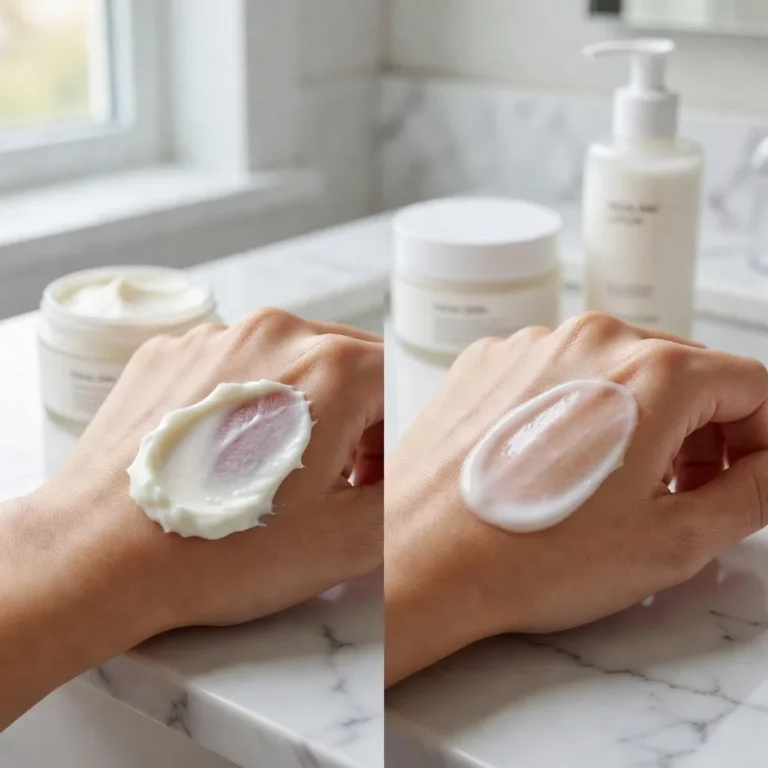
Note: Shea butter is a genuinely rich emollient and occlusive, meaning it supports your skin barrier and reduces transepidermal water loss, real, well-documented benefits worth using shea butter for on their own terms.
Its antioxidant and anti-inflammatory activity may modestly calm existing inflammation, and that could plausibly help prevent new post-inflammatory hyperpigmentation from forming after a blemish or irritation heals. That’s a categorically different claim from actively fading pigment that’s already there, and it’s worth keeping those two ideas separate rather than letting “helps with skin tone” quietly cover both.
A Note on Regulatory Status
It’s worth knowing that hydroquinone, despite being the historical gold standard, is restricted or prescription-only in a number of countries, including parts of the European Union, due to concerns about ochronosis, a rare paradoxical darkening, with long-term unsupervised use. That regulatory caution isn’t a reason to dismiss hydroquinone’s real efficacy, but it does mean azelaic acid, retinoids, and vitamin C often function as the practical first-line options many people reach for, precisely because they carry a gentler safety profile for unsupervised, longer-term use.
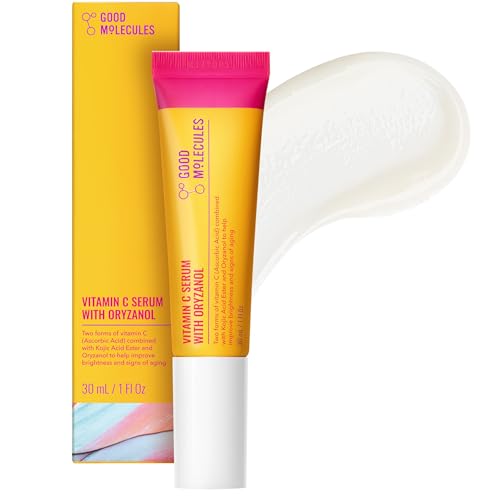
Vitamin C in particular has its own real-world caveat worth naming: the most-studied form, L-ascorbic acid, is notoriously unstable, oxidizing with exposure to light and air, which is why formulation quality varies so widely between products claiming to contain it. A vitamin C serum that’s turned yellow or brown in the bottle has likely oxidized and lost much of its activity, a genuinely useful thing to check before assuming any specific bottle is still delivering what its label promises.
Comparing Shea Butter to Real Pigmentation Treatments
| Ingredient | Evidence for fading existing dark spots |
|---|---|
| Hydroquinone 2-4% | Strong, historical gold standard, often prescription-restricted |
| Azelaic acid 10-20% | Strong, especially for melasma and post-inflammatory pigmentation |
| Retinoids | Strong, works via cell turnover and collagen signaling |
| Vitamin C | Moderate to strong, more preventive than actively fading |
| Kojic acid | Moderate, can be irritating at higher concentrations |
| Niacinamide | Moderate, reduces melanosome transfer to skin cells |
| Shea butter | No clinical trial identified testing it for pigmentation fading |
| Claim | What the evidence actually shows |
|---|---|
| “Shea butter removes dark spots” | Not supported, no clinical trial tests this specific outcome |
| “Shea butter moisturizes and supports the skin barrier” | Well-supported by composition and safety data |
| “Shea butter may help prevent new post-inflammatory spots” | Plausible via anti-inflammatory activity, not proven for fading existing spots |
Checking Your Own Dark Spot Type
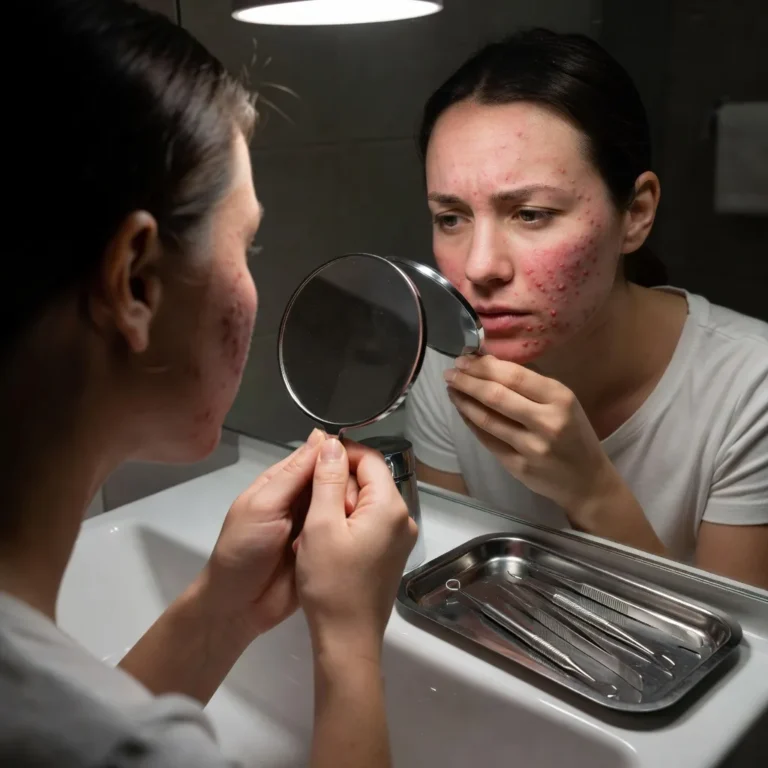
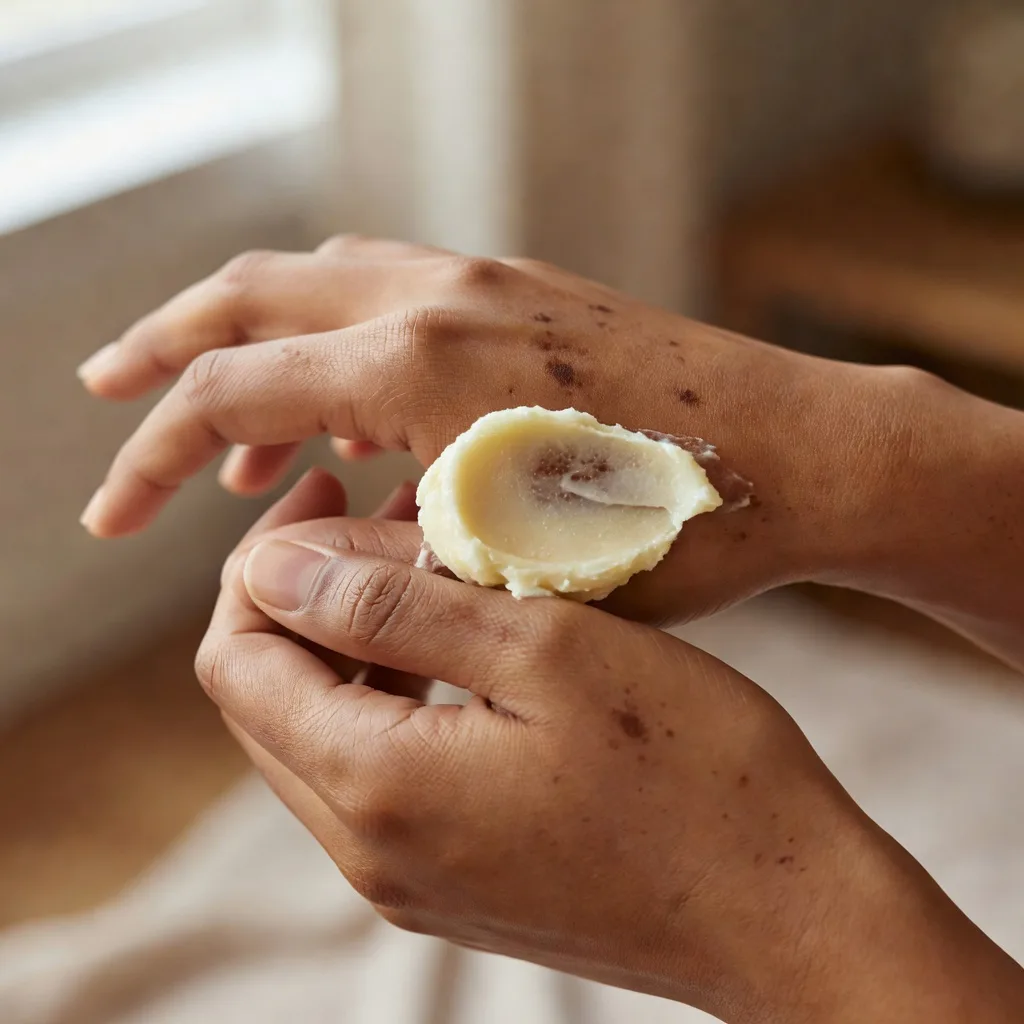
A genuinely useful self-check before treating any dark spot is identifying what kind it actually is, since that determines what’s likely to help. Post-inflammatory hyperpigmentation follows an acne lesion, cut, or irritation and typically fades on its own over months. Melasma tends to appear as symmetrical patches, often on the cheeks or forehead, and often worsens with sun exposure or hormonal changes. Sun-induced age spots (solar lentigines) tend to appear on the most sun-exposed areas, like the backs of hands and upper cheeks, and don’t fade the way post-inflammatory marks do.
None of this is a substitute for a dermatologist’s diagnosis, but knowing which category your spot most resembles helps you have a more useful conversation about what’s actually likely to work, since melasma, sun-induced spots, and post-inflammatory marks don’t all respond the same way to the same ingredients.
Do This, Not That
Do
- Use shea butter as a moisturizer and barrier-support ingredient, it’s genuinely good at that
- Look for tyrosinase-inhibiting ingredients like azelaic acid or vitamin C if fading is your actual goal
- Identify whether your dark spot is post-inflammatory, melasma, or sun-induced before choosing a treatment
- Combine a barrier ingredient like shea with an evidenced active rather than treating them as competitors
- Use daily sunscreen, since sun exposure worsens nearly every type of dark spot
Don’t
- Expect shea butter alone to fade existing hyperpigmentation
- Assume a rich, moisturizing texture means an ingredient treats pigmentation
- Skip sunscreen because you’re using a “natural” ingredient instead
- Treat melasma the same way you’d treat a fading acne mark
- Confuse anti-inflammatory activity with active pigment-fading activity
How to Actually Approach Dark Spots
Identify your dark spot type
Note whether it followed a blemish, appears as symmetrical patches, or shows up on sun-exposed areas.
Choose an evidenced active
Azelaic acid, vitamin C, retinoids, kojic acid, or niacinamide have real evidence for fading, unlike shea butter alone.
Tip: Introduce one new active at a time so you can tell what’s actually working and what’s causing any irritation.
Layer shea butter for barrier support
Use it as a moisturizer alongside your active ingredient rather than as the treatment itself.
Apply sunscreen every morning
Nearly every category of dark spot worsens with unprotected sun exposure.
Give it real time
Pigmentation fading with evidenced actives typically takes 8 to 12 weeks of consistent use before meaningful change is visible.
When to See a Dermatologist
Warning: A dark spot that’s changing shape, growing, developing irregular borders, or bleeding is not a cosmetic pigmentation question and needs prompt medical evaluation, not a skincare routine.
See a dermatologist if a dark spot is new, changing, asymmetric, or doesn’t match the typical pattern of post-inflammatory marks, melasma, or sun spots. A dermatologist can also confirm which pigmentation type you actually have and recommend a properly evidenced treatment, whether that’s a formulated azelaic acid product like the one covered in our azelaic acid facial guide, or a professional option such as the treatment described in our Vitalize Peel guide.
Frequently Asked Questions
Does shea butter remove dark spots?
No published clinical trial has tested it for that specific outcome, so this claim isn’t currently supported by evidence.
What does shea butter actually do for skin?
It’s a genuinely rich emollient and barrier-support ingredient, well-documented for moisturizing and reducing water loss.
Why doesn’t shea butter fade pigmentation?
Fading requires inhibiting the tyrosinase enzyme, and shea’s fatty acids and triterpenes aren’t among the compounds shown to do that.
Can shea butter help prevent new dark spots?
Its anti-inflammatory activity may plausibly help prevent new post-inflammatory marks from forming, a different claim than fading existing ones.
What ingredients actually fade dark spots?
Hydroquinone, azelaic acid, retinoids, vitamin C, kojic acid, and niacinamide all have real evidence for fading pigmentation.
Can I use shea butter with an evidenced active ingredient?
Yes, using shea for barrier support alongside an active like azelaic acid or vitamin C is a reasonable combination.
Is shea butter safe to use on the face?
Yes, it’s a well-studied, CIR-reviewed emollient ingredient generally considered safe for topical facial use.
How long does it take to fade a dark spot with real actives?
Typically 8 to 12 weeks of consistent use before meaningful fading becomes visible.
Is melasma treated the same way as a post-acne dark spot?
No, they respond differently, and identifying the type is worth doing before choosing a treatment.
When should I see a dermatologist about a dark spot?
If it’s new, changing shape, growing, or has irregular borders, since that needs medical evaluation, not a skincare routine.
The Bottom Line
Shea butter doesn’t remove dark spots, and the honest reason is simple: no published clinical trial has tested it for that outcome, and its actual chemistry doesn’t include the tyrosinase-inhibiting activity that pigmentation fading requires. That doesn’t make shea a bad ingredient, it’s a genuinely well-documented emollient and barrier-support component worth keeping in your routine for exactly that reason.
If fading existing dark spots is your actual goal, azelaic acid, vitamin C, retinoids, kojic acid, and niacinamide all have real evidence behind them. Identify your dark spot type first, pair an evidenced active with consistent sunscreen, and let shea butter do the job it’s actually good at, keeping skin comfortable and well-moisturized while the real active ingredient does the work of fading pigment.

Written by
Registered pharmacist and founder of Facial Adviser. Rakib's pharmacy training covers how skincare actives work and interact; a later course in cosmetology turned that into a focus on facial treatments and skincare products. He plans, researches and edits every guide on the site and checks health claims against sources such as the American Academy of Dermatology, the FDA and the NIH. He is not a dermatologist; see the Editorial Policy and Medical Disclaimer.
About · Editorial policy · How we choose products · Medical disclaimer · Contact
Keep reading: Moisturisers and face oils
- 10 Best Facial Moisturizers for Dry Skin (2026): Rich, Gentle Creams
- Can You Use Rosehip Oil With Retinol?
- Does Vitamin C Facial Cream Work?
- Facial Oil vs Essential Oil: Why One Moisturizes and the Other Can Irritate
- Facial Oil vs Serum: Which Does Your Skin Need, and Which Goes First?
- Facial Moisturizer vs Body Lotion: Can You Use Lotion on Your Face?
- 10 Best Facial Serums for Aging Skin (2026): Picks by Concern
- 10 Best Face Masks for Every Skin Type (2026): Clay, Gel and Sheet