Vitalize Peel Treatment: What’s Really In It
A Vitalize Peel treatment gets recommended by spas and dermatology offices alike, but what’s actually in the branded formula, and who’s supposed to be applying it, is worth understanding before you book.
Part of our guide to facial treatments. Start with: Facial vs Chemical Peel: Differences, Results and Which to Choose
The Vitalize Peel, made by SkinMedica, is a three-step combination peel whose acid solution typically contains salicylic acid, lactic acid, and resorcinol, followed by a post-peel retinoic acid solution. Multiple ingredient sources confirm the standard version does not contain TCA, a detail worth confirming with your specific provider.
Like all chemical peels, it isn’t FDA-approved as a drug or cleared as a device, the FDA explicitly recommends professional supervision for any peel, and by depth, Vitalize is classified as a light-to-medium superficial peel.
This guide covers the real ingredients, realistic downtime and results timeline, who’s legally allowed to perform it, and the pre-treatment screening a provider should run through with you.
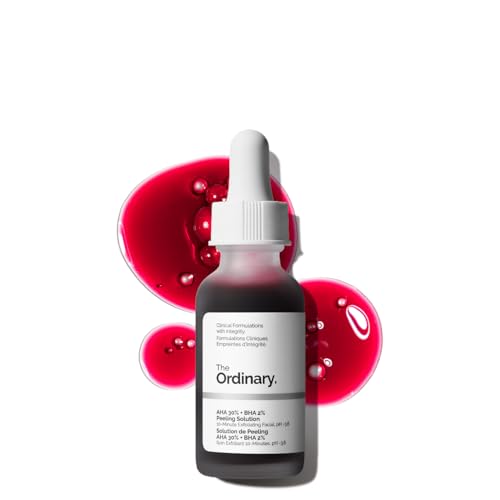
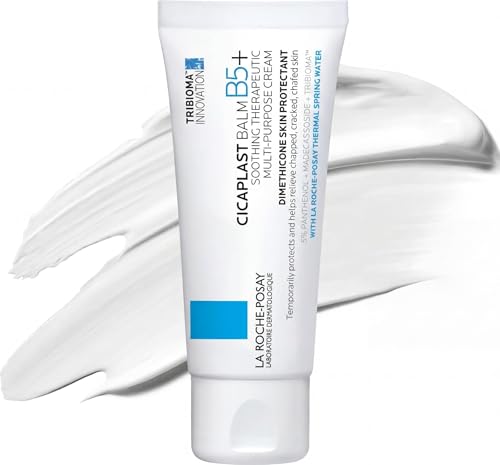
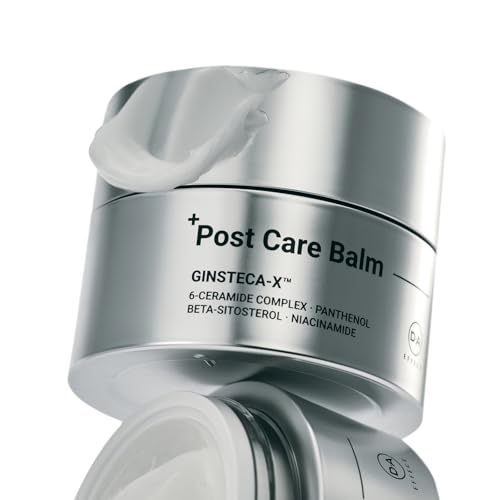
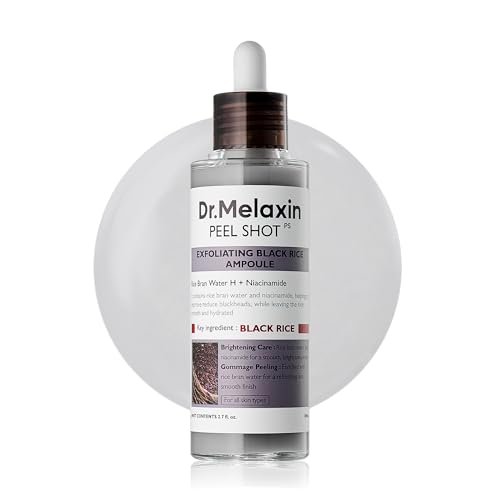
Recommended At-Home Peels and Post-Peel Care

Key Takeaways
- The Vitalize Peel is a branded three-step combination peel whose acid solution typically contains salicylic acid, lactic acid, and resorcinol, followed by a post-peel retinoic acid or retinol solution.
- Most ingredient sources confirm the standard Vitalize Peel does not contain TCA, that’s a separate variant some clinics offer as an add-on, worth confirming with your specific provider.
- Chemical peels, including branded ones, are not FDA-approved drugs or cleared devices, the FDA explicitly advises they only be used under professional supervision.
- By depth, Vitalize is classified as a light-to-medium superficial peel, which in many states can legally be performed by a licensed esthetician, not only a physician.
- Downtime is typically mild to moderate peeling and flaking over 2 to 3 days, described as little to no downtime compared to medium or deep peels.
- Manufacturer and provider materials consistently note that meaningful results require a series of 3 to 6 treatments spaced about 3 to 4 weeks apart, not a single session.
- Standard peel-candidacy screening, active cold sores, recent isotretinoin use, active dermatitis, and pregnancy, are real contraindications a provider checks before treatment.
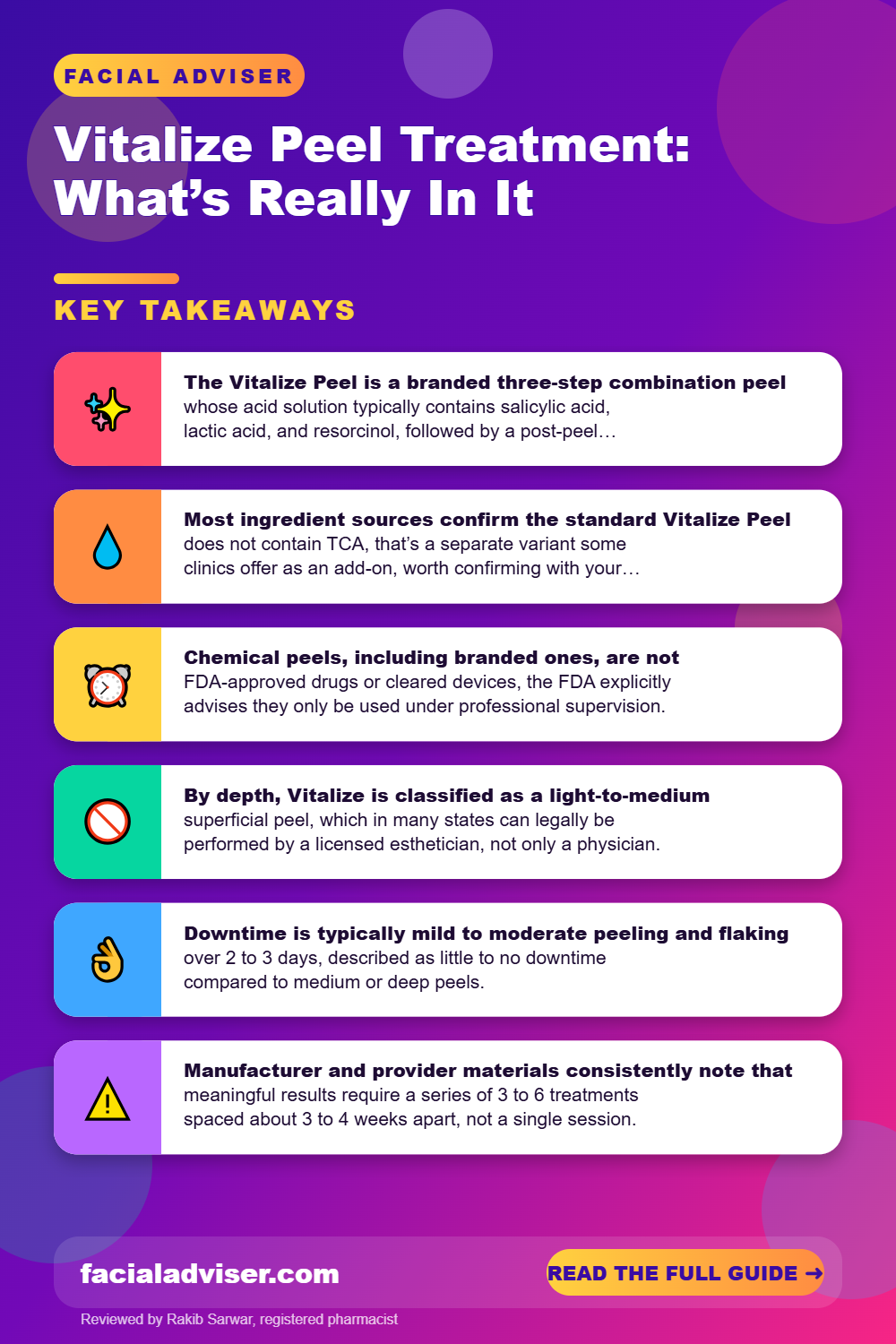
Table of Contents
- What’s Actually in a Vitalize Peel
- Regulatory Status and Who Can Perform It
- A Practical Pre-Treatment Checklist
- Vitalize Peel vs. Other Peel Depths
- Do This, Not That
- What a Vitalize Peel Session Involves
- Realistic Downtime and Results Timeline
- When to See a Specialist
- Frequently Asked Questions
- The Bottom Line
What’s Actually in a Vitalize Peel
The Vitalize Peel, made by SkinMedica, is a three-step combination peel. A prep and cleansing solution comes first, followed by the peel solution itself, typically salicylic acid, lactic acid, and resorcinol, each generally under about 10% concentration, along with panthenol as an anti-irritant and saponins as penetration enhancers. A post-peel retinoic acid or retinol solution, around 0.3%, is applied afterward.
Shopping these picks?
Amazon Prime members get fast, free shipping on eligible items, plus Prime Video, Amazon Music and member deals. New members can start with a free trial.
Start a free Prime trialAged 18 to 24? Prime for Young Adults comes with a longer free trial and a lower price after it.
Affiliate link: we may earn a commission at no extra cost to you.
Note: Multiple independent ingredient sources confirm the standard Vitalize Peel does not contain TCA (trichloroacetic acid). Some clinics offer a separate “Vitalize Peel with TCA” variant or add-on, so it’s worth confirming exactly which version your provider is offering rather than assuming.
Regulatory Status and Who Can Perform It
Chemical peels, branded or not, are not FDA-approved drugs or FDA-cleared devices. The FDA has explicitly warned that it has not approved any chemical peel products, and that peels should only be used under the supervision of a dermatologist or a licensed, trained practitioner, citing risks including severe chemical burns, infection, skin color changes, and disfiguring scars from unsupervised use.
By depth and concentration, Vitalize is generally classified as a light-to-medium superficial peel. Superficial peels within state-permitted concentrations can legally be performed by licensed estheticians in many states, though exact concentration and pH limits vary considerably by state board. Medium and deep peels remain restricted to physicians, dermatologists, or their supervised staff.
A Practical Pre-Treatment Checklist
There’s no self-test that determines whether you’re a good Vitalize Peel candidate, this genuinely needs a provider’s screening. But you can reasonably check these real contraindications before booking:
- Active cold sores or a history of herpes simplex outbreaks near the treatment area.
- Retinoid or isotretinoin use within the past 6 to 12 months.
- Active dermatitis, eczema, or other unhealed skin conditions in the treatment area.
- Pregnancy, or recent significant sun exposure or sunburn.
Flagging any of these to your provider upfront helps them decide whether to proceed, adjust the treatment, or wait.
Vitalize Peel vs. Other Peel Depths
| Vitalize Peel | Medium peel (e.g. TCA) | Deep peel (phenol) | |
|---|---|---|---|
| Depth reached | Superficial (light-medium) | Papillary dermis | Mid-reticular dermis |
| Downtime | 2-3 days mild peeling | 10-14 days | 14+ days, weeks of erythema |
| Who can perform it | Licensed esthetician (many states) or physician | Physician-supervised | Dermatologist/plastic surgeon only |
| Sessions typically needed | 3-6 for significant results | 1-3 | Usually 1 |
Do This, Not That
Do
- Confirm exactly which Vitalize Peel variant (standard or with TCA) your provider is using
- Disclose recent retinoid, isotretinoin, or cold sore history before treatment
- Plan for a series of 3-6 treatments if you want significant, lasting results
- Use daily broad-spectrum sunscreen during and after your treatment series
- Confirm your provider’s license and scope for the specific peel depth being offered
Don’t
- Expect dramatic, one-session transformation from a superficial combination peel
- Book a peel while pregnant or with active dermatitis in the treatment area
- Assume any “Vitalize Peel” automatically contains TCA
- Skip disclosing isotretinoin use, even if it was several months ago
- Try to replicate this specific combination peel with at-home products
What a Vitalize Peel Session Involves
Consultation and screening
The provider reviews your history for contraindications like recent isotretinoin use, cold sores, or pregnancy.
Cleansing and prep
Skin is cleansed and prepped with the first-step solution to ensure even application.
Peel solution application
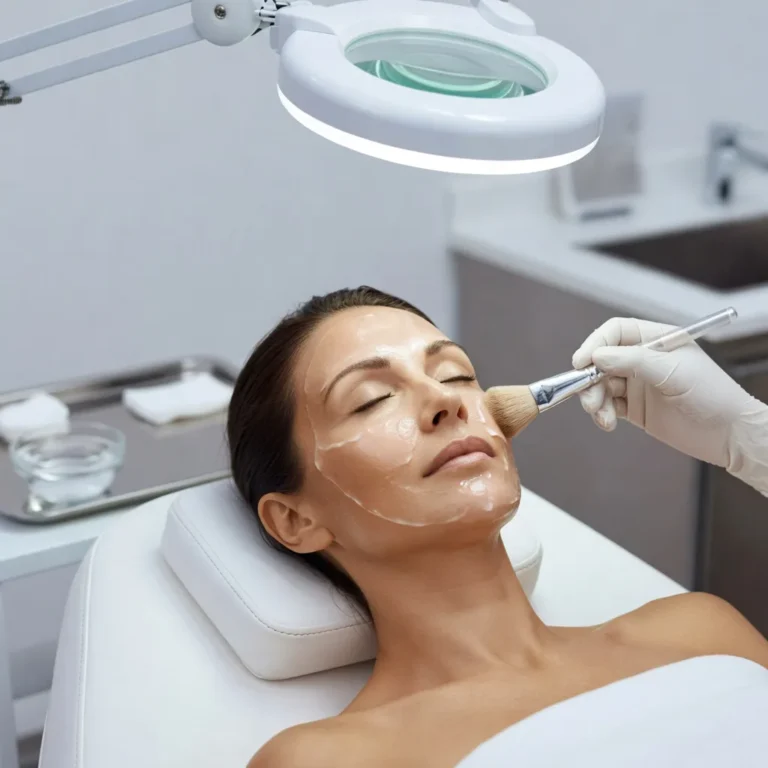
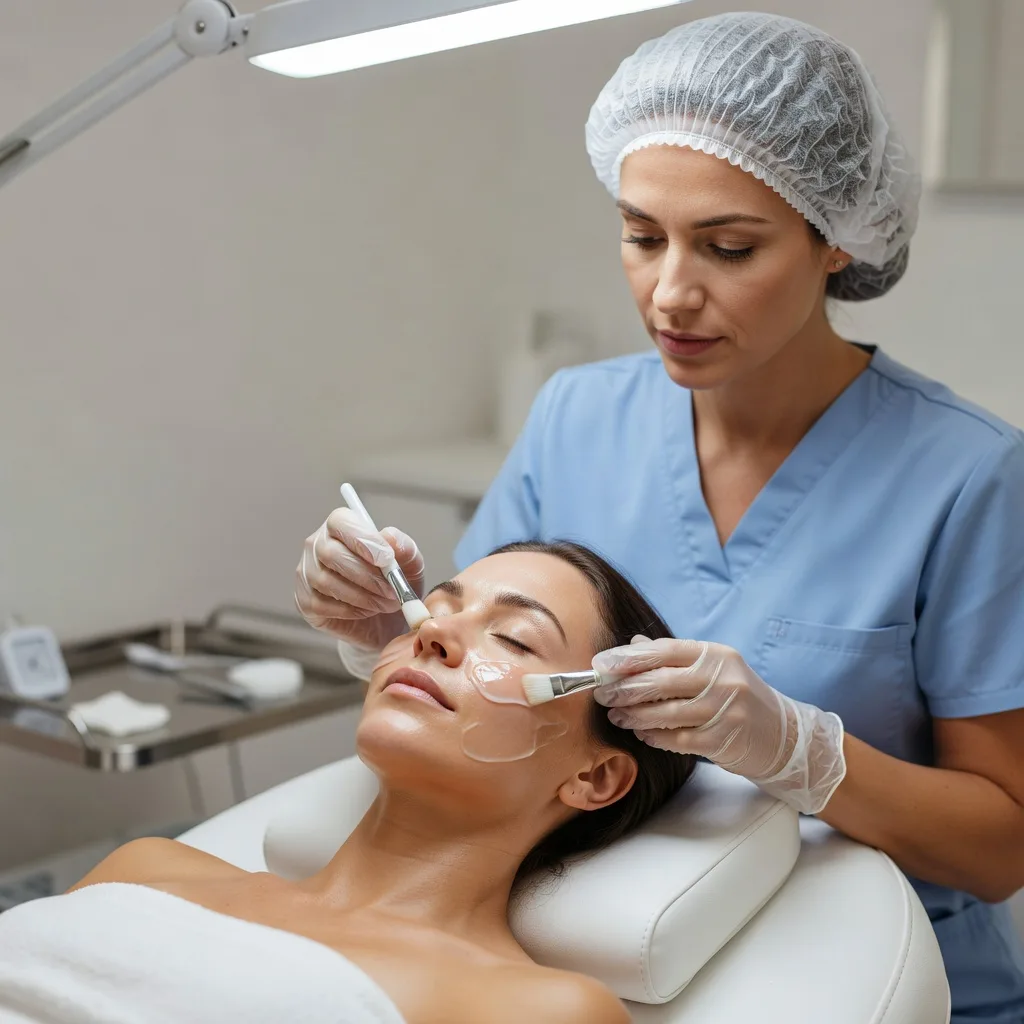
The salicylic acid, lactic acid, and resorcinol solution is applied for a set contact time.
Tip: Ask your provider what sensation to expect during this step, mild tingling or warmth is typical and helps you know what’s normal.
Post-peel retinoid application
A retinoic acid or retinol solution is applied afterward as part of the standard protocol.
Aftercare instructions
You’re given specific instructions for the 2-3 days of expected peeling, including sun protection and gentle skincare.
Scheduling follow-up sessions
Since significant results need a series, your provider typically schedules follow-ups 3-4 weeks apart.
Realistic Downtime and Results Timeline
Downtime is typically mild to moderate peeling and flaking over about 2 to 3 days, meaningfully less than medium or deep peels. Manufacturer and provider materials describe visible improvement after a single treatment, but consistently state that significant, lasting results require a series of 3 to 6 sessions spaced roughly 3 to 4 weeks apart, similar in spirit to how peels generally are classified by depth with corresponding downtime and results expectations.
When to See a Specialist
Warning: If you have active cold sores, recent isotretinoin use, active dermatitis, or are pregnant, disclose this before any peel, and expect your provider to postpone or modify treatment based on that history.
A dermatologist or licensed provider can confirm whether Vitalize or a different peel depth actually matches your skin goals and history.
Frequently Asked Questions
What is in a Vitalize Peel?
Typically salicylic acid, lactic acid, and resorcinol in the peel solution, followed by a post-peel retinoic acid or retinol application.
Does the Vitalize Peel contain TCA?
The standard version generally does not, per multiple ingredient sources, though some clinics offer a separate TCA variant, worth confirming with your provider.
Is the Vitalize Peel FDA-approved?
No chemical peel product is FDA-approved as a drug or cleared as a device; the FDA advises peels only be used under professional supervision.
Can an esthetician perform a Vitalize Peel?
In many states, yes, since it’s classified as a superficial peel, though exact scope varies by state licensing board.
How much downtime does a Vitalize Peel require?
Typically mild to moderate peeling and flaking over about 2 to 3 days.
How many Vitalize Peel treatments do I need?
A single session shows some improvement, but manufacturer and provider materials say significant results need a series of 3 to 6 sessions spaced 3-4 weeks apart.
Who should avoid a Vitalize Peel?
Those with active cold sores, recent isotretinoin use, active dermatitis, or who are pregnant should disclose this and may need to postpone treatment.
What does a Vitalize Peel treat?
Fine lines and wrinkles, sun damage, pigmentary irregularities including melasma, acne, and acne scarring or texture.
Is a Vitalize Peel the same as a TCA peel?
No, the standard formula uses salicylic acid, lactic acid, and resorcinol rather than TCA, though a separate TCA-added variant exists at some clinics.
Does sun exposure affect Vitalize Peel results?
Yes, daily broad-spectrum sunscreen is recommended during and after treatment, since peeled skin is more UV-sensitive.
The Bottom Line
The Vitalize Peel is a real, well-documented branded combination peel, superficial in depth, generally salicylic acid, lactic acid, and resorcinol plus a post-peel retinoid, not TCA in its standard form. It’s not FDA-approved as a drug or device, which is normal for chemical peels generally, but that makes provider supervision and proper screening genuinely important.
Confirm which variant you’re getting, disclose your real medical history, and plan for a series of sessions rather than expecting one treatment to deliver everything.

Written by
Registered pharmacist and founder of Facial Adviser. Rakib's pharmacy training covers how skincare actives work and interact; a later course in cosmetology turned that into a focus on facial treatments and skincare products. He plans, researches and edits every guide on the site and checks health claims against sources such as the American Academy of Dermatology, the FDA and the NIH. He is not a dermatologist; see the Editorial Policy and Medical Disclaimer.
About · Editorial policy · How we choose products · Medical disclaimer · Contact
Keep reading: Chemical peels and acid facials
- Facial vs Chemical Peel: Differences, Results and Which to Choose
- Azelaic Acid Facial: What It Treats Best
- Enzyme Peel Facial: How Fruit Enzymes Work, Benefits and Who It Suits
- Lactic Peel Facial: Strengths, Who It Suits, Procedure and Aftercare
- Skin Peel Facial: The Real Depth Guide
- Glycolic Acid Facial: What the Evidence Shows
- Ultimate Guide Microdermabrasion: What to Know
- What Is the Best Anti-Aging Facial Treatment? Options Compared by Goal