
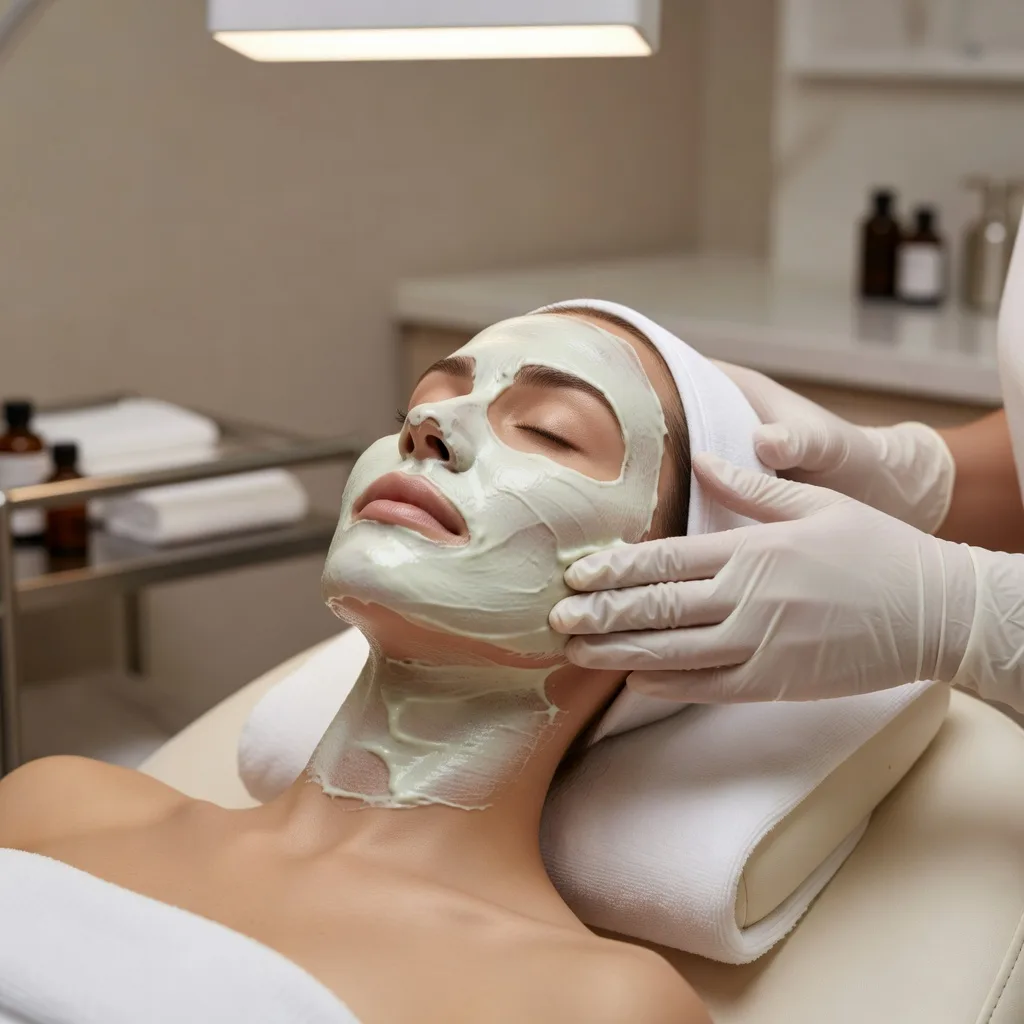
Enzyme Peel Facial: How Fruit Enzymes Work, Benefits and Who It Suits
An enzyme peel facial sounds dramatic, but it is one of the gentlest ways to exfoliate. Instead of acids or gritty scrubs, it uses proteolytic enzymes, mostly taken from papaya and pineapple, to loosen the dead cells that make skin look dull and rough.
Part of our guide to facial treatments. Start with: Facial vs Chemical Peel: Differences, Results and Which to Choose
An enzyme peel facial is a gentle exfoliating treatment that uses fruit enzymes, mainly papain from papaya and bromelain from pineapple, to break down the proteins that hold dead surface cells together. The loosened cells then rinse away, leaving skin smoother and brighter without the deeper action of an acid peel. It works only on the very top layer, so there is usually no peeling, no downtime and a lower risk of stinging. It suits sensitive, dry, reactive and first-time peel users best. Results are subtle and short-lived, so enzyme peels improve glow and texture but will not treat deep wrinkles, scars or stubborn pigmentation.
In short: an enzyme peel is a mild, surface-level exfoliation for a quick glow, not a strong resurfacing treatment.
The American Academy of Dermatology advises choosing exfoliation to suit your skin type and warns that over-exfoliating can leave skin red and irritated, which is why gentle options such as enzymes appeal to people with sensitive skin.
This guide explains how enzyme peels work, how they compare with acid peels, what happens in a salon treatment and how to use at-home enzyme products safely, including patch testing.
Shopping these picks?
Amazon Prime members get fast, free shipping on eligible items, plus Prime Video, Amazon Music and member deals. New members can start with a free trial.
Start a free Prime trialAged 18 to 24? Prime for Young Adults comes with a longer free trial and a lower price after it.
Affiliate link: we may earn a commission at no extra cost to you.
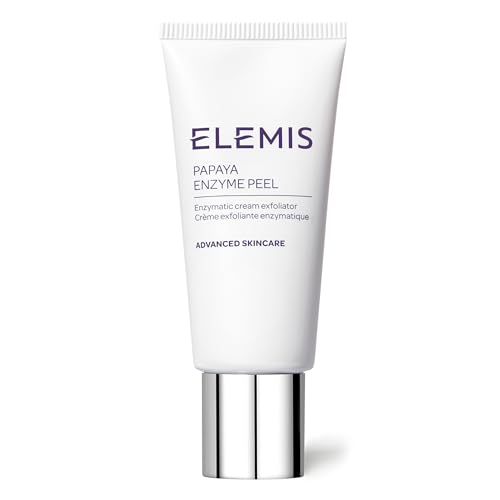
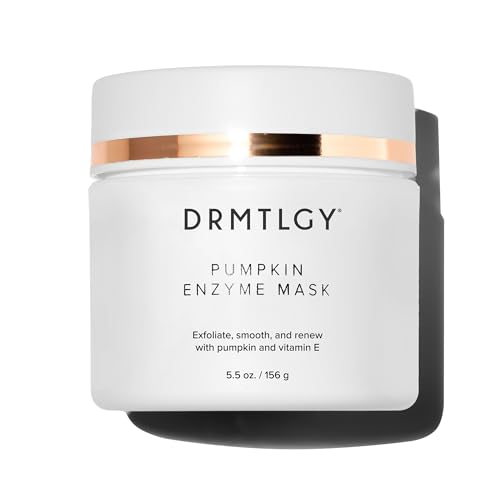
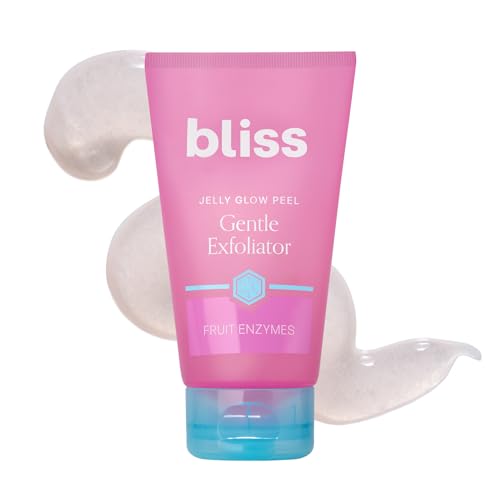
Recommended Enzyme Exfoliating Masks and Powders on Amazon



In This Guide
- What Is an Enzyme Peel Facial?
- Papain, Bromelain and Other Fruit Enzymes
- Enzyme Peel vs Acid Peel: What Is the Difference?
- Benefits of an Enzyme Peel Facial
- Who Suits an Enzyme Peel, and Who Should Skip It
- What Happens During a Salon Enzyme Peel Facial
- How to Do an Enzyme Peel at Home Safely
- Patch Testing and Possible Side Effects
- Aftercare: What to Do After an Enzyme Peel
- Enzyme Peel Dos and Don’ts
- Honest Limits of Enzyme Peels
- When to See a Dermatologist
- FAQ
- Where This Leaves You
At a Glance
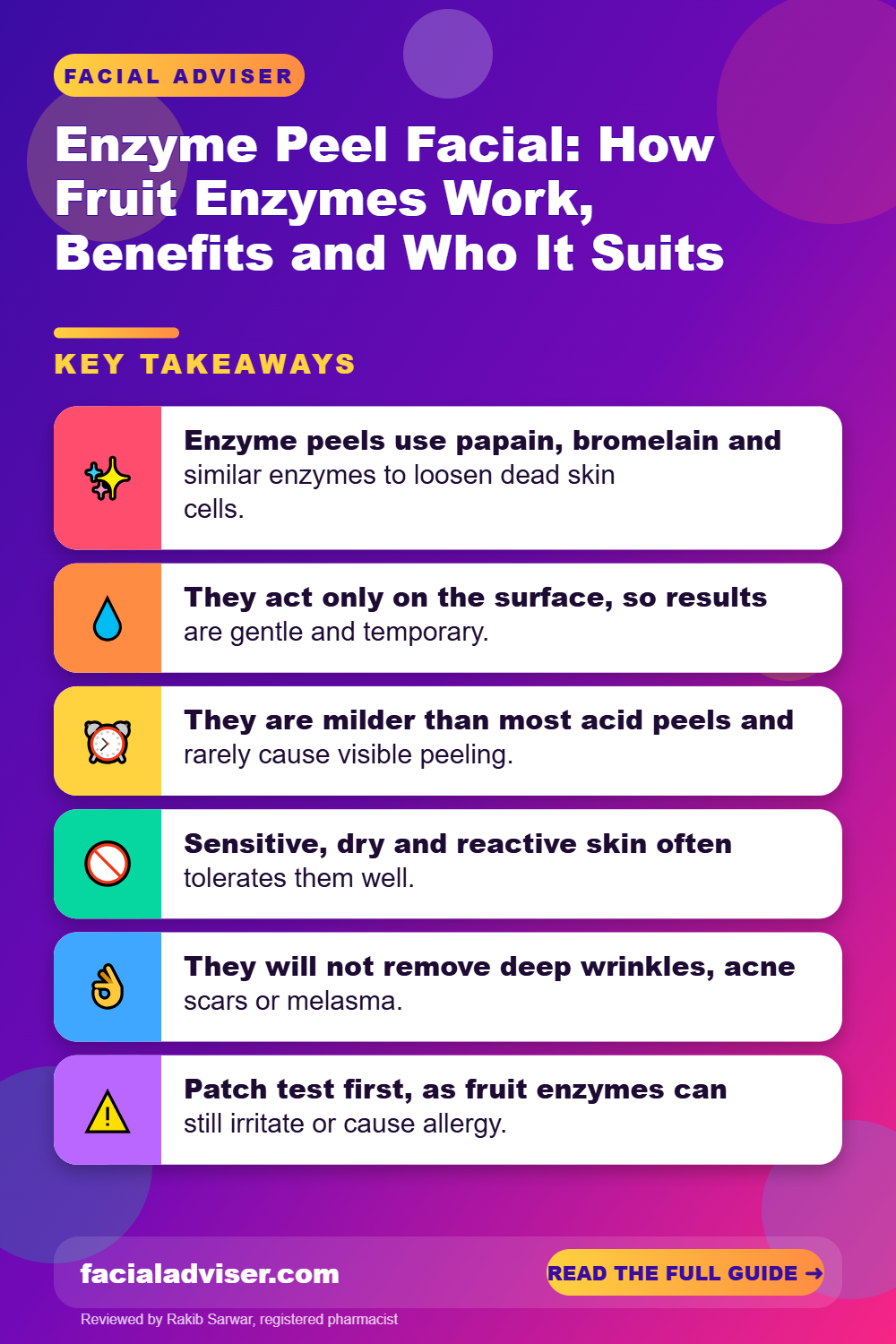
- Enzyme peels use papain, bromelain and similar enzymes to loosen dead skin cells.
- They act only on the surface, so results are gentle and temporary.
- They are milder than most acid peels and rarely cause visible peeling.
- Sensitive, dry and reactive skin often tolerates them well.
- They will not remove deep wrinkles, acne scars or melasma.
- Patch test first, as fruit enzymes can still irritate or cause allergy.
- Wear sunscreen daily after any exfoliation.
What Is an Enzyme Peel Facial?
An enzyme peel facial is a facial built around an enzyme mask or gel. The enzymes are proteases, which means they break down proteins. On the skin, they target the keratin and protein bonds that glue old, dead cells to the surface layer.
Unlike a scrub, nothing is rubbed hard against the skin. Unlike an acid peel, the product does not lower the skin’s pH to dissolve bonds. The enzymes simply digest the loose protein on the surface, and the dead cells rinse away when the mask is removed. Many salon versions add gentle steam or warmth, because enzymes tend to work better when slightly warm and moist.
- Papain comes from unripe papaya and is the most common enzyme in peels.
- Bromelain comes from pineapple stems and fruit.
- Pumpkin-based products often contain natural enzymes as well as some fruit acids.
- Some formulas use lab-made or fermented enzymes for more stable activity.
Papain, Bromelain and Other Fruit Enzymes
Each enzyme behaves a little differently, and products often combine them. The table below summarises what you are likely to see on labels.
| Enzyme | Source | What it does | Notes |
|---|---|---|---|
| Papain | Papaya | Breaks down surface proteins to loosen dead cells | Most widely used; mild in most formulas |
| Bromelain | Pineapple | Digests proteins on the skin surface | Often paired with papain |
| Pumpkin enzymes | Pumpkin | Mild protein breakdown | Products often also contain fruit acids |
| Actinidin | Kiwi | Protein-digesting enzyme | Less common in skincare |
| Fermented or synthetic enzymes | Lab or fermentation | Controlled, more stable activity | Used to improve shelf life and consistency |
Enzymes are delicate. Heat, light, air and time can make them less active, which is why many products come as powders you activate with water. A mask that has been open for months may do very little.
Enzyme Peel vs Acid Peel: What Is the Difference?
People often use the word peel for both, but enzyme and acid peels work in different ways and have very different strengths.
| Feature | Enzyme peel | Acid peel (AHA or BHA) |
|---|---|---|
| How it works | Enzymes digest surface proteins | Acids loosen bonds between cells |
| Depth | Very top layer only | Superficial to medium, depending on strength |
| Visible peeling | Rare | Possible, especially with stronger peels |
| Tingling or stinging | Usually minimal | Common, can be strong |
| Downtime | Usually none | None to several days |
| Best for | Sensitive skin, dullness, mild roughness | Acne, sun damage, pigmentation, fine lines |
| Results | Subtle, short-term glow | Stronger, more lasting with a course |
Acid peels have more evidence for treating specific problems. The AAD chemical peels overview explains that deeper peels can treat fine lines, age spots and some acne scarring, with more recovery time. The FDA also notes on its alpha hydroxy acids page that AHA products can increase sun sensitivity, so sunscreen matters after any peel. Our guide on facial vs chemical peel compares these options in more detail.
Benefits of an Enzyme Peel Facial
The benefits are real but modest. Enzyme peels are best seen as a gentle refresh rather than a treatment for skin conditions.
- Smoother feel by clearing loose dead cells.
- Brighter, more even-looking surface as light reflects better.
- Better spread of moisturiser and serums on smoother skin.
- Less risk of irritation than scrubs or strong acids for many people.
- Little or no downtime, so it suits busy schedules or events.
- A gentle introduction for people nervous about peels.
Most claims about enzyme peels come from how enzymes behave in general rather than from large independent trials of finished products. Expect a smoother, brighter surface for a few days, not a lasting change in skin structure.
Who Suits an Enzyme Peel, and Who Should Skip It
Enzyme peels are popular with sensitive and dry skin because they are less likely to sting. That does not mean they suit everyone.
| Skin type or situation | Suitability | Why |
|---|---|---|
| Sensitive or reactive | Often good | Gentle action, low sting |
| Dry or dull | Good | Removes flakes without stripping |
| Oily or acne-prone | Fair | Helps texture but does little for clogged pores |
| Mature | Good for glow | Will not change deep lines |
| Rosacea or eczema flare | Avoid during flares | Any exfoliation can worsen inflamed skin |
| Latex, papaya or pineapple allergy | Avoid or ask a doctor | Possible cross-reaction |
| Using prescription retinoids | Ask first | Skin may already be fragile |
If your skin is very sensitive, our guide on how often to exfoliate sensitive skin helps you set a safe schedule.
What Happens During a Salon Enzyme Peel Facial
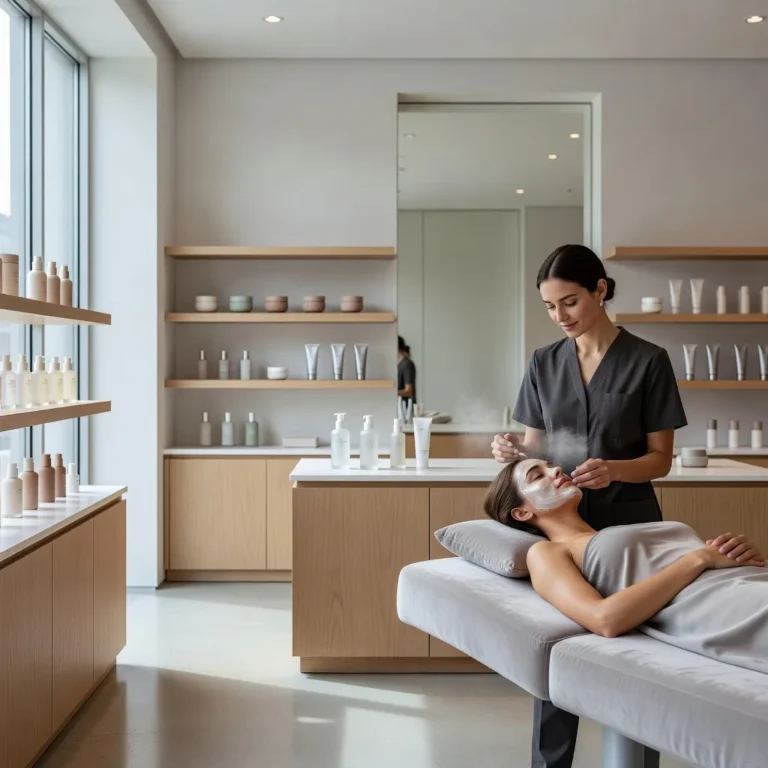
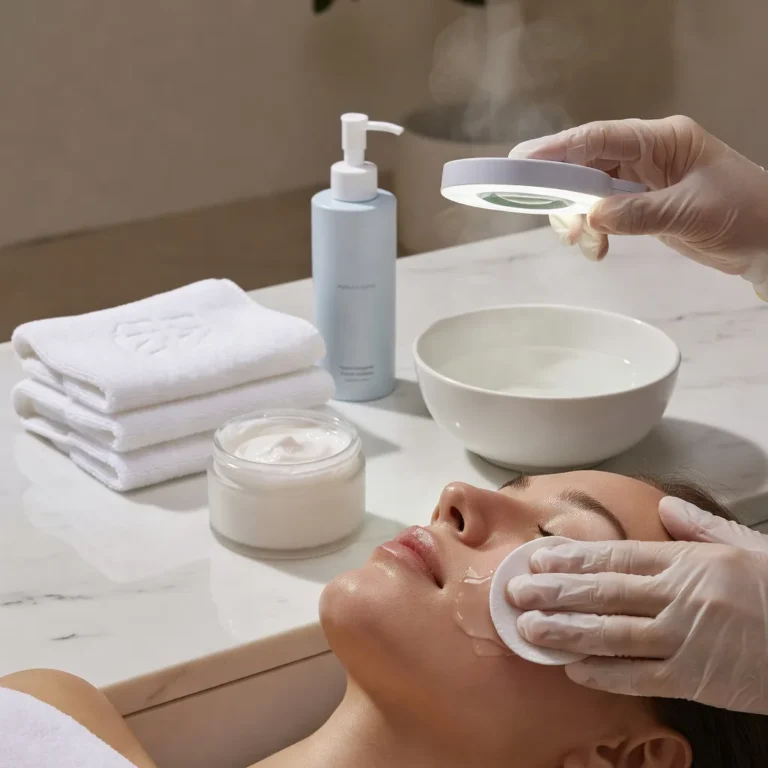
A professional enzyme peel facial usually takes 45 to 60 minutes. The exact steps vary by salon, but most follow a similar pattern.
- Consultation about skin type, allergies and current products.
- Double cleanse to remove makeup and oil.
- Optional light steam or warm towels to prepare the skin.
- Enzyme mask applied in a thin layer and left for a set time, often under steam.
- Removal with warm, damp cloths and a calming toner.
- Serum, moisturiser and sunscreen to finish.
You may feel mild warmth or tingling. Strong burning is not normal, and you should ask for the mask to be removed straight away. Some salons add extractions or massage, which can cause more redness than the enzyme itself.
How to Do an Enzyme Peel at Home Safely
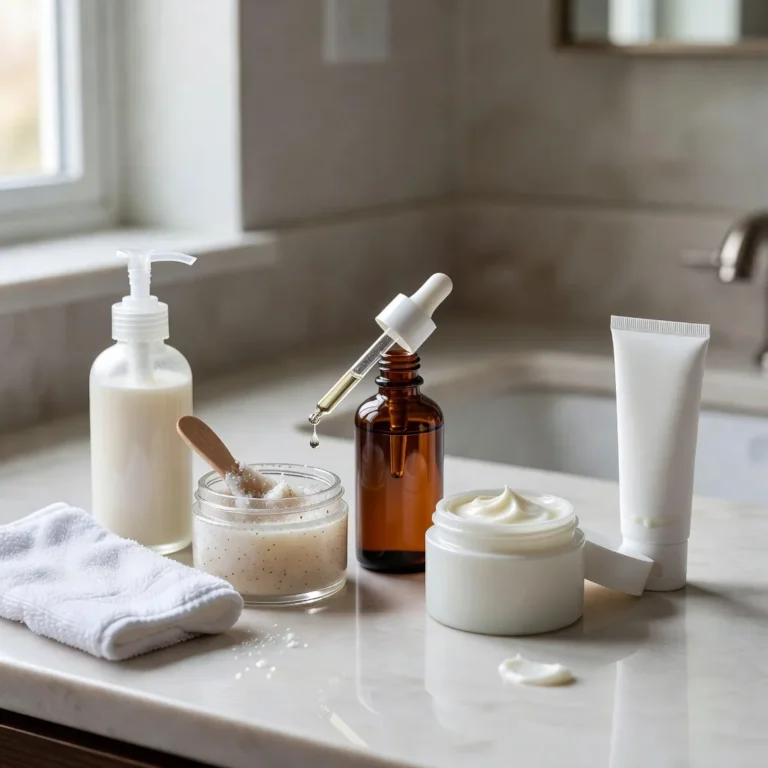
At-home enzyme masks and powders are milder than professional versions, but they still need care. Follow the product instructions first and use these steps as a general guide.
Patch test first
Apply a small amount behind the ear or on the inner arm and wait 24 to 48 hours for any reaction.
Cleanse gently
Wash with a mild cleanser and pat skin dry.
Activate the product
Mix powders with water as directed, or dispense a thin layer of gel or cream.
Apply a thin, even layer
Avoid the eye area, lips and any broken or sunburned skin.
Time it carefully
Leave on for the stated time, often five to fifteen minutes, and do not leave it on longer.
Rinse with lukewarm water
Remove gently without rubbing, then pat dry.
Moisturise and protect
Apply a plain moisturiser and use sunscreen the next morning.
Start once a week. If your skin stays calm after a month, you can try twice a week, but stop at the first sign of tightness, redness or stinging.
Patch Testing and Possible Side Effects
Enzymes are gentle compared with acids, but they are still active ingredients. Papain and bromelain are proteins, and some people are allergic to them, particularly people with latex or fruit allergies.
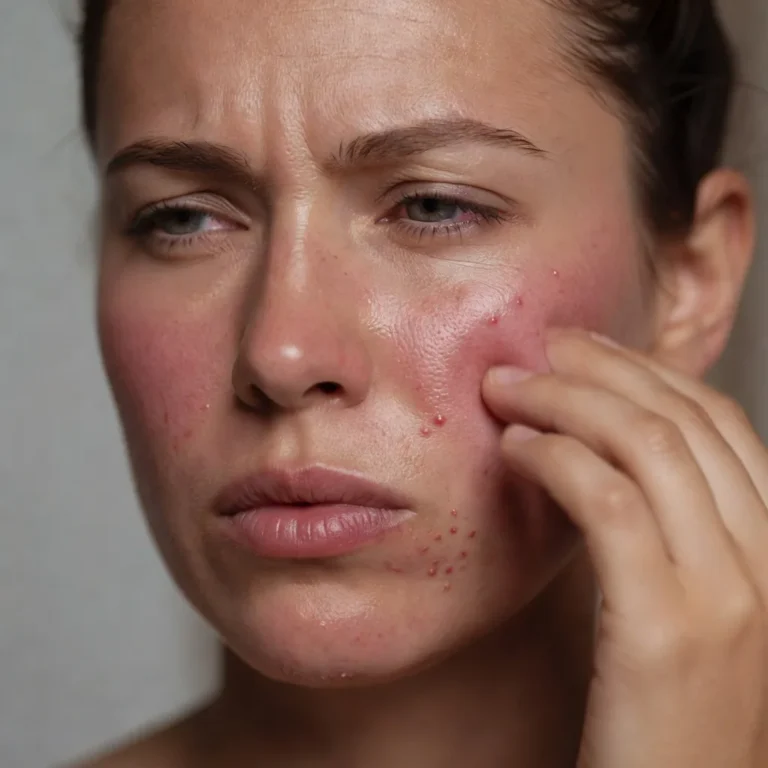
- Mild redness or warmth that settles within an hour.
- Stinging or itching, which is a sign to rinse the product off.
- Dryness or tightness from using it too often.
- Allergic contact reactions such as swelling, hives or rash.
- Irritation when combined with retinoids, acids or scrubs on the same day.
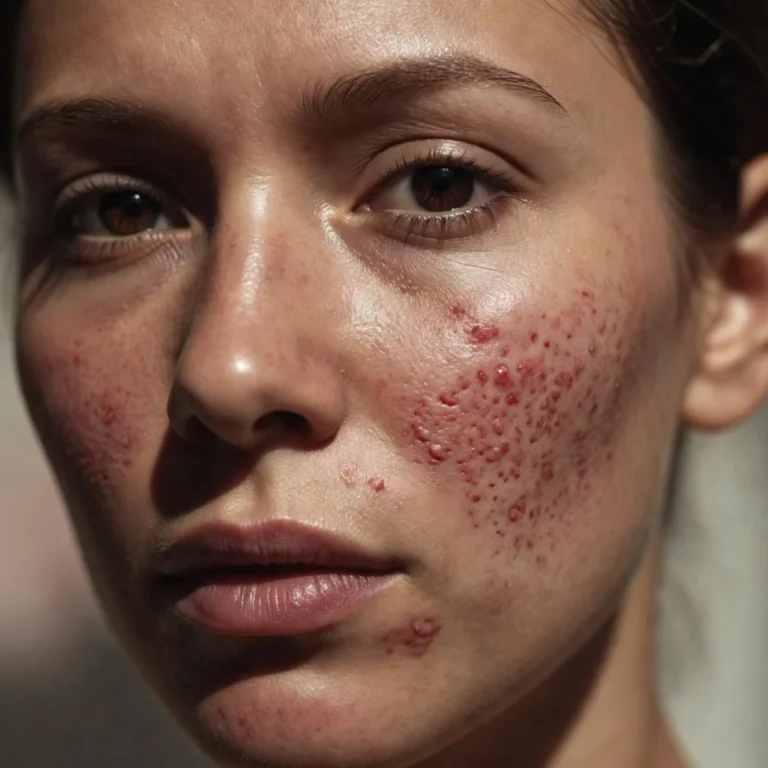
Rinse the product off immediately and stop using it if you notice swelling, hives, blistering or a burning rash. Seek urgent medical help for swelling of the lips, tongue or throat, or difficulty breathing.
Aftercare: What to Do After an Enzyme Peel
Even a gentle peel leaves the surface a little more exposed for a day or two. Good aftercare keeps the glow and lowers the chance of irritation.
- Use a plain, fragrance-free moisturiser that evening and the next morning.
- Skip retinoids, acids, scrubs and cleansing brushes for 48 hours.
- Wear a broad-spectrum sunscreen of SPF 30 or higher the next day and every day.
- Avoid saunas, hot showers on the face and intense workouts for the rest of the day.
- Hold off on heavy makeup for a few hours if your skin looks pink.
- Wait at least a week before another peel if your skin felt tight or dry.
If you had a salon enzyme peel with extractions, some small red marks are normal and should fade within a day. Keep your hands off the area and avoid picking at any flakes. A calm, simple routine for a couple of days helps you see how your skin truly responded, so you can decide whether to repeat the treatment or choose something even milder next time.
Enzyme Peel Dos and Don’ts
The AAD advice on exfoliating safely at home stresses gentle application, moisturising afterwards and exfoliating less often with stronger methods. These dos and don’ts apply that thinking to enzyme peels.
Worth Doing
- Patch test every new product
- Follow the timing on the label
- Moisturise straight afterwards
- Wear sunscreen every day
- Store powders dry and sealed
Skip It
- Use on cut, sunburned or inflamed skin
- Layer with acids or scrubs the same day
- Leave the mask on longer for better results
- Use it daily
- Ignore stinging or swelling
Honest Limits of Enzyme Peels
Enzyme peels do not reach deep enough to rebuild collagen, fill wrinkles or remove scars. They also do little for deep pigmentation such as melasma, and they are not a treatment for active acne. For those problems, acid peels, retinoids or dermatologist procedures have far stronger evidence.
Results also fade quickly, because skin keeps shedding and renewing, so the smooth, bright finish you see the next morning usually lasts only a few days. Regular gentle care, sunscreen and a consistent routine do more for long-term skin quality than any single peel.If you want a gentle routine that does not rely on peels, our guide to gentler alternatives to exfoliation covers other options. Be wary of marketing that calls an enzyme mask a facelift or promises clinic-level results at home.
When to See a Dermatologist
- You react to enzyme products with swelling, hives or lasting redness.
- You want to treat acne scars, melasma or deep wrinkles.
- You have rosacea, eczema or very reactive skin and struggle to exfoliate.
- Your skin stays red, raw or flaky for days after a peel.
This article is for general information and does not replace professional medical advice. See a board-certified dermatologist for skin conditions, allergies or reactions to cosmetic products.
FAQ
What is an enzyme peel facial?
A gentle facial that uses fruit enzymes to loosen and remove dead surface skin cells.
Is an enzyme peel better than a chemical peel?
It is gentler, but acid peels are stronger and better for specific skin problems.
Does an enzyme peel make your skin peel?
Usually not; it works on the surface without visible peeling.
Is an enzyme peel good for sensitive skin?
Often yes, but patch test first and avoid it during flares.
How often can I do an enzyme peel?
Once a week is a good start; no more than twice a week at home.
Which enzymes are used in enzyme peels?
Mostly papain from papaya and bromelain from pineapple.
Can I use an enzyme peel with retinol?
Not on the same night; ask a dermatologist if you use prescription retinoids.
How long do enzyme peel results last?
Usually a few days, as skin keeps renewing.
Can an enzyme peel remove dark spots?
It may brighten slightly but will not remove deep pigmentation.
Is there downtime after an enzyme peel?
Usually none, apart from brief mild redness.
Where This Leaves You
An enzyme peel facial uses papain, bromelain and similar enzymes to clear dead surface cells gently, giving a smoother, brighter look with little risk of downtime.
It suits sensitive and dry skin well, but it is a mild refresh, not a cure for wrinkles, scars or pigmentation. Patch test, keep sessions infrequent and wear sunscreen every day.

Written by
Registered pharmacist and founder of Facial Adviser. Rakib's pharmacy training covers how skincare actives work and interact; a later course in cosmetology turned that into a focus on facial treatments and skincare products. He plans, researches and edits every guide on the site and checks health claims against sources such as the American Academy of Dermatology, the FDA and the NIH. He is not a dermatologist; see the Editorial Policy and Medical Disclaimer.
About · Editorial policy · How we choose products · Medical disclaimer · Contact
Keep reading: Chemical peels and acid facials
- Lactic Peel Facial: Strengths, Who It Suits, Procedure and Aftercare
- Skin Peel Facial: The Real Depth Guide
- Glycolic Acid Facial: What the Evidence Shows
- Facial vs Chemical Peel: Differences, Results and Which to Choose
- 10 Best Facial Peels for Aging Skin (2026): Smoother, Brighter at Home
- Microneedling Facial: Real Results, Explained
- Is Hydrafacial a Gimmick? What Evidence Shows
One Comment