Microcurrent Facial vs Radiofrequency: Which Works Better for Firmer Skin?
Microcurrent and radiofrequency are two of the most popular non-invasive treatments for people who want firmer, more lifted-looking skin without needles or surgery. Both are offered in clinics and spas, and both are sold as home devices. Because they are often marketed side by side with similar promises, it is easy to assume they do the same thing. They do not.
Part of our guide to at-home facial devices. Start with: How to Incorporate Microcurrent Into Your Routine: Gel, Timing and Safety
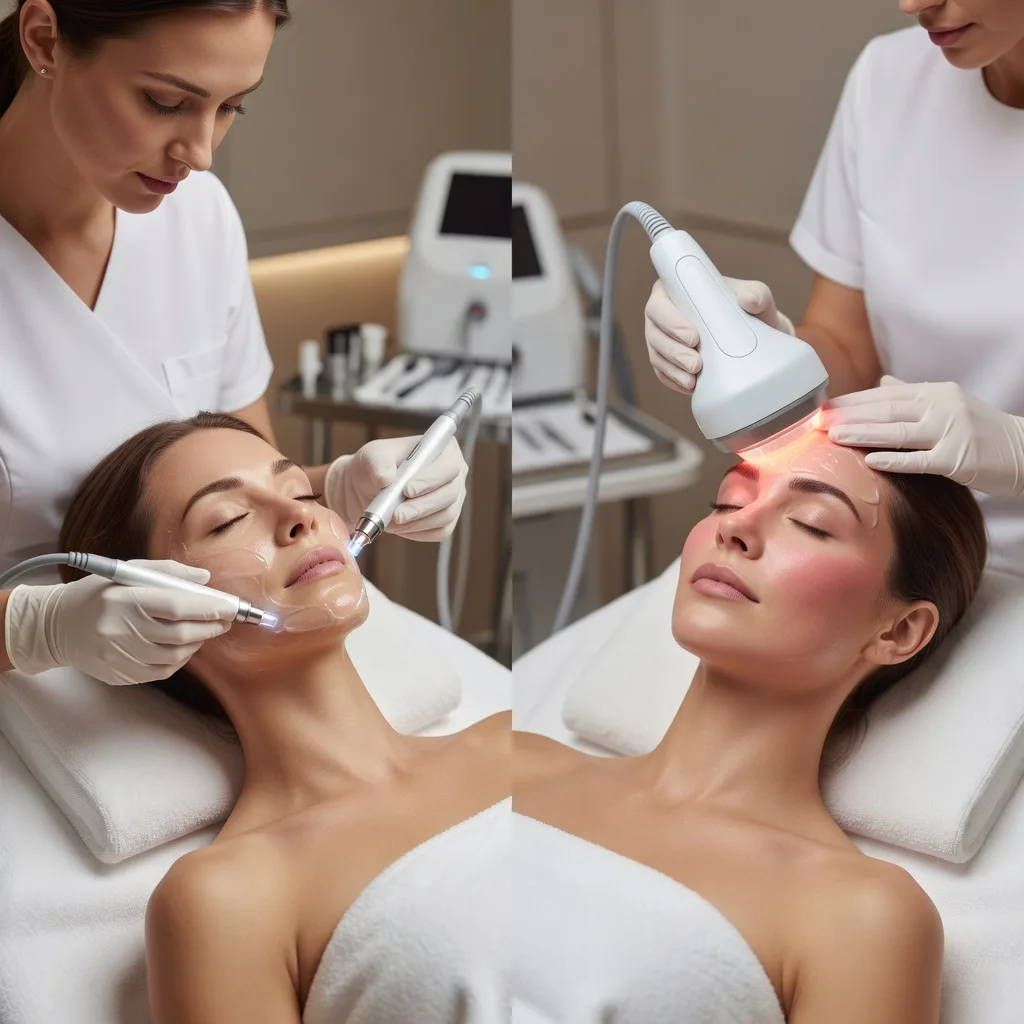
Microcurrent uses very low-level electrical currents that are claimed to stimulate facial muscles and skin cells, giving a temporarily lifted, toned look that needs regular sessions to maintain. Radiofrequency (RF) uses energy that heats the deeper layers of the skin, which can cause collagen to contract and stimulate new collagen over the following months, leading to modest tightening. RF has more clinical research behind it, particularly professional monopolar devices, while evidence for microcurrent is more limited. Neither replaces a facelift, and both work best for mild laxity with realistic expectations.
In simple terms, microcurrent is aimed at muscles and gives quick but short-lived results, while radiofrequency is aimed at collagen and gives slower but longer-lasting changes. Some clinics combine the two.
A retrospective study of more than 600 monopolar radiofrequency treatments published in the Journal of Drugs in Dermatology found that side effects were infrequent, minor and temporary. Research on microcurrent is smaller, and a 2025 paper in Dermatologic Surgery compared rising public interest in microcurrent devices with the available scientific evidence for anti-aging.
This guide explains how each treatment works, what the evidence shows, the risks, who should avoid them, home versus professional devices and how to choose.
Shopping these picks?
Amazon Prime members get fast, free shipping on eligible items, plus Prime Video, Amazon Music and member deals. New members can start with a free trial.
Start a free Prime trialAged 18 to 24? Prime for Young Adults comes with a longer free trial and a lower price after it.
Affiliate link: we may earn a commission at no extra cost to you.
Recommended Microcurrent Devices and Conductive Gels



What This Covers
- Microcurrent vs Radiofrequency at a Glance
- How Microcurrent Works
- How Radiofrequency Works
- What Results to Expect
- Safety and Side Effects
- How to Decide Between Microcurrent and Radiofrequency
- Home Devices vs Professional Treatments
- Supporting Results With Skincare
- Common Myths About Microcurrent and Radiofrequency
- Dos and Don’ts
- Honest Limits
- When to See a Doctor
- FAQ
- Where This Leaves You
Quick Answer
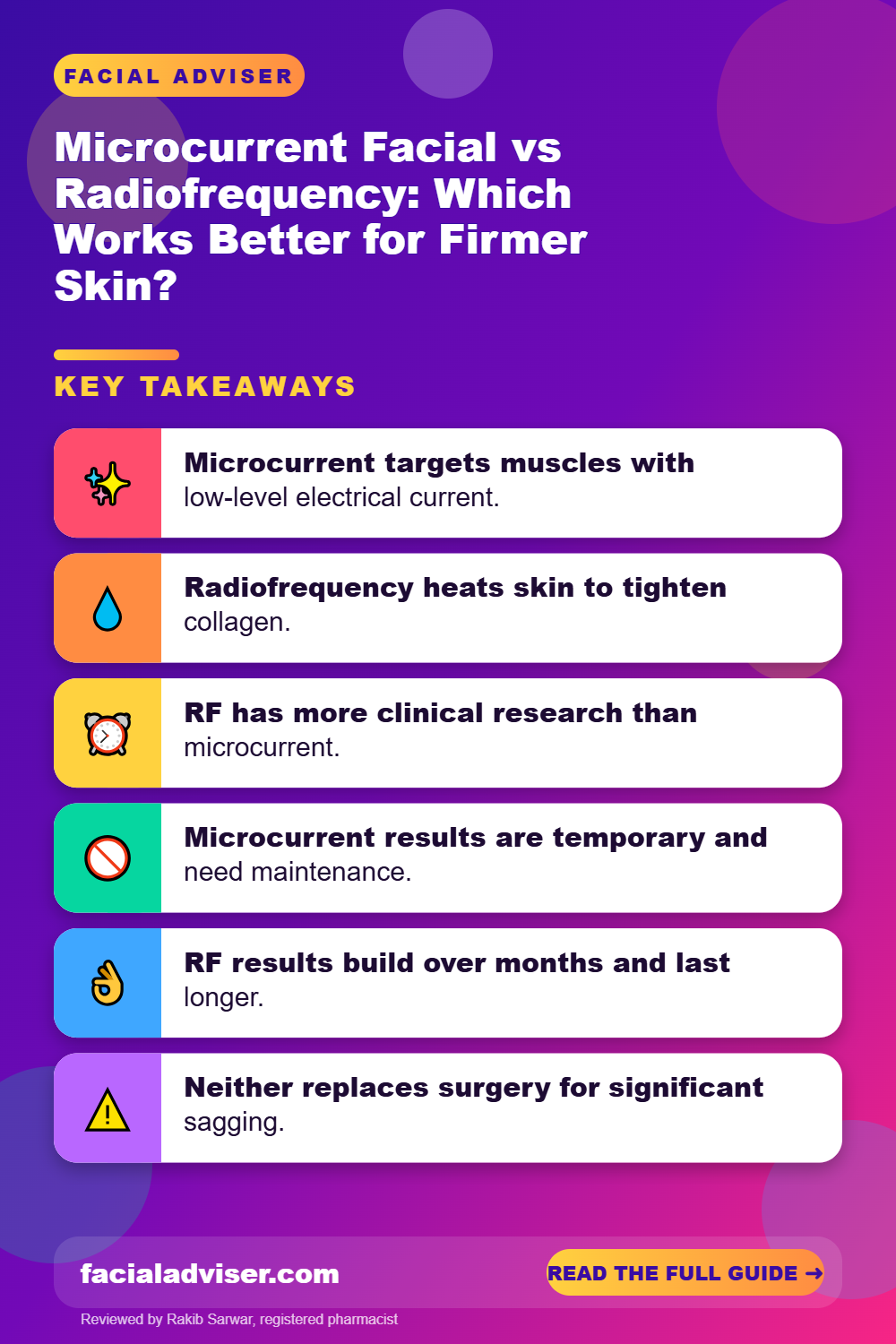
- Microcurrent targets muscles with low-level electrical current.
- Radiofrequency heats skin to tighten collagen.
- RF has more clinical research than microcurrent.
- Microcurrent results are temporary and need maintenance.
- RF results build over months and last longer.
- Neither replaces surgery for significant sagging.
- People with implanted devices or pregnancy should get medical advice first.
Microcurrent vs Radiofrequency at a Glance
Here is how the two treatments compare on the points that matter most.
| Feature | Microcurrent | Radiofrequency |
|---|---|---|
| How it works | Low-level electrical current | Heat energy in deeper skin layers |
| Main target | Facial muscles and skin cells | Collagen in the dermis |
| Feel during treatment | Mild tingling, sometimes a metallic taste | Warmth; can feel hot |
| When results appear | Straight away, subtle | Gradually over weeks to months |
| How long results last | Days; needs regular maintenance | Months, with occasional top-ups |
| Evidence | Limited, small studies | More clinical studies, especially professional devices |
| Downtime | None | Usually none to mild redness |
Because they work differently, they suit different goals. Microcurrent is often used before events for a quick lift, while radiofrequency is chosen for gradual tightening over time. Our guide on laser facials versus microneedling compares two other popular rejuvenation options.
How Microcurrent Works
Microcurrent devices deliver tiny electrical currents through two probes or rollers moved across the face. The current is far lower than in a TENS unit and is usually barely felt. Supporters say it stimulates facial muscles and boosts cellular energy, which is why it is sometimes called a non-surgical facelift.
The visible effect, when it happens, is usually a slight lift and more defined contours straight after a session. Most practitioners and device makers recommend regular treatments, often several times a week at home, to maintain results.
A conductive gel is essential with microcurrent devices. Without it, the current does not travel properly and can feel uncomfortable or less effective.
Evidence is limited. Most studies are small, short or funded by manufacturers, and results vary widely between people. A 2025 paper in Dermatologic Surgery examined the gap between growing public interest in microcurrent devices and the scientific evidence for anti-aging, which you can find on PubMed.
How Radiofrequency Works
Radiofrequency devices deliver energy that heats the dermis, the deeper layer of skin that contains collagen. Heating causes existing collagen fibres to contract, giving some immediate tightening, and triggers a wound-healing response that produces new collagen over the following months.
- Monopolar RF: deeper heating, usually in clinics, often one or a few sessions.
- Bipolar and multipolar RF: shallower heating, used in clinics and many home devices.
- RF microneedling: combines needles with RF energy for deeper effects, only in clinics.
Professional monopolar RF has been studied for many years. A retrospective analysis of more than 600 treatments, published in the Journal of Drugs in Dermatology and available on PubMed, found that most side effects were temporary redness and swelling and that complications were uncommon. Results are usually described as modest, with gradual improvement over several months.
What Results to Expect
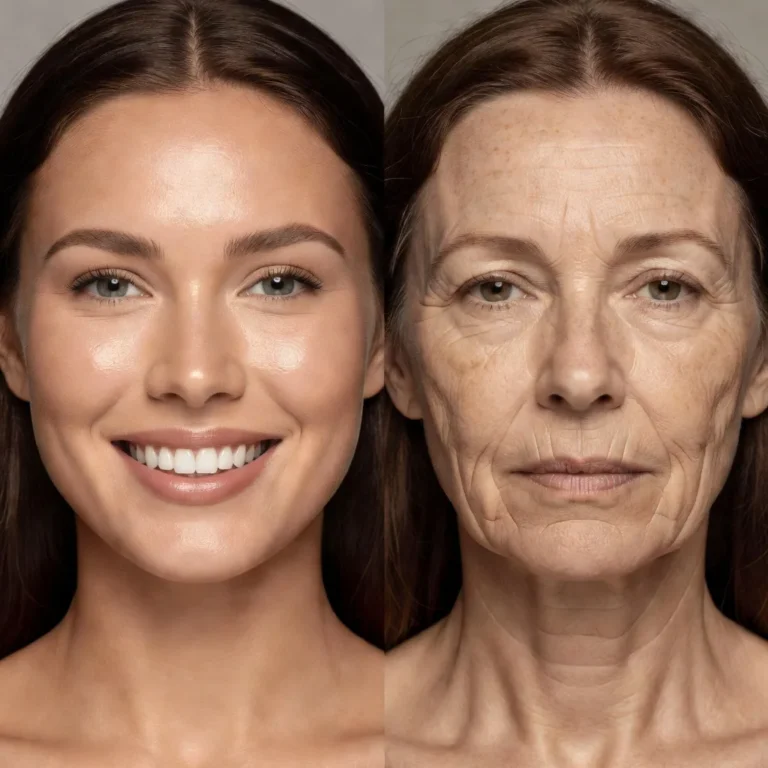
Both treatments work best for mild to moderate laxity and fine lines. They do not deliver surgical results, and people with significant sagging often see little change.
- Microcurrent: a subtle, temporary lift and slightly more defined contours, fading within days without maintenance.
- Radiofrequency: gradual tightening and smoother texture over two to six months, often after a series of treatments.
- Home devices: generally weaker than professional treatments, with slower and smaller changes.
- Combination: some clinics use both, hoping for quick and longer-term effects.
Results depend on age, skin quality, sun damage, weight changes and consistency. Taking photos in the same light before and during a course of treatment is the most reliable way to judge whether it is working for you. Because changes from RF build slowly, many people only notice them when comparing photos taken a few months apart, while microcurrent changes are easiest to see immediately after a session and fade over the following days. Keeping notes on how often you use a home device also helps you judge whether a lack of results reflects the device itself or inconsistent use.
Safety and Side Effects
Both treatments are generally considered low risk when used correctly, but they are not risk-free.
- Microcurrent: tingling, a metallic taste, mild redness; rarely, discomfort if used without enough gel.
- Radiofrequency: warmth, redness and swelling for a few hours; rarely burns, blisters or fat loss with poorly controlled devices.
- Home devices: risk of overuse or burns if instructions are not followed.
Do not use microcurrent or radiofrequency devices if you have a pacemaker or other implanted electronic device, are pregnant, have epilepsy or have metal implants in the treatment area, unless a doctor has said it is safe.
People with active acne, rosacea, eczema, open wounds or recent fillers should also check with a professional before treatment. Our guide on facial fillers versus Botox explains how injectables differ from device-based treatments.
How to Decide Between Microcurrent and Radiofrequency
Define your goal
A quick lift before events suggests microcurrent; gradual tightening suggests radiofrequency.
Assess your skin
Mild laxity responds best; significant sagging may need other options.
Check your health
Make sure you have no implants, pregnancy or conditions that rule out treatment.
Consider time and commitment
Microcurrent needs frequent maintenance; RF needs patience for results.
Choose professional or home
Professional treatments are stronger; home devices are milder and need consistent use.
Consult a qualified provider
Ask about experience, device type and expected results.
Protect results
Use daily sunscreen and a good skincare routine.
If you are unsure, start with a consultation at a dermatology clinic. A doctor can tell you whether device treatments are likely to help or whether another option would suit you better.
Our guide on facial specialists, estheticians and dermatologists explains who is qualified to provide different treatments.
Home Devices vs Professional Treatments
Home microcurrent and RF devices are popular because they are convenient and cheaper per session than clinic treatments. They are, however, deliberately less powerful for safety reasons.
| Aspect | Home devices | Professional treatments |
|---|---|---|
| Strength | Lower | Higher |
| Sessions needed | Frequent, often several times a week | Fewer, spaced weeks apart |
| Speed of results | Slower, subtler | Faster, more noticeable |
| Risk | Low if instructions followed | Low with trained providers |
| Supervision | None | Trained provider or doctor |
If you choose a home device, follow the instructions exactly, use the recommended gel, avoid the eyelids and thyroid area unless the device allows it, and stop if you notice burning or blistering. Clean the device after every use, keep it away from water unless it is designed for wet use, and store the gel as directed. Give any new device a fair trial of several weeks of consistent use before deciding whether it suits you, and remember that a more expensive device is not automatically more effective.
Supporting Results With Skincare
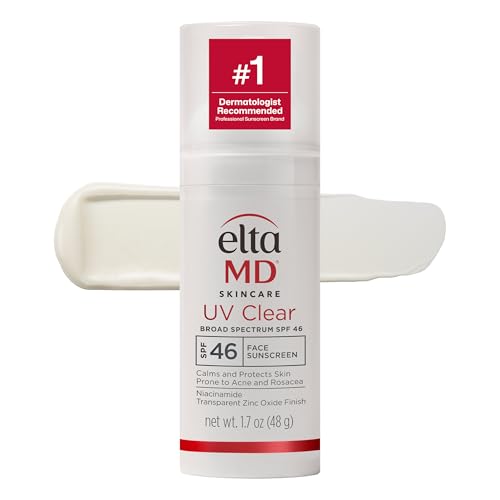
Device treatments work best alongside a good daily routine. Sun damage breaks down collagen, so daily broad-spectrum sunscreen protects any gains you make. The American Academy of Dermatology explains how daily sun protection helps reduce premature skin aging.
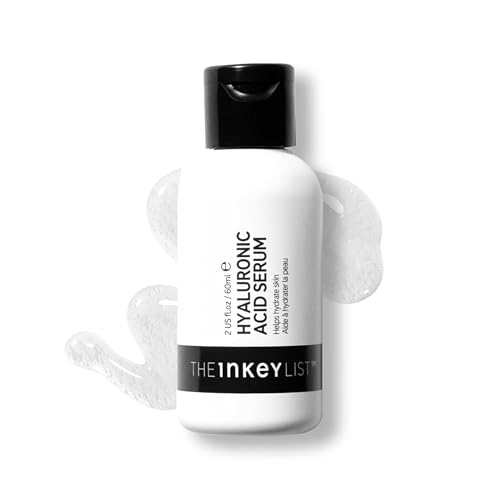
Retinoids, used as directed, have strong evidence for improving fine lines and skin texture over time. A gentle cleanser, a moisturiser suited to your skin and sunscreen form the base, with retinoids or other actives added as advised by a dermatologist. On treatment days, keep your routine simple: cleanse gently before a session so the gel and device make good contact, and avoid strong acids, scrubs or retinoids on the same day if your skin feels sensitive afterwards. A hydrating serum and a fragrance-free moisturiser help calm any warmth or redness after RF. Staying hydrated, sleeping well and not smoking also support skin quality, since smoking is known to accelerate collagen breakdown.
Common Myths About Microcurrent and Radiofrequency
Marketing for facial devices often runs ahead of the evidence, so it helps to separate popular claims from what is actually known.
- Myth: microcurrent is a non-surgical facelift. Reality: any lift is subtle and temporary, and it does not reposition tissue the way surgery does.
- Myth: more heat means better RF results. Reality: excessive heat raises the risk of burns and fat loss; controlled, even heating is what matters.
- Myth: one session is enough. Reality: most people need a series of treatments, and microcurrent needs ongoing maintenance.
- Myth: home devices equal clinic treatments. Reality: home devices are deliberately weaker for safety and usually give smaller changes.
- Myth: results are permanent. Reality: skin keeps aging, so even RF gains fade gradually without sun protection and occasional top-ups.
A useful rule of thumb is to be cautious of any device or clinic promising dramatic, permanent or guaranteed results. Honest providers explain that outcomes vary, show realistic before-and-after photos taken in consistent lighting and discuss what will happen if the treatment does not work for you.
It is also worth asking how a device has been evaluated. Some devices are cleared by regulators for specific uses, but clearance is not the same as proof that a device works dramatically for every person. Reading independent studies, rather than manufacturer summaries, gives a clearer picture of what to expect.
Dos and Don’ts
Good Habits
- Choose based on your goal
- Use conductive gel with devices
- Follow instructions exactly
- Protect results with sunscreen
- Consult a professional if unsure
Common Mistakes
- Expect surgical results
- Use devices with implants or during pregnancy without advice
- Overuse home devices
- Treat over broken or inflamed skin
- Ignore burning or blistering
Honest Limits
Evidence for microcurrent is limited, and many claims come from manufacturers. Radiofrequency has more research, but results are usually modest and vary between people and devices.
Neither treatment changes bone structure or removes significant excess skin. For marked sagging, surgical options or other procedures may be more effective, and a consultation with a qualified specialist can clarify what is realistic. Cost is another honest consideration: microcurrent results only last while you keep up sessions, so the long-term commitment can be significant, and RF often needs a series of treatments plus occasional maintenance. Weighing time, money and realistic results together helps you decide whether either treatment is worth it for you, or whether investing in a consistent skincare routine and sun protection would give better value.
When to See a Doctor
- You have burns, blisters or lasting redness after treatment.
- You notice dents or loss of volume in the treated area.
- You have an implanted device, are pregnant or have a medical condition and want treatment.
- You want advice on the best option for significant sagging.
This article is for general information and does not replace professional medical advice. Consult a board-certified dermatologist or qualified specialist before starting device-based cosmetic treatments.
FAQ
What is the difference between microcurrent and radiofrequency?
Microcurrent targets muscles with low current; radiofrequency heats skin to tighten collagen.
Which is better for sagging skin?
Radiofrequency has more evidence for tightening mild laxity.
How long do microcurrent results last?
Usually a few days without regular maintenance.
How long do radiofrequency results last?
Often months, with occasional top-up treatments.
Is microcurrent safe?
It is generally low risk but not suitable with pacemakers or during pregnancy.
Does radiofrequency hurt?
It feels warm and can feel hot, but is usually tolerable.
Do home devices work?
They are milder and need consistent use; results are subtler.
Can I combine microcurrent and RF?
Some clinics do; ask a qualified provider.
Is there downtime after RF?
Usually only mild redness for a few hours.
Can these replace a facelift?
No, they help mild laxity but do not match surgery.
Where This Leaves You
Microcurrent uses low-level current to give a temporary toned look that needs regular maintenance, while radiofrequency heats the skin to tighten collagen gradually over months. RF has more research behind it, especially professional monopolar treatments.
Choose based on your goal, check your health first, set realistic expectations and protect results with daily sunscreen and a good routine.

Written by
Registered pharmacist and founder of Facial Adviser. Rakib's pharmacy training covers how skincare actives work and interact; a later course in cosmetology turned that into a focus on facial treatments and skincare products. He plans, researches and edits every guide on the site and checks health claims against sources such as the American Academy of Dermatology, the FDA and the NIH. He is not a dermatologist; see the Editorial Policy and Medical Disclaimer.
About · Editorial policy · How we choose products · Medical disclaimer · Contact
Keep reading: Microcurrent and RF devices
- How to Incorporate Microcurrent Into Your Routine: Gel, Timing and Safety
- NuFACE Mini vs Trinity: Differences, Specs and Which to Choose
- Radio Frequency vs High Frequency Facial: What Is the Difference?
- Best High Frequency Wand: What to Look For, Real Evidence and Safety
- 10 Best Skin Tightening Devices (2026): LED, Microcurrent and More
- How to Use Microcurrent Safely at Home: Settings, Gel and Who Should Skip It
- 10 Best Facial Tools (2026): LED, Cleansing, Gua Sha and More
- 10 Best LED Light Therapy Masks (2026): Clearer Skin, Softer Lines