Best High Frequency Wand: What to Look For, Real Evidence and Safety
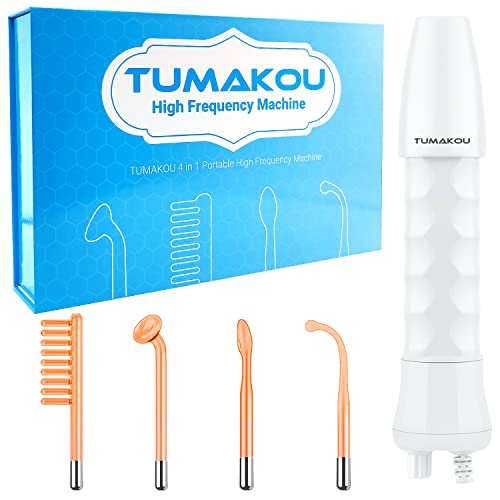
High frequency wands are handheld devices with glass electrodes that glow violet or orange and give off a gentle buzz or tiny sparks on the skin. Facialists have used them for decades, and home versions are now widely sold with claims about acne, pores and fine lines.
Part of our guide to at-home facial devices. Start with: How to Incorporate Microcurrent Into Your Routine: Gel, Timing and Safety
The best high frequency wand is a well-built device with adjustable intensity, securely fitting glass electrodes, a clear instruction manual and a list of who should not use it. Most home wands are marketed for acne and oily skin, where the mild warmth and ozone produced may help surface bacteria, but good-quality evidence is limited and results are modest at best. They do not replace proven acne treatments or sunscreen. Avoid them if you have a pacemaker or other electronic implant, are pregnant, have epilepsy or have metal near the treatment area, and never use them over alcohol-based products because the sparks can ignite them.
In short: if you want to try one, choose a device with adjustable intensity and clear safety guidance, and keep expectations modest.
The American Academy of Dermatology’s acne skin care tips focus on gentle cleansing, proven treatments and patience, which is a useful benchmark: a wand can be an extra, but it is not the core of an acne plan.
This guide explains what high frequency is, what the evidence does and does not show, which features to compare and how to use a wand safely.
Shopping these picks?
Amazon Prime members get fast, free shipping on eligible items, plus Prime Video, Amazon Music and member deals. New members can start with a free trial.
Start a free Prime trialAged 18 to 24? Prime for Young Adults comes with a longer free trial and a lower price after it.
Affiliate link: we may earn a commission at no extra cost to you.
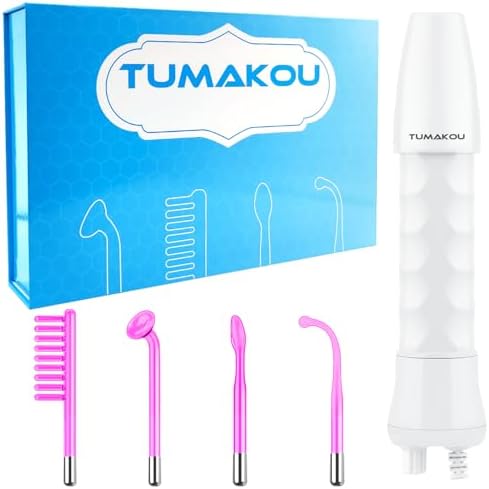
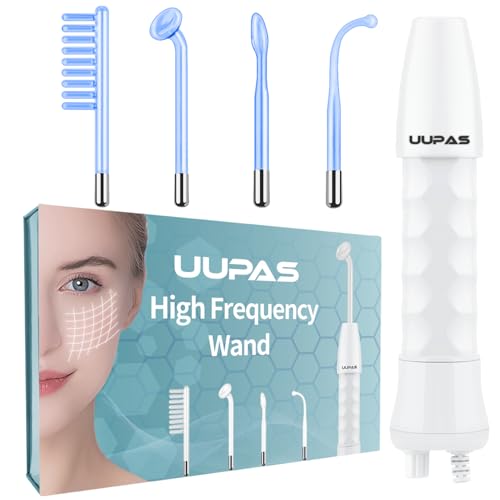
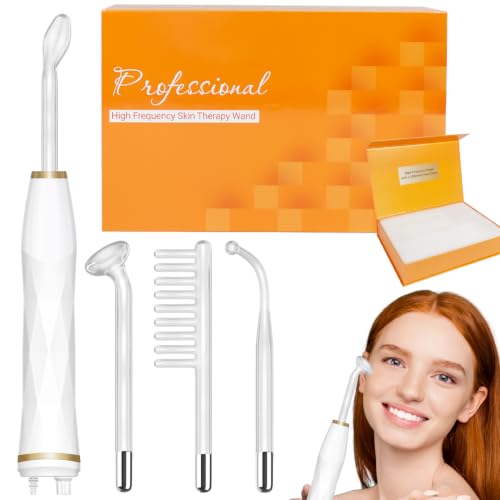
Recommended High Frequency Wands on Amazon



Key Takeaways
- High frequency wands use glass electrodes filled with argon or neon gas.
- They are mainly marketed for acne, oily skin and a temporary glow.
- Research on home wands is limited, so benefits are uncertain.
- Adjustable intensity and secure electrodes are key features.
- Never use over alcohol-based products; sparks are a fire risk.
- Avoid if you have a pacemaker, are pregnant or have epilepsy.
- Use proven acne treatments first; a wand is at most an add-on.
Jump to a Section
- What a High Frequency Wand Is
- What the Evidence Says
- Who Should Not Use a High Frequency Wand
- Features to Compare When Buying
- Preparing Your Skin
- How to Use a High Frequency Wand Safely
- Using a Wand Alongside Acne Treatment
- Home Wand vs Salon High Frequency
- Cleaning and Caring for the Device
- Dos and Don’ts
- Honest Limits
- When to See a Dermatologist
- Questions People Ask
- Final Word
What a High Frequency Wand Is
A high frequency wand passes a low-current, high-frequency electrical charge through a glass electrode filled with gas. When the glass touches the skin, the gas lights up and you feel a mild warmth or tingling. Lifting the electrode slightly off the skin creates small sparks, which produce a faint smell of ozone.
| Electrode gas | Glow colour | How it is usually marketed |
|---|---|---|
| Argon | Violet or purple | Oily and acne-prone skin, calming spots |
| Neon | Orange or red-orange | Dry or mature skin, circulation and glow |
The marketing differences between argon and neon are not well supported by research. Both produce warmth and some ozone, and many home kits include both types so you can see which feels more comfortable. The shape of the electrode matters more in practice: a mushroom shape glides over the cheeks and forehead, a small spot tip targets individual blemishes, and a comb shape is designed for the scalp.
What the Evidence Says
This is where honesty matters most. High frequency has a long history in salons, but there are very few well-designed studies on home devices, and much of what is written online comes from sellers.
| Common claim | What we know |
|---|---|
| Kills acne bacteria | Ozone can kill bacteria in lab settings, but proof of clear acne improvement from home wands is lacking |
| Dries out spots | Spot sparking may make a small pimple look flatter, much like other drying approaches |
| Shrinks pores | No good evidence of lasting change |
| Reduces wrinkles | No good evidence; any plumping is from brief warmth and increased blood flow |
| Boosts product absorption | Not reliably shown |
| Gives a glow | Temporary redness and warmth can make skin look brighter for a short time |
Radio frequency and high frequency sound similar but are different technologies. Radio frequency devices heat deeper layers to target skin laxity, while high frequency works at the surface. Our comparison of radio frequency vs high frequency facials explains the difference.
Who Should Not Use a High Frequency Wand
High frequency involves electricity and sparks, so safety checks come before any buying decision. Do not use a wand, or ask your doctor first, if any of these apply.
- You have a pacemaker, defibrillator or any other implanted electronic device.
- You are pregnant.
- You have epilepsy or a seizure disorder.
- You have metal implants, plates, dental braces or piercings in or near the area.
- You have a heart condition or high blood pressure that is not well controlled.
- You have rosacea, broken capillaries or very sensitive skin.
- You have open wounds, active cold sores, sunburn or a skin infection in the area.
- You have had injectables, a peel or laser treatment recently, unless your practitioner agrees.
Never use a high frequency wand over alcohol-based toners, sprays, hand sanitiser, hairspray or any flammable product. The sparks can ignite them. Remove jewellery, keep the device away from water and stop at once if you feel a sharp shock, burning or pain.
Features to Compare When Buying
Home wands vary mainly in build quality, controls and the electrodes included.
- Adjustable intensity: a dial that starts very low lets you find a comfortable level.
- Secure electrode fit: glass should slot in firmly without wobbling.
- Electrode set: a mushroom and a spot tip cover most facial uses; extra shapes are optional.
- Build and cable: a solid handle and a well-insulated cord or reliable battery.
- Clear manual: should list contraindications and session times.
- Storage case: protects fragile glass electrodes between uses.
Cheaper devices can be less consistent, so read the listing carefully for safety certification marks relevant to your country and a clear return policy. Handle glass electrodes carefully and replace any that are chipped or cracked. A wand with fewer, well-made electrodes is a better buy than a large kit of flimsy attachments you will never use, and a simple design is easier to clean properly after every session.
Preparing Your Skin
Preparation reduces the chance of irritation and removes fire risks.
- Remove all makeup and wash with a gentle, alcohol-free cleanser.
- Dry the skin completely.
- Check that no toner, sanitiser or hair product is on the face or hairline.
- Remove earrings, necklaces and other metal jewellery.
- Clean the electrode with a suitable wipe and let it dry fully before use.
Some people apply a thin layer of a water-based, alcohol-free gel so the electrode glides more easily. Only do this if the device instructions allow it. Others place a thin piece of dry gauze over the skin and move the electrode across it, which spreads the sparking effect; again, follow your manual rather than guessing. Choose a quiet moment when you will not be interrupted, sit near a mirror in good light and keep the device away from sinks and running taps.
How to Use a High Frequency Wand Safely
Follow your device’s instructions first. These general steps reflect a cautious approach for beginners.
Patch test first
Try the lowest setting on a small area of the jaw for 30 seconds and wait a day.
Insert the electrode
Fit the clean, dry mushroom electrode before switching the device on.
Place it on the skin
Touch the electrode to your skin before turning up the intensity from zero.
Glide slowly
Move in small circles over the treatment area, avoiding the eyes and lips.
Spot treat carefully
For a single blemish, lift the spot tip very slightly for a second or two only.
Limit the time
Keep sessions to a few minutes, and turn the intensity down before lifting the wand away.
Clean and moisturise
Wipe and dry the electrode, and apply a gentle moisturiser to your skin.
Start with two or three short sessions a week on the lowest comfortable setting. If your skin tolerates it well after a few weeks, you can adjust, but more time and higher intensity do not mean better results.
Using a Wand Alongside Acne Treatment
If you are buying a wand mainly for breakouts, it helps to see it as a small add-on to a proven routine rather than a replacement for one.
Evidence-based over-the-counter options include benzoyl peroxide, salicylic acid and adapalene, used alongside a gentle cleanser and a non-comedogenic moisturiser. These are the treatments dermatologists usually start with. A wand may make a single spot look calmer for a short time, but it will not stop new breakouts from forming. Our guide on which facial is best for acne-prone skin explains how professional treatments fit in.
Home Wand vs Salon High Frequency
In a salon, high frequency is usually one short step within a longer facial, often after extractions. A trained therapist chooses the electrode, sets the intensity and checks for contraindications before starting.
- Salon: the therapist controls the device and can see areas you cannot reach easily.
- Salon: it is combined with cleansing, extractions and aftercare, so any effect is hard to separate from the rest.
- Home: you can use it more often, but results depend on careful, consistent technique.
- Home: you are responsible for safety checks, cleaning and spotting problems early.
- Both: the evidence base is similar, so neither route promises dramatic results.
If you are curious about high frequency, trying it once as part of a professional facial is a low-commitment way to see how your skin feels before buying a device. Ask the therapist which electrode and setting they used, and whether they think home use suits your skin.
Cleaning and Caring for the Device
Good care keeps a wand hygienic and safe to use.
- Wipe electrodes after each use and let them dry completely.
- Never immerse the handle or plug in water.
- Store electrodes in their case to avoid chips.
- Check the cable for damage before each use.
- Replace any cracked or chipped electrode straight away.
If the device stops lighting evenly, buzzes loudly or feels hot in the hand, stop using it and contact the seller or manufacturer. Do not try to open or repair the handle yourself, as it contains components that carry a high voltage.
Dos and Don’ts
Try This
- Read the safety list before buying
- Patch test on the lowest setting
- Use on clean, dry skin
- Keep sessions short
- Continue proven acne treatments
Avoid This
- Use over alcohol-based products
- Use it with a pacemaker or while pregnant
- Go near the eyes
- Use it on broken or infected skin
- Expect it to replace medical care
Honest Limits
There is not enough good research to say that home high frequency wands reliably improve acne, pores or wrinkles. Most support comes from salon tradition and manufacturer claims. Any glow you notice is likely to be brief warmth and increased blood flow that fades within hours.
If you enjoy the ritual and your skin tolerates it, a wand is unlikely to harm healthy skin when used carefully. But money and time spent on sunscreen, a well-chosen retinoid or a dermatologist visit are more likely to make a visible difference. Be wary of sellers who promise to clear acne, erase wrinkles or replace professional treatment, as these claims go well beyond what the available evidence supports.
When to See a Dermatologist
- Acne that is painful, widespread or leaving scars.
- Redness, burning or dark marks after using a device.
- Breakouts that do not improve after two to three months of treatment.
- Any spot that changes, bleeds or does not heal.
- Uncertainty about whether a medical condition or implant makes a wand unsafe.
This article is for general information and does not replace professional medical advice. Check with a doctor or board-certified dermatologist before using any electrical skin device if you have a medical condition, an implant or are pregnant.
Questions People Ask
Does a high frequency wand really work?
Evidence is limited; any benefits for acne or glow are likely modest.
Is argon or neon better?
Research does not clearly favour either; choose based on comfort.
Can a high frequency wand get rid of acne?
It may calm single spots briefly but does not treat acne.
How often can I use it?
Two or three short sessions a week is a sensible start.
Is it safe during pregnancy?
It is generally advised against during pregnancy.
Can I use it with a pacemaker?
No, not with any implanted electronic device.
Does it hurt?
Most people feel mild tingling and warmth; lifted sparks can sting slightly.
Can I use toner before a session?
Not alcohol-based toner, as sparks can ignite it.
Does it reduce wrinkles?
There is no good evidence that it does.
Is high frequency the same as radio frequency?
No. They are different technologies that work at different depths in the skin.
Final Word
The best high frequency wand has adjustable intensity, secure glass electrodes and clear safety guidance. It may give a brief glow or calm a single spot, but the evidence is thin.
Use it only if none of the safety exclusions apply, keep it away from flammable products and the eyes, and keep relying on proven treatments. For persistent acne or skin concerns, a dermatologist is the better investment.

Written by
Registered pharmacist and founder of Facial Adviser. Rakib's pharmacy training covers how skincare actives work and interact; a later course in cosmetology turned that into a focus on facial treatments and skincare products. He plans, researches and edits every guide on the site and checks health claims against sources such as the American Academy of Dermatology, the FDA and the NIH. He is not a dermatologist; see the Editorial Policy and Medical Disclaimer.
About · Editorial policy · How we choose products · Medical disclaimer · Contact
Keep reading: Microcurrent and RF devices
- 10 Best Skin Tightening Devices (2026): LED, Microcurrent and More
- How to Use Microcurrent Safely at Home: Settings, Gel and Who Should Skip It
- How to Incorporate Microcurrent Into Your Routine: Gel, Timing and Safety
- Best Body Microcurrent Device: Evidence, Safety and How to Choose
- Thermage Treatment: What Actually Happens
- 10 Best Products for Women's Facial Hair Removal (2026): Gentle Picks
- 10 Best Gua Sha Facial Tools (2026): Stone and Steel Picks Compared