Best Sheet Mask Holder for Hands-Free Relaxation: Covers, Straps and Tips
Sheet masks are meant to be relaxing, but anyone who has tried to walk around, read or tidy up while wearing one knows the problem. The wet sheet slides down your face, peels off at the edges and dries out before its time is up. A sheet mask holder solves that by keeping the mask pressed to your skin so your hands are free.
Part of our guide to at-home facial devices. Start with: 10 Best Facial Tools (2026): LED, Cleansing, Gua Sha and More
The best sheet mask holder for most people is a soft, reusable silicone cover with adjustable ear loops that fits over a standard sheet mask, holds it flat against the skin and slows evaporation so the mask stays damp. Look for medical-grade or food-grade silicone that is thin, flexible and easy to wash, with eye and mouth openings that line up with typical sheet masks and loops long enough not to pull on your ears. Some sheet masks now come with built-in ear loops, which are a simple alternative if you only mask now and then. A holder makes masking more comfortable and less messy, but it does not turn an ordinary mask into a treatment.
In short: a washable silicone cover with ear loops is the simplest hands-free option; the mask inside still does the real work.
The American Academy of Dermatology advises gentle, fragrance-free products for dry or sensitive skin and applying moisturiser to damp skin, which is the same principle a sheet mask and holder rely on.
This guide compares holder types, explains what to look for, shows how to use one hygienically and is honest about what sheet masks can and cannot do.
Shopping these picks?
Amazon Prime members get fast, free shipping on eligible items, plus Prime Video, Amazon Music and member deals. New members can start with a free trial.
Start a free Prime trialAged 18 to 24? Prime for Young Adults comes with a longer free trial and a lower price after it.
Affiliate link: we may earn a commission at no extra cost to you.
Recommended Sheet Mask Holders and Sheet Masks on Amazon




At a Glance
- A silicone mask cover holds a sheet mask in place and slows drying.
- Ear loops free your hands so you can move around.
- Thin, flexible, washable silicone is the most practical material.
- Sheet masks with built-in ear loops are a simpler alternative.
- Keep to the time on the mask pack, usually 10 to 20 minutes.
- Wash and dry the holder after every use.
- A holder improves comfort, not the mask’s results.
In This Guide
- What Is a Sheet Mask Holder?
- Types of Sheet Mask Holder Compared
- What to Look For in a Silicone Mask Holder
- Which Option Suits Your Routine?
- How to Use a Silicone Sheet Mask Holder
- Hygiene and Safety
- Choosing Sheet Masks to Use With a Holder
- Benefits of Hands-Free Masking
- Common Problems and Easy Fixes
- Dos and Don’ts
- Honest Limits
- When to See a Dermatologist
- FAQ
- Final Word
What Is a Sheet Mask Holder?
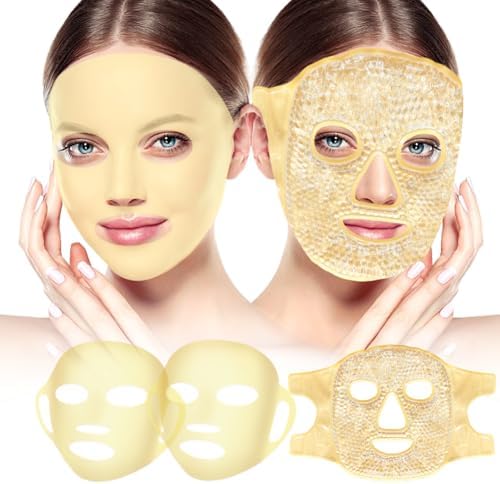
A sheet mask holder is any accessory that keeps a sheet mask in contact with your face without you having to hold it or lie flat. The most common version is a silicone face cover shaped like a mask, with openings for the eyes, nose and mouth and loops that hook over your ears.
You apply the sheet mask as usual, then place the silicone cover on top. The cover presses the sheet against your skin, stops it slipping and creates a light seal that slows the serum from evaporating. Some people also use the cover alone over a thick layer of a hydrating mask or moisturiser, which works in a similar way.
Silicone covers are sometimes sold as moisturising masks, but the silicone itself contains no active ingredient. Any benefit comes from the product underneath and from reduced evaporation while you wear it.
Types of Sheet Mask Holder Compared
There are only a few real designs, but they suit different routines. This table compares them.
| Type | How it holds the mask | Best for | Drawbacks |
|---|---|---|---|
| Full-face silicone cover with ear loops | Presses the whole mask flat | Daily or weekly masking at home | Can feel warm; must be washed |
| Half-face or lower-face silicone cover | Covers cheeks and chin only | Masks that slip at the jaw | Forehead can still lift |
| Sheet masks with built-in ear loops | Loops are part of the mask | Occasional use and travel | Single use; fewer mask choices |
| Hydrogel masks | Thick gel clings on its own | Moving around without a holder | Can still slip if very wet |
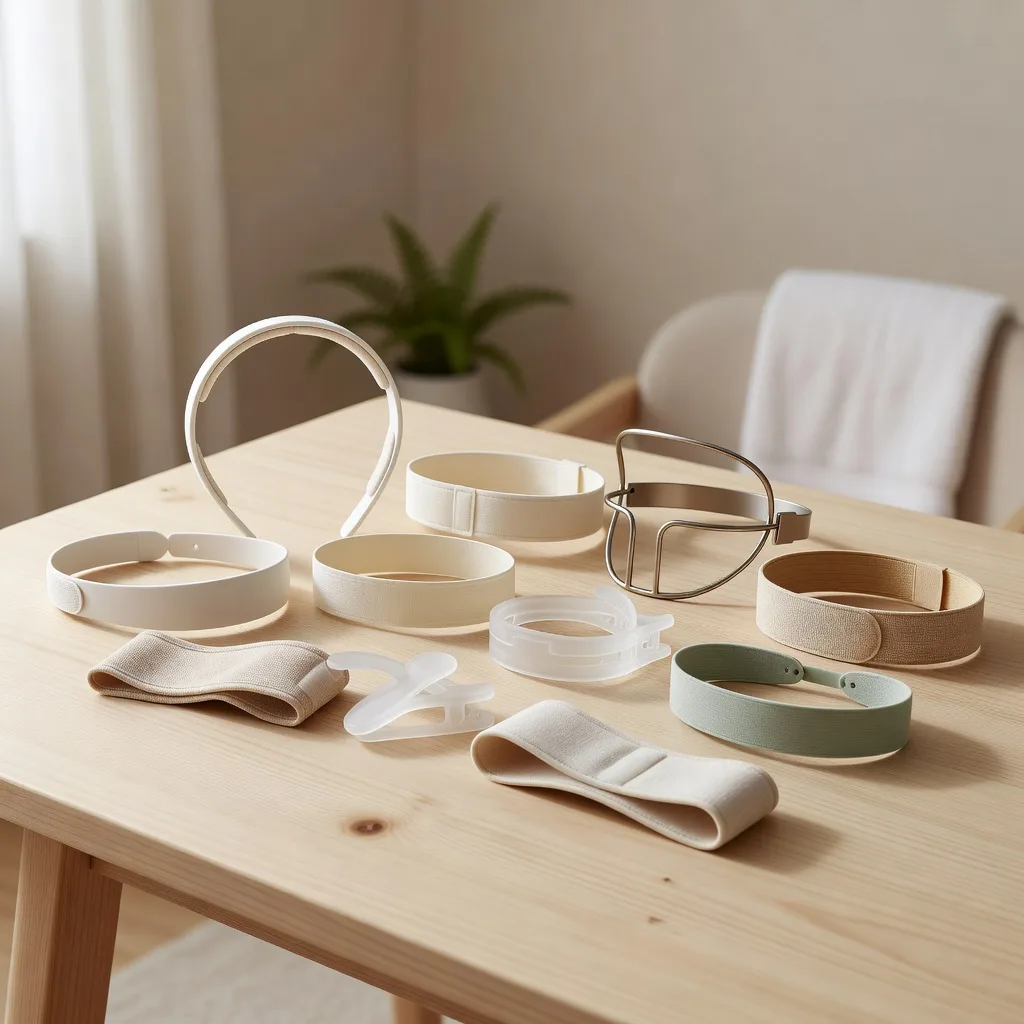
| Headband or strap | Holds hair back and edges down | Keeping hair off the mask | Does not hold the centre of the mask |
For regular use at home, a full-face silicone cover is the most versatile choice. If you mask only occasionally, trying hydrogel masks or masks with ear loops first costs less and needs no cleaning.
What to Look For in a Silicone Mask Holder
Silicone covers look alike online, so focus on details that affect comfort and hygiene.
- Material: medical-grade or food-grade silicone that is soft, odour-free and flexible.
- Thickness: thin enough to mould to your face without feeling heavy.
- Openings: eye, nose and mouth holes large enough for comfortable breathing and vision.
- Ear loops: adjustable or stretchy so they do not dig in behind your ears.
- Fit: some brands offer sizes; smaller faces may prefer a compact cover.
- Easy cleaning: smooth surfaces without deep grooves that trap residue.
- Storage: a case or pouch keeps the cover clean between uses.
If you have very sensitive skin, choose a cover described as fragrance-free and free of added colourants, and test it for a few minutes before a full session.
Which Option Suits Your Routine?
Your masking habits decide which holder is worth buying. Use this table as a quick guide.
| Your routine | Suggested option | Why |
|---|---|---|
| Mask several times a week | Silicone cover with ear loops | Reusable and cuts slipping |
| Mask occasionally | Sheet masks with ear loops | No extra accessory to wash |
| Want to move around the house | Silicone cover or hydrogel mask | Both stay put while you walk |
| Very dry skin | Silicone cover over a hydrating mask | Slows the mask drying out |
| Oily or acne-prone skin | Hydrogel or ear-loop mask, short sessions | Less heat and occlusion |
| Travel | Ear-loop masks or a folded cover in a case | Compact and simple |
If you like to use several masks at once, our guide to multi-masking explains how to match masks to different zones, and a silicone cover can hold separate sheets in place.
How to Use a Silicone Sheet Mask Holder
Using a holder takes only a minute longer than a normal sheet mask. These steps keep it comfortable and clean.
Cleanse your face
Wash with a gentle cleanser and pat dry, leaving skin slightly damp.
Apply the sheet mask
Unfold it, line up the eyes and mouth and smooth out air bubbles from the centre outward.
Place the silicone cover
Position it over the mask so the openings match, then hook the loops behind your ears.
Relax for the set time
Follow the time on the mask pack, usually 10 to 20 minutes, and do not sleep in it.
Remove both layers
Lift off the cover, then peel away the sheet mask.
Pat in the serum
Press the remaining serum into your skin and follow with moisturiser if your skin feels dry.
Wash the holder
Rinse the cover in warm, soapy water, rinse well and let it air dry fully.
Pour a little leftover serum from the mask pouch onto your neck before putting the cover on. It makes use of the extra liquid and keeps the silicone from sliding on dry skin at the jaw.
Hygiene and Safety
A reusable holder sits against damp skin for many sessions, so cleaning is important. Residue from masks and oil can build up on silicone and irritate skin or trigger breakouts if you skip washing.
- Wash the cover after every use with mild soap and warm water.
- Dry it completely before storing it in a case.
- Do not share your cover with others.
- Replace it if it tears, stays sticky or develops an odour.
- Do not wear a sheet mask longer than directed; longer is not better.
Remove the mask and cover at once if you feel burning, stinging, itching or difficulty breathing. Do not use a holder over broken skin, an active rash or right after a peel, laser or retinoid irritation, and never sleep in a sealed silicone cover.
Choosing Sheet Masks to Use With a Holder
A holder is only as good as the mask underneath. Choose masks for your skin type and keep formulas simple, especially if you mask often.
- Dry skin: glycerin, hyaluronic acid, ceramides and panthenol.
- Oily skin: light, gel-based masks with niacinamide.
- Sensitive skin: fragrance-free masks with short ingredient lists.
- Dull skin: gentle hydrating masks; avoid strong acids under an occlusive cover.
- Acne-prone skin: non-comedogenic masks and shorter sessions.
Masks with exfoliating acids or retinoids are not ideal under a cover, because trapping them against the skin can increase irritation. Our guide to the best facial masks for dry skin covers which ingredients hydrate best.
Benefits of Hands-Free Masking
The main appeal of a holder is practical rather than medical. It turns a mask from something you have to lie still for into something you can wear while you get on with a quiet evening.
- Freedom to read, tidy, cook a simple meal or answer messages while you mask.
- Less dripping serum on clothes, pillows and furniture.
- Better contact around the nose, chin and jawline, where sheets often lift.
- Slower drying, so the mask stays comfortable for its full time.
- Less temptation to leave a drying mask on too long, since it stays damp and you remember to remove it.
- A calmer ritual, which is the reason many people enjoy sheet masks in the first place.
These benefits are real, but they are about comfort and convenience. If you enjoy the routine, a holder is a small, inexpensive way to make it easier. If you rarely mask, you probably do not need one.
Common Problems and Easy Fixes
Most complaints about sheet mask holders come down to fit or technique rather than a faulty product.
- Cover slides down: tighten or shorten the ear loops, or try a smaller size.
- Eye holes do not line up: trim the sheet mask openings slightly with clean scissors.
- Ears feel sore: choose wider or adjustable loops and take breaks between sessions.
- Face feels hot or sweaty: shorten the session and avoid masking in a warm, steamy bathroom.
- Breakouts after masking: wash the cover every time and switch to a lighter, non-comedogenic mask.
- Silicone smells odd: wash it well and let it air out; replace it if the smell lingers.
If problems continue despite these fixes, a hydrogel mask or a sheet mask with built-in ear loops may simply suit you better than a separate cover.
Dos and Don’ts
Helps
- Choose soft, washable silicone
- Keep to the time on the mask pack
- Wash and dry the cover after each use
- Pick gentle, fragrance-free masks for sensitive skin
- Moisturise afterwards if your skin feels dry
Backfires
- Sleep in a silicone cover
- Use it over acids or retinoid masks
- Share your holder with others
- Use it on broken or irritated skin
- Expect the cover itself to treat your skin
Honest Limits
A sheet mask holder is a comfort accessory. It keeps the mask in place, reduces mess and slows drying, but there is no good evidence that it makes the ingredients work better in any lasting way. The hydration a sheet mask gives is real but temporary, and skin usually returns to its normal state within hours.
The AAD’s dry skin tips focus on everyday habits, such as warm rather than hot water, gentle fragrance-free cleansers and moisturising damp skin, and these do far more for dryness than occasional masking. If you enjoy sheet masks, a holder makes them easier to fit into your evening. If you mask very often, our guide on whether daily mask use is okay explains how often is reasonable.
When to See a Dermatologist
- Your skin stays dry, tight or flaky despite regular moisturising.
- Sheet masks or silicone covers cause rashes, hives or swelling.
- You get breakouts every time you mask.
- You have eczema, rosacea or another condition and are unsure which masks are safe.
This article is for general information and does not replace professional medical advice. See a board-certified dermatologist for persistent dryness, allergic reactions or any skin condition that worries you.
FAQ
What is a sheet mask holder?
A cover or strap, usually silicone with ear loops, that keeps a sheet mask in place.
Do silicone mask covers work?
They hold the mask on and slow drying, but add no active ingredients.
Can I walk around with a sheet mask on?
Yes, with a silicone cover, ear-loop mask or hydrogel mask.
How long should I leave a sheet mask on?
Follow the pack, usually 10 to 20 minutes.
Can I sleep in a sheet mask holder?
No, remove it before sleeping.
How do I clean a silicone mask cover?
Wash with mild soap and warm water and let it air dry.
Can I use a silicone cover without a sheet mask?
Yes, over a thin layer of hydrating mask or moisturiser.
Are silicone mask holders safe for sensitive skin?
Usually, if clean and used with gentle masks; patch test first.
Can I use it with acid masks?
It is best not to, as it can increase irritation.
How often can I use a sheet mask?
Many people use one a few times a week; daily is fine for gentle masks.
Final Word
The best sheet mask holder is a thin, soft, washable silicone cover with comfortable ear loops that keeps your mask flat and damp while you get on with your evening.
Pair it with gentle masks suited to your skin, keep to the time on the pack, clean it after every use and rely on everyday moisturising for lasting hydration.

Written by
Registered pharmacist and founder of Facial Adviser. Rakib's pharmacy training covers how skincare actives work and interact; a later course in cosmetology turned that into a focus on facial treatments and skincare products. He plans, researches and edits every guide on the site and checks health claims against sources such as the American Academy of Dermatology, the FDA and the NIH. He is not a dermatologist; see the Editorial Policy and Medical Disclaimer.
About · Editorial policy · How we choose products · Medical disclaimer · Contact
Keep reading: Cleansing brushes and skin tools
- 10 Best Facial Tools (2026): LED, Cleansing, Gua Sha and More
- 10 Best Charcoal Cleansing Pads and Cleansers (2026): Less Shine
- 10 Best Oil Absorbing Sheets (2026): Blotting Papers for a Shine-Free Face
- 10 Best Facial Sponges (2026): Gentle Cleansing and Easy Mask Removal
- 10 Best Face Loofah Pads (2026): Gentle Exfoliating Facial Pads
- 10 Best Facial Brushes for Women (2026): Gentle Silicone to Sonic Picks
- 10 Best Products for Women's Facial Hair Removal (2026): Gentle Picks
- 10 Best Gua Sha Facial Tools (2026): Stone and Steel Picks Compared