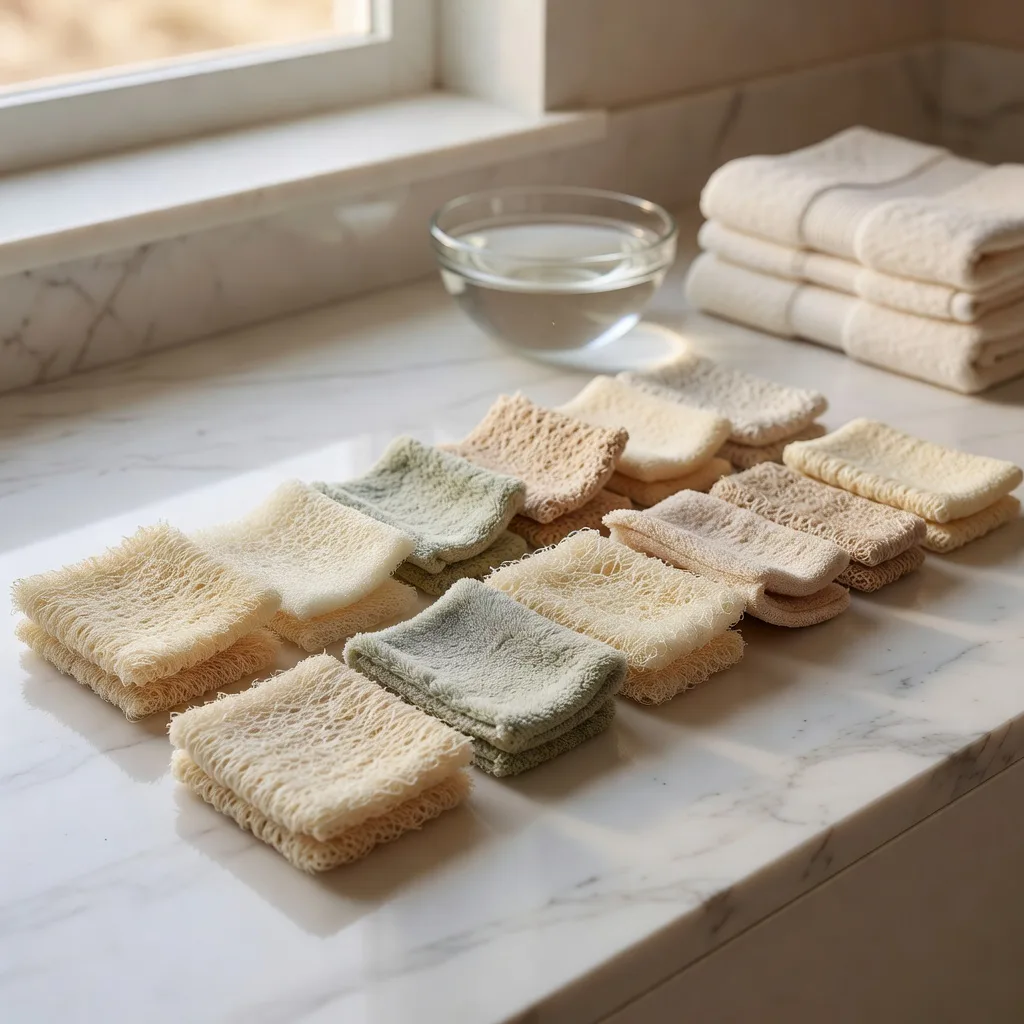
10 Best Face Loofah Pads (2026): Gentle Exfoliating Facial Pads
Loofah pads, textured cotton rounds, microfibre pads and konjac sponges are some of the simplest exfoliating tools you can buy, but they differ a lot in roughness and in how quickly they become unhygienic. This list covers 10 options, from dual-sided rounds to washable pads and konjac sponges, with notes on who each suits and who should skip it.
Part of our guide to at-home facial devices. Start with: 10 Best Facial Tools (2026): LED, Cleansing, Gua Sha and More
The best face loofah pad for most people is a small, thin, facial-specific pad or a konjac sponge that is soft when wet, used with light pressure once or twice a week and replaced often. Natural loofah is fairly rough, so it suits oily, resilient skin better than dry or sensitive skin, where a konjac sponge or a soft textured cloth is kinder. Whatever you choose, rinse it well, let it dry fully between uses and replace it every few weeks, because damp, porous pads can harbour bacteria and mould. Avoid using any pad on active acne, rosacea, eczema or broken skin, and never on the same night as a retinoid or acid exfoliant.
In short: pick the softest pad that does the job, use it lightly and treat it as disposable after a few weeks.
The American Academy of Dermatology notes that the right way to exfoliate at home depends on your skin type, and that people with sensitive, dry or acne-prone skin often do better with a washcloth and a mild approach than with anything abrasive.
Below you will find the ten picks, how we chose them, how the main pad types compare, how to use and clean a pad, and when a different kind of exfoliation makes more sense.
Shopping these picks?
Amazon Prime members get fast, free shipping on eligible items, plus Prime Video, Amazon Music and member deals. New members can start with a free trial.
Start a free Prime trialAged 18 to 24? Prime for Young Adults comes with a longer free trial and a lower price after it.
Affiliate link: we may earn a commission at no extra cost to you.
As an Amazon Associate we earn from qualifying purchases. This does not change which products we include.


Key Takeaways
- Simply Soft Dual-Textured Exfoliating Rounds are our top pick: a smooth side, a mild textured side and a fresh round every time.
- IMPRESA Exfoliating Face Scrubber Pads are the best value, with a ten-pack that makes regular replacement easy.
- ERASE YOUR FACE Reusable Microfibre Pads suit anyone who wants a machine-washable pad that also lifts makeup.
- Konjac sponges are the gentlest pad option; firmer felt and scrubber pads suit oilier skin.
- Use any textured pad with light pressure once or twice a week at most.
- Rinse, dry fully and replace reusable pads every few weeks.
- Skip pads on active acne or broken skin, and never use one on the same night as retinoids or acids.
Jump to a Section
- The 10 Best Face Loofah Pads and Exfoliating Pads Right Now
- How We Chose These Products
- Types of Face Pads Compared
- What to Look For When Buying
- Choosing by Skin Type
- Hygiene: Why Face Pads Need Replacing Often
- How to Use a Face Loofah Pad Gently
- How Often Should You Use One?
- Face Pads vs Chemical Exfoliating Pads
- Caring for Your Skin After Using a Pad
- Dos and Don’ts
- Honest Limits
- When to See a Dermatologist
- Your Questions, Answered
- Final Word
The 10 Best Face Loofah Pads and Exfoliating Pads Right Now
These ten exfoliating pads range from single-use textured cotton rounds to washable microfibre, felt scrubbers and soft konjac sponges. Each entry explains who it suits, how it compares with the others and who should skip it.
| # | Product | Best For | Standout Feature | |
|---|---|---|---|---|
| 1 | Simply Soft Dual-Textured Exfoliating Rounds | Gentle weekly exfoliation for most skin types | Smooth side and textured side on each round | View |
| 2 | IMPRESA Exfoliating Face Scrubber Pads | Stocking up on replacement pads | Ten-pack makes regular replacement easy | View |
| 3 | ERASE YOUR FACE Reusable Microfibre Pads | Makeup removal plus occasional buffing | Machine washable and works with just water | View |
| 4 | Neutripure Organic Konjac Sponge Set | Low-waste routines and gentle buffing | Compostable konjac fibre sponges | View |
| 5 | CSM Organic Konjac Sponges 3-Pack | Sensitive or dry skin | Three konjac sponges, charcoal versions available | View |
| 6 | HartFelt Round Reusable Face Scrubber | Travel, gym and wash bags | Portable recycled-polyester felt scrubber | View |
| 7 | Minamul Charcoal Konjac Sponge Set | Combination skin wanting a gentle buff | Charcoal konjac that stretches your cleanser | View |
| 8 | Geiserailie Compressed Facial Sponges, 50 Pack | Wiping off cleanser, masks and makeup | Fifty sponges in a clear jar | View |
| 9 | MainBasics Face Scrubber Exfoliator Pads, 4 Pack | People who enjoy a foamy cleanse | Japanese-inspired material that boosts lather | View |
| 10 | HartFelt Tear-Drop Face Scrubbers, 8 Pack | Normal to oily skin | Tear-drop shape, regular-strength texture | View |
Simply Soft Dual-Textured Exfoliating Rounds

Best for: Gentle weekly exfoliation for most skin types
Simply Soft takes the top spot because it solves the biggest problem with face pads: hygiene. Each cotton round is used once and thrown away, so there is no damp, porous pad sitting in the bathroom between sessions. One face is smooth for everyday cleansing or toning, while the other has a mild texture for your weekly exfoliation night, so a single box covers both jobs.
The listing describes the cotton as hypoallergenic, lint free and dermatologist tested, which is reassuring if your skin reacts easily, although none of those terms guarantees you will not be irritated. The textured side is milder than a loofah slice or the IMPRESA pads at #2, so it suits beginners and drier skin. The trade-off is waste: unlike the washable #3 pick, these rounds are single-use.
- Cotton rounds with a smooth side and an exfoliating side
- Described as hypoallergenic and lint free
- Listed as dermatologist tested
- Multi-count box of single-use rounds
Pros
- Fresh, clean round every time
- Mild texture suits beginners
- Doubles as a toner or makeup-removal pad
Cons
- Single-use, so it creates more waste than washable pads
- Texture may feel too light for very oily skin
Skip it if: Skip it if you want a low-waste routine; the ERASE YOUR FACE or HartFelt pads are washable.
Check Price on AmazonIMPRESA Exfoliating Face Scrubber Pads

Best for: Stocking up on replacement pads
IMPRESA’s pads earn second place by making the replacement habit painless. A ten-pack means you can open a fresh pad every few weeks without reordering, which matters because textured pads hold water, oil and skin cells and should not be kept for months. Each pad has one exfoliating face, so you decide when to use the texture rather than scrubbing every time you wash.
The seller pitches them as daily cleansing pads, but the textured side is best treated as a once or twice weekly tool, with your hands doing the cleansing on other days. They are firmer than the Simply Soft rounds at #1, which suits oilier, resilient skin more than dry or sensitive faces. If you prefer something softer, the konjac picks further down the list are gentler.
- Pack of ten facial scrubber pads
- Single-sided exfoliating texture
- Sold as cleansing pads for the face
- Multi-pack format for regular replacement
Pros
- Plenty of spares for fresh swaps
- One-sided design keeps texture optional
- Good fit for oily or combination skin
Cons
- Firmer than cotton rounds or konjac
- Listing suggests daily use, which is too often for most skin
Skip it if: Skip it if your skin is dry or sensitive; a konjac sponge such as the CSM 3-Pack is kinder.
Check Price on AmazonERASE YOUR FACE Reusable Microfibre Pads
Best for: Makeup removal plus occasional buffing
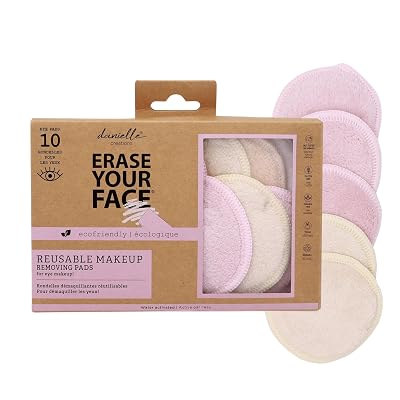
ERASE YOUR FACE takes third place as the most practical reusable option. The microfibre is designed to work with water alone, and each pad has two sides: one for lifting makeup and one with more texture for exfoliating. Because it is machine washable, you can clean it hot after use, which is a real hygiene advantage over loofah and konjac, which can only be rinsed.
Choose it over the #1 Simply Soft rounds if you dislike throwing cotton away, but be aware that microfibre can drag more on bare skin than a soaked konjac sponge. Use the textured side gently on your one or two exfoliation nights and the smoother side for everyday makeup removal. Keep a few pads so one is always clean and fully dry.
- Microfibre that is activated with water
- Dual sides for exfoliating and removing makeup
- Machine washable and reusable
- Cuts down on disposable cotton rounds
Pros
- Washes hot for better hygiene
- Two jobs in one pad
- Less waste than disposable rounds
Cons
- Microfibre can feel draggy on dry skin
- Needs a washing routine and spare pads
Skip it if: Skip it if you want the softest possible feel; the Neutripure or CSM konjac sponges are gentler.
Check Price on AmazonNeutripure Organic Konjac Sponge Set
Best for: Low-waste routines and gentle buffing
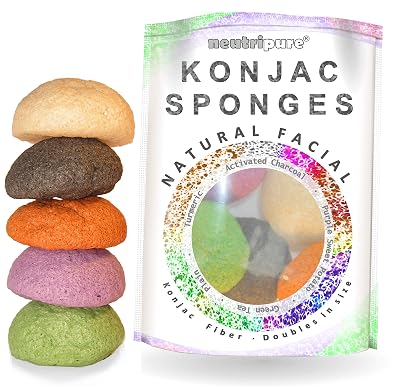
Neutripure’s konjac set is the pick for anyone who wants a gentle pad that leaves little behind. Konjac fibre, from the root of the konjac plant, turns soft and springy once soaked, so it buffs rather than scratches, and when a sponge wears out it can be composted. That makes regular replacement feel far less wasteful than binning synthetic pads every few weeks.
It is much softer than the IMPRESA or HartFelt scrubbers, so it suits dry, normal and easily reddened skin. The downside of konjac is lifespan: it is porous, stays damp for hours and slowly breaks down, so plan to replace each sponge within a few weeks. Compared with the CSM set at #5 it feels very similar in use, with the compostable angle as its main draw.
- Made from konjac plant fibre
- Compostable at the end of its life
- Designed for gentle exfoliation
- Sold as a multi-sponge set
Pros
- Very soft once fully soaked
- Compostable, low-waste option
- Suits dry and normal skin
Cons
- Wears out within weeks
- Stays damp for a long time if not dried well
Skip it if: Skip it if you want a pad you can machine wash; the ERASE YOUR FACE pads suit you better.
Check Price on AmazonCSM Organic Konjac Sponges 3-Pack

Best for: Sensitive or dry skin
The CSM three-pack is our most gentle pick. Made from natural konjac root, the sponges swell into soft, bouncy pads when wet, which makes them a sensible first step if cotton textures or scrubber pads leave your cheeks pink. Having three in the pack means one can dry fully while another is in use, and you have spares ready when the first one starts to wear out.
Some versions are infused with bamboo charcoal. That changes the colour and feel slightly, but there is no good evidence that charcoal in a sponge draws out impurities, so pick whichever version you like. Next to the Neutripure set at #4 it is very similar in use; the choice mostly comes down to pack size and variants. Like all konjac, it needs careful drying between sessions.
- Natural konjac root sponges
- Pack of three
- Made for gentle exfoliation
- Bamboo charcoal infused versions available
Pros
- Softest texture type on this list
- Three sponges allow rotation
- Easy starting point for sensitive skin
Cons
- Short lifespan, like all konjac
- Charcoal versions offer no proven extra benefit
Skip it if: Skip it if you have very oily, resilient skin and want a firmer buff; the HartFelt tear-drops fit better.
Check Price on AmazonHartFelt Round Reusable Face Scrubber

Best for: Travel, gym and wash bags
HartFelt’s round scrubber is made in the USA from recycled polyester and is designed to be rinsed and reused, which makes it an easy pad to pack. Unlike konjac, it does not need a long soak to soften and will not crumble in a wash bag, so it suits trips where you want one dependable tool rather than a stack of cotton rounds or a fragile sponge.
The listing says it lifts away dead cells, dirt and oil, which is simply what a textured pad does alongside a cleanser. It is firmer than the konjac sponges at #4 and #5, so use very light pressure and keep it to once or twice a week. Rinse it well after use and let it dry in the open air, not zipped into a damp bag.
- Round reusable scrubber for the face
- Made in the USA from recycled polyester
- Rinse-and-reuse design
- Compact and portable
Pros
- Sturdy enough for travel
- Made from recycled material
- No long soak needed
Cons
- Firmer than the konjac options
- Must be dried properly, away from closed bags
Skip it if: Skip it if your skin is sensitive; the CSM konjac sponges are softer.
Check Price on AmazonMinamul Charcoal Konjac Sponge Set

Best for: Combination skin wanting a gentle buff
Minamul’s set pairs konjac with charcoal, and the listing notes that the sponge helps a small amount of cleanser go further, since the soaked fibres work up a light lather. It is intended as a gentle scrub, so it sits between the plain konjac sponges and the firmer felt and scrubber pads on this list, which makes it a reasonable middle ground for combination skin.
The seller describes it as a daily scrub, but it is still wise to limit deliberate buffing to one or two sessions a week, especially if you use retinoids or acids. As with the CSM pick, charcoal is mainly a variation in colour and feel rather than a proven extra. Choose Minamul if you like konjac but want a set with charcoal as standard.
- Konjac sponges infused with charcoal
- Helps stretch a small amount of cleanser
- Intended for gentle scrubbing
- Sold as a set
Pros
- Soft, konjac-based texture
- Uses less cleanser
- Set gives spares to rotate
Cons
- Daily-use suggestion is too frequent for many people
- Charcoal offers no proven extra benefit
Skip it if: Skip it if you want plain konjac with no additives; the Neutripure set is simpler.
Check Price on AmazonGeiserailie Compressed Facial Sponges, 50 Pack

Best for: Wiping off cleanser, masks and makeup
These compressed wood-pulp sponges are not scrubbers in the same way as the other picks. They expand when wet into soft sponges that are best at wiping away cleanser, clay masks and makeup, with only a very light buffing effect. That makes them useful on the days between exfoliation sessions, when you want a clean finish without any real friction on the skin.
The clear container keeps the pack tidy and dry, and fifty sponges means you can swap to a fresh one often. They are the lowest-friction choice on this list for removing a mask, but they will not smooth rough texture like the Simply Soft or IMPRESA pads. Think of them as a companion to an exfoliating pad rather than a replacement for one.
- Fifty compressed wood-pulp sponges
- Clear storage jar included
- Compressed format that softens in water
- Suited to makeup and mask removal
Pros
- Large count for frequent swaps
- Very low friction
- Tidy storage jar
Cons
- Little real exfoliation
- Damp sponges still need drying between uses
Skip it if: Skip it if smoothing rough skin is your main goal; choose the Simply Soft or IMPRESA pads instead.
Check Price on AmazonMainBasics Face Scrubber Exfoliator Pads, 4 Pack
Best for: People who enjoy a foamy cleanse
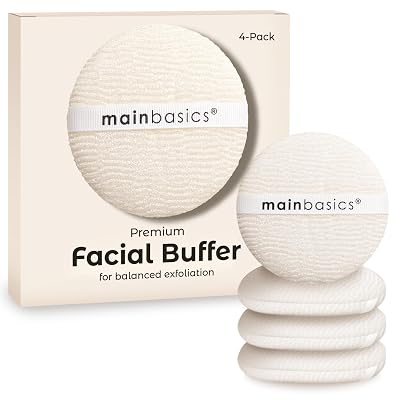
MainBasics pads draw on Japanese-style scrubber materials and are meant to be used with your usual cleanser to buff away dead skin. Their main selling point is lather: the textured material foams a small amount of cleanser into a generous froth, which some people find makes a slow, light-handed cleanse easier than scrubbing with a drier pad.
A four-pack gives you spares for rotation, though it is fewer than the IMPRESA ten-pack at #2. The texture is more scrubby than konjac, so it is best for normal to oily skin on your one or two exfoliation evenings. Keep the pressure light, let the foam do the work, rinse thoroughly and hang each pad to dry before its next use.
- Materials inspired by Japanese scrubbers
- Used with cleanser to buff away dead skin
- Helps cleanser build more lather
- Pack of four pads
Pros
- Makes cleanser go further
- Four pads for rotation
- Pleasant, foamy cleanse
Cons
- Firmer than konjac or cotton rounds
- Fewer pads than the IMPRESA pack
Skip it if: Skip it if you have sensitive or reactive skin; a konjac sponge is gentler.
Check Price on AmazonHartFelt Tear-Drop Face Scrubbers, 8 Pack

Best for: Normal to oily skin
HartFelt’s tear-drop scrubbers are listed for normal to oily skin with a regular-strength texture, which makes them the most clearly targeted pick for shine-prone faces. The tapered shape may make it easier to reach around the nose and chin, where oil and flaky patches often build up, and the eight-count pack gives you plenty of spares to rotate.
Like the round HartFelt at #6, they are made in the USA and designed to be rinsed and reused. Because they are described as regular strength, they are firmer than the konjac options, so they are not the right choice for dry or sensitive skin. Use them lightly on the T-zone once or twice a week and never over active spots or broken skin.
- Tear-drop shaped facial scrubbers
- Regular-strength texture
- Intended for normal to oily skin
- Made in the USA, eight per pack
Pros
- Clearly aimed at oily skin
- Tapered shape suits smaller areas
- Eight pads for rotation
Cons
- Too firm for dry or sensitive skin
- Easy to over-scrub oily areas
Skip it if: Skip it if your skin is dry or reactive; the CSM konjac sponges are the gentler buy.
Check Price on AmazonHow We Chose These Products
We shortlisted exfoliating face pads from Amazon listings that are highly rated by a large number of shoppers, favouring established brands and fuller-featured sets, such as multi-packs that make regular replacement easy and pads with clearly described textures. We then checked each product’s listed features against the exfoliation and acne guidance from the American Academy of Dermatology cited in this post.
These are research-based picks, not hands-on lab tests. Rankings reflect listing detail, material, pack size and how well each pad fits a gentle, once or twice weekly routine. Where a listing suggested daily scrubbing, we have noted that most skin does better with less, and we have not repeated claims that a pad detoxifies or deep-cleans pores.
- Strong ratings from a large number of shoppers
- Established brands and fuller-featured sets preferred
- Listed features checked against the cited AAD guidance
- Products with thin or unclear listings excluded
- Marketing claims softened or left out
Types of Face Pads Compared
The word loofah is used loosely online. Some products are sliced from the dried fruit of the luffa plant, while others are konjac root sponges, cotton rounds with a textured side, microfibre pads or felt and mesh scrubbers. Each feels very different on the face.
| Pad type | Texture | Best for | Watch out for |
|---|---|---|---|
| Natural loofah pad | Firm and fibrous, softer when soaked | Oily, thick or resilient skin | Can be too rough; holds moisture and bacteria |
| Konjac sponge | Very soft and bouncy when wet | Sensitive, dry and normal skin | Breaks down within a few weeks |
| Textured cotton or bamboo round | Mild, cloth-like | Most skin types; daily cleansing | Needs regular hot washing if reusable |
| Microfibre, felt or mesh scrubber | Varies from soft to firm | Easy-to-clean, reusable options | Firm versions can scratch |
| Body loofah or shower puff | Coarse | Not suitable for the face | Too abrasive and often unhygienic |
If you are unsure which type suits you, start with a konjac sponge or a soft textured round. You can always move to something firmer if your skin tolerates it, but it is harder to undo irritation caused by starting too rough.
What to Look For When Buying
Face pads are simple products, but a few details make a real difference to comfort and hygiene.
| Feature | Why it matters |
|---|---|
| Size | A small pad of a few centimetres gives better control around the nose and chin |
| Thickness | Thin pads soften faster and dry more quickly |
| Softness when wet | Squeeze a soaked pad; it should feel springy, not scratchy |
| Individually packed | Lets you open a fresh pad on schedule without exposing the rest |
| Hanging loop or holder | Helps the pad dry fully between uses |
| Clear labelling | Should state it is for facial use and give replacement guidance |
Multi-packs are practical because face pads should be replaced often. A pack that lasts several months at one pad per month is better value than a single thick pad you keep using long after it should be thrown away.
Choosing by Skin Type
How your skin reacts to friction should guide your choice more than the product photos.
- Oily skin: a soft loofah pad or firm konjac sponge once or twice a week is usually well tolerated.
- Combination skin: use the pad on the oilier T-zone and skip dry cheeks.
- Dry skin: choose a konjac sponge, use it with a creamy cleanser and moisturise straight after.
- Sensitive skin or rosacea: most pads are too much; a soft washcloth or no mechanical exfoliation is safer.
- Acne-prone skin: avoid scrubbing over spots; the AAD’s acne skin care tips warn that scrubbing can make acne worse.
- Mature or thin skin: go gentle and infrequent, as skin can mark and redden more easily.
If you would rather avoid friction altogether, our guide to gentler alternatives to exfoliation covers low-irritation options.
Hygiene: Why Face Pads Need Replacing Often
Natural loofah and konjac are porous. After each use they hold water, skin cells, cleanser and oil in a warm bathroom, which is an ideal setting for bacteria and mould to grow. This is the biggest practical drawback of face pads and the main reason to keep them simple and short-lived.
- Rinse the pad thoroughly under running water after every use.
- Squeeze out as much water as possible without twisting or tearing it.
- Hang it or stand it upright somewhere airy, away from the shower spray.
- Let it dry completely before the next use.
- Never share a face pad.
- Throw it away every three to four weeks, or at once if it smells, changes colour or shows dark spots.
Do not use a pad that smells musty, has dark or pink spots, or feels slimy. Using a contaminated pad on the face can lead to irritation and infection, especially on skin with small cuts, shaving nicks or active breakouts.
How to Use a Face Loofah Pad Gently
The aim is to lift away loose dead skin, not to scrub your face smooth. Use these steps as a starting point.
Soak the pad
Soak it in warm water for a minute or two until it is fully soft and springy.
Remove makeup first
Take off makeup and sunscreen before using the pad.
Add a gentle cleanser
Apply a mild cleanser to your face or a small amount to the damp pad.
Use light, circular motions
Move slowly over oily areas for 20 to 30 seconds with almost no pressure.
Avoid delicate areas
Keep away from the eyes, lips and any spots or broken skin.
Rinse and pat dry
Rinse with lukewarm water and pat the skin dry with a clean towel.
Moisturise and clean the pad
Apply moisturiser, then rinse, squeeze and air-dry the pad.
Choose one or two set days a week for your pad, such as Sunday and Wednesday evenings, and keep your other nights free of exfoliation. A fixed schedule makes it easy to avoid doubling up with acids or retinoids.
How Often Should You Use One?
Frequency depends on your skin type and what else is in your routine. Most people do best with one or two uses a week. If you already use a chemical exfoliant, a retinoid or prescription acne treatment, a pad may be unnecessary, or should be limited to once a week on nights you skip those products.
Signs you are overdoing it include tightness after washing, stinging when you apply moisturiser, flaking, shiny or tender patches and new redness. If you notice any of these, stop all exfoliation for a week or two. Our guide on facial redness after exfoliation explains how to calm skin that has been over-treated.
The most common mistakes are simple ones: using a body loofah or shower puff on the face, scrubbing hard or for minutes at a time, leaving the pad in the shower where it never dries, and keeping the same pad for months. Fixing those habits usually matters more than which pad you buy.
Face Pads vs Chemical Exfoliating Pads
Many products called exfoliating pads are not textured tools at all, but pre-soaked cotton pads containing acids such as glycolic, lactic or salicylic acid. These work chemically by loosening the bonds between dead skin cells, rather than by friction.
Chemical pads give a more even result and suit people who find friction irritating, but they can sting and increase sun sensitivity. The FDA notes that alpha hydroxy acids can increase the skin’s sensitivity to the sun, so daily sunscreen matters if you use them. Use one type of exfoliation at a time rather than stacking a loofah pad on top of an acid pad.
Caring for Your Skin After Using a Pad
What you apply after exfoliating matters as much as the pad itself. Freshly exfoliated skin loses water more easily for a short time and can react to ingredients it normally tolerates.
- Apply a simple, fragrance-free moisturiser while the skin is still slightly damp.
- Look for barrier-friendly ingredients such as glycerin, ceramides or squalane.
- Skip toners with alcohol, fragranced mists and strong actives that evening.
- Use a broad-spectrum sunscreen of SPF 30 or higher the next morning.
- Leave at least a day before any other form of exfoliation.
If your skin feels tight, hot or itchy after using a pad, rinse with cool water and apply a plain moisturiser. Persistent discomfort is a sign to use the pad less often, switch to a softer type or stop altogether. Our guide on how to repair your moisture barrier covers the next steps if your skin has become sensitive.
Dos and Don’ts
Good Habits
- Soak the pad until soft
- Use light pressure
- Limit use to once or twice a week
- Dry the pad fully between uses
- Replace it every few weeks
Common Mistakes
- Use a body loofah on your face
- Scrub over acne or broken skin
- Store it in the shower
- Share it with anyone
- Combine it with acids the same night
Honest Limits
Face pads give a mild, immediate smoothness and can help cleanser spread, but their effects are small and temporary. There is little research comparing loofah or konjac pads with other forms of exfoliation, and claims that they detoxify, deeply clean pores or balance the skin are marketing rather than evidence.
They will not clear acne, fade dark marks or reduce wrinkles. For those concerns, sunscreen, well-chosen active ingredients and, where needed, a dermatologist are far more useful. If your skin feels fine without a pad, you do not need one. Natural products are not automatically gentler either: a dried plant fibre can be rougher than a well-designed synthetic cloth, so judge a pad by how your skin feels afterwards rather than by claims on the packet.
When to See a Dermatologist
- Redness, stinging or peeling that lasts after you stop exfoliating.
- Painful, swollen or pus-filled spots after using a pad.
- Persistent flaking or itchy patches that may be eczema or dermatitis.
- Acne that is not improving with gentle care.
- Any spot that changes, bleeds or does not heal.
This article is for general information and does not replace professional medical advice. See a board-certified dermatologist if you have a skin condition, an infection or ongoing irritation.
Your Questions, Answered
Are loofah pads good for the face?
Soft, facial-specific pads can be, used gently and replaced often.
Which exfoliating pad is best for oily skin?
The HartFelt Tear-Drop Face Scrubbers are listed for normal to oily skin; the IMPRESA pads are another firmer choice.
How often should I use a face pad?
Once or twice a week for most skin types.
How long does a face loofah pad last?
Replace it every three to four weeks.
Can I use a body loofah on my face?
No. Body loofahs are too rough for facial skin.
Do loofah pads help acne?
No. Scrubbing can irritate acne and make it worse.
Are reusable pads better than disposable rounds?
Washable pads like ERASE YOUR FACE cut waste; single-use rounds like Simply Soft avoid a damp pad between uses.
Can I use a pad with retinol?
Not on the same night; alternate instead.
Which exfoliating pad is best for sensitive skin?
A konjac sponge, such as the CSM 3-Pack or Neutripure set, is the softest option here. Skip pads during flare-ups.
Why does my pad smell?
Bacteria or mould are likely growing inside it; throw it away and start a fresh one.
Final Word
The best face loofah pad is soft, small and made for the face, whether it is a thin loofah slice, a konjac sponge or a textured round. Use it gently once or twice a week and moisturise afterwards.
Hygiene matters as much as texture: dry the pad fully after each use and replace it often. If your skin reddens, stings or breaks out, stop and choose a gentler routine or see a dermatologist.
Our top pick: Simply Soft Dual-Textured Exfoliating Rounds
Simply Soft Dual-Textured Exfoliating Rounds are our top pick because a fresh round every time removes the hygiene worries of porous pads, and the mild textured side suits most skin types. Choose the IMPRESA pads at #2 if you want a multi-pack of firmer scrubber pads for oilier skin, or ERASE YOUR FACE at #3 if you prefer a washable pad that also removes makeup.
Check Price on Amazon
Written by
Registered pharmacist and founder of Facial Adviser. Rakib's pharmacy training covers how skincare actives work and interact; a later course in cosmetology turned that into a focus on facial treatments and skincare products. He plans, researches and edits every guide on the site and checks health claims against sources such as the American Academy of Dermatology, the FDA and the NIH. He is not a dermatologist; see the Editorial Policy and Medical Disclaimer.
About · Editorial policy · How we choose products · Medical disclaimer · Contact
Keep reading: Cleansing brushes and skin tools
- 10 Best Facial Tools (2026): LED, Cleansing, Gua Sha and More
- 10 Best Facial Brushes for Women (2026): Gentle Silicone to Sonic Picks
- Dermaflash DERMAPORE: Ultrasonic Pore Extractor Pros and Cons
- 10 Best Beauty Tool Storage Pouches (2026): Clean, Dry, Travel-Ready
- 10 Best Sonic Facial Cleansing Devices (2026): Gentle, Deeper Clean
- Best Ultrasonic Pore Extractor: How Skin Scrubbers Work and Who They Suit
- How to Incorporate Microcurrent Into Your Routine: Gel, Timing and Safety
- 10 Best Products for Women's Facial Hair Removal (2026): Gentle Picks