Best Tea Tree Oil Facial Roller for Acne-Prone Skin: A Careful Guide
Tea tree oil roll-ons are one of the most popular natural spot treatments, sold as small bottles with a rollerball you dab straight onto a pimple. They are convenient and pleasant to use, but the oil is strong, the evidence is modest and a badly made product can irritate the very skin you are trying to calm.
Part of our guide to at-home facial devices. Start with: 10 Best Gua Sha Facial Tools (2026): Stone and Steel Picks Compared
The best tea tree oil facial roller for acne-prone skin is a ready-diluted roll-on spot treatment, not pure essential oil, made with a light, non-comedogenic carrier or gel base and without added fragrance or long lists of other essential oils. Tea tree oil has some evidence for reducing mild pimples, but it works more slowly and less reliably than benzoyl peroxide or salicylic acid. Use it only on individual spots, patch test first and stop if it stings, reddens or peels. It will not treat blackheads, cysts or widespread acne, and pure tea tree oil should never be applied undiluted to the face or swallowed.
In short: choose a diluted, fragrance-free tea tree roll-on for occasional spots, patch test first and keep proven acne treatments as your main routine.
The US National Center for Complementary and Integrative Health says a small amount of research suggests tea tree oil might help acne, but more evidence is needed, and that it can cause skin redness or irritation in some people.
This guide covers what tea tree oil can and cannot do, what to look for on the label, how to use a roller safely and when to switch to stronger treatment.
Shopping these picks?
Amazon Prime members get fast, free shipping on eligible items, plus Prime Video, Amazon Music and member deals. New members can start with a free trial.
Start a free Prime trialAged 18 to 24? Prime for Young Adults comes with a longer free trial and a lower price after it.
Affiliate link: we may earn a commission at no extra cost to you.
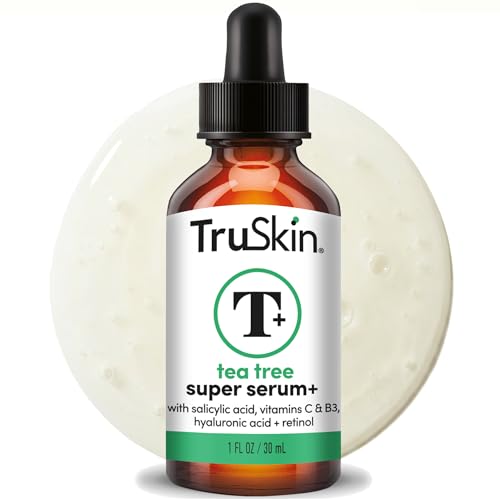
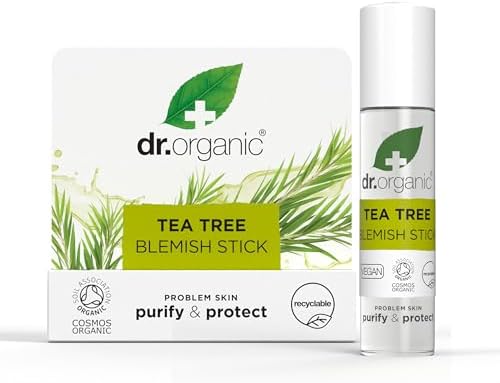
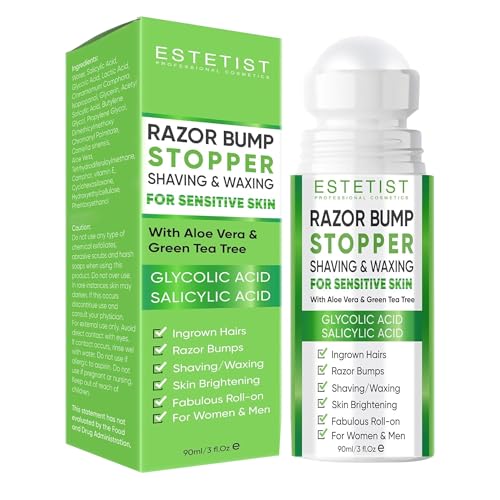
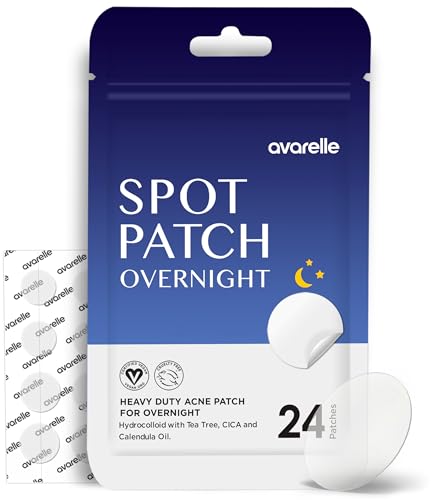
Recommended Tea Tree Oil Roll-On Spot Treatments on Amazon



At a Glance
- Tea tree oil has modest, early evidence for mild pimples.
- Choose a ready-diluted roll-on, never pure oil on the face.
- Avoid added fragrance and blends of many essential oils.
- Patch test for two days before using it on your face.
- Use it on individual spots, not all over the face.
- It is slower and less proven than benzoyl peroxide or salicylic acid.
- Stop if you get redness, stinging, itching or peeling.
On This Page
- What a Tea Tree Oil Roller Is
- Does Tea Tree Oil Work for Acne?
- What to Look For on the Label
- Carrier Bases for Acne-Prone Skin
- How to Use a Tea Tree Oil Roller on Spots
- Irritation, Allergy and Safety
- Using Tea Tree Oil With Other Acne Treatments
- Dos and Don’ts
- Who Tea Tree Rollers Suit Best
- Tea Tree Roll-On vs Other Spot Treatments
- Honest Limits
- When to See a Dermatologist
- Frequently Asked Questions
- Where This Leaves You
What a Tea Tree Oil Roller Is
A tea tree oil roller is a small bottle with a metal or glass rollerball on top. Inside is tea tree oil mixed with a carrier oil, a gel or a watery base. You roll it onto a single pimple, which puts a small amount exactly where you want it without touching the spot with your fingers.
Tea tree oil comes from the leaves of an Australian plant. It contains compounds, mainly terpinen-4-ol, that have antibacterial and anti-inflammatory activity in laboratory tests. That is the reason it is used for acne: the bacteria and inflammation in red pimples are the target.
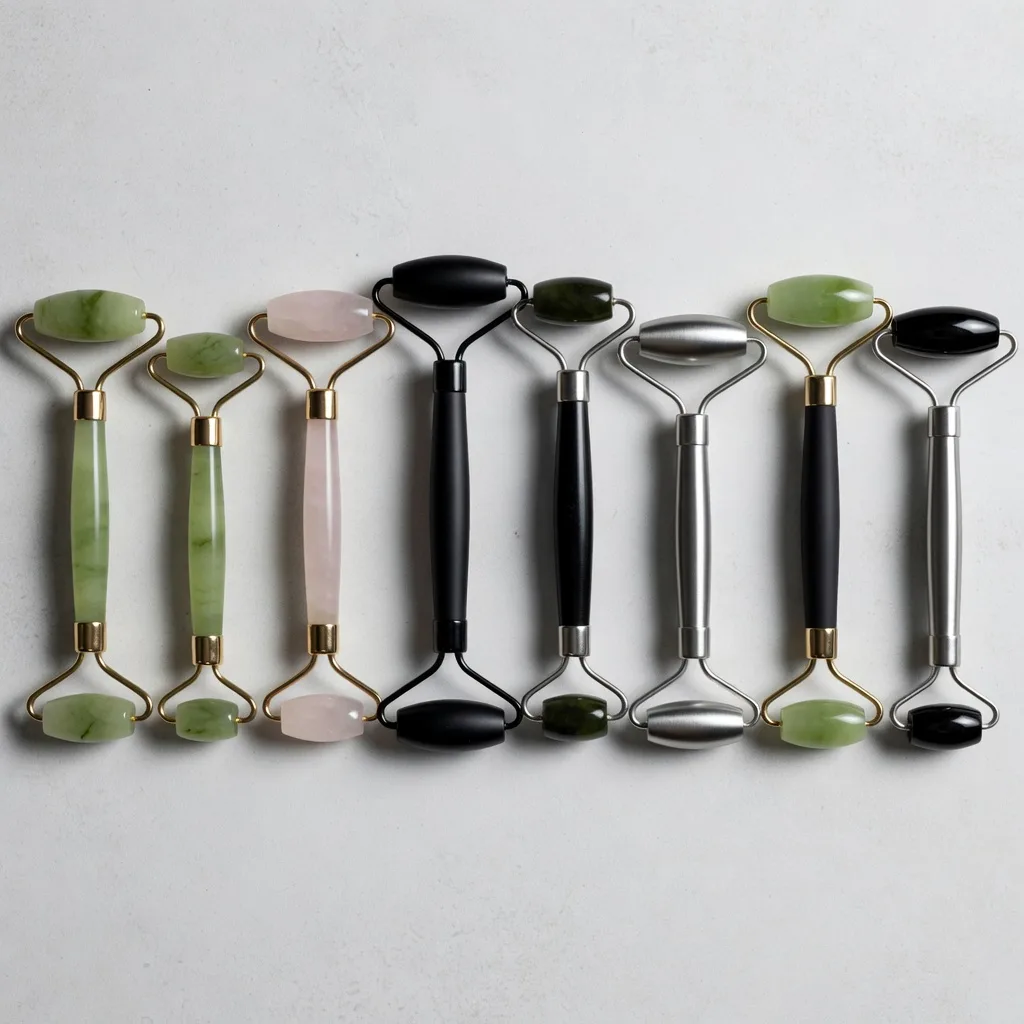
The word roller is also used for jade or stone face rollers, which are a different product. This guide is about tea tree roll-on spot treatments. If you are comparing plant oils more generally, our guide on facial oil vs essential oil explains why essential oils need more caution than carrier oils.
Does Tea Tree Oil Work for Acne?
The honest answer is that it may help mild acne a little, but the research is limited. Most studies are small and short, and many use tea tree gels rather than roll-ons.
| Question | What the evidence suggests |
|---|---|
| Can it reduce mild red pimples? | Possibly; small studies suggest some benefit |
| Is it as fast as benzoyl peroxide? | No; it appears to work more slowly |
| Does it help blackheads? | There is little evidence it does |
| Does it help cysts or nodules? | No; these need medical treatment |
| Is it gentler than prescription acne drugs? | Often, but it can still irritate and cause allergy |
The NCCIH summary of tea tree oil notes that more evidence is needed before firm conclusions can be drawn. Tea tree oil is sold as a cosmetic or natural product, not as an approved acne medicine, so the strength and quality vary from one product to another.
What to Look For on the Label
Because tea tree roll-ons are not standardised, reading the label carefully is the best way to choose a gentle one.
- Ready diluted: the product should be made for skin, not sold as pure essential oil in a roller bottle.
- Stated concentration: brands that say how much tea tree oil is in the product are easier to judge; lower strengths are gentler.
- A light base: squalane, a lightweight gel or a water-based formula is less likely to clog pores than heavy oils.
- No added fragrance: the oil already has a strong scent, and extra fragrance raises allergy risk.
- Few other essential oils: blends with lavender, lemon, peppermint or eucalyptus add more potential irritants.
- Opaque or dark packaging: light and air break tea tree oil down.
- A clear expiry date or period-after-opening symbol.
Tea tree oil can become more irritating as it ages, because exposure to air, light and heat changes its chemistry. Keep the cap on, store it somewhere cool and dark, and replace old or strong-smelling bottles.
Carrier Bases for Acne-Prone Skin
The base the tea tree oil is mixed with matters as much as the tea tree itself. Some carriers are heavy and more likely to clog pores on acne-prone skin.
| Base | Feel | Suitability for acne-prone skin |
|---|---|---|
| Water or aloe-based gel | Light, dries quickly | Very good |
| Squalane | Light, non-greasy | Good |
| Jojoba oil | Light to medium | Usually good |
| Grapeseed oil | Light | Usually good |
| Coconut oil | Heavy | Poor; can clog pores |
| Thick butters | Heavy | Poor |
Our article on whether facial oils clog pores explains why some oils suit acne-prone skin better than others.
How to Use a Tea Tree Oil Roller on Spots
A roll-on is meant for targeted use. These steps keep irritation to a minimum.
Patch test first
Roll a little on your inner arm or behind the ear and wait 48 hours for any reaction.
Cleanse gently
Wash your face with a mild cleanser and pat it dry.
Apply to the spot only
Roll once over the pimple rather than dragging it across surrounding skin.
Let it absorb
Wait a minute before applying moisturiser around the area.
Limit frequency
Use once or twice a day at most, as the label directs.
Clean the rollerball
Wipe the ball with a clean tissue after each use so bacteria do not build up.
Review after a few weeks
If spots are not improving after four to six weeks, move to a proven acne treatment.
Use the roller at night on a clean face and keep your morning routine simple with a gentle cleanser, light moisturiser and non-comedogenic sunscreen. This avoids layering too many products on irritated spots.
Irritation, Allergy and Safety
Tea tree oil is natural, but natural does not mean harmless. It is a well-known cause of allergic skin reactions, and the risk rises with stronger or older products.
Never apply undiluted tea tree oil to your face, never use it near your eyes and never swallow it; tea tree oil is toxic if taken by mouth. Stop using a roller if you get redness, itching, burning, swelling or peeling, and seek medical help for any severe reaction. Keep bottles away from children and pets.
- Irritation: stinging, dryness or flaking at the spot.
- Allergic contact dermatitis: an itchy, red rash that can spread beyond where you applied it.
- Increased sensitivity if combined with strong acids or retinoids.
- Dark marks on deeper skin tones if irritation is repeated.
People who react to fragrance or other plant extracts are more likely to react to tea tree oil. An allergy can also develop after weeks or months of using a product without problems, so a new rash is worth taking seriously even if the roller used to suit you.
Using Tea Tree Oil With Other Acne Treatments
Tea tree oil can sit alongside a simple routine, but stacking it with strong actives on the same spot often leads to irritation.
- Benzoyl peroxide: use at a different time of day, or choose one or the other for spot treatment.
- Salicylic acid: fine in a cleanser, but avoid applying a strong acid and tea tree to the same spot at once.
- Retinoids: use on alternate nights if your skin is sensitive.
- Hydrocolloid patches: apply tea tree first, let it dry fully, then cover the spot if you like.
The AAD’s acne skin care tips recommend gentle care and resisting the urge to pick, which matters just as much as any spot treatment.
Dos and Don’ts
Try This
- Choose a diluted, fragrance-free roll-on
- Patch test before first use
- Apply to individual spots only
- Store it cool, dark and capped
- Replace old or strong-smelling bottles
Avoid This
- Use pure essential oil on your face
- Roll it over large areas
- Use it on broken or raw skin
- Combine it with several strong actives
- Swallow it or use it near the eyes
If you want a spot treatment with stronger evidence, look for benzoyl peroxide or salicylic acid in a small spot gel. Many people keep a tea tree roller for mild spots and switch to these when a breakout is more stubborn.
Who Tea Tree Rollers Suit Best
A tea tree roller is best for adults and older teens with occasional mild, red pimples who prefer a gentle, plant-based option and whose skin tolerates essential oils. It is less suitable for people with very sensitive or eczema-prone skin, a known fragrance allergy, or moderate to severe acne.
If you have acne-prone skin and are looking for a light face oil rather than a spot treatment, our guide to the best facial oil for acne-prone skin covers non-comedogenic options.
Tea Tree Roll-On vs Other Spot Treatments
A tea tree roller is only one of several ways to treat a single pimple. Knowing how it compares helps you decide when it is the right choice.
- Benzoyl peroxide spot gel: the strongest evidence for red pimples and works faster, but can dry the skin and bleach fabric.
- Salicylic acid spot treatment: helps unclog pores and suits blackheads and small bumps better than tea tree oil.
- Sulfur spot treatment: a gentle, drying option that some people with sensitive skin tolerate well.
- Hydrocolloid patches: protect a spot from picking and absorb fluid from pimples that have come to a head, with no active ingredient needed.
- Tea tree roll-on: gentle and convenient for mild spots, with modest evidence and a real risk of allergy.
For many people, the most practical approach is a proven active for most breakouts and a tea tree roller only for the occasional small, mild spot if their skin likes it.
Honest Limits
Tea tree oil is not a proven replacement for established acne treatments. The research is small and early, product strength varies widely, and some people react badly to it. It may help an occasional mild pimple settle, but it does little for blackheads, whiteheads, cysts or scarring.
If you rely on a tea tree roller for months while breakouts continue, you may be delaying treatment that would work better and prevent marks. Treat it as an optional extra, not the foundation of an acne routine.
When to See a Dermatologist
- Your acne is moderate or severe, painful or leaving scars.
- Spots have not improved after six to eight weeks of over-the-counter care.
- You develop a rash, swelling or itching after using tea tree oil.
- You are pregnant or breastfeeding and unsure what is safe to use.
- Breakouts are causing dark marks or affecting your confidence.
This article is for general information and does not replace professional medical advice. See a board-certified dermatologist or doctor for persistent acne, skin reactions or before using essential oils during pregnancy.
Frequently Asked Questions
Does tea tree oil work for acne?
It may help mild pimples a little, but evidence is limited.
Can I put pure tea tree oil on a pimple?
No, always use a diluted product made for skin.
How often can I use a tea tree roller?
Once or twice a day on spots, as the label directs.
Is tea tree oil better than benzoyl peroxide?
No, benzoyl peroxide has stronger evidence and works faster.
Can tea tree oil cause a rash?
Yes, it is a known cause of allergic skin reactions.
Does tea tree oil help blackheads?
There is little evidence it does.
Can I use tea tree oil with retinol?
Use them at different times if your skin is sensitive.
Why does my tea tree roller sting?
It may be too strong, old or your skin may be irritated.
Is tea tree oil safe to swallow?
No, it is toxic if swallowed.
How long does a tea tree roller last?
Check the expiry date and replace it if it smells harsher.
Where This Leaves You
The best tea tree oil facial roller for acne-prone skin is a diluted, fragrance-free roll-on with a light base, used only on individual spots after a patch test.
Expect modest results at best, stop if your skin reacts, and switch to proven acne treatments or see a dermatologist if breakouts continue.

Written by
Registered pharmacist and founder of Facial Adviser. Rakib's pharmacy training covers how skincare actives work and interact; a later course in cosmetology turned that into a focus on facial treatments and skincare products. He plans, researches and edits every guide on the site and checks health claims against sources such as the American Academy of Dermatology, the FDA and the NIH. He is not a dermatologist; see the Editorial Policy and Medical Disclaimer.
About · Editorial policy · How we choose products · Medical disclaimer · Contact
Keep reading: Facial rollers, gua sha and massagers
- 10 Best Gua Sha Facial Tools (2026): Stone and Steel Picks Compared
- 10 Best Face Reflexology Tools for Stress Relief (2026): Calm Picks
- 10 Best Facial Ice Globes for Puffy Eyes (2026): Cool, Quick Depuffing
- 10 Best Cooling Face Rollers (2026): Ice vs Steel for Summer
- 10 Best Face Cupping Sets (2026): Gentle Suction for a Fresh Glow
- Best Gold Face Massage Stick for Anti-Aging: What to Buy and What to Expect
- 10 Best Products for Women's Facial Hair Removal (2026): Gentle Picks
- 10 Best Facial Tools (2026): LED, Cleansing, Gua Sha and More