10 Best Gua Sha Facial Tools (2026): Stone and Steel Picks Compared
Facial gua sha tools are flat, smooth-edged pieces of stone or metal that you glide over oiled skin as a form of massage. This list covers 10 options, from a bian stone set to jade, rose quartz and stainless steel tools, and explains how shape, edge and material affect comfort, hygiene and results.
The best gua sha facial sculpting tool for most people is a smooth, well-polished tool with several edge shapes, such as a heart or wing shape with a long curve for the cheeks, a notch for the jaw and a small point for the brows, made from a non-porous material that is easy to clean. Stainless steel stays cool and is very hygienic; genuine stones such as bian, jade or rose quartz feel pleasant but vary in quality and can chip. The material matters less than a smooth edge, a comfortable weight and gentle technique. Gua sha can temporarily reduce puffiness and feel relaxing, but it does not permanently reshape the face.
In short: pick a smooth, multi-edged, easy-to-clean tool and use it gently on oiled skin.
The American Academy of Dermatology advises against rubbing or irritating skin that is broken out, which means gua sha should be skipped over active acne, rashes or inflamed areas.
Below you will find the ten picks, how we chose them, a comparison of materials and shapes, what to avoid, how to use and clean the tool, and what results you can honestly expect.
Shopping these picks?
Amazon Prime members get fast, free shipping on eligible items, plus Prime Video, Amazon Music and member deals. New members can start with a free trial.
Start a free Prime trialAged 18 to 24? Prime for Young Adults comes with a longer free trial and a lower price after it.
Affiliate link: we may earn a commission at no extra cost to you.
As an Amazon Associate we earn from qualifying purchases. This does not change which products we include.


At a Glance
- Hana Emi Bian Stone Set is our top pick, with four shapes that cover the face, neck and body.
- Beauty by Earth Aventurine Jade is best for jawline work and comes in a protective storage box.
- Mina Heal Heart Jade is the most versatile single shape, with safety-minded use advice.
- A smooth, polished edge matters more than the material.
- Stainless steel is the easiest material to keep hygienic and will not chip.
- Always use gua sha on skin with oil or serum, with light pressure, and skip acne and broken skin.
- Results such as less puffiness are temporary; gua sha does not reshape bone or fat.
Contents
- The 10 Best Gua Sha Facial Tools Right Now
- How We Chose These Products
- Gua Sha Materials Compared
- Gua Sha Shapes and Edges
- Features That Make a Good Gua Sha Tool
- What to Avoid
- Choosing a Tool for Your Skin
- How to Use a Gua Sha Tool on Your Face
- Gua Sha vs Facial Rollers and Other Tools
- How to Clean and Store a Gua Sha Tool
- Dos and Don’ts
- Honest Limits
- When to See a Dermatologist
- Frequently Asked Questions
- Summing Up
The 10 Best Gua Sha Facial Tools Right Now
These ten gua sha tools were shortlisted from widely reviewed Amazon listings and ranked by material, edge shapes, ease of cleaning and how clearly each seller explains safe use. Each pick shows who it suits, its trade-offs and who should skip it.
| # | Product | Best For | Standout Feature | |
|---|---|---|---|---|
| 1 | Hana Emi Bian Stone Gua Sha Set of 4 | Face, neck and body in one set | Four shapes for different areas | View |
| 2 | Beauty by Earth Aventurine Jade Gua Sha | Jaw and cheek massage with oil | Arrives in a magnetic storage box | View |
| 3 | Mina Heal Heart Jade Gua Sha | A classic all-round heart shape | Clear, cautious safe-use guidance | View |
| 4 | STARR Xiuyan Jade Gua Sha | Buyers who want a verified stone | GIA certification stated in title | View |
| 5 | PLANTIFIQUE Jade Gua Sha | First-time gua sha users | Comes with a how-to guide | View |
| 6 | rosenice Pink Jade Gua Sha | A gift for a skincare fan | Presented in a gift box | View |
| 7 | ROSELYNBOUTIQUE Stainless Steel Gua Sha | Hygiene-focused and acne-prone users | Non-porous and resists chipping | View |
| 8 | BAIMEI IcyMe Stainless Steel Gua Sha | Cool steel for face sculpting strokes | Steel option from a known tool brand | View |
| 9 | BAIMEI IcyMe Rose Quartz Gua Sha | Fans of a cool, pink stone | Natural rose quartz in a sculpt shape | View |
| 10 | Nuanchu 304 Stainless Steel Heart Gua Sha | A simple, durable starter tool | Heart shape in 304 steel | View |
Hana Emi Bian Stone Gua Sha Set of 4

Best for: Face, neck and body in one set
The Hana Emi set earns the top spot because it solves the most common gua sha problem: one tool rarely fits every part of the face and body. Its four pieces come in different shapes, so you can use a long curve on the cheeks, a notched edge on the jaw and a larger piece on the neck and shoulders.
It is made from bian stone, a darker, matte stone traditionally used in gua sha, rather than the jade and rose quartz used by most picks here. The listing highlights smooth edges and says the tools can be used warm or cool. The trade-off is that stone can chip if dropped, and four tools take more storage space than the single-piece picks further down.
- Four differently shaped bian stone tools
- Designed for face, neck, back and body
- Smooth edges intended for sensitive skin
- Can be used warm or cool
Pros
- Covers more areas than any single tool here
- Different shapes make jaw and brow work easier
- Matte stone gives a slightly warmer feel
Cons
- Stone can chip or crack if dropped
- Four pieces are bulkier to store and travel with
Skip it if: Skip it if you only want one small tool for your face; the Mina Heal or Nuanchu picks are simpler.
Check Price on AmazonBeauty by Earth Aventurine Jade Gua Sha

Best for: Jaw and cheek massage with oil
Beauty by Earth makes a single green aventurine tool that is aimed squarely at the jawline and at easing facial tension. The seller recommends using it with a face oil, which is exactly how gua sha should be done, and suggests it for the back, shoulders and neck as well as the face.
Where the #1 set gives you four shapes, this is one well-presented piece in a magnetic box that also protects the edges from chipping between uses. That makes it a tidy choice for someone who wants one tool on the bathroom shelf. The seller is US-based and offers a satisfaction promise, which is reassuring, but the stone is still breakable and needs gentle handling.
- Aventurine jade tool shaped for the jawline
- Meant to be used with a face oil for glide
- Also suited to neck, shoulders and back
- Magnetic box for storage and gifting
Pros
- Storage box protects the edges
- Clear advice to use with oil
- Works on the face and upper body
Cons
- Only one shape, unlike the #1 set
- Aventurine can chip if dropped on a hard floor
Skip it if: Skip it if you want several edge shapes in one purchase; the Hana Emi set covers more ground.
Check Price on AmazonMina Heal Heart Jade Gua Sha

Best for: A classic all-round heart shape
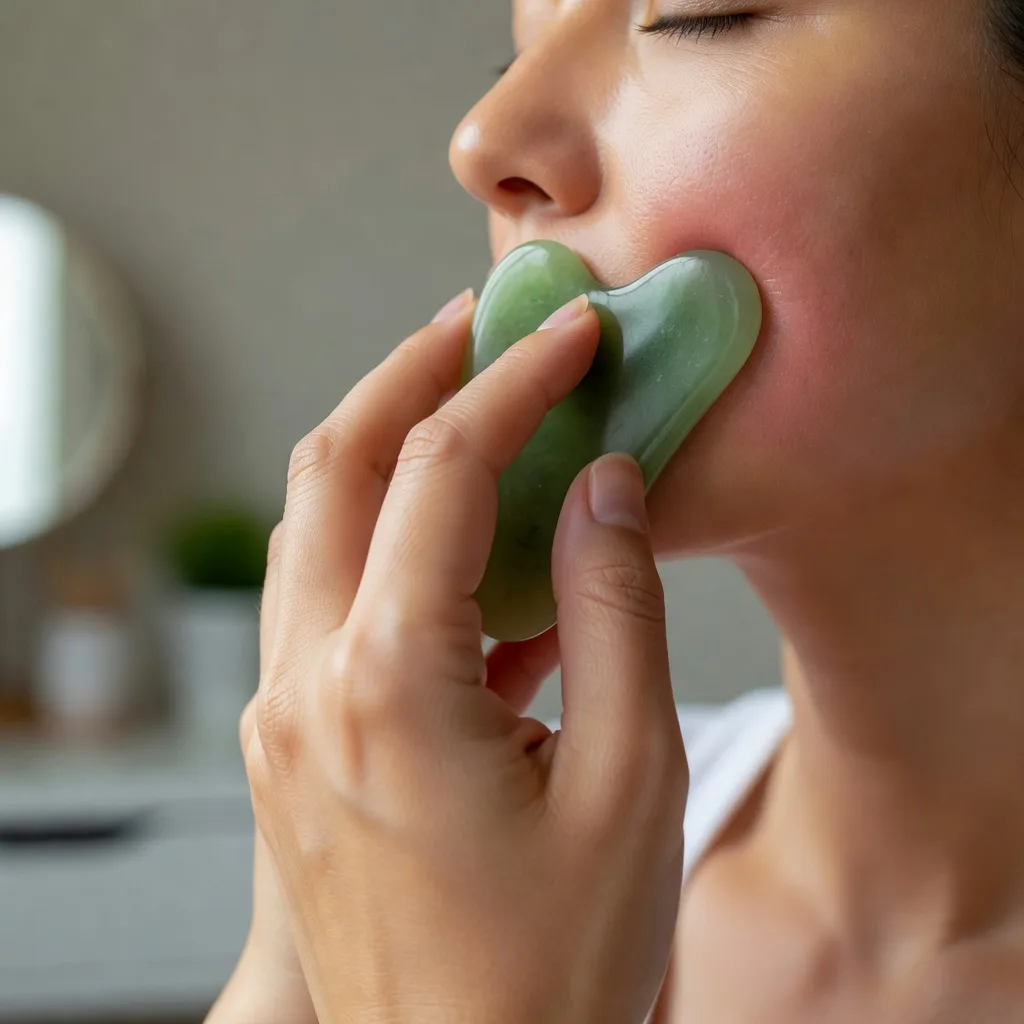
The Mina Heal tool is the classic heart shape that most beginners are pointed towards, with rounded edges, curves and points on one polished piece. The heart notch cradles the jaw, the long curve suits the cheeks and forehead, and the small point works along the brow, so a single tool can cover the whole face.
What stands out is the cautious wording in the listing: it describes the tool as a cosmetic self-care item rather than a medical device, advises light, controlled pressure and says not to use it on broken or irritated skin. That lines up with dermatologist advice. Natural stone varies in colour and pattern, so your tool may not look exactly like the photos.
- Heart-shaped jade tool with polished surfaces
- Shape designed for a secure grip and steady pressure
- Rounded edges, points and curves for face and body
- Wipe clean with a damp cloth and mild soap
Pros
- Heart shape covers jaw, cheeks and brows
- Honest, safety-minded listing
- Comfortable grip for controlled pressure
Cons
- Natural stone colour and pattern vary
- Stone is less forgiving than steel if dropped
Skip it if: Skip it if you want a tool that will not break when dropped; the stainless steel picks are tougher.
Check Price on AmazonSTARR Xiuyan Jade Gua Sha

Best for: Buyers who want a verified stone
Stone names on gua sha listings are not always reliable, which is why the STARR tool stands out: its title states GIA certification for its Xiuyan jade. If you are paying extra for a named stone, that is a more reassuring signal than most listings give, and the seller also promises a free replacement if the tool breaks from a crafting defect.
It is a compact board of roughly palm size with a groove for your hand, and the seller suggests chilling it in the fridge for a cooler glide. Ignore the healing and detox claims in the listing, which are not supported by evidence. Used gently with oil, it is simply a well-made, verified jade tool, smaller and plainer than the #3 heart.
- Xiuyan jade with GIA certification stated
- Free replacement for crafting defects
- Can be chilled in the fridge before use
- Palm-sized with a groove for grip
Pros
- Stone origin is more transparent than most
- Replacement promise for defects
- Compact and easy to control
Cons
- Listing makes health claims you should ignore
- Plainer shape than heart or wing tools
Skip it if: Skip it if the stone type does not matter to you; a steel tool is easier to keep hygienic.
Check Price on AmazonPLANTIFIQUE Jade Gua Sha

Best for: First-time gua sha users
PLANTIFIQUE is a good starting point for anyone new to gua sha because the tool comes with a detailed guide on how to use it. Technique matters more than the stone: holding the tool almost flat, using oil and keeping pressure light are what make the difference, and a printed guide makes it easier to learn those habits from day one.
The jade tool is handcrafted and quality inspected, according to the seller, and is aimed at easing facial tension and giving skin a smoother, brighter look for a while after use. It is a single piece, so it does less than the #1 set, but it is simpler to learn with. As with all stone tools, check the edge for chips before each use.
- Handcrafted jade gua sha tool
- Aimed at relieving facial tension
- Includes a detailed usage guide
- Quality inspected for durability
Pros
- Guide helps beginners learn good technique
- Simple single tool to start with
- Gift-ready presentation
Cons
- Listing gives few details on size and shape
- Stone can chip with rough handling
Skip it if: Skip it if you already know the technique; the certified STARR or tougher steel tools may suit you better.
Check Price on Amazonrosenice Pink Jade Gua Sha

Best for: A gift for a skincare fan
The rosenice tool is one of the most familiar gua sha designs on Amazon and arrives in a gift box, which makes it an easy present for someone curious about facial massage. This pink version has the usual combination of curves and a notched edge for the cheeks and jaw, and the seller offers help if the buyer is not happy.
The listing is thinner than the higher picks, with little detail on the stone or dimensions, and it leans on tension-relief wording rather than practical guidance. That is why it sits below the Mina Heal and PLANTIFIQUE tools. It is still a sensible, simple choice if you mainly want a pretty tool to use gently with oil for a few minutes at a time.
- Pink gua sha stone for the face
- Comes in a gift box
- Seller support if you are not satisfied
- Marketed for relaxation at home
Pros
- Attractive gift packaging
- Familiar, easy-to-use shape
- Seller offers after-sale help
Cons
- Few details on stone type or size
- Less guidance than the #5 pick
Skip it if: Skip it if you want clear material details; the STARR or steel picks explain theirs far better.
Check Price on AmazonROSELYNBOUTIQUE Stainless Steel Gua Sha

Best for: Hygiene-focused and acne-prone users
If hygiene is your priority, the ROSELYNBOUTIQUE tool is the stainless steel pick to look at first. Steel is non-porous and can be washed thoroughly with soap and water, which matters for acne-prone skin, and unlike every stone above it resists chipping and cracking if it slips out of an oily hand.
The listing notes that metal feels cool without needing to be chilled, which many people like for morning puffiness. Its polished, rounded edges are meant for use over serums, oils or moisturisers, and it is light enough to keep in a travel bag. It lacks the warmth and weight some users enjoy in stone, and a single shape does less than the #1 set.
- Stainless steel with a non-porous surface
- Cool to the touch without refrigeration
- Polished rounded edges for use over oil or serum
- Washes with soap and water; resists chipping
Pros
- Easiest material to keep clean
- Will not chip or crack if dropped
- Light and travel-friendly
Cons
- Feels less weighty than stone tools
- One shape only
Skip it if: Skip it if you prefer the heavier, warmer feel of stone; the Hana Emi or STARR picks suit you better.
Check Price on AmazonBAIMEI IcyMe Stainless Steel Gua Sha

Best for: Cool steel for face sculpting strokes
BAIMEI IcyMe is a well-known name in facial tools, and this stainless steel gua sha is a solid alternative to the #7 pick. Its title describes it as a face sculpting tool that helps relax muscles, and like other steel tools it offers the practical advantages of a cool, non-porous surface that is easy to clean.
We only have the listing title for this one, so we can say less about its exact shape and size than for the picks above. Treat the word sculpting as describing the smoother, less puffy look straight after a session, not a lasting change. If you like the brand’s stone tools, this is a durable, easy-care companion for travel or for acne-prone skin.
- Stainless steel face gua sha
- Designed for face sculpting strokes
- Marketed to help relax facial muscles
- Metal surface stays cool and washes easily
Pros
- Durable steel will not chip
- Cool feel suits morning puffiness
- From an established facial tool brand
Cons
- Listing gives limited detail on dimensions
- Sculpting effect is temporary
Skip it if: Skip it if you want a detailed listing to compare shapes; the ROSELYNBOUTIQUE pick explains more.
Check Price on AmazonBAIMEI IcyMe Rose Quartz Gua Sha

Best for: Fans of a cool, pink stone
Rose quartz is one of the most popular gua sha stones, and the BAIMEI IcyMe tool is the rose quartz pick on this list. Its title describes a natural rose quartz tool shaped for facial sculpting and massage, with the cool, slightly heavy feel that many people prefer to lighter steel or softer jade.
As with the #8 pick, we only have the listing title to go on, so check the shape in the photos before buying. Rose quartz has no special powers compared with other stones, and quality varies across sellers, which makes an established brand a safer bet. Keep it in a pouch, since this stone can chip or crack if knocked against a hard surface.
- Natural rose quartz gua sha tool
- Shaped for facial sculpting strokes
- Cool, weighty stone feel
- Pink colourway
Pros
- Popular stone with a pleasant cool weight
- Established facial tool brand
- Classic shape for face massage
Cons
- Limited detail in the listing
- Rose quartz can chip or crack
Skip it if: Skip it if you want the easiest tool to sanitise; the steel picks are more practical.
Check Price on AmazonNuanchu 304 Stainless Steel Heart Gua Sha

Best for: A simple, durable starter tool
The Nuanchu tool combines the most useful shape with the most practical material: a heart-shaped gua sha made from 304 stainless steel. The heart notch fits the jaw, the long curve suits the cheeks, and steel shrugs off drops that would chip a stone, making it a low-risk first tool for anyone unsure whether gua sha is for them.
Its listing title is brief, so it offers less detail than the higher picks, and it is marketed with lymphatic wording that should be read as gentle, temporary depuffing rather than a treatment. Used with oil and light pressure, it does everything a basic facial gua sha needs to do. It is simpler and plainer than the #7 steel pick but covers the same essentials.
- Heart-shaped facial gua sha
- Made from 304 stainless steel
- Silver finish
- Marketed for gentle depuffing massage
Pros
- Versatile heart shape
- Tough steel will not chip
- Easy to wash with soap and water
Cons
- Very brief listing
- Lacks the weight and warmth of stone
Skip it if: Skip it if you want a set of shapes or a natural stone; the Hana Emi or Mina Heal picks fit better.
Check Price on AmazonHow We Chose These Products
We shortlisted gua sha tools from Amazon listings that are highly rated by a large number of shoppers, favouring established brands and fuller-featured options such as multi-tool sets, certified stones and durable steel. We then checked each product’s listed features against the safety guidance cited in this post, including the AAD’s advice not to rub or irritate broken-out skin.
These are research-based picks, not hands-on lab tests. Rankings reflect listing detail, material, edge shapes and how clearly each seller explains safe use, rather than personal results. Where a listing made health claims such as detox or healing, we ignored them, and three picks are described from their titles only because their listings gave little else.
- Strong ratings from a large number of shoppers
- Established brands and fuller-featured tools preferred
- Listed features checked against the cited safety guidance
- Products with thin or unclear listings excluded or ranked lower
- Off-topic items such as creams, body scrapers and duplicates removed
Gua Sha Materials Compared
Facial gua sha tools come in many materials. Each feels slightly different, and some are easier to keep clean than others.
| Material | Feel | Hygiene | Durability | Notes |
|---|---|---|---|---|
| Stainless steel | Cool, smooth, slightly heavy | Very easy to clean | Very durable | Does not chip or crack if dropped |
| Bian stone | Smooth, slightly warm, matte | Easy if well sealed | Can chip | Traditional choice in gua sha practice |
| Jade (nephrite or jadeite) | Cool, smooth | Good if genuine and polished | Can chip or crack | Many cheaper tools are dyed or imitation stone |
| Rose quartz | Cool, heavier | Good if well polished | Can chip or crack | Popular, but quality varies |
| Ceramic | Smooth, glazed | Easy to clean | Can break if dropped | Often cheaper and lightweight |
| Resin or plastic | Light, less cooling | Can scratch and trap dirt | Varies | Fine as a budget option if smooth |
No material has been shown to have special healing or energy properties. Choose based on feel, weight and how easy the tool is to keep clean. Heavier tools can feel more soothing, while lighter ones are easier to control around the eyes and nose. Our comparison of jade vs rose quartz facial tools explains the practical differences between these two popular stones.
Gua Sha Shapes and Edges
The shape of the tool decides which parts of the face it fits. Most facial tools combine several edges in one piece.
| Shape or edge | Best for |
|---|---|
| Long gentle curve | Cheeks, forehead and neck |
| Notched or double-curve edge | Jawline and chin |
| Heart shape | All-round face use, with a notch for the jaw and a curve for cheeks |
| Wing or S shape | Cheekbones and under the cheekbone |
| Small rounded point | Brow bone, around the nose and pressure points |
| Comb or serrated edge | Scalp or hairline; can be too harsh for delicate facial skin |
For a first tool, a heart or wing shape is the most versatile. Very serrated or sharp-cornered edges are better avoided on the face.
Hold the tool in your hand before you commit if you can, or check the listed dimensions. A tool that is too large makes it hard to work under the cheekbone and around the nose, while one that is too small needs many more strokes and is easy to press too hard with. Most people are comfortable with a palm-sized tool with a notch deep enough to cradle the jaw.
Features That Make a Good Gua Sha Tool
A good tool feels smooth and comfortable from the first use. These are the details worth checking.
- A completely smooth, rounded edge with no rough spots, chips or seams.
- A glossy, well-polished surface that glides over oil without dragging.
- A comfortable size and weight for your hand, neither tiny nor clumsy.
- Multiple edges so one tool covers cheeks, jaw, brow and neck.
- A non-porous material that can be washed with soap and water.
- A pouch or case to protect edges from chipping in a bag.
Stone names on listings are not always accurate. Some tools sold as jade are other stones, glass or dyed material. That does not make them unsafe if the edge is smooth, but it is a reason not to pay more for a claimed stone you cannot verify.
What to Avoid
Some tools and habits do more harm than good. Watch out for these when choosing and using gua sha.
- Chipped, cracked or rough-edged tools, which can scratch or tear the skin.
- Sharp corners or serrated edges used on the face.
- Tools with a strong dye that rubs off on a white cloth.
- Claims that a tool will permanently slim the face, remove fat or detoxify.
- Using gua sha on dry skin without oil or serum.
- Pressing hard enough to cause redness, bruising or tiny red dots.
- Using the tool over acne, broken skin, sunburn, rashes or cold sores.
Facial gua sha should be gentle. Stop if you see bruising, broken blood vessels or lasting redness. Avoid it over active acne, rosacea flares, eczema, infections or broken skin, and ask your practitioner first if you have had fillers, anti-wrinkle injections or facial surgery, or take blood thinners.
Choosing a Tool for Your Skin
Different skin types and concerns suit slightly different tools and techniques.
- Sensitive skin: a light, very smooth tool, used with light pressure and a fragrance-free oil.
- Puffy skin in the morning: a cool stainless steel or stone tool kept in the fridge.
- Acne-prone skin: a non-porous tool, a non-comedogenic oil or serum, and no use over breakouts.
- Dry skin: a richer oil or balm for plenty of slip.
- Mature skin: a larger, smooth edge and slow, gentle strokes rather than firm pressure.
The AAD’s acne tips note that touching and irritating acne-prone skin can make breakouts worse, so keep the tool, your hands and your oil clean, and skip any area with active spots.
How to Use a Gua Sha Tool on Your Face
These steps describe a simple, gentle routine. Aim for a few minutes, not a long, hard session.
Cleanse and apply oil
Start with clean skin and apply a facial oil or slippery serum so the tool glides.
Hold the tool flat
Keep it almost flat against the skin, at a low angle, not upright.
Start at the neck
Stroke gently downwards along the sides of the neck a few times.
Work along the jaw
Use the notched edge from the chin out towards the ear.
Sweep the cheeks
Glide from beside the nose out towards the ear, below the cheekbone.
Finish with brow and forehead
Use a small edge along the brow and sweep upwards and outwards across the forehead.
Clean up
Wash the tool, and remove excess oil from your skin if you are acne-prone.
Repeat each stroke three to five times and keep the pressure light. If your skin turns more than slightly pink, you are pressing too hard.
How often? A few gentle minutes several times a week is plenty for most people, and daily use is fine if your skin stays calm. Use a cool tool in the morning for puffiness, skip days when your skin is sunburned, irritated or breaking out, and pause after peels or cosmetic treatments.
Gua Sha vs Facial Rollers and Other Tools
Gua sha is one of several manual face tools. They differ mainly in how they feel and how much control they give.
- Gua sha: flat tool with shaped edges; more control along the jaw, cheekbones and brows.
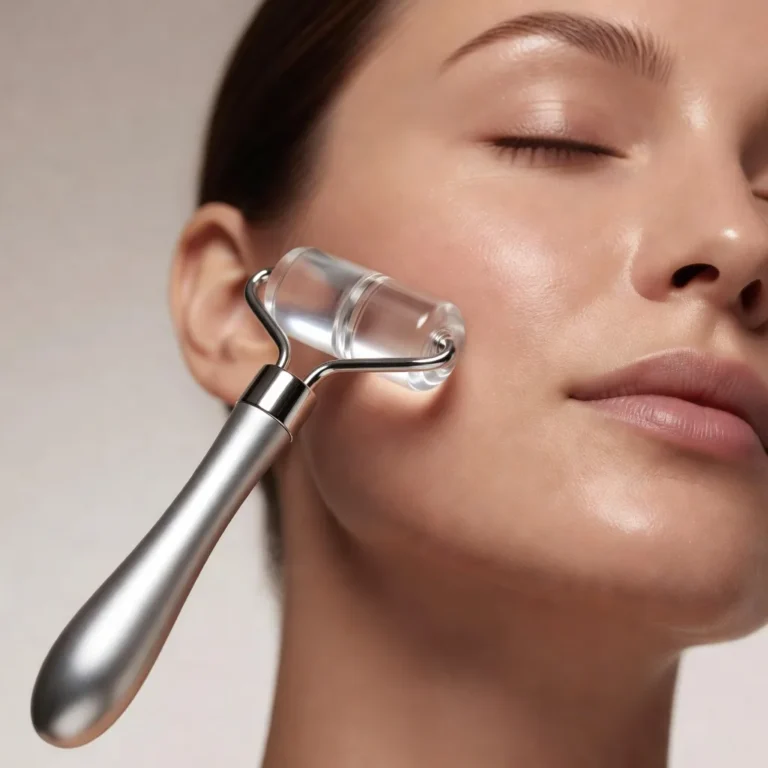
- Facial roller: quick and easy, good for a cooling glide, less precise.
- Ice globes or cold tools: mainly cooling and depuffing.
- Silicone cups: suction-based massage that needs more care to avoid marks.
- Electric and microcurrent devices: a different category, with their own safety rules and claims to check.
Rollers are quicker and easier for beginners, while gua sha gives more control along the jaw and cheekbones. Our guide to facial roller vs gua sha compares the two in more detail. If you are mainly interested in reducing puffiness, our article on whether facial massage improves lymph flow explains what the evidence does and does not show.
How to Clean and Store a Gua Sha Tool
Oil, skin cells and bacteria build up on the tool after each use, so cleaning is essential, especially for acne-prone skin.
- Wash the tool after every use with warm water and a mild soap or gentle cleanser.
- Rinse well and dry with a clean towel.
- Wipe with a little alcohol only if the material allows; check the seller’s care advice for stones.
- Store it in a clean pouch or case, away from other hard objects that could chip it.
- Check the edges regularly and replace the tool if it chips or cracks.
Avoid boiling stone tools or leaving them in very hot water, as sudden temperature changes can crack some stones. Stainless steel is the most forgiving if you want to clean more thoroughly.
Dos and Don’ts
Try This
- Choose a smooth, multi-edged tool
- Use oil or serum for slip
- Hold the tool almost flat
- Use light, slow strokes
- Wash the tool after every use
Avoid This
- Use a chipped or rough tool
- Scrape dry skin
- Press hard or aim for bruising
- Use gua sha over acne or broken skin
- Expect permanent face slimming
Honest Limits
Facial gua sha can feel relaxing, and many people notice that morning puffiness looks reduced for a while afterwards. That effect is temporary and comes from gently moving fluid and warming the skin.
There is no good evidence that gua sha permanently lifts sagging skin, removes fat, changes the shape of the jaw or face, or builds collagen. The word sculpting describes the temporary, smoothed look after a session, not a lasting change. For lasting improvements in skin firmness, daily sunscreen and proven skincare ingredients matter far more, and professional treatments are the next step if you want more.
When to See a Dermatologist
- Gua sha leaves bruises, broken blood vessels or lasting redness.
- You have rosacea, eczema or acne and want to know if facial massage is safe for you.
- You notice lumps, swelling or pain that does not settle.
- You want lasting changes in skin laxity or facial shape.
This article is for general information and does not replace professional medical advice. See a board-certified dermatologist or your doctor if you have a skin condition, bleeding disorder or recent cosmetic procedure.
Frequently Asked Questions
What is the best gua sha tool for the face?
For most people the Hana Emi Bian Stone Set, because its four shapes cover the face, neck and body; the Mina Heal heart is the best single tool.
Is stainless steel or stone gua sha better?
Steel, such as the ROSELYNBOUTIQUE or Nuanchu tools, is easier to clean and will not chip; stone, such as the STARR jade, feels weightier but needs gentler handling.
Does gua sha sculpt the face?
It can temporarily reduce puffiness but does not permanently reshape the face.
How often should I use gua sha?
A few gentle minutes several times a week is enough for most people.
Is the most expensive gua sha tool worth it?
Only if you want extras such as the four shapes in the Hana Emi set or the certified stone of the STARR tool; a simple steel heart like the Nuanchu does the basics well.
Can gua sha cause bruising?
Yes, if you press too hard; facial gua sha should be gentle.
Can I use gua sha on acne?
No, avoid active breakouts and broken skin.
Which gua sha is best for acne-prone or sensitive skin?
A non-porous steel tool such as the ROSELYNBOUTIQUE, used with light pressure, a non-comedogenic oil and never over active spots.
How do I clean a gua sha tool?
Wash with mild soap and warm water after each use and dry it.
Can I use gua sha after fillers or Botox?
Ask your practitioner first.
Summing Up
The best gua sha facial sculpting tool is a smooth, well-polished, multi-edged tool in a material you can keep clean; the Hana Emi bian stone set is our top pick overall, with stainless steel the most practical alternative.
Use it gently on oiled skin, skip breakouts and irritated areas, clean it after every use, and enjoy it as a relaxing way to reduce puffiness rather than a permanent reshaping tool.
Our top pick: Hana Emi Bian Stone Gua Sha Set of 4
The Hana Emi bian stone set takes the top spot because four differently shaped tools cover the face, neck and body, so one purchase handles cheeks, jaw, brows and shoulders. Choose the Beauty by Earth tool instead if you want a single jade piece in a storage box, or the Mina Heal heart if you prefer one classic shape with clear safe-use advice.
Check Price on Amazon
Written by
Registered pharmacist and founder of Facial Adviser. Rakib's pharmacy training covers how skincare actives work and interact; a later course in cosmetology turned that into a focus on facial treatments and skincare products. He plans, researches and edits every guide on the site and checks health claims against sources such as the American Academy of Dermatology, the FDA and the NIH. He is not a dermatologist; see the Editorial Policy and Medical Disclaimer.
About · Editorial policy · How we choose products · Medical disclaimer · Contact
Keep reading: Facial rollers, gua sha and massagers
- 10 Best Facial Massager Rollers (2026): Depuff and Relax at Home
- 10 Best Lymphatic Drainage Massagers (2026): Gentle Tools That Depuff
- 10 Best Beauty Roller Sets (2026): Cooler, Calmer, Less Puffy Skin
- 10 Best Eye Massagers (2026): Heat, Cooling and Gentle Pressure
- Lymphatic Facial Massage: Does It Work?
- 10 Best Products for Women's Facial Hair Removal (2026): Gentle Picks
- 10 Best Facial Tools (2026): LED, Cleansing, Gua Sha and More