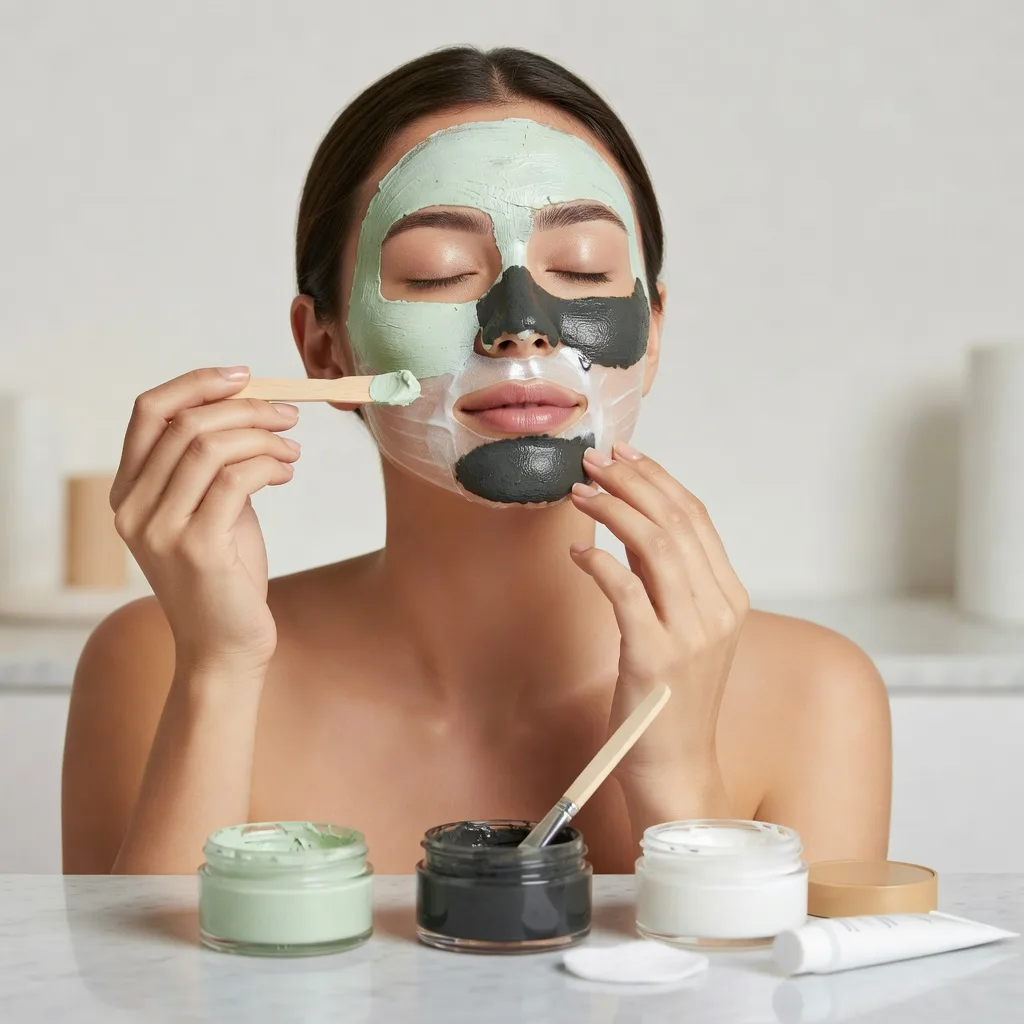
Multi-Masking Explained: How to Use Different Masks on Different Zones
Most faces are not one skin type. A shiny forehead and nose, dry cheeks, a patch of breakouts on the chin: one mask applied all over will suit some areas and not others. Multi-masking is the simple idea of using different masks on different zones at the same time, so each part of your face gets what it actually needs.
Part of our guide to skincare products. Start with: 10 Best Face Masks for Every Skin Type (2026): Clay, Gel and Sheet
Multi-masking means applying two or more face masks to different areas of your face in the same session, matched to what each area needs. A typical approach is a clay mask on the oily T-zone and a hydrating or soothing mask on drier cheeks. It is especially useful for combination skin. Keep it simple: use two masks, apply clay only where needed, remove it before it dries completely, and finish with moisturiser. Once a week is usually plenty.
The approach makes sense because skin varies across the face. The forehead, nose and chin generally have more oil glands than the cheeks, and many people have both oily and dry areas at once.
The American Academy of Dermatology notes that face masks can offer benefits for some skin concerns but that choosing a mask for your skin type matters, and it warns that some masks can irritate. Multi-masking applies that same principle zone by zone.
This guide explains which masks suit which areas, how to multi-mask step by step, and how to avoid the common mistakes that turn a relaxing routine into irritated skin.
Shopping these picks?
Amazon Prime members get fast, free shipping on eligible items, plus Prime Video, Amazon Music and member deals. New members can start with a free trial.
Start a free Prime trialAged 18 to 24? Prime for Young Adults comes with a longer free trial and a lower price after it.
Affiliate link: we may earn a commission at no extra cost to you.
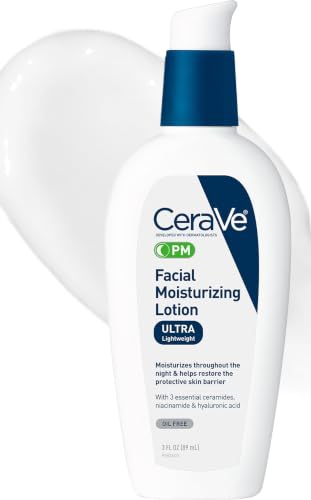
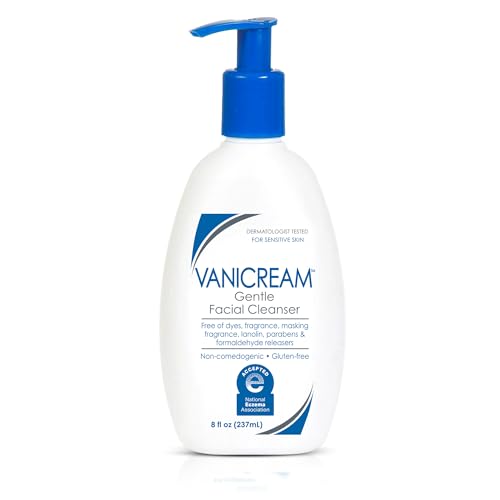
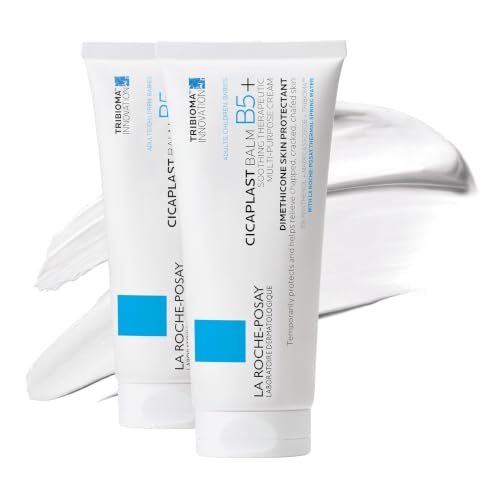
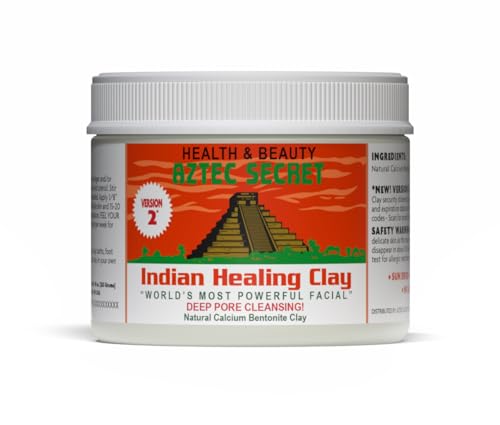
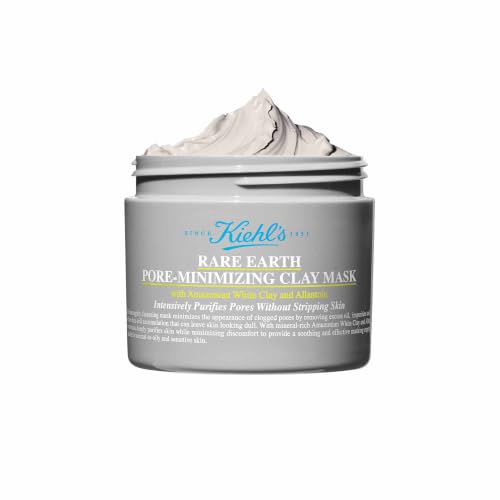
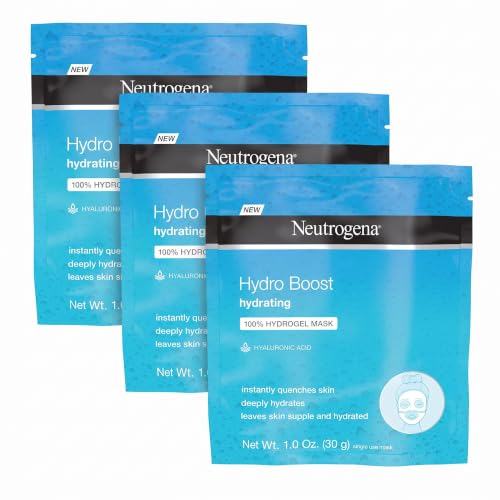
Recommended Masks for Multi-Masking

The Short Version
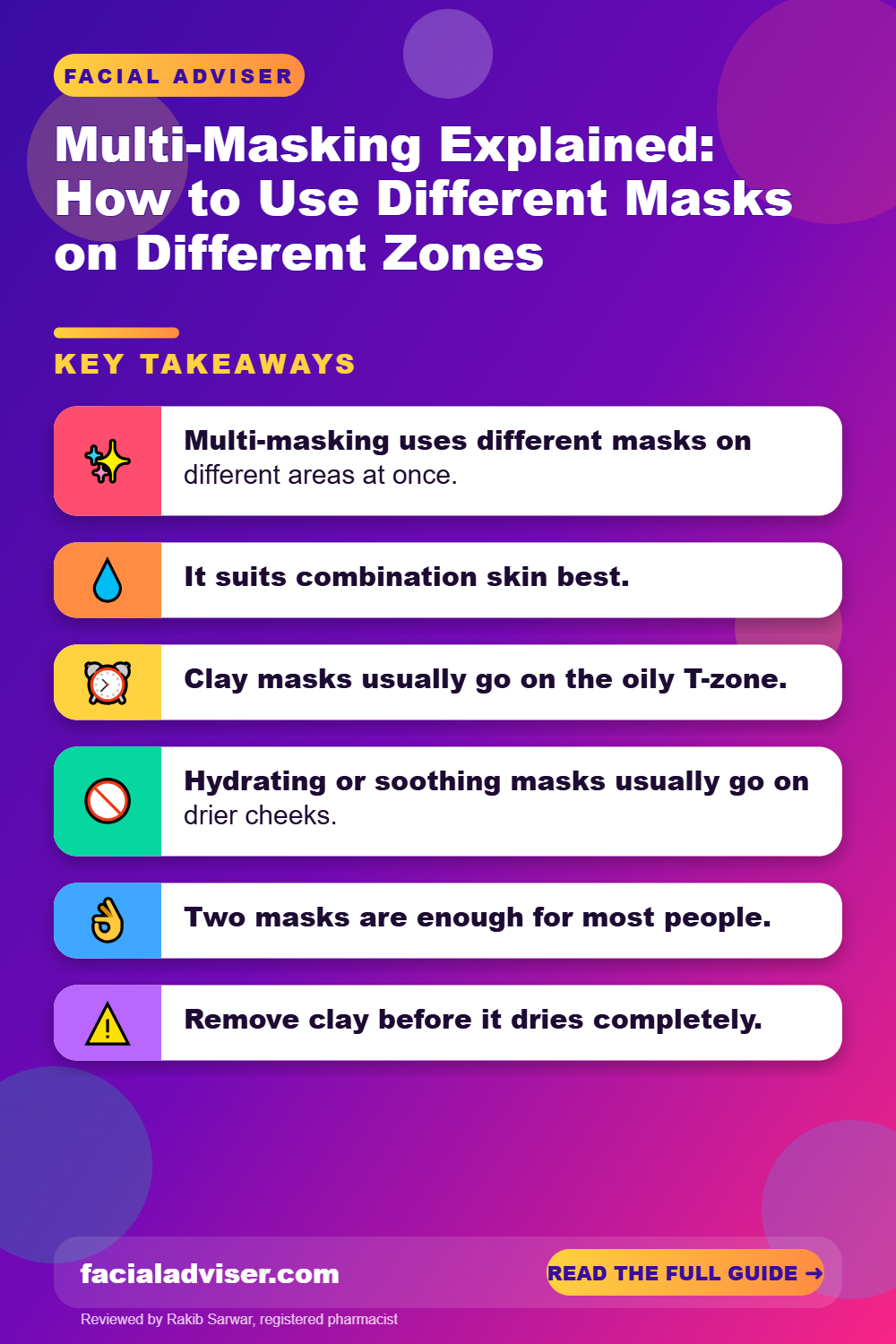
- Multi-masking uses different masks on different areas at once.
- It suits combination skin best.
- Clay masks usually go on the oily T-zone.
- Hydrating or soothing masks usually go on drier cheeks.
- Two masks are enough for most people.
- Remove clay before it dries completely.
- Once a week is plenty for most skin.
In This Guide
- Matching Masks to Face Zones
- Types of Masks and What They Do
- How to Multi-Mask
- Using Clay Masks Without Drying Out
- How Often to Multi-Mask
- Multi-Masking by Skin Type
- Fitting Multi-Masking Into Your Week
- What About DIY Masks?
- Dos and Don’ts
- What Multi-Masking Can and Cannot Do
- Honest Limits
- When to See a Dermatologist
- Questions People Ask
- The Bottom Line
Matching Masks to Face Zones
| Zone | Common concerns | Mask type to consider |
|---|---|---|
| Forehead | Oil, shine, occasional breakouts | Clay or charcoal mask |
| Nose | Blackheads, visible pores, oil | Clay mask; short contact time |
| Chin and jaw | Breakouts, congestion | Clay mask or a mild salicylic acid mask |
| Cheeks | Dryness, redness, sensitivity | Hydrating gel, cream or hydrogel mask |
| Under the eyes | Dryness, puffiness | Only masks labelled safe for the eye area |
| Around the mouth | Dryness, irritation | Hydrating or soothing mask, or leave bare |
You do not need a different mask for every zone. Most people get the benefit of multi-masking from just two: one to absorb oil and one to hydrate.
It also helps to leave a small gap between the masks rather than overlapping them. Where clay and a hydrating mask meet, the clay can soak up moisture from the hydrating layer and dry out faster, while the hydrating mask can make the clay harder to rinse off cleanly.
Your zones may not match the typical pattern. Some people have oily cheeks and a dry forehead. Look at your own skin, not a diagram, when deciding where each mask goes.
Types of Masks and What They Do
| Mask type | What it does | Best for | Watch out for |
|---|---|---|---|
| Clay (kaolin, bentonite) | Absorbs excess oil | Oily areas, congestion | Can dry skin if left to crack |
| Charcoal | Absorbs oil; mostly similar to clay | Oily areas | Limited evidence of extra benefit |
| Hydrating gel or cream | Adds moisture, softens | Dry or tight areas | Can feel heavy on oily skin |
| Hydrogel or sheet mask | Holds serum against skin | Dry, dull or tired-looking skin | Fragrance in some formulas |
| Soothing (centella, oat, panthenol) | Calms redness | Sensitive or irritated areas | Fewer active benefits |
| Exfoliating (AHA, BHA, enzyme) | Smooths texture | Rough or congested areas | Irritation; do not combine with other actives |
Clay and hydrating masks make the most practical pair. Exfoliating masks are best used alone, on a separate night, rather than as part of a multi-masking session, because they add to irritation risk.
When choosing masks, look at the ingredient list as well as the name. Fragrance, essential oils and high levels of alcohol are common in masks and are best avoided if your skin is sensitive. Simple formulas with a short list of ingredients are usually the safest starting point, and they make it easier to tell which product is responsible if your skin reacts.
How to Multi-Mask
Cleanse
Wash with a gentle cleanser and pat your skin dry.
Plan your zones
Decide which areas need oil control and which need hydration.
Apply the clay mask first
Spread a thin layer on oily zones only, keeping it away from the eyes and lips.
Apply the hydrating mask
Cover drier areas, leaving a small gap between the two masks.
Time it carefully
Rinse the clay mask before it dries and cracks, often after five to ten minutes.
Remove gently
Rinse with lukewarm water or wipe with a soft, damp cloth; do not scrub.
Moisturise
Finish with your usual moisturiser over the whole face.
Use a flat brush or clean fingers to apply clay masks in a thin, even layer. Thinner layers are easier to rinse off and less likely to overdry the skin.
Using Clay Masks Without Drying Out
Clay masks are the main source of problems in multi-masking. Left on too long, they draw out not only excess oil but also water and natural lipids, leaving skin tight and irritated.
The cracking stage is often seen as a sign the mask is working, but it usually means the mask has started drying the skin. Rinsing while it is still slightly damp gives you the oil-absorbing benefit with less dryness.
If you use a powder clay that you mix yourself, mix it with water rather than vinegar, which can irritate. Test on a small area first, and keep contact time short.
Removing clay gently matters too. Splashing with lukewarm water and letting the mask soften for a few seconds before wiping is kinder than scrubbing at dried clay with a cloth. If traces remain along the hairline or around the nose, a second light rinse is better than rubbing harder.
Do not use strong clay or charcoal masks on dry, sensitive or broken skin, or on active eczema or rosacea. They can worsen irritation.
How Often to Multi-Mask
For most people, once a week is enough. Oily skin may tolerate clay on the T-zone twice a week; dry or sensitive skin may prefer every two weeks or only hydrating masks.
Daily masking is rarely necessary and can irritate, especially with clay or exfoliating masks. Our guide on whether you can use a face mask every day explains which masks can be used more often.
If you use retinoids or exfoliating acids, skip them on the night you multi-mask, particularly if one of your masks contains acids or clay.
Watch how your skin looks the day after. If the masked areas look calmer and feel comfortable, your frequency is about right. If they feel tight, flaky or look pink, space the sessions further apart.
Multi-Masking by Skin Type
Combination skin: the classic candidate. Clay on the T-zone, hydrating mask on the cheeks. Oily or acne-prone skin: clay on the most congested areas and a lightweight gel mask elsewhere. Avoid heavy, oily masks. Dry skin: you may not need clay at all. Try a hydrating mask all over and a richer soothing mask on the driest patches. Sensitive skin: choose fragrance-free, soothing masks and patch test first. Skip clay and exfoliating masks if your skin reacts easily.Our guide to an oily T-zone with dry cheeks covers everyday products for combination skin beyond masks.
Fitting Multi-Masking Into Your Week
Multi-masking works best as a quiet add-on to a routine that is already working. Picking one evening a week, ideally one when you are not using a retinoid or exfoliating acid, keeps it from clashing with your other products.
A simple pattern is to cleanse, multi-mask, rinse, then apply only a gentle moisturiser that night. The next evening, return to your usual routine. If your skin feels tight or looks red the next morning, shorten the clay contact time or use it less often.
Some people like to multi-mask before an event so their skin looks fresh. If you do, try it at least a day ahead rather than the same evening, in case a mask causes unexpected redness. Hydrating masks are the safer choice for last-minute use.
If you are short on time, a hydrating hydrogel mask on the cheeks while a clay mask sits on the nose for five minutes is enough. Multi-masking does not need to be an elaborate ritual to be useful.
What About DIY Masks?
Kitchen ingredients are popular in homemade masks, but some can irritate. Lemon juice, cinnamon, baking soda and undiluted vinegar can burn or disrupt the skin barrier, and lemon can make skin more sensitive to sunlight.
Plain, simple ingredients such as colloidal oatmeal mixed with water, or plain yoghurt on a small test area, are gentler options if you like to experiment. Always patch test first and rinse off at the first sign of stinging.
Commercial masks have the advantage of being formulated and tested for use on the face, with known ingredients and preservatives, which makes them a more predictable choice for most people.
Dos and Don’ts
Good Habits
- Use clay only where your skin is oily
- Rinse clay before it cracks
- Keep masks away from the eyes and lips
- Patch test new masks
- Moisturise afterwards
Common Mistakes
- Use more than two or three masks at once
- Combine exfoliating masks with other actives
- Leave clay on until your skin feels tight
- Mask over broken or irritated skin
- Multi-mask every day
What Multi-Masking Can and Cannot Do
Masks give short-term benefits. A clay mask can make the T-zone look less shiny for a while, and a hydrating mask can leave cheeks feeling softer and looking plumper. These effects are real but temporary.
Masks do not change how much oil your skin produces over the long term, shrink pores permanently or treat acne on their own. Daily habits, including gentle cleansing, a moisturiser suited to your skin, sunscreen and, if needed, an active treatment, do far more.
Think of multi-masking as a way to give each area of your face a small, targeted boost, not as the core of your routine.
The AAD’s page on facial masks and skin care gives a balanced overview of what masks can offer.
Honest Limits
There is little research on multi-masking as a technique. It is a practical application of general principles about skin types rather than a proven method with measured results.
Many mask claims, such as detoxifying or drawing out impurities, are marketing rather than science. Clay absorbs oil, and hydrating ingredients add moisture; beyond that, benefits are modest.
If you enjoy multi-masking, it can be a pleasant weekly ritual. If you do not, you are not missing out on anything essential. A gentle cleanser, a suitable moisturiser and daily sunscreen will always do more for your skin over time than any combination of masks.
When to See a Dermatologist
- A mask causes burning, swelling or a rash.
- Acne or congestion does not improve with a regular routine.
- You have persistent redness, flushing or visible blood vessels.
- You have dry, itchy or scaly patches that may be eczema.
This article is for general information and does not replace professional medical advice. See a dermatologist for persistent skin concerns.
Questions People Ask
What is multi-masking?
Using different face masks on different areas of your face at the same time.
Who should try multi-masking?
It is most useful for combination skin with oily and dry areas.
Which mask goes on the T-zone?
Usually a clay or charcoal mask to absorb oil.
Which mask goes on the cheeks?
Usually a hydrating or soothing mask.
How many masks should I use at once?
Two is enough for most people.
How long should I leave a clay mask on?
Often five to ten minutes; rinse before it cracks.
How often should I multi-mask?
About once a week for most skin types.
Can I use an exfoliating mask when multi-masking?
It is better to use exfoliating masks alone on a separate night.
Do I need to moisturise after multi-masking?
Yes. Finish with your usual moisturiser.
Can multi-masking shrink pores?
It can make pores look less noticeable temporarily, but it does not permanently change pore size.
The Bottom Line
Multi-masking means using different masks on different areas, such as clay on an oily T-zone and a hydrating mask on dry cheeks. It is most useful for combination skin.
Keep it to two masks, apply clay only where needed and rinse it before it dries, then moisturise. Once a week is plenty, and your everyday routine will always matter more than any mask.

Written by
Registered pharmacist and founder of Facial Adviser. Rakib's pharmacy training covers how skincare actives work and interact; a later course in cosmetology turned that into a focus on facial treatments and skincare products. He plans, researches and edits every guide on the site and checks health claims against sources such as the American Academy of Dermatology, the FDA and the NIH. He is not a dermatologist; see the Editorial Policy and Medical Disclaimer.
About · Editorial policy · How we choose products · Medical disclaimer · Contact
Keep reading: Face masks and exfoliation
- 10 Best Face Masks for Every Skin Type (2026): Clay, Gel and Sheet
- Gentler Alternatives to Exfoliation for Smoother Skin
- 10 Best Face Mask Treatment Devices (2026): LED Masks With Honest Limits
- Facial Masks Homemade for Acne Scars: Real Answer
- Can Over-Exfoliating Cause Acne?
- What Does Exfoliating Skin Mean?
- 10 Best Facial Cleansers for Combination Skin (2026): Balanced Picks
- 10 Best Facial Moisturizers for Dry Skin (2026): Rich, Gentle Creams