How to Look After Your Skin on Travel Days
Travel days are hard on skin. Hours in dry cabin air, sunlight streaming through a plane or car window, snacks instead of meals, broken sleep and then a completely different climate at the other end. It is no surprise that many people arrive with tight, dull skin or a crop of breakouts a few days later.
Part of our guide to skincare routines and ingredients. Start with: Best Skin Care Routine: Simple AM and PM Steps for Every Skin Type
To look after your skin on travel days, keep your routine simple and focus on three things: hydration, protection and gentle cleansing. Before you travel, moisturise well and pause strong actives if your skin is sensitive. During the journey, apply a light moisturiser, reapply sunscreen if you are by a sunny window, drink water and avoid touching your face. When you arrive, cleanse gently, moisturise and adjust your products to the new climate.
Most of the problems are temporary. Dry air pulls water from the skin, disrupted sleep and routines can trigger breakouts in some people, and sudden changes in humidity or sun exposure take a few days to adjust to.
You do not need an elaborate in-flight routine. A few well-chosen products, used at the right moments, do more than a bag full of masks and mists, and they are much easier to carry through security.
This guide covers what happens to your skin when you travel, what to do before, during and after a travel day, and how to pack a simple kit that works.
Shopping these picks?
Amazon Prime members get fast, free shipping on eligible items, plus Prime Video, Amazon Music and member deals. New members can start with a free trial.
Start a free Prime trialAged 18 to 24? Prime for Young Adults comes with a longer free trial and a lower price after it.
Affiliate link: we may earn a commission at no extra cost to you.
Recommended Travel Skincare Essentials


In Brief
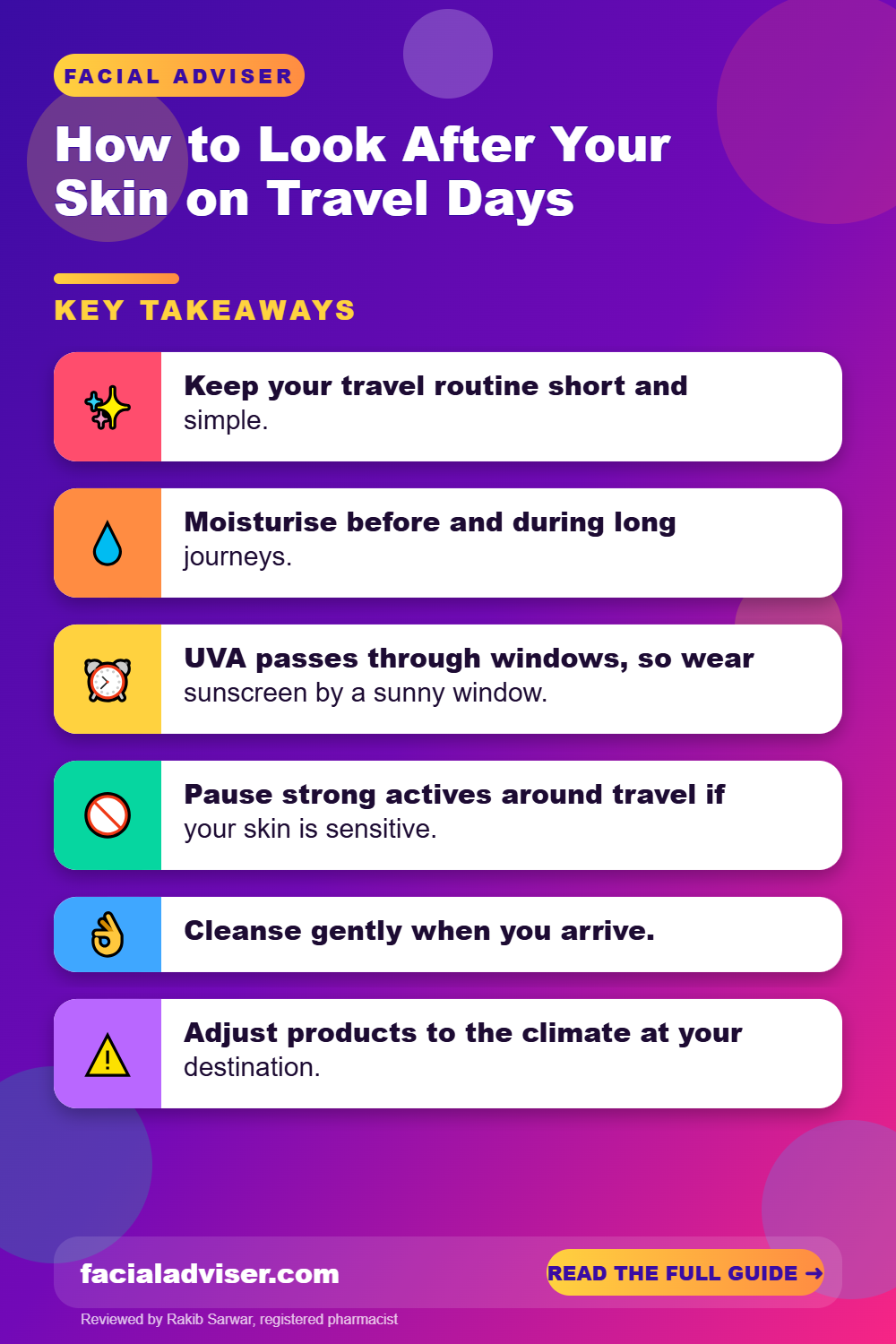
- Keep your travel routine short and simple.
- Moisturise before and during long journeys.
- UVA passes through windows, so wear sunscreen by a sunny window.
- Pause strong actives around travel if your skin is sensitive.
- Cleanse gently when you arrive.
- Adjust products to the climate at your destination.
- Decant products into small, labelled containers.
What This Covers
- What Travel Does to Your Skin
- Before You Travel
- How to Care for Your Skin on a Travel Day
- During the Flight
- Sun Exposure on the Road
- When You Arrive
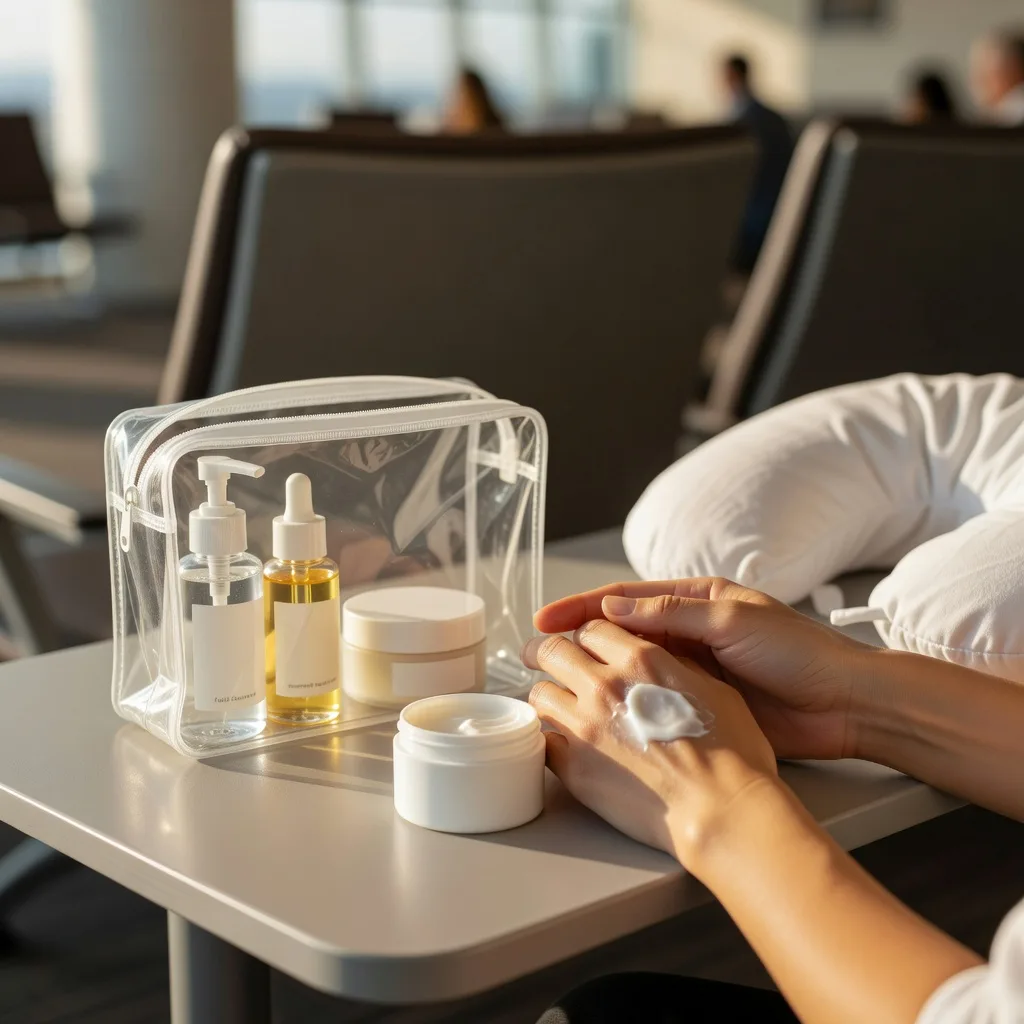
- A Simple Travel Skincare Kit
- Breakouts After Travel
- Long Trips and Frequent Travel
- Dos and Don’ts
- Honest Limits
- When to See a Dermatologist
- Common Questions
- Where This Leaves You
What Travel Does to Your Skin
| Travel factor | What it does | What helps |
|---|---|---|
| Dry cabin air | Increases water loss; skin feels tight | Moisturiser before and during the flight |
| Sun through windows | UVA exposure on the window side | Sunscreen; close the blind |
| Long hours without cleansing | Oil and sunscreen build up | Micellar water or a gentle cleanse on arrival |
| Disrupted sleep | Skin can look dull and puffy | Rest when you can; cool compress on arrival |
| Changes in diet and hydration | Can affect how skin looks | Drink water; limit alcohol on the journey |
| New climate | Different humidity, heat and sun | Adjust moisturiser texture and sunscreen |
Aircraft cabins are typically much drier than most homes, which is why lips, hands and faces often feel tight after a long flight. Car and train journeys with the heating or air conditioning on can have a similar effect.
If you get dry, irritated eyes when flying, that is also a sign of dry cabin air. Lubricating eye drops can help; avoid rubbing your eyes, which can irritate the delicate skin around them.
Before You Travel
Keep your routine steady. The days before a trip are not the time to try a new active, peel or mask. A reaction on the road is harder to manage. Pause strong actives if needed. If your skin is sensitive, consider skipping retinoids and exfoliating acids for a night or two before a long flight, as dry air can make them more irritating. Moisturise well. Going into a flight with a healthy, hydrated barrier makes a difference. A richer moisturiser the night before is a simple way to prepare. Pack smart. Decant what you need into small, clearly labelled containers, and keep a few essentials in your hand luggage.How to Care for Your Skin on a Travel Day
Start with clean skin
Cleanse gently in the morning before you leave.
Apply moisturiser and sunscreen
Use a moisturiser suited to your skin and a broad-spectrum sunscreen, especially for daytime travel.
Skip heavy makeup
Lighter makeup, or none, is more comfortable on long journeys.
Rehydrate on the way
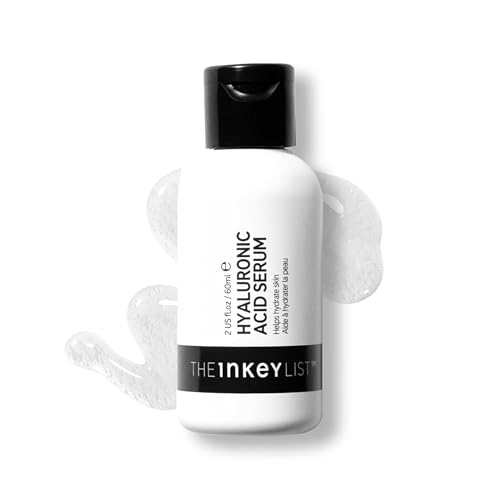
Reapply a light moisturiser or hydrating serum mid-journey if your skin feels tight.
Protect by the window
Reapply sunscreen on long daytime flights or drives if you sit in the sun, or close the blind.
Keep hands off your face
Touching your face spreads dirt and can trigger breakouts.
Cleanse and moisturise on arrival
Remove the day’s build-up gently and follow with moisturiser.
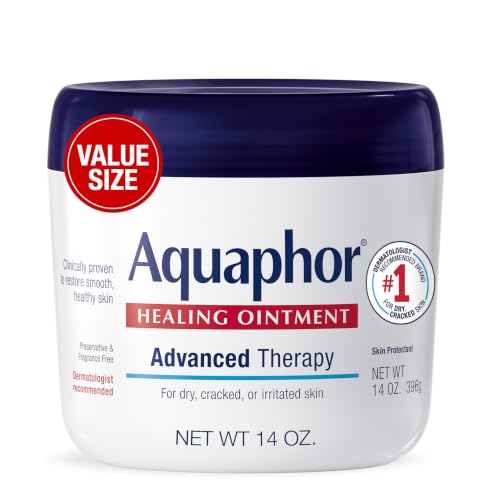
Keep a small tube of plain ointment in your pocket or bag. A thin layer on lips, the corners of the nose and any dry patches can make a long flight far more comfortable.
During the Flight
On a long flight, less is more. A light moisturiser or a few drops of hydrating serum applied over clean hands is usually enough. There is no need to cleanse repeatedly in a small, shared bathroom.
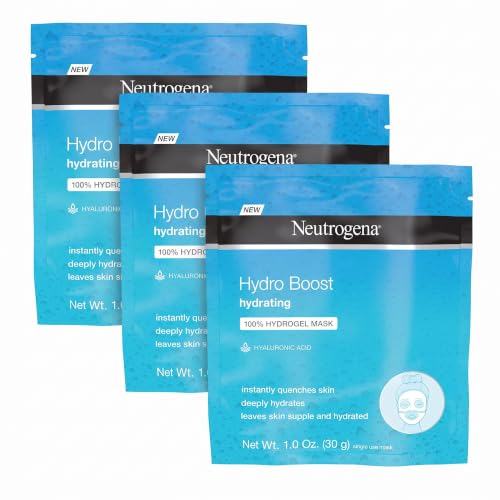
Hydrating sheet or hydrogel masks are popular on flights. They can be pleasant and leave skin feeling softer, but they are optional. If you use one, choose a fragrance-free option and remove it before it dries out.
Facial mists feel refreshing but can make skin feel drier once the water evaporates unless you follow with moisturiser. Our comparison of facial spray versus toner explains why.
Drink water regularly and go easy on alcohol and very salty snacks, which can leave you feeling dehydrated and puffy on arrival.
Sun Exposure on the Road
Window glass in planes and cars blocks most UVB, the rays mainly responsible for sunburn, but lets a good amount of UVA through. UVA contributes to skin ageing and dark spots, so a sunny window seat on a long daytime journey can add up.
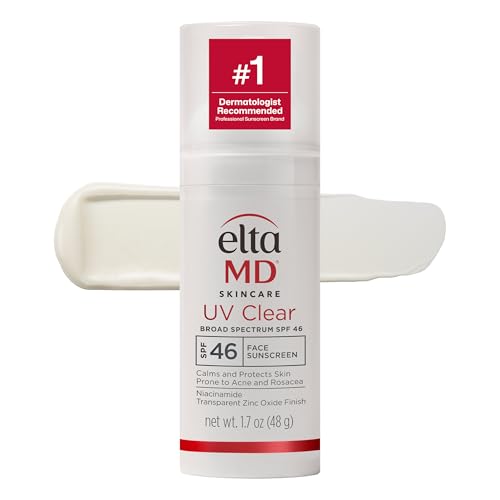
The AAD recommends a broad-spectrum sunscreen of SPF 30 or higher. Applying it before you leave and reapplying on long daytime journeys, or simply closing the window blind, is a practical approach.
Arriving somewhere sunnier than home is another reason to keep sunscreen in your hand luggage. Many people get their worst sunburn on the first day of a holiday.
Do not rely on makeup with SPF alone on sunny travel days. Most people apply far too little makeup to get the stated protection.
When You Arrive
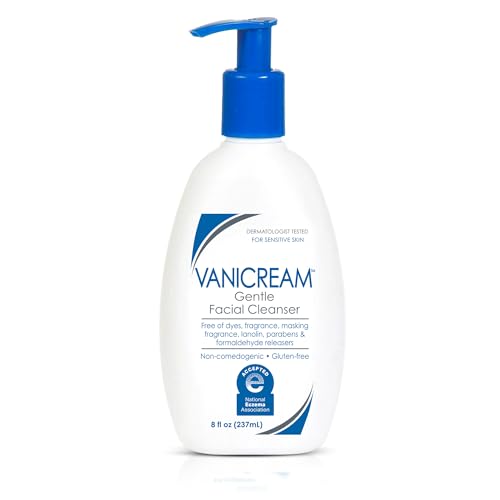
Cleanse gently to remove sunscreen, sweat and grime from the journey, then apply moisturiser. If you are staying in a hotel, you may prefer to bring your own gentle cleanser rather than use a heavily fragranced one provided in the room.
Hard water or a different water supply can make skin feel different for a few days. A gentle, non-foaming cleanser and a good moisturiser usually help.
If you land somewhere hot and humid, switch to lighter textures. Our guide on skincare for humid climates covers what to change. If you land somewhere cold or dry, reach for richer products, as covered in our guide to adjusting skincare for seasonal changes.
Give your skin a day or two before reintroducing strong actives, especially if it feels tight or sensitive after the journey.
A Simple Travel Skincare Kit
| Item | Why it is useful | Travel tip |
|---|---|---|
| Gentle cleanser | Removes sunscreen and grime | Decant into a small bottle |
| Micellar water | Cleanses without a sink | Useful on overnight journeys |
| Light moisturiser | Everyday hydration | A tube is less likely to leak than a jar |
| Hydrating serum | Quick boost on flights | Small dropper bottle |
| Plain ointment | Lips, dry patches, corners of nose | Tiny tube or tin |
| Sunscreen | Daily protection | Keep in hand luggage |
| Your usual active (optional) | Keeps your routine consistent | Only if your skin tolerates it well |
Airline rules on liquids in hand luggage vary, so check before you fly. Solid and stick formats can save space and reduce the risk of leaks.
Label decanted products clearly and bring the smallest amount you need. Mixing up two clear liquids in a hotel bathroom is an easy mistake.
Breakouts After Travel
Many people notice a few spots in the days after a trip. Several things can contribute: sweat and sunscreen left on the skin for hours, touching your face on a long journey, resting your cheek against a headrest or pillow that others have used, changes in diet and sleep, and stress.
Treat these breakouts gently. A mild cleanser, a light moisturiser and, if you already use one, your usual acne treatment are usually enough. Avoid squeezing spots, which can lead to marks that last far longer than the spot itself.
If you are prone to breakouts, packing a small tube of your usual spot treatment and a few hydrocolloid patches means you will not have to hunt for products abroad.
A travel pillowcase or a clean T-shirt over a hotel or airline pillow is a small step that some people find helps.
Long Trips and Frequent Travel
If you travel often for work, or are away for weeks at a time, it is worth building a routine that is easy to keep up anywhere. The simpler it is, the more likely you are to stick with it in hotel bathrooms and on early starts.
A basic kit of cleanser, moisturiser and sunscreen, plus one active treatment if you use one, covers most needs. Choosing products that come in travel sizes, or that are widely available, means you can replace them easily if you run out.
Jet lag and irregular sleep can leave skin looking tired. Getting daylight and rest at your destination helps your body adjust, and a cool compress in the morning can reduce puffiness around the eyes.
Dos and Don’ts
Helps
- Keep your routine simple
- Moisturise before and during long journeys
- Wear sunscreen by sunny windows
- Cleanse gently on arrival
- Adjust to the new climate
Backfires
- Try new products right before travelling
- Use strong actives on dry, irritated travel skin
- Rely on facial mists alone for hydration
- Touch your face during the journey
- Skip sunscreen on the first day of a sunny trip
Honest Limits
There is little research on skincare specifically for travel. Most advice is based on what is known about dry air, UV exposure and skin barrier function, applied to the conditions of a journey.
Some changes after travel, such as a few breakouts or dullness, are common and usually settle within a week as your sleep and routine return to normal. No product can fully prevent them.
If you travel frequently, the most useful thing is a simple routine you can follow anywhere, rather than a special travel regime. Once that routine feels automatic at home, it takes very little effort to keep it going on the road.
When to See a Dermatologist
- You develop a rash, blistering or severe sunburn while travelling.
- Your skin reacts to a new climate and does not settle after a week or two.
- You notice a new or changing mole after sun exposure.
- You have an itchy, spreading rash after travel to a hot or tropical climate.
If you develop a skin problem while abroad, local pharmacists and doctors can help. Seek urgent care for a rash with fever or feeling unwell.
This article is for general information and does not replace professional medical advice. See a dermatologist for persistent skin concerns.
Common Questions
How do I stop my skin drying out on a flight?
Moisturise before boarding and reapply a light moisturiser or hydrating serum during long flights.
Should I wear sunscreen on a plane?
Yes, if you are by a sunny window on a daytime flight, since UVA passes through windows.
Should I use a sheet mask on a flight?
It is optional. If you do, choose a fragrance-free one and remove it before it dries.
Do facial mists help on flights?
They feel refreshing, but follow with moisturiser or they can leave skin drier.
Should I stop retinol before travelling?
If your skin is sensitive, pausing for a night or two before a long flight can help.
Why do I break out after travelling?
Disrupted sleep, changes in routine, touching your face and a new climate can all contribute.
Should I wear makeup when flying?
Lighter makeup or none is usually more comfortable on long journeys.
What should I pack for skincare?
A gentle cleanser, moisturiser, sunscreen, a small ointment and your usual essentials.
How long does travel skin take to recover?
Usually a few days to a week as your routine returns to normal.
Can hard water affect my skin while travelling?
It can make skin feel different; a gentle cleanser and moisturiser help.
Where This Leaves You
Travel days are hard on skin because of dry air, sun through windows, disrupted sleep and changes in climate. Keeping your routine simple and focusing on hydration, protection and gentle cleansing helps most.
Moisturise before and during long journeys, wear sunscreen by sunny windows, cleanse gently on arrival and adjust your products to the new climate. Most travel-related skin changes settle within a week.

Written by
Registered pharmacist and founder of Facial Adviser. Rakib's pharmacy training covers how skincare actives work and interact; a later course in cosmetology turned that into a focus on facial treatments and skincare products. He plans, researches and edits every guide on the site and checks health claims against sources such as the American Academy of Dermatology, the FDA and the NIH. He is not a dermatologist; see the Editorial Policy and Medical Disclaimer.
About · Editorial policy · How we choose products · Medical disclaimer · Contact
Keep reading: Skincare routine basics
- How to Simplify Your Skincare Routine Without Losing Results
- Best Facial Skincare Tips: Evidence-Based Habits Dermatologists Recommend
- Best Skin Care Routine: Simple AM and PM Steps for Every Skin Type
- Why Professional Skin Care Is Important
- Best Facial Routine Skincare Kit for Men: What to Look For and How to Use It