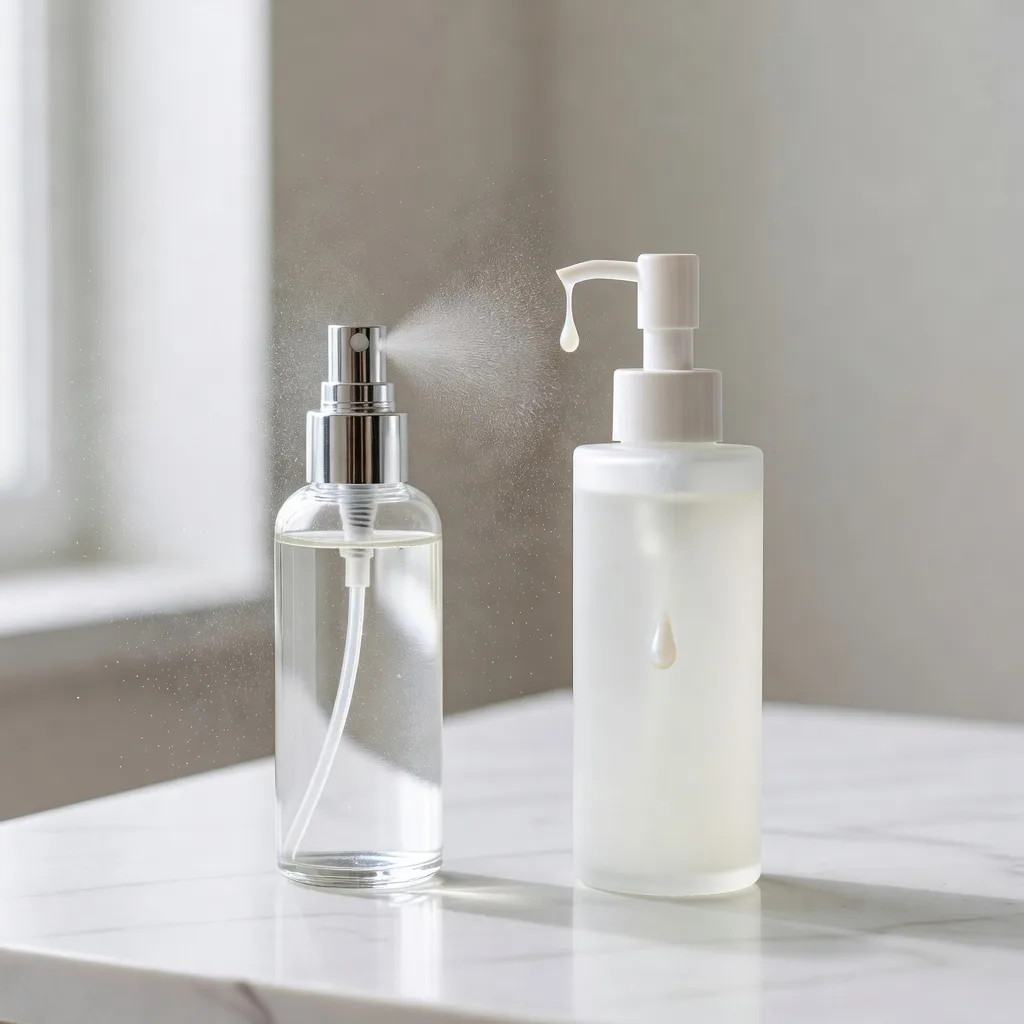
Facial Spray vs Toner: What Each Does and Whether You Need Either
Face mists and toners often sit side by side on the shelf, both in clear bottles, both watery, and both promising hydration and glow. Some toners even come in spray bottles, which blurs the line further. It is fair to ask whether they are really different, and whether you need either one.
Part of our guide to skincare products. Start with: What Does a Facial Toner Do? The Real Answer
A facial spray, or face mist, is a light liquid you spritz on at any time of day to refresh or add a little hydration. A toner is applied after cleansing to prepare the skin, add hydration, or deliver active ingredients such as acids. The format matters less than what is inside the bottle.
Many modern toners are basically hydrating liquids, while some are exfoliating treatments with glycolic or salicylic acid. Face mists range from plain thermal water to fragranced botanical blends. That range is why the right choice depends on reading the ingredients rather than the name on the front.
Neither product is essential. A gentle cleanser, a moisturizer, and daily sunscreen cover the basics for most skin. A toner or mist is worth adding only if it does a job your routine is missing, such as extra hydration for dry skin or gentle exfoliation for rough, oily skin.
This guide explains how sprays and toners differ, helps you decide with a quick routine check, compares common types side by side, and covers the ingredients to watch for if your skin is sensitive.
Shopping these picks?
Amazon Prime members get fast, free shipping on eligible items, plus Prime Video, Amazon Music and member deals. New members can start with a free trial.
Start a free Prime trialAged 18 to 24? Prime for Young Adults comes with a longer free trial and a lower price after it.
Affiliate link: we may earn a commission at no extra cost to you.
Recommended Toners and Face Mists
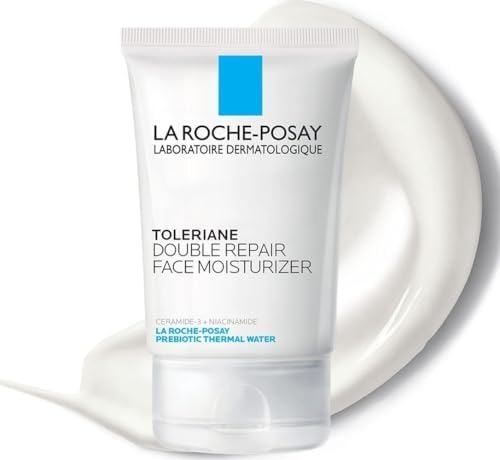
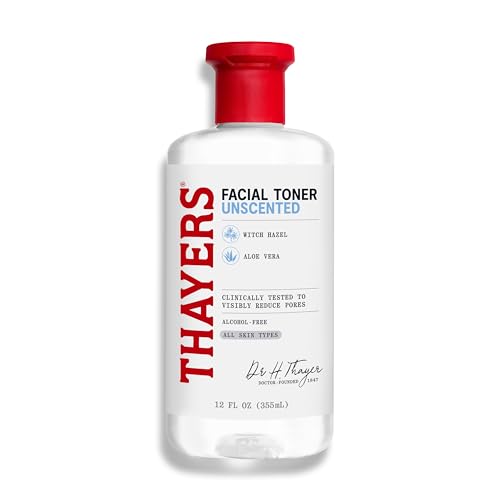


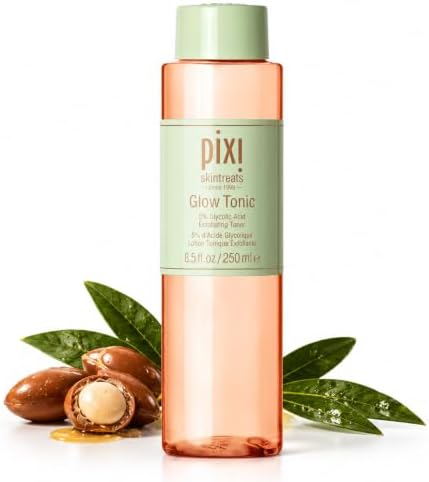
What This Covers
- What a Facial Spray Does
- What a Toner Does
- Facial Spray vs Toner at a Glance
- Do You Need a Spray, a Toner, or Neither?
- Ingredients to Look For and to Avoid
- Which One Suits Your Skin Type?
- How to Use Each Correctly
- What Sprays and Toners Cannot Do
- When to See a Dermatologist
- Questions People Ask
- Where This Leaves You
The Short Version
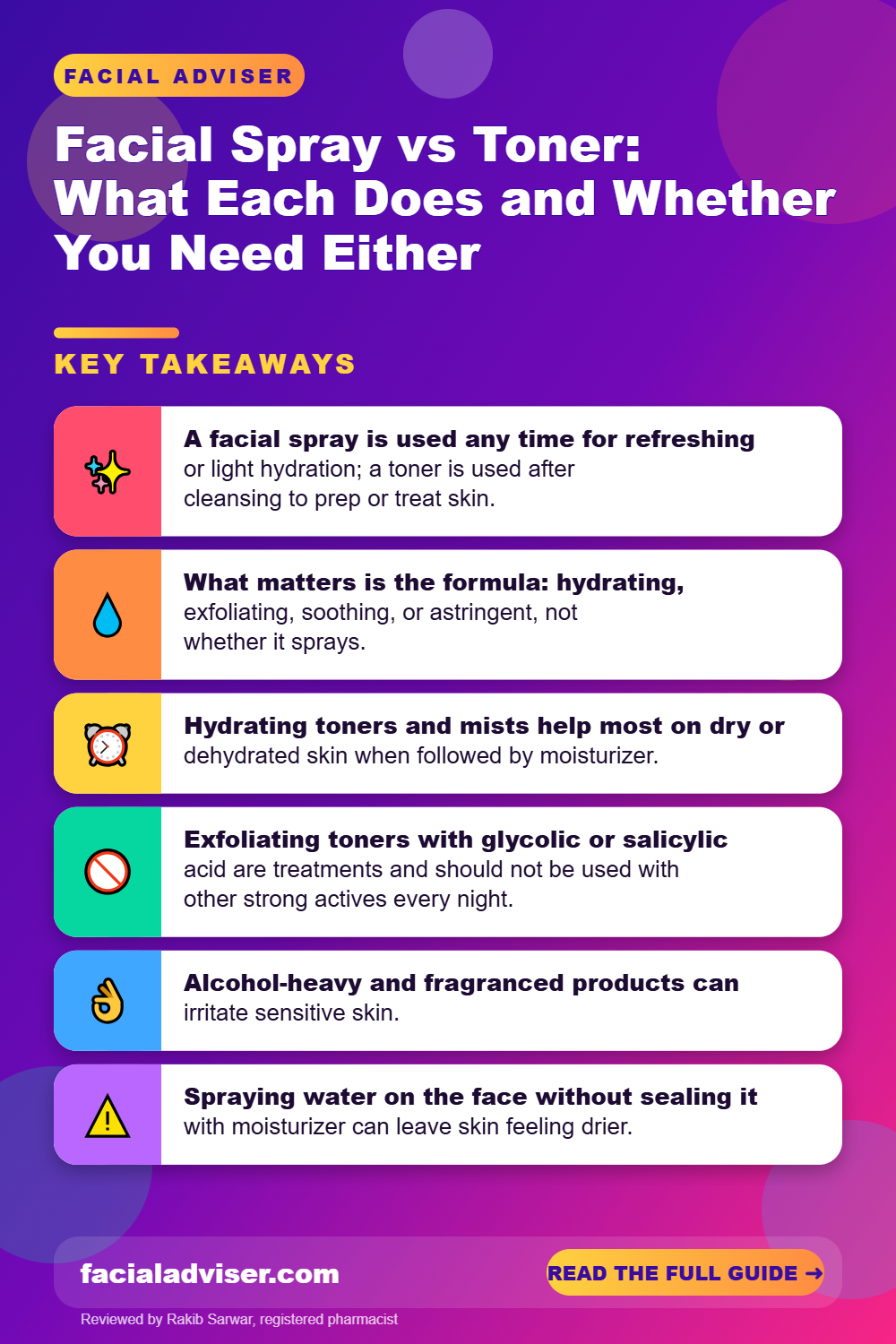
- A facial spray is used any time for refreshing or light hydration; a toner is used after cleansing to prep or treat skin.
- What matters is the formula: hydrating, exfoliating, soothing, or astringent, not whether it sprays.
- Hydrating toners and mists help most on dry or dehydrated skin when followed by moisturizer.
- Exfoliating toners with glycolic or salicylic acid are treatments and should not be used with other strong actives every night.
- Alcohol-heavy and fragranced products can irritate sensitive skin.
- Spraying water on the face without sealing it with moisturizer can leave skin feeling drier.
- Neither is essential; add one only if it fills a gap in your routine.
What a Facial Spray Does
Facial sprays are fine mists of water-based liquid. Simple ones contain thermal spring water or purified water. Others add humectants such as glycerin or hyaluronic acid, soothing ingredients such as panthenol, or botanical extracts and fragrance for a pleasant feel.
People use them to refresh skin during the day, add a layer of hydration before moisturizer, calm skin after the gym or sun, or set makeup. The cooling sensation can feel lovely on hot days or in dry offices and planes.
The effect is usually short-lived. Water on the skin evaporates quickly, and if there is nothing to hold it in, it can take a little of the skin’s own moisture with it. That is why a mist works best as a step under moisturizer, or in formulas that include humectants and a small amount of emollient.
Mists are also popular as a makeup step. Setting sprays are a separate category that contains film-forming ingredients to help makeup last, while hydrating mists are designed mainly to refresh the skin. If you want both effects, check the label, since a hydrating mist will not hold makeup in place the way a true setting spray does.
What a Toner Does
Traditional toners were designed to remove soap residue and tighten the look of pores, often with alcohol or witch hazel. Many people with oily skin still like that clean, tight feeling, though strong alcohol toners can be drying.
Modern toners are more varied:
- Hydrating toners use humectants such as glycerin, hyaluronic acid, and niacinamide to add a layer of moisture after cleansing.
- Exfoliating toners contain acids such as glycolic, lactic, or salicylic acid to loosen dead skin and smooth texture.
- Soothing toners focus on calming ingredients such as panthenol, allantoin, or centella.
- Astringent toners contain alcohol or witch hazel to reduce oiliness temporarily.
For a closer look at the older, oil-control style, our guide to facial toner vs astringent explains the difference.
Cotton pads versus hands is mostly a matter of preference. Pads can help spread exfoliating toners evenly, but they soak up product and can rub delicate skin. For hydrating toners, pressing a few drops in with clean palms usually wastes less and feels gentler.
Facial Spray vs Toner at a Glance
| Feature | Facial spray | Toner |
|---|---|---|
| When to use | Any time of day | After cleansing, before serum or moisturizer |
| Main purpose | Refresh, light hydration, set makeup | Prep, hydrate, exfoliate, or control oil |
| Typical ingredients | Thermal water, glycerin, botanicals | Humectants, acids, niacinamide, witch hazel |
| How it is applied | Sprayed from a distance | Pressed in with hands or a cotton pad |
| Can contain actives | Rarely | Often |
| Irritation risk | Low unless fragranced | Depends on acids, alcohol, and fragrance |
| Essential? | No | No |
Some products work as both, especially hydrating toners in spray bottles. If a spray contains acids, treat it as a toner and use it only after cleansing, not throughout the day.
Do You Need a Spray, a Toner, or Neither?
Look at your current routine and skin, then work through these steps.
Check how your skin feels after cleansing
If your face feels tight or dry within a few minutes of washing, a hydrating toner or mist before moisturizer may help. If it feels comfortable, you may not need either.
Look for rough texture or clogged pores
If your skin feels rough or you have blackheads, an exfoliating toner a few nights a week could help, as long as you are not already using a retinoid or other acid.
Consider your day
If you spend hours in air-conditioning, heated rooms, or planes, a simple hydrating mist can make skin feel more comfortable, followed by a touch of moisturizer.
Check your sensitivity
If your skin stings easily, choose fragrance-free, alcohol-free formulas with short ingredient lists, or skip both entirely.
Add one product at a time
Introduce a toner or mist on its own for two weeks. If your skin feels better and shows no redness or breakouts, keep it.
If your routine already feels long, skip both. A good cleanser, moisturizer, and sunscreen matter far more than any toner or mist.
Ingredients to Look For and to Avoid
For hydration, look for glycerin, hyaluronic acid, panthenol, niacinamide, ceramides, or thermal spring water. For gentle exfoliation, look for lactic acid, mandelic acid, or low-strength salicylic acid. For soothing, look for allantoin, centella asiatica, or colloidal oatmeal.
If your skin is sensitive, be cautious with high amounts of denatured alcohol near the top of the ingredient list, fragrance or parfum, and essential oils such as citrus, peppermint, or lavender.
Fragrance is one of the most common causes of cosmetic contact allergy. In North American Contact Dermatitis Group patch testing from 2019 to 2020, about 13 percent of tested patients reacted to a standard fragrance mix, and people with fragrance allergy were more likely to have dermatitis on the face.
Rosewater and botanical mists can smell lovely but often contain fragrance compounds. If you are prone to redness or rashes, choose a fragrance-free mist instead.
Which One Suits Your Skin Type?
Your skin type is a good starting point for deciding whether a toner, a mist, or neither makes sense.
- Dry or dehydrated skin: a hydrating toner with glycerin or hyaluronic acid after cleansing, followed by a richer moisturizer. A fragrance-free mist can help during the day in dry air.
- Oily skin: a lightweight hydrating toner or an alcohol-free witch hazel toner. A salicylic acid toner a few nights a week can help with clogged pores.
- Combination skin: a gentle hydrating toner all over, with an exfoliating toner only on the T-zone if needed.
- Sensitive skin: a soothing, fragrance-free toner or thermal water mist, or skip both. Avoid acids and alcohol until you know how your skin reacts.
- Acne-prone skin: a salicylic acid toner can help, but not on the same nights as benzoyl peroxide or retinoids unless a dermatologist advises it.
- Mature skin: a hydrating or lactic acid toner can smooth texture, but a retinoid and sunscreen will do more for fine lines.
Climate matters too. In humid weather, a light hydrating toner may be enough moisture for oily skin. In cold, dry, or heated indoor air, the same skin may need a toner, a moisturizer, and an occasional mist to feel comfortable.
How to Use Each Correctly
Helps
- Apply toner after cleansing, on slightly damp skin.
- Press hydrating toners in with clean hands.
- Hold a mist about 20 to 30 cm from your face and spray lightly.
- Follow any mist or toner with moisturizer.
- Use exfoliating toners only a few nights a week.
Backfires
- Use an acid toner on the same night as a retinoid.
- Spray a mist repeatedly without moisturizer on dry skin.
- Rub hard with cotton pads.
- Use alcohol-heavy toners on dry or sensitive skin.
- Mist near eyes or share bottles with others.
If you are layering a toner with other actives, our guide on using niacinamide with acids covers how to avoid irritation. For where essences fit in, see our guide to the difference between essence and serum.
What Sprays and Toners Cannot Do
Neither a mist nor a toner can shrink pores permanently, balance skin pH in any lasting way, or replace a moisturizer. Their effects are usually subtle and short-term.
| Claim | Reality |
|---|---|
| Toner closes pores | Pores do not open and close; they can look smaller briefly |
| Mists hydrate all day | Hydration fades within minutes without moisturizer |
| You must use toner after cleansing | Modern cleansers rarely need toner to rebalance skin |
| Natural rosewater is always gentle | Botanical fragrance can irritate sensitive skin |
| More toner layers means more hydration | Moisturizer does more to hold water in |
If you want visible changes in texture, pores, or tone, targeted treatments such as retinoids, azelaic acid, or professional care usually do more.
When to See a Dermatologist
See a dermatologist if you notice:
- Burning, stinging, or redness that does not go away after stopping a product.
- Swelling around the eyes or lips after using a new toner or mist.
- An itchy rash that keeps returning in the same areas.
- Persistent redness, flushing, or bumps that may be rosacea.
- Dry, flaky patches around the nose or brows that may be seborrheic dermatitis.
- Acne that does not improve after a few months of consistent care.
Stop using a product immediately and seek urgent care if you develop swelling of the face or throat, or difficulty breathing.
Medical disclaimer: This article is for general information and is not a substitute for professional medical advice. See a healthcare provider about skin reactions that persist or worsen.
Questions People Ask
What is the difference between a facial spray and a toner?
A spray is used any time for refreshing or light hydration. A toner is used after cleansing to prep, hydrate, or treat the skin.
Can I use a face mist instead of toner?
A simple hydrating mist can replace a hydrating toner. It cannot replace an exfoliating toner.
Do I need a toner?
Not necessarily. Many people do well without one. Add one only if it fills a specific need.
Does face mist dry out skin?
Plain water mists can if not followed by moisturizer, as water evaporates and takes some moisture with it.
Can I spray toner on my face?
Yes, if it is in a spray bottle and does not contain strong acids. Exfoliating toners are best applied with hands or a pad.
Is witch hazel toner good for oily skin?
It can reduce oiliness briefly. Choose alcohol-free versions to avoid dryness.
Can I use a mist over makeup?
Many are designed for that. Hold it at arm’s length and spray lightly.
Should I use toner morning and night?
Hydrating toners can be used twice daily. Exfoliating toners are usually used a few nights a week.
Is rosewater good for sensitive skin?
It can irritate some people because of natural fragrance compounds. Patch test first.
What should I apply after toner?
Serum if you use one, then moisturizer, and sunscreen in the morning.
Where This Leaves You
Facial sprays and toners are both optional extras. A spray is a quick, any-time refresh that works best as a light hydration step under moisturizer, while a toner comes after cleansing and can hydrate, soothe, control oil, or exfoliate depending on its ingredients.
Read the ingredient list rather than the label, choose fragrance-free and alcohol-free formulas if your skin is sensitive, and add only the product that fills a real gap in your routine. For most people, a gentle cleanser, moisturizer, and sunscreen still do the heavy lifting.

Written by
Registered pharmacist and founder of Facial Adviser. Rakib's pharmacy training covers how skincare actives work and interact; a later course in cosmetology turned that into a focus on facial treatments and skincare products. He plans, researches and edits every guide on the site and checks health claims against sources such as the American Academy of Dermatology, the FDA and the NIH. He is not a dermatologist; see the Editorial Policy and Medical Disclaimer.
About · Editorial policy · How we choose products · Medical disclaimer · Contact
Keep reading: Toners, mists and sunscreen
- What Does a Facial Toner Do? The Real Answer
- 10 Best Facial Toners for Pores (2026): Smoother, Clearer-Looking Skin
- 10 Best Facial Toners for Sensitive Skin (2026): Gentle, No Sting
- 10 Best Sunscreens for Sensitive Facial Skin (2026): Gentle Mineral SPF
- 10 Best Facial Toners for Dry Skin (2026): Hydrate Without Sting
- Uneven Tone After Sun Exposure: Tan, Sunspots or Melasma and How to Fade It
- 10 Best Face Masks for Every Skin Type (2026): Clay, Gel and Sheet
- 10 Best Facial Cleansers for Combination Skin (2026): Balanced Picks