How to Simplify Your Skincare Routine Without Losing Results
Ten-step routines, new launches every week and endless advice about which serum you are missing can leave you with a bathroom shelf full of half-used bottles and skin that seems no better for it. Sometimes it is worse, because every extra product is another chance for irritation.
Part of our guide to skincare routines and ingredients. Start with: Best Skin Care Routine: Simple AM and PM Steps for Every Skin Type
A minimalist routine for most people is three steps: a gentle cleanser, a moisturiser suited to your skin, and a broad-spectrum sunscreen of SPF 30 or higher every morning. If you have a specific goal, such as acne, dark spots or fine lines, add one proven active, for example a retinoid, azelaic acid or vitamin C. To simplify, keep what does a clear job, remove products that overlap, and change one thing at a time so you can see what really helps.
This is not about doing less for the sake of it. A short routine is easier to follow every day, cheaper, less likely to irritate, and makes it much easier to tell which product is responsible when your skin improves or reacts.
The American Academy of Dermatology’s advice for healthy skin centres on a few consistent habits: washing with a gentle cleanser, moisturising and daily sunscreen. Many of the extras in elaborate routines have far less evidence behind them.
This guide explains what a minimalist routine includes, how to decide what to cut, and how to simplify without losing the results you have already achieved.
Shopping these picks?
Amazon Prime members get fast, free shipping on eligible items, plus Prime Video, Amazon Music and member deals. New members can start with a free trial.
Start a free Prime trialAged 18 to 24? Prime for Young Adults comes with a longer free trial and a lower price after it.
Affiliate link: we may earn a commission at no extra cost to you.
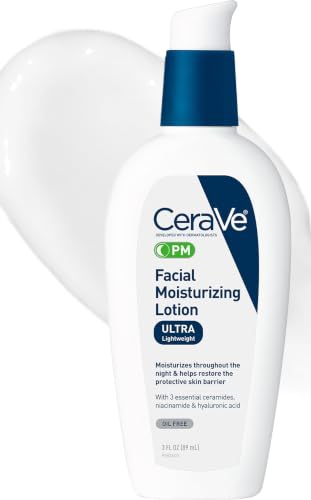
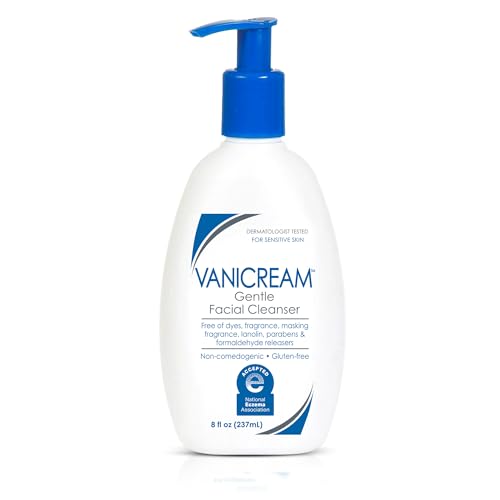
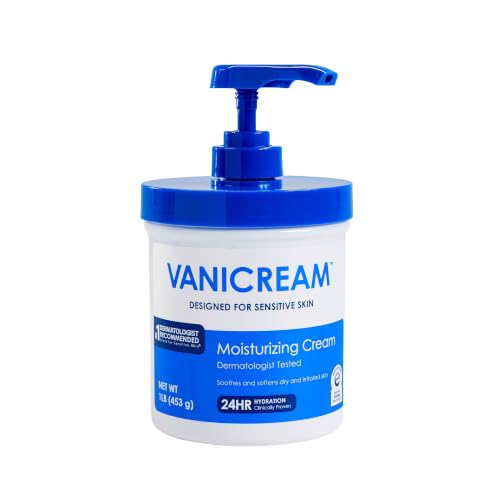
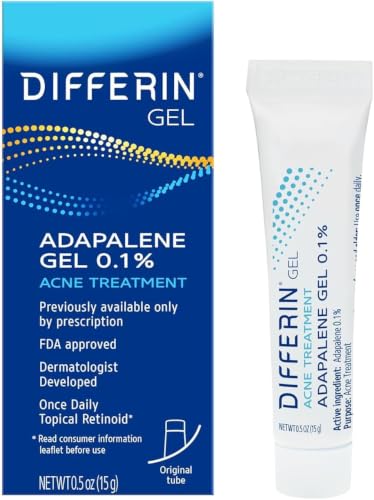
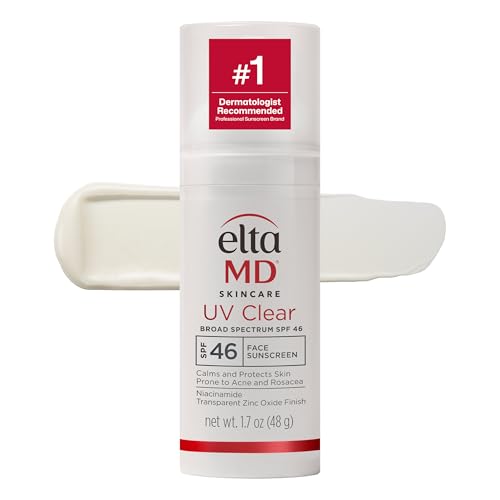
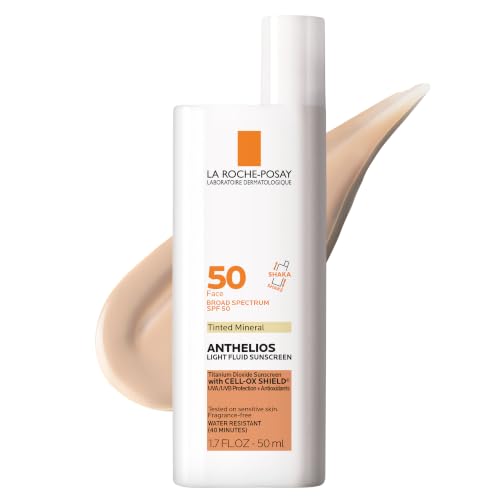
Recommended Minimalist Skincare Basics

In This Guide
- The Three Core Steps
- Adding One Active, If You Need It
- What You Can Usually Cut
- How to Cut Your Routine Down Step by Step
- Sample Minimalist Routines
- Why Simpler Often Works Better
- Where to Spend and Where to Save
- Keeping It Simple Long Term
- Dos and Don’ts
- Common Mistakes When Simplifying
- Honest Limits
- When to See a Dermatologist
- FAQ
- Where This Leaves You
The Short Version
- Most skin needs a cleanser, moisturiser and sunscreen.
- Add one active only if you have a specific goal.
- Remove products that do the same job.
- Change one thing at a time.
- Fewer products often means less irritation.
- Consistency matters more than the number of steps.
- Simple does not mean cheap or basic; it means focused.
The Three Core Steps
| Step | Why it matters | What to look for |
|---|---|---|
| Cleanser | Removes sunscreen, oil and grime without stripping | Gentle, fragrance-free; creamy for dry skin, gel for oily |
| Moisturiser | Supports the barrier and prevents dryness | Suited to your skin type; non-comedogenic if acne-prone |
| Sunscreen | Prevents sunburn, dark spots and premature ageing | Broad-spectrum, SPF 30 or higher, a texture you will wear daily |
These three steps cover what almost everyone’s skin needs. Sunscreen in particular does more to prevent visible ageing and dark spots than most serums. The AAD highlights daily sunscreen and moisturiser among its key steps for reducing premature skin ageing.
Some people can simplify even further. Oily skin may manage with a gel moisturiser only at night and a light sunscreen in the morning. Some sunscreens are moisturising enough to replace a morning moisturiser for normal skin.
A moisturiser with SPF can replace two morning steps, but only if you apply enough of it to get the stated protection. Many people apply too little, so a dedicated sunscreen is often more reliable.
Adding One Active, If You Need It
If you have a specific concern, one well-chosen active is usually enough. Choose based on your main goal rather than trying to cover everything.
| Main goal | Active to consider | When to use it |
|---|---|---|
| Acne and clogged pores | Adapalene, benzoyl peroxide or salicylic acid | Evening, or as a wash |
| Dark spots and uneven tone | Azelaic acid, vitamin C or a retinoid | Morning (vitamin C) or evening |
| Fine lines and texture | A retinoid | Evening, a few nights a week at first |
| Redness | Azelaic acid or niacinamide | Morning or evening |
| Dryness | No active; a better moisturiser | Twice a day |
Our guide to night creams versus leave-on treatments explains how an active fits alongside your moisturiser.
Whatever you choose, introduce it slowly and give it time. Most actives take at least eight to twelve weeks to show clear results, and switching from one to another every few weeks means you never find out which would have worked. Sticking with one active long enough to judge it fairly is one of the biggest advantages of a simple routine.
What You Can Usually Cut
- Toners and essences: helpful for some people, but rarely essential if your cleanser and moisturiser suit your skin.
- Multiple serums: two or three serums with overlapping ingredients often do little more than one.
- Separate eye cream: your regular moisturiser can usually be used around the eyes if it does not sting.
- Frequent masks: enjoyable, but optional.
- Face mists: refreshing, but they add little hydration on their own.
- Several exfoliants: one at most, used a few times a week, and none if you use a retinoid on the same nights.
Our guides on essences versus serums and whether you need moisturiser after a hydrating serum can help you decide which of these overlap in your routine.
A good test for any product is to ask what would happen if you stopped using it tomorrow. If the honest answer is nothing you would notice, it is probably a candidate to pause. If your skin would feel tight, break out or burn in the sun, it is doing a real job and should stay.
How to Cut Your Routine Down Step by Step
List everything you use
Write down each product, when you use it and what you expect it to do.
Group by job
Put cleansers, hydrators, actives and sunscreens in separate groups.
Keep one per job
Choose the product in each group that suits your skin best and that you enjoy using.
Pause the rest
Stop the extra products for a few weeks rather than throwing them out.
Watch your skin
Note whether anything gets worse. If it does, you can bring back one product.
Settle on your routine
After four to six weeks, keep what you missed and let go of what you did not.
Take a photo of your skin in the same light before you simplify and again after a month. It is much easier to judge changes from photos than from memory.
Sample Minimalist Routines
| Skin type | Morning | Evening |
|---|---|---|
| Dry | Cream cleanser or water rinse, moisturiser, sunscreen | Cream cleanser, richer moisturiser |
| Oily | Gel cleanser, light sunscreen | Gel cleanser, light moisturiser, adapalene if acne-prone |
| Combination | Gentle cleanser, light moisturiser, sunscreen | Gentle cleanser, moisturiser, one active if needed |
| Sensitive | Water rinse or gentle cleanser, moisturiser, mineral sunscreen | Gentle cleanser, fragrance-free moisturiser |
| Ageing concerns | Gentle cleanser, vitamin C (optional), moisturiser, sunscreen | Gentle cleanser, retinoid a few nights a week, moisturiser |
None of these routines has more than four steps at a time, and several have only two or three. That is enough for most people to keep skin healthy and make steady progress on a specific goal, without spending more than a few minutes a day.
Why Simpler Often Works Better
Less irritation. Every product adds ingredients that could irritate. Fragrance, essential oils and multiple actives are common culprits. Fewer products means fewer chances for a reaction. Easier to troubleshoot. If your skin breaks out or stings, it is much easier to find the cause in a routine of three products than in one of ten. Better consistency. A routine you can do in two minutes is one you will actually follow every day, including on tired evenings and busy mornings. Lower cost. Spending more on a good sunscreen you enjoy wearing and less on extras usually gives better value.Our guide on whether mixing actives reduces their effectiveness explains why stacking many actives often backfires.
Where to Spend and Where to Save
A simpler routine usually costs less, but it also lets you put your money where it matters most. For most people, that is sunscreen: a formula you like enough to wear every day, in generous amounts, is worth paying a little more for.
Cleansers, on the other hand, spend only a minute on your skin before being rinsed away. Inexpensive, gentle pharmacy cleansers often perform as well as luxury ones. Basic moisturisers with glycerin and ceramides are also widely available at modest prices.
If you add an active, choose one with good evidence at a sensible strength rather than an expensive serum with a long list of trendy extracts in tiny amounts. Adapalene gel, azelaic acid and plain vitamin C serums are all available without a large budget.
Finally, finishing products before buying new ones is one of the easiest ways to save. Many people own several half-used moisturisers because each new launch seemed better than the last.
Keeping It Simple Long Term
Once your routine is simple, the challenge is keeping it that way. New products, advertising and advice online all push towards adding more.
A useful rule is to add something only when you have a specific problem your current routine is not solving, and to replace rather than add where possible. If you buy a new moisturiser, it takes the place of the old one rather than sitting alongside it.
Reviewing your routine a couple of times a year, especially when the seasons change, helps too. Your skin’s needs shift over time, and a quick check keeps the routine focused on what you actually need now.
Dos and Don’ts
Worth Doing
- Keep a gentle cleanser, moisturiser and sunscreen
- Add one active for a specific goal
- Remove products that overlap
- Change one thing at a time
- Give changes four to six weeks
Skip It
- Stop sunscreen to save a step
- Cut everything at once
- Replace your whole routine with new products
- Add a new product every time you see a recommendation
- Assume more steps means better results
Common Mistakes When Simplifying
Cutting the wrong step. Sunscreen is the step people most often drop, but it is the one with the strongest evidence. Keep it and cut elsewhere. Stopping a prescription. If a dermatologist prescribed a treatment, talk to them before stopping it. Simplifying and switching at the same time. Replacing all your products with new minimalist ones makes it hard to know what is working. Simplify using products you already know suit you. Expecting instant results. Skin can take a few weeks to settle after changes. A brief adjustment period is normal.If your skin becomes very dry, red or irritated after cutting back, you may have removed a product it needed, most often a moisturiser. Reintroduce it and see a dermatologist if the problem continues.
Honest Limits
A minimalist routine is not the right answer for everyone. Some skin conditions, such as moderate acne, rosacea or melasma, need several targeted treatments, often prescribed by a dermatologist.
There is also no study proving that fewer products are always better. The case for simplicity is practical: fewer ingredients, fewer reactions, better consistency and clearer cause and effect.
If you enjoy a longer routine and your skin is happy with it, there is nothing wrong with that. Simplifying is most useful when your routine feels overwhelming, expensive or irritating.
When to See a Dermatologist
- Your skin stays irritated even with a very simple routine.
- Acne, redness or dark spots do not improve after several months.
- You are unsure which single active suits your goal.
- You use prescription treatments and want to simplify around them.
This article is for general information and does not replace professional medical advice. See a dermatologist for persistent skin concerns.
FAQ
What is the most basic skincare routine?
A gentle cleanser, a moisturiser and a broad-spectrum sunscreen.
Do I need a toner?
Not usually. It is optional if your cleanser and moisturiser suit your skin.
Can I skip moisturiser?
Some oily skin types can in the morning, but most skin benefits from moisturiser.
How many actives should I use?
One is enough for most goals.
Is sunscreen really necessary every day?
Yes. It is the step with the strongest evidence for preventing sun damage and ageing.
Can a moisturiser with SPF replace sunscreen?
Only if you apply enough; a dedicated sunscreen is often more reliable.
How long does it take to see results after simplifying?
Give it four to six weeks.
Should I throw away products I stop using?
Pause them first. If you do not miss them after a few weeks, let them go.
Is a minimalist routine good for sensitive skin?
Yes. Fewer products usually means fewer reactions.
Do I need an eye cream?
Not usually. A gentle moisturiser can often be used around the eyes.
Where This Leaves You
A minimalist routine of cleanser, moisturiser and sunscreen covers what most skin needs, with one active added for a specific goal.
Simplify by grouping products by job, keeping one per job and pausing the rest. Keep sunscreen, change one thing at a time and give your skin four to six weeks to show the results.

Written by
Registered pharmacist and founder of Facial Adviser. Rakib's pharmacy training covers how skincare actives work and interact; a later course in cosmetology turned that into a focus on facial treatments and skincare products. He plans, researches and edits every guide on the site and checks health claims against sources such as the American Academy of Dermatology, the FDA and the NIH. He is not a dermatologist; see the Editorial Policy and Medical Disclaimer.
About · Editorial policy · How we choose products · Medical disclaimer · Contact
Keep reading: Skincare routine basics
- Best Facial Skincare Tips: Evidence-Based Habits Dermatologists Recommend
- Best Skin Care Routine: Simple AM and PM Steps for Every Skin Type
- Why Professional Skin Care Is Important
- Best Facial Routine Skincare Kit for Men: What to Look For and How to Use It
- Is Mineral Water Good for Your Skin? What the Evidence Says